Platykurtic Distributions in Finance: Understanding and Utilizing Negative Excess Kurtosis for Investment

Explore the world of platykurtic distributions, their significance in finance, & strategies for risk-averse investors.
Definition of Platykurtic Distributions
Platykurtic distributions, characterized by their negative excess kurtosis, signify a statistical distribution with fewer extreme positive or negative events compared to a normal distribution (a mesokurtic distribution). This attribute is crucial for risk management as it allows investors to minimize the likelihood of experiencing significant negative outliers. Platykurtic distributions can be contrasted with leptokurtic distributions, which have positive excess kurtosis and exhibit a higher probability of extreme events.
Understanding Excess Kurtosis and its Implications for Investors:
Excess kurtosis is an essential measure that helps investors assess the risk associated with various investments. The kurtosis level provides insight into the potential likelihood of extreme positive or negative outcomes. In general, risk-averse investors seek out platykurtic distributions as these have lower chances of generating extreme events compared to a normal distribution. By focusing on platykurtic assets and markets, investors can mitigate the probability of encountering significant losses.
Three Types of Statistical Distributions: Platykurtic, Mesokurtic, Leptokurtic:
Statistical distributions are categorized based on their kurtosis levels—platykurtic, mesokurtic, and leptokurtic. These classifications stem from the excess kurtosis, which is a measure of how much the probability density function of a statistical distribution deviates from a normal distribution.
Platykurtic distributions have negative excess kurtosis, meaning their probability density functions have thinner tails than the normal distribution. The opposite of platykurtic distributions are leptokurtic ones, which exhibit positive excess kurtosis and feature thicker tails than a normal distribution. Mesokurtic distributions, including the well-known normal distribution, possess a kurtosis value equal to three, making them neither platykurtic nor leptokurtic.
Platykurtic vs. Leptokurtic: Risk Management Considerations:
Investors often face a choice between assets and markets with different statistical distributions. While some might opt for leptokurtic investments, others prefer those with platykurtic distributions due to the inherent risk differences between the two.
Risk-averse investors typically favor platykurtic investments because these have lower chances of generating extreme events compared to a normal distribution. In contrast, investors who are more comfortable with risk and willing to accept larger negative outliers may opt for leptokurtic investments that offer higher potential rewards.
The Role of Platykurtic Distributions in Equity Markets:
Equity markets often exhibit leptokurtosis due to the presence of black swan events, which can significantly impact the market’s overall performance. However, some investors might still prefer platykurtic distributions within equity markets because they minimize the risk associated with large negative events. This strategy can be particularly effective in a volatile market environment where unexpected shocks are more likely to occur.
Real-World Examples of Platykurtic Distributions in Finance: A Deep Dive into Data:
The analysis of real-world data provides valuable insights into the relationship between various asset classes and their platykurtic or leptokurtic properties. For example, a study published by Morningstar revealed that different investment types had varying excess kurtosis levels between February 1994 and June 2011 (Morningstar Research Department, 2013). This research highlighted the wide range of kurtosis values observed across cash, bonds, real estate, commodities, and equities.
Risk-averse investors could utilize this information to create a well-diversified portfolio based on their preference for low-kurtosis investments. Conversely, more adventurous investors might pursue high-kurtosis assets that offer the potential for greater rewards despite increased risk.
Platykurtic Investments: Strategies for Risk-Averse Investors:
Risk-averse investors can implement various strategies to build a platykurtic investment portfolio, which focuses on securities with a lower probability of extreme events. This approach might include diversifying across multiple asset classes, employing risk management techniques, and investing in low-volatility stocks. By considering the underlying statistical distribution of their investments, investors can make informed decisions that align with their risk tolerance and financial objectives.
Platykurtic vs. Leptokurtic: Opportunities for Adventurous Investors:
While platykurtic investments offer a reduced likelihood of extreme events, they may not provide the same level of potential rewards as leptokurtic investments. Adventurous investors can capitalize on this difference by targeting leptokurtic assets with a higher probability of generating significant positive outliers. This approach might involve investing in high-volatility stocks, options, or alternative asset classes that offer the opportunity for substantial returns, although it also comes with an increased risk of losses.
Quantitative Analysis of Platykurtic Distributions: Techniques and Tools for Evaluation:
Investors can employ various quantitative analysis techniques to evaluate platykurtic distributions and determine their suitability for a particular investment strategy. Some common methods include analyzing historical returns, applying statistical tests, and utilizing graphical representations like Q-Q plots. By assessing the kurtosis and other relevant statistics, investors can make informed decisions regarding the level of risk they are willing to accept in their portfolio.
FAQs about Platykurtic Distributions in Finance:
- What is a platykurtic distribution? A platykurtic distribution is a statistical distribution with negative excess kurtosis, meaning its probability density function has thinner tails than a normal distribution.
- How does negative excess kurtosis affect investment risk? Negative excess kurtosis indicates that the likelihood of extreme positive or negative events in an investment is lower compared to a normal distribution. This attribute can be desirable for risk-averse investors who prefer to minimize the probability of significant losses.
- Which investments have platykurtic distributions? Various asset classes, such as bonds and cash, often exhibit platykurtic distributions due to their relatively stable returns. However, even within equity markets, some individual stocks or sectors might display platykurtic behavior, offering risk-averse investors an opportunity to build a diversified portfolio with reduced exposure to extreme events.
- What are the advantages of investing in platykurtic assets? Investing in platykurtic assets can help minimize the probability of large negative outliers and provide a more stable investment experience for risk-averse investors. Additionally, understanding platykurtic distributions can serve as a valuable tool for portfolio construction and risk management.
- How do you identify platykurtic investments? Investors can use quantitative analysis techniques, such as analyzing historical returns or applying statistical tests, to evaluate the kurtosis of various investment options and determine those with platykurtic distributions. Alternatively, they might consult financial research studies that have analyzed the excess kurtosis levels of different asset classes over extended periods.
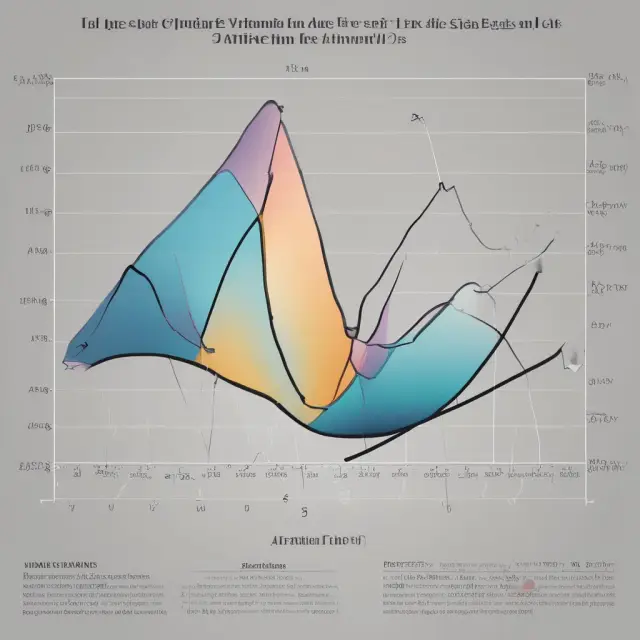
Understanding Excess Kurtosis and Its Implications for Investors
In finance, a key concept that plays an essential role in assessing investment risk is the excess kurtosis of various statistical distributions. Excess kurtosis measures how much more peaked or flat a distribution is compared to a normal distribution, which has a kurtosis score of three. Specifically, excess kurtosis represents the degree to which the tails of a distribution deviate from those of a normal distribution. A negative value for excess kurtosis indicates that a distribution has thinner tails than a normal distribution and is referred to as platykurtic. Conversely, a positive excess kurtosis implies thicker tails (leptokurtic distributions) and a higher likelihood of extreme events.
The significance of excess kurtosis for investors lies in its potential impact on risk management. Risk-averse investors might prefer investments with platykurtic distributions to minimize the chance of encountering severe negative events. On the other hand, more adventurous investors may seek out investments with leptokurtic distributions that carry a higher likelihood of extreme positive returns, even though they are also associated with greater risk.
By understanding excess kurtosis, investors can make informed decisions about their investment portfolios based on their risk tolerance levels and preferences. Let’s delve deeper into the implications of platykurtic distributions for risk-averse investors.
Investors typically assess various statistical distributions to determine which assets or markets best suit their investment objectives. In general, more conservative or risk-averse investors are inclined towards investments with negative excess kurtosis because such investments have a lower probability of generating extreme returns. These investors may find that platykurtic distributions align better with their goals for minimizing large negative events and maintaining stable returns over the long term.
To illustrate, let us examine three distinct types of statistical distributions: platykurtic, mesokurtic, and leptokurtic. Platykurtic distributions, as mentioned earlier, have a lower likelihood of extreme positive or negative events compared to normal distributions (mesokurtic) due to their negative excess kurtosis. On the contrary, leptokurtic distributions possess positive excess kurtosis, meaning they have a higher probability of extreme events.
Investors should be aware that understanding excess kurtosis is crucial when making investment decisions in various markets, particularly when assessing risk and evaluating diversification strategies. For instance, the equity market is often believed to follow a leptokurtic distribution. In such cases, an investor looking for investments with lower probabilities of extreme events might prefer assets or markets that have negative excess kurtosis, like cash, bonds, or international equities from developed countries.
It’s essential to note that this preference for platykurtic distributions doesn’t mean investors should completely avoid investments with leptokurtic distributions. Some investors may actively seek out assets with positive excess kurtosis to exploit the potential for significant returns, despite their increased risk. Therefore, understanding both types of statistical distributions is crucial in a well-diversified investment portfolio tailored to an investor’s risk tolerance and objectives.
In conclusion, excess kurtosis plays a vital role in assessing investment risks by quantifying the extent to which a distribution deviates from a normal distribution. Platykurtic distributions have negative excess kurtosis and are preferred by investors seeking to minimize extreme events and maintain stable returns over time. By gaining a solid grasp of this concept, investors can make informed decisions about their investments based on their risk tolerance levels and preferences.

Three Types of Statistical Distributions: Platykurtic, Mesokurtic, Leptokurtic
Understanding the significance of various statistical distributions is essential for investors as they make informed decisions regarding their portfolios. Among these distributions are platykurtic, mesokurtic, and leptokurtic, each characterized by their kurtosis, which measures the likelihood of extreme events.
Platykurtic distributions possess negative excess kurtosis (kurtosis less than three), indicating fewer extreme positive or negative events compared to a normal distribution. For risk-averse investors, investments with platykurtic distributions offer reduced risks, as they minimize the chance of encountering significant downside movements.
Mesokurtic distributions, like the normal distribution, have a kurtosis value equal to three. Distributions with positive excess kurtosis (kurtosis greater than three) are classified as leptokurtic. In contrast to platykurtic distributions, leptokurtic distributions are characterized by more frequent occurrences of extreme events, which can be either positive or negative.
Investors often consider the distribution type associated with various investments when determining where to allocate their capital, depending on their risk tolerance and investment objectives. Risk-averse investors generally prefer assets that exhibit platykurtic distributions to minimize the risk of extreme market events.
Figures 1, 2, and 3 demonstrate how these three types of statistical distributions differ visually based on their tails (or extent of extreme values). The first figure below depicts a normal distribution (mesokurtic), while Figure 2 illustrates a platykurtic distribution. Although the first figure does not reveal significant differences between the distributions’ tails, Figure 3 showcasing quantiles provides a clearer comparison. This technique is known as the Quantile-Quantile plot or Q-Q plot.
Investors must note that equity markets generally exhibit leptokurtic behavior. That is, while most returns align closely with the average market return, extreme deviations from the mean can occur. For risk-averse investors seeking to minimize such events, platykurtic investments may offer a more attractive alternative. Conversely, some investors deliberately pursue high-risk investments with leptokurtic distributions, expecting extreme positive returns that could potentially offset negative ones.
Real-world data from Morningstar’s research paper provides insights into the excess kurtosis levels of different asset classes between February 1994 and June 2011. The findings reveal a wide range of values, with cash and international bonds displaying the lowest excess kurtosis (-1.43 and 0.58, respectively), while high-yield bonds and hedge fund arbitrage strategies showcased the highest excess kurtosis (9.33 and 22.59).
Investors can use this information to make informed decisions based on their risk tolerance levels. Risk-averse investors seeking low volatility investments may favor those with lower kurtosis values, while adventurous investors more comfortable with extreme market events may opt for high-kurtosis investments.
In conclusion, understanding the fundamental differences between platykurtic, mesokurtic, and leptokurtic distributions is crucial for investors in making informed investment decisions based on their risk tolerance levels. The choice between these distributions can significantly impact an investor’s portfolio performance, allowing them to tailor their investments to better align with their objectives while minimizing potential risks.

Platykurtic vs. Leptokurtic: Risk Management Considerations
Investors often aim to manage risk effectively and choose investments based on the statistical distribution of their returns. Understanding platykurtic and leptokurtic distributions is crucial when making such decisions. Platykurtic distributions, characterized by negative excess kurtosis, possess thinner tails than normal distributions. This feature translates to fewer extreme positive or negative events, which can be an attractive trait for risk-averse investors.
For comparison, leptokurtic distributions are those with positive excess kurtosis, resulting in a higher likelihood of extreme events. Although some investors might seek investments with leptokurtic distributions due to their potential for high rewards, others may prefer platykurtic distributions that offer reduced risk.
Moreover, understanding the difference between these distribution types can be valuable when managing overall portfolio risk. For instance, an investor might allocate a larger portion of their capital towards platykurtic investments and a smaller portion to leptokurtic ones, depending on their risk tolerance.
Mesokurtic distributions, which have a kurtosis of three, serve as a useful benchmark for comparison. The normal distribution, a common mesokurtic example, has a bell-shaped curve with symmetry around its mean. Platykurtic and leptokurtic distributions deviate from this shape in distinct ways.
To better visualize the differences between these statistical distributions, consider examining quantile-quantile (Q-Q) plots. These diagrams display the distribution of a given dataset alongside that of a standard normal distribution. The Q-Q plot can help investors determine whether a particular investment follows a mesokurtic, leptokurtic, or platykurtic distribution based on how its quantiles align with those from a standard normal distribution (Figure 1).
Figure 1: Comparison of Platykurtic, Mesokurtic, and Leptokurtic Distributions
When analyzing the risk-return characteristics of various assets or markets, it’s essential to be aware that they may exhibit different degrees of kurtosis. For example, equity market returns are often thought to be leptokurtic, as they include both large positive and negative deviations from the mean. In contrast, some fixed income securities and bonds tend to have platykurtic distributions, with fewer extreme events.
Investors may use this information when constructing their portfolios by allocating resources based on their risk tolerance and investment objectives. For instance, a more cautious investor might favor assets with negative excess kurtosis, while an aggressive investor could look for those with positive excess kurtosis to potentially capture greater rewards.
Investors can also apply quantitative analysis techniques like Q-Q plots and other statistical tools to determine the degree of kurtosis in various investments. By doing so, they can make informed decisions about which assets or markets align best with their risk tolerance and investment goals.
Understanding the differences between platykurtic and leptokurtic distributions is essential for investors who aim to manage their risk effectively. By analyzing the statistical characteristics of potential investments, investors can construct well-diversified portfolios tailored to their individual risk tolerance levels. This knowledge empowers them to make informed decisions that optimize their investment returns while minimizing unnecessary risks.
In summary, platykurtic distributions have negative excess kurtosis and fewer extreme events than normal distributions. They can be an attractive choice for risk-averse investors who want to minimize the likelihood of large negative events. Conversely, leptokurtic distributions, characterized by positive excess kurtosis, may offer greater rewards but also increased risk. By recognizing these differences, investors can effectively manage their portfolio risks and make informed decisions based on their unique investment goals and risk tolerance levels.

The Role of Platykurtic Distributions in Equity Markets
Platykurtic distributions hold a significant role in equity markets because they indicate a lower likelihood of extreme events, making them attractive to risk-averse investors. Equity markets generally have been observed to exhibit leptokurtosis, meaning that while the majority of returns tend to be near the average, there is an increased probability of both large negative and positive deviations from the mean. These extreme events can significantly impact investors’ portfolios; thus, understanding platykurtic distributions in the context of equity markets is crucial for making informed investment decisions.
Platykurtic distributions have a negative excess kurtosis value and are characterized by thinner tails compared to normal distributions, leading to fewer extreme events. This feature makes them particularly appealing to risk-averse investors as they minimize the likelihood of large negative deviations from the mean. Conversely, leptokurtic distributions, with their positive excess kurtosis, have thicker tails and are more likely to exhibit extreme events.
Historical research suggests that equity markets’ returns tend to follow a leptokurtic distribution. This observation is significant for risk-averse investors as it implies that equity investments may expose them to a higher likelihood of extreme negative events. Consequently, those seeking to minimize their exposure to such risks might prefer to focus on assets with platykurtic distributions.
Understanding the relationship between asset classes and their respective kurtosis can help investors make informed decisions based on their risk tolerance levels. For instance, an investor who is particularly concerned about minimizing extreme events in their portfolio might choose to allocate resources towards cash or international bonds, which typically exhibit negative excess kurtosis.
Conversely, investors with a higher tolerance for extreme events may opt for assets with positive excess kurtosis like U.S. high-yield bonds or hedge fund arbitrage strategies. By understanding the distribution patterns of various assets and their respective risks, investors can create portfolios that better align with their risk tolerance levels.
Moreover, it is essential to note that extreme events do not always result in negative consequences. Black swan events, which are characterized by significant financial disruptions and market instability, can also lead to opportunities for substantial returns. For instance, the dot-com bubble in 2000 and the subsequent burst presented an opportunity for investors to buy undervalued stocks at a discount, leading to substantial long-term gains.
In conclusion, platykurtic distributions play a vital role in understanding equity markets’ risks and opportunities. By examining the distribution patterns of different asset classes and their associated risk levels, investors can make informed decisions that align with their risk tolerance levels. Ultimately, this knowledge allows for better portfolio management strategies and improved long-term investment outcomes.

Real-World Examples of Platykurtic Distributions in Finance: A Deep Dive into Data
Platykurtic distributions, characterized by negative excess kurtosis, can offer valuable insights to investors seeking to manage risk and make informed investment decisions based on their risk tolerance. In this section, we delve into real-world examples of platykurtic distributions in finance, providing a better understanding of how they compare to other distribution types like mesokurtic and leptokurtic ones.
To recap, statistical distributions are categorized as platykurtic, mesokurtic, or leptokurtic based on their kurtosis values. A normal distribution is a type of mesokurtic distribution with a kurtosis value of three, while excess kurtosis (the difference between the actual and expected kurtosis) in distributions determines whether they are platykurtic (-ve excess kurtosis), mesokurtic (zero excess kurtosis), or leptokurtic (+ve excess kurtosis).
Let us explore some real-world examples of platykurtic distributions and their significance to investors. Morningstar, a leading provider of investment research, published a research paper on the excess kurtosis levels of various asset classes between February 1994 and June 2011 (Morningstar, 2013). The following table illustrates the excess kurtosis values for select investments:
| Asset Class | Excess Kurtosis |
|———————|—————-|
| Cash | -1.43 |
| International Bonds | 0.58 |
| U.S. High-Yield Bonds| 9.33 |
| Hedge Fund Arbitrage | 22.59 |
The data reveals that low-risk assets, such as cash and international bonds, exhibit negative excess kurtosis (-1.43 for cash and 0.58 for international bonds), making them platykurtic distributions. On the other hand, high-risk investments like hedge fund arbitrage display positive excess kurtosis (+22.59), indicating a leptokurtic distribution.
Understanding the distribution types can help investors manage risk more effectively. For instance, risk-averse investors who prefer minimizing extreme events may focus on platykurtic investments like cash or international bonds. Conversely, investors with a higher risk tolerance and a willingness to accept occasional extreme returns might favor leptokurtic investments such as hedge fund arbitrage strategies.
These examples also provide a clearer perspective when it comes to investing in various asset classes. For instance, the data suggests that international equities have an excess kurtosis of 1.98, and commodities display a value of 2.29. Investors can use this information to weigh their risk tolerance against the potential risks and rewards associated with different investment opportunities.
In conclusion, by examining real-world data on platykurtic distributions, investors can make more informed decisions about their investments based on their unique risk tolerance levels. Understanding the differences between various distribution types (platykurtic, mesokurtic, and leptokurtic) is crucial for minimizing risks and maximizing potential returns.

Platykurtic Investments: Strategies for Risk-Averse Investors
Investors seeking to minimize the risk of experiencing significant negative events and maximize returns may opt for investments whose distributions exhibit platykurtic properties, characterized by a negative excess kurtosis. By selecting assets with such distributions, investors can reduce their exposure to potential extreme outcomes. In this section, we explore strategies tailored to risk-averse investors interested in platykurtic investments.
Platykurtic investments are preferred by those who want to minimize the likelihood of encountering adverse events and maintain a stable portfolio. By focusing on assets with negative excess kurtosis, investors can ensure their portfolios experience fewer extreme price movements. It is crucial for risk-averse individuals to recognize that various asset classes exhibit varying degrees of platykurtic and leptokurtic behavior.
To illustrate this concept further, let us consider the difference between U.S. Treasury bonds and emerging market equities. U.S. Treasury bonds are generally considered to have platykurtic distributions due to their relatively stable returns, whereas emerging market equities typically display leptokurtic behavior due to their exposure to greater volatility and the possibility of extreme price swings.
Understanding the risk-reward trade-offs associated with these differences is essential for investors seeking a balanced portfolio that meets their risk tolerance levels. Risk-averse investors who prefer stability over potential high returns would typically opt for platykurtic assets, while those willing to accept more volatility in exchange for potentially higher returns might consider leptokurtic investments.
The following sections will delve deeper into investment strategies that cater to risk-averse investors and help them build portfolios centered around platykurtic assets with negative excess kurtosis:
- Fixed Income Securities: Investing in fixed income securities such as U.S. Treasury bonds, corporate bonds, or municipal bonds can provide stable returns, making them attractive for risk-averse investors due to their platykurtic distributions.
- Real Estate Investment Trusts (REITs): REITs investing in stable commercial properties, like office buildings and shopping centers, often offer platykurtic returns as the income generated from these assets tends to be relatively consistent.
- Dividend-paying Stocks: Selecting dividend-paying stocks with a history of steady growth and predictable payouts can help investors create a balanced portfolio, as the stable cash flows reduce overall portfolio volatility.
- Low Volatility Index Funds: Investors can utilize low volatility index funds that focus on stocks with historically lower price swings to construct a platykurtic investment strategy. These funds generally allocate capital across a diverse range of sectors and industries, further reducing overall portfolio risk.
- Peer-to-Peer Lending: Platforms offering peer-to-peer (P2P) lending opportunities can provide investors with access to platykurtic investments through loans secured by assets like mortgages, which historically exhibit stable returns and negative excess kurtosis.
- Tactical Asset Allocation: Adopting a tactical asset allocation strategy can help investors build a balanced portfolio with a higher weighting in platykurtic assets during market conditions that call for a more conservative approach. This strategy can also involve adjusting the portfolio’s risk exposure based on market sentiment and changing economic conditions, ensuring a focus on negative excess kurtosis investments when appropriate.
In conclusion, by understanding the importance of selecting investments with platykurtic distributions, risk-averse investors can reduce their vulnerability to extreme events and create well-diversified portfolios designed to minimize overall volatility and uncertainty. As we have seen, various investment options, including fixed income securities, real estate, dividend-paying stocks, low volatility index funds, and P2P lending, offer the potential for platykurtic returns. By carefully considering their risk tolerance levels and market conditions, investors can build a successful investment strategy that maximizes stability and minimizes exposure to extreme negative events.
KEY TAKEAWAYS
– Risk-averse investors often prefer assets with negative excess kurtosis, or platykurtic distributions, which have fewer extreme events than normal distributions.
– Platykurtic investments can help minimize potential losses and offer a stable return for risk-averse investors.
– Strategies for building a platykurtic investment portfolio include investing in fixed income securities, real estate, dividend-paying stocks, low volatility index funds, and peer-to-peer lending platforms.

Platykurtic vs. Leptokurtic: Opportunities for Adventurous Investors
Investors, particularly those with a higher risk tolerance, might find investments that exhibit leptokurtic distributions attractive due to their potential for extreme positive returns. However, it’s essential to remember that these distributions also come with the increased likelihood of experiencing significant negative events. Understanding platykurtic and leptokurtic distributions can help investors make informed decisions regarding risk management and portfolio composition.
Platykurtic distributions are characterized by negative excess kurtosis, which means they display thinner tails than a normal distribution, with fewer instances of extreme positive or negative events. For risk-averse investors, these assets are often preferred due to their reduced likelihood of producing large negative deviations from the mean.
It’s important to recognize that leptokurtic distributions have positive excess kurtosis, making them more likely to exhibit dramatic deviations in both directions. While some investors might be tempted by the possibility of these extreme positive returns, they must be aware of the increased risk associated with such assets.
As depicted in the figures below, leptokurtic distributions have noticeably thicker tails than platykurtic distributions, indicating a higher probability of extreme events (both positive and negative). This characteristic can make them challenging to manage for investors who prioritize minimizing losses.
When deciding between platykurtic and leptokurtic investments, investors should consider their personal risk tolerance levels. Risk-averse investors might prefer the lower probability of extreme events associated with platykurtic distributions, whereas more adventurous investors may find the potential for significant positive returns offered by leptokurtic distributions appealing.
Real-world examples demonstrate that various asset classes can exhibit different degrees of excess kurtosis. For instance, Morningstar’s research into excess kurtosis levels between February 1994 and June 2011 revealed a wide range of results across cash, bonds, real estate, commodities, and equity markets (Morningstar Research Paper).
Cautious investors who wish to minimize potential black swan events could focus on low-kurtosis investments like cash and international bonds (-1.43 and 0.58 excess kurtosis, respectively). On the other hand, more aggressive investors might seek out high-kurtosis opportunities in assets such as U.S. high-yield bonds (9.33 excess kurtosis) or hedge fund arbitrage strategies (22.59 excess kurtosis).
By understanding the differences between platykurtic and leptokurtic distributions, investors can make informed decisions about their risk tolerance levels and create a well-balanced portfolio tailored to their investment goals.
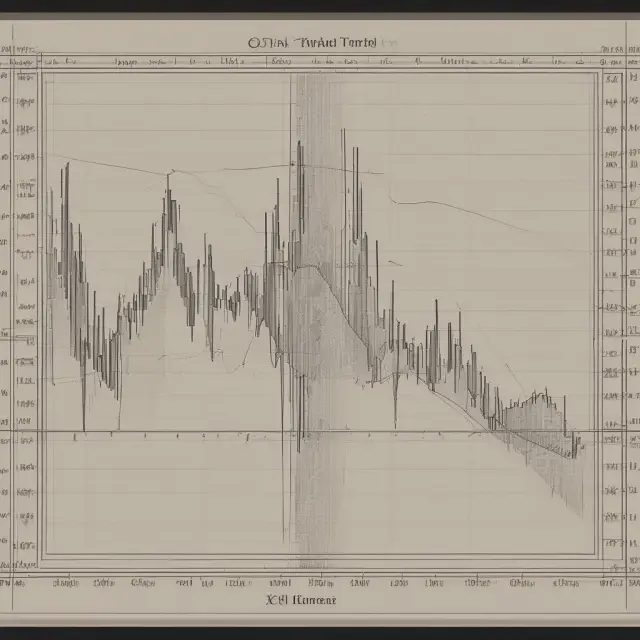
Quantitative Analysis of Platykurtic Distributions: Techniques and Tools for Evaluation
Platykurtic distributions offer valuable insights into investment risk for those seeking to minimize the occurrence of extreme events. To better understand these distributions, quantitative analysis techniques such as Kurtosis and Q-Q Plots can be employed. Let’s dive deeper into how these methods help investors make informed decisions based on statistical data.
Understanding Kurtosis
The measure of kurtosis is used to evaluate the degree of peakedness or flatness of a distribution’s tails compared to a normal distribution (mesokurtic), which has a kurtosis value of 3. A platykurtic distribution displays negative excess kurtosis, meaning its tails are less pronounced than those in a normal distribution. Conversely, leptokurtic distributions have positive excess kurtosis and more pronounced tails.
The following figure illustrates the difference between various types of distributions based on their degree of excess kurtosis:
Investors can calculate kurtosis using simple statistical formulas, which help them determine whether a distribution is platykurtic or leptokurtic. For instance, the sample kurtosis formula is given by:
K = (N * (M2 – M4 / M3^2))
Where N represents the number of data points, M2 is the second moment (variance), and M3 and M4 are the third and fourth moments, respectively. Kurtosis values less than 3 indicate a platykurtic distribution, while those greater than 3 suggest a leptokurtic one.
Q-Q Plots: A Powerful Visualization Tool
Quantile-quantile plots (Q-Q plots) serve as an effective tool for visualizing the difference between various distributions by plotting quantiles against each other. In a Q-Q plot, data points lie along the 45° diagonal line if both variables follow identical distributions. Departures from this line reveal differences in the distribution’s tail structure, making it easier to compare platykurtic, mesokurtic, and leptokurtic distributions.
Using Q-Q Plots for Investment Analysis
Investors can analyze financial returns using Q-Q plots, helping them assess the degree of excess kurtosis and evaluate risk levels. For instance, an investor interested in stocks may plot their portfolio’s daily returns against a normal distribution’s theoretical quantiles. If the data points fall close to the 45° line, it suggests that the investment follows a mesokurtic distribution. However, if they exhibit noticeable deviations from this line, either towards the left or right, it indicates the presence of excess kurtosis and potentially extreme events.
As demonstrated in the figure below, the investor might find their stock portfolio to be leptokurtic based on the data points’ separation from the 45° line:
By understanding these quantitative analysis methods, investors can make informed decisions based on statistical data and tailor their investment strategies according to their risk tolerance. Platykurtic distributions offer a lower likelihood of extreme events, making them attractive for risk-averse investors. Conversely, leptokurtic distributions provide opportunities for more adventurous investors willing to accept the risks associated with potential black swan events.

FAQs about Platykurtic Distributions in Finance
Question 1: What does it mean for a distribution to be platykurtic?
Answer: A platykurtic distribution is a statistical distribution characterized by negative excess kurtosis. It displays fewer extreme events when compared to a normal distribution, making it preferred by risk-averse investors seeking less exposure to large negative events.
Question 2: How does the concept of excess kurtosis apply to finance?
Answer: In finance, excess kurtosis measures the probability of extreme positive or negative events for investment returns. Investors can use this information to understand potential risks and tailor their investment strategies accordingly based on their risk tolerance.
Question 3: What sets platykurtic distributions apart from mesokurtic and leptokurtic distributions?
Answer: Platykurtic, mesokurtic, and leptokurtic distributions differ in the amount of excess kurtosis they exhibit. Platykurtic distributions have negative excess kurtosis, meaning fewer extreme events compared to normal distributions. Mesokurtic distributions have a kurtosis value equal to three, while leptokurtic distributions have positive excess kurtosis and a higher likelihood of extreme events.
Question 4: How might platykurtic distributions impact risk management?
Answer: Platykurtic distributions are attractive for risk-averse investors due to their reduced likelihood of large negative events, making them a suitable choice for managing investment risk. Conversely, leptokurtic distributions offer opportunities for adventurous investors seeking the potential for extreme positive returns but accepting the higher probability of experiencing significant losses.
Question 5: Can the equity market be considered platykurtic?
Answer: Historically, equity markets have been observed to exhibit a leptokurtic distribution, implying a relatively high likelihood of extreme events compared to normal distributions. However, some investors might still prefer assets with platykurtic returns for their reduced potential for large negative outcomes.
Question 6: What is an example of a real-world platykurtic distribution in finance?
Answer: In a study by Morningstar, the excess kurtosis levels of various asset classes were analyzed from February 1994 to June 2011. Cash and international bonds, with excess kurtosis values of -1.43 and 0.58, respectively, are examples of investments that offer platykurtic distributions and lower probabilities of extreme events compared to other assets.
Question 7: What investment strategies could be used based on understanding platykurtic distributions?
Answer: Risk-averse investors might focus on low-kurtosis investments, such as cash and bonds, to minimize the risk of extreme events. Conversely, investors with a higher tolerance for risks and black swan events can explore high-kurtosis opportunities. Understanding platykurtic distributions provides valuable insights into asset selection and portfolio management strategies.
 Next entry · No. 3,993Understanding Public Limited Companies (PLCs): Definition, Advantages, Disadvantages, and How to Invest
See also
-
 No. 2,739
31 Jan 2025
22 min
Understanding Kurtosis: Measuring Tailedness and Investment Risk
Financial Data Analysis
No. 2,739
31 Jan 2025
22 min
Understanding Kurtosis: Measuring Tailedness and Investment Risk
Financial Data Analysis -
 No. 5,927
19 Oct 2025
23 min
Understanding Z-Score in Finance and Investing: Calculation, Applications, and Significance
Financial Data Analysis
No. 5,927
19 Oct 2025
23 min
Understanding Z-Score in Finance and Investing: Calculation, Applications, and Significance
Financial Data Analysis -
 No. 5,726
02 Oct 2025
18 min
A Comprehensive Guide to Understanding and Applying the Wilcoxon Test
Financial Data Analysis
No. 5,726
02 Oct 2025
18 min
A Comprehensive Guide to Understanding and Applying the Wilcoxon Test
Financial Data Analysis -
 No. 5,451
10 Sep 2025
20 min
Variance and Standard Deviation: Measuring Volatility in Finance
Financial Data Analysis
No. 5,451
10 Sep 2025
20 min
Variance and Standard Deviation: Measuring Volatility in Finance
Financial Data Analysis -
 No. 5,165
16 Aug 2025
19 min
Understanding Unconditional Probability: A Key Concept in Finance and Investment
Financial Data Analysis
No. 5,165
16 Aug 2025
19 min
Understanding Unconditional Probability: A Key Concept in Finance and Investment
Financial Data Analysis -
 No. 5,115
13 Aug 2025
19 min
A Comprehensive Guide to Understanding Two-Tailed Tests in Finance and Investment
Financial Data Analysis
No. 5,115
13 Aug 2025
19 min
A Comprehensive Guide to Understanding Two-Tailed Tests in Finance and Investment
Financial Data Analysis