Rent Control: Understanding This Contentious Housing Policy

Explore the history, pros & cons, and international comparisons of rent control – a contentious housing policy affecting millions.
Introduction to Rent Control
Rent control is an increasingly contentious policy aimed at keeping rental costs affordable for lower and moderate-income families, elderly individuals, and communities facing rising housing costs. This section will delve into the intricacies of rent control, its history, and the arguments both for and against this controversial policy.
Originating in the 1920s, rent control emerged as a response to exorbitant rent hikes during economic booms. Initially implemented as outright rent freezes, these policies soon proved unsustainable due to their unintended consequences. Fast forward to the late 1970s, and the term “rent control” resurfaced in a more nuanced form: rent stabilization.
The origins of rent control can be traced back to New York City, where it gained prominence with its two distinct programs: an older rent control program (which has been phased out for decades) and a newer rent stabilization program, active since the 1970s.
In the following sections, we will discuss how rent control works, its advantages and disadvantages, and the current state of rent control in the U.S. We will also contrast it with rent stabilization and examine its prevalence around the world. Let’s dive deeper into understanding this contentious housing policy.
Key Takeaways
- Rent control limits rent increases for existing tenants.
- It is a controversial housing policy, with 31 states prohibiting local governments from implementing such measures.
- New York City’s rent-controlled apartments are highly desirable assets.
- The term “rent control” is often used interchangeably with the more modern approach of rent stabilization.
- Rent control was first introduced in the U.S. in the 1920s as a response to high rents but proved unworkable due to its limitations.
- The revival of rent control in the late 1970s took the form of “rent stabilization” and has since been implemented in various ways around the world.
- New York City’s rent stabilization program regulates about half of the city’s rental housing stock, with allowable rent increases based on guidelines set by a regulatory board.
- Advocates argue that rent control keeps affordable housing within reach for moderate-income families and elderly individuals on fixed incomes while preserving neighborhood stability.
- Critics contend that it reduces the supply of decent housing, discourages investment in new units, and fosters lax maintenance.
- Rent control laws vary widely, with some limiting rent increases only for lease renewals and not for new tenants.
Now that we’ve set the stage, let’s explore how rent control operates and delve into the arguments both for and against this divisive policy. Stay tuned for our upcoming sections on how rent control works, its advantages and disadvantages, and a look at rent-controlled apartments versus market-rate units.

Origin and Evolution of Rent Control
The origins of rent control can be traced back to the 1920s, where early rent control laws were often outright rent freezes that proved unworkable due to their inflexibility. These early experiments with price controls, which aimed to protect tenants from sudden increases in living costs, faced numerous challenges and criticisms.
In response to these issues, a more nuanced approach emerged in the 1970s called rent stabilization. Unlike previous attempts at rent control, this newer concept permitted gradual price increases while maintaining regulatory oversight. In New York City, for instance, the city’s two primary rent regulation programs – the older rent control and the 1970s-era rent stabilization – reflect these evolving approaches to housing affordability.
The older rent control program, established in the 1920s, imposed strict limitations on rental prices for existing tenants in buildings that predated 1947. The rules surrounding this early rent control regime have been a subject of controversy, with critics arguing that these restrictions reduced the incentive for landlords to maintain their properties and invest in new developments.
In contrast, New York City’s rent stabilization program, created in the 1970s, regulates price increases on lease renewals. This moderated approach has become the standard for contemporary rent control policies. The regulations are set by the Rent Guidelines Board, which is responsible for determining annual percentage increases based on economic conditions and other factors.
Despite the criticisms against rent control, its proponents argue that it allows people with moderate incomes and elderly individuals on fixed incomes to maintain their housing stability as gentrification pushes up prices around them. As of 2019, approximately 1 million renters lived in rent-regulated units across New York City, according to the Rent Guidelines Board.
The debate surrounding rent control continues, with proponents advocating for its potential benefits and opponents warning against its potential negative consequences on housing supply and affordability. In recent years, this contentious issue has resurfaced as housing prices in many U.S. cities continue to rise faster than wages, highlighting the ongoing importance of understanding the history and implications of rent control policies.

How Does Rent Control Work?
Rent control, as mentioned earlier, is a government policy that restricts the amount a landlord can charge for renting an existing property to tenants. This regulation often varies between regions and cities, with some implementing more lenient or severe measures. In this section, we will discuss how rent control works in practice, using New York City as an example.
Rent control’s origin can be traced back to the 1920s when cities first enacted rent freeze laws due to economic instability during that time. However, these early rent freeze initiatives proved unsustainable, leading to a more moderate approach known as rent stabilization in the 1970s.
In New York City, two primary rent control programs exist: The older rent control program and the 1970s-era rent stabilization program. The older rent control program, which dates back to the late 1920s, places severe limits on rental prices but only covers tenants who have lived in their apartments since 1974 or earlier and reside in buildings constructed before 1947.
The 1970s-era rent stabilization program, on the other hand, regulates price increases for lease renewals for approximately half of New York City’s rental units. The Rent Guidelines Board, comprised of nine members appointed by the Mayor, sets the allowable percentage increases in rent every year. These rules and exceptions are complex and administered by a combination of city and state agencies.
Despite the high cost of living in New York City, advocates of rent control argue that it helps keep housing affordable for moderate-income residents and elderly people on fixed incomes as gentrification pushes up prices all around them. However, critics claim that price controls reduce the supply of decent housing and encourage landlords to convert buildings into condominiums or commercial properties rather than abide by rent control laws.
A significant concern for rent control is the impact on maintenance. Since the return on investment for landlords may be lower due to capped rental income, they may neglect maintaining their buildings. However, rent stabilization regulations in New York City do provide some incentives for capital improvements and major repairs. In addition, tenants are required to contribute to the building’s repair fund through their monthly rent payments.
Rent control’s complexity is evident when discussing its implementation. The labyrinthine rules and exceptions often make it a challenge for both renters and landlords to navigate. This complexity has led many critics to question whether the benefits of rent control outweigh its disadvantages. In the following sections, we will explore the advantages and disadvantages of rent control in greater detail.

Arguments For and Against Rent Control
Rent control is a contentious issue with both supporters and detractors presenting compelling arguments on its benefits and drawbacks. While rent control is primarily seen as a means to keep living costs affordable for lower-income residents, it also carries significant implications for landlords and the overall housing market. Let’s explore some of the major pros and cons of rent control.
Arguments For Rent Control
- Affordability and Stability for Tenants: The primary goal of rent control is to ensure that lower-income families, elderly individuals on fixed incomes, and other vulnerable populations can affordably maintain their housing without being forced to relocate due to substantial rent increases. By limiting the amount a landlord can increase rents, tenants are provided with greater stability and peace of mind.
- Protection Against Gentrification: Rent control helps prevent gentrification by preserving affordable housing options in areas where property values are rapidly increasing. This is especially crucial in urban areas where the cost of living has become a significant challenge for many residents.
- Community Benefits: Stable communities with long-term residents contribute to better neighborhoods, as these individuals are invested in their area and often have strong connections to local businesses and institutions. The presence of rent control can foster stronger, more cohesive communities.
- Social Equity: Rent control acts as a form of social equity by ensuring that low-income households aren’t priced out of their homes due to economic factors beyond their control. This promotes a fairer and more inclusive society.
- Reduced Eviction Rates: By providing tenants with the security of affordable rents, eviction rates can be significantly reduced. This not only benefits the individuals directly affected but also reduces the strain on social services and the legal system as a whole.
Arguments Against Rent Control
- Disincentives for Landlords: Critics argue that rent control disincentivizes landlords from investing in their properties, as they may not be able to recoup their costs through rental income. This can lead to deferred maintenance and a decline in property conditions over time.
- Reduction of New Housing Supply: Some opponents of rent control claim that it discourages the construction of new housing units due to the potential loss of revenue for landlords. As a result, the overall housing supply may not keep pace with population growth or demand.
- Economic Inefficiency: Critics argue that price controls on housing artificially distort the market, leading to inefficiencies and unintended consequences. They claim that the market should be allowed to determine rental prices to maintain an equilibrium between supply and demand.
- Widening Income Disparity: Some economists believe that rent control may exacerbate income disparities by preventing new housing development, which can result in higher housing costs for those not protected by the regulations. This could potentially push more families into poverty or homelessness.
- Complex Administrative Processes: Implementing and maintaining effective rent control policies requires a significant amount of administrative oversight, including tracking rental rates, managing lease renewals, and addressing disputes between landlords and tenants. This can create additional costs for taxpayers and local governments.
Ultimately, the debate over rent control revolves around its ability to strike a balance between the needs of tenants, landlords, and the housing market as a whole. As we continue to explore this contentious issue, it’s essential to consider both sides of the argument and weigh their potential consequences before implementing or modifying any regulations.

Advantages of Rent Control
Rent control is a contentious housing policy that has its advantages and disadvantages. Its primary objective is to provide affordable housing for moderate-income families, elderly people, and communities facing rising living costs and stagnant wages. In this section, we will explore the benefits of rent control in greater detail.
Historically, the origins of rent control can be traced back to the 1920s, where it took the form of outright rent freezes. However, these proved unworkable and led to the emergence of a more moderate approach called “rent stabilization” in the 1970s. One of the most famous examples of rent control is New York City, home to two programs – one with stringent price caps that are being phased out, and another more lenient program from the 1970s known as rent stabilization.
The advantages of rent control include:
- Affordable Housing for Moderate-Income Families and Elderly People on Fixed Incomes: Rent control allows people with moderate incomes and elderly residents living on fixed incomes to remain in their homes and communities, preventing displacement due to gentrification and rising rental costs.
- Stability and Predictability for Tenants: With rent control, tenants can plan their budgets effectively as they know their rent will not drastically increase every year.
- Safer and More Stable Neighborhoods: Long-term residents in rent-controlled apartments help create safer and more stable communities, contributing to a sense of belonging and improved quality of life for all residents.
- Preservation of Historic Buildings: Rent control can also encourage the preservation of historic buildings by preventing their conversion into commercial properties or high-end condos, maintaining the character and heritage of neighborhoods.
- Economic Benefits: By keeping rents affordable, rent control can lead to an increase in demand for rental housing and stimulate the local economy. Moreover, it may incentivize landlords to maintain their buildings well due to a steady income stream from tenants.
In conclusion, rent control offers numerous advantages that address the pressing concerns of rising living costs, gentrification, and affordable housing. However, it is essential to consider its potential drawbacks as well. In the next section, we will discuss the arguments against rent control and explore their implications.

Disadvantages of Rent Control
Rent control, despite its benefits for moderate-income families and elderly people on fixed incomes, comes with significant disadvantages. Critics argue that rent control reduces the supply of decent housing, discourages investment in new rental properties, and allows lax maintenance of existing buildings. Let us delve deeper into these arguments.
1. Reduced Housing Supply: One of the most common criticisms of rent control is its effect on the housing supply. Landlords may choose to convert their buildings to condos or adapt them for commercial use instead of abiding by laws that limit their profits. The scarcity of rental units can further exacerbate the affordability crisis, creating a demand-supply imbalance. For instance, in San Francisco, where rent control has been in place since 1979, developers have converted over 20,000 apartments into condos between 2000 and 2014.
2. Decreased Investment: Rent control can significantly impact the motivation to invest in new rental properties. The limited returns on investment from renting out properties under price controls may deter investors, ultimately reducing the availability of modern, well-maintained units. This can result in a lower quality of housing overall for renters.
3. Lack of Maintenance: Landlords might also neglect maintaining their buildings under rent control due to the poor return on investment. Since they cannot raise rents significantly, there’s little incentive for them to make improvements or repairs. This can lead to substandard living conditions and potential health hazards for tenants.
However, it is essential to note that these criticisms are not universally accepted. Rent control advocates argue that the benefits of maintaining affordable housing outweigh the disadvantages. Moreover, some jurisdictions have implemented measures to mitigate the adverse effects of rent control. For example, New York City’s 1970s-era rent stabilization program requires landlords to make necessary repairs and improvements or face fines and penalties.
As the debate surrounding rent control continues, it’s crucial to consider both sides of the argument to form an informed opinion on this contentious housing policy.

Rent Control vs. Rent Stabilization
Rent control and rent stabilization are two closely related but distinct housing policies that aim to address the issue of rapidly increasing rental prices. While both involve government intervention in the rental market, they differ significantly in their implementation and outcomes. Understanding these differences is crucial to grasping the nuances of housing policy debates and assessing their impact on various stakeholders.
Rent control refers to a regulatory framework that sets strict limitations on how much landlords can increase rents for tenants already residing in their units. The primary goal of rent control is to prevent rent gouging, maintain affordable housing, and protect vulnerable populations from displacement. This policy has been implemented in various forms since the early 20th century.
Rent stabilization, on the other hand, is a more nuanced approach that balances landlord profits with tenants’ needs. It generally involves establishing guidelines for annual rent increases based on economic indicators and allows landlords to recover their costs through moderate price adjustments. The goal of rent stabilization is to strike a balance between ensuring affordability for tenants while maintaining financial viability for landlords. This approach is often preferred over strict rent control due to its perceived flexibility and responsiveness to market conditions.
One significant difference between the two lies in their treatment of vacant units versus occupied ones. Rent control policies usually only apply to existing tenancies, allowing landlords to charge market rates for newly available or vacated units. In contrast, rent stabilization regulations allow for some degree of price adjustments on both occupied and vacant units, ensuring that landlords can recover costs while maintaining affordability for tenants.
A useful illustration of these concepts is provided by New York City’s housing policies. The city’s older rent control program, which dates back to the 1920s, has been phased out and replaced by rent stabilization in most cases. While rent control placed severe limits on rental prices, it led to a decrease in available units and poor maintenance due to disincentives for landlords to invest in their properties. The newer rent stabilization program, which regulates prices in about half of the city’s rentals, has been more successful in maintaining affordability while providing incentives for landlords to maintain their buildings and reinvest in them.
Understanding these concepts is essential when evaluating the potential impact of rent control or rent stabilization on various stakeholders, including tenants, landlords, and policymakers. The choice between these policies ultimately hinges on balancing affordability, fairness, and market dynamics while addressing the unique challenges faced by communities and economies across the country.
The controversy surrounding rent control persists as some argue that it reduces the supply of decent housing by discouraging investment in new developments and maintaining buildings. Meanwhile, others insist that it is a vital tool for ensuring affordability for vulnerable populations and preserving stable neighborhoods. The ongoing debate highlights the importance of ongoing research and policy analysis to inform effective, evidence-based housing policies.
In conclusion, rent control and rent stabilization serve as important tools for addressing rising rental prices and ensuring affordability in many urban areas. While they share common goals, their implementation and outcomes differ significantly. Understanding these differences is crucial for policymakers, tenants, landlords, and scholars alike to make informed decisions about the most effective housing policies for their communities.
State of Rent Control in the U.S.
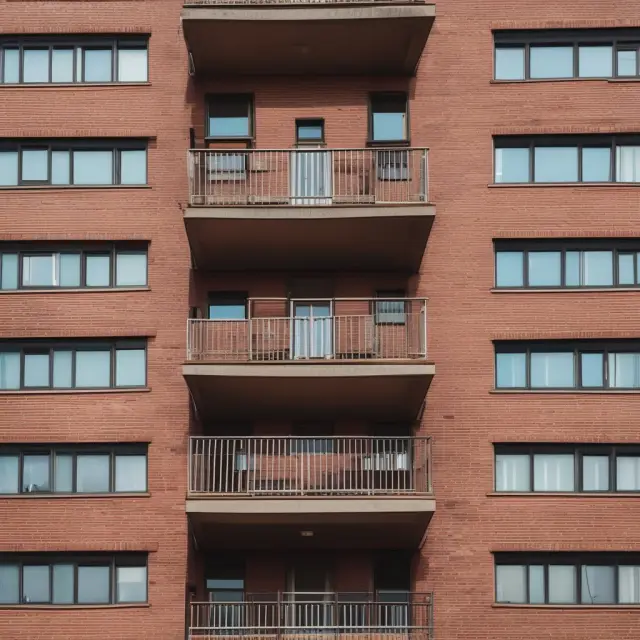
The current state of rent control in the United States is characterized by its limited reach and intense controversy. According to a 2019 Urban Institute study, just 182 municipalities in the U.S. have enacted rent control regulations; all of them are located within New York, New Jersey, California, Maryland, or Washington, D.C. However, the issue has gained renewed attention due to rising living costs and stagnant wages in many cities.
As of February 2022, thirty-one states have laws that preempt or forbid local governments from implementing rent control measures. Oregon’s recent enactment of a statewide rent control law marks a significant change in this landscape. Signed in March 2019, the Oregon Tenant Protection Act restricts annual rent increases to 7% plus the increase in the consumer price index (CPI).
Despite its controversial nature, rent control offers several advantages for moderate-income families and elderly individuals on fixed incomes. In cities like New York, where spiraling living costs threaten the displacement of many residents, rent control plays a crucial role in maintaining affordable housing options. This is particularly important for those who have lived in their apartments for extended periods—a common requirement for eligibility under most rent control laws.
Rent stabilization is an alternative to outright rent control that allows for some flexibility in pricing while still offering protections to tenants. In New York City, for instance, about half of the city’s rentals are subject to rent stabilization regulations, which govern the percentage increase in annual rents and provide tenants with certain rights related to lease renewals and maintenance issues.
The prevalence of rent control varies significantly between cities and even within them, depending on local laws and circumstances. For example, New York City’s older rent control program, which dates back to the 1920s, has been in the process of being phased out for decades. This program places severe limitations on rental prices but only covers tenants who have lived in the building since 1974 or earlier and whose buildings were constructed before 1947.
In contrast, rent stabilization regulations are more flexible, with annual rent increases based on a formula that considers factors like the Consumer Price Index (CPI) and the maintenance costs of the property. The specifics of these formulas and allowable percentage increases can be complex, making it essential for tenants to stay informed about their rights and the applicable laws in their area.
Understanding the state of rent control in the U.S. requires acknowledging both its advantages and disadvantages. While rent control can help preserve affordable housing options for many, it has also been criticized for reducing the availability of new rental units and discouraging investment in property maintenance. The debate over rent control is ongoing, with advocates pointing to its potential benefits for vulnerable populations and critics warning about unintended consequences on both sides. As cities across the U.S. continue grappling with issues related to housing affordability and gentrification, the role of rent control will remain a critical topic of discussion and debate.
Rent Controlled vs. Market-Rate Apartments
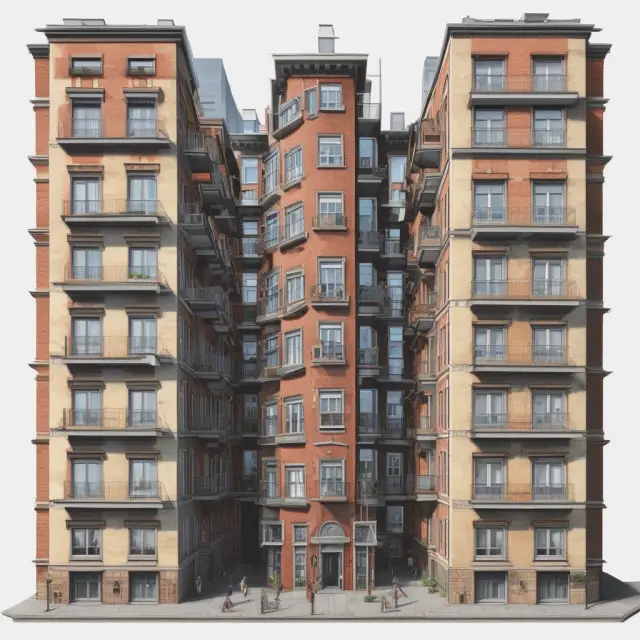
One of the most significant debates surrounding rent control is its distinction from market-rate apartments. While both terms refer to housing units, there are substantial differences between them concerning affordability and accessibility. Let’s delve deeper into each.
Market-rate apartments are typically priced according to the free market, meaning landlords can set rental prices based on supply, demand, and other economic factors. This model allows for competition among landlords, as they strive to attract tenants by offering competitive pricing or additional amenities. However, in areas with high demand or limited housing supplies, such as major cities, market-rate rents can become prohibitively expensive for many residents.
On the other hand, rent-controlled apartments operate under specific government regulations that limit price increases and protect tenants from sudden rent hikes. In theory, this policy aims to ensure affordable housing for those who cannot afford the ever-rising market rates. However, the availability of rent-controlled units is often limited due to factors such as long waiting lists and strict eligibility requirements.
The impact of these two housing models on renters and landlords can be significant. For tenants, living in a rent-controlled apartment can provide financial stability and peace of mind, knowing that their monthly rent will not rise drastically from one year to the next. However, they may face limitations on moving or downsizing, as transferring a rent-controlled lease can be complex and time-consuming.
Landlords, however, face unique challenges in managing rent-controlled properties. With limited control over pricing, they must balance their expenses against their revenues, potentially making it challenging to maintain the property and invest in necessary improvements. In contrast, market-rate landlords can adjust prices as needed to offset their costs while potentially reaping larger returns from their investments.
It’s important to note that rent control is not a panacea for housing affordability. Its effectiveness depends on various factors, such as local regulations, market conditions, and socioeconomic trends. For instance, cities with robust rental markets or high population growth may still face affordability challenges despite having rent control measures in place. In contrast, cities with more stringent controls or longer waitlists might experience lower vacancy rates and reduced incentives for landlords to invest in new developments.
In conclusion, understanding the differences between rent-controlled and market-rate apartments is crucial in assessing their implications on housing affordability, accessibility, and economic development within urban areas. As the debate surrounding rent control continues to evolve, it’s essential for policymakers, tenants, and landlords alike to remain informed about the complexities of each model and their potential impact on communities.

Rent Control Around the World
Rent control is not unique to the United States. It is a common housing policy adopted by many countries worldwide, with varying degrees of success and controversy. In this section, we will explore rent control programs outside of the U.S., focusing on their implementation, advantages, disadvantages, and impact on housing markets.
The earliest known instance of rent control can be traced back to Germany in 1916 during World War I. The German government established a nationwide rent freeze due to food shortages and rising inflation, which eventually led to the infamous concept of “Rentenmark” or “rent marks,” where tenants paid their rent in the form of worthless paper money.
Since then, countries like the United Kingdom, France, Canada, and Australia have experimented with rent control policies throughout the 20th century. In most cases, these programs focused on price regulation during times of economic instability or housing shortages, such as the aftermaths of World War II or periods of rapid urbanization.
One of the most notable examples is the United Kingdom, which introduced rent control laws in the late 1940s and maintained them until 1957. The “Rent Act of 1957” effectively ended rent control by allowing landlords to increase rents based on market conditions. However, some forms of rent regulation persisted under later legislation, such as the Rent Act of 1974 and the Rent (Agricultural) Act of 1976.
In Canada, various municipalities introduced rent control measures during the 20th century. The most well-known is Toronto’s rent regulation system, which was implemented in 1975 and covers over 480,000 rental units. In Australia, rent control policies were in place from the late 1960s to the mid-1980s under state and territory legislation. These laws aimed to stabilize housing prices, maintain affordability, and prevent evictions.
Comparing these international examples with the U.S., it is evident that rent control policies have produced mixed outcomes. While some countries have successfully maintained housing affordability and prevented widespread displacement of residents, others have experienced negative consequences such as a reduction in new rental developments or deteriorating property conditions.
The implementation of rent control regulations depends on the specific circumstances of each country’s housing market and economic climate. Factors like population density, infrastructure availability, labor markets, and government intervention can all play a role in determining whether rent control policies are effective or detrimental to housing affordability and overall economic growth.
In conclusion, rent control remains a contentious issue both in the United States and globally. As the debate over this policy continues, it is essential to consider its historical context, international examples, and potential implications for housing markets and residents’ well-being. By examining these aspects, we can better understand the complexities of rent control and the role it may play in addressing housing affordability issues.

Frequently Asked Questions About Rent Control
What is rent control, and how does it work?
Rent control refers to government regulations that limit the amount landlords can increase the rent for existing tenants. The details vary depending on the specific laws of a city or state. Some common forms of rent control include limiting annual rent increases to a set percentage or allowing rent adjustments based on the consumer price index.
How does rent control differ from rent stabilization?
Rent control and rent stabilization are related concepts. Both aim to limit rent increases for existing tenants, but their specifics can vary. Rent stabilization often includes more flexibility for landlords when it comes to setting initial rent prices. In some cases, a building can be both rent controlled and rent stabilized.
Is rent control widespread in the U.S.?
No, only a few cities and states in the U.S. have rent control regulations. According to a 2019 study by the Urban Institute, 182 municipalities in the U.S. had rent control laws in place. Most of these were in New York, New Jersey, California, Maryland, or Washington, D.C.
What are the advantages and disadvantages of rent control?
Arguments for rent control include enabling moderate-income families and people on fixed incomes to afford housing in gentrifying neighborhoods, keeping communities stable, and potentially maintaining building upkeep through incentives for landlords to keep long-term tenants. Criticisms include reducing the supply of new rental properties, discouraging investment in maintenance and improvements, and creating complex rules and bureaucracy.
How does rent control impact the housing market?
Rent control can have a significant impact on the housing market, both positively and negatively. On one hand, it helps keep some housing affordable for lower-income residents and protects long-term tenants from sudden rent hikes. However, opponents argue that it reduces the incentive for landlords to invest in new rental properties or maintain existing buildings.
How does rent control affect tenants?
Rent control can benefit tenants by keeping their rent affordable and allowing them to stay in their homes longer, potentially saving them from displacement due to gentrification and rising housing costs. However, the specifics of how rent control operates can vary greatly depending on the jurisdiction.
How does rent control impact landlords?
Landlords may face limitations when it comes to setting rental prices for existing tenants under rent control regulations. They might also be discouraged from investing in new properties or maintaining existing ones due to the lower potential returns. However, they may still benefit from a steady stream of long-term tenants and the opportunity to charge market rates for vacant units.
How can I get a rent-controlled apartment?
In most cases, rent-controlled apartments are not available to the general public but instead passed down through families or inherited. Rules surrounding the succession of a rent-controlled lease can be complex and vary by jurisdiction, so it’s essential to consult local housing authorities for guidance.
 Next entry · No. 4,380Renter’s Insurance 101: Understanding Coverage and Its Importance for Tenants
See also
-
 No. 5,901
17 Oct 2025
19 min
Zero-Lot-Line Houses: Understanding Pros and Cons for Institutional Investors
Real Estate
No. 5,901
17 Oct 2025
19 min
Zero-Lot-Line Houses: Understanding Pros and Cons for Institutional Investors
Real Estate -
 No. 5,531
16 Sep 2025
19 min
Voluntary Foreclosures: Understanding the Pros and Cons for Institutional Investors
Real Estate
No. 5,531
16 Sep 2025
19 min
Voluntary Foreclosures: Understanding the Pros and Cons for Institutional Investors
Real Estate -
 No. 5,383
04 Sep 2025
20 min
Understanding Vacancy Rates: Key Metric for Real Estate and Employment
Real Estate
No. 5,383
04 Sep 2025
20 min
Understanding Vacancy Rates: Key Metric for Real Estate and Employment
Real Estate -
 No. 5,255
24 Aug 2025
18 min
Understanding Uninsurable Property: Home Repairs and Insurance Implications
Real Estate
No. 5,255
24 Aug 2025
18 min
Understanding Uninsurable Property: Home Repairs and Insurance Implications
Real Estate -
 No. 4,789
16 Jul 2025
21 min
Subleasing: Understanding the Legal Transfer of Tenancy from Existing Tenant to a Third Party
Real Estate
No. 4,789
16 Jul 2025
21 min
Subleasing: Understanding the Legal Transfer of Tenancy from Existing Tenant to a Third Party
Real Estate -
 No. 4,332
10 Jun 2025
23 min
Understanding Redlining: History, Impacts, and Legalities in Finance and Real Estate
Real Estate
No. 4,332
10 Jun 2025
23 min
Understanding Redlining: History, Impacts, and Legalities in Finance and Real Estate
Real Estate