Rogue Traders: The Dark Side of Wall Street
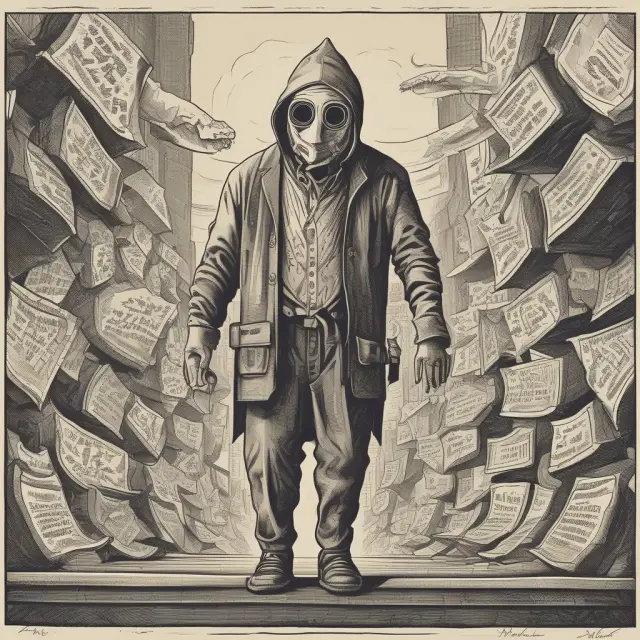
Delve into the dark side of Wall Street: Uncovering Rogue Traders, their actions, motivations, and consequences for financial institutions and economies.
Introduction
A rogue trader is an intriguing yet potentially damaging figure in the financial world. This term refers to a trader who operates outside of their authorized mandate, often taking excessive risks that can lead to substantial losses for their employer. Rogue traders have gained notoriety throughout history due to their daring and sometimes reckless behavior that can result in significant gains or massive losses. In this article, we’ll delve into the world of rogue trading, exploring its definition, origins, and implications on financial institutions and the economy as a whole.
What is a Rogue Trader?
A rogue trader is an employee at a financial firm who acts autonomously, making trades that exceed their authorized limits or engage in unapproved investment strategies. These traders may take excessive risks with the firm’s capital, often attempting to hide losses until it’s too late. The term ‘rogue’ only applies when these activities lead to significant losses; if successful, such actions might even earn them bonuses and career advancement opportunities.
Moral Hazard: A Key Aspect of Rogue Trading
Underlying the behavior of rogue traders is a concept known as moral hazard. Moral hazard occurs when one party engages in risky behavior due to the presence or lack of incentives, and can lead to substantial losses for the other party. For instance, if a trader knows that their losses will be covered by the firm, they may feel more inclined to take bigger risks to try and achieve substantial gains – without facing the full consequences of potential losses.
Stay tuned as we continue to explore this captivating topic, including infamous cases throughout history, internal controls put in place by financial institutions, ways rogue traders attempt to circumvent these controls, and more. In the next section, we’ll examine some examples of notorious rogue traders who have made headlines with their high-risk actions.
What is a Rogue Trader?
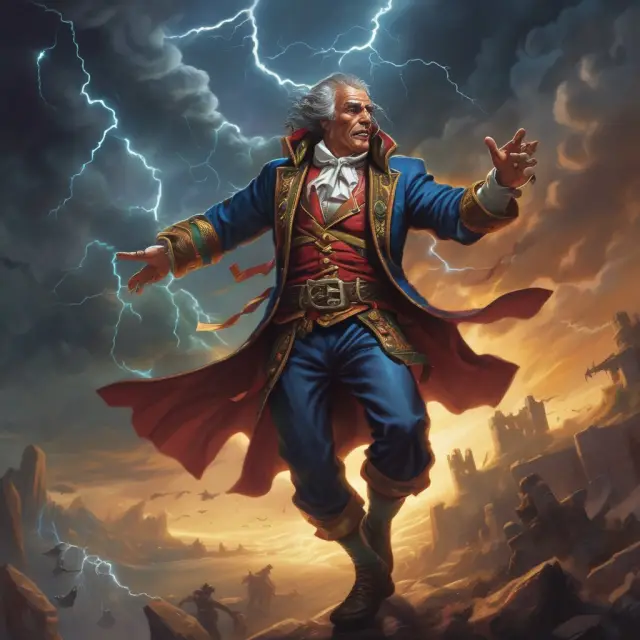
A rogue trader is a financial professional who intentionally disregards an institution’s rules and regulations while engaging in high-stakes trading activities. Their actions, often driven by immense ambition or unchecked risk appetite, can lead to significant financial losses for their employer or even the entire market. The term “rogue trader” is typically applied when such unauthorized transactions result in substantial financial repercussions.
Rogue traders’ conduct differs from that of a typical trader as they make trades outside of the established risk management frameworks and often attempt to conceal their actions to avoid detection. Morally questionable incentives fuel this behavior: if a rogue trade proves successful, the trader may earn substantial profits or bonuses. However, if it results in losses, the institution bears the burden.
In essence, rogue traders are employees who manipulate trading systems or markets outside of their institutional guidelines and regulations, endangering not only their employer’s financial wellbeing but also affecting the broader financial market landscape.
The Risks and Consequences of Rogue Trading
Rogue traders have a long history in finance, with infamous cases often resulting in substantial losses for the institutions involved as well as significant reputational damage. In some instances, rogue trading incidents have even led to the collapse of entire financial entities.
The existence of sophisticated Value-at-Risk (VaR) models within financial institutions has not completely eliminated the risk posed by rogue traders. While these systems help manage trades and prevent excessive risks, determined traders can find loopholes and circumvent them to pursue their objectives. Consequentially, understanding the motivations, actions, and implications of rogue trading is essential for both financial institutions and regulators.
In the following sections, we will delve deeper into the moral hazard aspect of rogue trading, examine some notable historical examples, and discuss the internal controls used by banks to minimize rogue trading activities as well as the psychological factors behind these traders’ behavior.

Moral Hazard
The allure of significant financial gains can be a powerful motivator for traders; however, when that desire for profit turns into unchecked risk-taking, moral hazard situations arise. Moral hazard occurs when one party involved in a transaction faces less risk than the other, creating an asymmetric incentive structure. In rogue trading scenarios, this plays out as traders taking excessive risks that may harm their firms while enjoying the potential reward of substantial gains.
In the financial industry, moral hazard arises due to the separation between capital providers and risk takers. The former group invests money in banks or brokerages with the expectation of earning returns, while the latter takes on trades to generate profits. This divide creates a conflict: banks must balance the need for profit generation with managing their risk exposure. Rogue traders exploit this tension by engaging in unauthorized high-risk activities that might result in significant losses for their employers but potentially lucrative gains for themselves.
The moral hazard problem is further compounded when internal controls, such as Value-at-Risk (VaR) models, are put in place to manage risk. These controls can create a false sense of security and lead traders to feel they have more freedom than they actually do. For instance, assuming the VaR model indicates a certain level of risk for a particular trade, a trader might believe that the odds of losing money on this trade are low. If the trade goes against them, however, the loss is substantial since they exceeded the risk limit set by the internal control system.
Rogue traders may employ various tactics to circumvent these controls, such as using complex derivatives, trading outside of approved hours or markets, or colluding with counterparties. They might also hide their losses by manipulating records or concealing information from their superiors. In some instances, rogue traders have even gone so far as to forge documents and misrepresent their positions.
However, when rogue trading results in substantial losses for the institution, the moral hazard situation is exposed, often resulting in significant reputational damage. In extreme cases, like Nick Leeson’s actions at Barings Bank or Jerome Kerviel’s activities at Société Générale, the losses can be catastrophic and even lead to bankruptcy.
It is crucial for financial institutions to remain vigilant against rogue trading. Effective internal controls, strong compliance measures, and a culture of risk awareness are essential in preventing these situations from arising. By recognizing the moral hazard issue, understanding the incentives that drive it, and taking proactive steps to mitigate its risks, firms can protect themselves and their clients from the potentially devastating consequences of rogue trading.

Examples of Rogue Traders in History
Rogue traders are infamous for their audacious moves that often result in huge losses or gains for the institutions they represent. Nick Leeson, a former derivatives trader at Barings Bank’s Singapore office, is one of the most notorious rogue traders whose actions cost his employer billions and ultimately led to its bankruptcy. In 1995, Leeson made unauthorized high-risk trades on the Nikkei, a Japanese stock index futures contract. By taking massive positions on Nikkei, he amassed an extraordinary $3 billion worth of contracts, which proved disastrous when the Nikkei underwent significant volatility following a major earthquake in Japan, causing broad-based selling. The loss totaled over $1 billion, leading to the downfall of Barings Bank, a 233-year-old institution.
More recent cases include Bruno Iksil, known as the “London Whale,” who caused $6.2 billion in losses at JP Morgan in 2012, and Jerome Kerviel, responsible for over $7 billion in losses at Société Générale in 2007. In both instances, the rogue traders’ actions went unnoticed or were underreported until significant damage had been done to their respective banks.
Bruno Iksil, a senior trader at JP Morgan’s London office, made large bets on credit derivatives linked to European sovereign bonds. His trades, known as the “London Whale” position due to their enormous size, initially generated profits but ultimately led to substantial losses when the markets began to turn against him. Despite warnings from his colleagues and senior management about the mounting risk, Iksil continued to add to the positions, which eventually resulted in a loss of $6.2 billion.
JP Morgan CEO Jaime Dimon initially downplayed the significance of these losses, calling it “a tempest in a teapot.” However, when the truth was finally revealed, investors reacted negatively, leading to a decline in JP Morgan’s stock price and raising questions about the effectiveness of risk management controls within the organization.
Another well-known rogue trader is Jerome Kerviel from Société Générale. In 2007, he executed unauthorized trades that resulted in a staggering loss of over €4.9 billion ($6.7 billion). Kerviel’s actions went undetected for months due to the use of dummy accounts and a lack of proper internal controls, allowing him to make over 50,000 transactions. The losses ultimately led to Société Générale requesting a government bailout, which resulted in significant negative publicity for the bank.
These examples illustrate the immense risk rogue traders pose to financial institutions and their clients. Their actions not only lead to substantial financial losses but can also result in reputational damage and regulatory scrutiny. In the next section, we will explore moral hazard and the incentives that contribute to rogue trading behavior.

Banks’ Internal Controls to Prevent Rogue Trading
As banks endeavor to mitigate potential losses from rogue trading, they employ various sophisticated internal controls and models. One such tool is Value-at-Risk (VaR) modeling, designed to manage the risk of individual trades and whole portfolios. VaR sets limits on what desks can trade, when, and how much within a given timeframe. This system not only safeguards banks but also satisfies regulatory requirements. However, even with rigorous controls in place, determined rogue traders may find ways to circumvent the system.
Let us delve into some infamous cases where internal trading controls were either bypassed or ineffective, causing substantial losses for their respective institutions. Nick Leeson, a former derivatives trader at Barings Bank, is one of the most notorious rogue traders. In 1995, he made unauthorized trades involving large amounts of Nikkei futures and options. Leeson’s leveraged positions on the Nikkei totaled over $3 billion at one point. His massive losses came primarily from the downturn in the Nikkei after a major earthquake in Japan led to a significant sell-off. The eventual loss for Barings Bank exceeded $1 billion, ultimately leading to its bankruptcy. Nick Leeson was charged with fraud and served several years in prison.
Similarly, Bruno Iksil, nicknamed the “London Whale,” caused JP Morgan to experience losses of $6.2 billion in 2012 through unauthorized trades related to credit derivatives. Initially, CEO Jamie Dimon dismissed the incident as a “tempest in a teapot.” However, it wasn’t until later that Dimon was forced to acknowledge the truth about JP Morgan’s rogue trader. Jerome Kerviel, who contributed significantly to losses of over $7 billion at Société Générale in 2007, is another notable example.
These instances highlight the importance of understanding both the potential for rogue trading and how sophisticated internal controls can be circumvented despite their best efforts to prevent such occurrences. Though banks have various mechanisms to mitigate rogue trading, it remains a significant risk that financial institutions must continue to manage.

Circumventing Internal Controls
While banks implement rigorous internal controls and VaR models to limit trading losses and adhere to regulatory guidelines, a determined rogue trader may still find a way to circumvent these safeguards. One common method is spoofing – placing large buy or sell orders with no intention of executing them but merely to manipulate the market and profit from smaller trades. Another approach is using complex derivatives contracts that are not fully understood by risk managers, allowing traders to hide losses within their portfolios.
For instance, Nick Leeson’s actions at Barings Bank in 1995 involved concealing huge losses through a combination of forgery and manipulation. He created false records and backdated documents to cover his tracks while using the Nikkei Index futures market for risky bets. Despite being detected due to an earthquake in Japan causing a massive sell-off, Leeson continued to deceive Barings until the bank’s collapse.
Similarly, Jerome Kerviel at Société Générale in 2007 bypassed internal controls by using “superuser” access and false identities, enabling him to make unauthorized trades. The bank’s internal audit failed to identify his activities for a long time due to the complexity of his transactions and their small size.
Another strategy employed by rogue traders is employing front-running, where they use inside information about upcoming trades or market events to profit before other investors. They may also work in collusion with external parties such as brokers, hedge funds, or other firms to execute their illicit activities. In some cases, rogue traders have been known to hack into trading systems to gain an edge over other traders and the market.
Banks invest vast resources in technology and personnel to prevent rogue trading, but it remains a persistent threat due to the ingenuity and determination of individuals seeking to circumvent these controls for personal gain. Regulators, too, are focusing on enhancing regulations and oversight to minimize the occurrence and impact of such activities.

The Psychology of Rogue Trading
Understanding the psychological motivations and factors driving rogue traders is crucial in appreciating their destructive impact on financial institutions and economies. These individuals are not simply outlaws who flout regulations to make profits at their employers’ expense; they’re complex characters influenced by various elements that compel them towards risk-taking, deceit, and isolation.
The allure of rogue trading lies in the potential for massive gains, which can lead traders to overlook the risks involved and disregard internal controls. This dynamic is often described as moral hazard – a situation where an individual or entity takes excessive risks because someone else bears the cost of their actions if things go wrong. In the context of rogue trading, the moral hazard arises from the asymmetry in risk-reward: successful rogue trades result in substantial personal gains and potential career advancement, while failed attempts only lead to disciplinary action or dismissal.
The psychological factors that contribute to rogue trading can be categorized into four main areas: self-interest, overconfidence, desperation, and pressure to perform.
Self-Interest: Rogue traders are often driven by a desire for financial gains beyond the scope of their authorization. This ambition can lead them to make high-risk bets that could potentially yield enormous returns. However, if things go wrong, they try to hide the losses and avoid detection, exacerbating the situation when the losses become unsustainable.
Overconfidence: Overconfident traders may believe their skills and knowledge are superior to those of others, leading them to take excessive risks. They often underestimate the potential downside of their investments, which can lead to significant losses for their employer when things go awry.
Desperation: Financial pressures, such as personal debt or fear of losing a job, can push traders to engage in rogue activities. Desperate traders may feel compelled to make risky bets that could provide them with the financial security they crave, but these actions often lead to even greater instability and potential collapse.
Pressure to Perform: The highly competitive nature of the finance industry puts immense pressure on traders to produce consistent results. Some traders may resort to rogue trading when they fail to meet performance targets or feel that their career prospects are at risk, leading them down a dangerous path where profits come before ethics.
Examples of infamous rogue traders like Nick Leeson, Jerome Kerviel, and Bruno Iksil illustrate the destructive consequences of these psychological motivations. These individuals, driven by self-interest, overconfidence, desperation, or pressure to perform, made risky bets that led to massive losses for their employers and significant negative repercussions on the broader financial landscape.
Understanding the psychological factors that contribute to rogue trading is essential in preventing these destructive events from occurring. Awareness of the motivations behind rogue trading can help financial institutions implement better internal controls and risk management practices, ensuring that traders are incentivized to act ethically while mitigating the risks associated with their activities.

Impact on Financial Institutions and the Economy
A rogue trader is a financial professional who defies the established rules of their institution by undertaking unauthorized high-risk trades, which can result in significant losses or gains for their employer. The term ‘rogue’ only comes into play when these traders experience losses, which introduces moral hazard issues: if they reap substantial rewards, they are not branded as rogue traders. Instead, they may even be celebrated for their risk-taking prowess and awarded lucrative bonuses. Conversely, if they incur losses, the consequences can be devastating for both the trader and their institution.
Historically, financial institutions have employed complex Value-at-Risk (VaR) models to control trading activities within their organizations. These models limit which desks can trade specific instruments, set trade limits, and monitor transactions to safeguard the bank from significant losses and appease regulators. However, these internal controls are not foolproof, and determined traders can find ways to bypass them for a chance to reap substantial gains.
Some of the most notorious rogue trader incidents include that of Nick Leeson at Barings Bank in 1995. Leeson, who worked as a derivatives trader at the Singapore office of Britain’s Barings Bank, made unauthorized trades amounting to billions of dollars, eventually leading to losses exceeding $1 billion and resulting in the collapse of the venerable 233-year-old institution. In the same vein, Jerome Kerviel caused more than €4.9 billion ($7 billion) in losses at Société Générale in 2007, while Bruno Iksil (the “London Whale”) racked up a staggering $6.2 billion loss for JP Morgan in 2012. In both cases, these rogue traders exploited internal weaknesses and circumvented controls to make their risky trades undetected for extended periods.
The consequences of rogue trading can be far-reaching, affecting financial institutions and the economy at large. Financial losses due to rogue traders’ actions can result in substantial repercussions, such as job losses, reputational damage, and financial instability. Furthermore, these incidents can undermine market confidence and, in extreme cases, lead to a ripple effect that threatens the overall stability of the financial system.
One of the most significant impacts on institutions is the loss of trust and reputation. In the aftermath of rogue trading scandals, investors may lose confidence in the institution’s ability to manage their investments effectively and securely, which can lead to a mass exodus of clients and investors, causing additional financial losses.
Additionally, governments and regulatory bodies might investigate and intervene to mitigate the potential fallout from rogue trading incidents. Regulators may impose fines or sanctions on the institutions involved, further adding to their financial woes. In some cases, they might also revoke licenses, forcing banks to liquidate assets or be acquired by other firms.
In conclusion, rogue traders pose a significant threat to financial institutions and the economy as a whole by engaging in unauthorized high-risk trades that can result in substantial losses or gains for their employer. The moral hazard aspect of these incidents creates incentives for traders to take risky positions, making internal controls crucial for banks to mitigate potential risks. However, determined rogue traders may circumvent these controls and cause extensive damage when their trades fail. It is essential for financial institutions to invest in robust internal control systems, educate employees on the consequences of rogue trading, and maintain open communication with regulators to minimize the impact of these incidents.
Regulation and Compliance in Preventing Rogue Trading
Regulation plays an integral role in preventing rogue traders from wreaking havoc on financial institutions and economies. A key objective of regulations is to minimize the risk of rogue trading by establishing guidelines for managing, supervising, and monitoring trading activities.
One significant tool employed by banks and regulatory bodies alike is Value-at-Risk (VaR) modeling. VaR is used to measure the potential loss of capital from market risks for a given portfolio over a specified time horizon with a certain confidence level. Banks use these models to set limits on the trades, preventing rogue traders from making risky bets that could potentially harm the institution and its clients.
However, internal controls are not foolproof. Rogue traders may employ sophisticated techniques to circumvent them, such as using complex derivatives or bypassing firewalls. As a result, regulatory bodies and financial institutions must consistently update their regulations and internal controls to stay one step ahead of rogue traders.
One approach to mitigating the risk of rogue trading is implementing stricter hiring practices, including thorough background checks for potential employees and rigorous training programs. Additionally, banks can implement multi-factor authentication systems, which require multiple forms of identification before granting access to critical trading systems. These measures serve as an important deterrent against unauthorized trading activities.
Another method is to strengthen regulatory oversight by implementing more comprehensive monitoring procedures and increasing penalties for rogue traders. This includes requiring regular reports from banks on their trading activities and imposing heavy fines or even criminal charges against those who engage in rogue trading.
Some of the most notorious rogue trading incidents occurred during the late 1990s and early 2000s, including Nick Leeson’s infamous unauthorized trades at Barings Bank in 1995 and Jerome Kerviel’s actions at Société Générale in 2007. These incidents demonstrated the significant financial losses that could be caused by rogue traders, leading to increased focus on regulatory measures and internal controls to prevent similar occurrences from happening again.
More recent examples of rogue trading include Bruno Iksil, also known as the “London Whale,” at JP Morgan in 2012, who racked up losses worth $6.2 billion. Despite having sophisticated risk management systems in place, JP Morgan’s internal controls failed to detect Iksil’s high-risk trades until it was too late. The incident underscores the importance of continuous regulatory oversight and updating of internal controls to prevent rogue trading activities.
In conclusion, regulations and compliance play a crucial role in preventing rogue traders from causing significant financial damage to banks and economies. By implementing stricter hiring practices, monitoring procedures, and penalties for rogue traders, regulatory bodies and financial institutions can minimize the risks associated with unauthorized trading activities and safeguard their reputations.
FAQs:
Q1: How do internal controls help prevent rogue trading?
A: Internal controls, such as VaR modeling and limits on trades, help prevent rogue trading by setting boundaries for authorized trading activities and identifying potential risks before they lead to significant losses.
Q2: Who is responsible for preventing rogue trading?
A: Financial institutions and regulatory bodies share the responsibility of preventing rogue trading. Banks implement internal controls, while regulators set guidelines and enforce penalties for noncompliance.
Q3: How can rogue traders circumvent internal controls?
Rogue traders may employ sophisticated techniques to bypass internal controls, such as using complex derivatives or finding weaknesses in firewalls and other security measures.
Q4: What are the consequences of rogue trading for financial institutions and their clients?
The consequences of rogue trading can include significant financial losses for both the institution and its clients, damage to reputation, and potential legal action from regulatory bodies.

Conclusion
The tales of rogue traders like Nick Leeson, Bruno Iksil, and Jerome Kerviel serve as stark reminders of the potential perils lurking within the financial industry. These individuals, driven by ambition, greed, or a combination of both, have demonstrated the ability to cause significant losses to their firms and even entire economies through their high-risk trading activities.
However, rogue traders are not simply a problem for the banking sector; they pose significant risks to investors as well. In an era where large financial institutions can easily acquire vast amounts of capital, it is essential that investors remain vigilant and aware of the potential pitfalls associated with rogue trading.
Understanding the moral hazard aspect and incentives involved in rogue trading is crucial. Institutions may implement internal controls like Value-at-Risk (VaR) models to minimize risks, but they are not foolproof. Rogue traders, armed with advanced knowledge and determination, can circumvent these systems to potentially reap substantial rewards.
History has shown that rogue traders’ activities can bring down even the most stable banks or brokerages. In fact, several major financial crises have been attributed to the actions of rogue traders. As a result, regulatory bodies have increasingly focused on strengthening regulations and compliance measures aimed at minimizing rogue trading incidents.
The importance of recognizing the existence and potential impact of rogue traders cannot be overstated. It is vital for financial institutions, investors, and regulators to remain informed about these individuals’ activities and take appropriate steps to mitigate their influence on markets and economies.
FAQs
What makes a trader a rogue trader?
Rogue traders are employees of financial firms who engage in unauthorized, high-risk trading activities that result in significant losses for the firm. They often try to hide their losses and only become labeled as “rogue” when they fail in their risky bets.
How can rogue traders cause such massive losses?
Rogue traders can cause massive losses through unauthorized, high-risk trades that exceed the set limits. They may use sophisticated financial instruments to leverage their positions, amplifying both gains and losses. In cases where they lose, the resulting damage can be substantial.
Can rogue traders bring down entire banks?
Yes, rogue traders have the potential to cause significant losses to their firms, sometimes even bringing down otherwise stable banks or brokerages if the losses are large enough. This can ultimately impact investors and the broader economy.
What steps can be taken to prevent rogue trading?
Financial institutions can implement internal controls such as Value-at-Risk (VaR) models and limit setting. Additionally, regulations and compliance measures aimed at minimizing rogue trading incidents are essential. Ongoing education and awareness about the risks posed by rogue traders is also crucial for investors and regulators.
What are some examples of well-known rogue traders?
Infamous rogue traders include Nick Leeson, who caused over $1 billion in losses to Barings Bank, and Jerome Kerviel and Bruno Iksil, who were responsible for billions of dollars in losses at Société Générale and JP Morgan, respectively.

FAQs
**What is a rogue trader?**
A rogue trader, also known as an independent trader or maverick trader, refers to an employee within financial institutions who disregards set rules and engages in unauthorized, high-risk trading activities. These traders aim to achieve significant gains while hiding losses due to the moral hazard issue – if their bets pay off, they may receive substantial bonuses; otherwise, they face dismissal.
**How do rogue traders operate?**
Rogue traders often bypass internal controls implemented by financial institutions to protect themselves and satisfy regulators. Their actions can result in immense losses or gains, sometimes leading to public embarrassment for the bank or brokerage when their activities are exposed.
**Who are some famous rogue traders?**
Notable examples include Nick Leeson of Barings Bank, who caused over $1 billion in losses due to unauthorized trading; Bruno Iksil, aka the ‘London Whale,’ who racked up $6.2 billion in losses at JP Morgan; and Jerome Kerviel, responsible for more than $7 billion in losses at Société Générale.
**Why do rogue traders take such risks?**
Rogue traders often make risky bets with the potential for significant rewards. If their trades succeed, they could receive large bonuses; if not, they may face termination. This moral hazard situation creates incentives that can lead traders to bypass internal controls and engage in high-risk activities.
**What is moral hazard?**
Moral hazard arises when a party involved in a transaction faces reduced or eliminated incentives to act responsibly due to the presence of another party who bears the risk. In the context of rogue trading, a trader may take excessive risks knowing that if their bets pay off, they’ll receive bonuses. If the bets fail, however, they may only face termination or public exposure.
**What internal controls do banks use to prevent rogue trading?**
Banks employ various methods to mitigate rogue trading activities, such as VaR models that limit the trading of certain instruments and set transaction limits for traders. These controls help safeguard the bank from significant losses while also meeting regulatory requirements.
**Can determined rogue traders circumvent internal controls?**
Although banks implement advanced internal controls to monitor and restrict unauthorized trading, determined rogue traders may find ways to bypass these systems to reap outsized gains. This is a continuous challenge for financial institutions as they strive to strike a balance between enabling traders’ freedom and maintaining adequate control over their activities.
**What are the consequences of rogue trading?**
Rogue trading can lead to substantial losses for financial institutions and even bankruptcy, as well as negative publicity and regulatory scrutiny. The impact on the economy depends on the size and interconnectedness of the affected institution, potentially causing ripple effects on other markets or industries.
 Next entry · No. 4,515Roll Yield: Understanding Profits from Adjusting Futures Positions
See also
-
 No. 5,845
12 Oct 2025
18 min
Understanding and Utilizing Year-Over-Year (YOY) Analysis in Finance and Investment
Business Finance
No. 5,845
12 Oct 2025
18 min
Understanding and Utilizing Year-Over-Year (YOY) Analysis in Finance and Investment
Business Finance -
 No. 5,717
01 Oct 2025
18 min
When Issued: Understanding Pre-Issuance Transactions in Finance and Investment
Business Finance
No. 5,717
01 Oct 2025
18 min
When Issued: Understanding Pre-Issuance Transactions in Finance and Investment
Business Finance -
 No. 5,593
22 Sep 2025
28 min
Understanding Wall Street: A Comprehensive Guide for Institutional Investors
Business Finance
No. 5,593
22 Sep 2025
28 min
Understanding Wall Street: A Comprehensive Guide for Institutional Investors
Business Finance -
 No. 5,079
10 Aug 2025
20 min
Understanding Triggering Events: Impact and Implications in Finance and Investment
Business Finance
No. 5,079
10 Aug 2025
20 min
Understanding Triggering Events: Impact and Implications in Finance and Investment
Business Finance -
 No. 4,907
26 Jul 2025
16 min
To Be Announced (TBA) Trades in Finance: How the Mortgage Bond Forward Market Works
Business Finance
No. 4,907
26 Jul 2025
16 min
To Be Announced (TBA) Trades in Finance: How the Mortgage Bond Forward Market Works
Business Finance -
 No. 3,710
20 Apr 2025
19 min
Understanding Open Mouth Operations by the Federal Reserve System: Influencing Interest Rates and Inflation
Business Finance
No. 3,710
20 Apr 2025
19 min
Understanding Open Mouth Operations by the Federal Reserve System: Influencing Interest Rates and Inflation
Business Finance