The Free Rider Problem: Understanding the Inefficient Distribution of Shared Resources in Finance and Investment

Learn about the Free Rider Problem's impact on economics, businesses, finance, and investment. Explore conditions, examples, and potential solutions.
Introduction to the Free Rider Problem
The free rider problem—a concept central to economics and finance—refers to the dilemma faced when individuals can enjoy shared resources without contributing their fair share towards producing or maintaining them. This market failure occurs due to three primary conditions: unlimited consumption, no effective means of limiting consumption for others, and someone responsible for creating and upkeep of the resource (Haas, 1984).
Understanding Market Failure
Market failures refer to situations where the free market system fails in efficiently allocating resources due to externalities. The free rider problem is a specific instance of market failure as it involves a shared resource that can’t be produced if individuals do not contribute their fair share. In such cases, the collective good or service may not be provided unless addressed through alternative means like government subsidies, fees, or voluntary cooperation among community members.
The Conditions of the Free Rider Problem
The free rider problem emerges when the following conditions are met:
- Unlimited consumption: Anyone can use the shared resource without limitation, leading to potential over-consumption.
- No consumption limitation: There is no effective way for producers or those responsible for maintaining the resource to restrict access or usage.
- Someone producing and maintaining: A single individual or entity bears the costs of creating and sustaining the shared resource.
This issue presents a challenge for businesses, as they may choose not to produce goods or services under these conditions due to potential profit loss from free riders. The free rider problem can be observed in various areas including finance, investment, public goods, and environmental issues.
Implications of the Free Rider Problem
The free rider problem has significant consequences for both consumers and producers:
- Decreased investor confidence: When individuals don’t contribute their fair share towards a collective resource or project, investors may be hesitant to invest in similar situations due to the potential loss.
- Market inefficiencies: The free rider problem can lead to inefficient markets as resources are allocated incorrectly and not put to their optimal use.
- Increased burden on those contributing: Those who do contribute their fair share experience increased costs, which may discourage them from continuing to do so.
- Potential for negative externalities: When individuals don’t pay their fair share for a resource, the overall cost can increase for others, leading to negative externalities and potential harm to the community or environment.
In the following sections, we will explore examples of the free rider problem, solutions to addressing it, and implications for various industries and financial markets.
References:
Haas, M. E. (1984). The Free Rider Problem. American Economic Review, 74(1), 52-60.
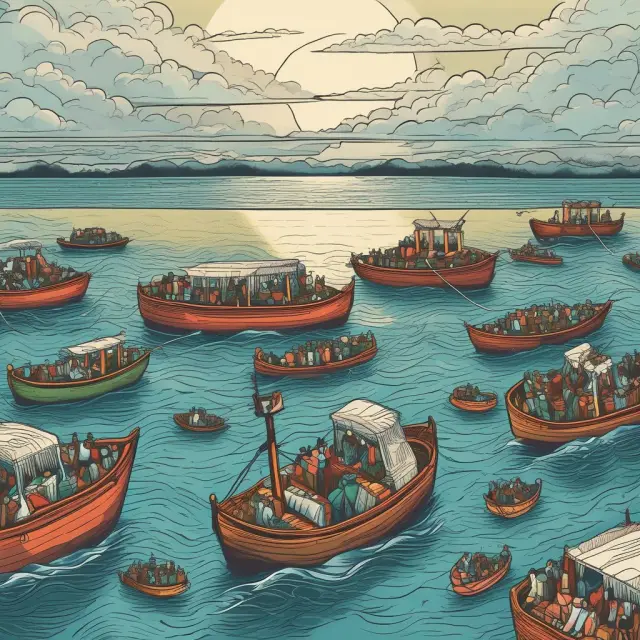
The Conditions of the Free Rider Problem
The free rider problem arises when a shared resource is subjected to unlimited consumption by individuals while there are no limitations on consumption, and someone has to produce and maintain the resource (Freeman & Sugaya, 1985). Economically speaking, this issue represents a market failure, as it results in an inefficient distribution of goods or services. In essence, free riding occurs when individuals can consume more than their fair share of a shared resource or pay less than their fair share while still enjoying the benefits provided by others’ contributions.
Under the unlimited consumption condition, everyone within a community has access to the shared resource without any restrictions. This could apply to various resources, such as clean air, public roads, or broadcast radio stations. Moreover, no individual is capable of limiting another person’s consumption, further exacerbating the issue. For instance, in an urban environment, a city council may contemplate enforcing fees on suburban commuters to cover the expenses related to maintaining the infrastructure for its roads and public services. However, since these commuters cannot be stopped from using the roads or accessing the facilities, they face no incentive to pay their fair share.
Lastly, a critical requirement for the free rider problem is that someone must produce and maintain the resource in question. This can be a natural lake or an artificially constructed swimming pool where someone had invested time, resources, and labor to establish it. In the absence of this condition, no business would voluntarily undertake the production and maintenance of such resources under the unlimited consumption and no limitation conditions.
This market failure prevents the conventional free-market mechanisms from facilitating the creation, production, and consumption of goods and services. Instead, the burden falls on public institutions to provide and finance shared resources using taxpayer funds. Ultimately, individuals who do not contribute their fair share can still enjoy the benefits, creating a dilemma for those who do pay. To address this issue, various solutions have been proposed, such as government subsidies, private resources, and fees. In the following sections, we will delve deeper into these potential solutions and examine their implications on investors, financial markets, and overall economics.
References: Freeman, R. E., & Sugaya, D. (1985). Free riding and collective action in a model of an industry with public goods. The Journal of Law, Economics & Organization, 1(3), 263-274.

Impact on Economics and Businesses
Understanding the Free Rider Problem as an Economic Market Failure
The free rider problem is considered a market failure in economics due to its inefficient distribution of resources. It occurs when individuals can consume more than their fair share of a shared resource without contributing their part, or they pay less than what is required for its production and maintenance. This problem arises when everyone can consume the resource in unlimited quantities, no one can limit others’ consumption, but someone must produce it.
Businesses typically avoid producing resources under these conditions due to their inherent financial instability. The free rider problem disrupts conventional market mechanisms, as producers cannot be sufficiently compensated for creating and maintaining shared resources when some consumers do not pay or contribute unfairly. In such cases, the production of goods and services is usually subsidized by the public sector through taxes or other means.
Real-World Impact: The Free Rider Problem in Economics and Businesses
The free rider problem can lead to significant consequences in various economic contexts. It affects markets’ efficiency and fairness, as well as investor confidence. For example, when individuals don’t pay their fair share of a public good or service, it can result in decreased investment in that particular sector due to perceived risk and uncertainty. Moreover, the free rider problem can lead to market inefficiencies, such as overconsumption, resource wastage, and suboptimal outcomes.
In the absence of collective responsibility and fair cost-sharing, the free rider problem creates an imbalance between what is consumed and what is paid for. As a result, it can lead to detrimental consequences for businesses that rely on shared resources or public goods as part of their operations. Ultimately, the free rider problem highlights the importance of addressing market failures and finding solutions that encourage fair cost-sharing and resource allocation in an efficient manner.

Examples of the Free Rider Problem
The free rider problem can be found in various aspects of finance and investment as well as beyond. Let’s consider some illustrative examples to better understand this concept’s implications.
Air Quality: In a metropolitan area, each resident contributes differently to air pollution through their daily activities. However, the entire community shares the same air quality benefits and bears the consequences of degraded air. Individuals who emit more pollutants than others may not feel obligated to reduce their emissions since they still reap the collective benefits. In this situation, a small segment of the population might opt for cleaner energy sources or vehicles, but others may continue with their current practices, causing an inefficient distribution of resources.
Public Radio: Public radio stations rely on voluntary contributions from listeners to produce and broadcast programs. However, some individuals who regularly listen to these broadcasts may not contribute financially. The free rider problem arises as the station still provides high-quality programming that benefits those who don’t pay for it. This creates a significant challenge for public radio stations in securing consistent revenue, making it challenging for them to sustain their operations.
Investments: In investment markets, the free rider problem can manifest when it comes to market research and information dissemination. Hedge funds and other financial institutions invest substantial resources into thorough market analysis to identify potential investment opportunities. However, once this information is in the public domain, anyone can use it to their advantage with minimal effort or cost. This can create a significant imbalance between those who put resources into generating information and those who reap its benefits without contributing.
In conclusion, the free rider problem is a prevalent issue across various sectors, including finance and investment. It underscores the importance of fair cost-sharing in communities and highlights the need for innovative solutions that incentivize individuals to contribute their fair share towards shared resources. In the next section, we will discuss some potential strategies to address this challenge and restore balance among community members.

Solutions to Addressing the Free Rider Problem
To counteract the free rider problem and prevent inefficient distribution of goods or services, several solutions have been proposed. These methods aim to ensure fair cost-sharing among community members and incentivize individuals to contribute their share towards the production and maintenance of shared resources.
Government Subsidies: One way to address the free rider problem is through government subsidies. With taxes being proportionate to income, the collection and distribution of tax dollars can help achieve fair cost-sharing in a community. Governments subsidize public services like education, health care, and infrastructure, ensuring that everyone’s needs are met while limiting free riding.
Private Resources: Another solution is converting shared resources into private or club resources. This approach involves charging dues to ensure that only those who use the resource contribute towards its production and maintenance. By creating a barrier to entry, this strategy encourages fair cost-sharing and can help prevent overconsumption.
Fees: Imposing small fees on users can also be an effective solution for mitigating free riding in communities. Fees not only limit over-consumption but may even encourage altruistic behavior among individuals who value the collective good. This strategy encourages people to pay their fair share, as they understand that everyone will benefit from the shared resource.
The benefits of these solutions are apparent when considering the limitations of the free rider problem. By ensuring fair cost-sharing and addressing market failure, communities can produce and consume goods and services efficiently while fostering a sense of responsibility among its members.
However, it’s important to note that government subsidies may not be feasible in all cases, especially for smaller or more niche shared resources. Private resources come with their own drawbacks, such as exclusivity and limited access for some individuals. Fees can also be controversial and may not always be an ideal solution, particularly when dealing with essential services or public goods that require universal access.
Regardless of the chosen approach, it’s crucial to recognize the importance of addressing the free rider problem in ensuring a thriving community and efficient distribution of resources. Through various solutions, we can create an environment where individuals contribute their fair share, fostering trust, collective duty, and reciprocity among community members.

Implications for Investors and Financial Markets
The free rider problem doesn’t just impact economies as market failures; it also influences investors and financial markets significantly. In this context, we’ll focus on its implications for investor confidence and market efficiency.
In the financial sector, the free rider problem can lead to a decrease in investor confidence when individuals fail to contribute their fair share to shared resources like public infrastructure, research, or even corporate investments. As a result, potential investors may be hesitant to participate due to uncertainty regarding the overall sustainability and future returns of these initiatives. Consequently, they might opt for alternative investment opportunities where their contributions are more likely to yield significant benefits.
Moreover, this behavior can contribute to market inefficiencies, causing misaligned incentives between investors and the broader community. For instance, when some investors do not pay their fair share for a shared resource like research and development, it may lead to underfunding or insufficient investment in potentially groundbreaking innovations. Ultimately, this could result in missed opportunities for economic growth and financial gains.
Moreover, the free rider problem can exacerbate herd mentality among investors, where they follow the crowd rather than making informed decisions independently. In such cases, market efficiency is compromised as investors fail to consider their long-term interests due to a lack of incentive to put in the necessary effort.
To counteract these implications, several solutions can be employed. Government subsidies, private resources, and fees are some of the most common approaches. For example, governments may provide funding for public infrastructure projects or research initiatives to ensure that they’re sufficiently funded and accessible to all investors. Private businesses and organizations can also invest in such shared resources and generate revenue through membership fees or other means. In this manner, a fair distribution of costs is ensured, fostering confidence among investors and promoting market efficiency.
In summary, the free rider problem has far-reaching implications for investors and financial markets, including decreased investor confidence and market inefficiencies. By employing effective solutions such as government subsidies, private resources, or fees, these negative impacts can be mitigated, ensuring a fair distribution of costs and promoting long-term economic growth.

Positive Outcomes of the Free Rider Problem
Despite its negative connotations, the free rider problem can bring about positive consequences when community members exhibit a strong sense of responsibility, trust, and reciprocity. The concept arises when individuals are not incentivized to contribute fairly to a shared resource since they can still enjoy the benefits without incurring the cost. In this context, the free rider problem is an example of market failure, as it impedes the efficient distribution of goods or services within the conventional free market system.
However, not all hope is lost when confronting this issue. People naturally develop a sense of obligation to contribute their fair share towards a collective resource in some communities. This communal spirit can foster a high level of trust, positive reciprocity, and a sense of collective duty that encourages fair cost-sharing among individuals.
For instance, consider the community’s approach towards addressing air pollution. If the residents voluntarily adopt pollution standards to decrease their carbon footprint, most will comply with these regulations. Although some might opt not to make any changes in their habits, a sufficient number of committed individuals can significantly improve air quality for everyone, including the free riders.
Furthermore, some communities turn public resources into private or club resources by imposing dues and membership fees to ensure that only contributors have access. This model encourages equitable cost-sharing as every member’s participation is crucial for maintaining the resource. Alternatively, a small fee could be imposed on all users, limiting over-consumption while potentially sparking altruistic behavior. In this case, many individuals might appreciate the idea of making a small contribution to a shared resource that they use and benefit from.
In conclusion, while the free rider problem presents challenges in distributing resources fairly within the conventional market system, it can also reveal the potential for community solidarity and collective responsibility. This positive perspective showcases how a strong sense of trust and reciprocity among individuals can lead to fair cost-sharing and equitable resource distribution.

Case Studies on Solving the Free Rider Problem
The free rider problem can lead to inefficient distribution of resources and decreased investor confidence if not addressed. Several successful approaches have been adopted by industries, governments, and communities to mitigate this issue and ensure fair cost-sharing among individuals. Here are some real-life examples:
1. Public Goods and Club Goods: A well-known case study on free riding comes from the fields of public goods and club goods. Public goods, such as clean air or national defense, benefit everyone in a community regardless of their contribution to its production. In contrast, club goods, like a gym membership or a cable TV subscription, are consumed collectively but exclude non-paying individuals. This distinction between public and club goods helps illustrate the importance of different solutions for addressing free riding issues.
2. Water Resources: In the water industry, communities have employed various strategies to tackle free riding among users. For instance, water tariffs can be set according to consumption levels or geographical areas. Additionally, water meters can help monitor usage and ensure equitable distribution while enabling efficient pricing structures.
3. Renewable Energy: Renewable energy projects, like wind and solar farms, present a classic free rider problem as they provide benefits to everyone within the community, not just those who contribute financially. Community renewable energy projects have emerged as an effective solution to this problem, allowing individuals to invest in a local project and receive a share of its returns based on their contribution.
4. Transportation Infrastructure: The challenge of addressing free riding among commuters using public transportation has long been an issue for urban planners and policymakers. Solutions range from congestion pricing, which charges drivers based on usage, to implementing smart cards or electronic fare systems. These mechanisms ensure that all users contribute to the costs associated with maintaining transportation infrastructure while encouraging more efficient usage patterns.
5. Carpooling: Carpooling is a creative solution for addressing free riding in the context of personal transportation. By incentivizing carpooling through subsidies, tax benefits, or ride-sharing platforms, commuters are encouraged to share rides, reducing traffic congestion and lowering fuel consumption. This collective effort not only helps mitigate the issue of free riding but also promotes a more sustainable transportation system overall.
In conclusion, understanding the free rider problem and its impact on finance and investment is crucial for both investors and financial market participants. By exploring various solutions and case studies from different industries and sectors, we can learn how communities effectively address this challenge and create more equitable resource allocation while fostering a sense of collective responsibility.

Regulations and Policies Addressing the Free Rider Problem
The free rider problem is an inefficient distribution of shared resources that can create significant challenges for both the private and public sectors. In such cases, governments and organizations employ various regulations, policies, and incentives to encourage fair cost-sharing among community members and promote sustainable resource management. Let us explore some common approaches to addressing the free rider problem.
Government Subsidies
Governments often step in as a solution when market failures like the free rider problem arise. By collecting taxes from their citizens, governments can redistribute resources and create incentives for fair cost-sharing. For example, many countries invest significantly in public transportation systems, ensuring that citizens have access to reliable and affordable options for commuting. This not only provides essential services but also incentivizes individuals to contribute indirectly to the maintenance of these systems through their taxes.
Private Resources
In some cases, converting shared resources into private or club resources can help mitigate the free rider problem. For instance, a community may form a cooperative to manage and fund a local swimming pool or park. Members pay dues to cover operating costs and share in the benefits of these resources. This not only encourages fair cost-sharing but also fosters a sense of responsibility and ownership among members.
Fees and Charges
Implementing fees and charges can help curb overconsumption and encourage cost sharing. A city may impose a small fee on residents for using public parks or facilities, which can help reduce the number of free riders and ensure that resources are sustainably managed. Additionally, these fees can generate revenue to fund improvements and upgrades, benefiting all users in the long run.
Regulations and Policies
Governments also use regulations and policies to address the free rider problem. For example, countries may impose carbon taxes or set emissions limits to encourage individuals and businesses to reduce their carbon footprint voluntarily. This not only helps mitigate the negative impact of the free rider problem on the environment but also fosters a sense of collective responsibility among community members.
Conclusion:
Addressing the free rider problem is crucial for ensuring fair cost-sharing, sustainable resource management, and efficient allocation of resources in various sectors. Governments and organizations employ different approaches to tackle this market failure, including government subsidies, private resources, fees and charges, and regulations and policies. Each solution comes with its benefits and limitations, requiring careful consideration to maximize the positive impact on communities while minimizing potential downsides.

FAQs on the Free Rider Problem
What is the free rider problem?
The free rider problem occurs when some individuals benefit from a shared resource without paying their fair share or contributing anything towards it, while others bear the cost of production and maintenance.
Why is the free rider problem an issue in economics?
In economic terms, the free rider problem represents a market failure as it arises from inefficient distribution of goods or services where some individuals consume more than their fair share or pay less than their fair share of the costs. This prevents the creation of goods and services through conventional market methods.
What are the conditions under which the free rider problem occurs?
The free rider problem occurs when consumption is unlimited, no one can limit another’s consumption, and someone must produce and maintain the resource.
Why would businesses avoid producing goods or services that exhibit the free rider problem?
Since businesses cannot be sufficiently compensated for their efforts to produce and maintain resources under free riding conditions, they often choose not to provide such goods or services.
What are some examples of the free rider problem in finance and investment?
Some examples include public radio stations that rely on donations from listeners while others don’t contribute, or city councils that debate subsidizing shared infrastructure like roads and public services for suburban commuters.
How can communities address the free rider problem?
Solutions include government subsidies through taxpayer funds, converting public resources into private or club resources with membership fees, imposing a small fee on users to limit over-consumption, and encouraging altruistic behavior that fosters fair cost-sharing.
What is the impact of free riding on investors and financial markets?
Free riding can lead to decreased investor confidence due to uncertainty about others’ contributions or lack of investment from those who may take advantage of shared resources without contributing. It also results in market inefficiencies, ultimately affecting the overall performance of investments.
What are some positive outcomes of the free rider problem?
Communities can benefit from a sense of responsibility and reciprocity among its members to encourage fair cost-sharing and maintain shared resources. This can lead to collective action and cooperation among individuals, even in the absence of market incentives.
 Next entry · No. 1,682Understanding Free Trade Areas: Benefits, Costs, and Implications for Institutional Investors
See also
-
 No. 3,536
06 Apr 2025
19 min
Non-Interest Income: Understanding the Strategic Importance of Fees and Charges for Financial Institutions
Business Finance
No. 3,536
06 Apr 2025
19 min
Non-Interest Income: Understanding the Strategic Importance of Fees and Charges for Financial Institutions
Business Finance -
 No. 3,114
02 Mar 2025
25 min
Understanding Market Makers: Role, Functions, and Key Players
Business Finance
No. 3,114
02 Mar 2025
25 min
Understanding Market Makers: Role, Functions, and Key Players
Business Finance -
 No. 3,107
01 Mar 2025
21 min
Understanding Market Failure: Causes, Solutions, and Implications for Institutional Investors
Business Finance
No. 3,107
01 Mar 2025
21 min
Understanding Market Failure: Causes, Solutions, and Implications for Institutional Investors
Business Finance -
 No. 2,434
06 Jan 2025
22 min
Understanding the Intercontinental Exchange (ICE): Expansion, Operations, and Services
Business Finance
No. 2,434
06 Jan 2025
22 min
Understanding the Intercontinental Exchange (ICE): Expansion, Operations, and Services
Business Finance -
 No. 2,430
05 Jan 2025
17 min
Interbank Deposits: Understanding the Role and Importance of Inter-Institutional Fund Transfers
Business Finance
No. 2,430
05 Jan 2025
17 min
Interbank Deposits: Understanding the Role and Importance of Inter-Institutional Fund Transfers
Business Finance -
 No. 2,311
27 Dec 2024
19 min
Understanding Impaired Credit: A Comprehensive Guide for Institutional Investors
Business Finance
No. 2,311
27 Dec 2024
19 min
Understanding Impaired Credit: A Comprehensive Guide for Institutional Investors
Business Finance