The Power of Organized Labor: Improving Workers’ Rights and Economic Power
Explore the history, advantages, disadvantages, and modern-day relevance of organized labor. Understand union types, leadership, elections, and government…
What is Organized Labor?
Organized labor refers to a collective grouping of employees who come together to negotiate with their employers regarding working conditions, wages, benefits, and other employment matters. This formal arrangement is executed through labor unions, which aim to protect workers’ rights and amplify their voices in the workplace. The term “labor union” can encompass various forms, from craft-based to industrial or general unions, but all ultimately serve the purpose of empowering individual employees and advocating for their common interests.
The historical roots of organized labor date back to the Industrial Revolution, a time when workers faced long hours, poor working conditions, and low wages. As the labor force shifted from agriculture to large factories, the need for collective bargaining power grew increasingly evident. In response, employees started forming unions as a means to demand better treatment, safety standards, and fair compensation.
Unions function as powerful advocates and representatives for their members, allowing them to secure higher wages, improved benefits, and safer working conditions than they would otherwise be able to achieve individually. Moreover, unions often engage in collective bargaining with employers on behalf of the unionized workforce, ensuring that agreements reached benefit all involved parties.
In most countries, including the United States, the formation and functioning of labor unions are regulated by government agencies, such as the National Labor Relations Board (NLRB). These entities oversee matters related to union elections, labor disputes, and collective bargaining, ensuring a fair and just process for both employers and employees.
To understand the significance and potential impact of organized labor, it is essential to explore its historical evolution, various types, and key players in this dynamic arena. In subsequent sections, we will delve deeper into these topics, providing valuable insights into the past, present, and future of organized labor and its role in shaping the world of work.
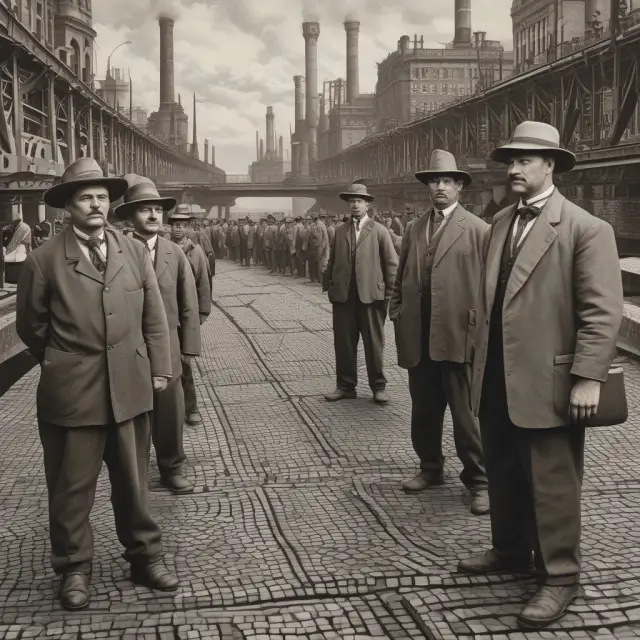
History of Organized Labor: From Industrial Revolution to Today
Organized labor, also known as trade unions, came into existence during the industrial revolution when workers began joining together to collectively negotiate better wages, working hours, and job conditions. The historical backdrop for the rise of organized labor was characterized by long working hours (often 12 or more hours a day, seven days a week) and poor working conditions. In these early years, workers faced significant challenges, including high infant mortality rates, low wages, and lack of job security due to the abundance of available labor and easy replacement.
The first successful unions in the United States emerged from industries where skilled labor was essential, such as railway work. One of the earliest union organizations was the American Federation of Labor (AFL), founded in 1881, with the aim of bringing together various trade unions under a single association. At the same time, more radical unions like the Industrial Workers of the World (IWW) advocated for organizing all workers regardless of skill level.
Throughout this period, employers aggressively fought unionization efforts, often employing strikebreakers and lockouts to maintain their labor force. In some instances, authorities used violence against striking workers or their families to quell labor unrest. Despite these challenges, the persistence and determination of organized labor led to significant improvements, including the eight-hour workday, paid weekends, and job security.
The Wagner Act, enacted in 1935 during Franklin D. Roosevelt’s presidency, was a critical turning point for organized labor. The National Labor Relations Act (NLRA) granted workers the right to organize and form unions, effectively establishing collective bargaining as a legal means of negotiating wages, hours, and conditions of employment.
During the post-World War II era, union membership in the United States reached an all-time high, with over 20 million members. Unions became synonymous with the path to the middle class for many workers. However, organized labor’s influence began to decline from the late 1970s onwards due to various factors including anti-union government policies, increased competition from foreign labor markets, and globalization.
As union membership declined, so did its political influence. The loss of collective bargaining power resulted in wage stagnation for many workers while executive compensation grew significantly larger. Today, despite the challenges faced by organized labor, it continues to be an essential voice advocating for fair wages, working conditions, and workers’ rights.
Types of Unions: Horizontal and Vertical
The concept of unions encompasses a wide range of worker associations that aim to improve working conditions and wage negotiation on behalf of their members. Among the various union structures, horizontal and vertical unions represent two primary organizational categories. Understanding these types is crucial in recognizing the diversity and impact of organized labor.
Horizontal Unions:
Horizontal unions, also referred to as craft unions or industrial unions, are composed of workers who possess similar skills within a given industry. This union model enables solidarity among individuals with shared expertise and promotes unity across various trade sectors. Horizontal unions can be traced back to the early days of organized labor when skilled artisans formed guilds for protection from exploitation. In modern times, this type of organization has been critical in ensuring equal representation, wage fairness, and workplace safety for various skill sets within an industry. Examples of horizontal unions include those representing electrical workers, plumbers, or carpenters.
Vertical Unions:
On the other hand, vertical unions, also known as multicraft or general unions, are composed of workers from various industries who band together for a common cause. These unions foster unity by addressing the collective interests of employees across multiple professions within an industry. Vertical union structures can be traced back to the American Federation of Labor (AFL), which aimed to bring together trade unions under one umbrella organization. This approach has been instrumental in expanding labor’s influence beyond specific industries and creating a powerful force capable of advocating for workers’ rights on a larger scale. The National Education Association (NEA) is an excellent example of a vertical union, as it represents educators from various fields and levels of education.
Comparison Between Horizontal and Vertical Unions:
The primary difference between horizontal and vertical unions lies in their scope and focus. Horizontal unions cater to workers with similar skills within a particular industry, while vertical unions represent employees across multiple professions or industries. Both union structures provide valuable benefits and serve essential roles in the labor movement. By understanding these types of organizations, we can better appreciate the rich diversity and intricacy of organized labor as a whole.
In conclusion, a strong understanding of horizontal and vertical unions is crucial for recognizing the breadth and depth of organized labor’s impact on workers’ rights and economic power. From protecting the interests of skilled craftspeople to advocating for the collective needs of diverse industries, these union structures play pivotal roles in shaping the modern labor landscape.
FAQ:
Q: What is the difference between horizontal and vertical unions?
A: Horizontal unions are composed of workers with similar skills within a particular industry, while vertical unions represent employees across multiple professions or industries.
Q: Why is it important to understand the differences between horizontal and vertical unions?
A: Understanding the differences allows us to appreciate the breadth and depth of organized labor’s impact on workers’ rights and economic power.
Q: What are examples of horizontal unions?
A: Examples include those representing electrical workers, plumbers, or carpenters.
Q: What are examples of vertical unions?
A: The National Education Association (NEA) is a prime example, as it represents educators from various fields and levels of education.
Q: Why do horizontal and vertical unions matter to workers?
A: They provide essential benefits such as protecting the interests of skilled craftspeople and advocating for the collective needs of diverse industries.
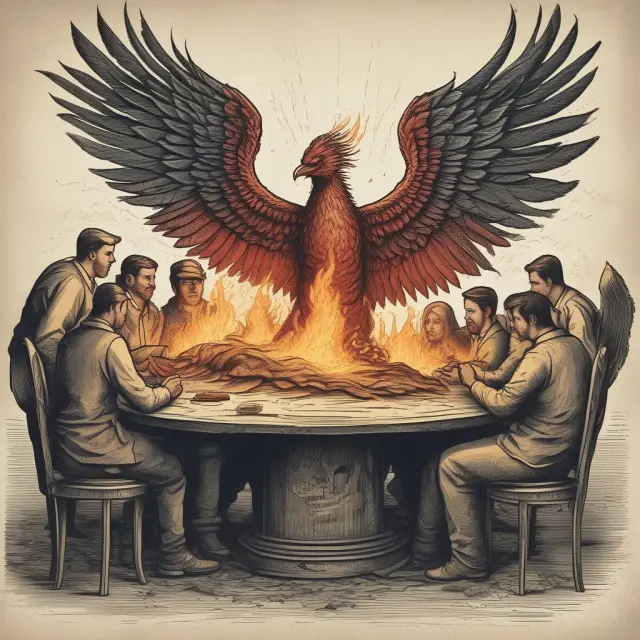
How Organized Labor Works
Organized labor refers to a group of employees who come together to collectively negotiate their wages, benefits, and working conditions with their employers. By forming a union, workers gain collective bargaining power that they would not have as individuals. The process of unionization involves several steps.
1. Union Formation: Workers interested in organizing a union must first gather a certain number of signatures from eligible employees. These signatures demonstrate the level of support for the union within the workplace. Once enough signatures are obtained, the next step is to file a petition for an election with the National Labor Relations Board (NLRB) or the relevant government agency in their country.
2. Union Election: If the NLRB determines that there is sufficient interest and support for a union among the employees, it will schedule an election. All eligible employees are given the opportunity to vote on whether they want to be represented by the union. A simple majority (50% + 1) of votes is required for the union to be certified as the collective bargaining representative for the workplace.
3. Collective Bargaining: Once a union has been certified, it enters into collective bargaining negotiations with the employer. The union and management negotiate on wages, hours, benefits, job security, and other working conditions. The goal is to reach an agreement that both parties find acceptable. If negotiations fail, either party can choose to strike or engage in other forms of labor action.
Organized labor provides numerous advantages for workers. These include:
– Higher wages: Unionized jobs typically pay more than non-unionized ones. According to the Bureau of Labor Statistics, union members earn a median weekly income that is 13% higher than their non-union counterparts.
– Better benefits: Union contracts often provide better health insurance, retirement plans, and other benefits for employees compared to non-union jobs.
– Job security: Unions can help protect workers from layoffs, downsizing, and outsourcing by negotiating job protections in their contracts.
However, organized labor also has its disadvantages. These include increased costs for companies, potentially making their products or services more expensive for consumers. Some argue that the “Walmart effect” can lead to lower wages and fewer jobs in industries where unions have less bargaining power.
Organized labor’s effectiveness largely depends on its ability to maintain a strong presence in various industries and geographies. The decline of organized labor in some parts of the world, such as North America, can be attributed to factors like globalization, increased competition from low-wage workers abroad, and government policies that make it more difficult for unions to form and engage in collective bargaining. Despite these challenges, many believe that the benefits of organized labor far outweigh its disadvantages and continue to fight for its preservation and expansion.
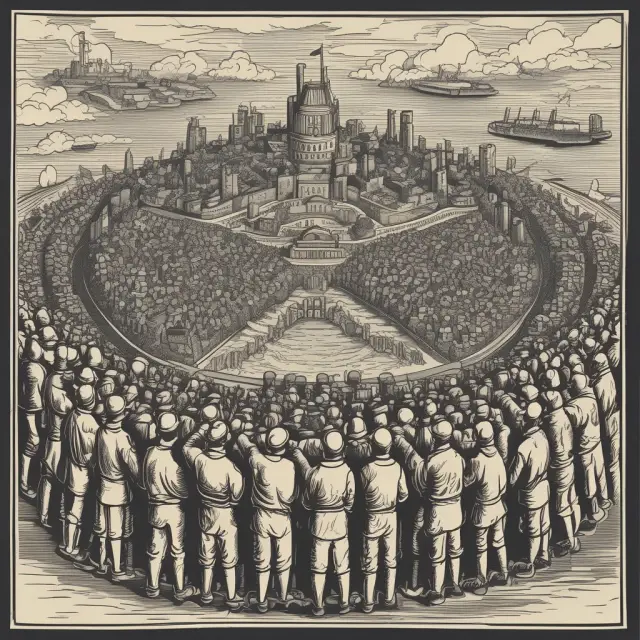
Advantages of Organized Labor: Improved Working Conditions and Economic Power
Organized labor plays a crucial role in ensuring that workers’ rights are protected and their economic power is recognized. Unions have historically been at the forefront of securing better wages, improved benefits, and job security for American workers. Let’s delve deeper into the advantages unions provide, focusing on their impact on working conditions and economic power.
Higher Wages: Unionized workforces typically enjoy higher salaries compared to non-unionized counterparts. According to the U.S. Bureau of Labor Statistics, union members earned a median weekly wage that was 13.2% higher than non-union employees in 2021. This wage gap is not insignificant and translates into thousands of dollars annually for many workers.
Improved Benefits: Unionization often leads to better benefits packages, such as health insurance, paid time off, retirement plans, and other perks that can contribute significantly to an employee’s overall well-being. In fact, the Employee Benefit Research Institute reports that union members are more likely than non-union employees to have access to employer-provided health insurance and pensions.
Job Security: Unions help protect workers from job insecurity by negotiating collective bargaining agreements with employers. These agreements often include seniority provisions, which ensure that long-term employees are the last to be laid off during periods of downsizing or economic hardship. This stability not only provides peace of mind for individual workers but also strengthens the overall workforce and economy as a whole.
Better Working Conditions: Unionization efforts have historically led to better working conditions, including safer work environments, shorter work hours, and more reasonable schedules. Unions can leverage their collective bargaining power to advocate for workplace improvements that protect employee health and safety, such as hazard pay, adequate rest breaks, and improved ergonomic conditions.
The Power of Collective Bargaining: By joining together in a union, workers gain the ability to negotiate as a single, powerful force rather than individuals fighting for better wages and working conditions alone. Unions use collective bargaining to advocate for their members’ interests and reach agreements with employers that benefit everyone involved. This negotiation process ensures that workers’ voices are heard and recognized, ultimately leading to positive change within their respective industries.
However, it is important to acknowledge the potential downsides of organized labor as well. Some argue that unionized workforces can lead to increased costs for companies, which may result in higher prices for consumers. Others claim that unions can discourage competition and innovation by making it more difficult for new businesses to enter an industry dominated by powerful unions. Nevertheless, the advantages of organized labor far outweigh these potential drawbacks, particularly when considering the long-term impact on workers’ wages, benefits, job security, and working conditions.
In conclusion, the power of organized labor lies in its ability to improve workers’ rights and economic power through collective bargaining and advocacy efforts. By joining together and negotiating as a unified force, workers can secure better wages, improved benefits, greater job security, and better working conditions that contribute significantly to their overall well-being and the strength of the economy.

Disadvantages of Organized Labor: Increased Costs and Competition
One common argument against organized labor is that it increases costs for companies and can make them less competitive on the global market. This stems from the notion that union wages are higher than those offered to non-union workers. Some argue this increase in costs can lead to job losses as companies seek cheaper labor markets or renegotiate contracts to remain competitive.
Historically, organized labor was responsible for significant improvements such as the eight-hour workday and paid weekends, which came at a cost to employers. However, these benefits have become the standard in many industries. This raises the question: In today’s globalized economy, can the cost of unionized labor still be justified?
The decline of organized labor in certain sectors can be attributed to increased competition from low-wage foreign workers, particularly in countries where labor laws are less stringent. Multinational corporations have often used this as a bargaining chip to pressure domestic unions into accepting lower wages and benefits. For instance, the infamous Walmart effect refers to companies threatening to relocate production or operations to lower-wage regions if demands for higher wages and benefits from labor unions are not met.
However, it is important to note that this increased competition does not necessarily result in an overall reduction in wages or job security. According to a study by the Economic Policy Institute (EPI), there has been no significant decline in hourly compensation for non-union workers since the 1970s. In fact, union members still earn a premium of about 25% compared to their non-union counterparts. This wage gap is not only an incentive for workers but also serves to push up wages and working standards for non-union employees.
Another point of contention is the argument that organized labor makes it more difficult for small businesses to compete with larger companies, who have a greater ability to absorb the costs associated with unionized labor. However, research shows that even in industries dominated by smaller firms, the wage premium for union workers remains significant. A study published in the Journal of Labor Research found that unionization in the retail sector, which is comprised largely of small businesses, led to higher wages and reduced turnover.
Additionally, it’s important to consider the long-term benefits of a strong labor movement for both companies and workers. Studies have shown that countries with robust union representation tend to have stronger economies over the long term, as workers are better compensated, leading to greater consumer demand and overall economic growth.
In conclusion, while there are valid concerns about the cost implications of organized labor, it is essential to consider the broader context. The benefits of unionized labor, such as higher wages, improved working conditions, and job security, can outweigh the potential costs in the long run. As globalization continues to reshape industries and economies, it’s crucial that workers and their representatives adapt to these changing realities while maintaining their advocacy for fair labor practices.
The Role of Government in Organized Labor: Regulation and Policy
Organized labor is a significant force within the workforce, representing the rights and interests of millions of employees across industries. However, its existence and growth are not without regulatory oversight from various government agencies and policies. This section explores the role of the National Labor Relations Board (NLRB) in regulating labor disputes, union elections, and collective bargaining.
Established in 1935 by the Wagner Act, the NLRB is a US federal agency responsible for administering the National Labor Relations Act (NLRA). Its mission is to promote collective bargaining and protect the rights of private sector employees to form, join, or participate in labor organizations. The organization has the power to oversee union elections, investigate and remedy unfair labor practices, and mediate disputes between employers and labor unions.
The NLRB’s role extends beyond the protection of labor rights, as it also regulates the process by which workers attempt to unionize their workplace. In most cases, employees seeking to form a union must first collect a significant number of signatures demonstrating interest in doing so. This petition, known as a “petition for representation,” triggers an election under the supervision of the NLRB. Workers are then given the opportunity to vote on whether they wish to be represented by the union.
To ensure fairness during elections, the NLRB sets rules and guidelines for voting procedures, eligibility requirements, and communication between employers and employees. The organization also investigates instances of alleged interference, intimidation or retaliation by employers against their employees regarding unionization efforts. If a majority of eligible voters cast their ballots in favor of union representation, the NLRB certifies the results and grants the union the power to negotiate on behalf of all employees covered under the bargaining unit.
Although government oversight plays an essential role in fostering fair labor practices and maintaining a level playing field between employers and unions, it is not without controversy. Critics argue that excessive regulation can stifle competition and lead to inefficiencies. Additionally, some claim that government intervention can create potential for corruption within the NLRB or favoritism toward certain unions.
However, proponents of labor regulation contend that it ensures a more balanced power dynamic between employers and employees during collective bargaining negotiations. The presence of a regulatory body like the NLRB also provides an avenue for workers to voice their grievances and seek recourse when their rights are infringed upon by their employers.
The role of government in organized labor is complex, with both advantages and disadvantages. Nevertheless, it remains an essential component of protecting the rights and interests of American workers while fostering a fair and competitive economic landscape.
Union Leadership and Organizations: A Look at Key Players
In the realm of organized labor, there are various unions that serve distinct roles and advocate for specific industries or professional groups. Two prominent labor organizations in the United States stand out for their impact and influence – the American Federation of Labor (AFL) and the National Education Association (NEA).
The American Federation of Labor (AFL), founded in 1881, was one of the earliest labor unions in the U.S., initially focusing on organizing skilled workers from various trades. Over time, it grew to become a powerful voice for organized labor, representing over five million members as of 2022. The AFL’s primary goal is to provide its membership with better wages, working conditions, and job security through collective bargaining.
The National Education Association (NEA), established in 1857, is the largest labor union in the United States, boasting nearly three million members. Its primary focus is advocating for education professionals, ensuring their rights as workers are protected and recognized. The NEA also seeks to improve the overall quality of public education by uniting its members across the country.
These two organizations have left an indelible mark on U.S. labor history, each playing a crucial role in shaping the narrative surrounding organized labor’s impact on workers, industries, and policy. By examining their unique histories and objectives, we can better understand how these key players have influenced the world of organized labor and, by extension, American society as a whole.
The AFL and NEA both operate under the umbrella of the American labor movement, which aims to improve the lives and working conditions of millions of employees in various industries and sectors. Although their focuses differ, they share common goals – negotiating better wages, working conditions, and job security for their members. By joining forces with other unions, these organizations have demonstrated their ability to create a formidable force that can influence policy and shape public opinion on labor issues.
In the next section of this article, we will delve deeper into the advantages and disadvantages of organized labor, exploring how it has affected workers, employers, and the overall economy throughout history.
Union Elections and Organizing: The Process
The process of organizing a union involves several significant steps, including petitioning for an election, voter eligibility determination, holding the election, and ultimately, collective bargaining between management and labor representatives.
Petition for Union Election
In order to initiate the union election process, a specific number of workers must submit signed authorization cards – often referred to as ‘union cards’ – declaring their intent to be represented by the union. The required number of signatures varies depending on the industry and workplace size but generally ranges from 30% to 50% of the workforce. Once enough authorization cards have been collected, a formal petition for an election is filed with the relevant labor regulatory body.
Voter Eligibility Determination
Upon receiving a valid petition, the labor regulatory agency responsible for conducting union elections – such as the National Labor Relations Board (NLRB) in the United States – performs an analysis of the eligible voter base. Ineligible workers include supervisors, independent contractors, and those who have been employed for less than a specified duration of time (usually six months to one year). Once the eligibility determination is complete, the agency sets an election date and communicates this information to all potential voters.
Holding the Union Election
The union election itself usually takes place at the workplace or via mail-in ballots, depending on the specific circumstances and regulatory requirements. During the voting period, workers are free to cast their votes either for or against the union, with no coercion permitted from any party. Once the voting period has closed, the ballots are tallied, and the results are made public.
Collective Bargaining
Should the union receive a majority of votes in the election, it is granted the authority to negotiate on behalf of the employees. Collective bargaining is an important process where management and labor representatives come together to discuss wages, benefits, working conditions, and other terms of employment. The outcome of these negotiations may result in a collective bargaining agreement, also known as a union contract. This agreement sets forth the terms and duration of the employment relationship between the unionized workers and their employer for the specified term.
It’s important to note that while this process can be time-consuming, it provides employees with an essential means to advocate for their rights and improve their working conditions through collective representation.
FAQ: Common Questions About Organized Labor
Question 1: What is organized labor?
Answer: Organized labor refers to a strategy where workers join unions for collective bargaining with their employers. Unions negotiate on behalf of their members, seeking higher wages, job benefits, and better working conditions. In most countries, union formation is regulated by government agencies like the National Labor Relations Board (NLRB) in the United States.
Question 2: How does organized labor work?
Answer: Organized labor functions through collective bargaining, where unions negotiate on behalf of their members with their employers. The process begins when a workplace gathers sufficient union signatures for a union election. Once a majority vote in favor of the union, negotiations can proceed. Unions represent both horizontal and vertical workers—those with similar skills (horizontal) or across industries (vertical).
Question 3: What are the advantages of organized labor?
Answer: Organized labor provides numerous benefits to workers, including higher salaries, longer vacations, paid weekends, job security, and improved working conditions. Even non-union members can reap these rewards. However, unions come with some disadvantages, such as increased costs for companies and potential competition issues.
Question 4: What is the role of government in organized labor?
Answer: Governments play a critical part in regulating organized labor through various agencies like the National Labor Relations Board (NLRB) in the United States. They oversee union elections, disputes, and collective bargaining, ensuring fairness and transparency.
Question 5: What are some prominent labor organizations?
Answer: Some well-known labor organizations include the American Federation of Labor (AFL), founded in 1881, and the National Education Association (NEA), which advocates for education professionals. The NEA is the largest labor union in the U.S., with nearly three million members.
Question 6: What are the disadvantages of organized labor?
Answer: While unions bring numerous benefits to their members, they also come with some drawbacks. Higher salaries increase product costs and can lead companies to reduce employment numbers in an effort to remain competitive. Some argue that the cost of a unionized workforce puts pressure on wages for non-unionized industries as well.
Question 7: What is the history of organized labor?
Answer: Organized labor’s origins trace back to the industrial revolution, when long working hours and poor conditions led to the formation of unions representing skilled workers. Over time, unions expanded their reach and faced resistance from employers and governments. However, their efforts paid off with significant improvements, including the eight-hour day, paid weekends, and job security.
Question 8: What are the pros and cons of organized labor?
Answer: Pros: Unions can negotiate higher salaries and benefits than most workers could achieve alone, leading to improved wages for even non-unionized workers. Cons: The increased cost of a unionized workforce can lead companies to increase product prices or reduce employment numbers in order to remain competitive.
Question 9: What is the main purpose of organized labor?
Answer: Organized labor’s primary goal is to improve the economic power and conditions of the working class by negotiating on behalf of union members for better wages, benefits, and job protections.
Question 10: Was organized labor successful?
Answer: Absolutely! Organized labor brought about significant improvements in workers’ lives, particularly in manufacturing and agricultural industries. In its early days, membership in a union was a fast track to the middle class with over 20 million members in the United States by 1979. However, organized labor faced challenges in the late 20th century due to anti-union policies and increased competition from abroad.
Question 11: What caused the decline of organized labor?
Answer: Organized labor’s decline can be attributed to several factors, including anti-union government policies and increased competition from low-wage workers abroad. In the 1980s, companies like Walmart used the threat of outsourcing jobs to non-unionized countries as leverage in their negotiations with unions. The resulting “Walmart effect” put pressure on wages for both union and non-unionized industries, weakening the bargaining power of labor unions.
 Next entry · No. 3,798Understanding Original Cost: Definition, Calculation and Importance for Financial Reporting and Taxes
See also
-
 No. 2,748
01 Feb 2025
21 min
Understanding the Role, History, and Significance of Labor Unions in the United States
Business Strategy
No. 2,748
01 Feb 2025
21 min
Understanding the Role, History, and Significance of Labor Unions in the United States
Business Strategy -
 No. 5,693
30 Sep 2025
24 min
Understanding White Label Products: Benefits, Types, and Real-life Examples
Business Strategy
No. 5,693
30 Sep 2025
24 min
Understanding White Label Products: Benefits, Types, and Real-life Examples
Business Strategy -
 No. 5,503
14 Sep 2025
17 min
The Virtual Office Solution: Cost-Effective and Flexible Alternative to Traditional Offices for Finance and Investment Businesses
Business Strategy
No. 5,503
14 Sep 2025
17 min
The Virtual Office Solution: Cost-Effective and Flexible Alternative to Traditional Offices for Finance and Investment Businesses
Business Strategy -
 No. 5,501
14 Sep 2025
19 min
Virtual Data Rooms: A Secure Solution for Sharing Sensitive Information During Mergers and Acquisitions
Business Strategy
No. 5,501
14 Sep 2025
19 min
Virtual Data Rooms: A Secure Solution for Sharing Sensitive Information During Mergers and Acquisitions
Business Strategy -
 No. 5,422
07 Sep 2025
21 min
Understanding Vanilla Strategies: Simple, Effective Approaches to Investing and Business
Business Strategy
No. 5,422
07 Sep 2025
21 min
Understanding Vanilla Strategies: Simple, Effective Approaches to Investing and Business
Business Strategy -
 No. 5,397
05 Sep 2025
20 min
Understanding the Role and Benefits of Value-Added Resellers in IT Industry
Business Strategy
No. 5,397
05 Sep 2025
20 min
Understanding the Role and Benefits of Value-Added Resellers in IT Industry
Business Strategy