The Troy Ounce: A Comprehensive Guide to Understanding this Ancient Unit of Measurement in Precious Metals
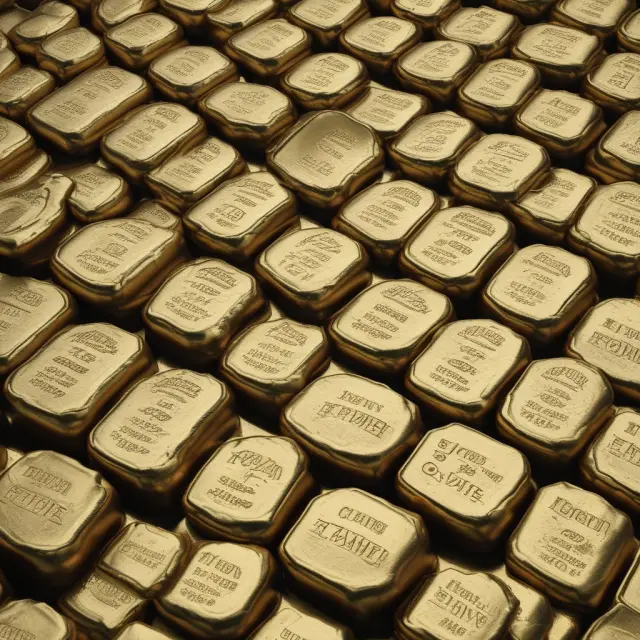
Learn about the Troy Ounce - an ancient unit for measuring precious metals and gemstones. Understand its history, differences from other units, and…
Understanding the Basics of the Troy Ounce
The troy ounce is an essential unit of measurement in the realm of precious metals and gemstones, with significant historical roots that date back to the Middle Ages. The troy ounce stands apart from other units of weight, such as the standard ounce or avoirdupois ounce, by featuring a distinct value and relevance within the industry. This comprehensive guide unravels the basics of the troy ounce, its differences with the standard ounce, and its significance in precious metals and gemstones markets.
A Troy Ounce: Definition and Significance
The troy ounce is a unit of measurement used primarily for weighing precious metals like gold, silver, platinum, and palladium, as well as certain gemstones. Its significance lies in its unique value within the industry, which ensures standardized purity levels across precious metal transactions. One troy ounce is equal to exactly 31.1034768 grams or approximately 12 troy pennyweights (dwt).
Comparison with Standard Ounces: Avoirdupois and Troy
While the term “troy ounce” may be less familiar in everyday life, it is essential to understand that it differs from the more commonly known standard ounce or avoirdupois ounce. The main difference lies within their respective gram equivalents; one standard ounce is equal to approximately 28.346 grams, which is around 10% lighter than a troy ounce.
Furthermore, a pound also differs between the two units of measure: a troy pound consists of 12 troy ounces, whereas a standard (avoirdupois) pound includes 16 standard ounces. As a result, one troy pound is slightly lighter than a standard pound, with a weight of around 0.823 pounds.
The Historical Roots of the Troy Ounce
The origins of the troy ounce can be traced back to the Middle Ages when Troyes, a city in France, served as an essential trading hub for European and British merchants. Merchants adopted this unit of measurement to create a standardized monetary system that made transactions more efficient. The name “troy ounce” comes from Troyes.
Over time, the troy weighting system became widely used throughout Europe, eventually replacing the Anglo-Norman French avoirdupois system (which was used for both precious metals and non-precious goods). England adopted the troy ounce in the 15th century as its official standard measurement for gold and silver. Eventually, the United States adopted it in 1828.
Key Takeaways: Troy Ounces vs. Standard Ounces
- A troy ounce is equal to approximately 31.1034768 grams or around 12 troy pennyweights (dwt).
- One standard ounce is equal to roughly 28.346 grams, which is about 10% lighter than a troy ounce.
- A pound consists of 12 troy ounces, making one troy pound around 0.823 pounds.
- The troy ounce has its roots in the Middle Ages and was developed by European merchants in Troyes as a standardized measurement for precious metals and gems.
- Understanding the difference between these units of measure is crucial when investing in or dealing with precious metals and gemstones markets.

Origin and History of the Troy Ounce
The troy ounce is a unique unit of measurement that has its roots in ancient France during the Middle Ages. This metric was initially used in Troyes, a significant trading hub, to weigh precious metals like gold and silver. The troy ounce, which equates to approximately 31.1 grams (0.373 troy pounds), holds historical significance as it served as the basis for measuring precious metals until the modern metric system became widespread.
The origins of the troy ounce can be traced back to the Roman Empire when the Romans standardized their monetary system, using bronze bars that could be broken down into twelve equal parts called “uncia,” each weighing approximately 31.1 grams or one ounce in the troy weight system.
Merchants traveling from different regions adopted this system during the Middle Ages, particularly in Troyes, which attracted traders and businessmen from across Europe and Britain. The troy ounce became an essential tool for establishing a standardized monetary weight system that made international trade more convenient and efficient.
Before its adoption in England, the British used an Anglo-Norman French system called the avoirdupois system, which measured goods using units like pounds, stones, and grains. The term ‘avoirdupois’ translates to ‘goods of weight,’ making it clear that this system was employed for weighing various commodities, including precious metals.
However, with the emergence of Troyes as a vital trading center, merchants began adopting the troy weighting system to measure their precious metal transactions. By the 15th century, England officially adopted the troy system for weighing precious metals and stones. In 1828, the United States followed suit and standardized the use of the troy ounce in their precious metals markets.
The troy weighting system has since remained a crucial component of the precious metals industry worldwide, ensuring that traders and investors can accurately compare prices and quantities. Although the troy ounce is the last surviving metric of the old troy weight system, its significance in measuring precious metals and gems continues to be indispensable.
Troy Ounces vs. Ounces: Understanding the Differences
One of the most common sources of confusion when it comes to precious metals is understanding the difference between troy ounces and standard ounces. Both units are used for weighing, but they carry distinct meanings within various industries. This section aims to clarify these differences by providing a thorough comparison of the two units.
A Troy Ounce: The Standard Measurement in Precious Metals
The troy ounce (abbreviated as “t oz” or “oz t”) is a unit of weight that has been used since the Middle Ages, particularly in France, to measure precious metals like gold and silver. One troy ounce is equivalent to approximately 31.1 grams (0.311 kilograms), making it slightly heavier than an avoirdupois ounce (the standard ounce used for measuring most other commodities). The significance of the troy ounce lies in its long-standing association with precious metals, ensuring a consistent measurement that helps maintain purity standards.
A Standard Ounce: Lighter Than Troy Ounces
In contrast, an avoirdupois ounce is typically used for weighing non-precious commodities and foodstuffs. An avoirdupois ounce is equal to approximately 28.3 grams (0.283 kilograms), which is roughly 10% lighter than a troy ounce. In the United States, an avoirdupois ounce is often used as a default unit of measurement, while troy ounces are primarily utilized in precious metals trading and pricing.
Comparing Pounds
It’s also important to note that pounds can be measured differently depending on whether they are being referred to in terms of standard ounces or troy ounces. A pound equivalent to 16 standard ounces, while a pound in the context of troy ounces is equal to 12 troy ounces. The conversion rate for a single pound to troy ounces is roughly 12.067 pounds (or 14.13 ounces when using standard ounces).
In summary, the primary difference between these two units of weight lies within the industries that utilize them, with troy ounces serving as the standard measurement for precious metals and avoirdupois ounces being commonly used for other commodities. Understanding this distinction is crucial in order to navigate various markets and financial transactions related to precious metals.
In the next section, we will explore the rich history of the troy ounce and discuss how it came to be the widely adopted unit of measurement in the precious metals industry.
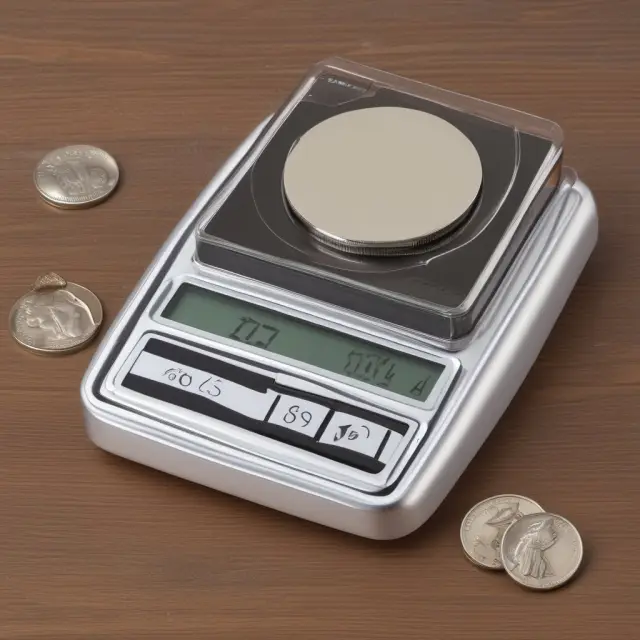
Troy Ounce Conversion Table: A Useful Tool for Investors
Understanding the complexities and nuances of precious metals can be overwhelming for new investors. One such intricacy lies in the different units of measurement used to weigh these valuable assets. The troy ounce, a vital metric within the precious metals market, is an essential concept for investors seeking to navigate this sector effectively. This section will provide you with a comprehensive troy ounce conversion table, making it easier to understand and work with various weights and their equivalents.
Troy Ounce vs. Standard Ounces
Before diving into the conversion table, it is crucial first to grasp the difference between troy ounces and standard (avoirdupois) ounces. Troy ounces are specifically used for weighing precious metals, with one troy ounce equating to approximately 31.1 grams or 0.907 standard ounces. Conversely, standard ounces, also known as avoirdupois ounces, are commonly used to measure other commodities such as sugar and grain. A single standard ounce weighs about 28.35 grams or 1.097 troy ounces.
Troy Ounce Conversion Table
To help investors better understand the relationships between these various weights, the following table provides conversions for a single troy ounce to standard ounces, pounds, kilograms, and grains:
| Weight | Equivalent |
|——–|————|
| Troy Ounce | Standard Ounce (oz) | 1.097 |
| Troy Ounce | Pounds (lb) | 0.0685 |
| Troy Ounce | Kilograms (kg) | 0.0311 |
| Troy Ounce | Grains (gr) | 480 |
| Troy Ounce | Pennyweight (dwt.) | 20 |
| Troy Ounce | Carats | 155.517 |
Having a solid grasp of these conversions will enable investors to navigate various markets and pricing structures with more confidence, making informed decisions while investing in precious metals. By utilizing this conversion table as a reference, you can easily understand how different weights relate to one another and make more accurate calculations based on current market prices.
Investing in Precious Metals: The Role of Troy Ounces
Gaining investment exposure to precious metals like gold, platinum, and palladium has long been a popular strategy for investors seeking to diversify their portfolios and protect against inflation. However, understanding the specific measurements used within the precious metals industry is crucial to ensuring that you’re making informed decisions when investing. One such unit of measurement is the troy ounce. This ancient metric has stood the test of time and continues to be a critical component in buying and selling precious metals.
What Is a Troy Ounce, and How Does It Differ from a Standard Ounce?
A troy ounce is a unit of measurement used for weighing precious metals and gemstones. Historically, it originated from the medieval French city of Troyes (hence its name), where merchants adopted the standard of measuring 12 troy ounces to equal one pound. This weight system differed significantly from the commonly used avoirdupois system, which measures a standard ounce as 28.3465 grams. In contrast, a single troy ounce weighs approximately 31.1034768 grams, making it slightly heavier than an avoirdupois ounce.
The Importance of Troy Ounces in Precious Metals Investing: Gold, Platinum, and Palladium
Gold is the most widely known precious metal, often viewed as a safe-haven asset due to its ability to maintain value during times of economic uncertainty. Platinum and palladium, while not as well-known, have their unique uses in various industries, including automobiles, jewelry, and electronics. When investing in these metals, the troy ounce serves as the standard unit of measurement.
Gold is frequently priced per troy ounce, with a single troy ounce currently costing approximately $1,750. Platinum and palladium are quoted in dollars per troy ounce as well: platinum trades near $1,030 per troy ounce, while palladium can be purchased for around $2,300 per troy ounce.
Exploring Different Investment Options: ETFs, Mutual Funds, Common Stocks, and More
When investing in precious metals, there are several investment vehicles that allow you to gain exposure without physically holding the metal. Some options include commodity exchange-traded funds (ETFs), mutual funds, common stocks of mining companies, futures and options contracts, or purchasing gold certificates from authorized dealers.
Commodity ETFs, such as the SPDR Gold Shares (GLD) and iShares Silver Trust (SLV), allow investors to buy shares of the fund that are backed by the corresponding metal’s holdings. Precious metals mutual funds, like the Fidelity Select Precious Metals Portfolio and T. Rowe Price Equity Income, invest in stocks of mining companies and related businesses. Common stock investments can also provide exposure to precious metals; for example, Barrick Gold Corporation and Newmont Mining are two major gold producers.
Futures and options markets offer another avenue for investors looking to trade precious metals more directly. These contracts require a larger initial investment compared to other vehicles and may come with added complexity due to margin requirements and contract specifications. Lastly, gold certificates, while no longer backed by the full faith and credit of governments as they once were, can be purchased from authorized dealers as a less tangible form of holding precious metals.
In conclusion, understanding the role and significance of the troy ounce in measuring precious metals is essential for investors looking to allocate a portion of their portfolios to these valuable assets. Whether you choose to invest through ETFs or mutual funds, common stocks, futures and options markets, or gold certificates, having a solid grasp on this ancient unit of measurement will help ensure that you make informed decisions when navigating the world of precious metals investing.
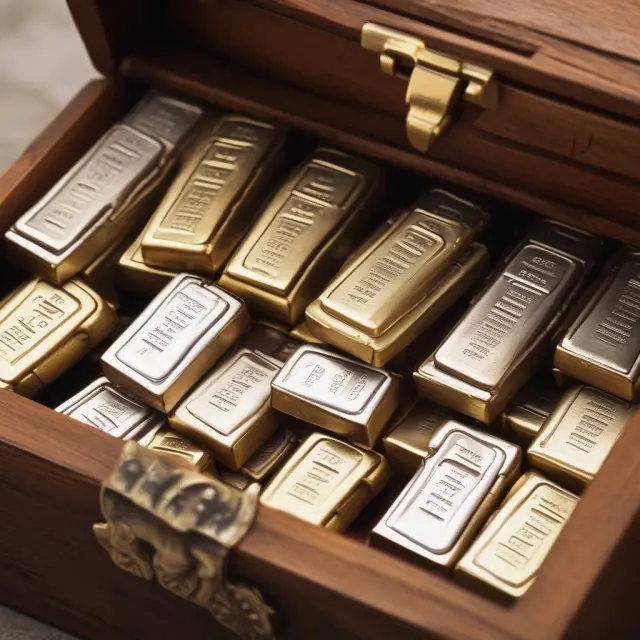
Modern Ways to Invest in Precious Metals
Investing in precious metals is an attractive option for investors seeking to diversify their portfolios, hedge against inflation, and protect themselves from economic instability. Gold, silver, platinum, and palladium are some of the most popular precious metals that investors consider. The troy ounce serves as a standard measurement in the precious metals market, making it essential to understand various methods for investing in these assets using this unit.
Exchange-Traded Funds (ETFs) and Mutual Funds
Investing through exchange-traded funds (ETFs) or mutual funds is an accessible way for individuals to gain exposure to precious metals without physically handling them. These investment vehicles allow investors to buy shares representing a specific weight of the underlying metal held in their reserves, typically measured in troy ounces. For instance, the SPDR Gold Shares (GLD) and iShares Silver Trust ETF (SLV) both track the price of gold and silver, respectively, in troy ounces.
Common Stock Shares
Another method to invest in precious metals is by purchasing common stock shares from mining companies producing these metals. Companies like Barrick Gold Corporation (ABX), Newmont Corporation (NEM), and Freeport-McMoRan Inc. (FCX) are some examples of major companies involved in the production of gold, silver, platinum, or palladium. By buying shares in these firms, investors indirectly participate in the gains and risks associated with the mining operations and metal prices.
Futures and Options Markets
Advanced investors seeking more control over their precious metals investments may consider participating in futures and options markets. Futures contracts allow investors to lock in a future price for purchasing or selling a specific quantity of a commodity, like precious metals, at a set date and agreed-upon price in troy ounces. Options grant investors the right, but not the obligation, to buy or sell an underlying asset at a predetermined price before a specified date. These markets involve higher transaction costs, significant risks, and require specialized knowledge, making them less accessible to novice investors.
Gold Certificates
Gold certificates were once used as a form of government-issued currency but have since evolved into paper representations of physical gold. Some banks and investment companies offer gold certificates that can be bought and sold like any other financial asset. These certificates are backed by the issuer, offering investors an alternative to purchasing physical gold. It’s essential to carefully evaluate the reliability and reputation of the certificate issuer before deciding to invest in these instruments.
In summary, there are various ways for individuals to invest in precious metals using the troy ounce as a standard measurement. These methods range from passive investing through ETFs or mutual funds to more active strategies like purchasing common stock shares, participating in futures and options markets, or buying gold certificates. Each approach comes with its unique advantages and risks, making it essential for investors to weigh their goals and risk tolerance before choosing an investment strategy.
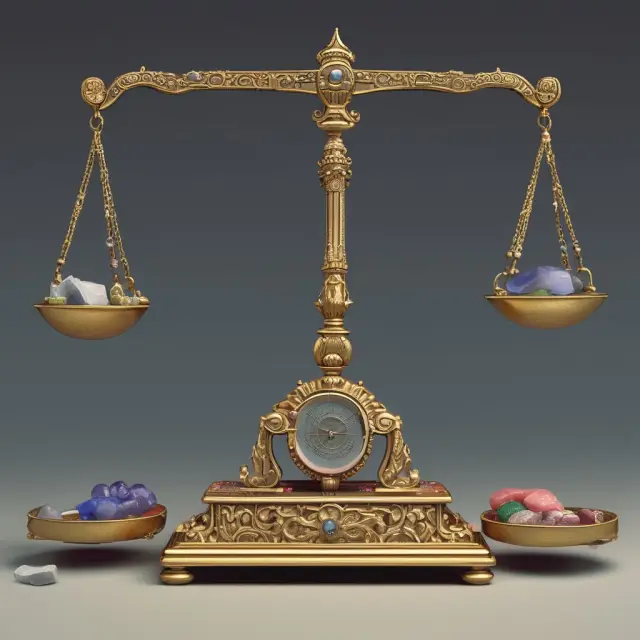
Troy Ounce in the World of Gemstones
The troy ounce has its significance not just in measuring precious metals but also in the gemstone industry. When it comes to precious gems and stones, carats are commonly used as units for measuring weight. However, understanding how the troy ounce fits into this picture can offer valuable insights.
A single carat is defined as the equivalent weight of a small seed called a “carob seed.” This seed weighs approximately 0.2 grams (or 0.002 kg), leading to one carat being equal to 0.2 grams. To measure gemstones using troy ounces, it’s essential to note that there are 5,040 carats in a single troy ounce.
For instance, when evaluating a gemstone weighing 10 carats, you can easily calculate its weight equivalent in troy ounces: 10 carats x 5,040 carats/troy oz = 2.003 troy ounces.
Popular Gemstones and Their Carat Weight Equivalents
Some precious stones are known for their larger sizes and significant weight. Here’s a look at several popular gemstones and their respective troy ounce weights:
1. The Cullinan Diamond: This massive diamond weighs an astonishing 3,106.75 carats (or approximately 627.45 troy ounces). It was discovered in South Africa in 1905 and is currently the largest known gem-quality diamond ever found.
2. The Hope Diamond: This infamous gemstone weighs 45.52 carats (or approximately 16.75 troy ounces). It is famous for its dark blue color and has a rich history dating back to at least the late 17th century.
3. The Lesotho Promise: This beautiful, large diamond weighs 603 carats (or around 20.69 troy ounces). It was discovered in Lesotho, Africa, in 1948 and is currently the largest known diamond ever to be found in that country.
Understanding the Relationship between Carats and Troy Ounces
To better appreciate the differences between carats and troy ounces, it’s crucial to understand their unique roles in measuring precious gems and metals:
Carats are a unit of measurement for weight when dealing specifically with precious stones. The term originated from the seed of the carob tree, which was used as a reference point during the Middle Ages. One carat is equivalent to 0.2 grams (or 0.002 kg).
Troy ounces, on the other hand, are primarily used when measuring precious metals and some gemstones. The term dates back to the French city of Troyes in the Middle Ages, where merchants used it for their transactions. One troy ounce is equal to approximately 31.1 grams (or 0.685 kg).
In summary, a single troy ounce is equivalent to 5,040 carats. This relationship provides context when comparing the weights of precious gems and metals using different units. By understanding this correlation, one can easily convert from carats to troy ounces (or vice versa) when needed for evaluating gemstones or measuring precious metals.
The Importance of Understanding Troy Ounces in the Gemstone Industry
For dealers, collectors, and investors in precious gems, a solid understanding of the relationship between carats and troy ounces is essential. This knowledge allows them to assess various gemstones based on their weights using both units of measurement, providing them with more flexibility and comprehensive insights into the market.
Additionally, having an awareness of how troy ounces apply to gems enables more informed decision-making when purchasing, selling, or trading precious stones. By being familiar with this concept, one can easily calculate the weight in troy ounces for a specific gemstone, making it easier to understand its value and worth in different markets.

Troy Ounce vs. Carats: Understanding the Differences
When it comes to precious stones, there are two commonly used units of measurement that may often be confused: carats and troy ounces. Though both are used to gauge weight in the world of gems, they represent distinct concepts and applications. In this section, we will explore the differences between these measurements and shed light on their relevance in the context of precious stones.
First, let’s establish what a carat is: A carat is a unit of mass used to measure gemstones. It is equivalent to 0.2 grams or approximately 1/5th of a gram (0.0547 grams to be exact). The term ‘carat’ comes from the Carob seed, which historically served as a standard for measuring weights due to its uniform size and density.
Troy Ounces, on the other hand, are a unit of mass used primarily for precious metals, with one troy ounce being equal to approximately 31.10 grams or about 1.097 standard ounces. As mentioned previously in this article, the term ‘troy ounce’ is believed to have originated from Troyes, France, and has been used since medieval times for measuring precious metals.
Now that we have a clear understanding of these two units of measurement let us delve into their differences when applied to precious stones:
1) Carats vs. Troy Ounces in Gemstones Measurement:
While carats are used to measure the weight of individual gems, troy ounces are employed for measuring larger quantities of gemstones. For instance, if you want to know the weight of a single diamond, you would typically use carats. However, when assessing the total weight of a jewelry piece containing multiple stones, such as an engagement ring or a necklace, troy ounces come into play.
2) Carats vs. Troy Ounces: Significance for Jewelry Purchases:
When buying jewelry, carat weight is crucial when considering the price of individual gems. The more carats a gemstone has, the more valuable it is typically considered to be. In contrast, troy ounces serve as a measure of overall weight for larger collections or jewelry items, such as rings and necklaces.
3) Carats vs. Troy Ounces: Relation to Each Other:
As mentioned earlier in this article, there are approximately 5.05 carats in one troy ounce. This relationship is crucial for jewelers, gemologists, and those working in the precious stones industry, as it helps them quickly convert between these two units of measurement for accurate pricing, valuation, and inventory management.
In conclusion, both carats and troy ounces serve unique purposes when dealing with precious gems. While carats are the standard unit for individual gemstones, troy ounces come into play when considering larger quantities or collections of gems. A clear understanding of these measurements is essential for those seeking to invest in precious stones or jewelry, enabling them to make informed decisions and effectively navigate the complex world of gems and their pricing.
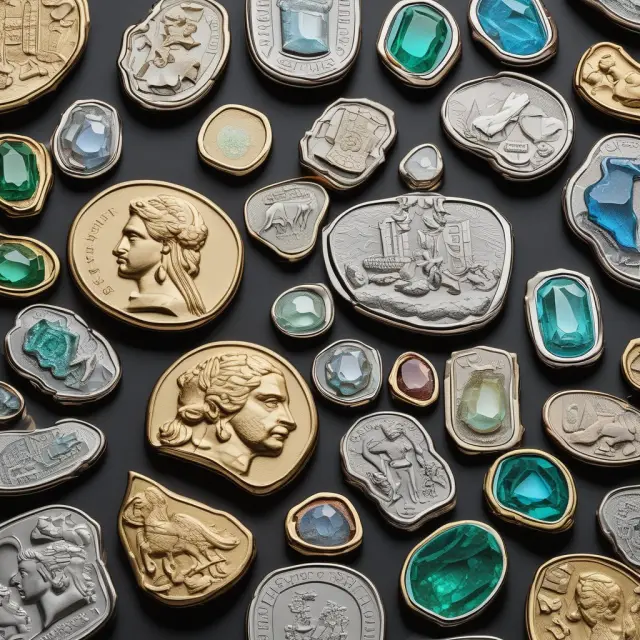
The Future of Troy Ounces in Precious Metals and Gemstones
As technology advances and markets evolve, so does the relevance of traditional units of measurement such as the troy ounce. Though it has remained a vital standard for precious metals and gemstones throughout history, the future of the troy ounce is subject to ongoing discussions regarding its continued use in an increasingly digitalized world.
In recent years, there have been several trends that could potentially impact the troy ounce’s importance as a unit of measurement:
1. Digital Currencies and Cryptocurrencies: With the rise of digital currencies like Bitcoin, investors have begun exploring new ways to store and transfer value. These alternative forms of currency may challenge traditional commodities such as gold and silver, potentially influencing demand for the troy ounce as a measurement for precious metals.
2. Advancements in Precision Measuring Technology: As technology progresses, it could enable more precise measurements for metals and gemstones using alternative units of measurement like grams or kilograms instead of the troy ounce. This could potentially lead to a shift away from the use of troy ounces, especially in industrial applications.
3. Modern Trading Platforms: Digital trading platforms have made it easier for investors to access various markets and invest in precious metals using standard units such as grams or kilograms instead of troy ounces. This could result in a decreased reliance on the troy ounce for transactions involving precious metals.
4. Increasing Globalization: With globalization, international trade has become more commonplace. It’s essential to consider how various countries and markets adopt different units of measurement, which may impact the continued use of the troy ounce as a standard in the future.
Despite these potential challenges, the troy ounce remains an important unit of measurement for precious metals and gemstones due to its long history, established industry standards, and the unique characteristics it brings to the table.
One significant advantage of using the troy ounce is its consistent purity standards. Since the weight of a troy ounce is equivalent to the weight of a specific amount of precious metal with a particular level of impurities, this makes it easier for investors and manufacturers to ensure consistency when trading or producing goods.
Additionally, the troy ounce has been widely adopted by international organizations and industries such as the London Bullion Market Association (LBMA) and the World Gold Council, which further solidifies its role in the precious metals market.
Another perspective to consider is the potential for the troy ounce’s future role in gemstone measurement. While the carat system is widely used for measuring the weight of colored stones, the troy ounce could potentially provide an alternative unit of measurement that complements the carat system, particularly when dealing with larger stones or those with varying densities.
In conclusion, while there are potential challenges to the future use of the troy ounce as a standard unit of measurement for precious metals and gemstones, it remains an essential part of the industry due to its long history and established purity standards. The troy ounce is likely here to stay, but it will be interesting to observe how new technologies, trading platforms, and global market trends may influence its continued use in the coming years.

FAQs about Troy Ounces
What is the difference between a standard ounce and a troy ounce?
A standard ounce (oz) is equal to 28.349 grams or 437.5 grains, while a troy ounce (t oz) is equivalent to 31.103 grams or 480 pennyweight. This difference of 2.751 grams may seem insignificant for small quantities, but it becomes substantial when dealing with larger amounts. The price per troy ounce when precious metals are quoted is usually given in troy ounces.
How does the troy weight system compare to the avoirdupois system?
The troy weight system was modeled on the Roman uncia, or ounce, and became popular in Europe during the Middle Ages. In contrast, the avoirdupois system (meaning “goods of weight” in Old French), which is still used today for non-precious goods, comes from Norman France and uses a pound made up of 16 standard ounces (oz). However, troy pounds consist of 12 troy ounces instead.
Why did the troy system originate in Troyes, France?
Although there are theories suggesting the origins of the troy system may date back to ancient Rome, it is generally believed that it originated in Troyes, a major trading center during the Middle Ages. The system was based on the weight of grains of barley and became widely adopted across Europe for weighing precious metals and gems.
What role does the troy ounce play in precious metal investing?
The troy ounce is the standard unit used to measure precious metals, such as gold, platinum, and silver, when their prices are quoted. By buying precious metals in troy ounces, investors can easily compare prices and value their holdings. Different investment options include ETFs or mutual funds, common stock shares of mining companies, futures or options markets, and physical certificates backed by the issuing entity.
What is a troy pound?
A troy pound consists of 12 troy ounces, whereas a standard pound contains 16 oz. The conversion between the two weights can be confusing: 1 troy pound is equal to 0.823 standard pounds. It is important for investors to be aware of these weight differences when dealing with precious metals and calculating their investments’ value in either unit.
 Next entry · No. 5,092Understanding the Teacher Retirement System (TRS): A Comprehensive Guide for Institutional Investors
See also
-
 No. 4,768
15 Jul 2025
21 min
Understanding Stock Ticker Symbols: An Essential Tool for Professional and Institutional Investors
Finance Policy
No. 4,768
15 Jul 2025
21 min
Understanding Stock Ticker Symbols: An Essential Tool for Professional and Institutional Investors
Finance Policy -
 No. 3,894
05 May 2025
19 min
Understanding Paper Money: A Closer Look at the Dominant Medium of Exchange in the Global Economy
Finance Policy
No. 3,894
05 May 2025
19 min
Understanding Paper Money: A Closer Look at the Dominant Medium of Exchange in the Global Economy
Finance Policy -
 No. 3,680
18 Apr 2025
17 min
China’s One-Child Policy: Causes, Consequences, and Impact on Demographics
Finance Policy
No. 3,680
18 Apr 2025
17 min
China’s One-Child Policy: Causes, Consequences, and Impact on Demographics
Finance Policy -
 No. 3,666
17 Apr 2025
22 min
The Old Lady: Understanding the Colloquial Nickname for the Bank of England
Finance Policy
No. 3,666
17 Apr 2025
22 min
The Old Lady: Understanding the Colloquial Nickname for the Bank of England
Finance Policy -
 No. 3,485
02 Apr 2025
18 min
Understanding the Norwegian Krone: History, Value, and Impact on Norway’s Economy
Finance Policy
No. 3,485
02 Apr 2025
18 min
Understanding the Norwegian Krone: History, Value, and Impact on Norway’s Economy
Finance Policy -
 No. 3,346
21 Mar 2025
17 min
Understanding National Insurance Contributions in the UK: An Overview and History
Finance Policy
No. 3,346
21 Mar 2025
17 min
Understanding National Insurance Contributions in the UK: An Overview and History
Finance Policy