Underconsumption: An Economic Theory of Persistent Depression

Explore the economic theory of underconsumption, from its origins with Thomas Malthus and classical economists to modern debates. Learn potential solutions…
Introduction to Underconsumption
Underconsumption is a long-standing economic theory that suggests that consumer spending does not meet the available supply of goods and services, leading to recessionary conditions. This concept can be traced back to Thomas Malthus in the 19th century, who was one of the first economists to theorize on the issue of underconsumption as a cause for economic stagnation.
Underconsumption is defined as a situation where the demand for goods and services is lower than their available supply due to insufficient purchasing power in the economy. The theory posits that workers are paid wages that are less than the value they produce, leaving them unable to purchase all of the goods and services produced, leading to underconsumption.
Historically, underconsumption has been a significant point of contention among economists as it challenges the classical economic view that supply creates its own demand through the trickle-down effect. Instead, this theory suggests that aggregate demand is determined by factors other than production and that insufficient consumer spending can lead to economic depression.
Underconsumption as an Economic Theory
The theory of underconsumption holds that inadequate consumption drives recessions and stagnant economies. This contrasts with modern economic theories which argue that inadequate consumer demand alone does not cause a recession since other factors like private investments, government purchases, and exports can offset this situation.
Malthusian Origins
The theory’s roots can be traced back to Thomas Malthus, who famously argued that population growth would outpace the increase in food production, leading to poverty and suffering for the masses. He also believed that workers were paid wages that did not match their actual productivity, leaving them unable to purchase all of the goods and services they produced.
The Classical Economists
David Ricardo and John Maynard Keynes built upon Malthus’ ideas, advocating government intervention as a potential solution for underconsumption. They believed that insufficient consumer demand was the underlying cause of economic downturns and that the government should intervene to stimulate demand through public works programs and other measures.
Underconsumption vs. Keynesian Theory
While the theory of underconsumption shares some similarities with John Maynard Keynes’ theories, it places more emphasis on consumer demand as the primary driver of economic cycles. Underconsumption asserts that wages paid to workers are insufficient to purchase all of the goods and services produced, leading to an inadequate demand for these products. In contrast, Keynesian economics focuses on total spending in the economy and its impact on output and inflation.
In the following sections, we will explore the historical development and modern applications of the theory of underconsumption, as well as some criticisms and alternative perspectives on this intriguing economic concept.

Understanding Underconsumption as an Economic Theory
Underconsumption is a classic economic theory that highlights insufficient consumption or spending as a primary driver of recessions and stagnation within capitalist economies. The core claim of underconsumption theory posits that consumer demand falls below the available supply, leading to persistent depressive states in the economy. This section will explore underconsumption’s fundamental tenets and its distinctions from modern economic theories.
Underconsumption Theory: A Historical Perspective
Underconsumption’s origins can be traced back centuries when economists like Thomas Malthus, David Ricardo, and John Maynard Keynes began contemplating the relationship between production, consumption, and overall economic health. While these early thinkers contributed significantly to our understanding of underconsumption, their ideas have largely been superseded by more contemporary economic theories focusing on aggregate demand.
Inadequate Consumption: The Root Cause of Depression?
According to underconsumption theory, the inability of consumers to buy back all that they produce is the root cause of recessions and stagnation. This theory proposes that worker wages are insufficient compared to their actual productivity, which leads to a lack of purchasing power on the part of the working class. In turn, this results in an imbalance between production and consumption.
Underconsumption vs. Modern Economic Theories
Modern economic theories have shifted their focus from underconsumption as the primary cause of recessions. Instead, they emphasize other factors such as private investments, government expenditures, and exports to explain fluctuations in demand and supply. While these modern approaches offer valuable insights, underconsumption theory maintains its relevance by highlighting the importance of addressing consumer spending power and income distribution as crucial elements for ensuring a healthy economy.
An Illustrative Example: The Automobile Industry during the Great Depression
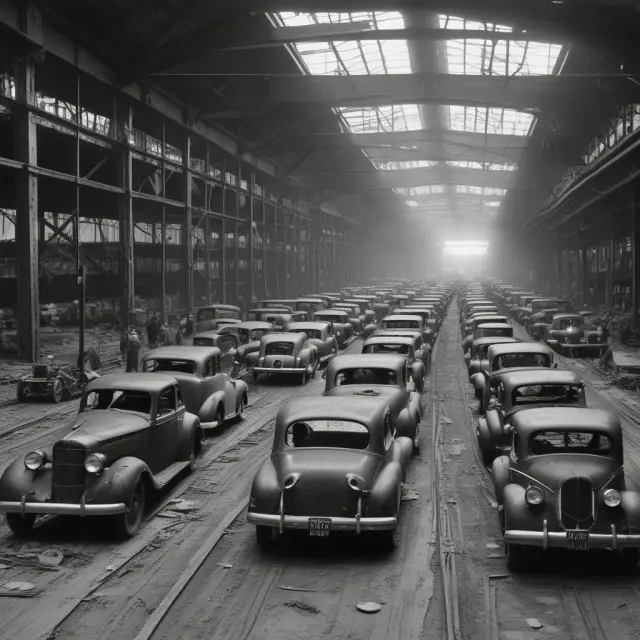
One of the most compelling examples of underconsumption can be found in the automobile industry during the Great Depression. In the 1920s, a surge in disposable income and improved affordability led to increased demand for automobiles and the proliferation of independent dealers and manufacturers. However, when the stock market crashed and the economic downturn took hold, widespread unemployment and financial difficulties significantly reduced consumer purchasing power, resulting in an imbalance between supply and demand for cars. The subsequent failure of many auto businesses underscores the importance of robust consumer spending to sustain economic health.
In summary, underconsumption is a thought-provoking economic theory that emphasizes the importance of addressing consumer spending power and income distribution to maintain a balanced economy. While it has been largely superseded by modern theories, its historical significance and continued relevance make it an essential component in our understanding of macroeconomic fluctuations. In the next section, we will delve deeper into the origins of underconsumption theory by exploring the works of Thomas Malthus, David Ricardo, and John Maynard Keynes.
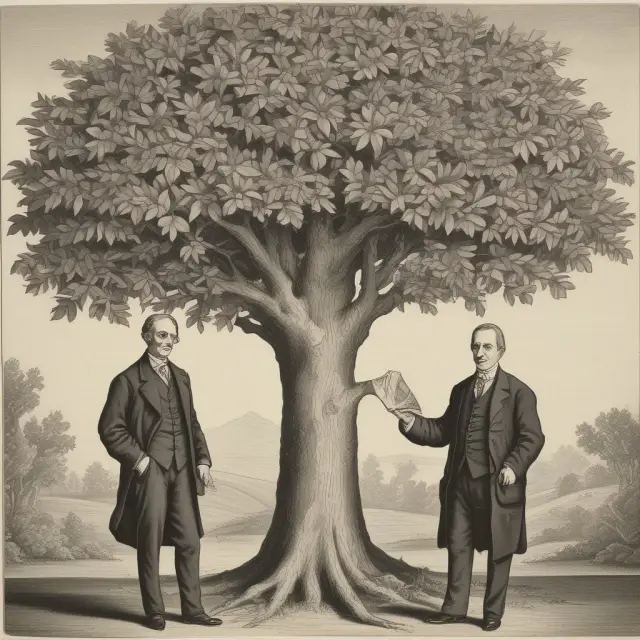
The Origin of Underconsumption: Thomas Malthus and the Classical Economists
Underconsumption is an economic theory that explains recession and stagnation through the lens of insufficient consumer demand. This perspective can be traced back to Thomas Robert Malthus, a British economist who lived from 1766 to 1834. Malthus was concerned about the issue of overpopulation and its potential impact on food supply and poverty. In “An Essay on the Principle of Population,” published in 1798, he argued that population growth would eventually outstrip food production, leading to widespread poverty. While this theory is not directly related to underconsumption, it sets the foundation for his later ideas about the economy.
Malthus’s view on underconsumption is presented most comprehensively in “Principles of Political Economy” (1820). He argued that wages were too low and laborers could not afford to purchase all the goods produced, leading to a persistent depression. This idea is known as Malthusian theory. In the classical economic tradition that followed, notable figures like David Ricardo and John Maynard Keynes further developed the concepts of underconsumption and its implications for economic policy.
David Ricardo (1772-1823), a contemporary of Malthus, is best known for his contributions to international trade theory, but he also shared some views on underconsumption. He believed that wages were too low and laborers could not afford enough goods to keep factories running at full capacity.
John Maynard Keynes (1883-1946) was a British economist who developed the theory of aggregate demand, which became the dominant paradigm for understanding modern macroeconomic phenomena. Although he is widely regarded as the father of Keynesian economics, his theories on underconsumption differed from those of Malthus and Ricardo in significant ways.
Underconsumption Theory’s Claims
Malthusian theory argues that workers are paid too little to afford all the goods produced, resulting in underconsumption, which in turn leads to economic depression. This theory distinguishes itself from modern economic theories by focusing on the role of insufficient consumer demand as a cause of recessions and stagnation.
Comparing Underconsumption and Keynesian Theory
Although both theories deal with aggregate demand, they differ in their emphasis and implications for economic policy. Underconsumption theory posits that inadequate consumer demand is the only source of recessions, while Keynesian economics focuses on total spending in the economy and its effects on output and inflation. Additionally, underconsumption theory suggests a more passive role for government intervention, whereas Keynesian economics advocates increased government expenditures and lower taxes to stimulate demand.
Upcoming sections: Underconsumption vs. Modern Economic Theories, An Example of Underconsumption in the Automobile Industry, Addressing Underconsumption: Potential Solutions, The Relevance of Underconsumption Today, and Underconsumption and the Environment: An Unexplored Connection will be discussed in future installments.
Stay tuned for more insights into the historical background, key differences between underconsumption and other economic theories, real-life examples, potential solutions, current relevance, and unexplored connections to the environment.
Underconsumption vs. Keynesian Theory: Comparing Key Differences
In essence, underconsumption and Keynesian economics propose alternative theories on the causes of recessions and economic depression. Underconsumption theory, rooted in classical economics, argues that insufficient consumer demand is the primary cause of economic downturns. In contrast, modern Keynesian economics focuses on total spending in the economy as a means to restore balance between production and consumption.
The theory of underconsumption posits that workers’ wages are consistently lower than their actual productive capacity. As such, they lack the purchasing power needed to buy back all the goods and services produced within an economy. This results in a persistent gap between supply and demand, which can lead to economic depression if not addressed through government intervention or other means (Chang, 1974).
John Maynard Keynes’ theories, on the other hand, concentrate on stimulating aggregate demand by increasing government spending and lowering taxes. The main goal is to counteract potential depressions or recessions and maintain economic growth in both the short term and long term (Skidelsky, 1992).
Despite some similarities between underconsumption and Keynesian theories, significant differences exist. Underconsumption theory has been criticized for its assumption that workers’ wages will always remain lower than their productivity levels, which does not account for other factors, such as technological progress or changes in the labor market. Moreover, it does not fully explain why economic depression occurs during certain historical periods but not others (Mitchell, 1965).
Keynesian economics, conversely, has been subjected to criticism for its focus on government intervention and potential negative consequences of over-reliance on fiscal policy. Furthermore, critics argue that it does not provide a comprehensive understanding of the economic cycle as it neglects structural changes within an economy (Hicks, 1936).
Underconsumption’s historical significance can be traced back to Thomas Malthus and classical economists such as David Ricardo and John Maynard Keynes. While these economists did not fully develop the theory of underconsumption, their ideas provided a foundation for later developments in the theory (Mitchell, 1965).
An intriguing example illustrating the application of underconsumption theory can be seen within the automobile industry during the Great Depression. As disposable income increased during the 1920s and car affordability improved, more people purchased cars. However, when the stock market crashed and the depression set in, many Americans faced financial hardships that significantly reduced their purchasing power relative to available automobiles. Consequently, a large number of independent manufacturers were unable to survive due to insufficient demand for cars.
In conclusion, both underconsumption and Keynesian theories propose alternative ways to understand economic recessions and depressions. Underconsumption theory emphasizes the role of insufficient consumer demand, while Keynesian economics focuses on aggregate spending and government intervention. Both theories have strengths and weaknesses, and ongoing debates among scholars continue to explore their merits and limitations.
References:
– Chang, H. C. (1974). Underconsumption Theory Reconsidered. Cambridge University Press.
– Hicks, J. R. (1936). A Revision of the Classical Theory. Oxford University Press.
– Mitchell, W. L. (1965). Business Cycles and Economic Fluctuations: The Role of Monetary Policy. McGraw-Hill.
– Skidelsky, R. (1992). John Maynard Keynes: A Very Short Introduction. Oxford University Press.
FAQs:
What is the primary cause of recessions according to the theory of underconsumption?
A. Inadequate consumer demand in relation to production.
How does the theory of underconsumption address economic depression?
A. Government intervention through increased spending on public programs is one suggested solution.
What are the key differences between underconsumption and Keynesian economics?
A. Underconsumption focuses on insufficient consumer demand, while Keynesian economics emphasizes aggregate spending and government intervention.
Who are some prominent classical economists associated with the theory of underconsumption?
A. Thomas Malthus, David Ricardo, and John Maynard Keynes.
An Example of Underconsumption in the Automobile Industry
Underconsumption, as an economic theory, is rooted in the belief that a capitalist economy tends towards persistent depression due to insufficient consumer demand in relation to the production of goods and services. One historical example of underconsumption can be observed within the automobile industry during the Great Depression.
In the 1920s, a surge in disposable income, coupled with the affordability of automobiles, led to a significant increase in demand for cars. The boom period saw an expansion of both independent auto dealers and manufacturers as consumers embraced the newfound convenience of personal transportation. However, following the stock market crash and the onset of the Great Depression, the situation took a dramatic turn.
Unemployment surged, causing a substantial decrease in purchasing power for cars as people struggled to make ends meet. The result was an inadequate demand for automobiles that left many manufacturers facing insurmountable challenges. By 1930, nearly half of the auto dealers in the United States were out of business due to the underconsumption phenomenon.
Underconsumption occurs when consumer spending falls short of production levels, leaving a gap between supply and demand for goods or services. In this case, it was a significant issue for the automobile industry during the Great Depression, as insufficient purchasing power resulted in an imbalance between production and consumption.
The implications of underconsumption extended beyond the auto sector, as other industries struggled with declining demand and excess capacity. The theory posits that this situation could lead to a prolonged period of economic stagnation, as there is no automatic mechanism for restoring the balance between production and consumption.
Underconsumption’s impact on the automobile industry during the Great Depression serves as an important reminder of the challenges faced by economies when consumer demand falls short of production levels. Understanding this concept can provide valuable insights into economic conditions, especially in times of recession or prolonged stagnation.
Underconsumption and Contemporary Economic Debates
Despite its historical significance, underconsumption theory has faced criticism from various modern economists. While it is widely acknowledged that inadequate consumer demand can contribute to economic downturns, some experts argue that other factors play a more significant role in shaping the economy. Let’s examine modern perspectives on underconsumption and explore its advantages and criticisms.
Modern Economists’ Views
Contemporary economists have largely moved away from pure underconsumption theories as explanations for recessions, stagnation, and economic depressions. They believe that a range of factors, including private investments in factories, machines, housing, government purchases, and exports, can influence the economy in various ways.
Advantages of Underconsumption Theory
Underconsumption theory remains relevant because it helps us understand certain aspects of recessions and stagnations, particularly those caused by insufficient purchasing power among consumers. Its key advantage lies in its emphasis on the importance of the relationship between production and consumption and the impact this imbalance can have on economic conditions.
Criticisms of Underconsumption Theory
Some economists argue that underconsumption theory oversimplifies the causes of recessions and depressions, as it focuses only on consumer spending without considering other factors influencing aggregate demand. For example, they point out that investments in factories and housing can boost economic growth, providing a counterbalance to weak consumer demand. Additionally, government purchases and exports can also help stimulate demand during periods of low consumption.
In conclusion, underconsumption theory remains an essential part of the historical narrative of economic thought, but its contemporary relevance is limited due to its narrow focus on consumption. Although it offers valuable insights into the relationship between production and consumption, modern economists emphasize the importance of considering a variety of factors when analyzing economic conditions.
Despite criticisms, underconsumption theory continues to provide a useful framework for understanding the potential consequences of wage suppression and its impact on consumer purchasing power in relation to aggregate demand. This debate is an ongoing one, with scholars revisiting the merits and shortcomings of underconsumption theory as they seek to explain economic trends and develop new approaches to addressing contemporary challenges.
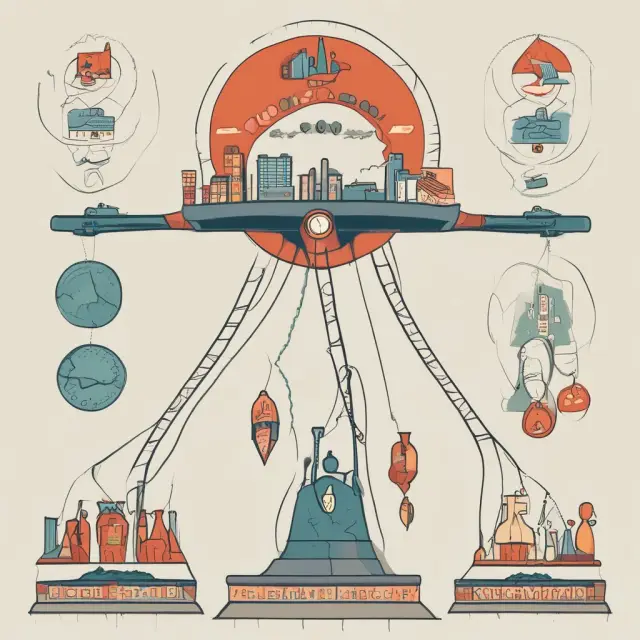
Addressing Underconsumption: Potential Solutions
Underconsumption’s economic implications can be daunting, with persistent depression potentially leading to increased poverty, job losses, and social unrest. To counteract the negative effects of underconsumption, economists have proposed several potential solutions.
Government Intervention
One remedy for addressing underconsumption is government intervention through fiscal policy. This approach aims to stimulate demand by increasing public spending on infrastructure projects, social welfare programs, and other initiatives that create jobs and put money back into the hands of consumers. Keynesian economists argue that this type of intervention can help balance production and consumption and restore economic growth.
Modern Monetary Theory (MMT)
Another perspective for addressing underconsumption comes from Modern Monetary Theory (MMT). MMT advocates for a more flexible approach to monetary policy, allowing governments to print money and spend it as needed to ensure that demand keeps pace with supply. This approach can be seen as an alternative solution to traditional fiscal policy methods, providing a potential response when conventional monetary tools are ineffective.
Other Approaches
Additionally, some economists advocate for income redistribution policies to address underconsumption. For example, implementing higher minimum wages or universal basic income programs could help ensure that workers earn a decent living wage, enabling them to purchase the goods and services they produce. Another approach involves increasing productivity through technological advancements, which can result in lower prices and greater affordability for consumers.
The Relevance of Underconsumption Today
Underconsumption remains an important concept in understanding economic cycles, particularly during periods of recession or stagnation. While underconsumption may not be the sole cause of these economic phenomena, it offers valuable insights into potential solutions and the role that consumer demand plays in overall economic health.
Moreover, underconsumption’s relevance extends beyond the economic sphere, with implications for broader social and environmental issues. For example, exploring the connection between underconsumption and sustainability can help address the challenges posed by resource depletion and eco-Malthusianism in a rapidly changing global economy.
FAQ: Frequently Asked Questions about Underconsumption
What is the main argument of the underconsumption theory?
Underconsumption theory asserts that recessions, stagnation, and aggregate demand failures are caused by insufficient purchasing power resulting in a lack of consumer demand to buy back what has been produced.
How does government intervention help address underconsumption?
Government intervention through fiscal policy can help stimulate demand by increasing public spending on infrastructure projects, social welfare programs, and other initiatives that create jobs and put money back into the hands of consumers.
What is Modern Monetary Theory (MMT), and how does it relate to underconsumption?
Modern Monetary Theory (MMT) advocates for a more flexible approach to monetary policy, allowing governments to print money and spend it as needed to ensure that demand keeps pace with supply, which can be seen as an alternative solution to traditional fiscal policy methods.
What are some other potential solutions for addressing underconsumption?
Other approaches include income redistribution policies like higher minimum wages or universal basic income programs, as well as increasing productivity through technological advancements to create more affordable goods and services for consumers.

The Relevance of Underconsumption Today
Underconsumption theory, which deems insufficient consumer demand as the sole cause of economic downturns and depressions, is not a new concept. The relevance of underconsumption theory today lies primarily in understanding recessions and stagnation, as well as global economic conditions. Although modern economic theories suggest that various factors can counteract an inadequate consumer demand situation, underconsumption remains a valid perspective on persistent economic challenges.
An example of the persistence of underconsumption can be found in recent economic trends such as recessions, stagnating wages, and the widening wealth gap between the rich and the poor. Underconsumption theory argues that when workers’ wages do not increase at the same rate as productivity, they have less purchasing power to buy the goods and services produced. This gap between production and consumption can result in economic imbalances, such as recessions or stagnation, as seen throughout history.
The theory of underconsumption became prominent during the 1930s when the Great Depression hit, resulting in high levels of unemployment and widespread financial hardship. At the time, underconsumption was proposed as a solution to explain and address the issue of inadequate consumer demand in the economy. However, modern economic theories have largely replaced underconsumption as the dominant explanation for recessions and stagnation due to the presence of other factors that may offset insufficient consumer demand.
Despite its limitations, underconsumption theory holds relevance today for several reasons. Firstly, it highlights the importance of wages, income distribution, and poverty in understanding economic downturns. Secondly, it emphasizes the role of government intervention as a solution to restore the balance between production and consumption when consumer demand is weak. Lastly, underconsumption theory provides a historical context for understanding economic trends and challenges that persist today.
Moreover, underconsumption theory’s relevance extends beyond its historical significance, as it relates to contemporary issues such as rising poverty levels, widening income gaps, and the ongoing struggle to balance production and consumption in a globalized economy. In this context, underconsumption can be seen as an important tool for understanding the root causes of these challenges and developing potential solutions.
In conclusion, although underconsumption theory is not the only explanation for economic downturns, it offers valuable insights into the importance of consumer demand and income distribution in maintaining a healthy economy. Its historical significance, combined with its relevance to contemporary economic challenges, highlights the continued importance of studying underconsumption theory as part of a broader understanding of economic trends and policies.

Underconsumption and the Environment: An Unexplored Connection
The theory of underconsumption offers an interesting perspective on the relationship between economic principles and environmental sustainability, particularly as it relates to resource depletion. By examining this connection through the lens of eco-Malthusianism and Ehrlich’s “limits to growth,” we can delve deeper into the implications of underconsumption in contemporary economics and its relevance to the pressing issue of sustainability.
Eco-Malthusianism is a modification of Thomas Malthus’ original theory of population growth that takes environmental factors into account. It posits that natural resource depletion and pollution, rather than population growth alone, can lead to economic instability. The underconsumption theory can be applied to eco-Malthusianism in several ways. For example, if consumers do not have enough purchasing power due to a structural lack of demand, they will not buy the goods needed to replace depleted resources or invest in clean technology, exacerbating environmental issues and potentially contributing to economic downturns.
The concept of sustainability also plays an essential role when discussing underconsumption’s impact on the economy and environment. By focusing on resource efficiency and reducing waste, we can mitigate the potential negative effects of underconsumption and promote a more balanced relationship between production and consumption. In this context, government intervention and investments in sustainable industries, such as renewable energy, public transportation, or green infrastructure projects, could help restore equilibrium.
Underconsumption’s connection to resource depletion can be further examined through the lens of “limits to growth,” a theory introduced by Paul Ehrlich that warns of finite resources and their impact on economic growth. The underconsumption theory can help explain how the overexploitation of natural resources may result in insufficient consumer demand, as workers are unable to afford goods due to low wages or lack of employment opportunities. Consequently, production comes to a standstill, and the economy faces stagnation. To address this issue, it is essential that we consider sustainable solutions such as investing in education and skills development, raising wages, or implementing progressive taxation policies that ensure a more equitable distribution of wealth.
In conclusion, underconsumption offers intriguing insights into economic principles and environmental sustainability. By considering the connection between eco-Malthusianism and underconsumption, we can gain a deeper understanding of how resource depletion, pollution, and inadequate consumer demand might contribute to economic instability. Furthermore, by focusing on sustainable solutions, we can address the root causes of underconsumption while promoting long-term economic growth and environmental stewardship.

Conclusion: Underconsumption’s Impact on Economics and Society
Underconsumption is a critical concept in understanding economic depressions and stagnation. This theory asserts that inadequate consumer demand is the root cause of recessions and presents significant implications for economic policy and future research.
By focusing solely on underconsumption, we can see how a capitalist economy tends toward persistent depression when demand falls short of production levels. The history of this theory dates back to Thomas Malthus and the classical economists who first introduced the concept. In contrast, modern economic theories have since replaced it with an emphasis on aggregate demand and government intervention.
Underconsumption’s relevance lies in its potential to inform policy decisions that aim to restore balance between production and consumption. For instance, underconsumption can be addressed through increased public spending on programs that stimulate consumer purchasing power or modern monetary theory, which focuses on a flexible approach to controlling the supply of money and credit in an economy.
Another area of interest for underconsumption research is its implications for our current economic conditions. As global recessions and stagnation continue to plague countries around the world, understanding the potential role of underconsumption can inform policy decisions aimed at mitigating their impact and fostering long-term economic growth.
However, it’s essential to consider the limitations of the underconsumption theory. For instance, modern Keynesian economics focuses on the total spending in the economy, including government intervention, as a means to address aggregate demand failures. Underconsumption can be seen as a narrow perspective that overlooks other factors influencing economic conditions.
Underconsumption has also been criticized for its assumptions about worker wages and purchasing power. Detractors argue that workers’ wages do not necessarily determine their spending power, and that savings or financial constraints may limit their ability to consume beyond their earnings.
As we move forward in our understanding of economic theory and practice, underconsumption remains a valuable concept worthy of further exploration. Its relevance to contemporary debates surrounding recession, stagnation, and government intervention underscores the importance of continuing to engage with this centuries-old idea.
FAQ: Frequently Asked Questions about Underconsumption
What is underconsumption in economics?
Answer: Underconsumption is an economic theory that deems insufficient consumer demand as the primary cause of recessions, stagnation, and other aggregate demand failures. It suggests that a capitalist economy tends toward persistent depression due to this imbalance between production and consumption.
Who first proposed the underconsumption theory?
Answer: The roots of underconsumption can be traced back to Thomas Malthus and classical economists in the late 18th century. However, the theory gained renewed attention during the Great Depression.
What is the difference between underconsumption and Keynesian economics?
Answer: While both theories address economic conditions, underconsumption focuses on insufficient consumer demand as the primary cause of recessions and stagnation. In contrast, Keynesian economics emphasizes total spending in the economy and government intervention to address aggregate demand failures.
How does underconsumption influence modern economic theory?
Answer: Underconsumption has been largely replaced by modern economic theories that focus on aggregate demand and government intervention. However, it remains a valuable concept for understanding potential causes of recession and informing policy decisions aimed at addressing them.
What is an example of underconsumption in history?
Answer: One well-known example of underconsumption occurred during the Great Depression in the automobile industry when demand fell short of production levels, leading to widespread bankruptcies among independent manufacturers.
FAQ: Frequently Asked Questions about Underconsumption
Underconsumption is a theory that suggests consumer spending is consistently lower than production levels, leading to economic instability. Here are some common questions and answers regarding this intriguing concept.
**What is the basic idea behind underconsumption?**
Underconsumption posits that capitalist economies face persistent depression due to insufficient consumer demand.
**Why does inadequate consumer demand cause a recession?**
The theory claims that workers are paid wages lower than their productivity, resulting in an imbalance between production and consumption. This creates a gap where the supply of goods exceeds the available purchasing power or demand.
**What is the historical origin of underconsumption?**
The roots of underconsumption can be traced back to Thomas Malthus and classical economists during the late 18th and early 19th centuries.
**How does underconsumption differ from Keynesian theory?**
Underconsumption views insufficient consumer demand as the sole source of recessions, whereas Keynesian economics advocates government intervention to stimulate demand. Underconsumption’s proponents argue that wages remain too low to buy back all goods produced, requiring external assistance to bridge the gap between supply and demand.
**What is an example of underconsumption in action?**
The Great Depression era automobile industry illustrates underconsumption. With increased production came more dealers and manufacturers. However, when consumer purchasing power waned due to mass unemployment, these businesses were unable to sustain themselves.
**Does modern economics accept the concept of underconsumption?**
Modern economic theories acknowledge that underconsumption can occur but argue that other factors such as business investments, government purchases, and exports also influence aggregate demand. Some contemporary economists propose solutions like modern monetary theory or alternative economic policies to address underconsumption.
**What are the implications of underconsumption?**
Underconsumption has significant social and policy implications for understanding recurring economic downturns, addressing persistent unemployment, and implementing effective countercyclical fiscal and monetary policies. It also raises questions about income distribution, workers’ wages, and the role of government intervention in stabilizing the economy.
 Next entry · No. 5,179Understanding Underemployment Equilibrium: The Persistent State of Unemployment Above Full Employment
See also
-
 No. 2,698
27 Jan 2025
20 min
Understanding Keynesian Economics: Origins and Key Concepts
Economics
No. 2,698
27 Jan 2025
20 min
Understanding Keynesian Economics: Origins and Key Concepts
Economics -
 No. 5,679
29 Sep 2025
20 min
Understanding Welfare Economics: Maximizing Social Utility and Efficiency
Economics
No. 5,679
29 Sep 2025
20 min
Understanding Welfare Economics: Maximizing Social Utility and Efficiency
Economics -
 No. 5,595
22 Sep 2025
21 min
Understanding Walras’s Law: Balancing Supply and Demand in Economics
Economics
No. 5,595
22 Sep 2025
21 min
Understanding Walras’s Law: Balancing Supply and Demand in Economics
Economics -
 No. 5,078
10 Aug 2025
21 min
Trickle-Down Economics: Understanding the Theory and Its Controversies
Economics
No. 5,078
10 Aug 2025
21 min
Trickle-Down Economics: Understanding the Theory and Its Controversies
Economics -
 No. 4,749
14 Jul 2025
21 min
Understanding Sticky Wage Theory: Implications for Employment and Macroeconomics
Economics
No. 4,749
14 Jul 2025
21 min
Understanding Sticky Wage Theory: Implications for Employment and Macroeconomics
Economics -
 No. 4,023
15 May 2025
18 min
Understanding Positive Economics: The Foundation for Informed Investment Decisions
Economics
No. 4,023
15 May 2025
18 min
Understanding Positive Economics: The Foundation for Informed Investment Decisions
Economics