Understanding and Utilizing the Dark Cloud Cover Candlestick Pattern in Investments

Learn to recognize and utilize the Dark Cloud Cover candlestick pattern as a bearish reversal signal in financial markets. Understand its criteria…
Introduction to the Dark Cloud Cover
The Dark Cloud Cover, a powerful bearish reversal candlestick pattern, is an essential concept for traders and investors in understanding the financial markets. This pattern appears when a large down candle opens above the close of the preceding up candle and then closes below its midpoint. The Dark Cloud Cover signifies a potential shift from bullish to bearish market conditions, which can have significant implications on investment strategies.
In this section, we will discuss what the Dark Cloud Cover is, its importance as a bearish reversal pattern, and how it forms. We will also dive into the five specific criteria that define the Dark Cloud Cover and explain key characteristics of this pattern in more detail.
The Dark Cloud Cover: A Bearish Reversal Pattern
A Dark Cloud Cover forms when a large black or red candle (down candle) opens above the previous white or green candle (up candle), but then closes below its midpoint. This pattern indicates that buyers were initially in control, pushing prices higher at the open of the session. However, sellers took control later and caused a sharp decline, which is why the down candle has a long shadow and a small real body. This price action signifies a potential shift in momentum from bullish to bearish.
The significance of the Dark Cloud Cover lies in its potential to reverse an uptrend or indicate a short-term downtrend. Traders and investors pay close attention to this pattern as it can provide valuable information on emerging market trends and help them make informed investment decisions.
Formation of the Dark Cloud Cover
To better understand the Dark Cloud Cover, let’s explore its formation in more detail:
1. An existing bullish uptrend: The Dark Cloud Cover typically occurs during an established uptrend where prices have been consistently rising.
2. An up candle within that uptrend: This is a large white or green candle representing a strong buying wave.
3. A gap up on the following day: The downward reversal begins with an open above the previous candle, creating a gap in the price chart.
4. The gap up turns into a down candle: The bearish candle opens higher than the previous bullish candle but closes below its midpoint.
5. The bearish candle closes below the midpoint of the previous bullish candle: This confirms that selling pressure has taken over and the trend is reversing or potentially shifting to a downtrend.
In the following sections, we will dive deeper into these five criteria, key characteristics, importance in bull market conditions, confirmation techniques, and using technical analysis indicators with Dark Cloud Cover patterns for more effective investment strategies.

Criteria for Identifying Dark Cloud Cover Patterns
The Dark Cloud Cover is a bearish reversal pattern in financial markets that signifies a potential downtrend following an uptrend or a price increase. This candlestick formation can help traders recognize a shift from bullish to bearish market conditions, but it requires specific criteria to be met for accuracy. To identify the Dark Cloud Cover pattern, consider these five essential elements:
1. Uptrend: A clear and established uptrend is necessary as a foundation for this bearish reversal pattern to occur effectively. An uptrend can be identified using various techniques, such as moving averages or trend lines. The trend’s strength indicates the potential significance of the Dark Cloud Cover pattern.
2. Bullish Candle: A bullish candle, typically white or green, is required in the uptrend. This candle should have a large real body that reflects strong buying pressure and shows a clear upward price movement.
3. Gap Up: The second part of this pattern is a gap up opening on the following day, with prices rising significantly above the previous day’s high. This gap represents aggressive buying activity, and it sets the stage for the Dark Cloud Cover pattern.
4. Bearish Candle: A bearish candle, typically black or red, opens above the gap but closes below the midpoint of the previous bullish candle. The large bearish candle signals strong selling pressure and a potential reversal to the downside.
5. Confirmation: For the Dark Cloud Cover pattern to be valid, prices must continue to decline following the bearish candle, which confirms the reversal from the uptrend. This confirmation is essential for traders seeking to exit long positions or enter short positions based on the pattern’s prediction of a downtrend.
These five criteria ensure the accuracy and significance of the Dark Cloud Cover pattern in financial markets. When identified correctly, this bearish reversal formation can offer valuable insights into potential price movements and help investors make informed decisions.

Key Characteristics of the Dark Cloud Cover
The Dark Cloud Cover pattern is a well-known candlestick configuration that is used to identify potential price reversals. This bearish pattern can be particularly significant for traders looking to capitalize on downward market trends or protect their investments from impending losses. In this section, we will delve into the key characteristics that define this distinct chart formation, shedding light on how it forms and what makes it an essential tool for financial analysis.
The Dark Cloud Cover pattern comprises a large bearish candle that forms above two consecutive bullish candles. The first bullish candle, which is typically characterized by a long real body and small or negligible shadows, represents strong buying pressure as the price rises. This initial uptrend provides context for the subsequent reversal indicated by the Dark Cloud Cover formation.
The second bullish candle is usually smaller than its preceding counterpart and shows weaker buying momentum, often characterized by a long upper shadow that indicates hesitation or profit-taking among buyers. The third and final component of this pattern is a large bearish candle, typically exhibiting a long real body and potentially long shadows. This downward price movement indicates a significant shift in market sentiment from buying to selling pressure.
The bearish nature of the Dark Cloud Cover is emphasized by its opening above the previous bullish candles’ highs but closing below their midpoints. The pattern illustrates an abrupt reversal, with sellers driving prices downward and potentially signaling a larger downtrend ahead. It is essential to note that Dark Cloud Cover patterns can be particularly influential following prolonged uptrends or periods of significant price appreciation.
To fully grasp the implications of this powerful chart formation, traders should consider its importance in various market conditions and the potential confirmation signals it provides for exiting long positions or entering short ones. By understanding the key characteristics of the Dark Cloud Cover pattern, investors can improve their analytical skills and make more informed decisions in the ever-volatile world of finance and investments.
In the next section, we will explore the significance of Dark Cloud Cover patterns in bull market conditions and discuss techniques for confirming these reversals and managing potential losses.

Importance of Dark Cloud Cover in Bull Market Conditions
Dark Cloud Cover is a powerful bearish reversal candlestick pattern that can significantly impact an investment portfolio, especially when it appears during an uptrend or bull market conditions. As the name suggests, this pattern shows a shift from buying to selling sentiment and indicates a potential reversal to a downtrend. For institutional and professional investors, recognizing and responding appropriately to a Dark Cloud Cover pattern can help minimize losses and adjust strategies to capitalize on changing market conditions.
A bullish market is characterized by an uptrend or continuous price rise. The Dark Cloud Cover pattern becomes more significant in such an environment as it could potentially signal the end of the bullish trend and the beginning of a bearish one. This shift can be crucial for investors, particularly those who have taken long positions in anticipation of further upward price movements.
The importance of this pattern lies in its ability to provide early warning signs that market sentiment is changing from bullish to bearish, allowing traders and investors time to adjust their strategies accordingly. By exiting long positions or entering short positions based on the Dark Cloud Cover pattern, investors can potentially limit their losses and position themselves to profit from the expected downturn.
Additionally, understanding the Dark Cloud Cover pattern can help investors gauge the overall market climate and adapt their investment strategy accordingly. For instance, a bullish investor who identifies this pattern in an uptrend may consider shifting from a long-term buy-and-hold strategy to a more aggressive short-term approach or even entering into protective put options to hedge against potential losses.
To effectively utilize the Dark Cloud Cover pattern in your investment strategies, it is essential to recognize its unique characteristics and interpret its significance within the context of the broader market trends. A thorough understanding of this pattern’s formation, interpretation, and implications can help you make informed decisions and potentially secure profitable outcomes for your portfolio.

Confirmation and Exiting Long Positions after Dark Cloud Cover
The Dark Cloud Cover pattern serves as a powerful indicator that the bullish trend may reverse course and head downward. As traders identify a potential Dark Cloud Cover formation, it’s crucial to confirm the reversal before making any investment decisions, such as exiting long positions or entering short positions. Here are some techniques to help you validate the bearish pattern and manage your portfolio accordingly.
Confirmation: A Bearish Candle Following the Dark Cloud Cover
After the occurrence of a Dark Cloud Cover pattern, traders wait for confirmation before making any moves. The confirmation stage is crucial as it shows that the downward reversal is not a mere blip in the market but a significant trend shift. The confirmation occurs when a bearish candle forms following the Dark Cloud Cover pattern.
Identifying the Bearish Confirmation Candle
The bearish confirmation candle should ideally be a large, red or black candlestick that opens below the midpoint of the Dark Cloud Cover candle and closes with a significant decline. This candle indicates that sellers have taken control and are driving prices downward. In some cases, the bearish confirmation candle might also exhibit long shadows, implying indecision in the market or a potential reversal back up, but overall, it should show a clear trend toward selling pressure.
Exiting Long Positions
When the Dark Cloud Cover pattern appears and is followed by a confirmed bearish reversal, it’s time to consider exiting long positions. Traders who have held a stock or asset throughout an uptrend may be hesitant to sell at a loss; however, holding onto losing positions can lead to significant losses if the downtrend continues.
Exit Strategy: Closing Long Positions on Confirmation Day
Traders might choose to exit their long positions near the close of the bearish confirmation candle or on the following day. This strategy allows traders to lock in a loss and avoid further potential losses if the downtrend persists. Some traders may consider setting a trailing stop loss order beforehand to minimize their potential losses automatically.
Entering Short Positions
Upon confirming the Dark Cloud Cover pattern, some traders may choose to enter short positions. This strategy involves selling an asset with the expectation of buying it back at a lower price in the future. The ideal entry point would be near the close of the bearish confirmation candle or on the following day (confirmation day).
Managing Risk and Setting Stop Losses
When entering a short position based on a Dark Cloud Cover pattern, it’s important to consider setting stop losses. This will limit potential losses should the market reverse and move against your position. A standard stop loss strategy might involve placing the stop loss above the high of the bearish confirmation candle or above a key resistance level.
As always, it’s important to remember that no investment strategy is foolproof, and each trade comes with its inherent risks. Proper risk management and analysis are crucial for making informed decisions in the ever-changing financial markets.
Using Technical Analysis Indicators with Dark Cloud Cover Patterns
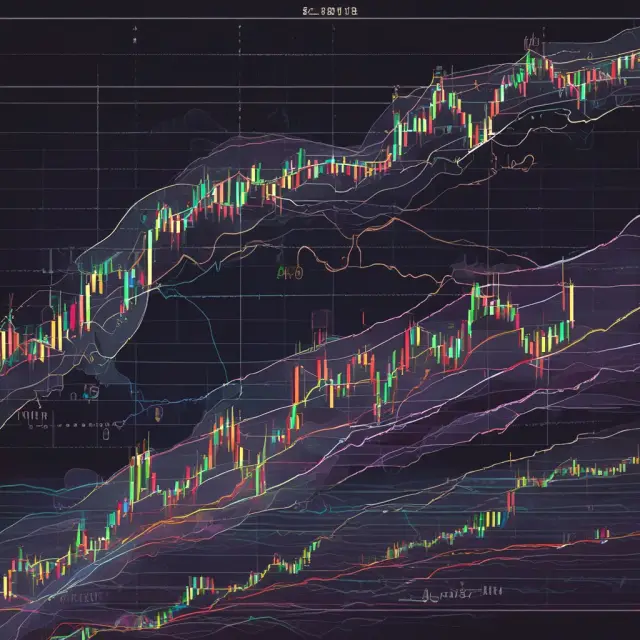
The Dark Cloud Cover pattern is a powerful bearish reversal signal on its own, but it can be made even more effective when combined with other technical analysis tools and indicators. Incorporating additional techniques to validate the significance of this pattern will strengthen your investment decisions and provide valuable insights into the market dynamics.
1. Relative Strength Index (RSI)
One popular indicator used in conjunction with Dark Cloud Cover is the RSI, which measures the strength and momentum of a security’s price movement. A reading above 70 indicates an overbought condition while a reading below 30 suggests an oversold condition. When a Dark Cloud Cover pattern appears and is accompanied by an RSI reading above 70, it can be seen as a strong confirmation that a reversal is underway.
2. Moving Averages (MAs)
Moving averages are trend-following indicators that smooth out price data to help identify long-term trends and support or resistance levels. When a Dark Cloud Cover pattern forms during an uptrend, it is important to consider the potential impact on moving averages like the Simple Moving Average (SMA) and Exponential Moving Average (EMA). A shift in the trend following a Dark Cloud Cover may result in a crossover or a break below the moving average.
3. Bollinger Bands
Bollinger Bands are volatility indicators that consist of three lines: an upper band, a middle line (the 20-day moving average), and a lower band. They help traders understand the level of volatility in a security’s price movement while providing key support and resistance levels. When a Dark Cloud Cover pattern occurs within Bollinger Bands, it can be considered as a strong reversal signal if the price breaks below the lower band after the pattern emerges.
By integrating these technical analysis tools and indicators with the Dark Cloud Cover pattern, traders and investors can:
- Increase confidence in their bearish outlook.
- Improve risk management by setting stop-loss orders.
- Identify potential entry and exit points for trades.
- Monitor market trends more effectively.
- Enhance overall investment performance.
Remember, no single technical analysis tool or indicator guarantees 100% success in the markets. Combining multiple techniques and indicators provides a more comprehensive perspective, allowing traders to make informed decisions based on market conditions and their specific trading strategy.

Practical Application: Identifying Dark Cloud Cover in Real Market Scenarios
A Dark Cloud Cover pattern can offer valuable insights when it appears in real market scenarios, providing traders and investors with a chance to capitalize on potential price reversals. Let us explore some examples of how the Dark Cloud Cover pattern manifests itself in various financial instruments:
Example 1: Stocks – Apple Inc. (AAPL)
Apple Inc.’s daily stock chart presents an excellent example of the Dark Cloud Cover pattern, which can be identified on January 6, 2013 (Figure 1). After a strong bullish candle on January 4, a gap up occurred on January 5, followed by a bearish reversal candle. This bearish candle closed below the midpoint of the bullish candle, forming a Dark Cloud Cover pattern. The following day confirmed the reversal with another decline in price. Traders could have used this pattern to exit long positions or enter short positions.
Example 2: Forex – EUR/USD
The Daily chart for EUR/USD shows an example of the Dark Cloud Cover pattern in the forex market (Figure 2). In this case, a bullish candle on November 15, 2016 was followed by a gap up on November 17. However, the bearish reversal candle that closed below the midpoint of the previous bullish candle formed the Dark Cloud Cover pattern. This was an indication for traders to exit long positions or enter short positions, with confirmation coming when the price declined in the following days.
Example 3: Cryptocurrencies – Bitcoin (BTC)
In the cryptocurrency market, Bitcoin’s daily chart on August 21, 2017 (Figure 3) illustrates a Dark Cloud Cover pattern. The bullish candle that emerged on August 20 was followed by a gap up opening on August 21, only to close as a bearish reversal candle that closed below the midpoint of the previous bullish candle. This Dark Cloud Cover pattern signaled traders to exit their long positions or enter short positions, which was confirmed when the price declined in the days following this event.
In conclusion, understanding how the Dark Cloud Cover pattern plays out in real market scenarios is crucial for identifying potential opportunities and making informed trading decisions. By recognizing this bearish reversal pattern in various financial instruments such as stocks, forex, and cryptocurrencies, traders can effectively manage their positions and capitalize on emerging trends.
Dark Cloud Cover vs. Other Bearish Candlestick Patterns: A Comparison
The Dark Cloud Cover pattern is a well-known bearish reversal candlestick configuration that signals a potential shift from an uptrend to a downtrend. However, it’s essential for investors and traders to understand its differences and similarities with other bearish patterns for making informed decisions in the ever-changing financial markets. In this section, we will compare Dark Cloud Cover to several other popular bearish candlestick patterns, including Doji, Hammer, and Hanging Man.
Dark Cloud Cover vs. Doji: A Doji is a unique single-day candlestick pattern characterized by its small real body and long upper and lower shadows. Unlike Dark Cloud Cover, it does not require an uptrend or a gap up to occur before forming. Instead, the Doji typically indicates indecision, stalemate, or potential reversals in price movement due to equal buy and sell pressure. While both patterns can signal bearish trends, their differences lie in their formation: Dark Cloud Cover requires a bullish candle followed by a bearish one with specific conditions, whereas Doji is a standalone pattern.
Dark Cloud Cover vs. Hammer: A Hammer candlestick pattern forms when a long lower shadow appears during an uptrend. Like the Dark Cloud Cover, it represents a potential reversal in price direction but has some crucial differences. The key difference lies in their bullish and bearish components: a hammer requires a bullish body for a bullish reversal, while Dark Cloud Cover requires a bullish body followed by a bearish one. This means that the Hammer pattern is more likely to signal a continuation of an uptrend if the bullish body is strong.
Dark Cloud Cover vs. Hanging Man: A Hanging Man candlestick pattern appears when a long upper shadow and a small real body form during a downtrend. It’s similar to Dark Cloud Cover in that it signals a potential reversal, but it forms under different circumstances. The Hanging Man pattern requires a downtrend before its formation, whereas Dark Cloud Cover requires an uptrend with a gap up. Both patterns have their strengths and weaknesses, and understanding these differences helps investors make informed decisions when assessing price movements and formations in financial markets.
By comparing Dark Cloud Cover to other bearish candlestick patterns like Doji, Hammer, and Hanging Man, we can gain a deeper understanding of the significance of each pattern and use them effectively for making profitable investment decisions. In conclusion, being well-versed in various candlestick patterns and their nuances is crucial in the world of finance and investments. By staying informed about the differences between these patterns, you’ll be better equipped to identify potential trends and make timely trading decisions that can lead to a stronger investment portfolio.

Dark Cloud Cover in Long-Term Investments
The Dark Cloud Cover pattern is a significant reversal signal in short-term trading, but its utility does not stop there. Long-term investors can benefit from this powerful candlestick pattern as it might indicate the end of an extended uptrend or bull market. In this section, we’ll explore how to identify Dark Cloud Cover patterns in long-term investments and what actions investors should take based on the pattern.
To begin with, let’s understand that a long-term investment typically lasts for years, as opposed to short-term trading, which can span days or weeks. In the context of long-term investing, Dark Cloud Cover patterns are most effective when they appear after an extended bull market or uptrend. A few things to consider when looking for Dark Cloud Cover patterns in long-term investments:
- Look for a clearly defined uptrend: The first step is to determine if the market you’re interested in is indeed trending upwards. You can use various charting tools and indicators, like moving averages or trendlines, to help confirm an uptrend.
- Monitor price action closely: As with any candlestick pattern, it’s essential to keep a close eye on the market’s price action when looking for Dark Cloud Cover patterns in long-term investments. Be patient and wait for the distinct bullish candle followed by a bearish one that meets the criteria mentioned earlier.
- Use multiple timeframes: To confirm a potential reversal, consider examining different timeframes, such as daily, weekly, or monthly charts. A Dark Cloud Cover pattern on a higher timeframe could signal a significant shift in market trends.
- Consider other technical indicators: You can strengthen your analysis by combining the Dark Cloud Cover pattern with other technical indicators like RSI, moving averages, or Bollinger bands. These tools might provide additional insights into potential reversals and help you make informed decisions.
- Be prepared for false signals: Keep in mind that not every Dark Cloud Cover pattern will turn out to be a valid reversal signal. False signals can occur, which is why it’s crucial to use other confirmation techniques and indicators to increase the reliability of your analysis.
Once you have identified a Dark Cloud Cover pattern in a long-term investment, there are several potential actions you might consider:
- Exit your position: If you currently hold a long position and believe the pattern indicates a potential reversal, you may decide to sell your shares or securities.
- Enter short positions: After identifying a Dark Cloud Cover pattern, some investors might choose to enter short positions in anticipation of further price declines.
- Monitor the market closely: Regardless of whether you choose to exit or enter short positions, it’s essential to stay informed about market developments and be prepared for potential price volatility or counter-trend movements.
- Set appropriate stop losses and profit targets: When entering a new short position based on a Dark Cloud Cover pattern, set your stop loss above the high of the bullish candle that preceded the bearish one to limit potential losses. For profit targets, you might consider using various technical indicators or support levels to determine exit points.
- Consider diversifying your portfolio: Long-term investors can benefit from maintaining a well-diversified portfolio to mitigate risks associated with any single security or market trend. Identifying and acting on Dark Cloud Cover patterns in one investment can provide opportunities for reallocating resources to other parts of your portfolio.
By understanding how to apply the Dark Cloud Cover pattern in long-term investing, you’ll be better positioned to make informed decisions and respond to potential shifts in market trends. Keep in mind that no single indicator or candlestick pattern is foolproof, so always consider multiple sources of information and indicators when making investment decisions.

Conclusion: Leveraging Dark Cloud Cover Patterns in Your Trading Strategy
The Dark Cloud Cover pattern, a bearish reversal candlestick formation, is an essential tool for traders and investors seeking to identify potential price reversals in their investment portfolios. This distinctive pattern can be particularly valuable during bull market conditions when it signals the possibility of an impending downtrend. By understanding the specific characteristics, criteria, and implications of the Dark Cloud Cover, you can effectively integrate this powerful technical analysis technique into your trading strategy.
To fully grasp the significance of the Dark Cloud Cover pattern, let’s briefly recap its main features. The formation involves a large black or bearish candle that opens above the close of a preceding white or bullish candle and closes below the midpoint of the former up candle. This pattern is often seen as a sign of shifting momentum from an uptrend to a downtrend.
To confirm the Dark Cloud Cover’s validity, traders look for a subsequent bearish candle that further reinforces the downward trend. Additionally, large real bodies and long shadows on both the bullish and bearish candles indicate significant trader participation in these price movements. When using the pattern, it is essential to consider its limitations. The Dark Cloud Cover may not be a reliable indicator for confirming downtrends in choppy market conditions or when price volatility is high.
When implementing this strategy, keep in mind that the primary goal is not to predict price reversals but rather to identify potential opportunities for adjusting your positions based on emerging trends. The Dark Cloud Cover pattern can be used in conjunction with other technical indicators, such as RSI or moving averages, to further validate the trend shift and make informed decisions regarding entry or exit points.
Upon recognizing a Dark Cloud Cover pattern, traders may choose to exit long positions or enter short positions based on their risk tolerance and investment objectives. Alternatively, they might wait for confirmation in the form of further price declines before making a move. Regardless of the approach taken, it is crucial to employ sound money management principles by setting stop-loss orders and establishing profit targets.
In summary, the Dark Cloud Cover pattern offers valuable insights into potential shifts in market momentum and provides traders and investors with opportunities to adjust their positions accordingly. By understanding its key characteristics and using it as part of a broader technical analysis strategy, you can strengthen your ability to navigate financial markets and make informed investment decisions. Remember, though, that no single indicator or strategy guarantees success—always employ proper risk management practices when executing trades based on the Dark Cloud Cover pattern or any other technical analysis tool.

FAQs about Dark Cloud Cover Patterns
Dark Cloud Cover (DCC) is a significant bearish reversal candlestick pattern that indicates a potential shift from an uptrend to a downtrend in financial markets. Here, we answer some frequently asked questions regarding the DCC and its significance in finance and investments.
What exactly is the Dark Cloud Cover pattern?
The Dark Cloud Cover (DCC) pattern is a candlestick formation where a bearish candle opens above but then closes below the midpoint of the previous bullish candle, marking a potential reversal to the downside after an uptrend. The DCC is characterized by long real bodies and short shadows on both candles.
What causes the Dark Cloud Cover pattern?
The Dark Cloud Cover pattern emerges when buyers push the price higher at the open, but sellers regain control later in the session to cause a sharp decline. This shift from buying to selling can be attributed to various factors, including increased selling pressure or bearish news affecting the underlying asset or market sector.
What are the key criteria for identifying a Dark Cloud Cover pattern?
To confirm a valid Dark Cloud Cover pattern, consider the following five criteria: an existing bullish uptrend, an up (bullish) candle within that trend, a gap-up on the next day, the bearish candle opening above the preceding bullish candle and closing below its midpoint, and the bearish candle having a close below the midpoint of the prior bullish candle.
What makes Dark Cloud Cover unique compared to other bearish patterns?
Dark Cloud Cover is significant because it represents a potential reversal from an uptrend, which can be crucial for institutional and professional investors. Its long real bodies and relatively short shadows suggest strong participation by both buyers and sellers and highlight the decisiveness of the price movement.
How does one confirm a Dark Cloud Cover pattern?
Confirmation is typically seen when the candle following the bearish candle also shows declining prices, further validating the reversal from an uptrend to a downtrend. Traders may use this confirmation to exit long positions or enter short positions with a stop loss above the high of the bearish candle.
How does one use technical analysis indicators in conjunction with Dark Cloud Cover patterns?
Technical analysis tools, like RSI (relative strength index), moving averages, and Bollinger bands, can be utilized to strengthen the analysis of Dark Cloud Cover patterns by providing additional confirmation signals or insights into market conditions. For instance, an overbought RSI might suggest that a reversal is more likely following a Dark Cloud Cover pattern.
How does one apply Dark Cloud Cover patterns in long-term investments?
Dark Cloud Cover patterns can be applied in long-term investments as they indicate a potential shift from an uptrend to a downtrend, which can provide valuable insight into the broader market trend and help inform investment decisions accordingly. However, it’s essential to consider other factors, such as the underlying fundamentals of the investment and personal risk tolerance, before making any decisions based on Dark Cloud Cover patterns alone.
By understanding these key aspects of the Dark Cloud Cover pattern, investors can make more informed decisions in various financial markets, utilizing this powerful tool for effective technical analysis and potential profit opportunities.
 Next entry · No. 869Understanding the Darvas Box Theory: A Technique for Trading Stocks with Growth Potential
See also
-
 No. 3,834
30 Apr 2025
19 min
Understanding Outside Reversals: A Detailed Analysis of Bullish and Bearish Engulfing Patterns
Markets
No. 3,834
30 Apr 2025
19 min
Understanding Outside Reversals: A Detailed Analysis of Bullish and Bearish Engulfing Patterns
Markets -
 No. 2,978
19 Feb 2025
20 min
Understanding and Trading the Long-Legged Doji in Finance and Investment
Financial Education
No. 2,978
19 Feb 2025
20 min
Understanding and Trading the Long-Legged Doji in Finance and Investment
Financial Education -
 No. 2,723
29 Jan 2025
20 min
Understanding and Using the Know Sure Thing (KST) Indicator for Momentum Trading
Financial Tools
No. 2,723
29 Jan 2025
20 min
Understanding and Using the Know Sure Thing (KST) Indicator for Momentum Trading
Financial Tools -
 No. 2,195
17 Dec 2024
19 min
Understanding Hook Reversals: A Short-Term Candlestick Pattern for Predicting Trend Reversals
Markets
No. 2,195
17 Dec 2024
19 min
Understanding Hook Reversals: A Short-Term Candlestick Pattern for Predicting Trend Reversals
Markets -
 No. 1,368
05 Sep 2024
18 min
Understanding the Evening Star Pattern: A Reliable Indicator for Professional Investors
Business Strategy
No. 1,368
05 Sep 2024
18 min
Understanding the Evening Star Pattern: A Reliable Indicator for Professional Investors
Business Strategy -
 No. 1,156
05 Aug 2024
21 min
Understanding the Durbin-Watson Statistic: Testing for Autocorrelation in Regression Analysis
Finance Policy
No. 1,156
05 Aug 2024
21 min
Understanding the Durbin-Watson Statistic: Testing for Autocorrelation in Regression Analysis
Finance Policy