Understanding the Evening Star Pattern: A Reliable Indicator for Professional Investors

Understanding the Evening Star Pattern: A reliable indicator for professional investors - Learn components, formation, identification, strategies.
Introduction to Evening Star Pattern
An Evening Star is a highly sought-after candlestick pattern by technical investors and traders, signaling a potential trend reversal. This three-day bearish formation is formed at the top of a prolonged uptrend and consists of a large white candle, followed by a small-bodied candle, then a long red candle.
An evening star pattern represents a significant price change; its occurrence indicates that the buying pressure which once propelled the stock price upwards is beginning to wane. As an important technical indicator, it’s crucial for investors to understand its implications and components.
Key Components of an Evening Star Pattern
Each component plays a unique role in signaling a potential trend reversal:
- White candle (large): The first day reflects a strong uptrend with heavy buying pressure, leading to an extended bullish move.
- Small-bodied candle: The second day displays a relatively low trading range, indicating weakening buying demand and growing selling interest.
- Red candle (long): The third day demonstrates a sharp price drop as sellers outweigh buyers, leading to a bearish trend.
Formation of an Evening Star Pattern
An evening star pattern is formed under the following conditions:
- Day One: A large white candle occurs, indicating strong buying pressure pushing the stock higher.
- Day Two: A small-bodied candle emerges, suggesting that demand has weakened and selling interest is beginning to surface.
- Day Three: A long red candle appears, with heavy selling pressure taking hold and causing a significant price decline.
Identifying an Evening Star Pattern
To make the most of this powerful indicator, it’s essential to identify its occurrences correctly. Traders often employ various tools like trendlines, oscillators, and other indicators to confirm evening star patterns in stock-price data.
Confidence in evening star patterns is strengthened by considering multiple technical indicators in tandem, as no single indicator can capture the complete picture of market dynamics. For instance, when using moving averages in combination with an evening star pattern, traders may find that the shorter moving average (e.g., 50-day) crosses below the longer one (e.g., 200-day), providing further evidence of an impending downtrend.
Moreover, it’s important to remember that the evening star pattern is not infallible. False signals may occur due to temporary price corrections or market noise. Thus, traders must exercise caution and consider multiple confirmations before making decisions based on this indicator.
Comparison to Other Bearish Candlestick Patterns
The evening star pattern shares similarities with other bearish candlestick patterns (such as the dark cloud cover, harami cross, shooting star, and bearish engulfing), yet each one has unique features that help distinguish them. For instance:
- Dark Cloud Cover: This pattern shows a bullish reversal attempt followed by confirmation of a downtrend.
- Harami Cross: This pattern consists of two candlesticks with small bodies, indicating a potential trend change.
- Shooting Star: This pattern represents a bearish reversal signal at the top of an uptrend, similar to an evening star but more pronounced in its appearance.
In conclusion, understanding the evening star pattern is vital for investors seeking to capitalize on market trends and make informed decisions. Its significance lies not only in its ability to predict potential downturns but also as a valuable tool for assessing the strength of uptrends. By staying attentive to the subtle signs within this powerful indicator, traders can position themselves accordingly to maximize their returns in the ever-changing financial landscape.

Components of the Evening Star Pattern
An evening star pattern is a three-day candlestick formation that serves as a bearish reversal indicator for investors and traders. This pattern consists of three distinct candles – a large white candle, a small-bodied candle, and a red candle. The evenings star’s significance lies in its ability to indicate a potential trend reversal when an uptrend starts to weaken.
The first day of the evening star pattern features a long white candle with a bullish close. This large white candle signifies that buying pressure is strong and the security’s price is trending upwards. The second day brings a small-bodied candle, which represents a minimal change in price and indicates a brief pause or consolidation in the uptrend.
The third day of this pattern sees the emergence of the red candle – the most crucial component. This large bearish candle opens significantly below the previous day’s low and closes near the midpoint of the first day’s range, creating a significant bearish signal. The long wick on the bottom indicates that sellers have exerted strong selling pressure during that trading session.
The evening star pattern is considered a reliable bearish indicator since it signals exhaustion in the bullish trend and an impending reversal to the downside. This pattern’s rarity contributes to its significance and makes it popular among experienced investors and traders who seek to capitalize on emerging trends.
Traders often use other technical analysis tools like moving averages, RSI (Relative Strength Index), and MACD (Moving Average Convergence Divergence) to confirm the validity of an evening star pattern before making investment decisions based on it. Remember that no single indicator should be solely relied upon; instead, combining multiple indicators helps provide a more accurate analysis of the underlying security’s trend movements.
In conclusion, understanding the evening star pattern is essential for traders and investors looking to make informed decisions about buying or selling securities. With its unique three-day candlestick formation, this bearish indicator signals an impending trend reversal when an uptrend begins to falter, providing valuable insights into market movements.
How Does the Evening Star Pattern Form?
The formation of an evening star pattern is a fascinating spectacle for technical traders seeking to predict market reversals. This candlestick configuration signifies that a trend may be coming to an end and can help investors reposition their portfolios accordingly. To understand this potent indicator, it’s essential first to explore the specific components of an evening star pattern and how they come together over the course of three days.
The first day in the sequence sees the emergence of a large white candle—often referred to as the “m Morning Star,” though it is bearish in nature. This candle demonstrates strong buying pressure, with prices closing significantly higher than their opening price. It’s important to remember that the size and intensity of this candle signal not only the presence of bullish sentiment but also potential profit-taking by long-positioned traders.
The second day then arrives with a small-bodied or “doji” candle, which signifies a period of price consolidation or indecision. The real action, however, occurs on the third day when a large bearish red candle emerges. This final candle signals that selling pressure has overcome buying pressure and that the trend is now shifting downwards.
This three-day sequence, therefore, marks the birth of an evening star pattern. It’s crucial to note that this pattern does not guarantee price reversals 100% of the time but serves as a valuable signal for investors seeking to position themselves ahead of potential market shifts. Additionally, it’s essential to apply other technical analysis tools like moving averages, RSI (Relative Strength Index), and MACD (Moving Average Convergence Divergence) to confirm the pattern’s authenticity and reliability.
In summary, an evening star pattern is a bearish candlestick configuration that forms over three days. Its distinctive appearance is characterized by a large white candle on day one, followed by a small-bodied or doji candle on day two, and a large red candle on day three. The significance of this pattern lies in its ability to indicate trend reversals, offering traders a valuable opportunity to adjust their portfolios accordingly.

Identifying an Evening Star Pattern: Tools and Techniques
Technical analysis provides traders with essential tools for understanding price movements and identifying trends. One such tool is the evening star pattern, a bearish candlestick formation consisting of three candles. To confidently detect an evening star pattern in stock-price data, technical analysts often utilize various indicators and techniques.
Price Oscillators: Price oscillators are essential technical indicators that measure the relationship between a security’s price and its underlying momentum. Among the most popular oscillators are Relative Strength Index (RSI), Moving Average Convergence Divergence (MACD), and Stochastic Oscillator. When an evening star pattern emerges, these oscillators can help confirm the reversal signal by demonstrating a shift in momentum from bullish to bearish.
Trendlines: Trendlines are crucial tools used to identify trends in security prices. They provide valuable insight into the overall direction of a trend and help traders determine when price movements may deviate significantly from it. In the context of the evening star pattern, trendlines can reveal critical information about buying and selling pressure within the security’s market. For instance, an upward trendline followed by a downward breakout could indicate the beginning of a downtrend signified by the evening star pattern.
Moving Averages: Moving averages represent the average price of a stock over a given time period. They serve as valuable filters for identifying trends and smoothing out short-term market noise. When examining an evening star pattern, moving averages can offer context about the prevailing trend and help confirm whether this pattern is indeed a reliable indicator of an impending reversal.
Confirmation of Pattern: It’s important to remember that no single technical indicator provides definitive proof that a security will reverse or continue its existing trend. As such, traders should use various indicators in conjunction with one another to confirm the existence and significance of the evening star pattern. A combination of price oscillators, trendlines, moving averages, and other indicators can offer a more comprehensive understanding of the market conditions and potentially increase the probability of making accurate investment decisions.

Special Considerations for Evening Star Pattern
Although the evening star pattern is a highly regarded bearish indicator, it’s important to be aware of its limitations and potential false signals. To ensure maximum accuracy, technical analysts often combine multiple tools and indicators when identifying an evening star pattern. Here are some considerations for using this pattern effectively:
1. Combining Indicators: While the evening star pattern is a powerful indicator on its own, traders may also use complementary oscillators or trendlines to confirm the presence of a reversal. The relative strength index (RSI) and moving averages can help validate an evening star signal.
2. Filtering False Signals: It’s essential to be aware that false signals may occur due to market noise, which can cause temporary price movements unrelated to a true trend change. To minimize the chances of being misled by these false signals, it is crucial to consider the context and the overall market conditions when interpreting an evening star pattern.
3. Multiple Patterns: The evening star pattern is not the only bearish candlestick configuration. Other bearish patterns include the bearish harami, dark cloud cover, shooting star, and bearish engulfing. Traders may find it helpful to become familiar with multiple patterns to determine which one best suits their trading style and risk tolerance.
4. Market Conditions: The effectiveness of an evening star pattern can vary depending on the market conditions. For instance, in a range-bound or sideways market, price reversals might not be as pronounced or predictable. Conversely, in a trending market, the signals generated by an evening star pattern may be more reliable and decisive.
5. Trading Strategies: When considering an evening star pattern, traders can use various strategies to maximize their profitability. For instance, they might enter into short positions or sell call options when they see a confirmed evening star signal. Additionally, setting appropriate stop loss levels is crucial for minimizing risk.
6. Time Horizon: The time horizon of an evening star pattern can impact its overall significance. While this three-day formation can be a powerful reversal signal in the short term, it may not necessarily hold true in the long run. As such, traders must consider their investment time frame when making decisions based on the evening star pattern.
In conclusion, while the evening star pattern is a valuable tool for predicting price reversals, it’s essential to keep in mind its limitations and potential false signals. By combining multiple indicators, considering market conditions, and employing appropriate trading strategies, traders can increase their chances of accurately using this powerful indicator for profit.

Comparison to Other Bearish Candlestick Patterns
The evening star is just one among several bearish candlestick patterns that traders use for predicting potential trend reversals. While it’s a popular choice, understanding the differences between various bearish patterns can help you make informed decisions and maximize your investment opportunities. Let’s examine some of the most commonly used bearish candlestick patterns and compare them to the evening star.
1. Bearish Harami: A bearish harami pattern typically consists of a long bullish white candle followed by a small-bodied candle, which is completely enclosed within the body of the preceding candle. This pattern represents a bearish divergence between price and an indicator such as RSI or Stochastic Oscillator.
2. Dark Cloud Cover: The dark cloud cover candlestick pattern appears when a strong bullish candle is followed by a bearish engulfing pattern, where the second candle’s body covers (or ‘engulfs’) the entirety of the previous bullish candle. This pattern often indicates the beginning of a downtrend and can be a powerful indicator when it forms following an extended uptrend.
3. Shooting Star: The shooting star is a single, bearish candlestick pattern with long wicks at both ends, indicating significant buying and selling pressure. Its long upper shadow signifies a failed bullish attempt to break through resistance levels. Shooting stars can be used as a standalone signal or in conjunction with other indicators.
4. Bearish Engulfing: The bearish engulfing pattern is characterized by a large, bearish candle that completely covers the previous bullish candle’s entire body and wicks. This pattern implies significant selling pressure and often signals a trend reversal.
Traders can use these various bearish candlestick patterns as standalone indicators or in combination with other tools like moving averages, oscillators, or trendlines to confirm their accuracy and improve the overall reliability of their analysis. By understanding the differences between these patterns and their respective strengths and weaknesses, you’ll be able to make better-informed decisions when it comes to your investments.
For instance, a trader might choose to focus on evening star patterns for confirming trend reversals in uptrends, while relying on bearish engulfing or dark cloud cover patterns to indicate potential reversals within downtrends. Ultimately, the key is to develop a strong understanding of these patterns and their implications in order to make informed decisions in the ever-evolving financial markets.

Example of an Evening Star Pattern: Visual Explanation
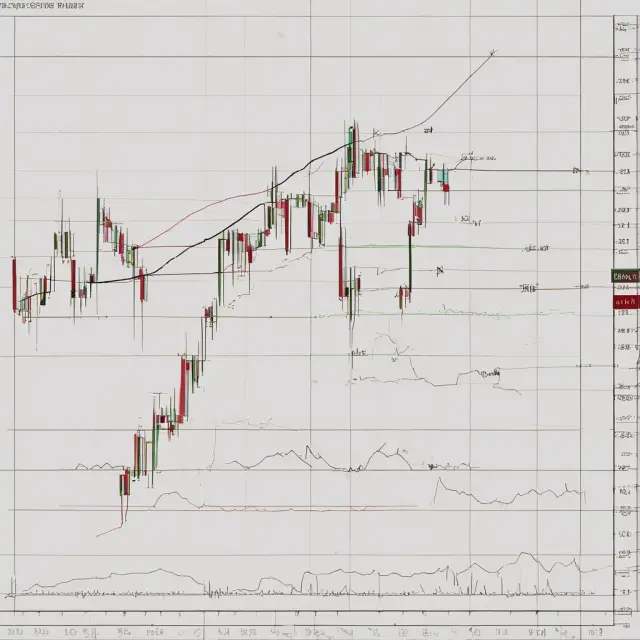
The Evening Star pattern is a reliable technical indicator for professional investors looking to predict potential price reversals to the downside. This bearish candlestick configuration, consisting of three candles – a large white candle, a small-bodied candle, and a red one – represents significant shifts in buying and selling pressure during different phases of an uptrend (see Figure 1).
Figure 1: An example of the Evening Star pattern.
To better understand this unique chart formation, let us explore each component of the pattern in detail.
1. The large white candle: This first candle signifies a surge in buying pressure as prices rise significantly, often reaching new highs within a given time frame. The long shadow on both ends of the white candle indicates that there were some bearish attempts to sell, but they were ultimately unsuccessful, with buyers re-entering the market and driving prices higher.
2. The small-bodied candle: This second candle reflects a period where buying pressure begins to wane, resulting in a more modest price increase compared to the first day’s rally. The short body of this candle implies that selling pressure is starting to build but has not yet gained enough momentum to cause a meaningful decline.
3. The large red candle: The third and final candle in an Evening Star pattern marks a distinct change in market sentiment. This red candle, which opens below the previous day’s close and closes near its midpoint, indicates that selling pressure has overtaken buying pressure, leading to a significant decline in prices (see Figure 2).
Figure 2: The three-day time frame of an Evening Star pattern.
Traders using this technical analysis tool closely monitor price oscillators and trendlines to identify reliable evening star patterns within their chosen securities. These techniques help ensure that the signal is not just a result of market noise or other false signals (such as those caused by news events). It is essential for investors to use multiple indicators when determining potential reversal points, as no single indicator is infallible.
It is important to note that the Evening Star pattern is not the only bearish candlestick configuration. Other popular bearish patterns include the bearish harami, dark cloud cover, shooting star, and bearish engulfing. Traders’ preferences for which patterns to watch for may depend on their individual trading styles and risk tolerance levels.
In conclusion, an Evening Star pattern is a powerful and reliable technical indicator that can help professional investors recognize when a trend may be reversing direction. By examining the key components of this candlestick configuration – the large white candle, small-bodied candle, and large red candle – traders can gain valuable insights into market sentiment shifts and adjust their investment strategies accordingly.

Trading Strategies Using the Evening Star Pattern
An evening star is a powerful technical indicator, and professional investors can leverage its unique characteristics to implement effective trading strategies. The pattern’s three-candle formation provides valuable insights into price movements that could lead to significant returns for those who act decisively. In this section, we will discuss potential investment strategies based on the evening star pattern, including entry/exit points, stop loss levels, and risk management.
Entry Points
When trading using an evening star pattern, it’s crucial to identify the exact point at which you should enter your position. The most common strategy is to enter a short position after the confirmation of the third bearish candle. This means waiting for a sell signal from other indicators or a clear trend reversal before making a move. One popular method is to wait for a pullback during the fourth candle, following which you can enter the position once the bearish trend resumes.
Exit Points
Professional investors must also consider their exit strategy when trading with an evening star pattern. Generally speaking, one should aim to close the position as soon as the downtrend stabilizes or reverses back to an uptrend. However, this can be challenging as it requires accurate timing and continuous monitoring of market conditions. A common practice is to set a profit target based on the depth of the evening star pattern itself. For instance, you could aim for a profit target equal to the distance between the opening price of the first bullish candle and the closing price of the third bearish candle. Alternatively, some traders employ stop-loss orders to minimize potential losses in case the downtrend does not materialize as expected.
Risk Management
Managing risk is crucial when implementing any trading strategy, especially those based on technical indicators like evening star patterns. To minimize potential losses, it’s essential to establish a risk management framework that includes setting stop loss orders and diversifying your portfolio. Stop loss orders can help you limit your losses by automatically closing your position if the market moves against you. Additionally, diversification across various asset classes and securities can help reduce overall portfolio volatility and protect your investments from excessive risk.
Conclusion:
The evening star pattern is a valuable technical indicator that has proven its worth in the realm of stock trading and investment. By understanding the different strategies for entering, exiting, and managing risks based on this powerful pattern, investors can optimize their portfolios to take full advantage of emerging trends while mitigating potential losses. As with all trading strategies, it’s essential to remember that there is always a risk involved and that even the most reliable indicators should be used in conjunction with other tools and methods for confirming market conditions.

Case Study: Applying the Evening Star Pattern in Real Market Conditions
The evening star pattern, as previously discussed, is a reliable indicator that a trend reversal may be imminent. However, it’s crucial to understand how this pattern behaves and its implications in real trading scenarios. In this section, we will discuss an intriguing case study of an evening star pattern that occurred during the tech bubble burst around 2000.
In early March 2000, the NASDAQ index exhibited a consistent upward trend, with increasing optimism about the market’s growth and potential for continued gains. However, the calm waters began to shift when an evening star pattern emerged in Apple Inc.’s stock chart. Apple (AAPL), as one of the leading technology giants, was a bellwether stock for the sector. A strong bearish signal from such a significant player could potentially signal a broader market reversal.
The first day of this three-day sequence displayed a large green candle on March 3rd, which represented a surge in buying pressure as the price closed at $69.81. The following day, on March 4th, presented a small bodied green candle with a modest increase in price to close at $70.16. Although this seemed insignificant, it was actually a crucial turning point.
The third and final day of the pattern, on March 6th, brought about an unexpected change: a large red candle. This bearish signal opened at $70.36, which was below the closing price from the previous day. The day ended with a significant decline to close at $69.54. Despite this, it’s important to note that there was still some upward movement within the day, but the overall trend had shifted towards bearish territory.
As the evening star pattern became evident, it served as a clear indication for technical traders and analysts to reconsider their positions or even take defensive actions. The downward trend following this signal saw a steady decline in the NASDAQ index as well as other technology stocks. The evening star pattern’s accuracy in predicting the market reversal highlights its significance for professional investors looking to anticipate shifts in market trends.
This example illustrates how an evenings star pattern can provide valuable insights into potential trend reversals and assist investors in making informed decisions during times of uncertainty. This knowledge is crucial for traders seeking to minimize losses or maximize gains by understanding the behavior of financial markets.

FAQ: Frequently Asked Questions about the Evening Star Pattern
Question 1: What is an evening star pattern, and how does it signal a trend reversal?
Answer: The evening star pattern is a bearish technical indicator consisting of three candlesticks: a large white candle representing buying pressure, a small-bodied candle indicating consolidation, and a long red candle signaling selling pressure. This pattern indicates that an uptrend is losing momentum and may be about to reverse.
Question 2: Is the evening star pattern reliable?
Answer: Yes, despite its rarity, the evening star pattern is considered a powerful and reliable indicator when used in conjunction with other technical analysis tools like trendlines and oscillators. However, it’s crucial to consider market conditions and confirm signals from multiple indicators before making any investment decisions.
Question 3: What is the difference between an evening star and a morning star pattern?
Answer: An evening star pattern is bearish while a morning star pattern is bullish. The evening star predicts a reversal to the downside, whereas a morning star predicts a reversal to the upside. Both patterns consist of three candlesticks.
Question 4: How can I identify an evening star pattern?
Answer: A reliable way to detect an evening star pattern is by using technical indicators like oscillators and trendlines, as well as studying price charts for the distinct appearance of its three candles: a large white candle followed by a small-bodied candle, then a long red candle.
Question 5: Are there any limitations to relying on the evening star pattern?
Answer: Yes, while the evening star pattern can be an effective signal of trend reversal, it’s essential to remember that no single indicator is foolproof. False signals may occur due to various market conditions and noise, so it’s important to employ multiple indicators and consider factors like volume, support/resistance levels, and overall market sentiment.
Question 6: Which other bearish candlestick patterns are worth considering?
Answer: In addition to the evening star pattern, traders can also monitor other bearish candlestick patterns, such as the bearish harami, dark cloud cover, shooting star, and bearish engulfing. Each pattern may provide unique insights into market conditions and potential price movements, but ultimately it’s up to individual investors to determine which patterns resonate with their investment objectives and risk tolerance.
 Next entry · No. 1,369Understanding Event Studies: An In-Depth Analysis of Their Significance in Finance and Economics
See also
-
 No. 2,978
19 Feb 2025
20 min
Understanding and Trading the Long-Legged Doji in Finance and Investment
Financial Education
No. 2,978
19 Feb 2025
20 min
Understanding and Trading the Long-Legged Doji in Finance and Investment
Financial Education -
 No. 2,723
29 Jan 2025
20 min
Understanding and Using the Know Sure Thing (KST) Indicator for Momentum Trading
Financial Tools
No. 2,723
29 Jan 2025
20 min
Understanding and Using the Know Sure Thing (KST) Indicator for Momentum Trading
Financial Tools -
 No. 2,195
17 Dec 2024
19 min
Understanding Hook Reversals: A Short-Term Candlestick Pattern for Predicting Trend Reversals
Markets
No. 2,195
17 Dec 2024
19 min
Understanding Hook Reversals: A Short-Term Candlestick Pattern for Predicting Trend Reversals
Markets -
 No. 1,082
25 Jul 2024
20 min
Understanding Divergence in Technical Analysis: Positive and Negative Signals
Financial Data Analysis
No. 1,082
25 Jul 2024
20 min
Understanding Divergence in Technical Analysis: Positive and Negative Signals
Financial Data Analysis -
 No. 3,834
30 Apr 2025
19 min
Understanding Outside Reversals: A Detailed Analysis of Bullish and Bearish Engulfing Patterns
Markets
No. 3,834
30 Apr 2025
19 min
Understanding Outside Reversals: A Detailed Analysis of Bullish and Bearish Engulfing Patterns
Markets -
 No. 2,709
28 Jan 2025
17 min
Understanding the Kijun-Sen (Base Line) Indicator in Technical Analysis
Financial Education
No. 2,709
28 Jan 2025
17 min
Understanding the Kijun-Sen (Base Line) Indicator in Technical Analysis
Financial Education