Understanding Outside Reversals: A Detailed Analysis of Bullish and Bearish Engulfing Patterns

Learn how to identify and use Bullish & Bearish Engulfing patterns (Outside Reversals) in trading with detailed analysis and practical strategies.
Introduction to Outside Reversals
An outside reversal is an essential price pattern used by technical analysts and traders to identify potential reversals in securities’ trends. This two-day price pattern occurs when a security’s high and low prices for the day exceed those of the previous day, indicating that the current trend may be shifting. Outside reversals can take the form of a bullish engulfing pattern or bearish engulfing pattern, depending on whether they occur after a downward or upward price move, respectively.
Outside Reversals: A Significant Indicator
An outside reversal is more than just an interesting chart formation; it carries significant implications for market trends. This pattern implies that the prevailing trend is weakening and may soon reverse course. For example, a bearish outside reversal indicates that bears have gained control over the market, while a bullish outside reversal suggests that bulls are regaining momentum.
Understanding an Outside Reversal Pattern
The outside reversal pattern can be observed on various types of charts, including candlestick and bar charts. It is characterized by a two-day price pattern where the first day displays a small range of trading activity, while the second day sees significantly larger price movement that goes against the existing trend. This pattern is often referred to as an engulfing pattern due to its distinctive appearance on candlestick charts.
Bullish Engulfing vs Bearish Engulfing
A bullish outside reversal, or bullish engulfing pattern, occurs when a security’s price experiences a bearish trend before the large upward price movement of the second day overwhelms and engulfs the previous day’s small trading range. This event signals a potential reversal from a downtrend to an uptrend.
On the other hand, a bearish outside reversal, or bearish engulfing pattern, happens when a security’s price is on an upward trend before the large downward price movement of the second day dominates and engulfs the previous day’s small trading range. This event suggests that a potential reversal from an uptrend to a downtrend might be underway.
Volume Considerations in Bullish Engulfing
The significance of volume cannot be ignored when analyzing a bullish outside reversal pattern. An increase in trading volume during the bullish reversal is a strong confirmation that the trend has indeed changed and that the buying interest is substantial. This occurs as a result of the bulls overpowering the bears, driving prices higher and potentially signaling the beginning of a new uptrend.
Volume Considerations in Bearish Engulfing
Similarly, volume plays an essential role when analyzing a bearish outside reversal pattern. A sharp increase in trading volume during the bearish reversal is an indication that the bears have gained control and that the selling pressure is substantial. This occurs as a result of the bears overpowering the bulls, driving prices lower and potentially signaling the beginning of a new downtrend.
Upcoming Sections: In the following sections, we will delve deeper into the specifics of identifying an outside reversal pattern, the differences between bullish and bearish engulfings, and how to use these patterns in your trading strategy. Stay tuned!
Note: The information provided here should not be considered financial advice as it is for educational purposes only. Always consult a financial professional before making investment decisions.

Definition and Explanation of Outside Reversals
An Outside Reversal is a well-known and highly regarded technical analysis tool for forecasting potential price changes in financial instruments such as stocks, indices, currencies, or commodities. The term describes a specific two-day price pattern on a candlestick chart where the second day’s high and low values surpass those of the previous day. Outside Reversals are often referred to as Bullish Engulfing or Bearish Engulfing patterns depending on whether they precede a bullish (rising) or bearish (falling) trend, respectively.
Bullish Outside Reversal: A Bullish Engulfing Pattern
A Bullish Outside Reversal, also known as a Bullish Engulfing pattern, emerges when the second day’s candlestick is larger than the previous one in both the high and low ranges. This pattern suggests that bears held control on the initial day but were pushed aside by bulls during the following trading session, paving the way for an uptrend. Figure 1 illustrates a Bullish Outside Reversal example using Apple Inc. (AAPL) stock prices from historical data. The first day shows a relatively small bearish red candlestick, while the second day’s bullish green one engulfs the former completely, demonstrating strong buying interest and a potential price reversal.
Bearish Outside Reversal: A Bearish Engulfing Pattern
A Bearish Outside Reversal, also known as a Bearish Engulfing pattern, emerges when the second day’s candlestick is larger than the previous one in both the high and low ranges, but in this scenario, it signifies a bearish trend. The pattern suggests that bulls held control on the initial day but were unable to maintain their position against the bears during the subsequent trading session. Figure 2 demonstrates a Bearish Outside Reversal example using Alibaba Group Holding Ltd. (BABA) stock prices from historical data. The first day shows a relatively large bullish green candlestick, while the second day’s bearish red one engulfs the former completely, illustrating strong selling pressure and a potential price reversal.
It is essential to note that Outside Reversals are not 100% accurate indicators of future price direction but can serve as valuable confirmations when used in conjunction with other technical analysis tools, such as trend lines, support and resistance levels, and moving averages.
In the following sections, we will further explore the significance and importance of Outside Reversals in trading and investing, including techniques for identifying these patterns, volume considerations, and their differences from other commonly used chart patterns.
Figure 1: Bullish Outside Reversal Example (Apple Inc.)
Figure 2: Bearish Outside Reversal Example (Alibaba Group Holding Ltd.)
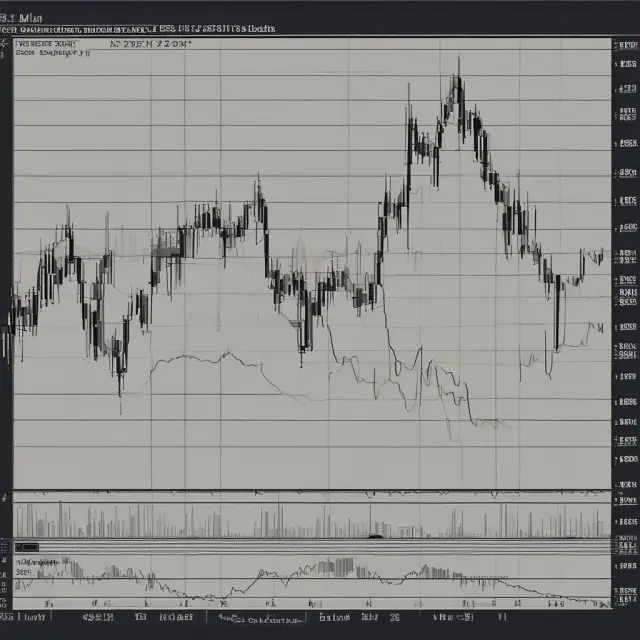
Identifying an Outside Reversal
An outside reversal is a two-day price pattern that represents a significant reversal if it goes against the prevailing trend. The first day is generally characterized by a small range, while the second day features larger price ranges. This technical analysis technique is popularly known as bullish or bearish engulfing patterns in candlestick studies.
Bullish Engulfing (Outside Up Reversal)
A bullish outside reversal occurs when a large green candle, representing buying pressure, appears after a day of selling pressure. The first day usually features a small red candle, signaling a downtrend or bearish sentiment, while the second day exhibits a significant upward move, engulfing the previous day’s candle. This pattern indicates that bears were in control on the first day but lost ground to the bulls during the second day, potentially signaling an upcoming trend reversal.
To identify a bullish outside reversal, look for:
- The first day’s red candle is relatively short in comparison to the second day’s green candle.
- The opening price of the second day must be lower than that of the first day (a bearish gap), but the closing price must be higher than the previous day’s closing price.
- High trading volume on the second day, signaling strong buying activity.
Bearish Engulfing (Outside Down Reversal)
A bearish outside reversal, also known as a bearish engulfing pattern, transpires when a large red candle appears after a day of buying pressure. The first day typically exhibits a small green candle, suggesting an uptrend or bullish sentiment, while the second day displays a substantial downward move that engulfs the previous day’s candle. This pattern implies that bulls lost control to bears during the second day, potentially foreshadowing an upcoming trend reversal.
To identify a bearish outside reversal:
- The first day’s green candle is comparatively short in length compared to the second day’s red candle.
- The opening price of the second day must be higher than that of the first day (a bullish gap), but the closing price should be lower than the previous day’s close.
- A high trading volume on the second day, indicative of strong selling activity.
Understanding outside reversals as part of your trading strategy involves recognizing the significance of these patterns, identifying them correctly, and considering other factors like volume and trend to strengthen the signal. By applying this knowledge effectively, you may be able to anticipate potential shifts in market trends and adapt your investment decisions accordingly.

Bullish Engulfing (Bullish Outside Reversal)
A bullish engulfing, or bullish outside reversal, is a significant and powerful candlestick pattern used by technical traders to predict market trends. This two-day price pattern indicates a potential trend reversal when a security’s high and low prices for the second day exceed those of the first day. In essence, this pattern occurs when a larger bullish candle ‘engulfs’ or covers the smaller bearish candle.
The bullish engulfing pattern holds importance due to its distinct significance in the context of market trends. A bearish trend is often indicated by a series of small-bodied candles (red) on a chart, while a bullish trend is typically represented by large, bullish green candles. The bullish engulfing pattern acts as an effective confirmation signal when it emerges after a prolonged downtrend or bearish market environment, indicating that buyers are regaining control and a reversal might be underway.
Bullish Engulfing Identification
To identify the bullish engulfing pattern, look for a small-bodied bearish candle followed by a large bullish candle. The bullish candle must close at a higher price than the opening price of the previous bearish candle, which confirms the reversal. It’s essential to verify that the high and low prices of the second day are greater than the high and low prices of the first day for the pattern to be considered valid.
Volume Considerations
High trading volumes during the bullish engulfing pattern can add credibility to the reversal signal by indicating strong buying pressure. This additional confirmation strengthens the likelihood that the trend reversal is genuine.
Bullish Engulfing Example
An example of a bullish engulfing pattern can be observed in the price chart below, where Amazon.com Inc. (AMZN) displayed a bearish trend followed by a bullish outside reversal. The bullish candle’s closing price was significantly higher than the previous day’s opening price, suggesting that buying pressure had overcome selling pressure, potentially initiating an uptrend.
Understanding this pattern can help traders capitalize on potential trend reversals and position their portfolios accordingly. In the next section, we will discuss bearish outside reversals, the opposite of bullish engulfing patterns, and how they are used to identify downtrends or bearish market environments.
Volume Considerations in Bullish Engulfing
A bullish engulfing pattern, or outside reversal, is a two-day price pattern that signals a potential shift from a downtrend to an uptrend (1). A bullish engulfing pattern occurs when a large green candle, representing the second day’s trading session, completely covers the small red candle, or the previous day’s trading range. The importance of volume in confirming a bullish outside reversal cannot be overstated. Let us explore the significance of this concept further.
First and foremost, an increase in buying volume on the second day is crucial for validating the bullish engulfing pattern. A surge in volume indicates strong investor interest and conviction that the downtrend has ended. As a result, a bullish outside reversal with significant trading volume often signifies a robust trend change.
Bullish outside reversals typically occur when bears are in control of the market. In this context, the first day exhibits a bearish candle, with selling volume exceeding buying volume. This pattern indicates that sellers dominated the trading session and drove the stock price lower. However, the second day’s large bullish candle represents a significant influx of buyers, indicating that the trend is changing course.
A bullish outside reversal with substantial volume can result in a substantial upward move. As more investors jump on the bandwagon, the uptrend gathers momentum and can potentially lead to considerable price gains. Conversely, if the bullish outside reversal is accompanied by weak or declining trading volume, it might only represent a temporary bounce or a dead cat bounce, rather than a sustainable trend change.
For instance, consider an example of Amazon.com Inc.’s (AMZN) stock chart: in the days leading up to a bullish outside reversal, AMZN’s price has been declining steadily. The first day shows a bearish candle with a significant trading volume, suggesting strong selling pressure. However, on the second day, Amazon’s stock experiences an impressive bullish outside reversal with a large green candle that completely engulfs the previous day’s bearish candle. Crucially, this second-day rally is accompanied by noticeably higher trading volume compared to the previous day. This evidence of strong buying interest confirms the significance of the bullish outside reversal and suggests that the downtrend has been effectively reversed.
In conclusion, understanding the importance of volume when evaluating a bullish engulfing pattern can be crucial for determining the credibility and potential longevity of a trend change. A large bullish candle accompanied by significant trading volume indicates a more robust reversal, while low trading volume may suggest only a short-term bounce. By examining both the price pattern and volume trends, technical analysts can make better informed decisions about entering or exiting trades based on these valuable insights.
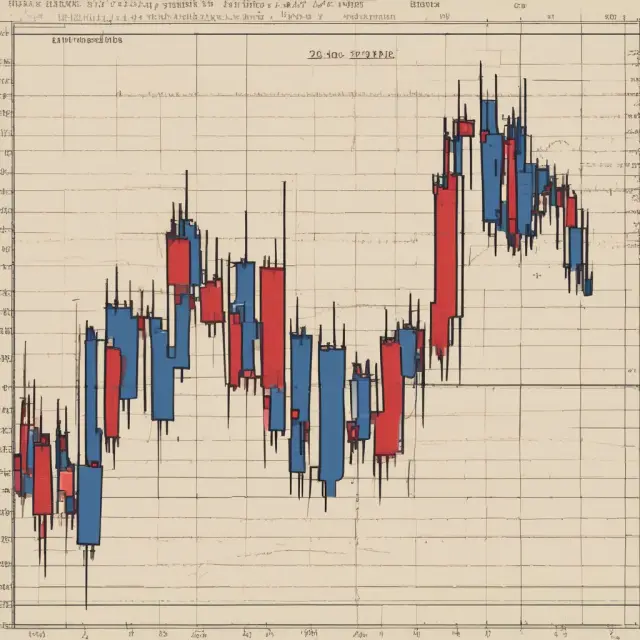
Bearish Engulfing (Bearish Outside Reversal)
A bearish engulfing, also known as a bearish outside reversal, is a two-day price pattern that indicates a potential change in the market trend from bullish to bearish. The term “engulfing” comes from the fact that the second day’s trading range completely covers or “engulfs” the previous day’s trading range on the candlestick chart.
Let us dive deeper into this significant reversal pattern and explore its significance and characteristics.
Bearish Engulfing: Significance and Characteristics
A bearish engulfing pattern signifies a potential trend reversal when a security’s price action shows a two-day candlestick formation where the second day’s trading range is larger than that of the previous day. The first day typically displays a relatively small trading range, while the second day exhibits a pronounced move lower with a larger trading range.
A bearish engulfing pattern is a strong indicator of a potential trend reversal when:
- The second day’s opening price is higher than the previous day’s closing price.
- The second day’s closing price is lower than the first day’s opening price.
- The second day’s trading range encompasses the entirety of the previous day’s trading range, i.e., it engulfs it entirely.
Understanding this bearish reversal pattern can help technical traders and investors identify a potential trend change. When a bearish engulfing is formed, it suggests that buying momentum from the preceding day was weakened, while selling pressure increased significantly during the second day. The significant price drop on the second day indicates that sellers have taken control of the market.
Investors and traders may employ this pattern as a standalone signal or in conjunction with other indicators for confirming trend reversals. It is essential to note that no single chart pattern can provide an infallible prediction; bearish engulfing patterns, like other technical tools, should be utilized as part of an overall analysis strategy.
Bearish Engulfing: Volume Considerations
A bearish engulfing pattern carries greater significance when it forms with high trading volume on the second day. High volume during a bearish reversal confirms strong selling pressure and reinforces the potential for a trend change. In contrast, if a bearish outside reversal occurs with low trading volume, its reliability as an indicator may be questionable.
The significance of volume in a bullish engulfing pattern will be discussed in the next section. Stay tuned!

Volume Considerations in Bearish Engulfing
An essential aspect of recognizing a bearish engulfing pattern is considering trading volume. A bearish engulfing pattern, also known as a bearish outside reversal, occurs when a large red candlestick (indicating selling pressure) follows a small green one (representing buying activity). The significance of the bearish engulfing pattern lies in its implication that bears are taking control of the market, reversing an uptrend. However, volume plays a crucial role in confirming the authenticity and reliability of this pattern. A large trading volume during the formation of the bearish engulfing pattern adds credence to the reversal signal, increasing the chances of an accurate trend reversal. Conversely, insufficient trading volume may not provide sufficient evidence to validate a bearish reversal.
For instance, a stock may display a bearish outside reversal after an extended rally or consolidation period. A relatively low trading volume during this pattern formation could indicate that the selling pressure was not strong enough to reverse the trend definitively. In contrast, if the same stock experiences a substantial trading volume during the bearish engulfing pattern, it may signify a significant shift in market sentiment and a stronger likelihood of the reversal holding up.
A visual representation of volume in the context of a bearish outside reversal is available below. In this example, a stock undergoes an extended bullish trend before a bearish outside reversal occurs. The small green candle (Day 1) represents a day of buying activity and limited selling pressure; however, as shown by the relatively low volume, there was not enough conviction behind the buyers to halt the uptrend.
The following day (Day 2), a large red candle with a higher closing price emerges, accompanied by a surge in trading volume. The significant selling pressure combined with the high volume demonstrates that bears have taken control of the stock, increasing the reliability of the reversal signal and foreshadowing a downtrend.
Volume is an integral component of interpreting chart patterns for potential trend reversals. Incorporating this consideration into the analysis of a bearish outside reversal can significantly enhance the effectiveness of your trading strategy by providing additional confidence when making decisions based on these price patterns.

Outside Reversals vs. Other Candlestick Patterns
When it comes to recognizing chart patterns, traders have a vast array of tools at their disposal. Among the most popular and widely used are outside reversals. This section will discuss how outside reversals differ from other common candlestick patterns.
First, it’s important to understand that both bullish and bearish engulfing patterns (outside reversals) share specific characteristics that set them apart. These two-day price patterns imply a significant shift in market sentiment, which can be either bullish or bearish depending on the sequence of days.
When examining outside reversals vs. other popular candlestick patterns, it’s important to consider their effectiveness and reliability. Let us compare some well-known patterns:
1. Hammer: A hammer is a bullish single-bar reversal pattern that appears after a significant downtrend. The long lower wick and small real body indicate buyers are entering the market, while a large upper shadow shows selling pressure. In comparison, outside reversals offer more information by spanning over two days, which provides additional context to price action.
2. Hanging Man: A hanging man is a bearish single-bar reversal pattern that appears after an uptrend. It has a long upper wick and small real body with a significant lower shadow. The hanging man indicates selling pressure may be increasing, while outside reversals offer more insight into the trend reversal due to their two-day nature.
3. Doji: A doji is a neutral candlestick pattern characterized by having an equal opening and closing price, with a small real body. Dojis can indicate indecision or consolidation, but their lack of definitive direction makes them less reliable than outside reversals, which offer clear bullish or bearish implications.
4. Engulfing Patterns: Bullish and bearish engulfing patterns share similarities with outside reversals as they are all multi-day price patterns indicating significant trend shifts. However, unlike outside reversals, engulfing patterns can occur within a single day instead of two consecutive days. This difference might affect their reliability in signaling trend changes.
In conclusion, while several candlestick patterns have their merits and utility, outside reversals hold unique advantages when it comes to identifying potential bullish or bearish trend shifts in the market. Their clear definition, ability to provide context through two days of price action, and the confirmation provided by volume considerations make them a preferred tool for experienced traders and analysts alike.
Understanding Outside Reversals: A Detailed Analysis of Bullish and Bearish Engulfing Patterns – Understanding the importance of outside reversals in identifying potential trend shifts in financial markets and their significance as bullish and bearish engulfing patterns.

Using Outside Reversals in Your Trading Strategy
The significance of understanding and using outside reversals lies in their potential to provide a valuable entry or exit point for investors and traders. These patterns can be used to confirm trends and offer insights into the market sentiment. Here are some effective strategies for integrating outside reversals into your investment approach.
Identifying Bullish Outside Reversals
A bullish outside reversal, also known as a bullish engulfing pattern, occurs when a larger bearish candle is followed by a larger bullish candle. This pattern indicates that the bears may have taken control of the market but were unable to maintain their position, and the bulls have reclaimed control. Identifying these patterns on your chart can offer an excellent opportunity for buying at a favorable price point or entering a long position.
Identifying Bearish Outside Reversals
Conversely, a bearish outside reversal, also known as a bearish engulfing pattern, occurs when a smaller bullish candle is followed by a larger bearish candle. This pattern implies that the bulls may have controlled the market but were unable to maintain their momentum, and the bears have regained control. Identifying these patterns can provide an opportunity for selling at a favorable price point or entering a short position.
Confirming Volume
Volume plays a critical role in the confirmation of outside reversals. For a bullish outside reversal to be considered valid, there should be significant buying volume on the second day that engulfs the previous day’s selling volume. Similarly, for bearish outside reversals, heavy selling volume must accompany the larger bearish candle that engulfs the preceding bullish candle. Volume confirmation can increase the reliability of the trend reversal signal and provide greater confidence in entering a trade.
Considering Multiple Timeframes
Outside reversals can be identified on various timeframes, from intraday to daily, weekly, or even monthly charts. Examining these patterns on multiple timeframes can offer additional insight into the market trend and help confirm or refute potential false signals. For example, an outside reversal observed in a lower timeframe may be considered more significant if it is also present in a higher timeframe.
Combining with Other Indicators
Outside reversals are most effective when used in conjunction with other technical indicators, trend analysis tools, and market conditions to form a comprehensive trading strategy. For instance, combining an outside reversal with a moving average crossover, support and resistance levels, or Bollinger Bands can enhance the reliability of the signal and increase the potential for successful trades.
Understanding the Risks
While outside reversals offer valuable insights into market trends, they are not foolproof signals. False signals can occur due to various factors such as market manipulation, news events, or random price movements. It is essential to use other confirming indicators and thoroughly analyze market conditions before entering a trade based on an outside reversal signal.
In conclusion, outside reversals can provide valuable insights into potential trend changes by identifying shifts in market sentiment and offering opportunities for entering trades at favorable price points. By understanding the significance of these patterns, their identification, and confirmation techniques, you can integrate outside reversals into your trading strategy and improve your overall investment performance.
FAQs About Outside Reversals
1. What is an outside reversal pattern in trading? An outside reversal pattern refers to a two-day price pattern on financial charts that indicates a possible reversal of an existing trend based on the day’s high and low prices exceeding those of the preceding day.
2. How can I identify an outside reversal pattern? Look for a day where the second candle (bar) has a larger trading range than the first candle, and its open and close prices go outside the range of the first candle.
3. What is the significance of volume in confirming outside reversals? Trading volume can help validate an outside reversal by indicating increased buying or selling pressure during the pattern formation. High volume during a bullish outside reversal might suggest a stronger trend change, while bearish outside reversals with high volume might imply a significant shift in investor sentiment.
4. What are the differences between bullish and bearish outside reversals? Bullish outside reversals occur when the second candle is larger than the first and represents an upward move, whereas bearish outside reversals involve a downward movement after a larger-range second candle.
5. What other candlestick patterns can be compared with outside reversals? Outside reversals can be contrasted with other well-known chart patterns like doji, hammer, inverted hammer, and hanging man for their predictive potential in identifying trend reversals or continuations.
6. How do I use outside reversals in my trading strategy? By combining outside reversals with other technical indicators and fundamental analysis tools, traders can make more informed decisions based on the information provided by this pattern. Additionally, setting a stop-loss order is a common practice to limit potential losses during volatile market conditions.
7. What should I keep in mind when interpreting outside reversal patterns? Be aware of false signals that may appear as outside reversals but lack confirmation from other technical or fundamental analysis tools. Always consider the larger trend and chart patterns before making decisions based on a single pattern.
8. How frequently do outside reversals occur in the market? Outside reversals are not common occurrences, but they can provide valuable insights into potential price movements when identified correctly within an overall trading strategy.
 Next entry · No. 3,835Maximizing Efficiency and Cost Savings: A Comprehensive Guide to Outsourcing in Finance and Investment
See also
-
 No. 4,961
31 Jul 2025
22 min
Understanding the Three Black Crows Candlestick Pattern – A Predictor of Market Reversals
Markets
No. 4,961
31 Jul 2025
22 min
Understanding the Three Black Crows Candlestick Pattern – A Predictor of Market Reversals
Markets -
 No. 2,195
17 Dec 2024
19 min
Understanding Hook Reversals: A Short-Term Candlestick Pattern for Predicting Trend Reversals
Markets
No. 2,195
17 Dec 2024
19 min
Understanding Hook Reversals: A Short-Term Candlestick Pattern for Predicting Trend Reversals
Markets -
 No. 2,723
29 Jan 2025
20 min
Understanding and Using the Know Sure Thing (KST) Indicator for Momentum Trading
Financial Tools
No. 2,723
29 Jan 2025
20 min
Understanding and Using the Know Sure Thing (KST) Indicator for Momentum Trading
Financial Tools -
 No. 5,260
24 Aug 2025
20 min
Understanding the Rare yet Significant Three River Candlestick Pattern: A Bullish Reversal Indicator for Professional Traders
Markets
No. 5,260
24 Aug 2025
20 min
Understanding the Rare yet Significant Three River Candlestick Pattern: A Bullish Reversal Indicator for Professional Traders
Markets -
 No. 4,645
05 Jul 2025
21 min
Understanding the Shooting Star Pattern: A Bearish Signal for Professional Investors
Markets
No. 4,645
05 Jul 2025
21 min
Understanding the Shooting Star Pattern: A Bearish Signal for Professional Investors
Markets -
 No. 4,434
18 Jun 2025
18 min
Retracements vs. Reversals: Understanding Short-Term Price Movements in the Stock Market
Markets
No. 4,434
18 Jun 2025
18 min
Retracements vs. Reversals: Understanding Short-Term Price Movements in the Stock Market
Markets