Understanding the Bearish Engulfing Pattern: A Signal of Lower Prices to Come
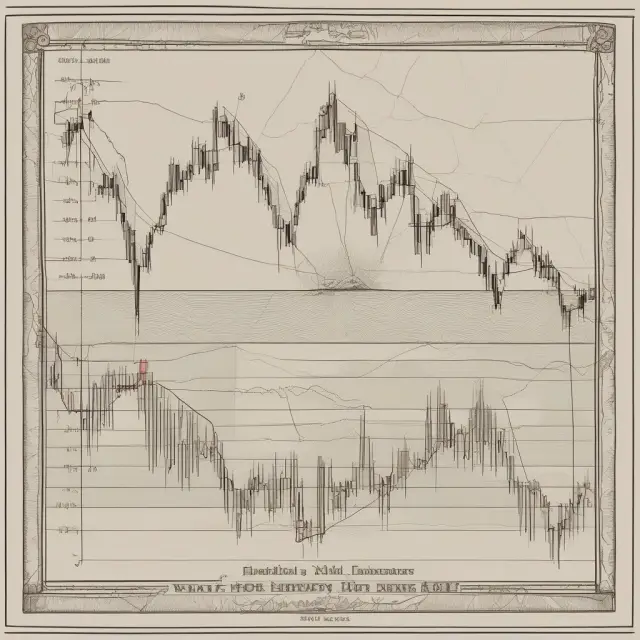
Explore the ins and outs of the Bearish Engulfing Pattern - a chart pattern indicating lower prices ahead for stocks, indices, and forex markets.
What is a Bearish Engulfing Pattern?
A bearish engulfing pattern is an essential technical chart formation that warns investors and traders about potential downward price movements. This pattern emerges when a large, bearish candlestick swallows or ‘engulfs’ the preceding bullish candlestick. The bearish engulfing pattern can indicate sellers have gained control of the market trend, as they forcefully push prices lower than buyers did during the previous period.
This section will discuss the significance, components, and interpretation of a bearish engulfing pattern within various markets, with particular emphasis on its importance and occurrence conditions.
Section Title: Occurrence and Significance of Bearish Engulfing Pattern
A bearish engulfing pattern is more noteworthy when it follows an uptrend or a pullback in the upward trend. The two candles, preferably of substantial size, symbolize a potential turning point where bears take control. While this pattern can emerge at any moment, its significance increases during bull markets and after price advances.
However, it’s essential to consider both candlesticks’ real body sizes for accurate interpretation since small bars may create an engulfing pattern, but their impact is relatively insignificant compared to larger ones. The real bodies represent the difference between a candle’s opening and closing prices. In the case of a bearish engulfing pattern, the down candle must engulf (have a larger real body) than the up candle.
Section Title: Components and Importance of Real Body Size
The two crucial components of a bearish engulfing pattern are the real bodies of both candles. The first bullish candle’s real body represents the buyers’ control, while the second bearish candle’s larger real body demonstrates sellers’ dominance over the market. Traders should closely examine the real body size difference between both candles to determine the reliability and significance of the pattern. A substantial real body for the bearish candle increases confidence in this pattern as a potential indication of a reversal trend.
Stay tuned for more information on what the bearish engulfing pattern tells us, its interpretations across various markets, differences with bullish engulfing patterns, and strategies for trading using this pattern.

Occurrence and Significance of Bearish Engulfing Pattern
A bearish engulfing pattern is an essential technical chart formation signaling potential downward price movements in financial markets, particularly in stocks, forex, indices, and commodities. The term “bearish” denotes the prospect of declining prices, making this pattern valuable for those seeking to profit from falling securities or short sell positions.
A bearish engulfing pattern emerges when an up candle (green or white) is followed by a larger down candle (black or red), effectively “engulfing” the preceding bullish one. This sequence suggests that selling pressure has intensified significantly, leading to a shift in market momentum. Ideally, this situation occurs at the end of an uptrend or even a short-term pullback, making it a potentially profitable opportunity for traders.
The significance of the bearish engulfing pattern is influenced by several factors, including:
1. Market conditions and overall trend: The bearish engulfing pattern gains more importance when it appears at the end of an uptrend or during a pullback to the upside, indicating that the prevailing trend could be reversing. If the broader market context is bearish (trending downward), this pattern can serve as a strong confirmation signal for entering short positions.
2. Size and strength of both candles: The reliability of the bearish engulfing pattern increases when both candles are large compared to the surrounding bars, as this indicates substantial buying and selling pressure in the market. A larger down candle demonstrates more aggressive selling, while a larger up candle illustrates stronger buying activity before the reversal.
3. Volatility: The bearish engulfing pattern may have less significance in choppy markets or during periods of high volatility, as the price action can be unpredictable and potentially result in numerous false signals. In such cases, other technical indicators or confirmation signals might be necessary to validate a potential entry or exit from a trade.
Understanding these factors is essential for traders aiming to capitalize on the bearish engulfing pattern effectively while minimizing risks. By carefully considering the overall market conditions and analyzing each candle’s size, strength, and implications, investors can make informed decisions about entering short positions or adjusting existing trades.
Upcoming sections will cover components of a bearish engulfing pattern, interpretation in various markets, differences from bullish engulfing patterns, limitations, and strategies to optimize this technical analysis tool. Stay tuned for more insights into maximizing your investment potential with this powerful chart pattern.
Components and Importance of Real Body Size
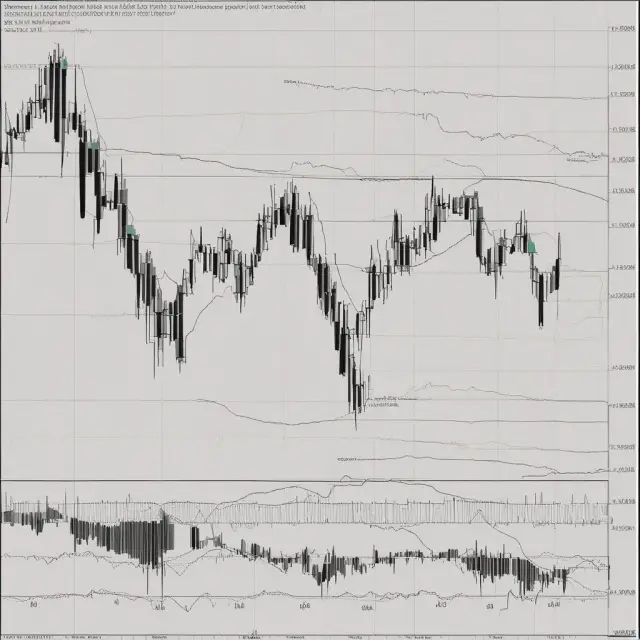
The bearish engulfing pattern is an essential technical chart indicator used by traders to predict potential price downtrends. Consisting of two consecutive candlesticks, it’s characterized by a smaller bullish candle being ‘engulfed’ or overshadowed by a larger bearish candle in the subsequent period. To understand the significance of this pattern and its reliability, we must examine the importance of real body size.
The term ‘real body’ refers to the difference between the open and close price within a single candlestick. For instance, if a bullish candle opens at $52 and closes at $53, the real body is $1. In the case of a bearish engulfing pattern, it’s essential that the real body of the bearish candle (the larger second candle) engulfs or surpasses the entirety of the real body within the preceding bullish candle. The greater the difference between the real bodies of both candles, the more weight the signal carries in predicting a potential downtrend.
This disparity is crucial because it indicates the momentum has shifted from buyers to sellers. If buyers were unable to keep the price above their previous buying point for a sustained period, it may suggest that there’s underlying bearish sentiment within the market, making it an attractive target for short positions. Additionally, the larger real body of the bearish candle signifies that sellers have aggressively pushed down the price.
Real body size is even more significant when considering the context of various market conditions. In a strong uptrend, a bearish engulfing pattern could signal a temporary pullback or a potential trend reversal. However, in a downtrend, it might simply represent a continuation of the existing trend. The importance of real body size lies not only in its ability to confirm a price shift but also to set realistic entry and exit points for traders.
To maximize potential rewards while minimizing risks when employing a bearish engulfing pattern, experienced traders consider several factors such as stop loss placement, overall market trends, and utilizing other concurrent indicators or tools to support their analysis. In the next section, we will explore some practical strategies for trading with the bearish engulfing pattern.

What Does the Bearish Engulfing Pattern Tell You?
A bearish engulfing pattern is an essential technical chart indication that signifies lower prices are on their way. The pattern emerges when an up candle, signifying an upward price movement, is completely overshadowed by a larger down candle during the subsequent trading session. This pattern indicates a shift in momentum toward selling or bears taking control of the market.
This section will delve deeper into what a bearish engulfing pattern tells us and how it can be used for potential trading opportunities. Bearish engulfing patterns can occur anywhere, but they hold more significance following a price advance. These price advances could be part of an uptrend or a pullback to the upside within an underlying downtrend.
The ideal conditions for a bearish engulfing pattern include substantial candles relative to the surrounding bars. The larger the real body (difference between the open and close price) of both candles, the more reliable the pattern becomes. This is because a significant down candle indicates stronger selling pressure than a small up candle showing limited buying power.
The significance of a bearish engulfing pattern is that it represents a potential reversal or shift in momentum toward lower prices. It is essential to wait for the second candle to close before acting on this pattern, as confirmed bearish sentiment increases the likelihood of a sustained downtrend. Traders may sell long positions once a bearish engulfing pattern occurs or enter new short positions with a stop loss above the high of the two-bar pattern.
Understanding that the overall picture is important when utilizing bearish engulfing patterns is crucial for success in trading. The reliability and significance of this pattern depend on the prevailing market conditions and trends. For instance, taking a short trade may not be wise if the uptrend is very strong. Even the formation of a bearish engulfing pattern may not halt the advance for long.
An example of how to use a bearish engulfing pattern can be found in the forex market. In this case, the first bearish engulfing pattern occurs during a pullback to the upside within a larger downtrend. The price proceeds lower following the pattern, providing an opportunity for traders to enter short positions with a stop loss above the high of the two-bar pattern.
Bearish engulfing patterns are most effective when they follow a clean upward price move, as they clearly indicate a shift in momentum toward selling or bears taking control of the market. However, this pattern may have less significance if the price action is choppy or ranging. In such conditions, many engulfing patterns will occur but may not result in major price moves since the overall trend remains unclear.
It’s also crucial to note that a bearish engulfing pattern has limitations. For example, it relies on the significant size of the second candle, which can lead to larger stop losses for traders looking to capitalize on this pattern. Additionally, determining the potential reward from such trades may be challenging, as candlesticks do not provide a price target or clear guidance on when to exit profitable positions. To address these limitations, traders often use other methods like indicators or trend analysis to help select a price target and manage risk more effectively.
FAQs About Bearish Engulfing Pattern
What is the difference between a bearish engulfing pattern and a bullish engulfing pattern?
A bullish engulfing pattern occurs after a price move lower and indicates higher prices to come, while a bearish engulfing pattern signals lower prices are on their way following an upward price movement.
How reliable is a bearish engulfing pattern?
The reliability of a bearish engulfing pattern depends on the overall market conditions and trends. It is more significant following a clean upward price move, as it clearly indicates a shift in momentum toward selling or bears taking control of the market. However, its significance may be diminished if the price action is choppy or ranging.
What indicators should traders use with bearish engulfing patterns?
Traders often use other technical indicators like moving averages, Bollinger bands, and support and resistance levels in conjunction with bearish engulfing patterns to help determine potential entry and exit points, as well as manage risk effectively.

Interpretation of Bearish Engulfing Pattern in Various Markets
The bearish engulfing pattern can be encountered across various financial markets, including forex, stocks, and indices. In all these markets, the bearish engulfing pattern acts as a reversal signal, indicating the start or continuance of a downtrend. Despite its potential importance, understanding the interpretation of this pattern may differ slightly from one market to another due to factors like price movement, chart analysis techniques, or trading styles.
For instance, in forex markets, the bearish engulfing pattern is a significant reversal signal after an uptrend or an upward correction within a downtrend (1). It signifies that sellers have taken control of the market momentum and are pushing prices lower (2). In the example above, the first candle represents a bullish candle with a small real body. The second bearish candle then engulfs the bullish one entirely, creating the engulfing pattern. As shown in the image below, this pattern is often followed by a continuation of the downtrend as buyers retreat and sellers gain strength (3).
In stock markets, the bearish engulfing pattern is similar to its counterpart in forex, although the chart setup might differ due to intraday or daily trading styles. The same principles apply; however, stock charts may display a different time frame, leading to variations in candle sizes and potential significance for traders (4). For example, an intraday trader might focus on smaller time frames to identify bearish engulfing patterns, while a swing or position trader may wait for this pattern in daily or weekly charts.
In indices like the S&P 500, NASDAQ, or Dow Jones Industrial Average, a bearish engulfing pattern can be interpreted as a reversal signal in an uptrend or during a pullback (5). A significant downward price movement after a bullish candle’s close may indicate that the market has reached a peak. As with other markets, the size and significance of each candle will depend on their respective time frames and overall market conditions.
Bear in mind that while bearish engulfing patterns can be valuable tools for identifying potential reversals in various markets, they are not foolproof indicators. Their reliability may also depend on several factors such as other technical analysis tools, overall trend direction, and trading styles. It’s always essential to analyze the market thoroughly before making any trading decisions based on a bearish engulfing pattern.
FAQs About Bearish Engulfing Pattern:
What is the significance of the size of the up and down candles in a bearish engulfing pattern?
A: The size of the candles matters because a larger down candle can indicate more significant selling pressure, potentially resulting in lower prices, while a small real body on the first bullish candle may suggest weak buying power.
How common are bearish engulfing patterns in choppy markets?
A: Choppy markets can result in an increased number of bearish engulfing patterns; however, these patterns may not be reliable as price movements can be random and unpredictable due to the overall market conditions.
What is a bullish engulfing pattern, and how does it differ from a bearish engulfing pattern?
A: A bullish engulfing pattern occurs when a small bearish candle is followed by a larger bullish candle that fully engulfs the smaller bearish candle. This pattern represents a potential price reversal to the upside instead of downward pressure, as in the bearish engulfing pattern.

Bullish Engulfing vs. Bearish Engulfing: Identifying Opposite Patterns
In the realm of technical chart patterns, both bullish and bearish engulfing patterns play essential roles in predicting future price movements. These two patterns are counterparts, with distinct differences that distinguish one from the other. Understanding these opposites allows traders to make more informed decisions regarding their investment strategies.
A bullish engulfing pattern occurs after a downtrend or pullback to the downside. This pattern signifies the potential reversal of the downtrend and indicates higher prices to come. The first candle in the two-candle setup is a red, bearish candle (typically smaller). The second candle is a larger green, bullish candle that fully engulfs the previous red candle, implying increased buying pressure and strength.
On the contrary, a bearish engulfing pattern unfolds at the conclusion of an uptrend or pullback to the upside. This pattern indicates that sellers are regaining control and pushing prices lower, signaling lower prices ahead. The first candle in this setup is a green, bullish candle (again, typically smaller), followed by a larger red, bearish candle. The red candle’s real body fully engulfs the smaller green candle, demonstrating sellers’ dominance over buyers and their readiness to drive the price downward.
Both bullish and bearish engulfing patterns need ideal conditions to have significance:
- Both patterns require a clear upward or downward trend before forming.
- The size of both candles should be substantial compared to other bars in the time frame under consideration.
- The real body of the larger candle should engulf the smaller one, and its open price must be above (bullish) or below (bearish) the close price of the preceding candle.
One significant difference between the two patterns is their occurrence in various market conditions: bearish engulfing patterns are more likely to appear after an extended uptrend, while bullish engulfing patterns typically emerge during a downtrend or following a pullback to the downside. This distinction can help traders determine which pattern may be more reliable at any given moment.
It is crucial for investors and traders to understand these opposing patterns thoroughly. By doing so, they will be better equipped to recognize the potential shifts in price direction and position themselves accordingly in the market.
Limitations of Using a Bearish Engulfing Pattern
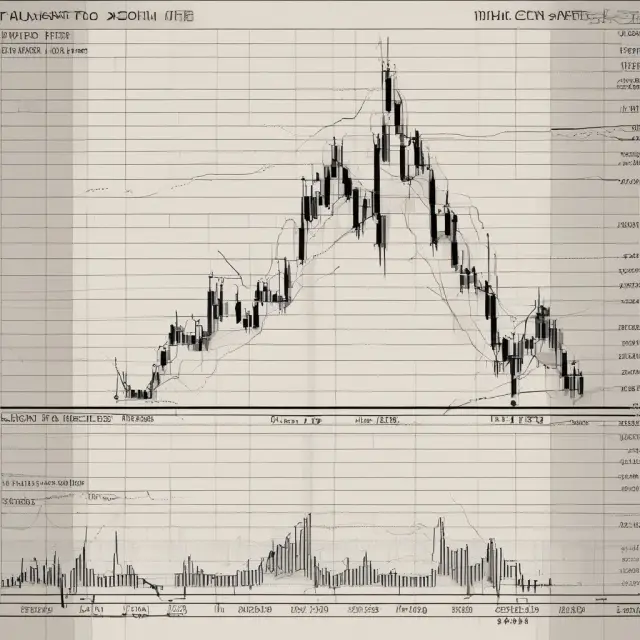
Although the bearish engulfing pattern can be valuable in predicting lower prices, it’s essential to recognize its limitations as a sole indicator for trading decisions. This section discusses potential disadvantages and circumstances where relying solely on this pattern could lead to unfavorable outcomes.
One significant drawback of using a bearish engulfing pattern is the occurrence in choppy markets. Choppy markets, characterized by frequent price fluctuations without a clear directional trend, often result in numerous false signals. Engulfing patterns may appear frequently but lack any genuine significance in such conditions due to their unreliability.
Another limitation comes from the size and potential risk of the second candle. A bearish engulfing pattern requires a large down candle that fully engulfs the preceding up candle. This implies a significant price drop, which could lead traders into taking on considerable risk if they decide to short sell at market entry.
Determining the potential reward from the trade can be difficult due to the lack of a clear price target provided by the pattern itself. Traders must rely on additional methods such as trend analysis or other indicators to identify an appropriate exit point and potential profit-taking opportunity.
It’s crucial for traders to consider the overall market context when evaluating a bearish engulfing pattern. In situations where the uptrend is strong, entering a short position may not be ideal despite the presence of the pattern, as the price may continue to rise. Instead, it’s essential to assess whether the bearish engulfing pattern aligns with the longer-term market trend and price action before making any decisions.
In conclusion, although the bearish engulfing pattern can serve as an important signal for lower prices in specific conditions, traders should be aware of its limitations when relying on it solely for trading decisions. Proper analysis of market contexts, potential risks, and rewards will significantly enhance the effectiveness of this technical chart pattern.

Strategies for Trading with the Bearish Engulfing Pattern
A bearish engulfing pattern indicates that lower prices are on the horizon and offers traders potential opportunities to enter short positions. However, it is crucial to employ effective trading strategies that maximize returns while minimizing risk. Here’s a look at some recommended methods for utilizing this reversal pattern successfully.
Stop Loss Placement
The placement of a stop loss can be an essential factor when trading with the bearish engulfing pattern. Typically, traders place their stops above the high of the two-candle pattern to limit potential losses. This ensures that if the price moves contrary to the expected direction, the loss will be kept within acceptable levels.
Consider Overall Market Trends
It is essential to consider the overall market trend when deciding whether or not to trade with a bearish engulfing pattern. If the trend is strongly upwards and the pattern forms after a significant price advance, it might not be worth entering a short position since the uptrend may continue for an extended period. However, if the market has been in a downtrend, the occurrence of a bearish engulfing pattern may provide an excellent opportunity to open a new short position or exit a long one.
Patience and Timing
A successful trading strategy involves waiting for the second candle (the down candle) to close before acting on the bearish engulfing pattern. This allows traders to confirm that the reversal is indeed underway, reducing the risk of entering prematurely. Timing is critical; a patient approach enables traders to take advantage of the most favorable conditions and potentially maximize profits.
Pairing with Other Indicators or Tools
The bearish engulfing pattern should not be used alone as it may lack the precision required for accurate trading decisions. Traders can use various indicators or tools, such as moving averages, Bollinger Bands, or Relative Strength Index (RSI), to validate the reversal and increase the confidence in the trade.
In summary, a bearish engulfing pattern is an essential technical chart pattern that signals potential lower prices ahead. Effective trading strategies include placing stop losses, considering market trends, exercising patience, and pairing with other indicators or tools to minimize risk and maximize rewards.

Example of How to Use a Bearish Engulfing Pattern in Forex Trading
The bearish engulfing pattern is a well-known technical chart pattern that can offer valuable insight into potential price movements, particularly in the forex market. By understanding how to recognize and use this pattern effectively, traders can potentially profit from downward trends or adjust their positions accordingly. Let’s delve deeper into an example of how to apply the bearish engulfing pattern strategy in the context of the forex market.
First, it is essential to grasp the basics of the bearish engulfing pattern itself. This reversal pattern occurs when a large down candle follows a smaller up candle, completely engulfs or “absorbs” the up candle (Figure 1). The larger down candle’s presence indicates that sellers have gained significant control over the market momentum and are likely to push prices lower.
Figure 1: Bearish Engulfing Pattern in Forex
Now, let’s examine how this pattern unfolds in a hypothetical forex trading scenario. Consider that we notice an upward price trend developing in the EUR/USD pair, and we identify a bearish engulfing pattern as a potential reversal signal (Figure 2). We would then take note of the following factors:
- The up candle preceding the bearish engulfing pattern represents buying pressure, while the down candle indicates selling pressure.
- In an ideal scenario, both candles should be significant in size relative to other price bars around them. This enhances the reliability and significance of the pattern.
- The real body of the down candle must surpass that of the up candle for it to qualify as a bearish engulfing pattern.
Figure 2: EUR/USD Bearish Engulfing Pattern Example
Once we have identified a potential bearish engulfing pattern, several actions can be considered:
- Sell a long position in the forex pair if one exists.
- Enter into a short position once the bearish engulfing pattern has formed.
- Place a stop loss above the high of the two-bar pattern to minimize potential losses.
However, it is vital to remember that no chart pattern or indicator alone can guarantee profitable trades. Traders must also consider the overall market picture and underlying fundamental factors before making any trading decisions. By combining technical analysis with sound risk management principles and a solid understanding of the market context, traders may be able to effectively capitalize on opportunities presented by the bearish engulfing pattern in the forex market.

FAQs About Bearish Engulfing Pattern
A bearish engulfing pattern is a technical chart indication that signals lower prices ahead based on the occurrence of specific candlestick formations. This pattern, which can be seen in various markets such as forex, stocks, and indices, consists of an up candle followed by a larger down candle that engulfs or “engulfs” the smaller candle. Below are some frequently asked questions about bearish engulfing patterns.
What is the difference between a bearish engulfing pattern and other reversal patterns?
The main difference lies in the specific candlestick formations: A bearish engulfing pattern consists of an up candle followed by a larger down candle that completely absorbs or engulfs the smaller candle. Other reversal patterns, like the hammer or hanging man, may indicate potential price reversals based on their shapes without requiring the absorption of a prior candle.
What tools or indicators should traders use when looking for bearish engulfing patterns?
Although bearish engulfing patterns can stand alone as trading signals, they are most effective when used in conjunction with other technical analysis tools and indicators. Some common indicators include moving averages, relative strength index (RSI), stochastic oscillator, and Bollinger bands. Traders may also use trend lines or fibonacci retracement levels to help identify potential entry and exit points.
How can traders utilize bearish engulfing patterns in trading?
To make the most of a bearish engulfing pattern, traders typically wait for both candles to form before taking action. Once the larger down candle has closed, they may sell an existing long position or enter a short position. When entering a new short position, setting a stop loss above the high of the two-candle pattern can help protect profits and limit potential losses.
What is the ideal market condition for bearish engulfing patterns?
Bearish engulfing patterns are most effective when they occur following a clean upward price move or after a pullback in an overall downtrend. A clear shift in momentum is indicated when the down candle engulfs the up candle, potentially providing a good shorting opportunity.
In what markets can bearish engulfing patterns be found?
Bearish engulfing patterns can occur in various markets, including forex, stocks, indices, and commodities. They are commonly used by traders to identify potential price reversals or trend changes.
Is the real body size of the candles significant in a bearish engulfing pattern?
Yes, the size of both the up and down candlesticks’ real bodies plays an essential role in determining the significance of a bearish engulfing pattern. A larger down candle with a substantial real body indicates a stronger shift in momentum towards lower prices. Conversely, a weak bearish engulfing pattern may occur when both candles are small.
What are some limitations to using bearish engulfing patterns?
While bearish engulfing patterns can be powerful indicators of potential price reversals, they also have some limitations. For example, they may not be as reliable in choppy markets, where price swings occur frequently. Additionally, a large stop loss may need to be set when entering short positions based on the pattern due to the down candle’s potentially significant size.
Can bearish engulfing patterns be used as standalone signals?
Yes, bearish engulfing patterns can serve as standalone signals for traders looking to enter short positions or exit long ones. However, they are most effective when used in conjunction with other indicators and technical analysis tools to increase the overall accuracy of trading decisions.
 Next entry · No. 387Understanding Bear Markets: Causes, Phases, and Strategies for Investors
See also
-
 No. 536
29 Apr 2024
24 min
Understanding Bull Markets: Definition, Characteristics, Strategies, and FAQs
Markets
No. 536
29 Apr 2024
24 min
Understanding Bull Markets: Definition, Characteristics, Strategies, and FAQs
Markets -
 No. 4,434
18 Jun 2025
18 min
Retracements vs. Reversals: Understanding Short-Term Price Movements in the Stock Market
Markets
No. 4,434
18 Jun 2025
18 min
Retracements vs. Reversals: Understanding Short-Term Price Movements in the Stock Market
Markets -
 No. 4,151
26 May 2025
19 min
Understanding Pullbacks: Identifying and Trading Temporary Market Reversals
Markets
No. 4,151
26 May 2025
19 min
Understanding Pullbacks: Identifying and Trading Temporary Market Reversals
Markets -
 No. 3,834
30 Apr 2025
19 min
Understanding Outside Reversals: A Detailed Analysis of Bullish and Bearish Engulfing Patterns
Markets
No. 3,834
30 Apr 2025
19 min
Understanding Outside Reversals: A Detailed Analysis of Bullish and Bearish Engulfing Patterns
Markets -
 No. 228
07 Apr 2024
19 min
Understanding the Ask: The Offer Price and Its Role in Financial Markets
Markets
No. 228
07 Apr 2024
19 min
Understanding the Ask: The Offer Price and Its Role in Financial Markets
Markets -
 No. 221
07 Apr 2024
20 min
Understanding Ascending Triangles: A Technical Analysis Chart Pattern for Institutional Investors
Markets
No. 221
07 Apr 2024
20 min
Understanding Ascending Triangles: A Technical Analysis Chart Pattern for Institutional Investors
Markets