Understanding Automated Teller Machines (ATMs): A Comprehensive Guide for Institutional Investors
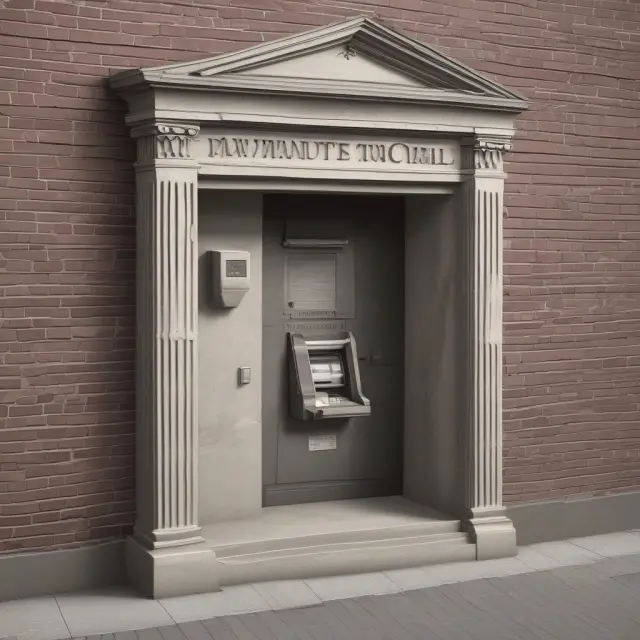
Learn about Automated Teller Machines (ATMs), their functions and types, best practices for using them, and technological advancements shaping the future of…
Introduction and Overview of ATMs
Automated Teller Machines (ATMs) have revolutionized the way we access our finances. First introduced in the late 1960s, these machines allow users to perform various transactions without assistance from a bank representative or teller. By understanding the history, features, benefits, and usage statistics of ATMs, institutional investors can optimize their use and reap maximum returns.
The Birth of Automated Teller Machines
Automated Teller Machines (ATMs) emerged in the late 1960s, with the first one debuting at a Barclays Bank branch in London in 1967. However, there are reports of cash dispensers in use as early as the mid-1960s. Initially only offering basic functions like cash withdrawals and balance inquiries, modern ATMs have evolved into sophisticated devices capable of administering a multitude of services, such as check deposits, transfers between accounts, and even Bitcoin transactions.
Key Features and Benefits
Around the globe, more than 2 million ATMs cater to consumers’ needs, providing convenience and accessibility. Institutional investors can benefit from these machines by performing essential banking functions anytime, anywhere. Fees are typically charged for cash withdrawals but can often be avoided through the use of an account-holding bank’s ATM.
Types and Functions: Basic vs. Complex Machines
The two primary types of ATMs include basic units, which only dispense cash and provide updated balances, and complex machines that facilitate advanced transactions like deposits, bill payments, and loan payments. These advanced features are typically available only when using an account holder’s bank’s machine. Bitcoin ATMs have also emerged as a popular alternative for cryptocurrency transactions.
Design Components: Card Reader, Keypad, Cash Dispenser, Receipt Printer, Screen
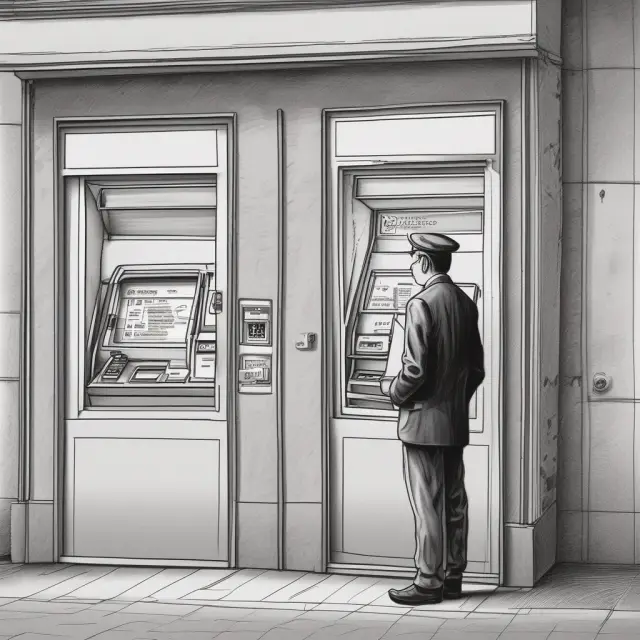
Each ATM may vary in appearance but generally consists of five essential components: the card reader, keypad, cash dispenser, receipt printer, and screen. These elements work together to provide a seamless transaction experience for users.
Step-by-Step Guide: Using an Automated Teller Machine (ATM)
To use an ATM, simply insert your card, enter your PIN, choose the desired transaction type, and receive cash or print a receipt as needed. The process is quick, efficient, and easy to follow.
Stay Tuned for More Insights: Coming Up Next – Types and Functions of ATMs: Basic Units vs. Complex Machines.
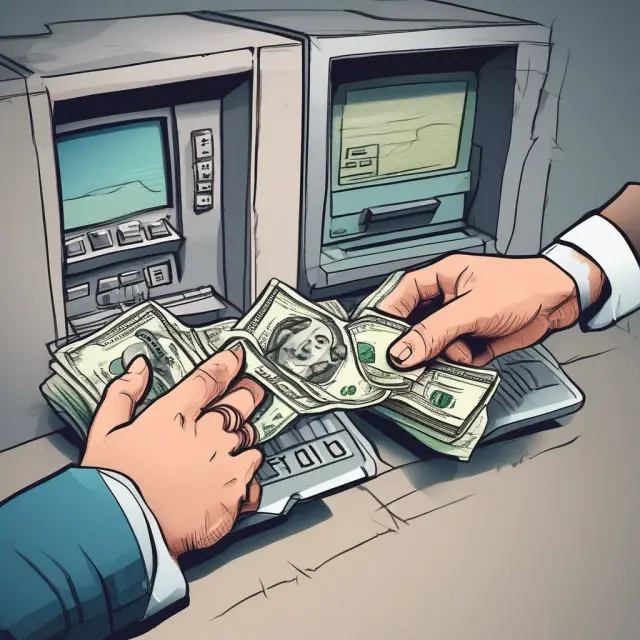
Types and Functions of ATMs
Automated Teller Machines (ATMs) can be classified into two main categories based on their functionalities: basic units and complex machines.
[1] Basic Units: Cash Withdrawals and Balance Inquiries
Basic ATMs provide the most fundamental services for users, enabling them to withdraw cash and check their account balances. These units are mostly found in banks and financial institutions and are limited to only dispensing cash, providing information on available funds, or printing mini-statements. Since their functionality is quite straightforward, they require minimal infrastructure and do not involve additional features like bill payments or deposits.
[2] Complex Machines: Deposits, Transfers, Loan Payments, and Bill Payments
In contrast to basic units, complex ATMs offer a more comprehensive range of services for users. These advanced machines accept deposits, facilitate line of credit payments and transfers between accounts, and provide access to account information. Complex ATMs require a user to have an account with the bank that operates the machine in order to utilize these advanced features.
In recent years, additional functionalities such as buying and selling Bitcoin and other cryptocurrencies have been incorporated into specialized machines known as Bitcoin ATMs. These terminals enable users to purchase crypto tokens with cash or exchange their Bitcoin holdings for cash or other currencies. As of now, there are more than 28,000 Bitcoin ATMs located around the world, providing customers with increased convenience and accessibility in the rapidly evolving digital currency landscape.
In conclusion, understanding the various types and functions of ATMs is essential for both individual users and institutional investors to effectively leverage their banking services. The ability to withdraw cash, check balances, make deposits, execute transfers, pay bills, and even buy or sell cryptocurrencies has made ATMs an indispensable part of the modern financial system.
With growing advancements in technology, these machines continue to evolve, providing enhanced security measures, contactless payment options, and AI-powered features that cater to the changing needs and expectations of consumers. Staying informed about these developments is crucial for making the most out of your interactions with ATMs and optimizing your investment strategies accordingly.
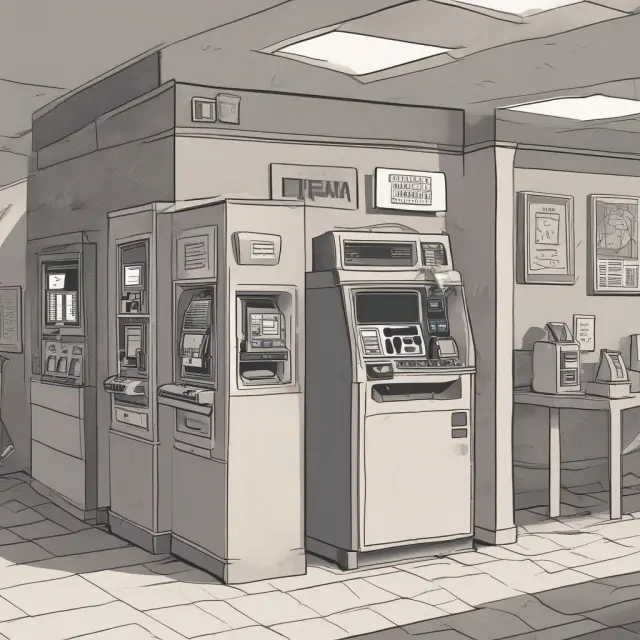
Design Components of ATMs
An Automated Teller Machine (ATM) is an essential component of the modern banking infrastructure that provides self-service access to cash and banking services for consumers worldwide. Though they may appear similar, various design components distinguish each ATM from another. These elements include a card reader, keypad, cash dispenser, receipt printer, and screen.
Card Reader: The fundamental function of an ATM is to recognize your bank card and validate the account associated with it. A card reader can either read the chip on the front or the magnetic stripe on the back of a debit or credit card. This technology ensures secure identification and transaction authorization for both parties involved—the customer and the financial institution.
Keypad: After successfully authenticating your bank card, the ATM requires you to enter your PIN (Personal Identification Number) to access your account information and complete transactions. The keypad is also used to input transaction details like the type of operation, such as cash withdrawal or deposit, and the desired amount.
Cash Dispenser: Once you’ve authorized the transaction, the cash dispenser dispenses cash in denominations requested through the ATM interface. This mechanism can be found at the bottom of most machines. It is linked to a secure vault that holds the cash reserve, ensuring the safekeeping and availability of funds for customers.
Receipt Printer: As an option, many ATMs offer users a receipt for their transaction records. The thermal-based receipt printer is responsible for generating these paper documents, which include details such as the date, time, account balance, and the type and amount of the transaction executed.
Screen: Modern ATMs feature an LCD (liquid crystal display) or LED (light emitting diode) screen to facilitate a user-friendly experience. The screen displays prompts and instructions for all transactions, providing a visual interface that guides customers through each step of the process. Information about account balances is also transmitted on the screen as required.
Full-service machines often include additional functionalities like check deposit slots, enabling customers to deposit cash and checks directly into the machine without visiting a branch office. However, the design elements mentioned above are the fundamental components common to all types of ATMs.
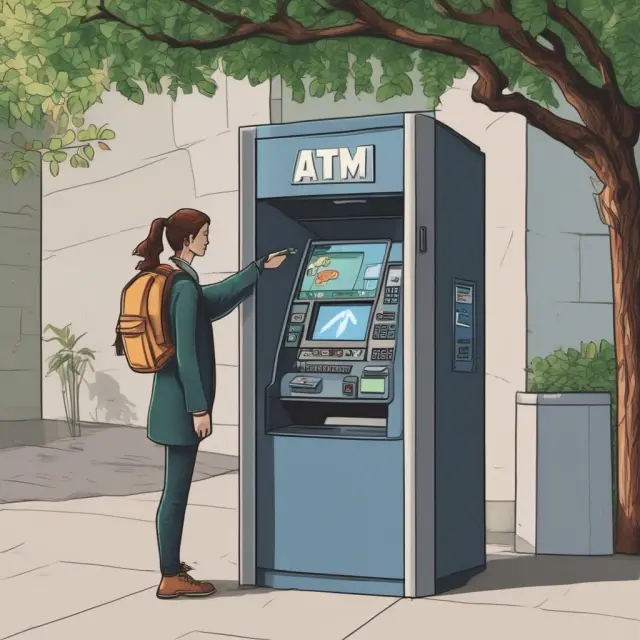
How to Use an ATM: Step-by-Step Guide
An Automated Teller Machine (ATM) offers investors a convenient way to access their funds without the assistance of a teller or branch representative. To ensure a seamless experience, it’s essential to understand the steps involved in using an ATM. This comprehensive step-by-step guide will walk you through the process and help institutional investors navigate various types of transactions.
Step 1: Locate an ATM
Before attempting to use an ATM, locate one that’s convenient for you. Many banks have their own ATMs placed inside or outside their branches, while other locations offer third-party machines. You can find these in high-traffic areas such as shopping centers, airports, bus and railway stations, casinos, restaurants, and more.
Step 2: Insert Your Card
Approach the machine, insert your debit card or credit card into the card reader slot with the side that has the magnetic stripe facing down. Ensure the card is fully inserted.
Step 3: Enter Your PIN
Once the card is accepted, you will be prompted to enter your Personal Identification Number (PIN) to authenticate your identity. Type in your PIN and press the ‘Enter’ or ‘Confirm’ button on the keypad.
Step 4: Select Transaction Type
Next, choose the transaction type you want to perform—cash withdrawal, deposit, transfer funds between accounts, or check account balance—using the numbered keys on the keypad.
Step 5: Enter Amount and Confirm
Following the selection of your transaction type, enter the amount on the keypad. Double-check the displayed total before confirming with the ‘Enter’ or ‘Confirm’ button to complete the process.
Step 6: Receive Cash or Receipt (as applicable)
For cash withdrawals, the dispenser will release the requested amount in bills and coins, which you can collect from the machine. If you have selected a transaction that generates a receipt, it will be printed out of the ATM. Remember to take your receipt as proof of transaction for record-keeping purposes.
Step 7: Take Your Card and Receipt (if applicable)
Once the transaction is completed, remove your card carefully from the card reader slot and collect your receipt if needed. Be sure to put it away safely for future reference.
In conclusion, using an ATM has become a standard practice in everyday banking, offering investors convenience and time-saving capabilities. By following these steps, you will ensure a smooth experience when interacting with various types of transactions on Automated Teller Machines.
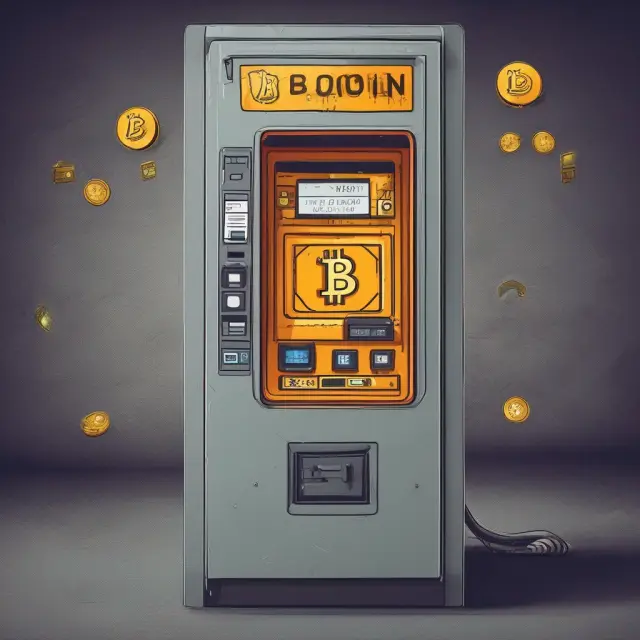
ATMs and Cryptocurrencies: Bitcoin ATMs
In recent years, the financial landscape has seen a significant shift as Automated Teller Machines (ATMs) evolved beyond traditional cash transactions. A new type of ATM, known as Bitcoin ATMs, allows users to buy or sell cryptocurrencies using cash or credit cards. This section aims to provide institutional investors with a comprehensive understanding of Bitcoin ATMs, their functionality, associated security concerns, fees, and benefits.
Bitcoin ATMs: An Overview
The first Bitcoin ATM was installed in Vancouver, Canada, in 2013, marking the beginning of an innovative era for cryptocurrency transactions. A Bitcoin ATM functions similarly to a traditional ATM but offers the additional capability of exchanging cash or digital currency between users. These machines are connected to the internet and accept various forms of payment, including cash and credit cards.
Bitcoin ATMs: Usage Statistics
As of 2023, more than 28,000 Bitcoin ATMs can be found globally, with a significant percentage located in North America. The number of Bitcoin ATMs continues to grow as demand for decentralized currencies increases.
Functionality and Operation
Bitcoin ATMs enable users to buy or sell cryptocurrencies by depositing cash or inserting a credit card into the machine. After inputting their wallet address, users can purchase various digital assets using the on-screen prompts. Conversely, Bitcoin ATMs allow users to sell cryptocurrencies for cash, following a similar process.
Security Concerns and Precautions
One of the primary concerns with Bitcoin ATMs is security. These machines are susceptible to hacking attacks, identity theft, or card skimming. To mitigate these risks, users should adhere to specific safety guidelines when using Bitcoin ATMs:
- Verify the authenticity of the machine before making any transactions by checking its location and online reviews.
- Confirm the Bitcoin address before initiating a transaction to ensure that it is associated with your wallet.
- Use strong, complex passwords for your digital wallets.
- Regularly update the firmware on your hardware wallet to protect against vulnerabilities.
- Keep personal information private while using the machine and be aware of your surroundings at all times.
Transaction Fees and Benefits
Bitcoin ATMs charge fees ranging from 7% to 15% for transactions, depending on factors such as location and exchange rates. This cost is higher compared to traditional exchanges but provides an added convenience for users who prefer cash transactions or seek rapid access to digital currencies. Bitcoin ATMs offer several advantages:
- Provide a convenient alternative for those without easy access to online banking or traditional exchanges.
- Offer near-instant transactions, enabling users to buy or sell cryptocurrencies quickly and securely.
- Allow users to maintain their privacy as no personal information is required for cash transactions.
- Provide an accessible alternative for those who may not have a bank account or credit card.
In conclusion, Bitcoin ATMs offer institutional investors an innovative solution for accessing and transacting in cryptocurrencies using cash or traditional payment methods. As the market for decentralized currencies continues to evolve, these machines will likely remain an essential component of the ecosystem, providing convenience, security, and liquidity for users worldwide.
Fees and Savings: Minimizing Costs with Your Bank’s ATM
When it comes to using an Automated Teller Machine (ATM), the convenience they offer is unmatched in today’s fast-paced world. Institutional investors, just like everyday consumers, benefit greatly from accessing cash or making transactions around the clock. However, one aspect of using an ATM that can be a disadvantage is the fees associated with their use, particularly when withdrawing cash from non-network ATMs. In this section, we will discuss ways to minimize costs by utilizing your bank’s ATM and understanding reimbursement policies.
First, let’s understand why banks charge fees for using an out-of-network ATM. When you use a foreign ATM, the two banks involved in the transaction must communicate with each other and transfer funds between them to complete your withdrawal or deposit. This process incurs costs for both parties and is typically passed on to the account holder through a fee.
To avoid these fees, one effective strategy is to use an ATM operated by your bank’s network. Most banks have agreements with various networks that allow their customers to access these ATMs at no additional cost. Some banks even offer reimbursement policies for using non-network ATMs up to a certain limit per month or year. Check with your financial institution to determine if this option is available and the associated conditions.
When planning your travel, it’s essential to research the availability of your bank’s ATMs at your destination. Many international airports, major cities, and tourist locations have ATMs provided by various banks within their networks. By strategically choosing to use these ATMs, you can minimize or even entirely avoid fees while traveling.
Additionally, it’s crucial to consider the exchange rates offered by these ATMs when making transactions abroad. While some ATMs may provide favorable exchange rates, others might charge a higher rate that could negatively impact your savings. It is always recommended to compare exchange rates among various banks and ATM providers before utilizing their services.
In conclusion, being aware of the fees associated with using an out-of-network ATM and taking advantage of your bank’s network are essential strategies for minimizing costs and maximizing savings when utilizing automated teller machines. By planning ahead and understanding your bank’s policies, you can effectively manage your expenses and enjoy the convenience that these machines have to offer.

ATMs Around the Globe: Availability and Exchange Rates
Using an ATM abroad can be quite an experience for travelers or institutional investors as they navigate different cultures, currencies, exchange rates, and potential fees. While the convenience of accessing cash in foreign countries is undeniable, understanding how to use a foreign ATM effectively can save substantial time and money.
Availability
ATMs are ubiquitous worldwide, and you’ll find them at various locations such as shopping centers, train stations, airports, grocery stores, and even on the streets of major cities. When traveling to less developed countries or remote areas, be aware that availability might not be as consistent. In these cases, consider carrying additional cash or looking for alternative means of accessing funds, like currency exchange offices or local banks.
Exchange Rates and Fees
The primary concern when using an ATM in a foreign country is the exchange rate and potential fees associated with the transaction. When withdrawing money from a foreign ATM, you have two options: converting cash at the current exchange rate or using your home bank’s conversion rate. If you choose to convert cash on-site, be aware that many ATMs do not display the exact exchange rate upfront. In such cases, consider asking the attendant for the current exchange rate before proceeding with the transaction.
Additionally, some banks charge a foreign transaction fee (typically 1%-3%) on top of the ATM fees and the currency conversion rate spread. This fee can add up when making multiple withdrawals during your trip. To minimize these costs, check with your bank for any partnerships or special arrangements they may have with foreign financial institutions, which could result in waived or reduced fees.
Cultural Considerations
It’s essential to remember that different countries have unique cultural norms and customs when it comes to using ATMs. For instance, some ATMs may require you to fill out additional paperwork, or you might be expected to carry your passport when making a withdrawal. In addition, you should always be aware of any potential security concerns, such as pickpocketing or credit card skimming. To minimize the risk, choose well-lit and busy ATM locations, preferably those located inside banks or shopping malls.
In conclusion, understanding how to use an ATM in a foreign country can significantly enhance your travel experience by providing you with easy access to cash and reducing the need for excessive planning. By following these guidelines, you’ll be better prepared to navigate potential fees, exchange rates, and cultural differences when using a foreign ATM.
Safety Concerns and Best Practices for Using ATMs
Automated Teller Machines (ATMs) are widely used across the world due to their convenience and ease of accessing cash or performing various banking transactions outside traditional banking hours. However, they also present potential risks that users must be aware of. In this section, we will discuss essential safety concerns and best practices for using ATMs effectively and securely.
Identity Theft
One major concern with using ATMs is the risk of identity theft. Criminals can install devices such as skimmers or card readers to capture your card information as you input it into the machine. To minimize this risk, always be aware of your surroundings when using an ATM. If the ATM appears suspicious or damaged, choose a different location. Additionally, cover the keypad with your hand when entering your PIN and periodically review account statements for any unauthorized transactions.
Skimming:
Another threat to security at ATMs is skimming, which involves the use of sophisticated devices designed to capture data from the magnetic strip on your card. To prevent this type of theft, consider using ATMs that are located indoors or within well-lit and high traffic areas. Also, avoid using ATMs that require you to enter your PIN more than once, as this could potentially be a sign of skimming attempts.
Card Cloning
Card cloning involves creating a duplicate card with the stolen card data to make unauthorized transactions. To protect against this risk, try to use ATMs that are owned by your bank or affiliated institutions. Additionally, monitor account activity closely and report any suspicious transactions promptly.
Choosing Safe Locations
Selecting an appropriate location for using an ATM is essential in ensuring safety while carrying out transactions. Opt for well-lit, high traffic areas, and avoid using the machine at night or in remote locations. Additionally, be aware of your surroundings and keep a lookout for any suspicious individuals or activities nearby.
Being Aware of Your Surroundings
Stay alert while using an ATM to minimize the risk of theft or assault. Keep your belongings close, avoid distracting activities such as using your mobile phone, and be aware of your surroundings at all times. It is also recommended to bring a companion with you when possible, especially if you are withdrawing significant amounts of cash.
In conclusion, using ATMs is an essential aspect of modern banking. By following the best practices outlined in this section, such as being aware of identity theft risks and skimming techniques, selecting safe locations for ATM use, and staying alert to your surroundings, you can help ensure a secure and successful experience when utilizing these convenient machines for your financial needs.
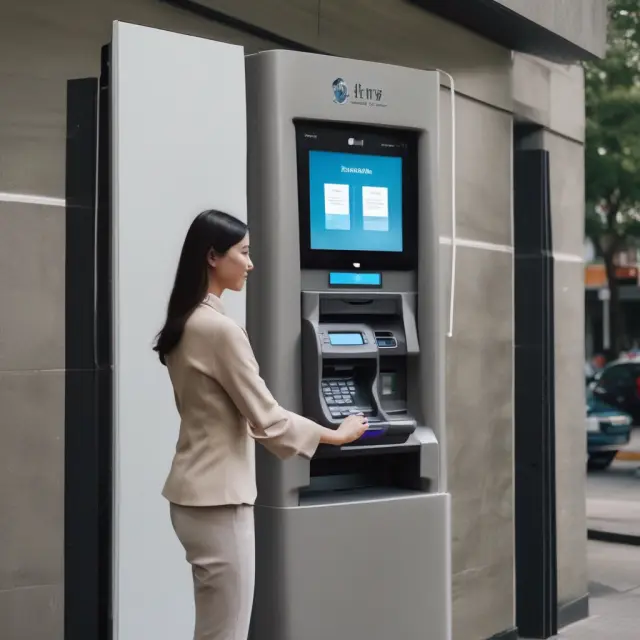
Technology Advancements: Mobile Banking, Contactless Payments, and AI-powered ATMs
As the financial sector continues to evolve, technology plays a crucial role in shaping banking practices. Automated Teller Machines (ATMs) have kept up with the trend by incorporating mobile banking, contactless payments, and AI-powered features. These advancements offer significant benefits for institutional investors.
Mobile Banking: Mobile banking has revolutionized how consumers access their finances on the go. ATMs now support mobile banking services like account management, fund transfers, bill payments, and even check deposits using a smartphone app. This allows users to perform multiple transactions without physically visiting an ATM. By integrating these features into ATMs, customers can manage their accounts more efficiently while reducing unnecessary trips to the branch.
Contactless Payments: Contactless payment technology, like Near Field Communication (NFC), has been gaining popularity as a quick and secure alternative to traditional credit or debit card transactions. Many new-generation ATMs now offer contactless functionality for cash withdrawals, allowing users to tap their smartphones to initiate transactions. This not only simplifies the process but also enhances security by reducing the need for physical cards at an ATM.
AI-powered ATMs: AI technology is making its way into banking systems, with ATMs being no exception. Advanced algorithms enable AI-powered ATMs to recognize customers based on their facial features or other biometric data, allowing them to offer personalized services tailored to each user’s account history and preferences. Furthermore, AI can analyze transaction patterns to detect fraudulent activities and alert users in real-time, providing an extra layer of security for institutional investors.
To ensure the security of these advanced features, banks must implement robust encryption protocols and multi-factor authentication methods to protect users’ sensitive data from potential cyber threats. By combining cutting-edge technology with traditional ATM services, financial institutions can provide a seamless experience while catering to the needs of tech-savvy investors.
In conclusion, automated teller machines (ATMs) have come a long way since their inception in the 1960s. Today’s ATMs are not only convenient cash dispensers but also offer advanced features like mobile banking, contactless payments, and AI-powered functionalities that cater to the modern financial landscape. By adapting to these technology advancements, ATMs remain an essential tool for institutional investors, enabling them to manage their finances more efficiently and securely.
Regulations and Compliance: Knowing Your Rights and Obligations as an Institutional Investor
When it comes to using automated teller machines (ATMs) for institutional investing, it’s crucial to be aware of the various consumer protection laws, data privacy regulations, and compliance requirements. Understanding these aspects not only safeguards your investments but also protects your privacy.
Consumer Protection Laws and Your Rights
In the U.S., federal and state laws ensure that ATMs uphold specific standards to protect consumers from fraudulent or malfunctioning machines. The Electronic Fund Transfer Act (EFTA) is a federal law that sets forth minimum standards for electronic transactions, including ATM usage. Under EFTA, your institution cannot impose excessive fees or unauthorized charges without your consent. Additionally, the Truth in Savings Act mandates clear and conspicuous disclosures of account terms, including any applicable fees and fees related to the use of an ATM.
Data Privacy Regulations
To protect the privacy of your sensitive financial information, the Gramm-Leach-Bliley Act (GLBA) requires financial institutions to implement specific security measures when sharing nonpublic personal information (NPI). This regulation applies not just to traditional banking transactions but also to ATM transactions. Your financial institution must provide you with a clear and conspicuous privacy notice that outlines the types of NPI they collect, how it’s shared, and with whom.
Compliance Requirements for Institutional Investors
Institutional investors have additional responsibilities when using ATMs due to their large-scale transactions. The Bank Secrecy Act (BSA) is a federal law that aims to prevent financial crimes such as money laundering and terrorist financing. It requires financial institutions to implement specific measures, like customer identification procedures (CIP), to ensure the identities of their customers. This requirement applies to ATM transactions, and institutional investors must be prepared to provide identification documents as needed.
Additionally, regulatory bodies may impose reporting requirements for large cash withdrawals from an ATM. Institutional investors must remain informed about these regulations and stay in compliance to avoid potential legal consequences or reputational damage.
Conclusion
Understanding the regulations and compliance requirements related to using automated teller machines as an institutional investor is essential to safeguard your investments while ensuring data privacy. Familiarize yourself with consumer protection laws, data privacy regulations, and specific compliance obligations to protect your firm’s reputation and investments. By staying informed and following best practices, you’ll be well-equipped to navigate the complex financial landscape.

FAQs: Commonly Asked Questions About ATMs
Institutional investors often encounter several queries regarding the use and functionality of Automated Teller Machines (ATMs). In this section, we aim to provide answers to some common questions about these banking marvels.
What is an Automated Teller Machine (ATM)?
Answering the question simply, ATMs are electronic banking outlets that enable customers to perform transactions without the assistance of a teller or branch representative. They can be used for cash withdrawals, balance inquiries, and more advanced functions like bill payments and check deposits. First introduced in the 1960s, there are now over 2 million ATMs worldwide.
How do I use an ATM?
Using an ATM is a straightforward process. Insert your card, enter your Personal Identification Number (PIN), choose the transaction type and amount, and follow the prompts to complete it. Some machines may require you to select the language you prefer before proceeding with the transaction.
What types of fees are associated with using an ATM?
ATMs owned by banks or financial institutions where your account is held usually do not charge a fee for withdrawals. However, external ATMs may charge a fee per transaction. The average fee for out-of-network transactions in 2022 was $4.55. Your bank might reimburse these fees under certain circumstances, such as if there’s no corresponding ATM nearby.
How do I minimize ATM fees?
To save on fees, it is recommended to use your bank’s ATMs whenever possible. If you frequently need cash outside of your bank’s network, consider opening a checking account with a financial institution that offers fee-free or low-cost out-of-network transactions.
What happens if I forget my PIN?
If you forget your PIN, contact your bank immediately to reset it. Your bank may require additional identity verification measures before issuing a new PIN. In some cases, a temporary PIN may be provided over the phone for immediate use while a permanent one is mailed or emailed to you.
Can I withdraw money from an ATM using my credit card?
Yes, most ATMs accept both debit and credit cards. However, it is generally recommended to use a debit card when withdrawing cash to avoid interest charges associated with credit cards. Additionally, using a credit card to make cash withdrawals may incur higher fees compared to using a debit card or an ATM owned by your bank.
What types of transactions can I perform at an ATM?
Depending on the type of ATM and your bank’s services, you may be able to perform various transactions like cash withdrawals, balance inquiries, check deposits, bill payments, and transfers between accounts. Some advanced machines even offer features such as account management and credit card payments.
What are Bitcoin ATMs?
Bitcoin ATMs are specialized terminals that allow users to buy and sell cryptocurrencies using cash or a debit/credit card. They operate similarly to traditional ATMs, but instead of dispensing cash, they exchange the crypto tokens for cash or vice versa. Currently, there are over 28,000 Bitcoin ATMs located across the globe.
Is it safe to use an ATM?
When using an ATM, be aware of your surroundings and keep a lookout for potential threats such as skimming devices and other criminals attempting to steal personal information. Choose well-lit areas with high foot traffic and avoid using an ATM if you notice any unusual activity or suspect that it appears damaged. Additionally, cover the keypad when entering your PIN to protect against keylogging malware.
 Next entry · No. 258Understanding Atomic Swaps: The Decentralized and Secure Cryptocurrency Exchange
See also
-
 No. 849
19 Jun 2024
18 min
Understanding the Current Account Deficit: A Comprehensive Guide for Institutional Investors
Economics
No. 849
19 Jun 2024
18 min
Understanding the Current Account Deficit: A Comprehensive Guide for Institutional Investors
Economics -
 No. 845
18 Jun 2024
27 min
Understanding Money and Currency: A Comprehensive Guide for Institutional Investors
Finance Policy
No. 845
18 Jun 2024
27 min
Understanding Money and Currency: A Comprehensive Guide for Institutional Investors
Finance Policy -
 No. 548
29 Apr 2024
18 min
Bungalows: A Modern and Affordable Housing Solution for Institutional Investors
Real Estate
No. 548
29 Apr 2024
18 min
Bungalows: A Modern and Affordable Housing Solution for Institutional Investors
Real Estate -
 No. 441
24 Apr 2024
19 min
Understanding Blockchain Wallets: A Comprehensive Guide for Institutional and Professional Investors
Crypto
No. 441
24 Apr 2024
19 min
Understanding Blockchain Wallets: A Comprehensive Guide for Institutional and Professional Investors
Crypto -
 No. 1,100
28 Jul 2024
20 min
Understanding the Directional Movement Index (DMI) for Institutional Investors: A Comprehensive Guide
Financial Tools
No. 1,100
28 Jul 2024
20 min
Understanding the Directional Movement Index (DMI) for Institutional Investors: A Comprehensive Guide
Financial Tools -
 No. 937
04 Jul 2024
20 min
Deferred Compensation: A Comprehensive Guide for Institutional Investors
Financial Tools
No. 937
04 Jul 2024
20 min
Deferred Compensation: A Comprehensive Guide for Institutional Investors
Financial Tools