Understanding Deposit Slips: The Importance of Properly Documenting Bank Deposits
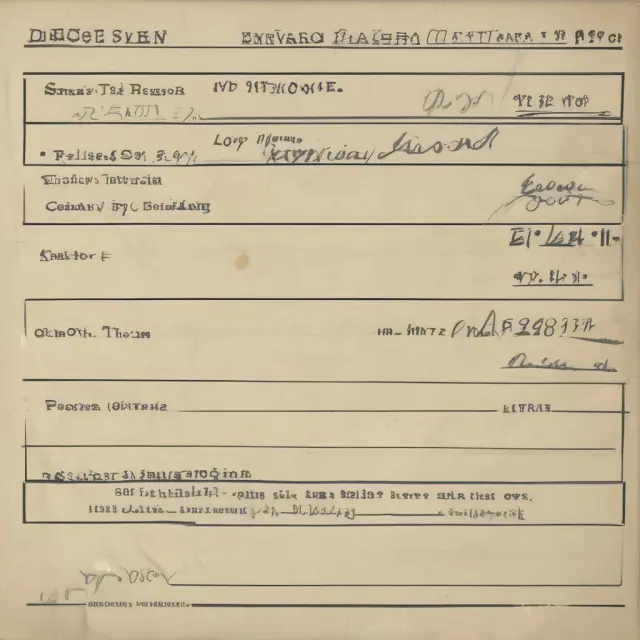
Understanding the role, function, and importance of deposit slips in banking. Learn how they work, their history, and best practices.
What Is a Deposit Slip?
A deposit slip is an essential component of the banking process, serving as a record for both the bank and its customer when making a deposit into their account. This small paper form facilitates clear communication between customers and tellers by providing crucial information about the deposited funds. The primary purpose of a deposit slip includes:
- Recording important details: A deposit slip contains vital information such as the date, name of the depositor, and account number to which the funds should be credited. Additionally, it allows customers to document any checks included in the deposit or if they wish to receive cash back.
- Verifying transactions: For banks, a deposit slip is a crucial tool for maintaining records, ensuring security, and reconciling their ledgers. It also helps them process transactions more efficiently by providing an organized record of all deposits made during the day.
- Providing proof of deposit: A deposit slip acts as tangible evidence that a bank has acknowledged receiving funds from its customers. It is a crucial document for resolving any disputes regarding incorrect account balances, misplaced transactions or unprocessed checks.
Understanding the Anatomy of a Deposit Slip
A deposit slip comes with pre-printed fields to record various pieces of information such as:
- Date: The date on which the customer makes the deposit.
- Name: The full name or account number (if applicable) of the person making the deposit.
- Account Number: The unique identifier for the customer’s bank account.
- Deposit Amount: The total sum of the funds being deposited.
- Check Amounts: Lines for recording each check’s face value and serial number when multiple checks are being deposited.
- Cash Amounts: A line for recording cash or coin amounts, along with a space for the customer to request a specific amount of cash back.
- Signature: The signature of the person making the deposit confirms that they approve the transactions recorded on the slip.
In conclusion, a deposit slip is an integral part of the banking process that streamlines transactions, provides valuable documentation, and maintains accountability. In this modern era of technology, the deposit slip remains relevant as it offers a secure way to document and verify deposits.

The Anatomy of a Deposit Slip
A deposit slip is an essential component of the banking process when making a deposit into a checking account. This small piece of paper may seem unremarkable, but its significance lies in the information it contains. Let’s explore the various sections of a typical deposit slip and their functions:
1. Date: The top section of the deposit slip is reserved for the date on which the deposit is made. This information is crucial as it serves as a record of when the bank received the funds from the depositor.
2. Depositor’s Name: Immediately below the date, there is a space allocated for the customer’s name. It’s essential that this section is filled out correctly, ensuring that the deposit is credited to the correct account.
3. Account Number: The most vital piece of information on a deposit slip is the account number. This number identifies the specific checking or savings account into which the funds will be deposited. Incorrect account numbers can lead to significant issues with processing and funding delays.
4. Total Deposit Amount: This section indicates the total amount being deposited. It’s essential that this figure matches the sum of all checks, cash, or other forms of payment being submitted for deposit.
5. Checks: A deposit slip has a specific area where check details are recorded. This includes the number, date, and amount of each check being deposited. The customer must ensure they list all checks in their entirety to avoid any discrepancies.
6. Cash: For cash deposits, the cash amount should be clearly stated on the deposit slip. It’s essential that customers provide the exact amount and denominations to prevent miscounting by bank tellers.
7. Cash Back: Some customers opt for a small portion of their cash deposit as change or ‘cash back.’ This request can also be recorded on the deposit slip.
A well-filled deposit slip ensures that both the depositor and the bank are on the same page regarding the deposit amount, account information, and check details. It serves as proof that the funds have been acknowledged by the bank and provides a record of the transaction for future reference.

How Deposit Slips Work
When making a deposit at a bank, customers can utilize a deposit slip as a means to ensure their funds are properly recorded and credited to the correct account. A deposit slip is an essential tool designed for documenting cash or check deposits. It allows both the customer and the bank to maintain accurate records of financial transactions.
To use a deposit slip, customers should first fill it out with the necessary information: the date, their full name, and the account number they wish to credit. After writing these details on the slip, customers can proceed to deposit their cash or checks. For check deposits, the total amount and the individual check amounts are recorded on the slip. Cash deposits require entering the cash amount in the corresponding section. If a customer desires cash back, they can specify the desired amount on the slip as well.
Once the customer has filled out all the necessary information on the deposit slip, they bring it to the teller along with their funds to be processed. The teller uses the deposit slip as a reference point during the transaction. By comparing the information recorded on the deposit slip with the funds presented, the teller can verify that they match. If everything aligns, the teller then proceeds to credit the account and issues a receipt for the customer.
If the customer needs proof of their deposit or wishes to keep a copy for record-keeping purposes, they may request a duplicate copy of their deposit slip along with the receipt. This extra measure adds an additional layer of security and organization, making it easier for customers to track their transactions.
In modern banking practices, some banks have removed deposit slips from their branches as they transition towards new technologies such as mobile applications and ATMs. These new systems enable customers to scan checks or deposit cash electronically using their smartphones without the need for a physical deposit slip. Regardless of whether a customer chooses to use a traditional deposit slip or the latest technology, the primary objective remains unchanged: ensuring that funds are accurately recorded and credited to the correct account.

Benefits of Deposit Slips
The importance of deposit slips in the banking industry cannot be overstated, as they offer significant benefits for both banks and their customers. For banks, deposit slips serve as an essential tool to maintain accurate records, ensure security, and facilitate the reconciliation process. On the other hand, customers benefit from deposit slips as they function as proof of deposit, provide itemized receipts, and serve as effective dispute resolution tools.
Banks use deposit slips as a crucial component in their day-to-day operations. They help banks maintain written records of all funds received throughout the day to ensure that no deposits go unaccounted for at the end of each business day. Adequately documenting incoming deposits contributes to maintaining the bank’s financial stability and accuracy.
Customers benefit from deposit slips in several ways. They serve as a receipt confirming that the bank acknowledged receiving funds from the customer into their account. In case there is ever a discrepancy between the expected credit and the actual deposit amount, customers can utilize the deposit slip as evidence. The detailed breakdown of each deposit on the slip allows for easy reference to ensure that all components of a multi-item deposit have been correctly processed.
Deposit slips provide an additional layer of security by creating a paper trail for transactions. When combined with other verification methods such as receipts or electronic records, they contribute to minimizing the risk of identity theft or fraudulent activities. Moreover, customers can rest assured that their deposits are recorded and accounted for accurately when using deposit slips.
In summary, deposit slips play a pivotal role in the banking industry by offering banks and customers numerous advantages. For banks, they contribute to maintaining records, ensuring security, and reconciling their ledgers. Customers benefit from having proof of deposit, itemized receipts, and effective dispute resolution tools at their disposal. Though deposit slips may not be as prominent in today’s digital age, their importance remains unchanged.

Depositing Funds Without a Deposit Slip
In today’s digital age, the need for deposit slips seems to be dwindling as modern technology brings new conveniences to banking transactions. With innovations like ATMs and mobile banking apps, customers can now deposit funds without ever physically filling out or handing over a deposit slip. Let us examine how these advancements impact banks’ processes and customer convenience.
ATMs: Automated Teller Machines (ATMs) have become ubiquitous in our financial landscape since their introduction in the late 1960s. They offer customers round-the-clock access to their bank accounts, enabling them to make deposits, withdrawals, and even apply for loans without interacting with a bank teller. ATMs can read checks and count cash electronically. In this way, customers don’t have to use deposit slips when making deposits through an ATM. Instead, the transaction receipt or confirmation serves as proof of the successful deposit.
Mobile Banking Apps: The digital revolution has expanded beyond just ATMs to mobile banking apps, which enable users to manage their finances using their smartphones. Mobile banking platforms offer a range of features like check depositing, fund transfers, account monitoring, and even bill payments. With the capability to deposit checks via mobile devices, customers no longer require physical deposit slips. The process involves taking photographs or scanning checks through the app, which then uploads the images for processing and electronic deposit into the associated bank account. Mobile banking apps generate a receipt of the transaction that serves as proof of the completed deposit.
The implications of these new technologies are substantial. While they eliminate the need to physically fill out deposit slips, customers may still benefit from understanding their purpose. Deposit slips serve an important role in maintaining records and ensuring security. For banks, deposit slips help maintain written records for daily transactions, which is vital when reconciling ledgers at the end of each day. Deposit slips also prevent unaccounted-for deposits from entering the system. On the other hand, customers use deposit slips as proof of their deposit and a means to track disputes with banks. Even though these modern advancements may diminish the necessity for deposit slips, understanding their significance remains vital. In summary, technologies like ATMs and mobile banking apps are revolutionizing the way we manage our finances and deposit funds. As these innovations continue to evolve, they will likely replace deposit slips in more areas of the banking process. However, it’s essential for customers to recognize the historical role and benefits that deposit slips have brought to banking transactions.

History of Deposit Slips
The history of deposit slips can be traced back to the early days of banking when transactions were primarily carried out through physical branches. A deposit slip’s inception dates back to a time before electronic funds transfers, automated teller machines (ATMs), and smartphone apps became commonplace. Initially, deposit slips served as a means for customers to record the details of their deposits, making it easier for banks to process transactions accurately.
The first deposit slips were likely nothing more than blank pieces of paper. As banking grew in complexity, forms with pre-printed headers and spaces for date, customer name, account number, and amount became increasingly common. This shift made it simpler for customers to complete their deposit information quickly and accurately while also making the bank’s job easier by ensuring all necessary data was provided.
In the mid-20th century, deposit slips started to include additional features like check stubs. Check stubs were attached at the bottom of the slip and allowed customers to record check numbers and amounts as they deposited them. This innovation made it simpler for both the bank and the customer to keep track of individual checks and their corresponding account information.
As technology evolved, deposit slips became a more integral part of the banking process. In the late 1960s, banks began using magnetic ink character recognition (MICR) encoding on checks and deposit slips. This allowed automatic processing of check deposits through electronic systems like automated clearing houses (ACH), drastically reducing the time it took for funds to clear between institutions.
Despite advancements in technology, deposit slips continued to play a role throughout the 1980s and 1990s. As ATMs became more common, they often included the capability for customers to make deposits using paper checks or cash. Deposit envelopes were introduced during this time as well, offering customers the convenience of depositing checks without having to visit a bank branch.
In recent years, advancements in mobile banking and self-service technology have led to a decline in the use of deposit slips at physical branches. However, they remain an essential tool for recording information related to larger deposits, multiple checks, or when using ATMs that do not offer imaging technology for check deposits.
In conclusion, deposit slips represent an important piece of banking history and have played a critical role in streamlining transactions, maintaining accurate records, and ensuring security throughout the evolution of the financial industry. Though their use may decrease with technological advancements, their historical significance as a tool for recording bank deposits and simplifying the banking process remains undeniable.

Common Mistakes with Deposit Slips
Despite their simplicity, deposit slips can sometimes pose challenges for those using them, as errors in filling out the forms can impact the accuracy and efficiency of the deposit process. Let’s explore some common mistakes and discuss how to avoid them:
1. Incorrect Information: Ensure that you fill out all required fields on the deposit slip accurately and completely. This includes writing down the correct account number, date, and total deposit amount. Be double-sure that these details match what is written on your checks or the money being deposited. Mistakes in this area can lead to delays in processing your funds and potential disputes with your bank.
2. Misaligned Items: Properly align checks, bills, and cash when submitting them for deposit along with the slip. A misalignment could cause errors, potentially resulting in under- or overreporting of the total amount being deposited. This mistake may lead to a delay in your transaction or potential disputes with your bank.
3. Unclear Deposit Breakdown: Clearly indicate whether you are depositing checks, cash, or both on the deposit slip. Include any necessary cash back requests and write down the total amount of each item. This information is crucial for the bank to process the deposit efficiently.
4. Failing to Sign: Be sure to sign your name as indicated on the deposit slip. Your signature validates that you are the account holder or authorized user making the transaction. Failure to do so could result in a delay in processing your deposit or potentially even denied access to your funds.
5. Lack of Understanding: To avoid mistakes, it’s essential to understand what information must be filled out on the deposit slip and how the process works. Don’t hesitate to ask questions at your bank if you are uncertain about any aspect of the deposit procedure.
By paying attention to these common errors, you can make sure that your deposit slips are completed correctly, ensuring a smooth transaction and timely availability of your funds in your account.

Depositing Large Checks or Multiple Checks
When it comes to depositing large amounts of money, multiple checks, or complex transactions like payroll deposits, a standard deposit slip might not suffice. In such cases, banks offer additional solutions to ensure proper documentation and simplify the process for both the customer and the bank.
One option for handling larger deposits is the use of a Deposit Envelope or a Formal Deposit Ticket. A Deposit Envelope is essentially a regular envelope that comes with a deposit slip already filled out, making it easier to provide the necessary information when depositing large checks or multiple checks at once. The deposit slip is pre-filled with essential details such as the customer’s name and account number.
For payroll deposits where multiple employees are involved, businesses can use formal deposit tickets, which often require more extensive documentation. These tickets include information like employee names, Social Security numbers, check amounts, and other relevant data that helps banks process payroll deposits more efficiently.
Proper documentation is crucial when dealing with larger deposits because it enables the bank to accurately process these transactions and reconcile their ledgers. For customers, clear documentation makes dispute resolution easier, as they have a record of all items included in the deposit.
Banks may also offer other methods of large-deposit processing like ACH transfers or wire transfers for those who prefer not to visit the branch with large sums of cash or checks. These electronic transfer methods offer additional security and convenience, as customers do not need to worry about transporting physical funds or deposit slips.
Regardless of the method used, customers should ensure they keep copies of any documentation provided to the bank for their records, including receipts or confirmation numbers if applicable. This practice ensures that both parties have a clear and accessible record of the transaction, making it easier to resolve potential discrepancies or disputes in the future.

Security Concerns with Deposit Slips
When it comes to financial transactions, security is a top priority for both consumers and banks. This concern extends to the use of deposit slips as well. While deposit slips provide significant benefits in the form of documentation and proof of transaction, they also present potential risks. In this section, we will discuss security concerns with deposit slips and explore best practices for maintaining their security.
Potential Security Risks
The primary concern regarding deposit slips is the potential risk of information theft or fraud. A deposit slip contains sensitive financial information such as the account number and deposit amount. If a deposit slip falls into the wrong hands, it may be used to access the victim’s bank account without their knowledge. Furthermore, thieves might use the stolen information to create fake checks with the deposited funds or even attempt identity theft.
Preventing Deposit Slip Theft and Fraud
To mitigate the risks of deposit slip theft and fraud, it is essential for customers to practice secure handling of these documents. Following are some best practices:
1. Keep Your Receipt: Always ask the teller for a receipt when making a deposit. This will serve as proof that your funds have been received and credited to your account. Make sure you obtain both the receipt and your deposit slip before leaving the bank counter.
2. Protect Your Deposit Slip: Treat your deposit slips like cash – keep them in a secure location, such as a safe or locked drawer at home. Be especially careful when disposing of old deposit slips, shredding them instead of throwing them away.
3. Use a Depository Bag: If you frequently make large deposits, consider using a depository bag provided by your bank to protect your deposit slips while transporting them to the bank. These bags are designed to ensure that your deposit and accompanying documents remain secure during transit.
4. Review Your Statements Regularly: Regularly review your bank statements and reconcile them with your records to ensure that all deposits have been accurately recorded by the bank. If you notice any discrepancies, contact your bank immediately to report potential fraudulent activity.
5. Set Up Online Banking Alerts: Many banks offer online banking alerts for various activities, such as large withdrawals or deposits. Setting up these alerts can help you quickly identify and address any unauthorized transactions, including those that might involve stolen deposit slips.
In Conclusion
Deposit slips remain an essential part of the bank deposit process despite the increasing prevalence of technology in banking. While they provide numerous benefits, they also present certain risks related to information theft and fraud. By following these best practices for handling and securing deposit slips, customers can minimize the risk of potential security concerns and enjoy a safe and secure banking experience.

FAQs about Deposit Slips
A deposit slip is an essential component in the banking process when making deposits into your account, and as such, customers often have numerous questions regarding their usage, benefits, and security. In this section, we will address some common queries related to deposit slips.
What Is a Deposit Slip?
A deposit slip is a small paper form that accompanies the funds when depositing into your bank account. This slip contains specific information such as the date, depositor’s name, and account number, along with the amounts being deposited and itemizing whether it consists of checks or cash.
How Do Deposit Slips Work?
To use a deposit slip, the customer fills out the required information before presenting it to the bank teller for processing. The deposit slip directs the teller where to credit the funds by providing the account number to which the deposited funds should be added. The teller verifies the total amounts and checks each item in the deposit against the deposit slip.
What Is the Importance of Deposit Slips?
Deposit slips offer several benefits, including serving as proof that the bank acknowledged receipt of your funds and maintaining a ledger for banks to keep track of daily deposits. Furthermore, they can be utilized in case of disputes or discrepancies, providing itemized evidence of each deposit made.
Can I Deposit Funds Without a Deposit Slip?
Yes, modern banking technologies like ATMs and mobile banking apps have eliminated the need for physical deposit slips. Instead, customers can deposit checks via an ATM and receive electronic receipts or scan checks using mobile devices to make deposits without the necessity of a physical deposit slip. However, these methods may not always provide itemized proof of each individual deposit made.
How Secure Are Deposit Slips?
Deposit slips are generally considered secure as they contain personal and financial information that is typically only accessible by the bank teller during the deposit process. To further enhance security, it’s essential to properly dispose of old deposit slips by shredding them or ensuring they are not visible in public trash receptacles.
What Should I Do If I Make a Mistake on My Deposit Slip?
If you make an error when filling out a deposit slip, such as entering the incorrect account number, it is recommended to consult with the bank teller for clarification or correction before finalizing the deposit. This can save potential complications and delays in processing your funds.
In conclusion, understanding the role of deposit slips in the banking process is essential for both customers and banks. They serve as a vital tool for ensuring proper documentation and tracking of deposited funds, providing peace of mind for all parties involved.
 Next entry · No. 1,000Understanding Deposits: Meaning, Types, and Working
See also
-
 No. 1,137
02 Aug 2024
21 min
Understanding the Role and Function of a Drawee in Finance and Banking
Business Finance
No. 1,137
02 Aug 2024
21 min
Understanding the Role and Function of a Drawee in Finance and Banking
Business Finance -
 No. 896
27 Jun 2024
20 min
Understanding Debit Cards: How It Works, Advantages, Disadvantages, and FAQs
Personal Finance
No. 896
27 Jun 2024
20 min
Understanding Debit Cards: How It Works, Advantages, Disadvantages, and FAQs
Personal Finance -
 No. 704
24 May 2024
21 min
Collateral: Understanding the Importance and Types of Assets Used as Security for Loans
Business Strategy
No. 704
24 May 2024
21 min
Collateral: Understanding the Importance and Types of Assets Used as Security for Loans
Business Strategy -
 No. 671
18 May 2024
22 min
The Comprehensive Guide to Checks: Understanding This Financial Instrument
Financial Tools
No. 671
18 May 2024
22 min
The Comprehensive Guide to Checks: Understanding This Financial Instrument
Financial Tools -
 No. 633
11 May 2024
20 min
Understanding Cash Advances: Types, Pros, Cons, and Impacts on Credit Scores
Personal Finance
No. 633
11 May 2024
20 min
Understanding Cash Advances: Types, Pros, Cons, and Impacts on Credit Scores
Personal Finance -
 No. 349
10 Apr 2024
22 min
Understanding Bank Drafts: A Secure Payment Option for Institutional Investors
Business Strategy
No. 349
10 Apr 2024
22 min
Understanding Bank Drafts: A Secure Payment Option for Institutional Investors
Business Strategy