Understanding Canceled Checks: Proof of Payment and the Clearing Process
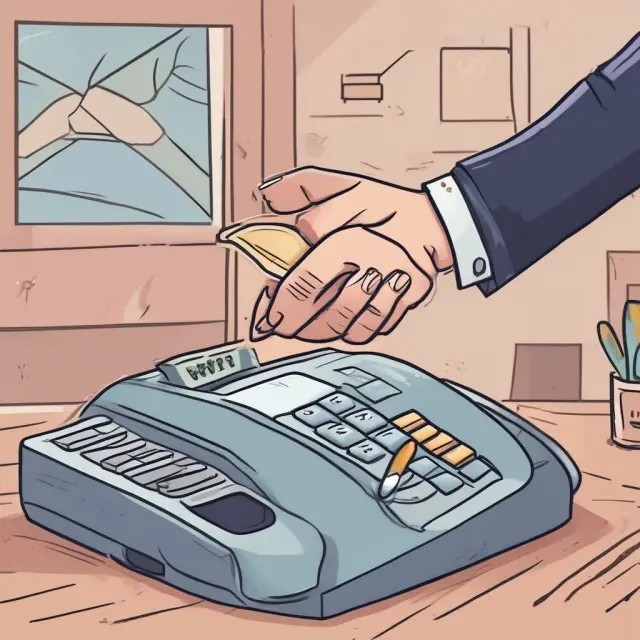
A canceled check is a check the writer's bank has paid and charged to the account, so it can no longer be negotiated and can serve as proof of payment. Banks generally need not return canceled checks or images, but a substitute check meeting Check 21 rules is the legal equivalent of the original.
Introduction: What is a canceled check?
A canceled check is an essential document in finance, serving as proof of payment once it has been cleared through the banking system. It is a financial instrument that has been fully processed and paid upon being deposited or cashed. Once a check is canceled, its original form becomes invalid, preventing any further transactions with the same check number.
When you write a check and deposit or cash it, your bank receives the payment. The transaction then goes through the clearing process at the Federal Reserve System. This system electronically processes the check by recording and transferring the funds between banks. Once this process is completed, the check is considered canceled because it has been paid.
In the past, canceled checks were returned to account holders as a physical document. However, with advancements in digital technology, most financial institutions now provide customers with electronic copies of their canceled checks. This allows for more convenient and efficient access, while also reducing costs related to handling and mailing physical documents.
This section will delve deeper into the process behind canceled checks, including the clearing house, Federal Reserve System, modern methods of access, and differences between canceled checks and returned checks.
Understanding Canceled Checks: Clearing House & Federal Reserve System
The clearing process involves both a clearing house and the Federal Reserve System. The clearing house acts as an intermediary to clear and settle transactions between banks in their respective regions. It does this by collecting and distributing payments, ensuring that funds transfer seamlessly between banks. This eliminates the need for each individual bank to maintain accounts with every other institution they deal with.
The Federal Reserve System comes into play when banks require access to larger funds or settlements than what their regional clearing house can offer. It acts as a central bank and functions as the ultimate intermediary between financial institutions in different regions by providing services like check clearing, processing electronic fund transfers, and managing the nation’s monetary policy.
When you write a check to someone, your bank sends the information about that transaction to its regional clearing house. The clearing house then collectively processes these transactions among all the banks involved. It may take a few days for funds to become available in the recipient’s account due to settlement cycles and various delays. Once the checks have been collected and funds have been transferred, the clearing house sends the information to the Federal Reserve System to be verified and finalized.
The Federal Reserve Bank then sends an electronic message back to the sending bank confirming that the transaction has cleared. At this point, the funds are released for withdrawal or made available in your account, effectively canceling the check. The physical canceled check may then be returned to you (or kept electronically) as proof of payment.
In summary, a canceled check is a fully processed and paid financial instrument that serves as proof of payment. It goes through the clearing process at a clearing house, which transfers funds between banks, and the Federal Reserve System, which acts as a central bank to provide additional services and facilitate large transactions.

The Process of Canceled Checks: Clearing House and Federal Reserve System
A canceled check is an integral part of the payment process, indicating that the transaction has been completed when the money from the paying account is transferred to the receiving account. When a person writes a check, it represents their commitment to pay a certain amount to another party. After the recipient cashes or deposits the check with their bank, the clearing process begins.
The clearing process involves several intermediaries, starting at the local banks and culminating at the Federal Reserve System. Initially, the recipient signs the back of the check and submits it to their bank for deposit or cashing. The recipient’s bank, also known as the depositary bank, then notifies the originator’s bank, or the drawee bank, about the transaction. This step initiates a chain reaction that ultimately results in the payment being made from the payor’s account to the payee’s account.
Once the drawee bank receives notification of the deposit request, it checks whether there are sufficient funds available in the originator’s account. If the account has enough balance to cover the check amount, the process moves on to the next stage. In contrast, if the account lacks the required funds, the check will be returned to the depositary bank unpaid or marked as NSF (no sufficient funds).
As the check is being processed, it moves through the Federal Reserve System, which acts as a clearing house for banks throughout the country. The Federal Reserve Bank ensures that all transactions between different financial institutions are completed efficiently by acting as an intermediary. In cases where one bank does not have immediate access to the funds from another institution, the Fed provides the necessary bridge to facilitate the transfer of funds.
Upon confirmation of sufficient funds, the drawee bank processes the transaction and pays the depositary bank the check amount. The depositary bank then credits the payee’s account with the payment, marking it as cleared or canceled in their records. Once a check is canceled, it can no longer be used for subsequent transactions, making it an effective record of the financial exchange between two parties.
In summary, the process of a canceled check involves several steps, from the initial deposit request to the payment confirmation via the clearing house and the Federal Reserve System. By following this process, banks ensure that funds are transferred securely and efficiently between accounts, enabling seamless transactions in our modern financial system.
Access to Canceled Checks: Modern Methods
In today’s digital age, canceled checks are not returned as physical documents but are instead available electronically through online banking platforms or digital storage systems. This modern approach to handling canceled checks offers several advantages and eliminates the need for paper copies. Let’s explore how customers can access their canceled checks in this era of advanced technology.
Online Banking: The Most Convenient Way to Access Canceled Checks
Modern banking systems enable account holders to access their canceled checks through online banking platforms, making it a convenient and time-efficient way for users to manage their financial records. By logging into their bank’s website or mobile application, they can easily download and save digital copies of their canceled checks for future reference. Most banks offer this service free of charge, while others may impose fees for printing paper copies.
Scanned Copies: The Backbone of Digital Banking
When a check is deposited into an account, the bank creates a scanned copy to maintain records and make it available to the account holder via online banking services. This digital version serves as a proof of payment or transaction, ensuring that users have access to accurate and up-to-date financial information without needing physical copies. Additionally, scanned checks are often easier to store, search, and manage than their paper counterparts.
Security and Privacy Concerns: Protecting Personal Information in Digital Checks
While digital check copies provide ease of use and convenience, some customers may be concerned about the security and privacy of their personal information contained within these records. To address this issue, banks employ encryption methods and multi-factor authentication to secure online banking platforms and customer data. It’s essential for users to ensure they maintain strong passwords and regularly update them to minimize the risk of unauthorized access to their accounts.
Accessibility on Demand: The Flexibility of Digital Check Records
The availability of digital check records provides account holders with greater flexibility in managing their financial transactions. Instead of waiting for monthly statements, customers can easily download or print copies of canceled checks whenever they need them, making it a more convenient and efficient option.
Conclusion: The Future of Canceled Checks in Modern Finance
Canceled checks serve as essential proof of payment in the financial world, but their traditional paper format is becoming increasingly obsolete in favor of digital alternatives. By embracing modern methods of accessing canceled checks through online banking platforms and electronic storage systems, customers can enjoy the benefits of convenience, security, and flexibility while minimizing the need for physical copies. As the financial sector continues to evolve, the role of canceled checks as tangible records will diminish, ultimately ushering in a more streamlined and efficient future for managing personal finances.

Understanding Returned Checks vs. Canceled Checks
A canceled check is a financial instrument that has been paid or cleared through the banking system, while a returned check indicates that a check was not honored and could not be cashed or deposited. Understanding the differences between these two types of checks can help you navigate your finances more effectively.
A canceled check becomes void once the clearing process is complete. In most cases, this occurs when the payee has cashed the check or deposited it into their account, and the funds have been transferred from the issuer’s bank to the payee’s bank. The issuing bank then stamps the check as canceled to confirm that the payment has been made and that the check cannot be used again.
On the other hand, a returned check occurs when a check is not honored by the bank due to various reasons. Insufficient funds in the account of the person who issued the check is the most common reason for returned checks. Other potential causes include checks written against closed accounts, missing signatures, or stop payment orders placed on the check.
When a check is returned, the bank informs both parties involved – the payee and the payor. The payee may be charged a fee by their bank for attempting to deposit or cash a returned check, while the payor will face a fee from their bank for writing a bad check. It’s important for both parties to understand the implications of a returned check, as it can impact their financial situation and credit score.
In summary, canceled checks serve as proof that a payment has been made, while returned checks signify that a check was not honored due to insufficient funds or other reasons. Being aware of these differences can help you manage your finances more effectively and avoid potential fees or complications when dealing with checks.
Legal Aspects of Canceled Checks: Keeping Records
When it comes to canceled checks, banks are legally obligated to keep records for at least seven years from the date the transaction occurred. This regulation is imposed by the Bank Secrecy Act, which mandates that financial institutions must retain certain documents and records relating to transactions involving more than $10,000 in a single day or over the course of several related transactions. For non-cash transactions, banks are required to keep records for six years from the date they were recorded.
Banks must maintain detailed records of these transactions, including copies of canceled checks if the check amount exceeds $3,000. In addition, banks may also be subject to other recordkeeping requirements depending on their specific business model and regulatory framework.
For individual account holders, accessing copies of canceled checks is typically straightforward. With the increasing prevalence of online banking services, customers can often access digital copies of their transactions directly through their bank’s website or mobile application. However, if a physical copy is desired, banks may charge a nominal fee for providing paper copies.
In the context of businesses and larger organizations, recordkeeping and retrieval processes become more complex. Many firms opt to maintain an internal archive system to ensure they can access canceled checks on demand. Alternatively, third-party check services exist that allow companies to outsource their check retention and retrieval needs. These services often charge a subscription fee for access to an extensive database of canceled checks and other transaction records.
It is important to note that while banks are required to maintain records for seven years, individual account holders may not be granted immediate access to all records. In cases where privacy or security concerns arise, the bank may withhold certain information from customers. For instance, banks may redact sensitive information like account numbers or personal identifying details to protect the privacy of their clients.
In conclusion, canceled checks serve an essential role in modern finance as proof of payment. Understanding how they are created, accessed, and retained can help individuals and businesses alike navigate the complexities of financial transactions and regulatory requirements. By adhering to established recordkeeping practices and employing modern technologies, banks can ensure that canceled checks remain a reliable means of documenting financial transactions while maintaining customer privacy and security.

Canceled Checks vs. Paperless Transactions: The Future
As the financial industry advances, canceled checks face increasing competition from paperless transactions such as e-checks and mobile payments. These payment methods provide similar convenience and security while eliminating the need for physical checks. Let’s examine how these alternatives stack up against traditional canceled checks when it comes to proof of payment.
E-checks are essentially digital versions of paper checks, which can be processed electronically between banks without the need for a physical check. A payee’s bank sends an electronic request for funds from the drawee’s bank during the clearing process. This method is faster and more convenient, as the funds become available almost instantly instead of waiting for days or weeks. Additionally, e-checks are environmentally friendly since they don’t require paper production or transportation.
Mobile payments, on the other hand, allow users to send and receive money directly from their smartphones. Services like Apple Pay, Google Wallet, and Venmo have gained immense popularity in recent years due to their ease of use and quick processing times. With mobile payment apps, proof of payment is typically generated automatically through digital records and can be easily accessed or shared as needed.
Both e-checks and mobile payments offer benefits that go beyond the speed and convenience offered by canceled checks. They provide a more secure payment process since they eliminate the need for physically handling checks, making it less likely for checks to get lost, stolen, or tampered with during transit. Moreover, these paperless options can help reduce environmental impact by eliminating the production and disposal of paper checks.
However, canceled checks will likely remain relevant in some contexts due to their legal standing as proof of payment. For instance, a business might still prefer receiving a cancelled check as they might need it for tax purposes or auditing. In other situations, individuals may choose to use canceled checks to ensure they have a physical record or to provide an added layer of security.
In conclusion, the future of canceled checks lies in finding ways to adapt and integrate with emerging paperless transaction methods while retaining their relevance as proof of payment. As technology evolves, we may see enhancements such as digital versions of canceled checks that can be stored electronically, allowing users to easily access and share these records as needed. The adoption of e-checks and mobile payments will undoubtedly change the landscape of financial transactions, but canceled checks will continue to play a role in our increasingly digital world.

Security of Canceled Checks: Protecting Personal Information
A canceled check is an important financial document, as it serves as proof of payment. It contains sensitive personal information such as your name, account number, and routing number. Given the importance of this document in financial transactions, it’s crucial to ensure that the personal information contained within a canceled check remains secure.
Firstly, when receiving a cancelled check from a financial institution or after depositing a check at an ATM, it should be kept in a safe and secure location. Most banks now offer digital copies of canceled checks, so it’s important to understand your options for accessing these electronic records and how they are stored.
Banks that provide access to digital copies of canceled checks typically allow account holders to view and download these files through their online banking platform. This process is convenient but comes with a potential downside: the risk of unauthorized access. To mitigate this threat, ensure you use a secure computer or device and never share login credentials with anyone. Additionally, keep your browser’s security settings up-to-date to protect against phishing and malware attacks.
A few banks provide the option to order paper copies of canceled checks for a fee. If you choose this route, make sure that you request only the checks you need, as the cost can add up quickly. Once your order arrives, store these documents in a secure location. Consider using a fireproof safe or safety deposit box.
It’s important to note that banks are required by law to retain canceled checks for seven years. If you ever need a copy of a canceled check but don’t have access to digital or paper records, contact your bank and request a duplicate. They should be able to provide you with a reprint of the original document for a fee.
In conclusion, canceled checks serve as crucial evidence of payment in financial transactions. To ensure your personal information remains safe while keeping these important documents accessible, consider using digital copies through your online banking platform, or order paper copies for a fee if needed. Remember, never share login credentials or other sensitive information with untrusted parties. By following these guidelines, you can effectively protect the security of your canceled checks and maintain peace of mind.

Case Study: Real World Application of a Canceled Check
A canceled check is an integral part of a financial transaction, serving as evidence that the payment has been completed and funds have transferred between two parties. To better understand this concept, let’s dive into an example using John and Lisa’s business transactions.
John runs a local hardware store and has recently purchased 150 lbs of steel from Lisa, who owns a metal fabrication company. Lisa provides him with an invoice for $2,475, and he writes her a check as payment. The check is for the exact amount stated on the invoice ($2,475).
Upon receiving John’s check, Lisa takes it to her bank (Bank A) to deposit it into her account. Once deposited, Bank A processes the information through the Federal Reserve System and contacts John’s bank (Bank B) to request payment for the amount of $2,475. Bank B confirms that there are sufficient funds in John’s account and initiates a transfer of those funds from his account to Lisa’s account.
John’s account is debited, while Lisa’s receives a credit for the same amount. The check is now considered canceled, as it has been paid or cleared by both banks. This process typically takes around 3-5 business days, but in modern banking systems, it can happen almost instantly via electronic transfer.
Once the funds have been transferred between their accounts, Lisa receives a digital or paper copy of the canceled check for her records. These copies serve as proof of payment that John paid her for the steel, and she can use this evidence to confirm the transaction when necessary.
In summary, understanding the role and process of a canceled check is crucial in conducting business transactions and managing personal finances effectively. By following the steps involved and using real-life examples like John and Lisa’s scenario, one gains a clearer perspective on how these checks work as proof of payment within modern banking systems.

Frequently Asked Questions: Common Queries About Canceled Checks
What happens if I lose my canceled check?
If you have lost a canceled check, the best course of action is to contact your bank or financial institution as soon as possible. They may be able to provide you with a copy of the canceled check or help you retrieve the information from their records. In some cases, they might charge a small fee for this service.
Can I reuse a canceled check?
No, a canceled check cannot be reused since it’s a financial record that confirms a transaction has taken place, and its details are recorded in the bank’s records. Once a check is canceled, any attempts to use it again will not be successful.
How long does my bank retain canceled checks?
By law, banks must keep records of canceled checks for at least seven years. However, you can access digital copies of canceled checks through your online banking portal without incurring additional costs from your bank.
Who keeps the canceled check once it’s been processed?
The financial institution that processes the canceled check (payee’s bank) retains a copy as part of their records, while the bank account holder who wrote the check (payor’s bank) also keeps a record for regulatory compliance.
Can I dispute a transaction if I have a canceled check?
A canceled check serves as proof of payment, making it challenging to dispute a transaction once it has been processed unless there is evidence that the check was fraudulently obtained or cashed by someone else without your consent. If this happens, contact your bank immediately to file a dispute.
Can I still access a canceled check if I’ve closed my account?
You may still be able to access a copy of a canceled check by reaching out to your former bank or financial institution. However, they might charge you a fee for providing the information or a paper copy.
What are the differences between canceled checks and returned checks?
Canceled checks represent completed transactions that have gone through the clearing process and cannot be reused. Returned checks, on the other hand, are checks that did not clear the payor’s bank due to insufficient funds or other reasons. A returned check may incur fees for both parties involved.

Conclusion: The Role of Canceled Checks in Modern Finance
A canceled check plays an essential role in modern finance as proof of payment, especially when it comes to tracking financial transactions, reconciling accounts, and providing evidence for audits or tax returns. Traditionally, canceled checks served as physical documents that were returned to account holders with their monthly statements; however, with the advent of technology, digital copies of canceled checks have become the norm.
When a check is used, it undergoes a process known as clearing, which involves both the payee’s and payor’s banks exchanging information electronically or manually to verify the availability of funds for payment. Once the payment has been processed and the transfer of funds occurs, the check is considered canceled since it cannot be reused. Canceled checks serve as evidence that a transaction has taken place, ensuring accuracy in financial record keeping.
In today’s digital age, most banks provide access to canceled checks via their online banking services or offer customers digital copies upon request. However, there are still legal requirements for financial institutions to retain physical or digital records of canceled checks for at least seven years. The importance of maintaining such documentation cannot be overstated, as it is often required during audits or tax investigations to provide proof of payment for various financial transactions.
It’s essential to distinguish between canceled checks and returned checks. While a canceled check indicates that the transaction has been completed, and the check can no longer be used, a returned check implies that there were insufficient funds in the payor’s account or some other issue preventing the payment from being processed successfully.
In conclusion, canceled checks play a crucial role as proof of payment in modern finance by ensuring accurate financial record-keeping and providing evidence for audits or tax investigations. With technology continuously evolving, the accessibility and retention methods for canceled checks are also changing. Understanding the differences between canceled and returned checks is vital to maintain proper financial management and avoid potential issues that may arise from processing incorrect transactions.
 Next entry · No. 594Understanding Candlesticks: The Essential Tool for Technical Analysis in Finance and Investment
See also
-
 No. 829
16 Jun 2024
19 min
Understanding Credit Scores: The Key to Securing Finances and Investments
Credit & Loans
No. 829
16 Jun 2024
19 min
Understanding Credit Scores: The Key to Securing Finances and Investments
Credit & Loans -
 No. 633
11 May 2024
20 min
Understanding Cash Advances: Types, Pros, Cons, and Impacts on Credit Scores
Personal Finance
No. 633
11 May 2024
20 min
Understanding Cash Advances: Types, Pros, Cons, and Impacts on Credit Scores
Personal Finance -
 No. 1,449
17 Sep 2024
18 min
Understanding the Fair Debt Collection Practices Act (FDCPA): Protecting Your Rights as a Debtor
Consumer Rights
No. 1,449
17 Sep 2024
18 min
Understanding the Fair Debt Collection Practices Act (FDCPA): Protecting Your Rights as a Debtor
Consumer Rights -
 No. 1,191
09 Aug 2024
20 min
Understanding the EBITDA-to-Interest Coverage Ratio: A Measure of Financial Durability
Business Finance
No. 1,191
09 Aug 2024
20 min
Understanding the EBITDA-to-Interest Coverage Ratio: A Measure of Financial Durability
Business Finance -
 No. 1,049
20 Jul 2024
20 min
Understanding Discount Margin in Floating-Rate Securities: Calculations and Key Concepts
Business Finance
No. 1,049
20 Jul 2024
20 min
Understanding Discount Margin in Floating-Rate Securities: Calculations and Key Concepts
Business Finance -
 No. 1,039
19 Jul 2024
21 min
Understanding Dirty Price: The Importance of Accrued Interest in Bond Pricing
Finance Policy
No. 1,039
19 Jul 2024
21 min
Understanding Dirty Price: The Importance of Accrued Interest in Bond Pricing
Finance Policy