Understanding Bad Credit: Causes, Consequences, and Solutions

Learn the ins and outs of bad credit, from its definition and causes to consequences and solutions. Discover actionable steps for improving your score.
Introduction to Bad Credit
Bad credit is a term used to describe an individual’s or company’s financial history characterized by a tendency to miss payments on debts or loans. This negative payment pattern is often reflected in a low credit score, typically below 580 on the FICO scale of 300 to 850. Having bad credit can significantly impact an individual’s ability to access loans and credit cards, as lenders view them as higher risk compared to individuals with good or excellent credit scores. In this article, we will explore the components of a FICO score, the causes and consequences of having bad credit, and potential solutions for improving your credit standing.
Understanding Credit Scores
A credit score is a numerical representation of an individual’s creditworthiness. The most commonly used credit scoring model in the United States is the FICO score, which evaluates various aspects of a borrower’s financial history to provide lenders with an assessment of their likelihood to repay loans on time. Credit scores are calculated using five major factors: payment history (35%), total amount owed (30%), length of credit history (15%), mix of credit types (10%), and new credit applications (10%). In the following sections, we will dive deeper into each component and discuss their implications for individuals with bad credit.
Impact on Loans and Credit Cards
Individuals with bad credit often face challenges when applying for loans or credit cards due to their higher perceived risk level. For example, they may be required to pay significantly higher interest rates than those with good or excellent credit. In some cases, they might even be denied access to loans or credit cards altogether. Understanding the reasons behind these issues and taking steps to improve one’s credit score can make a significant difference in securing better financial opportunities down the line.
Causes of Bad Credit
A variety of factors may contribute to an individual having bad credit, including missed payments, high levels of debt, bankruptcies, or defaulted loans. Late payments are the most common reason for poor credit scores, with even a single missed payment potentially leading to a decrease in a borrower’s credit standing. High levels of debt, particularly when it exceeds 30% of available credit limits, can also negatively impact a person’s credit score.
Consequences of Bad Credit
Besides making it difficult to secure new loans or credit cards, having bad credit can lead to increased interest rates, higher insurance premiums, and even challenges when renting an apartment or securing employment. In this section, we will explore the specific consequences of poor credit in various areas of life, such as mortgages and car loans, as well as discuss strategies for dealing with these situations.
Improving Bad Credit
Fortunately, individuals with bad credit are not without hope when it comes to improving their financial situation. By focusing on the factors that influence credit scores, such as payment history, debt reduction, and new credit applications, they can begin to rebuild their creditworthiness. In this section, we will explore practical steps for repairing damaged credit and share tips from FICO on how to effectively improve one’s credit score over time.
Conclusion:
Understanding bad credit is essential for anyone seeking to navigate the complex world of personal finance and borrowing. By exploring the components of a FICO score, causes and consequences of poor credit, and strategies for repairing damaged credit, individuals can take control of their financial future and secure better loan and credit opportunities. Stay tuned as we dive deeper into these topics in the following sections.
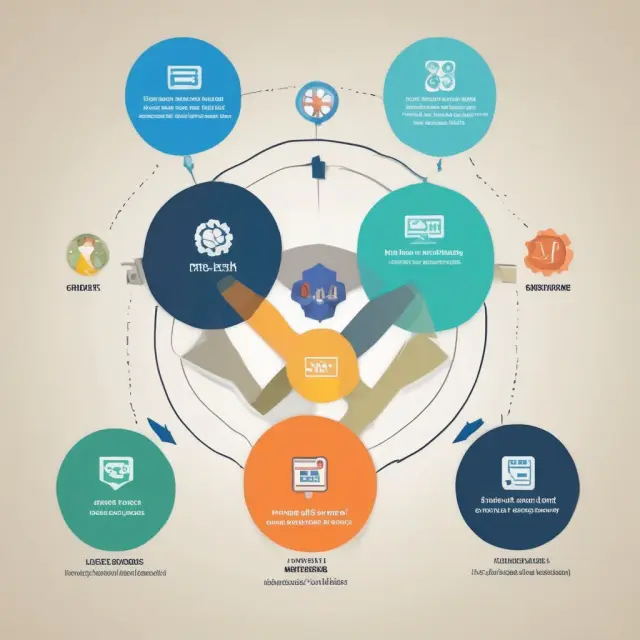
Components of a FICO Score
Your credit score is a crucial aspect of your financial health, as it determines your eligibility for loans and credit cards. Among the various credit scoring models in use, the FICO score is arguably the most widely used in the United States. It consists of five major elements that collectively determine your creditworthiness:
1. Payment History (35%): Your payment history is the most influential factor in your FICO score, and it refers to your past record of paying bills on time. Late or missed payments can negatively impact your credit score, while maintaining a clean payment history can help improve it.
2. Total Amounts Owed (30%): This component assesses the total amount of debt you owe across all your accounts and calculates your credit utilization ratio – how much of your available credit you’re currently using. High levels of debt and a high credit utilization ratio can lower your score.
3. Length of Credit History (15%): The length of your credit history is also an essential factor, with longer credit histories generally viewed more favorably by lenders. Older accounts contribute positively to your score.
4. Credit Mix (10%): Diversity in the types of credit you have is important for a strong FICO score. Having a mix of mortgages, car loans, credit cards, and other installment loans can demonstrate that you can manage various credit products effectively.
5. New Credit Applications (10%): Frequent credit applications within a short time frame may be viewed negatively by lenders and can lower your score. It’s generally recommended to limit the number of new credit inquiries when possible.
Understanding these components can help you take steps towards building or rebuilding good credit. By focusing on improving your payment history, managing your debt responsibly, maintaining a long credit history, diversifying your credit portfolio, and minimizing new credit applications, you’ll be well on your way to boosting your FICO score.
Impact of Bad Credit Scores on Loans and Credit Cards
Having bad credit significantly affects an individual’s ability to borrow money or secure credit cards. A low FICO score can lead to high-interest loans, being denied for certain types of loans, and limited access to credit cards with decent terms. Understanding the consequences of a poor credit rating is crucial for those seeking financial growth and stability.
When it comes to obtaining a loan, bad credit can result in several negative outcomes. Lenders often consider individuals with poor credit scores to be risky borrowers, making them reluctant to provide loans or offering unfavorable terms such as high-interest rates. In extreme cases, individuals may be denied access to loans altogether. This can hinder their ability to buy a home, fund education, or pay for necessary repairs around the house or car.
Credit cards are another form of financing that can be impacted by a poor credit score. With bad credit, applicants might face restrictions such as lower credit limits, high annual fees, or elevated interest rates. These conditions limit their ability to build credit and make it challenging to manage their finances effectively. In some cases, individuals with bad credit may not even qualify for an unsecured credit card.
However, there are alternatives for people with poor credit ratings who find themselves unable to secure loans or credit cards. For example, a secured credit card can help rebuild credit by allowing the user to deposit money upfront and borrow against it. This option demonstrates responsibility and reliability to lenders and could lead to better terms in the future.
It’s important to note that improving one’s credit score is not an overnight process, especially for those with significant debt or a history of missed payments. However, making consistent efforts toward reducing outstanding balances, setting up automatic payments, and maintaining good payment habits can significantly improve a person’s credit rating over time. Additionally, monitoring credit reports regularly for errors and discrepancies is essential to ensuring that the credit score accurately reflects an individual’s financial situation.
In conclusion, having bad credit imposes significant challenges when it comes to loans and credit cards. Understanding the consequences of poor credit is crucial for those seeking financial growth and stability. By taking steps to improve their credit history, individuals can regain access to better borrowing opportunities and strengthen their overall financial well-being.

Causes of Bad Credit
Bad credit is the result of an individual’s past financial missteps or current financial situation that negatively impacts their ability to secure loans and credit cards. A bad credit score typically indicates a history of missed payments, high debt levels, or both. This section explores some common reasons behind having a bad credit score.
Missed Payments: A late payment, no matter how small, can significantly impact your credit score. Even one missed payment on a credit card or loan can result in negative consequences for years to come. Moreover, the more delinquent the payment, the greater the damage inflicted on the credit score.
High Debt: Credit utilization, which measures how much of your available credit you’re currently using, is an essential component of a FICO score. The higher your credit utilization ratio, the lower your credit score may be. Ideally, it’s recommended to keep your credit utilization below 30%. If you have high debt compared to your total available credit, lenders and credit card companies might view this as a sign of financial instability, ultimately reducing your creditworthiness.
Job Loss or Financial Hardship: Unforeseen circumstances such as job loss, unexpected medical bills, or divorce can lead to missed payments and increased debt levels. These events can negatively impact credit scores, making it more challenging for individuals to secure loans and credit cards in the future.
Bankruptcy: A bankruptcy filing, whether Chapter 7 or Chapter 13, is a severe financial setback that significantly impacts a person’s credit score. Filing for bankruptcy can remain on an individual’s credit report for seven to ten years, making it difficult to secure loans and credit cards during this period.
Divorce: Divorces can lead to significant financial changes, such as the division of assets and debts. The splitting of joint accounts can impact credit scores negatively if one party fails to pay their portion of a debt or mortgage. In addition, newly-single individuals may struggle to make ends meet, causing late payments and missed bills, which can further harm credit scores.
Previously Closed Accounts: Closing credit card accounts, especially older ones, can lead to a decrease in the length of one’s credit history, potentially lowering their credit score. Long-standing credit accounts demonstrate a borrower’s ability to manage debt responsibly over an extended period, making them favorable to lenders and increasing one’s creditworthiness.
It is important for individuals with bad credit to be aware of these potential pitfalls and take proactive steps towards improving their financial situation and ultimately, their credit score.

Effects of Bad Credit on Mortgages
One of the most significant consequences of bad credit is the difficulty in securing a mortgage. A person with a low credit score might be perceived as a risky borrower by mortgage lenders. As a result, they are often charged higher interest rates or denied loans entirely. This can create a challenge for those looking to buy their first home or refinance an existing mortgage.
The Federal Housing Administration (FHA), part of the U.S. Department of Housing and Urban Development, offers loan programs designed for people with lower credit scores. However, these mortgages come with additional requirements, such as higher down payments and monthly mortgage insurance premiums.
A low credit score can also impact a person’s ability to secure a favorable mortgage term length or receive the best possible interest rate. This might result in higher monthly mortgage payments over the loan’s lifetime.
Moreover, having bad credit could cause delays in the mortgage approval process as lenders take extra precautions to assess the borrower’s risk level. In some cases, applicants may be asked for additional documentation or explanations regarding their financial history.
It is crucial for those with poor credit to understand that there are options available, such as secured credit cards and debt advisors, which can help improve their credit score over time. By making consistent, on-time payments and maintaining a manageable debt load, individuals can increase their chances of being approved for a mortgage and securing a more favorable loan term in the future.
Furthermore, it is essential to address any underlying issues contributing to bad credit before applying for a mortgage. This may include paying down high balances, setting up automatic payments, and checking for errors on credit reports. By taking proactive steps to improve one’s financial situation, individuals can increase their chances of securing a home loan with competitive terms.
In conclusion, having bad credit can significantly impact an individual’s ability to secure a mortgage. However, by addressing underlying issues, such as high debt and late payments, and maintaining good financial habits, people can improve their credit score over time and increase their chances of being approved for a mortgage with favorable terms.

Improving Bad Credit: Tips from FICO
If you’ve been dealing with bad credit, the thought of improving your situation can seem daunting. However, taking actionable steps towards enhancing your credit score is not only possible but necessary if you want to secure loans or credit cards in the future. In this section, we will outline practical suggestions from FICO – the organization responsible for calculating credit scores – on how to go about improving your bad credit.
1. Set Up Automatic Online Payments:
One of the most effective ways to improve your credit score is by ensuring that you make timely payments for all your loans and credit cards. Setting up automatic online payments for these obligations can help ensure that payments are made on time every month. This habit not only positively impacts your payment history (which makes up 35% of your FICO score) but also offers the added benefit of alleviating the stress associated with keeping track of due dates.
2. Pay Down Credit Card Debt:
Having high credit card debt can significantly damage your credit score, so it’s essential to make a plan for paying off these debts as quickly as possible. While making the minimum payment is better than not paying at all, striving to pay more than the minimum amount every month can help expedite the process and positively impact your credit utilization ratio – another critical component of your FICO score.
3. Check Interest Rate Disclosures:
When trying to manage credit card debt, it’s crucial to be aware of the interest rates attached to each account. Prioritize paying off debts with the highest interest rates first to minimize the total amount you pay over time. By focusing on eliminating these high-interest obligations, you can free up additional funds that can then be put towards other lower-interest debts and help improve your credit score in the long run.
4. Keep Unused Credit Card Accounts Open:
Contrary to popular belief, closing unused credit card accounts doesn’t necessarily lead to a higher credit score. In fact, canceling an account can result in a decrease in available credit, which can negatively impact your credit utilization ratio. Instead of closing accounts, consider keeping them open and making occasional small purchases to maintain activity on the account while ensuring that payments are made on time.
5. Seek Assistance if Needed:
If managing your debt feels overwhelming, it may be worth seeking assistance from a reputable debt advisor or counseling agency. These professionals can help you create a personalized repayment plan tailored to your financial situation and offer guidance on how best to approach improving your credit score.
In conclusion, while dealing with bad credit can be a challenging process, focusing on the suggestions provided by FICO – such as setting up automatic payments, paying down debt, checking interest rate disclosures, keeping unused accounts open, and seeking assistance if needed – can significantly improve your credit standing over time. By consistently implementing these strategies, you’ll be well on your way to rebuilding a solid financial foundation and securing better loan and credit card terms in the future.
Common Misconceptions about Credit Scores and Repairing Bad Credit
When it comes to credit scores, many misconceptions abound, especially regarding those with bad credit. It is essential for individuals seeking financial literacy to separate fact from fiction when it comes to their creditworthiness. In this section, we debunk common myths about credit scores and the process of repairing them.
1) Myth: Paying off debt in full doesn’t affect your credit score
While making full payments on loans and credit cards is a crucial step toward financial health, it does have an impact on your credit score. The FICO scoring model takes into account the length of credit history (the longer the better), payment history (on-time payments improve scores), and credit utilization ratio (reducing this improves scores). Paying off debt in full can reduce your overall debt, thereby improving your credit utilization ratio, which positively impacts your credit score.
2) Myth: Closing unused credit card accounts will boost your credit score
Contrary to popular belief, closing old credit card accounts can negatively impact your credit score. Doing so can decrease your total available credit and increase your credit utilization rate, making it seem like you’re carrying a higher balance on your other cards. This might result in a lower credit score. Instead, focus on keeping unused accounts open to maintain a good credit utilization ratio.
3) Myth: Checking your own credit report frequently harms your credit score
Accessing your credit report does not negatively affect your credit score as long as you’re doing it yourself. Under the Fair Credit Reporting Act, consumers are entitled to one free credit report every year from each of the three major credit bureaus: Equifax, Experian, and TransUnion. Regularly monitoring your reports can help you identify inaccuracies or potential identity theft and address these issues before they impact your creditworthiness.
4) Myth: A single late payment won’t affect your credit score
A single missed payment may not have a significant impact on your credit score initially, but it does make you more vulnerable to further credit damage. Late payments increase the likelihood of future lapses in making timely payments and can negatively influence your creditworthiness over time.
5) Myth: Credit repair services can quickly improve your credit score
While credit repair companies may offer assistance with credit report disputes, there’s no quick fix for significantly improving a bad credit score. The process of rebuilding your credit requires discipline and dedication to paying bills on time, reducing debt, and maintaining good financial habits. The FTC advises caution when considering credit repair services as they come with the risk of fees, false promises, and potential identity theft.
By understanding the facts behind these myths, you’ll be better equipped to make informed decisions about your credit score and work toward building a strong foundation for your financial future.

How Long Does it Take to Repair Bad Credit?
The lengthy nature of credit score recovery is a common concern for those facing bad credit. A low FICO score can make securing loans and credit cards challenging, and the road to rebuilding that credit rating can seem arduous. Understanding the factors influencing this timeline can provide valuable insights into what it takes to overcome bad credit.
Credit scores are influenced by several factors, with payment history being the most significant. Late payments or missed payments remain on your credit report for up to seven years. Therefore, the time required to repair a credit score depends largely on addressing and rectifying these issues. Additionally, factors like high debt levels and short credit histories can also impact one’s credit standing.
When it comes to credit utilization, focusing on reducing overall debt levels plays an essential role in raising scores. FICO suggests that maintaining a credit utilization rate below 30% is beneficial for improving creditworthiness. Paying down balances and consolidating high-interest debt can help achieve this goal. However, it may take several months to notice improvements as these changes take time to reflect on credit reports.
Another factor to consider is the length of one’s credit history. Building a strong credit history takes time; credit scores are influenced by data that spans an extended period. Younger borrowers or those new to credit may face challenges when attempting to rebuild bad credit due to their relatively short credit histories.
Lastly, it is crucial to note that there is no guaranteed timeline for credit score recovery. The process can vary from person to person, depending on individual circumstances and the extent of credit damage. In some cases, significant improvements may be achieved within a year, while others may require several years to fully restore their creditworthiness.
Despite the challenges associated with repairing bad credit, there are steps one can take to improve their financial situation. Factors like setting up automatic payments and making timely payments can help rebuild credit over time. Additionally, paying down debt, maintaining a low credit utilization rate, and addressing any errors on credit reports can all contribute to raising credit scores.
In summary, repairing bad credit takes patience and commitment. It’s essential to understand the factors that impact creditworthiness and implement strategies for improving financial health. Whether it takes months or years to achieve a satisfactory credit score, the journey towards better financial stability is worth pursuing.

Alternatives for Individuals with Bad Credit
People with bad credit may face numerous challenges when it comes to securing loans or credit cards, given their higher risk profile. However, there are alternatives available that can help individuals manage their finances and rebuild their credit scores over time.
Secured Credit Cards
One option for people with bad credit is a secured credit card. A secured credit card functions similarly to a debit card in that the borrower must provide a deposit upfront, which acts as collateral for the card. By using a secured credit card responsibly, individuals can demonstrate their ability to make regular payments on time and gradually rebuild their credit score.
Debt Advisors
For those facing significant debt or struggling with financial management, consulting a debt advisor may prove beneficial. Debt advisors provide expert advice on debt consolidation, negotiation with lenders, and budgeting techniques to help individuals create a solid financial plan and improve their overall financial situation.
Debt Consolidation
Debt consolidation is another viable option for those facing high levels of debt. This involves combining multiple debts into a single loan, often at a lower interest rate than the original loans. This can help individuals manage their monthly payments more effectively and save on interest costs over time.
Credit Counseling
Credit counseling services offer guidance on budgeting, money management, and debt repayment strategies. Working with a credit counselor can provide individuals with valuable insights into managing their finances and developing the skills needed to maintain good credit in the future.
Ultimately, while having bad credit may present obstacles when it comes to borrowing or obtaining new credit cards, there are various alternatives that can help individuals manage their financial situation and work towards improving their credit score over time. By understanding these options and taking a proactive approach, people with bad credit can pave the way for better financial opportunities in the future.

FAQs on Understanding Bad Credit
What is considered bad credit? Bad credit refers to an individual’s history of failing to pay bills on time and the subsequent low credit score. A low credit score indicates that there is a risk associated with lending money to such an individual. The most common credit score in the United States, FICO, ranges from 300 to 850; scores below 579 are considered bad credit (FICO, 2019).
What impacts a person’s credit score? A person’s credit score is influenced by five main elements: payment history (35%), total amount owed (30%), length of credit history (15%), mix of credit types (10%), and new credit (10%) (Experian, 2021).
Why is a good credit score important? A high credit score makes it easier for individuals to secure loans at favorable interest rates. It also increases their chances of being approved for credit cards and other forms of credit.
How can I improve my bad credit score? Individuals with bad credit can take several steps to improve their credit scores, such as setting up automatic online payments, paying down debt, checking interest rate disclosures, keeping unused credit card accounts open, and consulting a debt advisor if needed (FICO, 2019).
What is the difference between fair and bad credit? While both terms denote poor creditworthiness, individuals with fair credit are less risky compared to those with bad credit. Scores within the fair range (580-669) are more likely to pay their bills on time, making it easier for them to secure loans at higher interest rates than individuals with bad credit scores (Experian, 2021).
How long does it take to repair a bad credit score? The length of time required to repair a bad credit score depends on the severity of the damage. While some improvements may be noticeable within a few months, significant repair efforts can take years, particularly for those dealing with bankruptcy or other major financial setbacks (FICO, 2019).
Can I open too many credit cards? There is no definitive answer to this question as it depends on an individual’s specific situation. Having multiple credit cards can impact their credit score negatively; however, having access to multiple lines of credit may provide additional benefits (Credit Sesame, 2019).
What is the most important factor in a credit score? Among the five elements that determine a credit score, payment history holds the greatest weight. Late or missed payments can significantly impact a person’s credit score, making timely payments essential for maintaining good credit (Experian, 2021).
 Next entry · No. 315Understanding Bad Debt Expense: Direct Write-Off vs Allowance Method
See also
-
 No. 940
05 Jul 2024
19 min
Understanding Deferred Interest: A Trap for Unwary Borrowers
Personal Finance
No. 940
05 Jul 2024
19 min
Understanding Deferred Interest: A Trap for Unwary Borrowers
Personal Finance -
 No. 5,963
27 Sep 2026
12 min
ARM vs Fixed-Rate Mortgage: Pricing the Bet on a 5/1 ARM
Mortgage
No. 5,963
27 Sep 2026
12 min
ARM vs Fixed-Rate Mortgage: Pricing the Bet on a 5/1 ARM
Mortgage -
 No. 3,881
04 May 2025
17 min
Understanding Owner-Occupancy: What It Is and How It Works
Real Estate
No. 3,881
04 May 2025
17 min
Understanding Owner-Occupancy: What It Is and How It Works
Real Estate -
 No. 3,801
28 Apr 2025
19 min
Understanding Origination: A Comprehensive Guide for Institutional Investors
Business Finance
No. 3,801
28 Apr 2025
19 min
Understanding Origination: A Comprehensive Guide for Institutional Investors
Business Finance -
 No. 3,275
15 Mar 2025
20 min
Understanding Mortgages: A Comprehensive Guide for Institutional Investors
Mortgage
No. 3,275
15 Mar 2025
20 min
Understanding Mortgages: A Comprehensive Guide for Institutional Investors
Mortgage -
 No. 1,473
21 Sep 2024
22 min
Understanding the Federal Housing Administration (FHA) and Its Impact on Homeownership
Real Estate
No. 1,473
21 Sep 2024
22 min
Understanding the Federal Housing Administration (FHA) and Its Impact on Homeownership
Real Estate