Understanding Bank Account Numbers: Identification, Protection, and Location
Learn the ins and outs of bank account numbers, from what they are to protecting them. Discover where to find yours and understand their role in the banking…
What Is a Bank Account Number?
A bank account number serves as a unique identifier that grants access to an individual’s or business’s financial resources held by a specific banking institution. This vital piece of information is crucial for carrying out various transactions, including direct deposits and wire transfers.
When you open a bank account with a financial institution, the bank assigns a unique account number to identify your relationship with them. The account number can be found on the bottom of a paper check or on your monthly statements. It may also be accessible via online banking platforms once your account is set up.
The significance of a bank account number lies in its ability to facilitate seamless financial transactions between various parties, allowing for the transfer and receipt of funds with confidence and ease. In today’s increasingly digital world, it serves as an essential tool that enables individuals to manage their finances from anywhere at any time. However, it is crucial to remember that this information can be vulnerable to identity theft and fraud.
Section Title: Understanding the Role of Bank Account Numbers in Financial Transactions
Bank account numbers are more than just identification tools; they serve as a key element for executing various financial transactions. Direct deposit, wire transfers, online bill payments, and automated clearing house (ACH) transactions all rely on bank account numbers to ensure funds are transferred accurately and securely. In the case of businesses or organizations, having multiple accounts may necessitate multiple unique account numbers.
When you receive a paycheck or make a payment through an automated system, the bank account number is a vital piece of information required for processing the transaction. In this context, its role can be compared to that of a mailing address when sending a physical letter or package: it ensures that funds are directed to the correct recipient.
As our financial systems grow more complex, the importance of a secure and reliable system for managing account numbers becomes increasingly essential. Let’s dive deeper into how these numbers function in various transactions and explore their significance in maintaining a strong financial infrastructure.

How Does a Bank Account Number Work?
A bank account number serves as a unique identifier for the individual or entity that owns an account at a financial institution. This number, combined with the routing number, enables transactions to be made and deposits to be accepted. The relationship between these two crucial numbers can be better understood by delving deeper into their functions.
Routing Numbers: A Historical Perspective
The history of bank account identification dates back to 1910 when the American Bankers Association (ABA) introduced routing numbers. Originally, these nine-digit codes were employed to help bank clerks sort through piles of checks and assign them to their rightful drawers. The routing number identifies specific financial institutions within the United States, making it a crucial part of interbank communication for wire transfers.
Bank Account Numbers: A Modern Perspective
When it comes to personal checking accounts, an account number is typically a sequence of eight to twelve digits that follows the routing number on the bottom of a paper check. This number serves as a unique identifier that grants access to your account and enables you to receive funds through direct deposit or electronic transfers. The length of these numbers varies depending on the institution, but they all serve the same purpose: to identify and grant access to specific bank accounts.
Routing Numbers vs. Account Numbers
The primary difference between routing numbers and account numbers lies in their respective functions. Routing numbers are used to identify financial institutions, while account numbers uniquely identify individual accounts within an institution. In online banking environments, account numbers are often vulnerable to identity theft and fraud, emphasizing the importance of multi-factor authentication and other security measures.
The Role of Multi-Factor Authentication in Protecting Bank Account Numbers
With the increasing prevalence of online banking, protecting bank account numbers has taken on a new level of significance. One popular method for securing these crucial numbers is multi-factor authentication (MFA), which requires users to provide an additional verification step before accessing their accounts. This could include a fingerprint scan, voice recognition, or time-sensitive codes sent via text message. By adding an extra layer of protection to account numbers and other sensitive data, MFA helps deter hackers and identity thieves from gaining unauthorized access to users’ bank accounts.
In conclusion, understanding the role of a bank account number and its relationship with routing numbers is vital for managing your finances safely and effectively in today’s digital world. By employing best practices such as multi-factor authentication and keeping your personal information secure, you can safeguard your account against potential threats.

Where to Find Your Bank Account Number
A bank account number serves as a unique identifier for individuals and businesses accessing their funds at financial institutions. This essential piece of information is typically used when initiating direct deposits, making wire transfers, or setting up automatic bill payments. However, with the growing prevalence of online banking and identity theft, it’s crucial to know where to locate this number and secure it effectively.
Locating Your Bank Account Number
You can find your bank account number in several ways:
- Bank Statements: Check your monthly statement from your bank or credit union, which typically includes the account number towards the top or bottom of the document.
- Paper Checks: The account number is usually located just after the routing number on the bottom of a paper check.
- Online Banking: Log in to your online banking account and navigate to your account summary or transaction history. You should be able to view your account number displayed there.
- Contacting Your Bank: If you’ve exhausted all other options, contact your bank directly to obtain the account number. They will verify your identity and provide the information you require.
Securing Your Bank Account Number
Protecting your bank account number is essential in today’s digital age, where online fraud and identity theft are common threats. To ensure optimal security, consider implementing these measures:
- Multi-factor authentication (MFA): Enable MFA on all of your accounts to add an extra layer of protection. This involves entering a unique verification code, usually sent via text message or email, whenever you log in from a new device.
- Password Managers: Use password managers to create and manage complex passwords for all your online banking accounts. These tools store and encrypt your login credentials, allowing secure access with one click.
- Keep Software Updated: Regularly update your antivirus software and operating system to minimize vulnerabilities to hacking attacks.
- Limit Access: Be cautious when sharing your bank account number or routing number with third parties, especially over email or the phone. Only provide this information when absolutely necessary and always verify their identity before doing so.
- Monitor Account Activity: Regularly review your bank account statements to check for any unauthorized transactions or suspicious activity, which can help you act quickly if something goes awry.

The Importance of Protecting Bank Account Numbers
Your bank account number serves as a crucial identifier for managing finances, facilitating transactions, and making deposits and withdrawals. However, with the increasing prevalence of cybercrime, safeguarding this sensitive information is of utmost importance. Theft or misuse of bank account numbers can result in significant financial losses and identity theft. In response to these threats, modern security measures, like multi-factor authentication (MFA), have become essential components of protecting your bank account number.
Multi-Factor Authentication: An Extra Layer of Protection
In recent years, the use of Multi-Factor Authentication has emerged as a potent defense against unauthorized access to user accounts and bank account numbers. MFA requires users to provide two or more verification factors before granting access to their bank accounts. This multi-step authentication process makes it significantly more difficult for cybercriminals to gain access to your account, even if they manage to obtain your account number.
Common Verification Factors Include
- Something you know (e.g., passwords or personal identification numbers [PIN])
- Something you have (e.g., security tokens or smartphone apps)
- Something you are (e.g., biometric factors like fingerprints, voice recognition, or facial recognition)
Best Practices for Securing Bank Account Numbers
In addition to multi-factor authentication, adhering to these best practices can help protect your bank account number from falling into the wrong hands:
- Never share your bank account number with unverified individuals or organizations, unless it is necessary for conducting a legitimate transaction.
- Keep your computer and other devices protected against malware and viruses. Malicious software can potentially capture keystrokes, record screen activity, or steal sensitive data like bank account numbers.
- Avoid using public Wi-Fi networks for online banking transactions. Instead, opt for secure, password-protected Wi-Fi connections whenever possible.
- Regularly update your device’s operating systems and applications to ensure you have the latest security patches and features.
- Implement strong passwords for all financial accounts and change them frequently. Consider using a trusted password manager to create and store complex passwords.
Historical Context: Bank Account Security Measures Over Time
The need for secure bank account management is not a new concept, as banks have employed various measures throughout history to protect account information. The introduction of the Automated Clearing House (ACH) system in 1974 allowed electronic funds transfers between financial institutions without the need for physical checks. This innovation significantly reduced the risk associated with paper checks but created new vulnerabilities. In response, banks began implementing more stringent security protocols like multi-factor authentication and encryption to safeguard account information.
In conclusion, a bank account number plays an essential role in managing financial transactions and maintaining access to your funds. With the rise of cybercrime and identity theft, it is crucial to employ robust security measures like multi-factor authentication and strong passwords to protect this sensitive data. By staying informed about emerging threats and best practices for online banking, you can minimize the risk of unauthorized account access and ensure the safety of your finances.

Account Number vs. Routing Number: A Closer Look
A bank account number and routing number are two essential pieces of information linked together to facilitate financial transactions between different individuals or entities and their respective banks. While these numbers may seem interchangeable, they serve distinct purposes in the banking world.
The primary distinction lies in their functions: a routing number identifies the financial institution where an account is held, whereas an account number pinpoints the specific account within that institution.
The nine-digit routing number, also known as American Bankers Association (ABA) number or ABA transit number, identifies the financial institution and processes electronic funds transfers between banks. This number dates back to 1910 when the Federal Reserve established a system for interbank clearing of checks. Today, it serves a similar purpose in wire transfers and automated clearing house (ACH) transactions.
An account number, which can range from eight to over 17 digits depending on the financial institution, is unique to each individual or business holding an account at that particular bank. When initiating a transfer or payment, both numbers are required: the routing number directs the funds to the proper destination, while the account number pinpoints the intended recipient’s account within that institution.
As online banking becomes increasingly prevalent and identity theft a more significant concern, protecting bank account numbers has taken on new importance. Multi-factor authentication (MFA) systems, password managers, and other security measures are employed to ensure that only authorized users access their accounts. In addition to these technologies, consumers should remain vigilant in safeguarding sensitive information, such as bank account numbers, and be wary of unsolicited emails or phone calls requesting personal data.
It is important to note that a bank account number is not the same as a debit card number or credit card number. While these numbers may share some digits, their structures and functions differ significantly, making it crucial to apply security measures specific to each type of account.
In summary, understanding the role and significance of both routing numbers and account numbers enables individuals to make informed decisions when managing their finances, facilitating secure transactions, and safeguarding against identity theft and fraud.

Length of a Bank Account Number: What to Expect
A bank account number is an essential component of modern banking transactions, serving as the primary means by which financial institutions uniquely identify and grant access to individual accounts. This identifier can range in length from eight digits to over a dozen or more, depending on various factors. Let’s explore the significance behind these differences.
The most common type of bank account number is one that falls between eight and twelve digits long. These shorter numbers were historically sufficient for manual processing at banking institutions, as each check was physically sorted and filed in a specific drawer based on its routing and account numbers. With the advent of electronic transactions and online banking, however, longer account numbers have become increasingly prevalent to accommodate more complex financial systems.
In some cases, bank account numbers can extend beyond twelve digits, reaching up to seventeen or even eighteen digits in length. These extended numbers may be used by larger institutions with extensive networks of branches and sub-branches, or for specialized purposes such as international wire transfers.
The importance of a secure and unique account number becomes all the more apparent when considering the prevalence of identity theft and financial fraud. In response to these risks, banks and financial institutions have implemented a range of security measures to protect their clients’ sensitive information. These measures include multi-factor authentication (MFA), which adds an additional layer of verification beyond standard login credentials. MFA can take various forms, such as requiring users to enter a unique code sent via text message or providing a fingerprint scan for confirmation before granting access to account details.
By maintaining vigilance over their account numbers and implementing robust security measures, individuals can help safeguard themselves against potential threats. It is also crucial that consumers remain informed about the latest trends in financial security and best practices for protecting their personal information. Stay tuned for further insights on the importance of securing your bank account number and other critical banking information.
In summary, understanding the length and significance behind a bank account number can offer valuable context to individuals seeking to navigate the complex world of modern finance. Whether you’re new to banking or a seasoned investor, being well-informed about this essential aspect of your financial life is an invaluable tool for maintaining security and ensuring a positive experience with your financial institution.
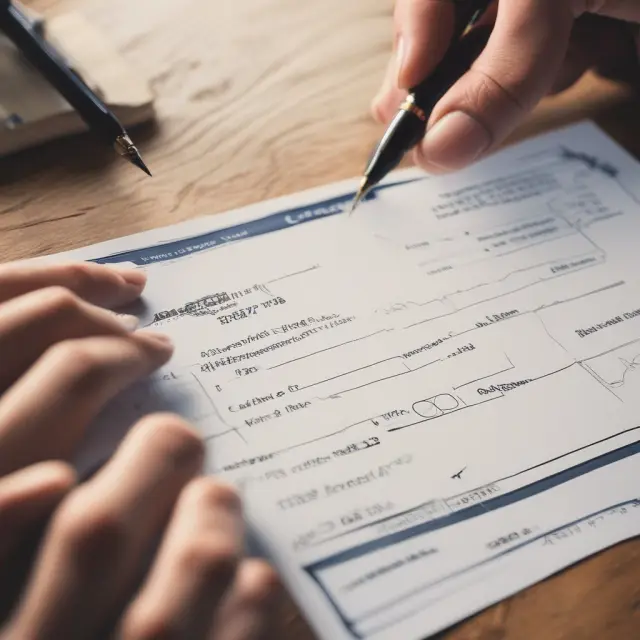
Locating Your Bank Account Number on a Check
Bank account numbers are essential for making transactions and managing finances through banks. Finding yours can be straightforward by accessing your monthly statement or visiting your local branch. However, if you prefer using paper checks, you’ll find the account number located at the bottom of each check.
The bank check layout typically displays three sets of numbers: a nine-digit routing number on the far left side, followed by the account number, and finally, the check number. The middle sequence is your unique account number that distinguishes your account from others held at the same financial institution. By understanding how this information is organized, you can easily locate and utilize it for various transactions or verification purposes.
Protecting Your Bank Account Number
As essential as bank account numbers are for managing finances, they’re also susceptible to fraud and identity theft. To safeguard your account number, employ multi-factor authentication (MFA) systems, password managers, and other security measures. These protective methods help ensure that only authorized users can access and modify sensitive financial information.
Additionally, be vigilant when sharing your bank account number with third parties or making online transactions. Scammers may try to trick you into disclosing it through phishing emails or fake websites. Always double-check the authenticity of the requestor before providing any sensitive information.
Length and Significance of a Bank Account Number
Bank account numbers typically consist of eight to twelve digits, although some may have up to seventeen digits. These variations depend on the specific bank or financial institution’s requirements. The unique sequence of numbers assigned to an individual account allows for easy identification when processing transactions, both within the banking network and between different institutions.
Conclusion:
In conclusion, a bank account number is a vital identifier that provides access to your personal bank account. Knowing how to locate it on a paper check and take necessary precautions to protect it can help ensure smooth financial transactions and safeguard against potential fraud or identity theft.

Securing Your Bank Account: Multi-Factor Authentication and Beyond
In today’s digital world, securing a bank account becomes increasingly essential to avoid potential identity theft and fraud. While password protection remains a vital aspect of maintaining financial security, multi-factor authentication (MFA) adds an extra layer of assurance to safeguard your sensitive banking information.
Multi-Factor Authentication: An Extra Barrier for Protection
Multi-factor authentication is a method used by financial institutions that requires users to provide two or more verifying pieces of evidence to access their accounts. Common examples include:
- Something you know (a password)
- Something you have (e.g., your mobile device)
- Something you are (biometric data, such as a fingerprint or facial recognition)
MFA has proven successful in preventing unauthorized access by requiring hackers to obtain not only the account holder’s password but also access to their secondary verification method. This two-step security process is quickly becoming the standard for financial services and is being implemented by an increasing number of institutions worldwide.
Password Managers: A Centralized Solution to Password Security
While multi-factor authentication has been shown to be effective in securing online banking, it’s only as strong as the password protecting your account. Many users struggle with remembering complex passwords and reusing the same one across multiple platforms. Enter password managers: these tools provide a centralized solution for managing passwords securely and conveniently. Password managers store and autofill login credentials, ensuring that each account has a unique, strong password. This not only keeps your banking information protected but also makes it easier to access your accounts.
The Importance of Strong Passwords
A strong password is essential in keeping your bank account secure. A strong password should be at least 12 characters long and contain a mix of uppercase letters, lowercase letters, numbers, and symbols. Avoid using easily guessable information like birthdays or pet names. It’s also crucial not to reuse the same password for multiple accounts, as a single breach could compromise all of your online assets.
Additional Tips for Securing Your Bank Account
- Monitor account activity closely: Regularly review account statements and transactions for any unauthorized access or suspicious activity.
- Enable email alerts: Many banks offer email notifications for large withdrawals or deposits, helping you quickly identify potential issues.
- Use a dedicated computer: Avoid conducting financial transactions on shared computers or public networks to reduce the risk of keyloggers and other malware.
- Install antivirus software: Protecting your device with reliable antivirus software is essential to prevent malware that could potentially steal sensitive data, including your bank account number.
- Update your software: Keep all of your software up-to-date to ensure you’re protected against the latest threats.
In conclusion, securing your bank account involves implementing multiple layers of protection such as strong passwords, multi-factor authentication, and security software. By following these best practices, you can significantly reduce the risk of falling victim to identity theft or financial fraud.

Historical Context: The Evolution of Bank Account Identification
A bank account number is a unique identifier assigned to individual accounts at financial institutions that grant access to the funds within those accounts. This essential number, in conjunction with a routing number, plays a crucial role in facilitating electronic and paper transactions. Understanding the historical significance of these numbers can provide valuable insight into their importance and evolution.
The roots of bank account identification trace back to the late 19th century. In an era characterized by manual check processing, it was necessary for banks to establish an efficient means of sorting and categorizing checks. The American Bankers Association (ABA) devised a system that assigned each financial institution a routing number, which identifies the specific bank handling the transaction. This nine-digit code serves as the foundation for modern check processing, providing crucial information about where to send funds.
The account number emerged as the next logical step in this evolving system. Account numbers typically range from 8 to 12 digits and function as a unique identifier of the bank account’s owner. This number is used in conjunction with the routing number to pinpoint the exact account of origin or destination for both paper checks and electronic transactions.
As technology progressed, so too did the methods by which account numbers were recorded and processed. The introduction of magnetic ink character recognition (MICR) in the 1960s streamlined check processing even further. With this development, banks could efficiently read and process large volumes of checks using high-speed machines that recognized the account number and routing number with remarkable accuracy.
The advent of electronic banking ushered in a new era for financial transactions. Today’s online and mobile applications rely on account numbers to facilitate direct deposit payments, bill payments, and fund transfers between accounts held at different institutions. The need for robust security measures has grown alongside the convenience offered by these digital platforms. As such, multi-factor authentication (MFA) and other protective measures have become essential components of securing users’ bank account numbers, safeguarding them against identity theft and unauthorized access.
In conclusion, the evolution of bank account identification has been marked by a series of advancements that began with a simple nine-digit routing number and progressed to the modern 8 to 12 digit account number. As the financial landscape continues to evolve, the importance of these numbers—along with robust security measures—will remain paramount in facilitating seamless transactions while protecting against threats to users’ hard-earned funds.

FAQs About Bank Account Numbers
In our increasingly digital world, understanding the importance of a bank account number has become essential. This unique identifier plays a crucial role in financial transactions, allowing us access to our funds for payments and deposits. In this section, we will answer some frequently asked questions about bank account numbers, providing you with valuable insight into their significance.
Q: What is a bank account number?
A: A bank account number is a series of numbers that identifies a specific bank account, granting access to it for conducting transactions such as direct deposits, wire transfers, and online banking. This number allows financial institutions to process payments or credit funds into the correct account.
Q: How does a bank account number work?
A: A bank account number is typically paired with a routing number, which identifies the financial institution issuing the check or handling the electronic transfer. Together, these numbers help pinpoint the right account for processing transactions.
Q: Where can I find my bank account number?
A: You can locate your bank account number in several ways – by checking your monthly statement, visiting your bank’s website, or looking at the bottom of a paper check. The account number is usually found between the routing number and the check number.
Q: Why is it important to protect my bank account number?
A: Since bank account numbers are necessary for financial transactions, they are prime targets for identity theft and fraud. Implementing security measures like multi-factor authentication (MFA), strong passwords, and limiting access to sensitive information can help safeguard your accounts from unauthorized users.
Q: What is the difference between a bank account number and a routing number?
A: A routing number identifies the financial institution issuing or handling transactions, while an account number uniquely identifies the specific account within that institution. The pairing of these numbers ensures the correct processing of transactions between banks.
Q: How long is a typical bank account number?
A: Bank account numbers can range from eight to 17 digits in length depending on the financial institution and the country. While debit card or credit card numbers may be similar in length, it’s important to remember that these are not interchangeable with bank account numbers.
Q: How do I locate my bank account number on a check?
A: To find your bank account number on a paper check, look at the bottom of the check beneath the routing number. This series of digits is located between the routing number and the check number.
By understanding the basics of bank account numbers, you’ll be better equipped to protect your funds, conduct transactions efficiently, and navigate the complexities of the modern financial landscape.
 Next entry · No. 22Understanding Account Statements: A Comprehensive Guide for Institutional Investors
See also
-
 No. 549
29 Apr 2024
22 min
Understanding Bureaucracy: What it is, How it Functions and its Implications for Finance and Investment
Business Strategy
No. 549
29 Apr 2024
22 min
Understanding Bureaucracy: What it is, How it Functions and its Implications for Finance and Investment
Business Strategy -
No. 22
28 Mar 2024
19 min
Understanding Account Statements: A Comprehensive Guide for Institutional Investors
Financial Tools
-
 No. 73
03 Apr 2024
25 min
Understanding Accounts in Trust: Types, Benefits, and How They Work
Personal Finance
No. 73
03 Apr 2024
25 min
Understanding Accounts in Trust: Types, Benefits, and How They Work
Personal Finance -
 No. 3,856
02 May 2025
18 min
Understanding Overhead Rates: Calculation, Limitations, and Examples
Business Finance
No. 3,856
02 May 2025
18 min
Understanding Overhead Rates: Calculation, Limitations, and Examples
Business Finance -
 No. 790
09 Jun 2024
21 min
Understanding the Cost of Labor: Direct vs Indirect, Fixed vs Variable
Business Strategy
No. 790
09 Jun 2024
21 min
Understanding the Cost of Labor: Direct vs Indirect, Fixed vs Variable
Business Strategy -
 No. 241
07 Apr 2024
19 min
Understanding the Importance of Asset Coverage Ratio in Finance: Measuring a Company’s Solvency
Corporate Finance
No. 241
07 Apr 2024
19 min
Understanding the Importance of Asset Coverage Ratio in Finance: Measuring a Company’s Solvency
Corporate Finance