Understanding Cash Advances: Types, Pros, Cons, and Impacts on Credit Scores

Learn the ins and outs of cash advances – from their types and mechanics to pros, cons, and impacts on your credit score.
Introduction to Cash Advances
A cash advance refers to borrowing money against your credit card or receiving funds from an alternative lender for quick access to cash. This financial solution is popular due to its speedy approval process and access to funds, but it comes with significant downsides. In this article, we’ll explore various types of cash advances, including their mechanics, advantages, disadvantages, alternatives, and their indirect impact on credit scores.
Section Title: Types of Cash Advances: Credit Card Cash Advances, Merchant Cash Advances, and Payday Loans
There are several cash advance options available, but three main types stand out: credit card cash advances, merchant cash advances, and payday loans. Each has its unique features, advantages, and disadvantages that you should be aware of before deciding on the best option for your situation.
Credit Card Cash Advances
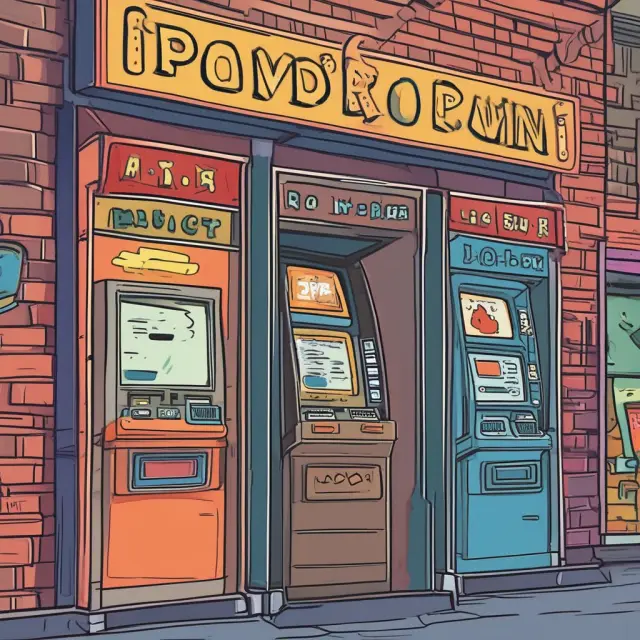
A credit card cash advance allows you to borrow a specified amount against your available credit limit. This type of cash advance can be obtained through an ATM withdrawal or by requesting a check from your credit card issuer. While convenient, credit card cash advances come with high interest rates and fees, which we’ll discuss in detail later on.
Merchant Cash Advances
Businesses, particularly those with less-than-perfect credit, can turn to merchant cash advances as an alternative financing solution. These loans are offered by banks or alternative lenders, with repayment often tied to a percentage of future sales revenue. In some cases, the funds may be paid back from online sales revenues like PayPal or other digital payment platforms. Merchant cash advances offer quick funding and flexible repayment terms compared to traditional business loans but come with potentially higher interest rates.
Payday Loans
The term “cash advance” can also refer to payday loans, which are short-term consumer loans ranging from $100 to $1,000. Payday lenders approve these loans based on the borrower’s income and do not consider their credit score. The repayment period is typically until the borrower receives their next paycheck, at which point the loan balance and associated fees are paid back in full. However, most payday loans are rolled over or renewed, leading to additional interest and fees, making them a costly and potentially dangerous form of debt for consumers.
Upcoming Sections
In the following sections, we will deep-dive into the mechanics of credit card cash advances, compare merchant cash advances to credit card cash advances, discuss the pros and cons of payday loans, explore how cash advances indirectly impact your credit score, and provide alternatives to consider if you need a short-term financial solution. Stay tuned for more information on this topic!
Types of Cash Advances: Credit Card Cash Advances and Alternatives
When considering cash advances, it’s essential to understand that different types exist – each with unique features, advantages, disadvantages, and implications. In this section, we will discuss credit card cash advances, merchant cash advances, and payday loans.
Credit Card Cash Advances: The Most Common Type of Cash Advance
Credit card cash advances are the most widely used form of cash advance, allowing cardholders to withdraw cash from their credit line or obtain a check they can use to get cash from a bank. This cash advance service is available at ATMs and through banks, but it often comes with high interest rates, fees, and immediate accrual of interest.
Merchant Cash Advances: A Business Financing Solution
In contrast to personal cash advances for individuals, merchant cash advances cater to businesses, enabling them to borrow money against their future revenue. Merchant cash advances can be advantageous for merchants with less-than-perfect credit, offering quick approvals and flexible repayment options. Repayment is made through a percentage of daily sales until the loan amount is paid off.
Payday Loans: Extremely Short-Term Consumer Loans
Payday loans are another form of cash advance, but they target consumers rather than businesses. Issued by payday lenders, these loans typically range from $100 to $1,000 and come with extremely high interest rates and fees. The repayment period is usually the borrower’s next paycheck, with the option to roll over the loan if they cannot pay it back on time.
Understanding the mechanics of credit card cash advances
A credit card cash advance involves borrowing money against your credit limit, which can be obtained at an ATM or through a check from the credit card issuer. This type of advance carries high interest rates, immediate accrual of interest, and additional fees for using an ATM or withdrawing cash via checks. It’s essential to consider the pros and cons before opting for a credit card cash advance:
Pros:
– Fast access to funds
– Can help in emergency situations
– Flexibility in repayment options
– Potential to build credit if paid off promptly
Cons:
– High interest rates
– Additional fees (ATM fees, check issuance fees, etc.)
– Immediate accrual of interest
– Separate payment from regular credit card purchases
Upcoming sections will further explore the advantages and disadvantages of merchant cash advances and payday loans. Additionally, we will discuss their impact on credit scores and offer alternative options for those seeking financial assistance.

Understanding the Mechanics of a Credit Card Cash Advance
Credit card cash advances are a financial solution that allows cardholders to borrow money against their credit limit. The process involves withdrawing cash from an ATM using the credit card or obtaining a check from the issuer, which can be cashed or deposited in a bank account. Unlike regular purchases, interest on cash advances starts accruing immediately and there’s usually a fee attached.
Credit card cash advances come with steep interest rates, ranging from 18-25% (APR) for most issuers, compared to the average credit card rate of around 16%. The interest begins accruing as soon as you withdraw the money and continues even if you pay off your other card purchases in full each month. Additionally, most issuers charge a cash advance fee, which is typically 3-5% of the advanced amount or a flat fee ranging from $5 to $10 for transactions under $1,000.
When taking a cash advance, you should be aware that it will result in a separate balance on your credit card account, usually with a higher interest rate than regular purchases. However, your monthly payment can be applied towards both the purchase and the cash advance balances, allowing you to pay off the high-interest debt over time.
Credit card issuers generally do not offer introductory 0% APR periods for cash advances, unlike new purchases, making them a more expensive option than other forms of borrowing. Interest on cash advances is also compounded daily, meaning you will pay interest on your interest, further increasing the overall cost.
To calculate the true cost of a credit card cash advance, consider the total amount borrowed, the fees, and the length of time it takes to repay the loan in full. For example, if you take out a $500 cash advance with a 24% APR (interest rate) and a 5% fee ($25), the true cost would be $569.37 over three months, assuming monthly payments of $193.13.
Credit card issuers do not report cash advances to credit bureaus as new debt, but they do affect your credit utilization ratio (the proportion of your credit limit in use), which can impact your credit score. If you’re considering a cash advance due to financial difficulties or an emergency, it may be worth exploring alternative options, such as personal loans, home equity lines of credit (HELOCs), or even negotiating payment plans with creditors, which might offer lower interest rates and more favorable repayment terms.

Merchant Cash Advances: Pros, Cons, and How They Differ from Credit Card Cash Advances
A merchant cash advance (MCA) is an alternative financing option for businesses, which can provide quick access to funds. In this section, we delve into the differences between MCA and credit card cash advances, highlighting their pros, cons, and implications on your business.
Merchant Cash Advances vs. Credit Card Cash Advances: The Fundamentals
Credit card cash advances refer to taking a loan against the available credit limit on your credit card, which can be accessed as a cash withdrawal or check from an ATM or bank. Merchant cash advances (MCAs), on the other hand, involve borrowing funds against future sales revenue through a financial institution or alternative lender.
Pros of Merchant Cash Advances
- Quick Access to Funds: MCAs offer fast approval and funding within hours or days, which can be crucial for businesses facing unexpected expenses, inventory purchases, or growth opportunities.
- Flexible Repayment Terms: Repayment is typically made through a percentage of daily credit card sales until the loan is paid off. This approach allows businesses to pay off the debt over time without incurring excessive upfront costs.
- No Collateral Required: MCAs do not necessitate collateral, making them an attractive option for business owners with poor credit or limited assets.
- Improved Cash Flow: By receiving a lump sum of cash now and repaying it later through sales revenue, businesses can manage their cash flow more effectively.
- No Early Repayment Penalties: Most MCAs do not have early repayment penalties, allowing business owners to pay off the loan in full at any time without penalty.
Cons of Merchant Cash Advances
- High-Interest Rates and Fees: The cost of a merchant cash advance is typically higher than other financing options due to high factor rates (ranging from 1.2 to 1.5), which translates into an effective annual percentage rate (APR) of 30% or more.
- Lack of Transparency and Standardization: The lack of industry regulations and standardized pricing structures can make it difficult for businesses to compare offers from different lenders, potentially leading to unfavorable terms.
- Long-Term Financial Commitment: Repayment through a percentage of daily sales means that the debt can take months or even years to repay, depending on the business’s sales volume and growth potential.
- Impact on Cash Flow: Although MCAs provide businesses with quick access to cash, they also result in reduced cash flow due to the ongoing deductions from daily sales. This can impact a company’s ability to address other financial obligations or invest in future opportunities.
- Limited Flexibility: Repaying an MCA through a percentage of daily sales can limit a business’s flexibility, as any reduction in sales volume results in extended repayment terms and increased interest costs.
Pros of Credit Card Cash Advances
- Quick Access to Funds: Like MCAs, credit card cash advances offer businesses quick access to funds through a withdrawal or check at an ATM or bank.
- Flexible Repayment Terms: While credit card cash advances typically feature high-interest rates and fees, they can be repaid over time with monthly installments, making them more manageable than payday loans.
- No Impact on Business Cash Flow: Since the debt is separate from the business’s operating account, merchant cash advances do not affect a company’s cash flow directly.
Cons of Credit Card Cash Advances
- High-Interest Rates and Fees: Credit card cash advances come with higher interest rates and fees than regular credit card purchases, making them an expensive financing option for businesses.
- Negative Impact on Credit Score: Taking a credit card cash advance does not directly harm your business credit score but can indirectly impact it by increasing outstanding balances, raising credit utilization ratios, and potentially leading to missed payments.
- Lack of Flexibility: Repaying the debt through monthly installments may require businesses to divert resources from other operational expenses or investments.
In conclusion, both merchant cash advances and credit card cash advances come with their unique advantages and disadvantages. Businesses must weigh these factors carefully before opting for one financing option over another based on their specific financial situation, short-term needs, and long-term goals. Understanding the pros, cons, and differences between MCAs and credit card cash advances can help businesses make informed decisions when choosing a financing solution to meet their needs and grow their operations sustainably.

Payday Loans: A Form of Cash Advance for Consumers
When dealing with sudden financial emergencies or unexpected expenses, consumers may consider turning to payday loans as a quick solution. However, it’s essential to understand what payday loans are, how they work, and the potential risks involved before making this decision.
Payday loans, also known as cash advance loans or salary loans, provide individuals with short-term financial assistance until their next paycheck. The loan amount can range from $100 to $1,000 or more, depending on the lender and state regulations. However, it is important to note that these loans come with steep interest rates and fees, which can create a cycle of debt for borrowers if they are unable to pay them back promptly.
Interest Rates and Fees
Payday loans carry high-interest rates, typically ranging between 391% and 521% Annual Percentage Rate (APR) according to the Consumer Financial Protection Bureau (CFPB). Additionally, lenders may charge fees that can add up to 10-30% of the loan amount. These fees can make the actual cost of borrowing significantly more than the initial loan amount. For instance, if you take out a $300 payday loan with a fee of $95, your total repayment will be around $435.
Repayment Terms
Payday loans are typically due on your next paycheck, usually within two weeks. If the borrower is unable to pay back the loan in full at that time, they may roll over or renew the loan. This allows them to extend the repayment term but results in additional fees and interest charges. More than 80% of all payday loans are rolled over within 30 days, according to a CFPB study, resulting in borrowers paying far more than the initial loan amount.
Impact on Credit Scores
Payday loans do not directly impact credit scores since they are considered a form of cash advance rather than a traditional loan or line of credit. However, taking out multiple payday loans can lead to other negative consequences, such as overdraft fees from your bank or the potential for long-term debt due to rollovers and renewals.
Alternatives to Payday Loans
Instead of relying on payday loans, consider alternative options like establishing an emergency fund, seeking help from family and friends, applying for a personal loan, or utilizing resources provided by your employer. By exploring these alternatives, you can avoid the high costs and potential long-term consequences associated with payday loans.

Credit Scores and Cash Advances: Indirect Impact
A cash advance doesn’t directly harm your credit score, but it does indirectly impact it through an increase in outstanding balances, credit utilization ratios, and monthly payments. By understanding the connection between cash advances and your credit score, you can make informed decisions when considering taking a cash advance.
When you take out a cash advance using your credit card, the amount borrowed is added to your outstanding balance. This increase in your balance can lead to a higher credit utilization ratio—the percentage of your available credit that you’re currently using. Credit utilization ratios are an essential factor in determining credit scores, and high utilization ratios can negatively impact your score. For instance, if you have a credit limit of $10,000 and owe $5,000 on your card, your credit utilization ratio is 50%. With a cash advance, the balance on your card increases significantly, raising your utilization ratio and potentially lowering your credit score.
Moreover, cash advances usually come with higher interest rates than regular purchases made using your credit card. If you are unable to pay back the amount borrowed promptly, this can lead to a consistent pattern of high monthly payments. Your credit score may be affected as lenders view these patterns unfavorably and see it as a risk factor for future loans.
It’s important to note that cash advances do not directly impact your credit score; instead, the indirect consequences, such as increased utilization ratios and potential late or missed payments, can negatively affect your creditworthiness. Always consider all potential implications before deciding whether or not a cash advance is the best solution for your financial situation.
In conclusion, understanding the relationship between cash advances and credit scores is vital for managing your finances responsibly. While cash advances don’t directly harm your score, their indirect consequences can impact your creditworthiness significantly. By being aware of these factors, you can make informed decisions when considering taking a cash advance and mitigate potential negative effects on your credit score.
Pros of Taking a Cash Advance
A cash advance can serve as a valuable tool for individuals facing unexpected expenses or emergencies when no other options are available. Although they come with high interest rates and fees, the benefits that make cash advances appealing include:
1. Quick Access to Funds
Cash advances offer a quick solution to immediate financial needs, providing access to funds within minutes in some cases. This swiftness can be essential during emergencies or when traditional loan application processes would take too long.
2. Alternatives to Payday Loans and Car Title Loans
Compared to payday loans and car title loans, cash advances from credit cards can have more favorable terms. While these alternative lending options may offer even quicker access to funds, they often come with exorbitant interest rates that far surpass those of credit card cash advances.
3. Potential for Building Credit
Making timely payments on a credit card cash advance could help build credit history and improve overall credit standing. This is because each payment made contributes to the borrower’s credit utilization ratio, which affects their credit score positively if it remains low.
However, it’s essential to note that taking a cash advance comes with risks. High interest rates, fees, and potential long-term debt are just a few of the downsides to consider before opting for this form of financing. To fully understand cash advances and their implications on one’s financial situation, let us explore the mechanics behind credit card cash advances, merchant cash advances, payday loans, and the indirect impact on credit scores.
Credit Card Cash Advances: Pros and Cons
When borrowing from a credit card, individuals can take advantage of cash advances for their quick access to funds, but they must be aware of the high-interest rates, fees, and potential financial repercussions that come with it. A credit card cash advance allows users to withdraw funds against their available credit limit, which comes with steep interest rates, often starting at around 21% (APR), compared to the average 16% to 18% rate for regular purchases. Additionally, most credit cards charge a fee of around 3-5% of the amount borrowed or a flat fee, whichever is greater, making cash advances more expensive than traditional purchases.
Despite these disadvantages, credit card cash advances can be helpful when faced with genuine financial emergencies and a solid repayment plan. For example, individuals might use cash advances to cover medical bills, car repairs, or other unexpected expenses. However, it is crucial that they understand the implications of increased debt and high-interest rates to avoid long-term financial difficulties.
In conclusion, while taking a cash advance can provide quick access to funds during emergencies, it is essential to weigh the pros and cons carefully. By considering alternatives like personal loans or home equity lines of credit (HELOCs), as well as understanding how cash advances impact credit scores, individuals can make informed financial decisions that best suit their unique circumstances.

Cons of Taking a Cash Advance
Cash advances can be an attractive option for people in need of quick access to funds; however, they come with significant drawbacks that must be carefully weighed before making the decision to take one. High interest rates and fees are the most apparent disadvantages, but there are other less obvious costs to consider as well.
High Interest Rates
One of the primary disadvantages of a cash advance is the high-interest rate, which can range from around 20% for credit card cash advances to over 100% for payday loans. This interest rate often compounds daily and can result in exorbitant long-term debt if not repaid promptly.
Fees
Beyond the high-interest rates, there are additional fees that come with taking a cash advance. Credit card companies typically charge a flat fee or a percentage of the advanced amount. ATMs may also charge a usage fee, adding to the overall cost of the cash advance.
Impact on Credit Scores
While a cash advance itself does not directly impact credit scores, it can indirectly affect them through an increase in outstanding balances and credit utilization ratios. A higher balance and increased utilization ratio could potentially lower your credit score.
Long-Term Debt
The combination of high interest rates and fees can make paying off a cash advance challenging for some individuals. If the debt goes unpaid, it can lead to long-term debt issues and negatively impact both short-term financial stability and future creditworthiness.
Payday Loans vs. Credit Card Cash Advances
Another factor to consider when weighing the cons of taking a cash advance is the type of loan you are considering. Payday loans, which also go by other names like cash advances or deferred deposits, have even more significant drawbacks than credit card cash advances. They often carry exorbitant interest rates and fees, with some reaching triple digits, and may require repayment in a very short period of time. This can put borrowers at risk for falling into a cycle of debt that is difficult to escape.
Alternatives to Cash Advances
Instead of resorting to cash advances, consider exploring alternative options such as personal loans, savings accounts, home equity lines of credit (HELOCs), or even talking to your employer about payroll advancements or flexible spending plans. These alternatives may offer more favorable terms and a lower cost overall. By researching your options carefully and weighing the pros and cons, you can make an informed decision that is best for your financial situation.
In conclusion, cash advances can be a useful tool when used responsibly and for short-term emergencies. However, their high interest rates, fees, and potential impact on credit scores make them risky for long-term use. Be sure to fully understand the terms of any cash advance before accepting it, and consider alternative options that may offer more favorable repayment terms.

Alternatives to Cash Advances
When considering a cash advance as an option for quick financial assistance, it’s essential to explore other alternatives that might better serve your needs. While cash advances can provide immediate relief, they come with hefty fees and high interest rates that could exacerbate financial struggles in the long run. In this section, we will discuss some common alternatives to cash advances that may offer more favorable terms and conditions.
Savings Accounts
One of the most accessible ways to obtain funds quickly is by dipping into your savings account. Although this might not be an option for everyone due to limited funds or emergency situations, saving money is crucial for financial security and can help avoid relying on high-interest loans like cash advances. If possible, establishing a small emergency fund is recommended for unexpected expenses.
Personal Loans
A personal loan may serve as a better alternative to a cash advance if you have a good credit score. Personal loans typically come with lower interest rates and a fixed repayment term. You can apply for these loans from banks or online lenders, providing a more cost-effective solution than relying on a cash advance.
Home Equity Lines of Credit (HELOCs)
For homeowners with equity in their properties, a Home Equity Line of Credit (HELOC) is an alternative to cash advances that might offer lower interest rates and larger amounts. HELOCs work by borrowing against the value of your home and typically require collateral. However, they may have strict eligibility criteria and can come with variable interest rates, so it’s essential to consider all terms before applying.
401(k) Loans
Another alternative to cash advances is taking a loan from your 401(k) retirement account. This option might be more favorable than a cash advance as it carries lower interest rates and longer repayment terms, making it a potentially cost-effective solution for addressing short-term financial needs. However, it’s important to note that missing payments or defaulting on the loan could lead to tax consequences and penalties.
In conclusion, while cash advances may seem attractive due to their quick availability, they can often result in long-term financial consequences. Considering alternatives like savings accounts, personal loans, HELOCs, or 401(k) loans might provide more cost-effective solutions for addressing short-term financial needs and promoting long-term financial security.

FAQ: Common Questions About Cash Advances
Cash advances have gained popularity due to their quick access to funds, but they come with high interest rates and fees that can pose financial risks for borrowers. In this FAQ section, we’ll address common questions about cash advances, including repayment plans, fees, interest rates, credit scores, and alternatives.
How does a credit card cash advance repayment plan work?
A credit card cash advance repayment plan usually consists of making minimum monthly payments on both the credit card purchases and the cash advance balance. However, it’s essential to keep in mind that interest accrues daily, so the majority of each payment goes towards interest rather than reducing the principal amount. This can make it challenging for borrowers to pay off their debt quickly.
What are common fees associated with credit card cash advances?
Apart from the higher interest rates, cash advances often come with additional fees. These can include a flat fee or a percentage of the advanced amount, as well as ATM usage fees when withdrawing cash from an ATM.
How do cash advances impact my credit score?
A cash advance doesn’t directly harm your credit score, but it does indirectly affect it by raising your outstanding balance and increasing your credit utilization ratio, which can negatively influence your creditworthiness.
Can I get a payday loan as an alternative to a cash advance?
Yes, payday loans can be seen as a quicker alternative to cash advances, but they come with their own drawbacks: exorbitant interest rates and fees that can lead borrowers into a cycle of debt.
Are there alternatives to both credit card cash advances and payday loans?
Absolutely! Exploring other financial options such as personal loans, home equity lines of credit (HELOCs), or even reaching out to friends or family for help can be more financially sound solutions than relying on high-interest rate loans.
Are there any advantages to taking a cash advance?
Cash advances do have some benefits: they are quick and easy to obtain, especially when compared to traditional bank loans; they provide access to funds in an emergency situation; and for those with good credit, they can potentially be used to build credit history by paying off the balance on time. However, it’s crucial to weigh these advantages against the high interest rates and fees associated with cash advances before making a decision.
 Next entry · No. 634Understanding the Differences Between Cash and Cash Equivalents: Implications for Institutional Investors
See also
-
 No. 829
16 Jun 2024
19 min
Understanding Credit Scores: The Key to Securing Finances and Investments
Credit & Loans
No. 829
16 Jun 2024
19 min
Understanding Credit Scores: The Key to Securing Finances and Investments
Credit & Loans -
 No. 593
01 May 2024
18 min
Understanding Canceled Checks: Proof of Payment and the Clearing Process
Banking
No. 593
01 May 2024
18 min
Understanding Canceled Checks: Proof of Payment and the Clearing Process
Banking -
 No. 734
29 May 2024
19 min
The Power and Significance of Compound Interest
Personal Finance
No. 734
29 May 2024
19 min
The Power and Significance of Compound Interest
Personal Finance -
 No. 672
18 May 2024
21 min
Understanding Checking Accounts: Types, Features, and Fees
Personal Finance
No. 672
18 May 2024
21 min
Understanding Checking Accounts: Types, Features, and Fees
Personal Finance -
 No. 293
09 Apr 2024
25 min
Understanding the Average Daily Balance Method: Calculating Interest Charges in Credit Card Statements
Personal Finance
No. 293
09 Apr 2024
25 min
Understanding the Average Daily Balance Method: Calculating Interest Charges in Credit Card Statements
Personal Finance -
 No. 1,449
17 Sep 2024
18 min
Understanding the Fair Debt Collection Practices Act (FDCPA): Protecting Your Rights as a Debtor
Consumer Rights
No. 1,449
17 Sep 2024
18 min
Understanding the Fair Debt Collection Practices Act (FDCPA): Protecting Your Rights as a Debtor
Consumer Rights