Understanding Demonetization: Implications for Currency, Economy and Society

This article explores the concept of demonetization, including historical examples like India's 2016 demonetization, reasons for implementing it, pros and…
What is Demonetization?
Demonetization, also known as currency redenomination, refers to the process of removing a specific unit of currency from circulation as legal tender. This intervention into a country’s economy can lead to significant changes, with the potential to stabilize financial instability or cause economic turmoil.
Historically, demonetization has been employed for several reasons: fighting inflation, facilitating trade and currency unions, modernizing cash-dependent economies, and combating corruption. One well-known example occurred in India when it suddenly demonetized 86% of its currency in 2016.
In the context of finance and investment, understanding this concept is essential for staying informed about potential implications on the global economy and the impact it may have on your investments. This section will explore the historical background and reasons behind demonetization, its pros and cons, and provide a case study to illustrate its real-world effects.
What follows is an in-depth examination of what demonetization entails, why it has been used throughout history, and its significance for currency, economy, and society.
Historical Context: Previous Demonetizations in History
To grasp the full picture of demonetization, let’s first look at a few significant historical examples. In 1873, the United States underwent the Coinage Act which removed silver as legal tender and shifted to a gold standard. This was done to combat inflation caused by large silver discoveries in the American West. The impact on the economy was substantial – the withdrawal of silver from circulation resulted in a contraction of the money supply, contributing to a recession. However, this also paved the way for monetary policy to address economic fluctuations.
In contrast, Zimbabwe experienced demonetization as part of its response to hyperinflation during the late 1990s and early 2000s. With month-over-month growth rates exceeding 79 million percent and year-over-year growth reaching a sextillion percent, the Zimbabwean dollar was expunged from its financial system in a three-month process. The country adopted a basket of currencies as its legal tender to stabilize the economy.
Reasons for Demonetizing a Currency
There are several reasons why governments choose to demonetize their currency. One primary objective is to stabilize the value of a currency and combat inflation, such as in the United States during the Coinage Act. Another reason is to facilitate trade by joining currency unions, like when Europe officially adopted the euro in 2002. Modernizing cash-dependent economies and combating corruption have also been reasons for demonetization.
Pros of Demonetization
Demonetization offers advantages such as minimizing fraudulent financial practices and promoting a more transparent economy. It can facilitate access to digital banking, fostering innovation and convenience. For example, India’s demonetization drive aimed to push more cash transactions into the formal economy and discourage black money.
Cons of Demonetization
However, demonetization also comes with its challenges. Convenience for citizens may be sacrificed as they adapt to new currency or digital payment systems. There could be temporary economic slowdowns during the transition process. Additionally, there are substantial logistical costs involved in printing new currency and retrofitting ATMs and other banking infrastructure.
Upcoming Sections:
In the following sections, we will delve deeper into these topics, exploring examples of successful and unsuccessful demonetization efforts and discussing its implications for the global economy. Stay tuned to gain a comprehensive understanding of this intriguing financial concept!
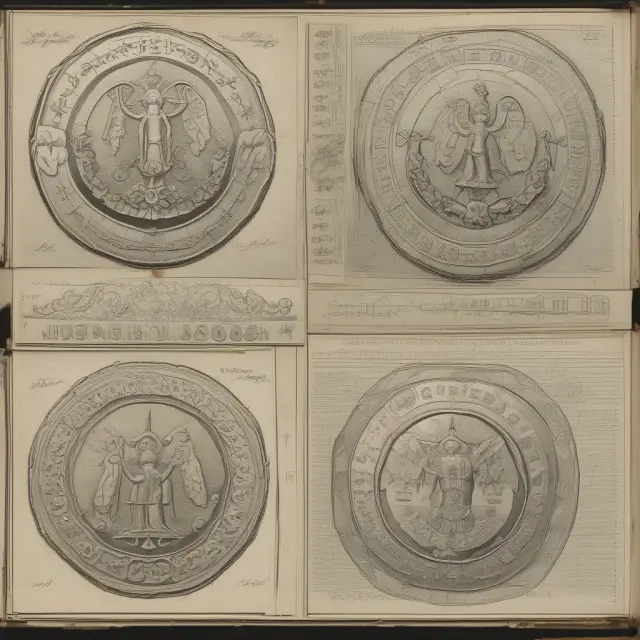
Historical Context: Previous Demonetizations in History
The concept of demonetization dates back centuries, as governments have sought to stabilize their economies by removing currency from circulation. One of the earliest instances occurred when the United States passed the Coinage Act of 1873, which effectively demonetized silver and shifted the economy to the gold standard. This move aimed to combat inflation, following a period of significant economic growth driven by the discovery of new silver deposits in the American West.
Another notable example is Zimbabwe’s experience with hyperinflation in the late 1990s and early 2000s. In response to the country’s runaway inflation, which reached month-over-month growth of 79.6 million percent and year-over-year growth of 89.7 sextillion percent at its peak, Zimbabwe effectively demonetized its currency by removing it from circulation. The country adopted a basket of foreign currencies as legal tender and eventually introduced the U.S. dollar, the Botswana pula, and the South African rand as the official currencies to bring stability back to the economy.
A more recent example of demonetization involved the European Union’s adoption of the euro as a common currency among its member states in 2002. The euro replaced the national currencies of participating countries, such as the German mark, French franc, and Italian lira, which had served as legal tender until that point. Although these currencies remained convertible to the euro at fixed exchange rates initially, they were eventually phased out entirely to facilitate a smooth transition to the new currency.
These historical examples illustrate how demonetization has been used to address various economic challenges and achieve specific policy objectives, including fighting inflation, facilitating trade, and modernizing economies. The consequences of these interventions, both positive and negative, provide valuable lessons for understanding the implications of present and future demonetizations.
The Coinage Act of 1873: A Turning Point for the US Economy
In 1873, the United States underwent a significant shift in its monetary system when Congress passed the Coinage Act. The law effectively demonetized silver and adopted the gold standard as the country’s new monetary foundation. This move aimed to combat inflation, which had risen due to the discovery of large silver deposits in the American West. The new policy required that silver could no longer be used as a form of payment for debts or taxes, causing many businesses and individuals to exchange their silver coins for gold.
The Coinage Act marked a turning point for the U.S. economy. The monetary change led to the withdrawal of significant amounts of silver from circulation, reducing the money supply and contributing to an economic downturn that lasted several years. The act also had political implications, as farmers and silver miners and refiners pushed back against the policy and demanded relief through legislation like the Bland-Allison Act, which remonetized silver in 1878.
Zimbabwe’s Demonetization: Fighting Hyperinflation
In the late 1990s and early 2000s, Zimbabwe faced unprecedented hyperinflation that made it impossible for people to afford basic necessities such as bread or bus fares. In response, the government took drastic action by demonetizing the Zimbabwean dollar in November 2015. The country adopted a basket of foreign currencies (the U.S. dollar, Botswana pula, and South African rand) as legal tender to replace the worthless domestic currency.
The process of demonetizing the Zimbabwean dollar proved successful in bringing inflation under control. However, it also brought about significant challenges for businesses and individuals accustomed to transacting in local currency. The three-month process involved expunging the Zimbabwean dollar from the financial system and rebuilding trust in a more stable monetary framework.
Europe’s Monetary Union: Adopting the Euro
In 2002, the European Union (EU) introduced the euro as a common currency among its member states. The transition to the euro involved demonetizing the national currencies of participating countries, such as the German mark, French franc, and Italian lira. Although these currencies remained convertible to the euro at fixed exchange rates initially, they were eventually phased out entirely by 2013 to facilitate a smooth transition to the new currency.
The adoption of the euro brought significant benefits for Europe’s economy, including increased economic integration and facilitating cross-border trade. However, it also led to challenges in managing monetary policy and addressing fiscal imbalances among member states, which became apparent during the European debt crisis in 2010.
Understanding these historical examples provides valuable context for understanding the motivations behind demonetization, its implications for economies and societies, and the potential benefits and drawbacks of implementing such policies.

Reasons for Demonetizing a Currency
Demonetization refers to the official withdrawal of a currency from circulation as legal tender, often replaced with new notes or coins. Governments implement this drastic economic intervention for several reasons: currency stabilization and fighting inflation, facilitating trade and currency unions, and modernizing cash-dependent economies while combating corruption.
Historically, demonetization has been employed to quell monetary instability and counteract hyperinflation. The Coinage Act of 1873 in the United States, which removed silver as legal tender, was a response to inflationary pressures brought on by newly discovered silver deposits. More recently, Zimbabwe demonetized its currency to combat severe hyperinflation and introduce a more stable foreign currency system.
Trade facilitation is another reason for demonetization. When countries form currency unions or adopt a common currency like the European Union did with the euro, older currencies may be phased out through a controlled process while retaining exchange rates to ensure a smooth transition.
Modernizing cash-dependent economies and combatting corruption are two more compelling reasons for demonetization. By promoting digital transactions and eliminating large-denomination banknotes, governments can reduce tax evasion, money laundering, and counterfeit currency issues. This shift towards a more transparent economy fosters innovation and reduces overall crime rates.
The pros of demonetization include minimizing fraudulent financial practices and fostering a digital banking system that encourages innovation and transparency. Demonetization can promote long-term economic growth by increasing tax revenue, which can be reinvested in the country. Moreover, it creates a safer, more accessible monetary system for citizens, reducing risks associated with counterfeit currency and physical cash.
However, there are disadvantages to demonetization. The process can cause inconvenience to citizens who must exchange old currency or adjust their businesses to digital transactions. This may lead to temporary economic instability and a period of slowed growth as the economy adapts to the new monetary system. Additionally, expensive logistical measures, such as modifying ATMs, recalibrating infrastructure, and re-educating citizens on the new currency, must be taken to ensure a successful transition.
Cash-driven sectors may face negative impacts from demonetization, such as small businesses that rely heavily on cash transactions. Demonetization may also introduce new risks, like cybercrime related to digital transactions or exchange rate volatility in foreign currency markets.
In recent years, India demonstrated the implications of demonetization when it suddenly removed 500- and 1,000- rupee notes from circulation to combat corruption, tax evasion, and counterfeit currency. The move led to widespread chaos as citizens struggled with a cash shortage, shuttered businesses, and falling economic growth.
In conclusion, demonetization is an important tool for governments seeking to stabilize their currencies, promote trade, and modernize their economies. While the process can bring about significant benefits, it also comes with challenges that must be carefully considered and addressed.

Pros of Demonetization
The process of removing a currency unit from circulation as legal tender, known as demonetization, can have several advantages. It is implemented for various reasons and has proven to be an effective tool in combating certain financial issues while fostering innovation and progress. In this section, we will discuss the pros of demonetization, including minimizing fraudulent financial practices, promoting a digital banking system, and fostering transparency.
Minimizing Fraudulent Financial Practices
One primary advantage of demonetization is its potential to minimize fraudulent financial practices. When individuals are unable to exchange illegal tender with banks, the incidence of tax evasion can be significantly reduced. A nation’s economy benefits from an increase in revenue and a more transparent financial landscape. This is crucial for long-term economic growth as these funds can be reinvested in various sectors, leading to higher GDP.
Promoting a Digital Banking System
Another advantage of demonetization is its demonstration of an advancing banking system. As countries shift towards digital currency, physical tender becomes less important, making it safer and more accessible for citizens. This can result in a decrease in crime related to cash transactions and counterfeit currency. Organized industries and companies often benefit the most from this transition as they can easily adapt to the new system.
Fostering Innovation and Transparency
Demonetization plays a crucial role in fostering innovation by converting currency into digital currency, promoting digital transactions, and encouraging the adoption of newer technologies. This results in an overall improvement in transparency and accountability within the financial sector. By eliminating cash-driven sectors, the economy becomes more regulated and less prone to black markets and corruption.
Conclusion:
In conclusion, demonetization has its pros and cons. While it may cause short-term inconvenience for citizens and temporarily stall economic growth, long-term benefits like minimizing fraudulent financial practices, promoting digital banking systems, and fostering innovation and transparency make it a powerful tool in the hands of governments seeking to modernize their economies and combat various financial issues.
FAQs: Frequently Asked Questions on Demonetization
What is demonetization?
Demonetization refers to the process of removing a currency unit from circulation as legal tender. This may be done to stabilize the economy, facilitate trade, or modernize a cash-dependent economy.
Why has demonetization been used historically?
Historically, demonetization has been used to combat hyperinflation, introduce new currencies in currency unions, and transition to a digital banking system.
What are some successful examples of demonetization?
Successful examples include the Coinage Act of 1873 in the United States, which helped stave off inflation, and the European Union’s introduction of the euro as legal tender in 2002.
What are some unsuccessful examples of demonetization?
Unsuccessful examples include Zimbabwe’s attempt to combat hyperinflation in 2015, which led to economic instability and chaos.
What are the advantages of demonetization for a country?
Advantages include minimizing fraudulent financial practices, promoting digital banking systems, and fostering innovation and transparency.
What is the disadvantage of demonetization?
Disadvantages include inconvenience for citizens, temporary economic slowdowns, expensive logistical measures, and negative impact on cash-driven sectors.

Cons of Demonetization
Demonetizing a currency unit can lead to several negative impacts, although these consequences may be intentional. Here we discuss the inconvenience, stalling economic growth, expensive logistical measures, and negative impact on cash-driven sectors that may arise from demonetization.
Inconvenience to Citizens: The most obvious drawback for citizens is the inconvenience they face during the transition period of demonetization. For example, if citizens possess large amounts of old currency that has become invalid, they have to exchange it for the newly issued tender or deposit it in a bank within the specified time frame. This can be an arduous process, especially when long queues form outside banks and ATMs to facilitate such transactions.
Temporarily Stalling Economic Growth: Demonetization may lead to temporary economic growth stagnation as businesses struggle to adapt and make necessary changes. For instance, companies that primarily deal with cash transactions will encounter difficulties in processing payments during the transition. Moreover, the sudden disappearance of a significant amount of cash from circulation can lead to a reduction in spending and subsequently slow down the overall economy.
Expensive Logistical Measures: The implementation of demonetization involves various costly measures for governments, banks, and businesses alike. Governments face the expense of producing new currency notes or coins, modifying ATMs, and educating citizens about the change. Banks incur costs from handling large amounts of cash during the exchange period and updating their internal systems to accommodate the new tender. Businesses must bear the cost of reconfiguring their payment processes to accept the newly issued currency.
Negative Impact on Cash-Driven Sectors: Demonetization can negatively affect cash-driven sectors, such as small businesses or informal markets, where people rely heavily on cash transactions. This is because demonetizing larger denomination notes may disrupt their daily operations. Additionally, during the transition period, the unavailability of new currency notes may force these sectors to operate at reduced capacities while they wait for sufficient supplies or alternative methods of payment.
Despite these downsides, it’s important to remember that demonetization is not always a negative event. In many cases, it serves as an essential tool for governments to stabilize their economies and curb various financial irregularities. By acknowledging both the advantages and disadvantages of demonetization, we can gain a more holistic understanding of this economic intervention.

Demonetization in Modern Times: India
In recent years, demonetization has been employed by nations as a strategic measure to stabilize their economies, eliminate corruption, and shift towards digital transactions. Among the most prominent examples of demonetization in modern times is India’s decision to withdraw 500- and 1000-rupee banknotes from circulation in November 2016. This drastic step aimed at targeting counterfeit currency, curb tax evasion, and ultimately modernize the cash-dependent Indian economy.
Impacts on Economy and Inflation
The abrupt decision to demonetize India’s largest denominations led to a significant disruption in the country’s financial landscape. With over 86% of the circulating cash suddenly deemed worthless, there were widespread concerns about cash shortages, economic instability, and potential inflation.
However, it is essential to note that demonetization was not intended as an end in itself but rather a means to address underlying issues within the Indian economy. The Reserve Bank of India (RBI) had reported that 40% of the country’s currency circulated in smaller towns and rural areas was counterfeit. Additionally, around 62% of the workforce relied on cash transactions for their income, making it an attractive target for black money or unreported income.
Addressing Corruption and Tax Evasion
One of the primary objectives of the Indian government’s demonetization effort was to combat corruption and tax evasion. By removing large-denomination notes from circulation, authorities hoped to force individuals holding untaxed or illegally acquired wealth to exchange their old currency for new notes at banks. This would enable the government to trace the origin of these funds and potentially levy taxes or fines on them.
Implementation Challenges
Despite the objectives behind demonetization, its implementation faced numerous challenges. The abruptness of the decision resulted in extensive chaos, as ATMs and banks struggled to provide new currency notes to meet public demand. Small businesses were similarly impacted by a lack of cash availability, resulting in disrupted supply chains and delayed payments for wages.
Gauging Success
Evaluating the success of demonetization in India is still an ongoing process. The Indian economy has experienced short-term challenges, with a Gross Domestic Product (GDP) growth rate of 6.1% during Q4 of the fiscal year 2017, compared to 7.3% in the previous quarter. However, it is important to note that these figures do not entirely represent the full impact of demonetization on the economy.
The implementation of a cashless economy has seen digital transactions surge by over 400% within three months of the announcement. Additionally, there have been reports of increased tax filings and financial transparency in India’s financial markets.
Future Implications
As more countries explore digitizing their economies and phasing out cash, it is vital to consider the potential implications of such interventions. While demonetization can help combat corruption and modernize an economy, it also carries risks such as potential short-term economic instability and inconvenience for citizens. Careful planning and execution will be crucial in ensuring a successful outcome.
Conclusion:
Demonetization is a powerful tool used by countries to address various economic challenges. From combating hyperinflation and stabilizing currencies to promoting digital transactions, demonetization has shown its importance in modern economies. India’s recent experience with demonetization offers valuable insights into the benefits and challenges of implementing such a significant intervention. As the world continues to transition towards cashless transactions, understanding the intricacies of demonetization will be crucial for individuals and governments alike.

Demonetization in Social Media
Demonetization, in today’s digital era, refers not only to the removal of currency from circulation but also the practice of denying payment for content creators on social media platforms. While the concept may seem unrelated to traditional demonetization, it bears the same name due to its impact on the value and worth of a particular asset: content.
In recent years, several content creators have reported having their accounts demonetized on YouTube, Facebook, Twitch, and other streaming platforms without clear explanations or recourse. Demonetization on social media can lead to substantial financial losses for creators whose income relies heavily on platform ad revenue, as well as a loss of credibility and potential audience growth through ad revenue sharing programs.
Reasons Behind Social Media Demonetization
Social media platforms may demonetize content based on several factors:
- Violation of Terms of Service: Content that violates the platform’s terms of service or community guidelines may be demonetized, reducing creators’ ability to earn revenue from ads displayed on their videos or streams.
- Algorithmic Changes: Platform algorithms change frequently and can impact a creator’s eligibility for ad revenue sharing programs. These changes are often not communicated clearly and can lead to confusion and frustration.
- Content Sensitivity: Certain types of content, such as controversial political commentary, explicit language, or mature themes, may be deemed inappropriate for advertising and result in demonetization.
- Copyright Issues: Using copyrighted music or images without proper authorization may lead to content being demonetized, as platforms prioritize protecting copyright holders’ rights.
- Partner Eligibility: Meeting certain eligibility requirements, such as age, number of subscribers, or watch hours, is necessary for creators to participate in monetization programs on YouTube and other similar platforms. If creators do not meet these requirements, their content may be demonetized.
Implications of Social Media Demonetization
The implications of social media demonetization can significantly impact both the content creator’s financial situation and their audience engagement:
- Financial Losses: Creators who rely on ad revenue to support themselves financially will face significant losses when their content is demonetized, potentially leading them to consider alternative income sources or even abandoning their channels.
- Reduced Credibility: A demonetized channel may be perceived as less reputable or trustworthy by potential viewers and subscribers, which could impact future growth prospects.
- Frustration and Disengagement: Creators and audiences alike may become frustrated with the lack of transparency and inconsistency surrounding social media demonetization policies, leading to disengagement from the platform.
- Potential for Alternative Revenue Streams: As social media platforms continue to evolve, creators must consider alternative revenue streams like merchandise sales, paid subscriptions, sponsorships, or crowdfunding to maintain financial stability and grow their audience base.
- Advocacy and Transparency: Creators and advocacy groups have called for greater transparency from social media platforms regarding demonetization policies, hoping that clearer communication will help mitigate the negative impacts and build trust among creators and viewers alike.
In conclusion, understanding both traditional and modern forms of demonetization is crucial as we navigate an increasingly complex financial landscape. By examining historical examples and exploring contemporary applications, such as social media demonetization, we can better comprehend its implications for currencies, economies, and societies.

Case Studies: Successful and Unsuccessful Demonetizations
When nations decide to demonetize their currency, they do so with varying degrees of success. By examining historical examples, we can learn valuable lessons on the implications of demonetization for economies worldwide.
Historically, countries have employed demonetization as a means to stabilize currencies, foster trade and economic unions, or promote digital banking systems. One of the most notable instances took place in 2016 when India demonetized its 500- and 1000-rupee banknotes as part of an effort to combat corruption, counterfeit currency, and tax evasion.
However, not all attempts at demonetization have been successful. In some cases, these drastic economic interventions resulted in significant hardships for citizens or even led to political instability. Let us delve into a few examples of both triumphs and failures to understand the intricacies involved in this complex financial maneuver.
Success Stories: European Monetary Union
The European Union (EU) serves as an excellent example of demonetization resulting in long-term economic benefits. In 1999, EU member states began adopting the euro as a common currency, effectively replacing national currencies like the German mark or French franc with the new single currency.
The transition was facilitated by the European Central Bank (ECB) phasing out old currencies and introducing new euro banknotes and coins in a systematic manner. The process ran smoothly due to careful planning, well-prepared citizens, and an already-existing infrastructure for digital transactions. As a result, the EU benefited from increased transparency, lower transaction costs, and a more unified market.
Another successful case is the United States’ abandonment of silver as legal tender in 1873, which was aimed at combating inflation. The Bland-Allison Act remonetized silver in 1878, allowing the US economy to recover and stabilize, albeit with temporary economic downturns.
Lessons from Failures: Zimbabwe’s Demonetization
However, not all demonetizations have been as successful. A prominent example is the case of Zimbabwe, which abandoned its currency due to hyperinflation in 2009. The nation replaced the Zimbabwean dollar with a multi-currency system that included several major currencies like the US dollar, South African rand, and British pound.
The demonetization process was fraught with difficulties. Citizens were left in confusion about which currency to use for transactions. The economy saw significant economic instability and social unrest due to the abrupt nature of the change and uncertainty regarding the future value of their savings. Moreover, the lack of a clear transition strategy led to widespread mistrust in financial institutions.
Zimbabwe’s experience serves as a cautionary tale for countries considering demonetization. It highlights the importance of careful planning, transparency, and communication when implementing such drastic economic changes.
In conclusion, understanding successful and unsuccessful examples of demonetization can help us appreciate its potential benefits and challenges. As economies continue to evolve in response to technological advancements and changing global circumstances, demonetization remains a controversial tool that nations must approach with caution, strategic planning, and clear communication.

Future Implications of Demonetization for the Global Economy
Demonetization, as a tool to manage currency value and stabilize economies, has historical significance and continues to be relevant in modern times. The ripple effects of demonetizing a currency reach far beyond its borders, influencing not only domestic economic conditions but also the global economy as a whole. In this section, we will discuss the possible trends in the digital economy, the role of political instability, and the impact on global currency markets.
First, let’s explore how demonetization contributes to the trend towards digitization. The process of removing cash from circulation often accelerates the adoption of digital forms of payment, such as credit cards, mobile wallets, and online banking. This can lead to an increase in financial inclusion, as those who previously relied on physical currency now have access to modern financial services. However, this shift also poses risks related to cybercrime and privacy concerns.
Another significant factor is political instability. Demonetization can be a tool used during times of political turmoil or economic crisis to assert control over the economy and stabilize currency value. Countries going through political instability, such as Venezuela or Iran, have turned to demonetization in an attempt to combat hyperinflation and restore financial stability. The consequences of such actions can be far-reaching, with potential implications for global currency markets.
Finally, we’ll discuss the impact on global currency markets when a major economy undergoes demonetization. For instance, the United States’ decision to abandon the gold standard in 1971 led to a floating exchange rate system, which influenced the value of currencies worldwide. Similarly, India’s sudden demonetization of 500- and 1,000-rupee notes caused significant turbulence in currency markets, with the Indian rupee experiencing sharp depreciation against the US dollar. Such events can have ripple effects on global trade, investment flows, and commodity prices.
As we look towards the future, understanding the implications of demonetization for the global economy becomes increasingly important. Staying informed about these trends will enable investors, businesses, and individuals to make better-informed decisions in the ever-evolving economic landscape.

Legal and Ethical Considerations of Demonetization
Understanding the Legality of Demonetizing a Currency
Demonetization is an extreme economic intervention that can have significant consequences for citizens, businesses, and governments. It involves removing a currency from circulation as legal tender, which can cause confusion, inconvenience, and even economic chaos if not carried out carefully. In this section, we’ll discuss the legality of demonetizing a currency and the ethical implications for both governments and citizens.
Legally, demonetization is the prerogative of a country’s central bank or government. The process often involves announcing that a specific denomination or even all of the existing currency will no longer be accepted as legal tender. This can include new notes or coins replacing the old ones, but it may also mean removing an entire currency entirely and adopting another one.
Historically, demonetization has occurred for various reasons, including fighting inflation, stabilizing currencies, facilitating trade and currency unions, and promoting digital banking systems. For instance, the US government demonetized silver as legal tender in 1873 to combat disruptive inflation due to new silver discoveries, leading to the Coinage Act of 1873. More recently, Zimbabwe’s hyperinflation necessitated the country’s demonetization in 2015.
Ethical Implications for Citizens and Governments
Despite its potential benefits, demonetization also raises ethical concerns. Citizens may face inconvenience when their current currency is no longer accepted as legal tender. This can result in long lines at banks and ATMs as they attempt to exchange their money for new notes or coins. Additionally, the sudden removal of a currency can destabilize an economy, causing short-term economic hardship and potentially pushing some individuals into poverty.
Governments bear ethical responsibility for how demonetization is carried out. Sudden and poorly planned interventions can worsen existing inequalities or even create new ones. For example, demonetizing large denominations disproportionately impacts the poor, as they often rely on cash for daily transactions. In addition, businesses that operate primarily in cash may struggle during the transition, potentially leading to widespread job losses.
Comparing Ethical Stances of Different Countries
Demonetization is not a one-size-fits-all solution and can have significant ethical implications for various countries. For instance, India’s sudden demonetization of 500- and 1000-rupee notes in 2016 caused widespread chaos due to the lack of planning and insufficient infrastructure to support the transition. In contrast, the European Union implemented a more gradual transition when it officially adopted the euro as its everyday currency in 2002. By providing a grace period for citizens to exchange their old currencies, the EU minimized disruption and allowed businesses ample time to adapt.
In conclusion, while demonetization can be an effective tool for addressing economic issues such as inflation or promoting digital banking systems, it is essential that governments consider the potential ethical implications for their citizens. A well-planned and executed intervention can minimize inconvenience and hardship, whereas a poorly planned one can create chaos and exacerbate existing inequalities. Ultimately, the goal of demonetization should be to promote stability, transparency, and economic growth while mitigating potential negative consequences for vulnerable populations.

FAQs: Frequently Asked Questions on Demonetization
Demonetization refers to the process of removing a currency unit from circulation as legal tender. What follows is an explanation of the concept, its historical context, reasons for implementing it, and the implications of demonetization.
What exactly is demonetization?
Demonetization refers to the act of stripping a currency unit of its status as legal tender. This can occur when there is a change in national currency. The current form or forms of money are pulled from circulation and retired, often to be replaced with new notes or coins. Sometimes, a country completely replaces the old currency with a new currency.
When has demonetization been used in history?
The Coinage Act of 1873 marked one of the most famous instances of demonetization. The United States removed silver as its legal tender in favor of the gold standard. This intervention aimed to combat inflation caused by newly discovered silver deposits in the American West. Another example includes Zimbabwe’s hyperinflation, which led the government to remove the country’s dollar from circulation and adopt the U.S. dollar, Botswana pula, and South African rand instead.
Why would a country implement demonetization?
Demonetization can serve several purposes. It can be used to stabilize the currency and fight inflation, facilitate trade and access to markets, promote transparency and move informal economic activity into more formal channels, and push back against counterfeit currency. In modern times, India implemented demonetization to combat corruption, tax evasion, and terror financing in 2016.
What are the advantages of demonetization?
The benefits of demonetizing a currency include minimizing fraudulent financial practices, fostering innovation by transitioning to digital currency, reducing overall crime, and promoting transparency. In addition, it can result in decreased tax evasion, higher long-term GDP due to increased revenue being reinvested in the nation, and an advancing banking system that is more accessible, safer, and easier to transfer ownership.
What are some disadvantages or challenges of demonetization?
Demonetization can be inconvenient for citizens, as they must exchange old currency with banks or face delays in receiving newly issued bills. It may also temporarily stall a nation’s GDP due to costly logistical measures required during the conversion process and the negative impact on cash-driven sectors. Additionally, there is a risk of cybercrime associated with digital transactions.
What is an example of successful demonetization?
One success story in demonetization occurred when India removed 86% of its currency from circulation to combat corruption, tax evasion, and terror financing in 2016. Though the process was initially chaotic due to a lack of warning, it ultimately led to a more transparent financial system and an increased focus on digital transactions.
What is the opposite of demonetization?
The reverse of demonetization is remonetization, which refers to the restoration of a form of payment as legal tender. This can be useful in stabilizing economies or facilitating trade and access to markets when new currencies have yet to gain widespread acceptance.
What are some common misconceptions about demonetization?
One common misconception is that demonetization always leads to economic instability. While it may initially cause turbulence, a well-planned implementation can result in long-term benefits for the economy and society. Another misconception is that demonetization only refers to currency notes; it can also apply to social media content creators who lose revenue streams due to platform changes.
What is an example of demonetized social media?
The term ‘demonetization’ on social media refers to the practice of platforms denying payment for content creators. This can occur as a result of terms and conditions violations or algorithmic changes that affect eligibility for ad revenue.
 Next entry · No. 994Understanding Denominations: The Units Classification for Currency and Financial Instruments
See also
-
 No. 4,629
04 Jul 2025
20 min
Understanding Share Certificates: A Proof of Ownership in the Stock Market
Business Finance
No. 4,629
04 Jul 2025
20 min
Understanding Share Certificates: A Proof of Ownership in the Stock Market
Business Finance -
 No. 1,158
05 Aug 2024
17 min
Understanding Dutch Disease: Consequences of a Rising Currency on a Nation’s Economy
Economics
No. 1,158
05 Aug 2024
17 min
Understanding Dutch Disease: Consequences of a Rising Currency on a Nation’s Economy
Economics -
 No. 1,061
22 Jul 2024
21 min
Understanding Disinflation: Causes, Impacts and Differences from Deflation
Economics
No. 1,061
22 Jul 2024
21 min
Understanding Disinflation: Causes, Impacts and Differences from Deflation
Economics -
 No. 989
12 Jul 2024
18 min
Dematerialization (DEMAT): The Electronic Transformation of Financial Assets
Business Finance
No. 989
12 Jul 2024
18 min
Dematerialization (DEMAT): The Electronic Transformation of Financial Assets
Business Finance -
 No. 490
26 Apr 2024
19 min
Understanding the Balance of Trade: Definition, Calculation, Favorable vs. Unfavorable, and Special Considerations
Economics
No. 490
26 Apr 2024
19 min
Understanding the Balance of Trade: Definition, Calculation, Favorable vs. Unfavorable, and Special Considerations
Economics -
 No. 346
10 Apr 2024
18 min
Understanding Bank Runs: Causes, Impacts, and Prevention
Business Strategy
No. 346
10 Apr 2024
18 min
Understanding Bank Runs: Causes, Impacts, and Prevention
Business Strategy