Understanding Depositions: An Integral Part of the Discovery Process in Law

Understanding Depositions: An Integral Part of the Discovery Process in Law – What is it? Importance, Preparation, Length, Questions, Consequences…
What is a Deposition?
A deposition is an essential component of the discovery process in law, where witnesses or parties provide testimony under oath outside of a courtroom setting before the trial. It’s a valuable tool for all involved parties to gather evidence and preview potential evidence while preserving the testimony of key individuals. This section will delve into the fundamentals of what a deposition is and its role in legal proceedings.
Understanding Depositions
In the litigation process, the discovery phase enables both sides to unearth all pertinent facts and gain insight into each other’s perspectives on the case, leading to a fair trial strategy. During this phase, depositions are taken from crucial witnesses or parties in an attorney’s office. Deponents, the individuals testifying, must be truthful since they are under oath. False statements can result in civil and criminal penalties. The primary aim of depositions is to offer all involved parties a thorough understanding of the evidence before trial, eliminating any unwelcome surprises. Additionally, they preserve testimony by capturing witness accounts soon after an event occurs, as trials may not commence for months.
Key Features of Depositions
- Under oath testimony: Depositions involve sworn testimony taken down in writing by a court officer before trial.
- Out-of-court setting: They typically take place outside the courtroom to save time and resources.
- Previewing evidence: Depositions enable both sides to prepare for trial by understanding the evidence presented.
- Witness preservation: Depositions help ensure that the testimony of key individuals is captured as soon as possible after an event, before their recollection fades over time.
- Length and jurisdiction: Depositions may last several hours per day (maximum 7 hours for each side in the US or 7 hours total for both sides in Canada) to ensure a thorough exploration of the case.
By exploring these aspects, you will have a better understanding of what a deposition is and its significance in the discovery process. In the next section, we will discuss the importance of depositions and their role in shaping legal proceedings further.

Importance of Depositions in Legal Proceedings
Depositions, which are an essential part of the discovery process, serve several purposes in legal proceedings. These include providing a fair preview of evidence, preserving testimony, and ensuring both parties have equal access to information before trial. By understanding these functions, we can appreciate the significance of depositions and their role in shaping the litigation landscape.
A deposition is a crucial opportunity for all involved parties to learn about the evidence that will be presented at trial. This exchange of information can lead to more effective settlement negotiations or a more informed approach to trial preparation. Moreover, since depositions capture witness testimony under oath and record it in written form, they serve as an important means of preserving evidence. This is particularly valuable when witnesses’ recollections may fade over time, or when the trial itself is several months away.
Depositions can significantly impact a case’s outcome. Given their importance, attorneys put considerable effort into preparing their clients for depositions to avoid common pitfalls and ensure they present themselves effectively under questioning. For example, deponents must answer truthfully but should not volunteer unnecessary information, make assumptions, or speculate.
The process of taking a deposition is typically conducted by authorized officers of the court, such as court reporters, who record every question and answer for future reference. Depositions can last from just under an hour to several hours and may even span multiple sessions. This extensive questioning period provides both parties with valuable insight into the case while ensuring that all essential facts are laid bare before trial.
In conclusion, depositions are a vital part of the legal proceedings in many cases, providing an opportunity for fair discovery and preserving witness testimony. Preparation is key to ensure clients understand the process and are confident when facing questioning. As technology advances, the deposition process continues to evolve, making it more efficient and accessible while maintaining its importance as a critical component of litigation strategy.

Deposition Preparation: Preparing Your Client for the Deposition Process
As we’ve learned, depositions are an essential part of the discovery process and can significantly impact a trial’s outcome. However, to ensure your client is well-prepared and confident during their deposition, it’s crucial to help them understand common mistakes and effective strategies for answering questions accurately and honestly.
First, stress the importance of being truthful and sticking to facts throughout the entire deposition process. This honesty not only helps avoid potential perjury charges but also minimizes the risk of providing additional ammunition to the opposing counsel.
Second, encourage your client to practice answering questions in a calm and concise manner. They should take their time to fully understand each question before responding, preventing them from accidentally disclosing unnecessary information or making assumptions. For example, they could ask for clarification if needed or request additional context to better comprehend the question’s meaning.
Third, advise your client to avoid speculation or guessing during their deposition. While it’s natural for individuals to assume or offer explanations, a deponent is expected to provide facts only and not opinions or theories. Furthermore, they should refrain from volunteering information unasked, as doing so may lead them into providing unnecessary details that can be used against them later in the case.
Lastly, remind your client of the potential length and intensity of a deposition. Since depositions are typically more exhaustive than trial proceedings, it’s important for deponents to remain focused and patient throughout the process. Encourage regular breaks as needed and suggest they prepare themselves both mentally and physically by getting a good night’s sleep, eating well, and practicing relaxation techniques to help manage stress levels during the deposition.
By following these tips and effectively preparing your client for their deposition, you’ll be ensuring they’re confident, well-informed, and ready to provide accurate and helpful testimony that will ultimately benefit the case as a whole.

Who is Required to Attend a Deposition?
A deposition is an essential part of the discovery process in legal proceedings, serving as testimony under oath taken down by authorized court officers outside the courtroom before trial. During depositions, key witnesses or parties are questioned about their involvement and knowledge related to the lawsuit. In this section, we’ll discuss who typically attends a deposition, including witnesses, attorneys, court reporters, and parties.
Firstly, witnesses may be required to attend a deposition. The purpose of having a witness present at a deposition is for them to provide sworn testimony about their observations or experiences related to the case. Witnesses can include those who have firsthand knowledge of an event or incident that is central to the lawsuit. Their presence allows both parties to evaluate the credibility and reliability of their testimony, as well as gather crucial information that may impact the case’s outcome.
Attorneys from both sides are also present at depositions to ask questions, clarify responses, and better understand the facts surrounding the case. They use this opportunity to gather evidence and build a stronger argument for their client. By attending a deposition, attorneys can assess the strengths and weaknesses of the opposing party’s case, as well as identify any potential issues or inconsistencies.
Court reporters are responsible for recording every word spoken during the deposition. They produce official transcripts that can be used for trial preparation, settlement negotiations, and other legal purposes. Depositions may also be recorded on video if technology is employed for this purpose. Court reporters play a crucial role in preserving an accurate record of the proceedings for future reference.
Lastly, parties to the lawsuit, such as plaintiffs and defendants, may attend depositions to testify about their involvement in the case. This gives them an opportunity to present their version of events, clarify any misunderstandings, and respond directly to allegations made by the opposing party. Their attendance at a deposition can significantly impact the case outcome, making it essential for them to be prepared with accurate information and legal representation.
The duration of a deposition varies depending on factors such as the number of witnesses, complexity of the case, and time allocated under jurisdictional rules. A typical deposition lasts several hours but may extend beyond a day if more extensive questioning is required. Proper preparation for depositions involves understanding common mistakes made by deponents to ensure that their testimony remains truthful and effective in advancing the case.
In conclusion, depositions are crucial components of the discovery process in legal proceedings, enabling all parties to preview evidence, test the credibility of witnesses, and gain a better understanding of each other’s positions. The presence of essential figures such as witnesses, attorneys, court reporters, and parties ensures that the deposition accurately captures the necessary information for trial preparation or settlement negotiations.

Deposition Length: Duration and Maximum Hours
One essential aspect of the discovery process in legal proceedings is the deposition, which serves as an opportunity for parties to gather crucial evidence and prepare their strategies before trial. Depositions involve testimony given under oath, outside a courtroom setting, and recorded by an authorized officer called a court reporter (1). The length of depositions can significantly impact both parties in terms of time, resources, and potential consequences.
Typically, depositions last for several hours due to the comprehensive questioning process undertaken by attorneys from both sides. Understanding the duration of a deposition and jurisdictional differences between the US and Canada is essential for legal professionals to effectively represent their clients during this critical phase.
In accordance with the Federal Rules of Civil Procedure, a deposition is limited to a maximum of seven hours per day for each deponent in the United States (2). This time limit can be adjusted based on specific circumstances. However, some jurisdictions may allow for longer depositions when necessary, and this can significantly impact costs.
In Canada, the process is referred to as “examination for discovery,” and the duration of a single examination is restricted to seven hours per party conducting the examination (3). This limitation ensures that both sides receive an adequate preview of evidence without overextending the time spent on preparations.
To ensure the deponent is thoroughly prepared for this process, it’s essential to understand some common mistakes and effective strategies. Deponents should refrain from providing unnecessary information or making guesses based on assumptions as they are required to stick to facts alone. A well-prepared deponent will not only save time but also strengthen the overall case strategy.
In conclusion, the length of a deposition plays a critical role in both time management and resource allocation for legal professionals involved in litigation proceedings. Adhering to jurisdictional differences between countries and being aware of common mistakes can help attorneys represent their clients effectively during this crucial stage of the discovery process.

Typical Deposition Questions and Common Mistakes
Depositions are an essential part of the discovery process, with attorneys on both sides questioning key witnesses to gain insights into their case. To make the most out of this critical stage in litigation, it’s crucial for deponents to understand typical types of questions that may be asked during a deposition and common mistakes to avoid.
Deposition Questions
The scope of questions asked at depositions can exceed what is normally allowed in courtroom proceedings. For example, a witness to an automobile accident might face a series of questions pertaining to background, the scene itself, and observations related to the incident. Inquiries regarding the deponent’s background may cover prior convictions or familiarity with parties involved, while scene-related queries focus on their knowledge of traffic controls and posted speed limits. Accident observations include distance from the scene, clear view of the occurrence, and estimated speeds of vehicles involved.
Common Mistakes
Deponents can unintentionally make mistakes during depositions that could negatively impact their case. The most common ones include saying too much, providing unnecessary information that may be used to the opposing side’s advantage. Another frequent error is making guesses or assumptions, as deponents are obligated to stick strictly to facts and avoid speculation or theorizing.
Preparing for Depositions
To help minimize potential mistakes during depositions, legal professionals work with their clients to ensure they’re fully prepared. They may provide guidance on handling common types of questions, emphasizing the importance of remaining truthful, and offering suggestions for staying focused on the facts at hand. Additionally, understanding the objective behind each question can be helpful in crafting effective responses that support the client’s position while avoiding unintentional disclosures or misstatements.
By being well-informed about typical deposition questions and common mistakes, deponents are better equipped to navigate this crucial stage of litigation, ensuring a stronger foundation for their case moving forward.
What Happens After a Deposition?
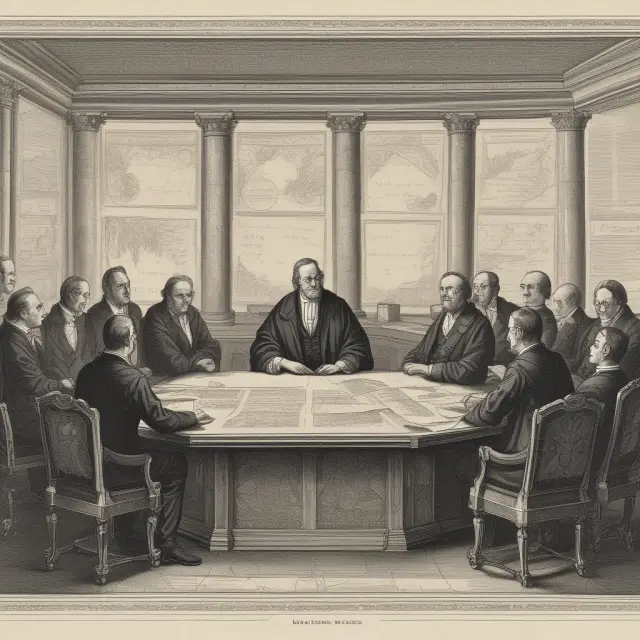
The process of depositions plays an essential role in shaping the outcome of a legal case. Following the completion of a deposition, several events unfold in the course of litigation, with potential implications for both parties involved. This section sheds light on what happens after a deposition and how it impacts trial preparation and settlement negotiations.
First and foremost, transcriptions or video recordings of depositions serve as essential evidence that can be analyzed and evaluated by attorneys from both sides. These materials provide valuable insights into the witnesses’ testimony, their credibility, and overall understanding of the case events, enabling attorneys to refine their trial strategies accordingly.
In addition, deposition transcripts can often lead to settlement negotiations outside of court. By reviewing the testimony given under oath by key witnesses in a confidential setting, parties may find common ground and reach a mutually agreeable resolution without having to proceed through an expensive and time-consuming trial. Settlement negotiations may also be influenced by the discovery process and other evidence collected during this stage.
Furthermore, depositions can provide an opportunity for strategic maneuvers in litigation. For example, attorneys may use inconsistencies or contradictions between a witness’s deposition testimony and trial testimony as a basis for cross-examination, casting doubt on the witness’s credibility during the trial itself. This strategy can significantly impact the outcome of a case.
When it comes to preparing for trial, depositions serve as a critical tool for attorneys in their preparation of their clients’ testimonies and overall trial strategies. By carefully reviewing deposition transcripts, attorneys can identify potential weaknesses or vulnerabilities in their clients’ positions and address them beforehand, improving the chances of success at trial.
In conclusion, depositions play an integral role not only during the discovery process but also throughout the entirety of a legal case. From shaping settlement negotiations to informing trial preparation strategies, the impact of depositions is far-reaching, making it essential for both parties to be well-prepared and fully engaged in this crucial stage of litigation.

Legal Consequences: Refusing or Lying During a Deposition
The legal implications of refusing or lying during a deposition can be severe. As per the Federal Rules of Civil Procedure, deponents are required to tell the truth during depositions, and failure to comply may lead to penalties such as contempt of court for failing to appear, or perjury for providing false testimony.
Contempt of Court: If a witness refuses to answer a question on the grounds that it would incriminate them, they cannot be held in contempt of court under federal rules. However, each state has its specific rules regarding this matter, so it’s essential to consult with legal counsel. In some jurisdictions, witnesses may be excused from answering questions if their testimony could potentially incriminate them; however, they still might face charges for lying or refusing to answer questions unrelated to the potential self-incrimination.
Perjury: Providing false testimony under oath during a deposition can lead to criminal perjury charges. Perjury carries serious consequences and is punishable by both fines and imprisonment. It’s important to note that even if a witness unintentionally provides incorrect information, they may still be held liable for perjury if their mistake was based on deliberate ignorance or willful disregard of the truth.
Subpoenas: A subpoena is a legal document compelling someone to appear at a deposition and testify under oath. Failure to comply with a subpoena can result in contempt proceedings against that person. In certain circumstances, non-compliance may lead to fines or even imprisonment. It’s essential to understand the implications of ignoring a subpoena before refusing to comply, as the consequences can be severe.
In conclusion, depositions are crucial parts of the discovery process and have significant legal repercussions. Witnesses should always tell the truth during depositions and prepare for potential questions. Failure to do so may result in contempt or perjury charges, along with subpoenas to compel their appearance. It’s essential to consult with a legal professional before deciding on any action regarding a deposition.

Deposition Technology: Advancements and Practical Applications
In the modern legal landscape, technology plays an increasingly crucial role in how evidence is gathered, recorded, and utilized throughout the litigation process. One such area that has undergone significant transformation is the deposition process. Once a laborious and time-consuming task, technological advancements have streamlined depositions, making them more efficient, accessible, and cost-effective.
Advancements in Deposition Technology
- Remote Depositions: With the rise of video conferencing platforms such as Zoom and Microsoft Teams, remote depositions have become a viable alternative to traditional in-person deposition sessions. This option has proven particularly valuable during the pandemic when courts were forced to close or limit access to physical courtrooms.
- Electronic Depositions: Rather than relying on paper transcripts, electronic depositions allow attorneys and their clients to view the testimony online. This digital format makes it easier to search for specific information, share with team members, and store for future reference.
- Video Depositions: Similar to remote deposition setups, video depositions involve recording the entire session, including the swearing-in of witnesses, questioning by attorneys, and responses from deponents. This visual record provides context that can be missed in written transcripts and is particularly useful for complex cases.
- Realtime Reporting: Court reporters now use software to produce real-time translations of depositions as they occur. With this technology, counsel and clients have instant access to the testimony, allowing them to respond more effectively during the deposition process.
- Deposition Analytics: Advanced analytics tools can be used to analyze deposition transcripts for keywords, topics, and patterns, helping legal professionals identify crucial information more efficiently and effectively. This data-driven approach saves time and resources while providing valuable insights into potential case strengths and weaknesses.
Practical Applications of Deposition Technology
- Cost Savings: Remote depositions significantly reduce travel expenses for both attorneys and witnesses, as well as the cost of renting conference rooms or court reporting services. Additionally, electronic and realtime transcripts are more cost-effective than paper copies.
- Increased Efficiency: Technological advancements have shortened the time required to schedule, prepare for, and conduct depositions. For instance, scheduling a remote deposition is generally faster than securing a physical location and coordinating travel arrangements.
- Enhanced Collaboration: With electronic depositions, attorneys and their clients can easily share information with one another during the deposition process. This collaboration helps to streamline communication, ensure consistency in case strategies, and ultimately leads to a more effective legal representation.
- Improved Document Management: Storing and accessing large volumes of data related to depositions is much simpler using digital formats. Electronic depositions allow legal professionals to quickly search for and retrieve specific information, making the overall discovery process more manageable and efficient.
- Enhanced Security: Deposition technology offers robust security features, ensuring that sensitive information remains confidential. Digital platforms offer encryption capabilities, two-factor authentication, and other advanced security measures to protect client data.
- Compliance with Remote Work Requirements: The shift towards remote work has necessitated the adoption of new technologies to maintain operational efficiency. Deposition technology, such as electronic depositions and realtime reporting, enables legal professionals to meet their clients’ needs while adhering to remote work policies.
In conclusion, advancements in deposition technology have transformed the way evidence is gathered, recorded, and utilized throughout the litigation process. With features like remote depositions, electronic transcripts, video recordings, realtime reporting, and advanced analytics tools, legal professionals can save time, reduce costs, enhance collaboration, improve document management, and ensure confidentiality. Embracing these technological advancements has become essential for staying competitive in the ever-evolving landscape of law.
Frequently Asked Questions (FAQ)
What is a Deposition?
A deposition is a crucial part of the discovery process in legal proceedings. It involves testimony given under oath, outside the courtroom, to an authorized officer of the court. The objective is to give all parties involved a fair preview of the evidence before trial.
Who can be Deposed?
Any person with relevant information regarding the case may be deposed, including key witnesses and the plaintiff or defendant. Depositions preserve testimony for trials, ensuring accurate recall of events.
What Happens During a Deposition?
The process involves extensive questioning from both sides by attorneys, while the court reporter records every response accurately. Depositions typically last several hours and can be held in an attorney’s office or other suitable location.
How Long Does a Deposition Last?
Depositions may range from 30 minutes to over eight hours depending on the scope of questioning, details needed, and deponent’s willingness to participate. Federal Rules of Civil Procedure limit depositions to seven hours per day for each party conducting the examination.
What Happens After a Deposition?
After a deposition is finished, transcriptions or video recordings are sent to both sides’ lawyers for review and analysis. The evidence collected during discovery may result in a settlement out of court or a trial.
Can I Refuse a Deposition?
Subpoenaed individuals must comply with the law and attend depositions while answering truthfully. Failure to show up or lying under oath can lead to penalties like contempt of court or perjury.
What Are Common Mistakes Made During Depositions?
Common mistakes include providing unnecessary information, speculating, making assumptions, and failing to clarify unclear questions. Preparing clients for depositions involves emphasizing honesty and sticking to the facts.
Is a Deposition the Same as an Examination for Discovery in Canada?
Though they share similarities, deposition and examination for discovery differ slightly. Deposition is a US term referring to testimony taken under oath outside of court, while examination for discovery is the Canadian equivalent, with minor procedural differences between jurisdictions.
 Next entry · No. 1,003Depository Transfer Checks: An Essential Tool for Effective Corporate Cash Management
See also
-
 No. 667
17 May 2024
21 min
Channel Stuffing: A Deceptive Business Practice Inflating Sales and Earnings Figures
Business Strategy
No. 667
17 May 2024
21 min
Channel Stuffing: A Deceptive Business Practice Inflating Sales and Earnings Figures
Business Strategy -
 No. 186
07 Apr 2024
18 min
Anticipatory Breaches in Contract Law: Recognizing and Responding to an Absolute Refusal to Fulfill Contractual Obligations
Business Strategy
No. 186
07 Apr 2024
18 min
Anticipatory Breaches in Contract Law: Recognizing and Responding to an Absolute Refusal to Fulfill Contractual Obligations
Business Strategy -
 No. 5,919
18 Oct 2025
19 min
Understanding Zombie Titles: Financial and Legal Risks for Homeowners and Lenders
Real Estate
No. 5,919
18 Oct 2025
19 min
Understanding Zombie Titles: Financial and Legal Risks for Homeowners and Lenders
Real Estate -
 No. 5,918
18 Oct 2025
17 min
Understanding Zombie Foreclosures: The Hidden Dangers for Homeowners and Neighborhoods
Real Estate
No. 5,918
18 Oct 2025
17 min
Understanding Zombie Foreclosures: The Hidden Dangers for Homeowners and Neighborhoods
Real Estate -
 No. 5,638
25 Sep 2025
19 min
Watered Stock: Understanding the Fraudulent Practice of Issuing Overvalued Shares
Business Finance
No. 5,638
25 Sep 2025
19 min
Watered Stock: Understanding the Fraudulent Practice of Issuing Overvalued Shares
Business Finance -
 No. 5,155
16 Aug 2025
20 min
Unauthorized Insurers: The Risks of Doing Business with a Fraudulent Insurance Provider
Insurance
No. 5,155
16 Aug 2025
20 min
Unauthorized Insurers: The Risks of Doing Business with a Fraudulent Insurance Provider
Insurance