Understanding Direct Taxes: An In-Depth Analysis of Direct Taxation in Finance and Investment

Learn about the concept, benefits, history, types, collection methods, impacts, and strategies for dealing with Direct Taxes in finance and investment.
Introduction to Direct Taxes
Direct taxes represent a crucial aspect of modern finance and investment as they are paid directly from the taxpayer’s pocket to the entity that imposed them. Unlike indirect taxes, such as sales taxes or excise duties, direct taxes do not allow for passing the tax burden onto another person or entity. Direct taxes assume significance due to their potential impact on individuals and organizations’ financial situations and economic behavior. In this section, we will explore the concept of direct taxes, delving into their history, various forms, benefits, challenges, collection methods, effects on the economy, and application across countries and economies.
Understanding Direct Taxes: A Significant Financial Concept
A direct tax is a levy imposed directly on an individual or organization by a government entity. Instead of being collected from one person or entity but ultimately paid by another (as indirect taxes do), a direct tax requires the payer to settle their own financial obligation. Examples of direct taxes include income taxes, property taxes, and taxes on assets. Direct taxes can be contrasted with indirect taxes, such as sales taxes or value-added taxes, which are levied on transactions but ultimately borne by consumers or businesses.
The Importance of Understanding Direct Taxes: A Historical Perspective
Direct taxes have played a crucial role in the financial landscape since ancient civilizations. However, it was not until the 16th Amendment to the U.S. Constitution, ratified in 1913, that the United States shifted from an indirect tax system to a predominantly direct taxation system. Before this amendment, apportionment requirements made it challenging for the federal government to impose various direct taxes, including personal income taxes. The advent of the 16th Amendment allowed for a more flexible approach towards direct taxes and laid the foundation for their widespread use in modern finance and investment.
The Variety of Direct Taxes: A Comprehensive Overview
Direct taxes come in various forms, with each type catering to specific financial objectives or revenue generation needs. Some common types of direct taxes include corporate taxes, personal income taxes, estate and gift taxes, property taxes, use taxes, and sin taxes. In the following sections, we will explore these tax categories in greater detail to deepen our understanding of their implications for individuals and organizations.
Stay tuned for more insights on the world of direct taxes!
The Differences Between Direct Taxes and Indirect Taxes: A Comparison
Direct taxes and indirect taxes serve distinct purposes within the realm of finance and investment. Direct taxes require taxpayers to pay their own levies, whereas indirect taxes are ultimately paid by consumers or businesses. Understanding these differences will help you make informed decisions regarding your financial situation and investment strategies. In upcoming sections, we will delve into the benefits and challenges of direct taxes, collection methods, economic impacts, and global applications.
In conclusion, understanding direct taxes is essential for anyone interested in personal finance, investing, or economics. By exploring their history, types, differences from indirect taxes, and implications, we can better navigate the complex world of taxation and optimize our financial strategies. In the following sections, we will deepen our analysis by discussing the benefits and challenges of direct taxes, collection methods, economic impacts, and global applications.

What is a Direct Tax?
Direct taxes are levied directly on individuals or organizations by the government, requiring the payer to assume responsibility for settling their tax liabilities. In contrast, indirect taxes are imposed on businesses but ultimately paid by consumers, often through increased product costs. A direct tax system’s cornerstone is the ability-to-pay principle, which holds that those with more income or financial resources should contribute a larger share to the public coffers.
Direct taxes take various forms and include:
- Personal Income Taxes: These are taxes paid by individuals on their earned and passive income, such as wages, salaries, bonuses, capital gains, rents, interest, and dividends.
- Corporate Income Taxes: Companies pay corporate income tax based on their earnings before interest, taxes, depreciation, and amortization (EBITDA). This tax is assessed on a corporation’s total profits or losses, taking into account various deductible expenses.
- Estate and Gift Taxes: These direct taxes apply to the transfer of assets from one generation to another following the death of an individual or during their lifetime.
- Property Taxes: Real estate property owners pay property tax based on the assessed value of their land, buildings, or both.
- Use Taxes: Individuals and businesses are required to pay use taxes when they consume or use goods and services for which indirect taxes were not paid at the point of sale. Common examples include vehicle licensing fees, registration charges, and certain insurance premiums.
- Sin Taxes: Governments impose sin taxes on specific products, such as alcoholic beverages, cigarettes, gambling, and sugar-laden foods, to discourage their consumption while generating revenue.
- Payroll Taxes: This direct tax is levied on employers and employees alike, with the employer typically assuming responsibility for withholding and remitting the taxes from their employees’ wages.
Understanding Direct Taxes’ Significance
Direct taxes contribute significantly to government revenues worldwide. Their importance stems from the fact that they tap into a taxpayer’s income or assets, which creates a stable source of revenue for funding public services and infrastructure projects. Moreover, direct taxes enable governments to create progressive tax systems, where individuals with higher incomes pay a larger share compared to those who earn less.
In the United States, the 16th Amendment to the Constitution, ratified in 1913, enabled Congress to levy income taxes without apportioning them among the states according to their population. This paved the way for widespread use of direct income taxation as a major source of federal revenue.
However, the distinction between direct and indirect taxes is not always clear-cut, as some taxes may incorporate aspects of both systems. For example, value-added tax (VAT) or goods and services tax (GST), which are typically considered indirect taxes, can be integrated with a country’s personal income tax system, making it challenging to separate their direct components.
In the following sections, we will delve deeper into the origins, benefits, challenges, types, collection methods, economic implications, and global contexts of direct taxes. Stay tuned for insights on how understanding these essential aspects of taxation can help investors make informed decisions in various scenarios.

The History of Direct Taxes
Direct taxes have played a crucial role in government revenue since ancient civilizations. However, their modern definition and significance came to light with the ratification of the 16th Amendment to the U.S. Constitution in 1913, which fundamentally changed the American tax system by removing apportionment requirements for direct taxes.
Before the 16th Amendment, direct taxes were defined as those that required a state or local government to pay an exact amount based on its population. As a result, the federal government had limited power in implementing direct taxes due to the constraints set by this outdated legislative requirement. However, with the removal of these restrictions, the stage was set for the levying and collection of numerous forms of direct taxes.
Direct taxes can be traced back to ancient civilizations such as Egypt, Greece, and Rome, where they were primarily used as a means to fund public infrastructure projects, military campaigns, and religious institutions. The concept continued in Europe throughout the Middle Ages, with monarchs implementing various forms of direct taxes like titles, land taxes, poll taxes, and capitation taxes.
In the United States, the first recorded instance of direct taxation came about during the American Revolution, when the Continental Congress imposed a direct tax on its colonies in the form of the Sugar Act of 1764 and the Stamp Act of 1765. These taxes were met with significant opposition from colonists, ultimately leading to the outbreak of the Revolutionary War in 1775.
As the United States grew into a more complex society, the need for direct taxes evolved to fund public infrastructure and social programs. The first federal income tax was introduced during the Civil War in 1862 as a temporary levy on individual incomes to finance military expenditures. It was repealed in 1873 but reinstated during World War I.
Direct taxes today include various forms, such as personal income tax, corporate tax, estate tax, gift tax, property tax, and use tax. Understanding the historical context of direct taxes provides insight into their importance as a primary revenue source for governments and their potential impact on individuals and businesses.

Types of Direct Taxes: A Comprehensive Overview
Direct taxes are a crucial source of revenue for governments around the world. These taxes, unlike indirect taxes where tax burdens are passed down to consumers or other entities, require the person or organization directly responsible for paying them to foot the bill. In this section, we will delve into various types of direct taxes, including corporate taxes, personal income tax, estate and gift taxes, property taxes, use taxes, and sin taxes.
Corporate Taxes: A Corporation is a separate legal entity from its owners, and as such, it is required to file its own tax returns and pay taxes on its profits or earnings. Corporate taxes are direct taxes levied on a company’s profits. The U.S. federal government imposes a corporate income tax on worldwide income at a 21% rate, while state governments impose additional corporate income taxes.
Personal Income Tax: Personal income tax is another essential form of direct tax that applies to individuals and their earned or unearned income. This tax includes wages, salaries, interest, dividends, capital gains, royalties, rents, and other sources. In the United States, personal income taxes are primarily administered by the federal government and state governments.
Estate and Gift Taxes: Estate and gift taxes are direct taxes that apply to transfers of wealth from one generation to another or between living individuals. These taxes aim to preserve intergenerational equity by ensuring that a portion of transferred wealth is paid to the government as tax. In the U.S., estate and gift taxes are imposed on transfers above specific exemption thresholds, which in 2021 stood at $11.7 million per individual and $23.4 million for married couples.
Property Taxes: Property taxes are direct taxes that governments levy on real estate and other tangible assets like vehicles to generate revenue. In the United States, property taxes are most commonly imposed by local governments to fund public services such as education, fire protection, police, and infrastructure development.
Use Taxes: Use taxes are a form of direct tax applied when individuals or businesses fail to pay sales taxes on purchases made out of state or online. These taxes ensure that consumers and businesses pay the same amount of taxes they would have paid if they had made their purchases in-state or from local vendors, thus maintaining fairness in tax collection.
Sin Taxes: Sin taxes are a type of direct tax imposed on goods and services considered harmful to individuals or society, such as alcoholic beverages, tobacco products, gambling, or sugary foods and drinks. The primary objective of these taxes is to discourage consumption by increasing their cost and generating revenue for government programs that support public health and welfare initiatives.
By understanding the various types of direct taxes and their implications, taxpayers can make informed decisions regarding their financial planning and investment strategies to minimize tax liabilities while adhering to legal requirements.

Benefits and Challenges of Direct Taxes
Direct taxes play a crucial role in funding government expenditures and ensuring economic stability. However, they come with advantages and disadvantages for both governments and taxpayers. In this section, we will discuss the benefits and challenges associated with direct taxes.
Benefits:
- Direct taxes offer governments a stable source of revenue since they are paid directly by individuals or organizations.
- Tax progressivity enables governments to distribute the tax burden more fairly based on income levels.
- Governments can use direct taxes as a tool to influence economic behavior, such as encouraging savings through lower tax rates on capital gains or discouraging smoking and alcohol consumption with sin taxes.
- Direct taxes can lead to better transparency since taxpayers receive clear statements of their liabilities and payments.
- Direct taxes help reduce inflationary pressures by allowing governments to collect taxes directly instead of relying on indirect methods like sales taxes, which can be regressive and disproportionately affect low-income individuals.
Challenges:
- The progressive nature of direct taxes may create a disincentive for hard work and earning more income due to the higher tax rates associated with increased earnings.
- Direct taxes could potentially lead to complexities, making it difficult for governments to design an effective tax system that is fair and efficient.
- The implementation process can be costly, requiring significant administrative resources to ensure accurate assessments and collections.
- Some individuals or organizations may resort to tax evasion or avoidance tactics in attempts to minimize their direct tax liabilities.
- Direct taxes may negatively impact economic growth by reducing the amount of disposable income available for consumers to spend, potentially leading to a decrease in consumer spending and, consequently, lower economic output.
In conclusion, while direct taxes offer governments essential revenue and stability, they also present challenges that must be addressed to ensure their implementation is fair, efficient, and minimally disruptive to taxpayers and the economy as a whole. Understanding these benefits and challenges is crucial for individuals and organizations seeking to navigate the complexities of the tax system effectively.

Understanding Direct Tax Collection Methods
Direct taxes are levied on individuals or organizations directly, meaning they pay their share of taxes to the government without any intermediaries. In this section, we will explore various methods employed by governments to collect direct taxes from taxpayers.
First and foremost, it is crucial to note that there are two primary types of taxes: direct and indirect. Direct taxes, as mentioned earlier, are paid directly by individuals or entities to the government. Indirect taxes, on the other hand, are imposed on goods and services and eventually passed down to consumers via increased prices. In this article, we will solely focus on direct taxes and their collection methods.
The most common method for collecting direct taxes is through annual income tax filings. Individuals and businesses are obligated to report their annual earnings or revenue and pay the corresponding taxes based on the tax rates set by the government. This system is often referred to as a progressive tax because those with higher incomes pay a larger share of their income towards taxes than those earning less. For instance, if an individual earns $50,000 per year but is subjected to a progressive tax with a rate of 20% on earnings above $40,000, they would pay $3,000 in taxes ($50,000 – $40,000 = $10,000, and 20% of $10,000 is $2,000; since this individual is still in a lower tax bracket, they would only pay $3,000).
Another popular method for collecting direct taxes involves property ownership. Homeowners and landowners are required to pay annual property taxes based on the assessed value of their real estate. Property tax rates vary depending on factors such as local tax laws and the location of the property. For example, property tax rates in high-income neighborhoods or urban areas are generally higher than those in low-income or rural locations.
There are also various other types of direct taxes, including:
- Capital gains tax – imposed on profits earned from selling assets such as stocks, bonds, real estate, and other investments.
- Estate tax – levied on the transfer of a decedent’s property to their heirs or beneficiaries.
- Gift tax – imposed on individuals who give away significant sums of money or assets during their lifetime.
- Sin taxes – placed on products considered harmful, such as alcohol, tobacco, and sugar-sweetened beverages.
- Use taxes – imposed when a person uses an asset they previously purchased without paying the corresponding sales tax.
- Inheritance tax – levied on the transfer of assets from a deceased individual to their beneficiaries.
To ensure compliance and efficiency, governments employ various methods for collecting direct taxes. These include sending out annual tax forms, issuing reminders via mail or email, and providing online portals where taxpayers can file their returns and pay their dues electronically. In some cases, tax agencies also offer installment payment plans to help individuals spread out their tax liability over several months or years.
In conclusion, understanding direct taxes and their collection methods is crucial for individual taxpayers and organizations alike. By knowing the various methods used by governments to collect direct taxes, you can plan your financial affairs accordingly and ensure that you are meeting your tax obligations in a timely and efficient manner.
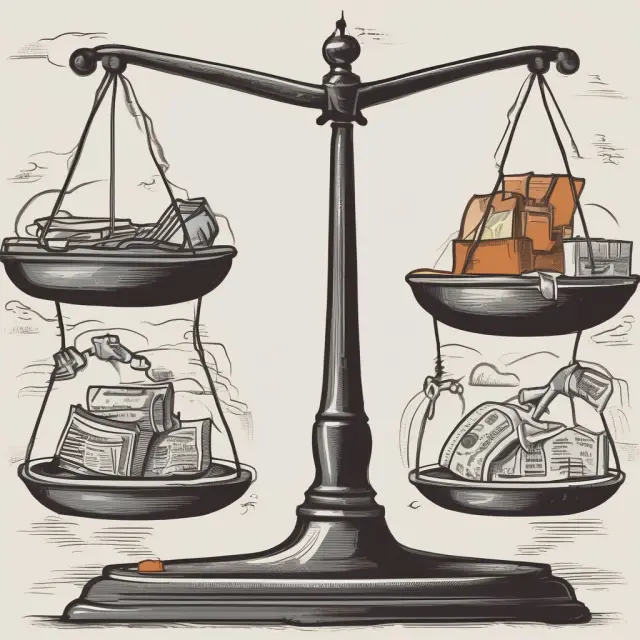
Direct Taxes and the Economy: Impacts and Effects
The impact of direct taxes on economic growth, employment, and inflation is a topic of ongoing debate among economists, policymakers, and the general public. Direct taxes can influence an economy in various ways as they are typically levied on personal income and corporate profits. In this section, we will analyze the potential effects of direct taxes on economic variables.
Direct Taxes and Economic Growth
Economic growth is often a concern when discussing tax policy. The relationship between taxes and economic growth can be complex as taxes may discourage certain activities while incentivizing others. Direct taxes impact economic growth mainly through their effect on disposable income, savings, investment, and labor markets. In the short term, higher direct taxes may lead to lower consumer spending due to reduced disposable incomes. However, in the long term, well-designed tax policies can contribute positively to economic growth by providing essential resources for public goods and services, promoting a stable fiscal environment, and encouraging innovation and entrepreneurship through targeted incentives.
Direct Taxes and Employment
The employment effects of direct taxes are primarily related to labor markets, with various perspectives on the potential impact. Some economists argue that higher direct taxes can lead to decreased employment due to labor cost increases for businesses or reduced work hours for employees. Others contend that these impacts could be minimal if economic growth outpaces the tax revenue increase and offsets any negative effects. In this regard, fiscal sustainability and well-designed tax policies are crucial in balancing economic growth and employment objectives.
Direct Taxes and Inflation
Inflation is another concern for economists when evaluating direct taxes. Some argue that higher direct taxes can result in inflationary pressures if the government finances the increased revenue requirement through monetary expansion rather than taxation or spending cuts. However, a well-designed fiscal policy framework with appropriate fiscal and monetary policies could help mitigate potential inflation concerns while ensuring long-term financial stability.
Direct Taxes and Global Context
In many countries, direct taxes play an essential role in revenue collection and fiscal sustainability. The OECD reports that, on average, more than half of total tax revenues come from personal income taxes, making it the largest single source of government revenue. Other direct taxes like corporate income taxes also contribute significantly to public finances, representing around one-third of total tax receipts for governments worldwide. Understanding the impacts and effects of these taxes on economic growth, employment, and inflation is crucial for policymakers and investors alike as they navigate the complex landscape of global taxation systems.
In conclusion, direct taxes significantly impact economic growth, employment, and inflation through their effect on disposable income, savings, investment, labor markets, and public finances. While the relationship between taxes and these variables can be intricate, a well-designed fiscal policy framework that balances revenue collection with economic objectives is essential to promote long-term fiscal sustainability and economic growth.

Direct Taxation in Global Contexts
Direct taxes play a pivotal role in various countries’ fiscal systems worldwide. They are essential sources of government revenue and can significantly influence economic growth and development. In this section, we compare and contrast the use and implementation of direct taxes across different countries and economies to provide readers with valuable insights into their importance and implications.
Direct Taxes: A Global Perspective
The principles and forms of direct taxes vary from country to country. Some governments rely more heavily on income tax, while others focus on property or capital gains taxes. For example, Scandinavian countries have a higher reliance on personal income tax compared to their counterparts in Asia. In contrast, countries like Singapore and Hong Kong mainly rely on property taxes and import duties to generate revenue.
The Global Diversity of Direct Taxes
There is no one-size-fits-all approach when it comes to direct taxes. Several factors contribute to the diversity observed across economies:
- Cultural attitudes towards taxation
- Economic conditions, including economic development and the availability of natural resources
- Historical precedents and government priorities
- Political considerations
A Comparison of Corporate vs. Personal Income Taxes
Corporate income taxes are a common form of direct tax in many countries. These taxes apply to companies’ profits, which can include net income, sales, or gross receipts. The tax rates vary significantly between jurisdictions: for instance, the corporate income tax rate is 35% in the United States and as low as 12.5% in Ireland.
In contrast, personal income taxes apply to individuals’ earnings. These taxes can impact an economy by influencing work incentives and labor market outcomes. For example, progressive tax systems with higher rates for high-income earners tend to discourage labor supply from the rich, leading to a redistribution of labor from high-productivity sectors towards lower-productivity ones.
Tax Avoidance Strategies
Direct taxes can generate controversy as individuals and corporations look for ways to minimize their tax burden. Multinational companies employ complex tax planning strategies, such as transfer pricing and base erosion and profit shifting (BEPS), to shift profits from high-tax countries to low-tax jurisdictions. Governments worldwide are increasingly addressing these issues through international cooperation and the exchange of information, with initiatives like the Base Erosion and Profit Shifting Project (BEPS) under the Organisation for Economic Cooperation and Development (OECD).
The Effects of Direct Taxes on Economies
Direct taxes can have significant implications for economic growth and development. A well-designed tax system can help raise revenue, improve income distribution, and promote economic efficiency. However, an excessive or poorly designed tax system can discourage investment, reduce competitiveness, and lead to inefficient resource allocation. For example, high corporate taxes can deter foreign investments and lead to a “brain drain,” as companies relocate their operations to more tax-friendly locations.
In conclusion, understanding direct taxes from a global perspective is crucial for investors, tax professionals, and policymakers alike. By exploring the various forms and implications of direct taxes across different countries and economies, we can gain valuable insights into how governments generate revenue, promote economic growth, and impact income distribution. As tax systems continue to evolve and adapt to changing economic conditions and political priorities, a deep understanding of their underlying principles is essential for navigating an increasingly complex fiscal landscape.

Direct Taxes and Investment: Strategies and Planning
A direct tax is an essential aspect of finance and investment planning. Understanding how to manage the impact of direct taxes on your portfolio can help you optimize returns, minimize liabilities, and make more informed investment decisions.
The primary difference between direct and indirect taxes lies in who ultimately shoulders the financial burden. Direct taxes are levied directly on an individual or organization, requiring them to pay the tax owed to the government. Examples of direct taxes include income taxes, capital gains tax, property taxes, estate taxes, gift taxes, and sin taxes.
Income taxes, particularly for high-earning investors, can significantly impact their returns. By employing strategies such as deductions, credits, and tax brackets, investors can effectively lower their taxable income and reduce their overall tax burden. Tax planning strategies like these not only help to mitigate the impact of direct taxes on investment but also ensure compliance with relevant tax laws.
Capital gains taxes are another essential consideration for investors. Capital gains refer to the profit realized from selling an asset that has increased in value. To minimize capital gains taxes, investors can employ tax loss harvesting strategies, which involve offsetting losses from one investment against gains from another. This can help reduce overall taxable income and lower your annual tax liability.
Property taxes are yet another form of direct tax that can significantly impact real estate investments. These taxes are calculated based on the assessed value of the property and can vary depending on location and jurisdiction. To minimize the impact of property taxes, investors can consider purchasing properties in areas with favorable tax structures or employing tax assessment challenges if they believe their property has been overvalued.
Estate and gift taxes are another concern for high-net-worth individuals seeking to transfer wealth to future generations. These direct taxes can be significant barriers to intergenerational wealth transfer, but proper planning can help minimize the impact. Strategies such as setting up trusts, utilizing tax credits, and making taxable gifts in increments can go a long way toward reducing overall tax liabilities when passing on assets.
Sin taxes are a unique form of direct taxation that specifically targets goods considered harmful or unhealthy, such as alcohol, tobacco products, and gambling. Sin taxes can significantly impact investors involved in these industries by increasing the cost of production and potentially dampening demand. Understanding sin taxes and their implications on investor returns is crucial for making informed investment decisions and navigating associated risks.
In conclusion, understanding direct taxes and their role in finance and investment planning is essential for maximizing returns, minimizing liabilities, and making more informed investment decisions. By employing strategies like tax loss harvesting, deductions, and credits, investors can effectively manage the impact of income taxes on their portfolios. Additionally, considering factors like capital gains taxes, property taxes, estate and gift taxes, and sin taxes when planning for long-term wealth transfer or entering specific industries is a crucial component of successful financial planning.

Frequently Asked Questions about Direct Taxes
Direct taxes are an essential component of government revenue generation and play a vital role in our financial system. Below, we provide answers to common questions about direct taxes, their features, and implications on individuals and organizations.
Q1: What is a direct tax?
A: A direct tax is a levy paid directly by individuals or entities to the government, as opposed to indirect taxes, where the burden is passed along to consumers. Direct taxes include income, estate, gift, property, capital gains, and various other kinds of taxes.
Q2: How does direct taxation work?
A: Governments levy direct taxes based on individuals’ or entities’ ability to pay. Direct taxes are usually assessed as a percentage of an individual’s or entity’s income, assets, or transactions. Unlike indirect taxes (such as sales taxes), direct taxes cannot be shifted from one party to another.
Q3: What is the difference between a direct and indirect tax?
A: The primary distinction between direct and indirect taxes lies in their collection method. Direct taxes are paid directly by individuals or organizations to the government, whereas indirect taxes are charged to entities, which may ultimately be passed on to consumers through increased prices on goods or services.
Q4: What are some examples of direct taxes?
A: Some common types of direct taxes include personal income tax, estate and gift taxes, property taxes, capital gains taxes, and payroll taxes. Direct taxes are typically levied based on individuals’ or entities’ income levels, assets, or transactions.
Q5: What is the importance of direct taxes?
A: Direct taxes are crucial for funding government operations, public services, infrastructure development, and social programs. They provide a stable source of revenue that can be adjusted as economic conditions change. Additionally, they promote equity by ensuring that those with greater resources or income contribute more to the public good.
Q6: How do direct taxes impact investment?
A: Direct taxes influence investors’ decisions by increasing the cost of capital. Higher tax rates make it less profitable to invest and may deter new investments or lead to capital outflows from a country. However, lower taxes can be an incentive for individuals and businesses to save and invest more.
Q7: What are some advantages and disadvantages of direct taxes?
A: Advantages of direct taxes include their ability to generate significant revenue, promote equity by ensuring that those with greater resources pay a larger share of the tax burden, and provide stability during economic downturns. However, they can be more complex to administer and may discourage economic activity, particularly when tax rates are high.
Q8: How do governments collect direct taxes?
A: Governments collect direct taxes primarily through withholding methods for income taxes and property assessments for real estate taxes. They also use tax forms, filings, and audits to ensure that individuals and organizations pay their fair share of taxes.
As we continue our exploration of the world of finance and investment, it is essential to have a clear understanding of direct taxes, their implications, and their role in funding government initiatives and promoting economic growth. In the following sections, we will delve deeper into the history, types, benefits, challenges, and collection methods of these crucial revenue sources. Stay tuned for more informative insights!
 Next entry · No. 1,038The Intricacies of the Direct Method in Generating a Cash Flow Statement
See also
-
 No. 639
12 May 2024
21 min
Understanding Cash Dividends: Payment Structure, Timing, Eligibility, and Taxation
Investments
No. 639
12 May 2024
21 min
Understanding Cash Dividends: Payment Structure, Timing, Eligibility, and Taxation
Investments -
 No. 1,395
09 Sep 2024
19 min
Understanding Exempt-Interest Dividends: Taxation, Advantages, and Implications
Business Finance
No. 1,395
09 Sep 2024
19 min
Understanding Exempt-Interest Dividends: Taxation, Advantages, and Implications
Business Finance -
 No. 1,356
03 Sep 2024
19 min
Understanding the Complexity of the Euromarket: Eurocurrencies vs European Union’s Single Market
Business Finance
No. 1,356
03 Sep 2024
19 min
Understanding the Complexity of the Euromarket: Eurocurrencies vs European Union’s Single Market
Business Finance -
 No. 1,349
02 Sep 2024
19 min
Understanding Euro Interbank Offer Rate (Euribor): Benchmark for Short-Term Lending in Europe
Business Finance
No. 1,349
02 Sep 2024
19 min
Understanding Euro Interbank Offer Rate (Euribor): Benchmark for Short-Term Lending in Europe
Business Finance -
 No. 1,282
23 Aug 2024
18 min
Understanding Endogenous Variables in Finance and Investment
Business Finance
No. 1,282
23 Aug 2024
18 min
Understanding Endogenous Variables in Finance and Investment
Business Finance -
 No. 1,230
15 Aug 2024
18 min
Expert Insights: Understanding the Role and Impact of Economists in Finance and Investment
Business Strategy
No. 1,230
15 Aug 2024
18 min
Expert Insights: Understanding the Role and Impact of Economists in Finance and Investment
Business Strategy