Understanding Ability-To-Pay Taxation: The Philosophy and History Behind Progressive Tax Rates
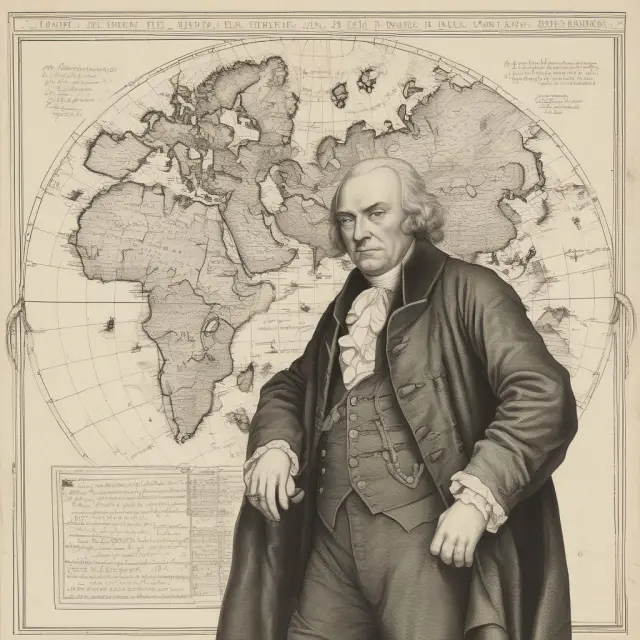
Ability-to-pay taxation is the principle that people more capable of bearing taxes, usually measured by income or wealth, should pay more than those with less. It is the main argument for progressive rates, though views differ on how steeply rates should rise, and it contrasts with the benefit principle.
Introduction to Ability-To-Pay Taxation
The ability-to-pay principle, also known as progressive taxation, is a cornerstone of many modern tax systems worldwide. This philosophical approach maintains that taxes should be based on an individual or entity’s capacity to pay, rather than imposing equal taxes across the board. In essence, it suggests that those with greater financial resources have a greater ability to contribute more towards public expenses.
The idea behind ability-to-pay taxation can be traced back to Adam Smith, the renowned economist and philosopher who famously argued in his 1776 book “An Inquiry into the Nature and Causes of the Wealth of Nations” that people should contribute taxes based on their income or revenue. This concept has since evolved into a crucial tenet of fiscal policy, particularly when it comes to progressive income tax systems.
Understanding Ability-To-Pay Taxation
At its core, ability-to-pay taxation assumes that people with higher earnings and wealth should contribute proportionally more in taxes than those with lower incomes or fewer resources. The premise is built upon the belief that the sacrifice of a dollar from a wealthy individual’s income impacts them less significantly compared to someone on a limited budget.
Advocates argue that this approach encourages fairness, as those who have experienced greater societal benefits and personal success contribute more towards maintaining the infrastructure and systems that make their achievements possible. However, it also faces criticism for potentially discouraging hard work and entrepreneurship, as higher taxes might disincentivize individuals from striving for greater financial gains.
History of Ability-To-Pay Taxation
The origins of ability-to-pay taxation can be traced back to the principles established by Adam Smith, the father of modern economics. Despite its historical roots, the implementation of progressive tax systems has varied significantly across different countries and time periods. From the progressive income tax in the United States to various socialist and communist regimes that employed highly redistributive tax structures, ability-to-pay taxation has undergone numerous transformations throughout history.
Arguments for Progressive Taxation
Advocates of ability-to-pay taxation argue that it offers several advantages. First, they believe that the benefits bestowed upon those with higher incomes—such as better education and healthcare systems, infrastructure development, and a stable political environment—should be matched by correspondingly larger tax contributions. Furthermore, some claim that a progressive system promotes fairness and equality, ensuring that everyone pays their “fair share” based on their financial situation.
However, not all agree with this perspective. The critics argue that ability-to-pay taxation might discourage hard work and investment, as individuals may be less incentivized to earn more if they are subjected to higher tax rates. Additionally, some argue that a flat tax system—where everyone pays the same rate—can result in greater economic growth and simplicity, with fewer exemptions, deductions, and loopholes.
Progressive Taxation and Inequality
The relationship between progressive taxation and income inequality has long been a subject of debate among economists and policymakers. Some argue that progressive tax systems can help reduce inequality by redistributing wealth, while others believe that excessive tax rates might actually hinder economic growth and exacerbate the income gap. A comprehensive analysis of historical trends and current data is necessary to fully understand this complex issue.
In conclusion, ability-to-pay taxation represents a significant component of modern fiscal policy debates, as it touches upon issues of fairness, equality, and economic growth. The ability-to-pay principle has evolved over centuries, with varying interpretations and applications in different political contexts. As we continue to grapple with the implications of income inequality and consider alternative tax systems, a thoughtful examination of the history, arguments for, and criticisms of ability-to-pay taxation remains an essential part of that discussion.
FAQs: Common Questions about Ability-To-Pay Taxation (if needed)
How does ability-to-pay taxation affect economic growth?
The impact of ability-to-pay taxation on economic growth is a topic of ongoing debate among economists. Some argue that it can discourage investment and entrepreneurship by reducing incentives to earn more, while others claim that the revenue generated from progressive taxes can be reinvested in infrastructure and social programs, leading to long-term economic benefits.
What are some alternative tax systems?
Alternative tax systems include a flat tax, where everyone pays the same tax rate, and a regressive tax, where those with lower incomes pay a larger percentage of their income than higher earners.
How does ability-to-pay taxation impact incentives to work harder and earn more?
Critics argue that progressive tax rates may discourage hard work by reducing the incentive to earn more, as individuals face higher tax rates on increased income. Proponents counter this argument by stating that a progressive system can encourage greater social cohesion and fairness, ensuring that everyone pays their “fair share.”
What is the difference between ability-to-pay taxation and redistributive taxation?
Ability-to-pay taxation focuses on the principle that individuals with higher incomes should pay a larger percentage of their income in taxes than those with lower incomes. Redistributive taxation, on the other hand, aims to address income inequality by reallocating resources from the wealthy to the less fortunate through various means such as social welfare programs and subsidies.
How does ability-to-pay taxation impact international competitiveness?
The impact of ability-to-pay taxation on international competitiveness is a complex issue that depends on several factors, including the specific tax rates and structures in different countries, as well as the broader economic environment. Critics argue that high taxes might discourage businesses from operating in countries with progressive tax systems, while proponents contend that the benefits of social programs and infrastructure development can attract foreign investment and talent.

What is Ability-To-Pay Principle?
The ability-to-pay principle is a fundamental concept that underpins progressive taxation systems, wherein taxes are imposed on individuals and entities in accordance with their capacity to pay. This philosophy asserts that those with greater income and wealth should contribute more towards the public purse, reflecting the idea that everyone’s sacrifice should be equal when it comes to tax payments.
In essence, the ability-to-pay principle posits that a higher earning individual or corporation can afford to pay more in taxes than someone with lesser means. This notion is rooted in the belief that those who have benefited from societal advancements and economic opportunities should contribute proportionally more towards maintaining these shared resources.
Adam Smith, the renowned economist, introduced this concept as early as 1776 when he wrote that “everyone should contribute toward the support of the government, as near as possible, in proportion to their respective abilities.” By implementing a progressive tax structure, governments seek to ensure that those with larger disposable incomes make an equitable sacrifice.
Progressive taxes are characterized by tiered tax rates where individuals or corporations with higher earnings face progressively increasing tax rates compared to lower-income groups. The United States serves as an example of a country applying this principle, as its federal income tax system features various brackets with ascending percentage tax rates on increased income levels.
In 2020, individuals earning less than $9,875 paid a 10% income tax rate in the United States, while those with taxable incomes exceeding $518,000 faced a 37%, the nation’s top individual income tax rate. Income levels between these thresholds are subject to tax rates determined by income brackets.
The ability-to-pay principle is grounded in the belief that a dollar means less to someone with higher income, making the larger tax payments less burdensome. By requiring those with greater financial capacity to contribute more towards public funds, governments can address societal needs and fund essential services like infrastructure, education, security, and healthcare without placing undue burden on lower-income groups.
In the following sections, we will explore the history of ability-to-pay taxation, arguments for its implementation, criticisms faced by this principle, its relationship to income inequality, and a comparison between progressive and flat taxes. Stay tuned!

History of the Ability-To-Pay Principle
The concept of ability-to-pay taxation can be traced back to the works of Adam Smith, the renowned Scottish economist who is widely considered the father of modern economics. In his influential work “The Wealth of Nations,” published in 1776, Smith advocated for a system of taxation that charges individuals based on their capacity to pay. He believed that people with greater financial means should contribute more to the societal coffers:
“The subjects of every state ought to contribute toward the support of the government, as near as possible, in proportion to their respective abilities.”
This principle, which holds that taxpayers should be assessed according to their income and wealth capacity, has evolved throughout history, shaping various economic systems across the globe. While some interpretations of ability-to-pay taxation have shifted, its core tenet remains: those with greater financial resources are expected to contribute proportionally more to public expenses.
The ability-to-pay principle gained popularity as a means of implementing progressive income taxes. Progressive tax systems assign increasing tax rates to higher income brackets, resulting in individuals and corporations with larger incomes paying a higher percentage of their earnings than those in lower-income groups. For instance, during the early 20th century in the United States, top income tax rates reached as high as 73% for annual incomes over $5 million.
However, throughout history, this idea has not been without controversy. Critics have argued that progressive taxation creates a disincentive to work and accumulate wealth by penalizing success. In response, proponents of ability-to-pay taxation contend that those who reap the benefits of societal advancements should contribute more to their maintenance. This perspective is rooted in the belief that higher earners have not only a moral obligation but also a greater capacity to pay taxes without experiencing undue hardship compared with lower-income individuals.
Over time, progressive tax rates have fluctuated dramatically based on socioeconomic conditions and political realities. In recent decades, many countries, including the United States, have seen significant declines in top tax rates as income inequality has grown. Consequently, questions about the future of ability-to-pay taxation and its role in mitigating inequality remain open for debate.
Understanding this historical context provides valuable insight into the philosophy behind ability-to-pay taxation and its implications for modern tax systems. In the following sections, we will delve deeper into arguments both for and against progressive taxation, explore various international examples of its implementation, and examine its potential future directions.

Arguments for Progressive Taxation
The ability-to-pay principle of taxation asserts that taxes should be imposed on individuals and entities according to their capacity to pay. This philosophy, which forms the basis for progressive tax systems, holds that those with higher incomes or wealth have a greater obligation to contribute more towards public expenditures. In essence, it suggests that those who derive significant benefits from society’s resources—such as infrastructure, education, and security—should bear the burden of financing these resources in proportion to their means (Smith, 1776).
Advocates of ability-to-pay taxation argue for this system based on several key points. First, it fosters a sense of social responsibility among the wealthy, encouraging them to contribute back to the society that has played a crucial role in enabling their success. Furthermore, higher earners often have a lesser need for each additional dollar compared to lower-income individuals (Leibowitz, 1970). As such, the argument goes, it is just and fair for those with greater means to pay more.
Moreover, progressive taxation can be seen as an instrument to address income inequality. In a society where the wealth gap is widening, the notion that everyone should contribute according to their ability ensures that the burden of taxes is not disproportionately borne by the less affluent (Saez & Zucman, 2018). Additionally, this taxation model can help offset the potential negative consequences of increasing inequality, such as decreased social mobility and a weakened social safety net.
In conclusion, progressive taxation based on ability-to-pay is supported by several arguments that emphasize fairness, social responsibility, and the importance of addressing income inequality. By ensuring that those with greater means pay a larger share of their earnings towards public expenditures, we can create a more equitable society where everyone’s contributions are recognized according to their capacity.
In the next section, we will discuss criticisms of ability-to-pay taxation and its potential implications for economic growth. Stay tuned!

Criticism of Ability-To-Pay Taxation
While proponents argue that progressive taxation is a fair and just way to distribute the tax burden, critics maintain that it has several drawbacks. One primary concern is that it can discourage hard work and success. By increasing the tax rate on higher income levels, individuals might be less incentivized to strive for better wages or build businesses, knowing they will pay a larger portion of their earnings in taxes. Furthermore, those who argue against progressive taxation claim it is inherently unfair to punish those with higher abilities to pay—specifically, the wealthy. Critics question why someone who has worked hard and earned more should be required to give up a greater percentage of their income compared to someone who earns less. The argument for equal sacrifice is also debated; some believe that a flat tax, where everyone pays the same rate regardless of income, would create a more equitable system.
Progressive Taxation and Income Inequality
Another point of contention surrounding progressive taxation is its relationship with income inequality. While it may seem logical that a progressive tax structure could help address economic disparities, evidence suggests otherwise. For instance, countries such as Sweden and Denmark—which have historically high levels of taxation and generous welfare programs—have seen their income gaps widen over the last few decades, despite their progressive tax systems. On the other hand, some argue that high taxes can actually contribute to income inequality by discouraging economic growth and entrepreneurship, ultimately reducing opportunities for upward mobility. This is a complex issue with no easy answers; however, it’s essential to consider both the potential benefits and drawbacks of progressive taxation in relation to income inequality.
In conclusion, ability-to-pay taxation represents a longstanding principle in income tax policy. While many argue that it promotes a more equitable system by asking those with greater financial means to pay more, critics contend that it can discourage hard work and success and potentially widen the income gap. As we move forward, it’s crucial for policymakers to weigh these arguments carefully as they consider how to design tax systems that are fair, efficient, and effective in addressing societal needs.
Progressive Taxation and Inequality
The ability-to-pay principle of taxation, which advocates for higher taxes on those with greater income and wealth, has been a contentious topic in finance and public policy circles for centuries. The philosophical foundation for progressive taxation lies in the notion that those with more resources should pay a larger share of their income towards taxes. In this section, we dive deeper into understanding the implications of progressive taxation on income inequality.
The relationship between progressive taxation and income inequality can be observed through historical trends and current statistics. For instance, in the United States, progressive taxation has been implemented since the 1913 introduction of the federal income tax. However, over the years, tax rates have shifted significantly, with the top marginal tax rate peaking at 91% in 1950, decreasing to 70% during the 1970s, and then falling further to its current rate of 37%.
Meanwhile, income inequality has grown exponentially, especially since the late 20th century. In fact, the top 1% now holds more wealth than the bottom 50% combined (World Inequality Lab, 2018). This raises questions about whether progressive taxation’s effectiveness in reducing income inequality is waning and if alternative approaches should be considered.
One argument in favor of progressive taxation as a tool for addressing income inequality hinges on its potential to promote horizontal equity – the principle that individuals with similar levels of ability to pay should have the same tax burden (Levy & Slemrod, 2014). By levying higher taxes on those with greater income and wealth, progressive taxation aims to ensure that a larger percentage of the total tax burden falls on those who can afford it most.
However, opponents argue that progressive taxation may not be an effective solution to address rising income inequality for several reasons. For instance, they point out that progressive taxation can discourage economic growth and entrepreneurship as high taxes might deter individuals from earning more income or starting businesses (Gwartney & Holcombe, 2014). Furthermore, some critics argue that a flat tax system could be a more equitable alternative, as it would treat all taxpayers equally regardless of their income levels.
The debate surrounding progressive taxation and income inequality is multifaceted and complex, with arguments on both sides presenting valid points. In the future, governments and policymakers will need to carefully weigh these considerations and explore innovative solutions that can help strike a balance between reducing income inequality and promoting economic growth.
References:
Gwartney, J. T., & Holcombe, R. G. (2014). Economic Freedom of the World: 2014 Annual Report. Fraser Institute.
Levy, M. A., & Slemrod, J. D. (2014). Horizontal Equity and Progressive Taxation in an Age of Increased Inequality. Journal of Economic Perspectives, 28(3), 29-46.
World Inequality Lab. (2018). World Inequality Report 2018. World Inequality Lab.

Progressive vs. Flat Tax: Comparing the Two Systems
The ability-to-pay principle has long been the foundation of income tax systems around the world, with its most prominent advocates including Adam Smith himself in the late 18th century (Smith, 1776). The primary question that arises when discussing this principle is: What are the implications of implementing either a progressive or flat tax system?
Progressive Taxation: Paying According to Ability
A progressive tax system is based on the ability-to-pay principle, where individuals and entities pay taxes according to their income levels. This system is characterized by increasing tax rates as income increases. For instance, the U.S. individual income tax brackets range from 10% for those earning less than $9,875 annually (as of 2020), to a top rate of 37% for those earning over $518,000.
This system can be justified under the argument that individuals with greater income and wealth have already consumed more societal resources and, thus, should contribute more towards maintaining these resources. In essence, their additional dollars provide less value compared to the marginal dollar for a low-income earner (Besley, 2013).
Proponents of progressive taxation also argue that it results in greater tax fairness since those with higher incomes pay a larger percentage of their disposable income than those with lower incomes. Additionally, this system can reduce income inequality by redistributing wealth through taxes and government programs like social welfare and education (Piketty & Saez, 2003).
Flat Tax: A Uniform Percentage Rate for All
On the other hand, a flat tax system implies applying an equal percentage rate to all taxpayers regardless of their income levels. Under this system, the rich and poor pay taxes at the same rate but pay different amounts due to the significant difference in income.
Critics of progressive taxation argue that it may discourage economic growth by decreasing incentives for individuals and businesses to work hard and earn more money. In contrast, a flat tax can promote economic growth because there is no disincentive to earning more income (Buchanan & Tullock, 1962). However, critics of the flat tax also argue that it can be regressive since lower-income individuals pay a higher percentage of their disposable income compared to the wealthy.
Comparative Analysis: The Debate Continues
Despite ongoing debates on the best tax system, both progressive and flat taxes have their merits and potential drawbacks. Progressive taxation aims for fairness by asking those with more to contribute more, while also addressing income inequality through redistribution. Conversely, a flat tax can encourage economic growth and limit disincentives for earning more.
Ultimately, it is essential to understand the philosophical underpinnings of both systems when considering their implications on individuals, governments, and societies as a whole. The choice between progressive and flat taxation depends on various factors, including political ideologies, socioeconomic conditions, and the specific policy goals of each country (Besley, 2013).
In conclusion, understanding the ability-to-pay principle is crucial for evaluating the benefits and limitations of different tax systems. Both progressive and flat taxes have their strengths and weaknesses, making an informed analysis essential to make well-informed decisions.
References:
Buchanan, J. M., & Tullock, G. T. (1962). The theory of public choice. Ann Arbor: University of Michigan Press.
Besley, K. A. (2013). Economics and democracy in the twenty-first century. Princeton University Press.
Piketty, T., & Saez, E. (2003). Wealth inequality in the United States since 1774: An analysis of wealth distribution data. The Quarterly Journal of Economics, 118(2), 553-609.
Smith, A. (1776). An inquiry into the nature and causes of the wealth of nations. Oxford University Press.

Progressive Taxation Around the World
Understanding how progressive taxation operates and functions in various countries can provide valuable insights into its global impact and evolution. This section delves deeper into the application of ability-to-pay taxation across different economic, social, and political landscapes.
European Nations: European Union (EU) member states predominantly follow a progressive tax structure, with many implementing marginal tax rates that increase as income grows. For example, Denmark, Belgium, France, and Germany have top marginal tax rates ranging from 56% to 60%, significantly higher than the United States’ current highest individual rate of 37%.
Asian Countries: While some Asian countries adopt a flat-rate tax system, progressive taxes remain the norm for many others. In Japan, for instance, personal income tax is levied in six brackets ranging from 5% to 40%, with a top marginal rate of 40%. China, on the other hand, has implemented a tiered progressive tax structure since 2018, imposing rates between 3% and 45% depending on annual income.
South American Countries: Progressive taxation plays a significant role in several South American economies as well. For instance, Brazil’s federal personal income tax is based on a progressive scale consisting of twelve brackets, with marginal tax rates ranging from 14% to 27.5%. Argentina follows a similar structure, with ten progressive tax brackets and rates ranging from 6% to 35%.
North American Countries: In Canada and Mexico, personal income taxes are progressively structured with multiple tax brackets. Canada’s federal system features six tax brackets with marginal tax rates varying from 15% to 33%, while Mexico’s ranges from 0% to 35%.
Australia and New Zealand: Both countries employ a progressive income tax system, but they differ in the number of tax brackets. Australia has six tax brackets with marginal tax rates ranging from 19% to 47%, while New Zealand’s seven-bracket structure spans from 10.5% to 33%.
Comparing Tax Structures: A comparative examination of different countries’ tax structures illustrates the extent to which governments rely on progressive taxes and the significant disparities in marginal tax rates among various countries. These differences often reflect unique political, historical, and social factors that shape each nation’s fiscal policies.
For instance, high marginal tax rates in some European nations can be attributed to their extensive welfare systems and universal healthcare, which necessitate substantial public funding. Conversely, lower tax rates in the United States may stem from a cultural emphasis on individualism and entrepreneurship, as well as political pressures to maintain competitiveness in a globalized economy.
In conclusion, exploring progressive taxation around the world provides a broader perspective on its implementation, implications, and variations. By examining the experiences of different countries, we can gain valuable insights into the strengths, weaknesses, and potential future directions of ability-to-pay taxation as a cornerstone of fiscal policy.
The Future of Ability-To-Pay Taxation
The concept of ability-to-pay taxation has been a subject of heated debates for centuries, with proponents arguing it ensures fairness and equality in income distribution while critics claim it discourages hard work and economic growth. As the global economy continues to evolve, what role will progressive taxation play in shaping our future socioeconomic landscape?
First, let us explore some context surrounding the current state of ability-to-pay taxation. While many countries have embraced a progressive tax system, with tax rates increasing as income levels rise, others advocate for flat taxes or even a negative income tax where everyone receives a tax refund based on their income level. This tension between progressive and non-progressive tax systems is not new—the debate goes back to the very origins of income taxation.
One intriguing aspect of this discussion lies in the changing political climate and public opinion. As wealth inequality grows, with the top 1% owning an increasingly large share of global wealth, the call for progressive taxation as a tool to address this issue gains momentum. Conversely, advocates of flat taxes argue that such a system would encourage economic growth and create a simpler, fairer tax code.
Furthermore, technological advancements and the rise of the gig economy are redefining traditional income structures, making it essential to consider how ability-to-pay taxation will adapt to these new realities. In this context, countries like Estonia and Latvia have already experimented with implementing a flat tax system for digital nomads and remote workers, attracting international talent and fostering economic growth in these countries.
It’s also worth noting that some economists propose alternative forms of progressive taxation, such as land value taxes or consumption taxes. These proposals could provide governments with stable revenue sources while reducing the reliance on income taxes.
The future of ability-to-pay taxation is uncertain, but one thing is clear: it will continue to be a topic of great interest and importance in both economic theory and real-world policy discussions. As we move forward, it is crucial for us to critically examine the strengths and weaknesses of various tax systems and explore new ways to ensure our tax policies create a fair and equitable society.
FAQs:
How does progressive taxation address wealth inequality?
Progressive taxation aims to reduce income inequality by asking those with higher incomes to pay a larger percentage of their income in taxes, thereby providing more resources for the government to invest in public goods and services that benefit everyone.
What are some arguments against progressive taxation?
Critics argue that progressive taxation discourages economic growth by disincentivizing hard work and success. They propose alternative tax systems like flat or consumption taxes as a fairer alternative.
How do countries with progressive taxation fare in terms of income inequality?
Countries with high levels of progressive taxation, such as Denmark and Finland, have lower income inequality compared to those with less progressive tax systems, but there is no clear-cut relationship between tax progressivity and income equality. Factors like social welfare policies and labor market institutions also play a role.
FAQs: Common Questions about Ability-To-Pay Taxation
Question: What exactly is ability-to-pay taxation?
Answer: Ability-to-pay taxation refers to a tax system where individuals, businesses, and corporations pay taxes based on their capacity or ability to pay. This principle holds that those with higher incomes and wealth should contribute more towards public revenue as they have greater economic resources.
Question: How does the ability-to-pay principle relate to income taxation?
Answer: Ability-to-pay taxation is primarily applied to income taxation, where people are taxed according to their income level. The idea is that a person with a higher income has more disposable income and can therefore pay a greater percentage of their earnings in taxes.
Question: What’s the philosophical background behind ability-to-pay taxation?
Answer: The ability-to-pay principle is based on the belief that those who have enjoyed success, wealth, or higher incomes should contribute more to the society that has helped make their achievements possible. This idea stems from Adam Smith’s notion that everyone should pay taxes according to their abilities and capacities.
Question: What are the arguments for progressive taxation?
Answer: Proponents of ability-to-pay taxation argue that a fairer and more equitable society can be achieved if those with greater means contribute a larger share towards public revenue. This ensures everyone makes an equal sacrifice in taxes, as the rich have less use for each additional dollar than lower-income earners.
Question: What are some criticisms of ability-to-pay taxation?
Answer: Critics argue that progressive taxation is unfair and can discourage hard work and success, as those who work harder or achieve more may be penalized with higher taxes. They propose a flat tax system where everyone pays the same percentage of their income in taxes regardless of their earnings.
Question: How does ability-to-pay taxation impact inequality?
Answer: The relationship between progressive taxation and income inequality is a topic of ongoing debate. Some argue that progressive tax systems, such as those prevalent in Europe, can help reduce income disparities by redistributing wealth through social programs and public services funded by the taxes paid by higher-income earners. However, others claim that high tax rates may drive wealthy individuals and businesses away from countries with excessive tax burdens, potentially contributing to income inequality.
Question: How does progressive taxation compare to a flat tax system?
Answer: Progressive taxation involves increasing tax rates as income levels rise, while a flat tax imposes the same percentage of taxes on all income levels. The choice between the two systems depends on factors like fairness, economic incentives, and government spending priorities. Proponents of progressive taxation argue that it is more equitable, as those with greater means contribute a larger share towards public revenue. In contrast, flat tax proponents emphasize that everyone pays the same percentage of their income in taxes and that it removes complexities in the tax code that may discourage economic growth.
Question: How does ability-to-pay taxation operate in different countries?
Answer: Ability-to-pay taxation is a global phenomenon, with various countries implementing progressive tax systems to differing extents. Some, like Denmark and Sweden, have high tax rates for their top earners, while others, such as Hong Kong, have minimal income taxes or no personal income tax at all. Understanding the unique features of each country’s ability-to-pay taxation system can provide valuable insights into the economic landscape of that nation and its approach to fiscal policy.
 Next entry · No. 10Activity-Based Management: An Effective Tool for Boosting Profitability in Finance and Investment
See also
-
 No. 4,747
13 Jul 2025
20 min
Statute of Limitations: Understanding Its Importance and Variations in Laws
Legal & Contracts
No. 4,747
13 Jul 2025
20 min
Statute of Limitations: Understanding Its Importance and Variations in Laws
Legal & Contracts -
 No. 4,135
25 May 2025
17 min
Understanding Proration: A Corporate Action Impacting Cash and Equity Offerings for Institutional Investors
Corporate Finance
No. 4,135
25 May 2025
17 min
Understanding Proration: A Corporate Action Impacting Cash and Equity Offerings for Institutional Investors
Corporate Finance -
 No. 3,669
17 Apr 2025
20 min
Understanding the Role and Types of Ombudsmen in Finance and Investment
Business Finance
No. 3,669
17 Apr 2025
20 min
Understanding the Role and Types of Ombudsmen in Finance and Investment
Business Finance -
 No. 1,246
18 Aug 2024
22 min
Egalitarianism in Finance and Investment: Understanding the Philosophy of Equal Opportunity
Business Finance
No. 1,246
18 Aug 2024
22 min
Egalitarianism in Finance and Investment: Understanding the Philosophy of Equal Opportunity
Business Finance -
 No. 1,042
19 Jul 2024
20 min
Understanding Disclosure in the Financial World: Unbiased Access to Company Information
Business Finance
No. 1,042
19 Jul 2024
20 min
Understanding Disclosure in the Financial World: Unbiased Access to Company Information
Business Finance -
 No. 273
07 Apr 2024
22 min
Understanding Austerity: A Comprehensive Guide for Institutional Investors
Public Finance
No. 273
07 Apr 2024
22 min
Understanding Austerity: A Comprehensive Guide for Institutional Investors
Public Finance