Understanding Domiciles: Your Legal Address and Permanent Home

Understanding the concept of domiciles, their legal differences from residences, and its impact on legal matters. Learn how to change your domicile and its…
Introduction to Domiciles
Domicile is an essential legal concept that determines an individual’s jurisdiction for taxation, voting, and other legal matters. Your domicile refers to the place you call home permanently, differentiating it from your residence, which can be a temporary dwelling or a second home. Understanding the distinction between domicile and residence is crucial as both terms carry specific implications in various aspects of your life.
Domicile: The Legal Definition and Importance
A domicile is the permanent legal address where an individual resides and intends to remain. Legally, it’s essential for several reasons, such as taxation, voting, and estate planning. By knowing your domicile, you can make informed decisions regarding taxes, estate planning, and other crucial matters that impact your life.
Domiciles vs. Residences: Understanding the Difference
While interchangeable in everyday language, residences and domiciles have distinct legal definitions. A residence is a place where someone lives temporarily or for an extended period without the intention of making it their permanent home. In contrast, a domicile refers to the location you call your home permanently, intending to remain there indefinitely.
Determining Your Domicile at Birth and Beyond
Everyone has a domicile of origin at birth, which is typically that of their parents or guardians. Once reaching adulthood, individuals can choose a new domicile, making it essential to understand the requirements and implications of establishing a new permanent residence.
Changing Your Domicile: Requirements and Consequences
Changing your domicile involves more than just moving to a new location; it requires a bona fide intent to make that new place your fixed and permanent home. Understanding the process, costs, and potential consequences of changing your domicile is essential to ensure a smooth transition.
Legal and Tax Implications of a Change in Domicile
Changing your domicile has significant legal and tax implications. Jurisdiction, taxes, and estate planning are all impacted by this change. It’s crucial to understand these consequences before making the move.
How to Establish a New Domicile: Practical Steps
Establishing a new domicile involves various practical steps, including updating addresses, making necessary legal changes, and understanding the tax implications of your decision. By taking these steps, you can effectively establish a new permanent residence.
Common Misconceptions About Domiciles
There are common misconceptions about domiciles and how they work. Debunking these myths is essential to ensure accurate information and informed decision-making.
Domicile and Divorce: Implications for Child Support and Alimony Payments
In the context of divorce proceedings, your legal domicile plays a crucial role in informing courts about child support and alimony payments. Understanding these implications is essential to navigate the divorce process effectively.
FAQs About Domiciles: Answering Your Most Common Questions
Addressing frequently asked questions related to understanding and managing your domicile can help provide clarity and make the concept more accessible to a wider audience.
In conclusion, your domicile is a crucial legal construct that plays an essential role in determining jurisdiction for various matters. By understanding the difference between domicile and residence, the requirements of changing your domicile, and the implications, you can make informed decisions regarding taxes, estate planning, and other aspects of your life.
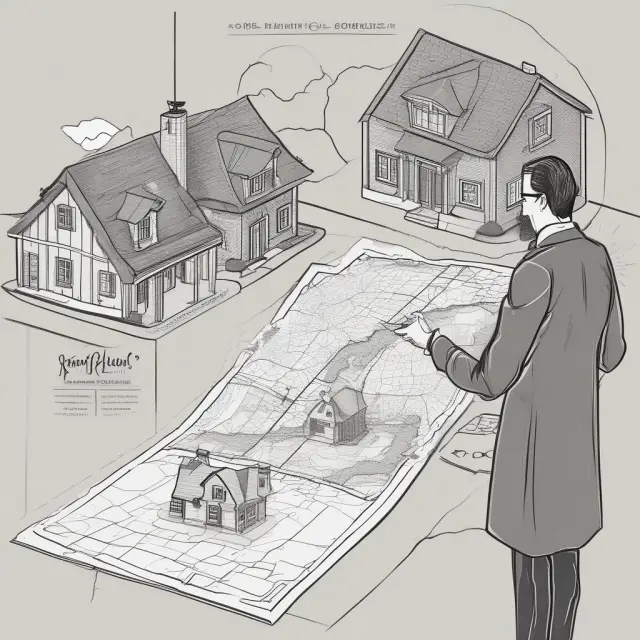
The Legal Definition of Domicile
A domicile is an essential concept in understanding legal matters, particularly concerning taxes, voting rights, and other personal responsibilities. The term refers to the place where you maintain a permanent home, establishing your intent to remain there indefinitely. This concept is crucial because it sets the jurisdiction for various aspects of your life, such as taxation, estate planning, and governmental obligations.
To legally define domicile, one must understand its significance in legal contexts. It’s more than just a physical address or the place where you reside; it’s an intentional choice to make that location your permanent home. Your country of domicile is the country in which you permanently reside, indicating your commitment to live there for an extended period.
Having a clear understanding of what constitutes a domicile is essential for several reasons. Your domicile plays a crucial role when it comes to matters such as:
- Voting rights and eligibility
- Paying taxes
- Estate planning
- Claiming benefits
- Adhering to governmental authority
In essence, your domicile is the legal framework that determines where you engage with various aspects of society and governance. It’s important to note that while a residence can change frequently, a domicile is more stable, as it reflects your permanent intent to stay in a given location.
It’s essential to distinguish between residences and domiciles. While both terms relate to the places where we live, they differ in their legal implications. A residence refers to any place one lives temporarily or permanently, while a domicile is the specific address that represents your permanent home and intent to reside there indefinitely.
Understanding the distinction between residences and domiciles is important because it impacts various aspects of your life, such as taxes and estate planning. By knowing your domicile, you can ensure that you comply with the necessary legal requirements and take advantage of any applicable benefits or tax advantages associated with your permanent home address.
Your domicile is significant in determining the jurisdiction for many aspects of your personal and professional life. It plays a crucial role in matters such as:
- Paying taxes
- Filing lawsuits
- Voting rights
- Estate planning
- Probate proceedings
- Inheritance laws
- Child support and alimony payments (in the context of divorce)
By being aware of your domicile, you can ensure that you are in compliance with the legal frameworks that govern these areas and make informed decisions regarding your personal and financial future.

Domiciles vs. Residences: Understanding the Difference
In the world of finance and investments, understanding the differences between domiciles and residences is crucial to navigate legal and tax implications properly. The terms “residence” and “domicile” may seem interchangeable, but they carry distinct meanings under the law. This section explains the definitions, differences, and consequences of having a specific domicile or residence.
Definition of Domiciles and Residences
A domicile refers to a place where someone maintains their permanent home. In contrast, a residence is defined as a house, apartment, condominium, or any other type of dwelling where an individual lives either part-time or full-time. The significant difference between the two lies in the intent and length of time one plans to reside in a particular location.
Legal Implications
Your domicile is important because it determines your jurisdiction for various legal matters, such as taxes, voting rights, and estate planning. Your domicile can also impact child support and alimony payments during divorce proceedings. On the other hand, your residence only influences the taxes you pay on the income earned within that location.
Length of Stay
The key difference between a domicile and a residence is the intent to remain in a specific place permanently. A person can have multiple residences but only one domicile. Your domicile may be your primary residence or a secondary property you plan to live indefinitely.
Changing Domiciles
To change your domicile, you must establish a bona fide intent to make the new location your permanent home. This process can involve updating addresses on financial documents, registering your vehicle, and establishing ties within the community. It may take time and effort but can lead to significant advantages, such as lower taxes or favorable estate planning opportunities.
Common Misconceptions
Some individuals believe that changing their domicile simply involves filing a declaration in the desired location or state. However, it is essential to have the intent and actions that demonstrate you are making a permanent move. Your lifestyle must reflect your commitment to the new domicile before any legal changes can be made.
Examples of Domiciles and Residences
An example of having different domiciles and residences could be someone who spends half the year in Maine and the other half in Florida while maintaining a permanent residence in both states. In this scenario, Maine would likely remain their legal domicile due to their continued ties to the state, such as paying taxes, registering their vehicle, and voting. Florida would still serve as their residence but not their domicile since they did not intend to abandon Maine permanently.
By understanding the differences between a domicile and a residence, individuals can better navigate legal and tax implications and make informed decisions regarding their financial future. The process of changing domiciles requires careful planning and commitment to ensure that the new location becomes your permanent home.

Determining Your Domicile at Birth
When it comes to understanding the concept of domiciles, it is essential to first recognize that a person’s domicile at birth differs from their domicile of choice as they grow older. A domicile refers to your permanent home or place where you maintain a fixed and intentional presence. In contrast, a residence may simply be the location where you live or stay temporarily.
Your domicile of origin is established at birth and remains unchanged until you reach the age of majority. This means that at birth, you are considered to have a domicile based on the location of your parents or legal guardians. Essentially, a child inherits their parents’ domicile and continues to carry it into adulthood, unless they intentionally abandon it through establishing a new domicile by choice.
Once an individual turns the age of majority—typically 18 years old in many jurisdictions—they are no longer legally bound to the domicile inherited at birth. This is the point where they can choose to establish a new domicile, often influenced by various factors such as relocating for work, education, or personal reasons.
When someone acquires a domicile of choice, it becomes their permanent home and legal address. It is important to note that this domicile remains in effect until they intentionally abandon it and establish a new one. In essence, your domicile plays a crucial role in determining the jurisdictions that have authority over matters such as taxes, voting rights, and estate planning.
It’s essential to understand the distinction between a domicile and residence to grasp its importance fully. While both terms may seem interchangeable, they have different implications. A residence refers to any location where you live, including primary residences or secondary homes. On the other hand, your domicile is the specific place that serves as your legal address and permanent home.
By clarifying this difference, it becomes evident that an individual can possess multiple residences but only one domicile. Your domicile not only influences essential aspects of your life such as taxes and estate planning; it may also impact matters like child support and alimony payments in the context of divorce proceedings.

Changing Your Domicile: Requirements and Consequences
If you have established a domicile and wish to change it, there are important considerations and steps you need to take. A new domicile refers to your permanent home in a different location that requires the intent to remain indefinitely. This section explains the requirements for changing a domicile and discusses the potential consequences.
Requirements for Changing Your Domicile
To change your domicile, you need to demonstrate a bona fide intention of making the new place your permanent home. This may involve several steps:
- Physical Presence: Spending a significant amount of time in the new location and establishing social connections is crucial.
- Intent: Intentionally abandoning the old domicile by closing bank accounts, selling property, or otherwise severing ties is essential.
- Voting: Registering to vote in the new location and canceling your registration in the previous domicile is important.
- Driver’s License and Car Registration: Obtaining a driver’s license and registering your vehicle in the new place shows commitment.
- Legal Address: Establishing a permanent legal address in the new location strengthens the claim of your intent to reside there permanently.
- Filing Taxes: Filing taxes as a non-resident in the previous domicile and as a resident in the new one confirms the change of domicile.
- Financial Matters: Closing accounts or transferring them to the new location demonstrates a clear intention to make the new place your permanent home.
- Estate Planning: Updating your will, trusts, powers of attorney, and other estate planning documents to reflect the new domicile is necessary.
Consequences of Changing Your Domicile
Changing your domicile may have legal, financial, and personal implications. Some consequences include:
- Taxes: Depending on the tax laws in your old and new jurisdictions, you might face changes to income taxes or estate taxes.
- Estate Planning: Revising your will, trusts, and other estate planning documents to conform to the new domicile is important for ensuring that your wishes are carried out effectively.
- Jurisdiction: Changing your domicile may affect which courts have jurisdiction over various legal matters.
- Businesses: Depending on the nature of your business, relocating it to the new domicile might be required or beneficial for tax purposes.
- Healthcare: Ensuring that you are covered by adequate healthcare insurance and are registered in the new location is essential for maintaining your wellbeing.
- Voting: Registering to vote in the new location and canceling your registration in the old one may impact your ability to participate in local, state, or federal elections.
In conclusion, changing a domicile requires careful planning and implementation of specific actions. By understanding the requirements and potential consequences, you can make an informed decision about whether it is right for you and proceed with confidence.

Legal and Tax Implications of a Change in Domicile
Your decision to change your domicile can have significant consequences in terms of taxes and jurisdiction. Understanding these implications is crucial before making a move.
Jurisdiction and Your Changed Domicile
Your new domicile affects which courts and governmental agencies have the power to make legal decisions regarding your estate, administer your will, or settle any disputes. By changing your domicile, you may also change the jurisdiction where these matters will be handled. This is important as different states have varying laws and procedures that could impact your situation.
Tax Implications of a Change in Domicile
One major concern when changing your domicile is how it affects your tax liabilities. Generally, you are subject to taxes based on your domiciliary status – the place you call home permanently. Your change of domicile might impact your state and federal taxes as well as estate planning considerations.
Federal Income Tax: The U.S. Internal Revenue Service (IRS) considers a person’s domicile to determine filing requirements, withholding rules, and the tax residency status for purposes of the Foreign Earned Income Exclusion and the Foreign Tax Credit. When you change your domicile, it may be necessary to update your tax status accordingly.
State Income Tax: Your new state of domicile could have different income tax laws from the one you are leaving. Some states do not impose personal income taxes, while others might offer preferential tax treatment or incentives. It is essential to understand these implications before making a move and assess how they may affect your financial situation.
Estate Planning: Changing your domicile can have significant consequences for estate planning purposes. Estate and inheritance tax laws vary between jurisdictions, and it’s crucial to consider the potential implications of changing your legal residence on the taxes owed by your estate or heirs.
State Death Taxes: If you are concerned about estate taxes, it is essential to know that only some states impose a state death tax. Understanding how your change in domicile might impact potential estate taxes and ensuring proper planning is necessary to minimize any potential liability.
Income Taxation of Trusts and Estates: Depending on the state in which trusts or estates are created, there may be various tax implications for income generated within those entities. Changing your domicile could affect the income taxation of these assets, so it’s essential to consult with a tax professional for guidance on this matter.
Local Taxes: In addition to federal and state taxes, local taxes can also differ between jurisdictions. Property taxes, sales taxes, and other local levies may vary depending on where you live. It is crucial to research these potential implications before making a move.
In summary, changing your domicile involves considering various tax implications at both the federal, state, and local levels. Seeking the advice of a tax professional or estate planning attorney can help ensure that you make an informed decision and minimize any potential negative consequences.

How to Establish a New Domicile
Changing your domicile involves more than just packing your belongings and relocating to a new place. It is an essential legal process that requires careful planning and execution. Understanding the practical steps involved in establishing a new domicile can help make this transition as smooth as possible, allowing you to enjoy your new home with confidence and peace of mind.
First and foremost, it’s vital to know what constitutes a domicile. A domicile refers to the location where you maintain a permanent home, which is different from a residence. While you may have multiple residences, only one can be your domicile. Your domicile plays a significant role in determining various aspects of your legal and financial life, including taxes, voting rights, and estate planning.
To establish a new domicile, here are some practical steps to follow:
1. Update your mailing address: Notifying the post office and other essential services of your new address is crucial, as it will ensure you receive important mail and documents at your new location.
2. Register your vehicle: Registering your vehicle in your new state is a legal requirement for establishing a new domicile. Additionally, it’s an excellent way to show your commitment to making the new place your permanent home.
3. Voter registration: Registering to vote at your new address is another crucial step to establish a new domicile. This action demonstrates your intent to make your new location your legal residence and reinforces the importance of being an active member of your community.
4. Obtain a driver’s license: Applying for a driver’s license in your new state is not only a requirement but also a strong sign of your intention to make the area your permanent home.
5. Banking and financial institutions: Update your banking information, including your primary checking account, savings accounts, credit cards, and investment accounts. Make sure you open an account with a local bank or credit union in your new location for added convenience and ease of access.
6. Utilities and services: Set up utilities and other essential services at your new residence, such as internet, electricity, water, gas, and telephone services. This step demonstrates your commitment to living permanently in the new location.
7. Register for local schools: If you have children, enrolling them in the local schools is an excellent way to become a part of the community and establish deeper roots.
8. Legal matters: It’s important to address any pending legal matters in your previous domicile before making the transition, such as closing bank accounts, settling any ongoing lawsuits, or updating any existing wills or trusts. These actions help ensure a clean break from your former domicile and solidify your commitment to your new location.
By following these practical steps, you’ll be well on your way to establishing a new domicile and making the transition to a new place a successful one. Remember, a change in domicile is an essential legal process that requires time and effort but offers significant benefits for both your personal and financial future.

Common Misconceptions About Domiciles
When it comes to understanding domiciles, there are several common misconceptions that can lead to confusion or incorrect assumptions. In this section, we aim to clarify some of these misunderstandings and provide you with accurate information about the importance and implications of establishing a new domicile.
Misconception 1: Changing Your Domicile Is Easy
One common misconception is that changing your domicile is as simple as filing a declaration form or making a few notifications to various agencies. However, in reality, the process requires more than just updating your address on paper. To truly establish a new domicile, you must demonstrate a genuine intent to make this location your permanent home by establishing social, economic, and familial ties, as well as changing your driver’s license, voter registration, and other legal documents.
Misconception 2: Domiciles and Residences Are the Same Thing
Though related, domiciles and residences are not interchangeable terms. Your residence is simply where you live, while a domicile is your legal address where you pay taxes, vote, register vehicles, and maintain other essential ties. While you may have multiple residences throughout your life, only one can be considered your domicile.
Misconception 3: Establishing a Domicile Is Unnecessary
Some people believe that they don’t need to establish a new domicile when they move to another location due to the inconvenience or cost associated with the process. However, failing to properly change your domicile can result in unintended legal and tax consequences, particularly in matters related to estate planning, probate, and child support payments during a divorce.
Misconception 4: Domiciles Determine State Income Taxes Only
It’s essential to understand that your domicile has far-reaching implications beyond just state income taxes. Your legal domicile can determine jurisdiction for probate, estate tax liability, and even child support and alimony payments during a divorce. As such, carefully considering the consequences of changing your domicile is crucial before making a decision.
In summary, understanding the complexities of domiciles and avoiding common misconceptions are essential for managing your financial and legal affairs effectively. By accurately defining the term, discussing its differences with residences, and addressing some common myths, we can help you navigate this important aspect of personal finance and investment planning.

Domicile and Divorce: Implications for Child Support and Alimony Payments
When it comes to the financial implications of divorce proceedings, understanding your domicile can be crucial. The term “domicile” refers to the place where you maintain a permanent home, and this legal construct plays a vital role in determining child support, alimony payments, and other matters.
Your domicile is significant for several reasons, including voting rights, tax obligations, and estate planning. When divorcing couples have different domiciles, these differences can impact the financial aspects of their divorce settlement. Here’s a closer look at how this legal concept plays a role in determining child support and alimony payments:
Child Support Payments
In the context of child support, your domicile may influence which state or country has jurisdiction over your case. Generally speaking, child support orders must be enforced according to the law of the state where the child resides (the Child Custody Jurisdiction Act). However, if a court in another state issues an initial child support order, that order can be registered and enforced in other states through the Uniform Interstate Family Support Act. If both spouses have different domiciles, determining which state’s law will apply can be complex.
Alimony Payments
Alimony payments, or spousal support, are another area where your domicile can impact the divorce settlement. Alimony laws vary significantly between states, and jurisdiction can make a substantial difference in the amount of alimony you may be required to pay or receive. Some states have more generous alimony laws than others, while others might offer less favorable terms for spousal support. In cases where both parties reside in different domiciles, determining which state’s laws will apply can add another layer of complexity to the divorce proceedings.
To illustrate this concept further, consider a scenario where Spouse A and Spouse B live in different states when they decide to divorce. If Spouse A has a higher income and is domiciled in a state with generous alimony laws, while Spouse B is domiciled in a state with less favorable terms, this discrepancy could significantly impact the division of assets and spousal support during the divorce settlement.
In such cases, it’s essential to consult with an experienced family law attorney who can help navigate the jurisdictional issues and negotiate fair alimony or child support terms that take your domiciles into account. This expertise will ensure a more equitable resolution for both parties involved.
Conclusion
Understanding the concept of domicile is crucial when going through a divorce, as it can have significant implications for child support and alimony payments. By being aware of how jurisdiction impacts your divorce settlement, you can better protect your financial interests during the proceedings and ensure a fair outcome for all parties involved.
In conclusion, it’s vital to consult with an experienced family law attorney who can help navigate the complexities of determining your domicile and its impact on child support and alimony payments. By working closely with legal professionals, you can ensure that your divorce settlement is equitable and considers all relevant factors, including jurisdiction and domicile.
By understanding the importance of domicile in divorce proceedings, you’ll be better prepared to secure a favorable outcome for yourself and your family. Remember: knowledge is power, especially when it comes to your financial future following a divorce.

FAQs about Domiciles
Understanding the concept of domiciles can be confusing due to its similarities with the term residence. Here, we address some common questions regarding the importance of a domicile and how it differs from a residence.
What is the difference between domicile and residence?
A residence refers to any place you live in temporarily or permanently. Your domicile, on the other hand, is your permanent home, where you intend to remain indefinitely. For example, if you own a vacation property but do not plan to move there permanently, it would be considered a residence, not a domicile.
What is determined by my domicile?
Your domicile has significant implications for various aspects of your life. It determines which country or state’s laws apply to you, including the jurisdiction for filing lawsuits, paying taxes, and claiming benefits. In the context of a divorce, the legal domicile plays an essential role in child support and alimony payments.
How is a person’s domicile determined?
A person’s domicile is generally determined by their intent to remain in a particular place permanently. This can be inferred from their actions, such as registering to vote, paying taxes, maintaining a driver’s license, and establishing social ties.
Can I change my domicile?
Yes, you can change your domicile by moving to another location with the intention of making it your permanent home. To establish a new domicile, you may need to update various records and documents, such as your driver’s license, voter registration, and bank accounts.
What is my legal obligation when changing my domicile?
To legally change your domicile, you must abandon your old one by closing bank accounts, surrendering your driver’s license, removing your name from voting rolls, and paying taxes as a non-resident. This process ensures that your previous domicile no longer holds jurisdiction over you.
What are the consequences of changing my domicile?
Changing your domicile can have legal and tax implications, including determining which country or state’s laws apply to you and affecting your ability to claim benefits or pay taxes. Additionally, it may impact estate planning and child support or alimony payments in the context of a divorce.
Can I own multiple residences but only one domicile?
Yes, while you can have more than one residence, you can only have one domicile at any given time. Your domicile is your permanent home where you intend to remain indefinitely.
In conclusion, understanding the concept of a domicile is crucial as it plays an essential role in various aspects of personal and financial matters. By answering common questions related to this topic, we hope to shed light on its importance and help clarify any confusion that may arise.
 Next entry · No. 1,110Understanding Donchian Channels: Identifying Trends and Extremes in Finance
See also
-
 No. 5,831
11 Oct 2025
21 min
Understanding X-Mark Signatures: Legal Implications and Requirements for Validity
Legal & Contracts
No. 5,831
11 Oct 2025
21 min
Understanding X-Mark Signatures: Legal Implications and Requirements for Validity
Legal & Contracts -
 No. 5,259
24 Aug 2025
17 min
Understanding Unintentional Tort: Defined and its Legal Implications
Legal & Contracts
No. 5,259
24 Aug 2025
17 min
Understanding Unintentional Tort: Defined and its Legal Implications
Legal & Contracts -
 No. 1,390
08 Sep 2024
17 min
Understanding Exculpatory Clauses in Contracts: What They Are, Their Limitations, and Enforceability
Legal & Contracts
No. 1,390
08 Sep 2024
17 min
Understanding Exculpatory Clauses in Contracts: What They Are, Their Limitations, and Enforceability
Legal & Contracts -
 No. 5,753
05 Oct 2025
18 min
Understanding Wire Fraud: An In-depth Analysis and Prevention Strategies for Institutional Investors
Business Finance
No. 5,753
05 Oct 2025
18 min
Understanding Wire Fraud: An In-depth Analysis and Prevention Strategies for Institutional Investors
Business Finance -
 No. 5,292
27 Aug 2025
23 min
Understanding Unlimited Risk in Finance and Investments: From Theoretical to Practical Losses
Investments
No. 5,292
27 Aug 2025
23 min
Understanding Unlimited Risk in Finance and Investments: From Theoretical to Practical Losses
Investments -
 No. 5,219
21 Aug 2025
19 min
Understanding Undue Influence in Finance and Investments: Spotting Coercion and Protecting Your Interests
Business Finance
No. 5,219
21 Aug 2025
19 min
Understanding Undue Influence in Finance and Investments: Spotting Coercion and Protecting Your Interests
Business Finance