Understanding Escheat: Unclaimed Property Rights and the Role of Governments

Understanding the legal concept of escheat and its role in unclaimed property rights. Discover key differences, state comparisons, and legal precedents.
What Is Escheat?
Escheat is an intriguing legal concept that involves the transfer of ownership rights from an individual or estate to a government entity when there are no known heirs or beneficiaries to claim the property. This situation, often referred to as unclaimed property or bona vacantia, ensures that assets don’t languish indefinitely, and governments assume responsibility for their management and distribution. In this section, we delve deeper into understanding the historical roots of escheat, its application to various types of property, and how it has evolved over time.
Historically, escheat originated from feudal practices when a lord held all land upon which no one could claim title or ownership. As societies transitioned towards more modern systems, the concept of escheat gradually shifted to encompass a broader range of assets beyond real property. In the U.S., state laws govern escheat rights and procedures, ensuring that unclaimed assets are eventually transferred to the appropriate authorities when no other claimants come forward.
Escheat is most commonly associated with estate assets that remain unclaimed after someone’s death. When there is no will or known heirs to inherit an estate, a probate court may grant escheat rights to the state. However, escheat can also apply to abandoned property, such as bank accounts and securities, which have been inactive for an extended period. In this case, financial institutions are required by law to make reasonable efforts to locate the rightful owners before transferring the assets to the government through a process called escheatment.
Understanding Escheat: A Legal Concept with Rich History
Escheat represents an intriguing intersection of legal history and modern property management, enabling governments to assume ownership over unclaimed or abandoned assets when no heirs or claimants can be identified. This section will delve deeper into the concept’s roots, its application across various types of property, and the implications for individuals and institutions involved in this process.
Historically, escheat dates back to feudal Europe, where lords held all land not claimed or owned by anyone. Over time, the concept evolved as societies transitioned towards more modern systems of government, with escheat becoming a tool for managing unclaimed assets and addressing complex legal issues surrounding property ownership. Today, each U.S. state has its unique set of laws and regulations governing escheat rights and related matters.
At its core, escheat is the right of a government to claim abandoned or unclaimed property when no other claimants come forward. This concept can apply to various types of assets, including real estate, bank accounts, stocks, and bonds. By understanding how escheat applies to these different asset classes, we can better appreciate its significance and implications for individuals, financial institutions, and governments.
In the next sections, we will explore key differences between escheat and abandonment, legal precedents and principles that support escheat rights, the process of escheatment, and the various state-by-state escheat timelines for different types of assets, among other important topics. By the end of this article, you’ll have a solid grasp of escheat as it relates to unclaimed property and its role in modern financial systems.
Stay tuned for more insights on the fascinating world of escheat!

Escheat vs. Abandonment: Key Differences
Escheat and abandonment are two interconnected concepts within the realm of property rights, particularly when it comes to unclaimed assets or estates. Although they share similarities, these legal terms have distinct differences that can impact how property is transferred or managed in certain situations. In essence, escheat pertains to the right of a government or other entity to claim ownership of unclaimed property, while abandonment signifies the relinquishment of rights to an asset by its lawful owner.
Understanding Escheat
Escheat refers to the legal doctrine that allows a government, such as a state or federal authority, to take possession of assets or estate properties when there are no apparent heirs, beneficiaries, or claimants to claim them. This can occur due to death, extended absence, or other reasons. In simple terms, escheat is the right of governments to acquire title to property when its true owners have been absent for a long time without clear intention to abandon it.
Abandonment vs. Escheat
On the contrary, abandonment denotes the intentional relinquishment or giving up of rights and ownership to an asset by its rightful owner. In other words, when someone purposely releases their claim over an asset, property becomes abandoned. The difference between escheat and abandonment lies in the transfer of ownership: escheat involves a government taking ownership due to the absence of claimed or identifiable owners, whereas abandonment is initiated by the original owner themselves.
The significance of knowing the differences between these two concepts arises from their implications on how property rights are handled, the potential for asset recovery, and the legal proceedings involved. It’s important to remember that each situation can vary depending on jurisdiction, state laws, and specific circumstances. A clear understanding of escheat and abandonment will help provide context and guidance in dealing with unclaimed assets or estate properties.
In our next section, we will delve deeper into the legal basis for escheat rights, the process by which these rights are granted, and notable examples that illustrate their application.
Section Title: Escheat Rights in Law: Legal Basis and Precedents
Description: Understanding legal precedents and principles that support escheat rights and the historical context behind their establishment.

Escheat Rights in Law: Legal Basis and Precedents
Escheat rights have a rich history that predates modern law; the concept dates back to feudal England where lords held the right to any property of a tenant who died without an heir. The principles of escheat were adopted by common law systems, including the United States, and can be found in various legal precedents. Escheat rights have been established as a matter of public policy to ensure that assets are not left abandoned indefinitely, and to protect against potential loss or misappropriation of those assets.
One significant U.S. Supreme Court case regarding escheat is D’Oench, Duhme & Co. v. FDIC (1931). In this case, the court ruled that a power of appointment, which would typically pass property to an heir, does not affect escheat rights when no lawful heirs can be found. The court stated, “Escheat is a reversionary interest in the nature of a right, and not a mere matter of procedure.”
The Uniform Disposition of Unclaimed Property Act (UDUPA) is a set of model laws that have been adopted by most states to establish consistent rules regarding escheat. According to UDUPA, “unclaimed property” refers to any tangible or intangible personal property that has been abandoned, and the term ‘abandoned’ is defined as a failure to communicate with the true owner for a specified period (usually 3-5 years).
Escheat rights can also be influenced by state probate laws. In states with strict probate requirements or complex intestacy rules, the process of identifying and locating heirs can be lengthy and costly. This often results in more unclaimed assets being escheated to the state.
The UDUPA provides guidelines for how escheated property is handled; it may be transferred to the state treasury or to an unclaimed property fund, where it remains until a claimant comes forward. Many states have online databases available for individuals to search and claim their unclaimed assets.
Understanding the legal basis of escheat rights is crucial for investors as they must consider how these laws may impact their estates or financial accounts. This knowledge can help prevent the unnecessary transfer of assets to state governments, and aid in proper planning for the distribution of property upon death.

Process of Escheatment: Overview and Key Steps
Escheatment refers to the process by which governments assume ownership of unclaimed assets or property when there are no apparent heirs or beneficiaries. This legal concept plays a critical role in ensuring that estate assets are not left abandoned and eventually lost. Understanding the escheatment process is essential for various stakeholders, including individuals, financial institutions, and government entities.
The escheatment process typically commences when an asset remains unclaimed for an extended period, usually following the death of its owner or in the absence of a clearly defined beneficiary. The primary goal of escheatment is to prevent the loss of potentially valuable assets while ensuring that they are eventually distributed to their rightful owners or, if necessary, to the state.
Key Stages in Escheatment:
- Abandonment: When an asset is deemed abandoned, it enters a critical phase where the process of escheatment can begin. Abandonment occurs when the account holder does not engage in any activity related to the asset for an extended period. This could include not responding to correspondence from financial institutions or failing to make required contributions to retirement accounts.
- Identification of Unclaimed Assets: Financial institutions and state governments work together to identify unclaimed assets that are subject to escheatment. Typically, these assets consist of dormant bank accounts, securities, insurance policies, and other forms of property where the rightful owner cannot be readily identified or located.
- Notification and Publication: In accordance with state laws, financial institutions must make reasonable efforts to locate the original asset owners before transferring the assets to the state. This often involves sending notices via certified mail and publishing lists of unclaimed assets in various publications. If these attempts are unsuccessful, the institution may then submit a claim for escheatment to the relevant state agency.
- Escheatment: Following the submission of a claim by the financial institution, the state government assumes ownership of the unclaimed asset or property through the process of escheatment. The state becomes the new “owner” and can choose to sell or manage the assets as per its discretion, subject to any applicable laws and regulations.
- Reclamation: If the rightful owner or a claimant appears and presents proof of ownership before the statute of limitations expires, they may be able to reclaim their assets through the escheatment process. The time frame for this varies depending on state laws.
The escheatment process plays an essential role in the management and distribution of unclaimed assets, ensuring that valuable property is not lost or forgotten. Understanding how it works and its implications for various stakeholders is crucial for navigating the complex world of estate planning and asset ownership.
To learn more about the nuances of escheatment and its application in different contexts, be sure to explore the other sections of this article.
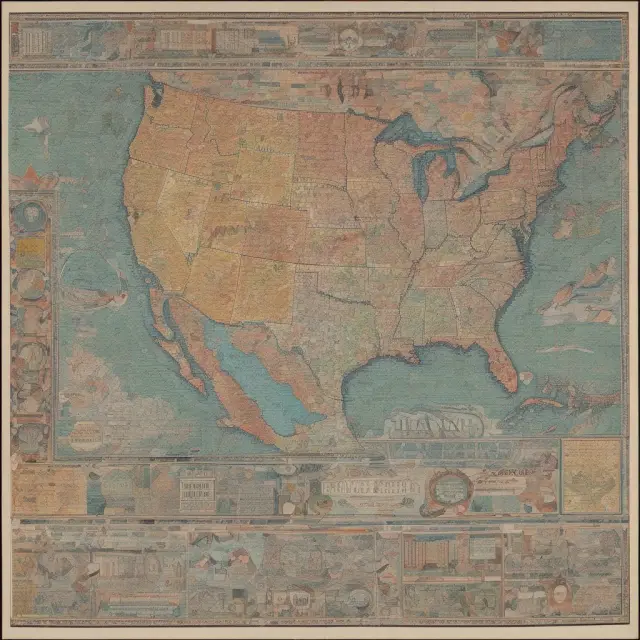
Escheat Timeline: State-by-State Comparison
Escheat laws and regulations vary significantly across the U.S., especially concerning the escheat timelines for different types of assets, such as checking accounts, checks/drafts, and earnings. Understanding these state-specific differences can help individuals keep track of their unclaimed property or identify potential opportunities for reclamation.
Bank Accounts
The length of time that states require financial institutions to hold onto escheated bank accounts before transferring them to the respective state treasury varies from one to five years depending on the jurisdiction. Alabama, Arkansas, Connecticut, District of Columbia, Florida, Idaho, Illinois, Indiana, Iowa, Kentucky, Louisiana, Michigan, Mississippi, Missouri, Montana, Nebraska, Nevada, North Dakota, Ohio, Oklahoma, Pennsylvania, Rhode Island, South Carolina, South Dakota, Tennessee, Texas, Utah, Vermont, Virginia, West Virginia, and Wyoming all have a three-year or five-year escheat period for bank accounts. Meanwhile, California, Colorado, Delaware, Georgia, Hawaii, Massachusetts, Maryland, Maine, Minnesota, New Hampshire, North Carolina, Oregon, and Washington have different timeframes ranging from one to five years.
Checks/Drafts:
The escheat timelines for checks and drafts differ slightly from those of bank accounts. California, Connecticut, District of Columbia, Florida, Georgia, Hawaii, Indiana, Kentucky, Louisiana, Massachusetts, Maryland, Michigan, Minnesota, Missouri, Montana, New Hampshire, North Dakota, Ohio, Oklahoma, Pennsylvania, Rhode Island, South Carolina, South Dakota, Tennessee, Texas, Utah, Vermont, Virginia, Washington, and Wisconsin all have a three-year to five-year escheat period for checks/drafts. Arizona, Arkansas, Colorado, Idaho, Illinois, Iowa, Kansas, Maine, Mississippi, Nebraska, Nevada, New Mexico, North Carolina, Oregon, Tennessee, West Virginia, and Wyoming require financial institutions to hold onto checks/drafts for only one year before escheating them.
Earnings:
The duration that states allow banks to hold onto escheated earnings varies from state to state, ranging from one year to five years depending on the jurisdiction. For instance, Alabama, Arkansas, Connecticut, District of Columbia, Florida, Georgia, Hawaii, Idaho, Illinois, Indiana, Iowa, Kentucky, Louisiana, Maine, Massachusetts, Maryland, Michigan, Minnesota, Mississippi, Missouri, Montana, Nebraska, New Hampshire, North Dakota, Ohio, Oklahoma, Oregon, Rhode Island, South Carolina, South Dakota, Tennessee, Texas, Utah, Vermont, Virginia, Washington, West Virginia, Wisconsin, and Wyoming all have different escheat periods for earnings. California, Colorado, Delaware, Kansas, Maryland, Minnesota, New Hampshire, North Carolina, Pennsylvania, and Wisconsin require a one-year holding period, while Alaska, Arizona, Arkansas, Connecticut, District of Columbia, Georgia, Idaho, Indiana, Iowa, Kentucky, Louisiana, Michigan, Mississippi, Missouri, Montana, Nevada, New Jersey, New Mexico, North Dakota, Oregon, Rhode Island, South Carolina, Tennessee, Utah, and Virginia have a five-year escheat period for earnings.
In conclusion, understanding the state-by-state differences in escheat timelines for various assets like bank accounts, checks/drafts, and earnings is essential for individuals who want to keep track of their unclaimed property or potentially reclaim estranged assets. Proactively monitoring these regulations can save valuable time, money, and resources by ensuring that you are aware of any potential opportunities for recovery.

Identifying Heirs and Estate Distribution
Escheat refers to the process by which state governments acquire ownership of unclaimed assets when there are no apparent heirs or beneficiaries. This section outlines the key aspects of identifying heirs, distribution methods, and the role of probate courts in escheat proceedings.
Heir Identification
The identification of heirs is a crucial component of the estate administration process. When an individual passes away without a will or known heirs, the estate enters the intestacy process, which involves probating the deceased person’s assets and determining who their legal heirs are. Probate courts play a vital role in this process by appointing executors or administrators to manage the deceased person’s assets and locate potential heirs. Eligible heirs may include spouses, siblings, aunts, uncles, nieces, nephews, cousins, and potentially other distant relatives.
Distribution Methods
In most cases, identifying heirs avoids the need for escheatment as the assets are distributed according to intestate succession laws or through probate. However, if no legal heir can be identified, escheat rights may be granted to the state. If a rightful heir emerges after escheat has been granted, property can be given to them as per relevant laws.
Role of Probate Courts
Probate courts play a pivotal role in the administration of an estate, including identifying heirs and granting escheat rights when necessary. While probate proceedings help ensure that assets are distributed appropriately according to the deceased person’s wishes, escheatment serves as a last resort when there are no known heirs or legal claimants.
Escheat Rights in Different Jurisdictions
Escheat laws vary significantly between jurisdictions, with some states imposing statutes of limitation that make asset rights irrevocable after a specified period. Understanding the specific rules and regulations governing escheatment in your area is essential to navigating this complex process effectively.
Conclusion:
In summary, understanding the intricacies of identifying heirs and estate distribution is crucial for those dealing with the probate process or handling unclaimed assets. While most estates can be distributed according to a deceased person’s will or intestate succession laws, escheat comes into play when no legal heir can be identified. By staying informed about the role of probate courts and the variations in escheat laws across jurisdictions, you can effectively navigate this often-complicated process.
Reclamation of Escheated Assets: Process and Limits
The process of reclaiming escheated assets can vary from state to state and depends on the type of asset involved, as well as the specific circumstances surrounding its escheatment. Generally speaking, if you believe you are entitled to an escheated asset or property, there are steps you can take to try and reclaim it. However, it is important to note that your ability to do so may be subject to certain time limitations, known as statutes of limitation.
Statutes of Limitation: Setting Time Limits on Reclamation
Some states have enacted statutes of limitation for escheated assets, which establish a specific period during which you can come forward and make a claim. These periods can range from a few years to several decades, depending on the type of asset and the relevant state laws. For example, in some jurisdictions, there might be a shorter statute of limitation for reclaiming checks or bank accounts compared to real estate or other types of property.
It is important to understand that these time limits are not absolute and can vary significantly from one state to another. Additionally, they may not apply in all cases—for instance, if the rightful heir was a minor at the time of escheatment or if there were extenuating circumstances that prevented them from coming forward within the prescribed period.
To determine whether a statute of limitation applies to your case and, if so, how long you have to make a claim, it is recommended that you consult with an experienced attorney specializing in escheat law or contact the relevant state agency responsible for administering unclaimed property laws.
Steps to Reclaim Escheated Assets: A Practical Guide
If you believe that you are entitled to an escheated asset and wish to pursue its reclamation, the following steps can help guide you through the process:
- Identify the specific state agency responsible for administering unclaimed property laws in the jurisdiction where the escheated asset is located. This information is typically available on your state’s government website or by contacting the state treasurer’s office.
- Gather all relevant documentation that supports your claim to the escheated asset, such as a copy of your identification (driver’s license, passport, etc.), proof of relationship to the deceased owner (e.g., birth certificate, marriage certificate), and any other documents that demonstrate your rightful ownership or entitlement to the property in question.
- Submit your claim to the relevant state agency along with all required documentation. This may involve filling out a specific form or providing detailed information about the nature of your relationship to the deceased owner and the reason why you did not come forward sooner.
- Wait for the state agency’s response. The process can take some time, and it is important to be patient during this period. If additional information is required or if there are any issues with your claim, the agency will typically contact you to request further documentation or clarification.
- Follow up on any requests from the state agency for additional information. Providing the requested documents promptly can help expedite the process and increase your chances of successfully reclaiming the escheated asset.
- Be prepared for potential delays or challenges. Depending on the complexity of your case, it may take several months or even years to resolve the matter. Additionally, if there are disputes with other parties claiming a stake in the property, you may need to engage in mediation or litigation to resolve these issues.
- Consult with an attorney if necessary. If you encounter difficulties during the reclamation process or require assistance navigating complex legal issues, it is recommended that you consult with an experienced attorney specializing in escheat law for guidance and representation.
In conclusion, the process of reclaiming escheated assets can be complex and time-consuming, but it is not impossible. By following the steps outlined above and seeking professional advice when needed, you can increase your chances of successfully recovering property that rightfully belongs to you or your loved ones. Remember, it’s always important to act promptly and be prepared for potential challenges along the way.

Escheat in Different Countries and Jurisdictions
Escheat laws vary significantly from one jurisdiction to another around the world. Understanding these differences can help individuals navigate potential challenges when dealing with unclaimed assets or properties that have reverted to the government due to prolonged inactivity or absence of heirs. In this section, we will explore escheat laws in various countries and jurisdictions.
The United Kingdom
In the UK, bona vacantia is a term used for unclaimed property that ultimately reverts to the Crown. This concept has its roots in feudal law, with escheats being granted to the monarch as a result of tenants’ deaths without heirs. The process involves applying to the Bona Vacantia Division at the Ministry of Justice. If no claimant emerges after 30 years, the property becomes the Crown’s.
United States
In the U.S., each state has its own escheat laws governing unclaimed property and assets. State-by-state comparison reveals significant variations in timeframes for granting escheat rights to governments, as shown below:
- Bank Accounts: Ranging from 3 to 5 years of dormancy
- Checks/Drafts: Ranging from 1 to 5 years of dormancy
- Earnings: Ranging from 1 to 5 years of dormancy
The European Union
In the EU, escheat laws and their application depend on individual member countries’ regulations. Some countries have a statute of limitations for claiming escheated assets, while others do not. For instance, in France and Italy, there is no statute of limitations, meaning that individuals can reclaim property at any time if they can prove ownership. In contrast, countries like Spain impose strict deadlines to claim escheated property.
Australia
In Australia, unclaimed superannuation funds and other financial assets are governed by the federal government’s Superannuation Industry (Supervision) Act 1993. If an account remains inactive for six years, it is transferred to the Australian Securities and Investments Commission (ASIC). The individual or their dependents can claim these funds at any time if they can prove eligibility.
Canada
In Canada, unclaimed property is governed by each province’s legislation. For instance, in Ontario, the Tresury Board acts as custodian of unclaimed property. If no claimant emerges after 30 years, the property may be transferred to the provincial government. Some provinces offer online registries where individuals can search for unclaimed assets by name.
Conclusion
Understanding escheat laws in different countries and jurisdictions is crucial when dealing with unclaimed property or assets. The ability to navigate these complex regulations can save time, money, and potential frustration. By being aware of the variations in escheat procedures, individuals can effectively manage their financial affairs and potentially recover lost assets.

Recent Developments in Escheat Laws: Trends and Implications
Escheat laws are continuously evolving, reflecting changing societal norms and the need for updated legislation. In recent years, some trends have emerged that impact both governments and individuals dealing with escheated assets. In this section, we will discuss these trends and explore their implications for stakeholders in the realm of finance and investment.
First, many states have increased transparency regarding the handling and distribution of escheated assets. For instance, some states, like California, now provide online databases to help individuals locate unclaimed property. This has made it easier for potential claimants to reclaim assets that may have otherwise been lost to the state through escheatment.
Another trend involves streamlining the process of distributing escheated assets. In some jurisdictions, governments are turning to automated systems and modern technology to make the transfer of assets more efficient. For example, New York now offers electronic filing for claims on escheated property. This reduces processing times, making it easier for claimants to recover their rightful assets.
Additionally, recent developments in escheat laws have focused on extending reclamation periods for certain types of assets. Some states, such as California and New York, now allow extended reclamation periods for stocks and bonds. These changes acknowledge the complex nature of these assets and the challenges of identifying their rightful owners.
Moreover, there have been discussions regarding expanding escheat laws to cover digital assets like cryptocurrencies. While this is still a developing area of law, it could potentially lead to significant shifts in the way governments handle and distribute unclaimed digital assets.
Finally, it’s important to note that these trends are not uniform across all states or jurisdictions. Some states have resisted change, while others have embraced modernization wholeheartedly. As such, it is crucial for both individuals and institutions to familiarize themselves with the specific escheat laws in their respective jurisdictions to ensure they maximize their chances of reclaiming lost assets.
In summary, recent developments in escheat laws include increased transparency, streamlined distribution processes, extended reclamation periods, and potential applications to digital assets. These trends carry significant implications for stakeholders seeking to reclaim lost or unclaimed assets. Staying informed about these changes is essential for maximizing the chances of recovering rightfully owned assets through escheat laws.
FAQ: Common Questions About Escheat
What exactly is escheat?
Escheat refers to the right of a government to take ownership of estate assets or unclaimed property when no other claimants or heirs can be readily identified or come forward. This concept, often dating back centuries, ensures that property always has an owner, usually a state or federal entity.
How is escheat different from abandonment?
The main difference between escheat and abandonment lies in the transfer of ownership rights. Escheat implies that title to an asset officially passes to the government due to the death of the property owner or prolonged absence, while abandonment indicates that the previous owner willingly relinquished control over their property.
What is the legal basis for escheat?
Escheat laws have roots in common law and often involve the application of specific legal principles such as bona vacantia (meaning ‘ownerless goods’) or in casu non (when there are no heirs). Legal precedents also exist, like the 1790 federal statute that established escheat rights for unclaimed land grants.
What happens during the escheatment process?
When property goes into escheat, it is typically transferred through court proceedings or other processes outlined in state laws. Once the government acquires ownership of the asset, it may sell or use the property for its own purposes, depending on the specific regulations within that jurisdiction.
What states have the longest escheat timelines?
State regulations regarding escheatment vary widely for different types of assets. For example, California, Delaware, and Texas have a five-year period for bank accounts and checks, while some states, such as Maine, Michigan, Missouri, North Dakota, Ohio, Utah, Virginia, Washington, West Virginia, Wisconsin, and Wyoming have three-year periods.
How can I reclaim escheated assets?
To reclaim escheated assets, you must prove your rightful claim to the property using evidence such as documentation of ownership or a valid will. Some states maintain online registries of unclaimed property and have processes for individuals to search for and claim their assets. However, there may be statutes of limitation that restrict claims after a specified period.
What happens if I die without a will?
If you die intestate (without a valid will), your estate assets will go through probate court to determine heirs or beneficiaries. If no heirs are identified during the probate process, escheat rights may be granted to the state in question. In most cases, identifying heirs is preferable to escheatment as it avoids lengthy and often costly legal proceedings.
Is there a difference between escheat laws in various countries or jurisdictions?
Yes, escheat laws differ significantly among various countries and jurisdictions. Some may have shorter or longer periods for escheating assets or different criteria for granting escheat rights. For example, in the UK, unclaimed land goes to the monarch under the Doomsday Book’s bona vacantia principle, while in Spain, unclaimed property is handled by the Instituto de Estudios Fiscales.
 Next entry · No. 1,332Understanding Escrow: A Comprehensive Guide for Institutional Investors
See also
-
 No. 2,603
20 Jan 2025
19 min
Understanding Jobless Claims: An Important Indicator for Investors
Business Finance
No. 2,603
20 Jan 2025
19 min
Understanding Jobless Claims: An Important Indicator for Investors
Business Finance -
 No. 1,430
14 Sep 2024
19 min
Understanding Expropriation: The Power of Government to Take Private Property for Public Use
Business Finance
No. 1,430
14 Sep 2024
19 min
Understanding Expropriation: The Power of Government to Take Private Property for Public Use
Business Finance -
 No. 5,599
22 Sep 2025
18 min
The War Damage Corporation: Protecting Americans Against War-Related Property Damage during World War II
Insurance
No. 5,599
22 Sep 2025
18 min
The War Damage Corporation: Protecting Americans Against War-Related Property Damage during World War II
Insurance -
 No. 4,268
05 Jun 2025
23 min
Understanding the Race to the Bottom: Competition Beyond Ethical Standards
Business Strategy
No. 4,268
05 Jun 2025
23 min
Understanding the Race to the Bottom: Competition Beyond Ethical Standards
Business Strategy -
 No. 3,663
16 Apr 2025
23 min
Oil Sands: A Look into Canada’s Dense, Viscous Crude Oil Reserves and Their Extraction Processes
Energy Finance
No. 3,663
16 Apr 2025
23 min
Oil Sands: A Look into Canada’s Dense, Viscous Crude Oil Reserves and Their Extraction Processes
Energy Finance -
 No. 3,456
30 Mar 2025
19 min
Understanding the New Growth Theory: Driving Economic Prosperity Through Entrepreneurship, Innovation, and Human Capital
Economics
No. 3,456
30 Mar 2025
19 min
Understanding the New Growth Theory: Driving Economic Prosperity Through Entrepreneurship, Innovation, and Human Capital
Economics