Understanding Feed-In Tariffs (FIT): A Policy Tool to Promote Renewable Energy

Understanding Feed-in Tariffs (FIT): A policy tool promoting renewable energy through long-term contracts, guaranteed grid access, and cost-based purchase…
Introduction to Feed-in Tariffs (FIT)
Understanding the Basics of Feed-In Tariffs (FIT)
A feed-in tariff (FIT) is a crucial policy instrument that supports investments in renewable energy sources by offering producers above-market prices for their electricity. FITs have three primary components: guaranteed grid access, long-term contracts, and cost-based purchase prices. By addressing the financial risks associated with renewable energy production, these provisions encourage investment and development in clean technologies.
What Is a Feed-In Tariff (FIT), Exactly?
A feed-in tariff is a governmental policy tool that ensures small-scale producers of renewable energy a steady income by guaranteeing them above-market prices for their electricity sold to the grid. FITs are most commonly applied to solar and wind power but can be used with other forms of renewable energy, as well.
Feed-in Tariffs: A Historical Perspective
The origins of feed-in tariffs date back to 1978 in the United States when the Carter Administration introduced a National Energy Act in response to the energy crisis. This policy aimed to promote energy conservation and the development of renewable energy sources like solar, wind power, and geothermal energy. The United States has since then served as a trailblazer for feed-in tariffs, which have also gained widespread popularity in countries such as Germany, Japan, China, and beyond.
The Mechanics of Feed-In Tariffs (FITs)
Feed-in tariffs have three essential provisions: guaranteed grid access, long-term contracts, and cost-based purchase prices. These components allow energy producers to have a predictable revenue stream while reducing the inherent risks in renewable energy production:
- Guaranteed Grid Access: Producers are granted access to the grid, ensuring their electricity can be sold.
- Long-Term Contracts: Typically lasting from 15 to 25 years, these contracts provide stability to producers and buyers alike, helping to ensure a steady supply of renewable energy over an extended period.
- Cost-Based Purchase Prices: Producers are compensated in accordance with the resources and capital they’ve invested, creating fair pricing structures that encourage growth in the sector.
Advantages of Feed-In Tariffs (FITs)
The key benefits of feed-in tariffs include their ability to mitigate financial risks for renewable energy producers, provide predictability and stability to investments, create a steady revenue stream, and encourage technological innovation. Additionally, FITs allow countries to diversify their energy sources, reduce greenhouse gas emissions, and foster economic growth through domestic manufacturing, installation, and maintenance industries.
In conclusion, feed-in tariffs serve as an essential policy tool for promoting renewable energy development by offering long-term contracts and fair pricing structures that provide a safety net for producers in the early stages of renewable energy production. While some countries are shifting towards alternative support mechanisms, the importance of FITs in driving the growth of renewable energy remains evident. In the following sections, we will explore the history of feed-in tariffs, their differences with net metering, and the implications for the environment.
Key Components of Feed-in Tariffs (FIT)
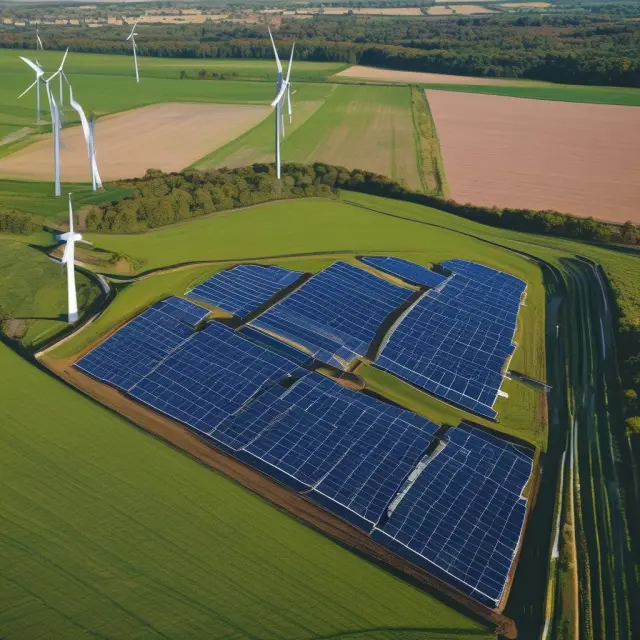
A feed-in tariff is an effective policy tool to encourage investment and development in renewable energy sources, offering small producers a guaranteed price for their output. **Three main provisions** form the backbone of FITs: guaranteed grid access, long-term contracts, and cost-based purchase prices. Let’s take a closer look at these components.
Guaranteed Grid Access
The first key provision ensures that energy producers have uninterrupted access to the grid. This is essential because renewable energy sources, such as wind or solar power, are dependent on natural conditions and can be intermittent. Feed-in tariffs provide assurance that producers will have a consistent market for their electricity, regardless of weather conditions or other disruptions.
Long-Term Contracts
The second provision includes long-term contracts that typically span 15 to 25 years. This aspect of the feed-in tariff reduces the financial risk for energy producers and investors. The stability of the long-term contracts enables them to plan their investments and operations accordingly, knowing that they have a guaranteed market for their renewable energy production over an extended period.
Cost-Based Purchase Prices
The third provision offers cost-based purchase prices that reflect the actual costs incurred by the producer to generate renewable energy. These prices help energy producers recover their capital investments and operating expenses, incentivizing them to produce more renewable energy and expand their operations if they see a profitable future. The cost-based purchase price also acts as a stable floor price for their energy, protecting them from volatile market prices.
By offering these three provisions, feed-in tariffs create an environment in which small producers are willing to invest in renewable energy production. As a result, the policy tool has proven effective in promoting renewable energy sources and reducing greenhouse gas emissions. However, it is essential to acknowledge that FITs have their limitations and challenges, which we will discuss later in this article. In the next section, we’ll examine the history of feed-in tariffs and their origins.

History of Feed-in Tariffs (FITs)
A feed-in tariff (FIT), introduced as a policy instrument to support renewable energy production, has been instrumental in driving the growth of solar and wind industries worldwide. Originating from the United States under President Jimmy Carter’s administration during the 1970s energy crisis, FITs have since become popular across Europe and Asia. In this section, we delve into the origins and spread of feed-in tariffs as a crucial component of renewable energy policies.
The first recorded implementation of an FIT can be traced back to the United States in 1978 through the National Energy Act. This policy tool aimed to promote both energy conservation and the development of renewable resources, such as solar and wind power. The American FIT was designed to secure long-term contracts for producers and offer above-market rates. Though short-lived due to budget cuts during the Reagan administration, this early adoption provided a foundation for future applications.
As global recognition of the need for sustainable energy sources grew, feed-in tariffs gained widespread popularity across Europe and Asia. Countries like Germany and Japan adopted this policy tool to encourage investment in renewables while providing predictability for producers. By 2010, three-quarters of all solar installations globally relied on some form of feed-in tariff support.
The success stories of FITs can be seen not only in their ability to promote renewable energy production but also in their impact on job creation and economic growth. For instance, Germany, known as the “Solar Republic,” now boasts a thriving solar industry employing over 300,000 people. Japan has followed suit with its FIT policy, which has led to significant investments in renewable energy technology and infrastructure.
However, despite the notable achievements of feed-in tariffs, there is growing debate about their future role in promoting renewable energy growth. Some countries are shifting towards more market-driven approaches to support renewables or take a greater degree of control over the supply of renewable energy produced. Nonetheless, FITs continue to remain an essential part of the global renewable energy policy landscape.
As we explore the various aspects of feed-in tariffs in this article, we will examine their components, differences from net metering, benefits, environmental implications, challenges, and alternatives. Stay tuned for more insights into this powerful policy tool that has shaped the renewable energy sector’s trajectory.

How Feed-in Tariffs Differ from Net Metering
Feed-in tariffs (FITs) and net metering are two common policy tools used to encourage the production and consumption of renewable energy. Although both share some similarities, they differ significantly in terms of payment structures and eligibility criteria.
1. Payment Structures:
While feed-in tariffs offer producers a fixed rate per kilowatt-hour (kWh) produced, net metering credits consumers for the excess energy generated and sent back to the grid at the retail price. With FITs, producers receive payment regardless of whether the electricity is consumed on-site or sold to the grid, while with net metering, any surplus energy is credited toward future energy consumption.
2. Eligibility:
Another significant difference between the two lies in eligibility. Feed-in tariffs are open to anyone who generates renewable energy, regardless of their size or whether they sell the excess energy. In contrast, net metering programs often cater only to residential customers with solar panels and are less common for larger producers.
3. Long-term Commitment:
Feed-in tariffs involve long-term contracts, usually 15-20 years, which provide stability for renewable energy producers by ensuring they have a guaranteed market and revenue stream. Net metering, on the other hand, does not require any contractual agreement between the consumer and the utility company.
4. Impact on Electricity Grids:
The differences in payment structures and eligibility between feed-in tariffs and net metering also lead to implications for electricity grids. Feed-in tariffs can help ensure a steady supply of renewable energy to the grid by providing an incentive for producers, while net metering allows consumers to store excess energy for their own use or sell it back to the grid at a later time.
In conclusion, understanding these differences is crucial for policymakers and stakeholders in designing effective policies to promote renewable energy production and consumption. While both feed-in tariffs and net metering serve important purposes, they cater to different needs and should be considered as complementary rather than competing policy tools.

Benefits of Feed-in Tariffs (FIT)
A feed-in tariff is an essential policy tool for promoting renewable energy sources by offering producers guaranteed, above-market prices for their electricity. This incentive allows small-scale renewable energy producers—such as homeowners, farmers, and businesses—to invest in the production of clean power while reducing the risks associated with market instability and fluctuating energy costs. Here’s a closer look at the benefits of using feed-in tariffs (FIT) for renewable energy development:
1. Reduced Financial Risk
A key advantage of feed-in tariffs is that they help reduce financial risk for producers by offering long-term contracts ranging from 15 to 25 years. This contractual security enables small-scale energy producers, particularly those who are not commercial power providers, to invest in renewable technologies with confidence and certainty.
2. Predictable Revenue Streams
Feed-in tariffs provide producers with predictable revenue streams based on the cost of production. By setting a guaranteed purchase price for electricity generated by renewable resources like solar or wind, producers can plan their finances and operations accordingly. This stable source of income is crucial, especially during the early stages of renewable energy development when the technology might not be economically viable.
3. Encouraging Investment in Renewable Energy
The long-term contracts and guaranteed prices offered by feed-in tariffs protect investors from market fluctuations that could otherwise deter them from investing in renewable energy sources. The financial security provided encourages more people to invest in solar panels, wind turbines, and other forms of clean power generation.
4. Supporting Energy Independence and Security
Feed-in tariffs also contribute to increased energy independence and security by supporting local renewable energy production. This is particularly important for countries that rely heavily on imported fossil fuels or those experiencing energy price volatility. By fostering a domestic renewable energy sector, FITs can help reduce the reliance on foreign sources of energy and ensure a more stable and predictable energy supply.
5. Promoting Renewable Energy Development Worldwide
Feed-in tariffs have been implemented successfully in various countries, including Japan, Germany, and China. These countries’ experiences demonstrate the global significance of this policy tool for promoting renewable energy development, with an estimated three-quarters of global solar energy linked to feed-in tariffs.
Though some countries are shifting away from relying solely on feed-in tariffs and exploring alternative sources of support for renewable energy, these policies remain a vital catalyst in the advancement of clean power generation worldwide.

Feed-in Tariffs and the Environment
Feed-in tariffs (FITs) have been instrumental in promoting the growth and investment in renewable energy sources, but their impact on the environment is an essential factor to consider. The environmental benefits of FITs come from both the increased production and consumption of renewable energy as well as the reduction in greenhouse gas emissions.
Firstly, the implementation of feed-in tariffs has led to a significant increase in renewable energy generation worldwide. In Germany, for instance, over 30% of its electricity came from renewable sources by 2018 thanks, in part, to the country’s successful use of FITs since the late 1990s. This trend is not limited to Europe; countries such as Japan and China have also seen substantial growth in their renewable energy sectors due to similar policies. The expansion of renewable energy sources contributes to a reduction in greenhouse gas emissions, helping mitigate the negative environmental impact of traditional fossil fuel-based power generation.
However, it’s crucial to recognize that feed-in tariffs do not necessarily equate to a clean energy source. Renewable energy projects, like wind or solar farms, can have their own ecological challenges, such as bird collisions with wind turbines and habitat fragmentation for large solar installations. This is why ongoing research, consultation, and regulation are crucial to ensure that the installation of renewable energy infrastructure minimizes environmental harm.
Another concern regarding feed-in tariffs and the environment revolves around their future sustainability. With a guaranteed purchase price based on production costs, there may be little incentive for energy producers to innovate and decrease costs or improve efficiency. This can lead to a potential increase in the overall cost of renewable energy production. As a result, researchers and policymakers are exploring alternative methods to promote renewable energy production while minimizing environmental harm and lowering costs. These approaches include market-based mechanisms such as carbon pricing and auctions.
In conclusion, feed-in tariffs have proven an effective policy tool in promoting the growth and investment in renewable energy sources. Their positive impact on the environment comes from both the increased production and consumption of renewable energy as well as the reduction in greenhouse gas emissions. However, it is essential to consider their potential environmental challenges and ongoing efforts to minimize them while exploring alternative methods for continued growth in the renewable energy sector.

Challenges Faced by Feed-in Tariffs (FIT)
Feed-in tariffs (FIT) have been instrumental in driving the growth and development of renewable energy sources, particularly solar and wind power, across the world. However, this policy tool has faced numerous criticisms and challenges related to its high costs and potential for greenwashing.
One common criticism of feed-in tariffs is their cost. The long-term contracts and guaranteed, above-market prices can lead to substantial financial commitments from governments and energy consumers. These costs are then passed on in the form of higher electricity bills for end users. Furthermore, FITs may not always be efficient in allocating resources or encouraging innovation due to the fixed pricing structure.
The potential for greenwashing is another challenge associated with feed-in tariffs. Greenwashing refers to situations where companies and governments use environmentally friendly policies or practices to improve their public image while not actually reducing carbon emissions or making significant progress in sustainability efforts. Feed-in tariffs can create an incentive for this type of behavior by providing financial benefits regardless of the actual environmental impact.
To address these challenges, some countries are shifting away from feed-in tariffs and exploring alternative policy tools like tax incentives, subsidies, and auctions. These alternatives may offer more flexibility in pricing structures and better allocation of resources while maintaining or even increasing the rate of renewable energy development.
Despite its limitations, the role of feed-in tariffs cannot be underestimated when considering the significant impact they have had on renewable energy growth. Many countries, such as Germany and Japan, have achieved remarkable success with FITs, setting global benchmarks for renewable energy adoption and providing valuable insights for future policy developments.
In conclusion, while feed-in tariffs offer a powerful tool to promote the development of renewable energy sources, they also face challenges related to costs and potential greenwashing. As countries continue to explore ways to mitigate these issues and transition towards more market-driven approaches, the importance of understanding and learning from the history and experiences of feed-in tariffs will remain crucial.
Alternatives to Feed-in Tariffs
While feed-in tariffs (FIT) have proven to be an effective policy tool for encouraging investment and development in renewable energy sources, it is important to consider alternatives. In some cases, these alternative solutions may complement or even replace the use of feed-in tariffs. This section explores various policy options for promoting renewable energy and their advantages and limitations.
Tax incentives and subsidies are popular alternatives to feed-in tariffs. These financial instruments encourage investment in renewable energy by reducing the overall cost of projects through tax breaks or direct grants. For example, the U.S. federal government offers a 30% Investment Tax Credit (ITC) for solar installations, and some states offer additional incentives for wind, geothermal, and biomass energy projects. The European Union also offers subsidies to support renewable energy initiatives under its Common Agricultural Policy and the Connecting Europe Facility program.
One of the main advantages of tax incentives and subsidies is that they do not guarantee a fixed price for the electricity produced, as feed-in tariffs do. Instead, these financial instruments allow market forces to determine the selling price of renewable energy. However, they can be less predictable than FITs since eligibility, terms, and availability are subject to change based on government policies and budgets.
Another alternative policy tool to promote renewable energy is auctions. In an auction system, developers compete against each other to sell their renewable energy projects at the lowest possible price. The government sets a target amount of renewable energy capacity to be procured and then selects winning bids based on the lowest cost. For example, Spain has used this approach extensively in its renewable energy sector, with successful results in reducing costs and encouraging competition.
Auctions offer the advantage of price discovery, as they allow market forces to determine the most cost-effective way to meet renewable energy targets. However, there is a risk that lower bids may lead to poorer quality projects or even ‘greenwashing’ – where developers claim they are producing more renewable energy than they actually do. Careful regulation and monitoring are crucial to mitigate these risks.
Comparing feed-in tariffs and tax incentives, both have their strengths and weaknesses. Feed-in tariffs offer a stable, long-term financial framework for investors and allow for better planning, while tax incentives provide more flexibility in pricing and encourage competition. The choice between the two ultimately depends on each country’s unique energy market conditions, goals, and policies.
In summary, feed-in tariffs are an effective policy tool for promoting renewable energy, but alternatives like tax incentives and subsidies as well as auctions should not be overlooked. A combination of these approaches may yield the best outcomes in supporting the growth and development of renewable energy sources while minimizing costs and risks.
In the future, innovations and advancements in technology may further refine and improve existing policy tools or even introduce new ones. Stay tuned for more insights on this evolving landscape as we continue to explore the world of renewable energy financing and incentives.

The Future of Feed-in Tariffs (FIT)
As renewable energy sources continue to evolve and advance, so too must the policy tools used to support their growth. Feed-in tariffs, or FITs, have played a significant role in promoting investment in solar, wind, and other renewable energy technologies since their inception in the 1970s. However, as the market for renewables becomes increasingly competitive and the technology advances, some countries are questioning the long-term viability of feed-in tariffs. In this section, we will discuss predictions on the future role of feed-in tariffs in the global renewable energy landscape and ongoing innovations that may complement or replace traditional FIT structures.
A New Era for Renewables
The renewable energy sector is experiencing exponential growth, with solar and wind power leading the charge. According to the International Energy Agency (IEA), renewable energy sources accounted for 90% of new electricity capacity added in 2019 alone. As the market matures and economies of scale are achieved, the price of renewables continues to decrease, making them increasingly competitive with fossil fuels. With this shift, some countries have started exploring alternatives to traditional feed-in tariffs, seeking more market-driven solutions and greater control over the supply of renewable energy.
Market Mechanisms: Competition and Transparency
One alternative to feed-in tariffs is a competitive bidding process, where developers submit proposals for renewable energy projects, and the lowest bidder wins the contract. This approach allows market forces to determine the price paid for renewables, creating a more competitive landscape. In contrast, feed-in tariffs lock in prices for a predetermined period of time, which can be an advantage for producers but can also lead to high costs for consumers if technology advances and production becomes more efficient.
Auctions and Tenders: Driving Down Costs
Another alternative to feed-in tariffs is the use of auctions or tenders. In a renewable energy auction, developers bid on projects with the lowest price winning the contract. This process can result in significant cost savings for consumers as competition among developers drives down prices. For instance, Spain’s renewables auction in 2017 saw record-low bids for solar power and wind energy.
Hybrid Models: Balancing Security and Competition
Some countries are exploring hybrid models that combine aspects of feed-in tariffs and market mechanisms to strike a balance between security of supply, competitiveness, and cost control. For example, Germany has implemented a system called the “Feed-In Act 2014,” which includes a competitive bidding process for renewable energy projects but also maintains elements of the traditional feed-in tariff. This approach aims to promote competition while still providing security of supply for consumers and investors.
The Future Role of Feed-in Tariffs
Despite the emergence of alternative policy tools, feed-in tariffs will continue to play a role in promoting renewable energy development, especially in countries with nascent markets or where technology is not yet economically feasible. However, as prices for renewables decrease and the market becomes more competitive, it’s essential that governments adapt their policies to reflect these changes and ensure that they remain cost-effective for consumers.
Innovations on the Horizon
As the renewable energy landscape continues to evolve, new innovations are emerging that could further disrupt traditional feed-in tariffs or even replace them entirely. One example is virtual power plants, which aggregate small-scale renewable energy producers and sell their collective energy output as a single entity to the grid. Another potential gamechanger is peer-to-peer trading, where individual energy producers can sell their excess energy directly to consumers, bypassing traditional utilities and distribution networks.
In conclusion, feed-in tariffs have been an essential tool in promoting renewable energy development since the 1970s. As the market evolves, however, governments must adapt their policies to maintain competitiveness and cost control while ensuring security of supply for consumers. The future role of feed-in tariffs will depend on a delicate balance between these factors, as well as emerging innovations that could disrupt traditional models or replace them entirely.

FAQ
What are feed-in tariffs (FIT)?
A feed-in tariff is a policy tool aimed at promoting investment in renewable energy sources by promising producers an above-market price for their energy sold back to the grid. This arrangement helps shield renewable energy producers from risks and encourages development that might otherwise be economically unviable.
What are the key components of feed-in tariffs?
Feed-in tariffs typically include three provisions: (1) guaranteed grid access, ensuring energy producers have a reliable outlet for their power; (2) long-term contracts, usually 15 to 25 years, offering stability and predictability for producers; and (3) cost-based purchase prices, allowing producers to be compensated fairly based on the resources and capital expended in producing the energy.
Where did feed-in tariffs originate?
The U.S., under the Carter administration in 1978, was one of the first countries to adopt feed-in tariffs as a means to promote renewable energy development during the energy crisis of that time. Since then, they have been implemented by numerous other countries and are currently used extensively around the world.
How do feed-in tariffs differ from net metering?
Net metering is an arrangement where excess electricity produced by homeowners or businesses is fed back into the grid and credited against future consumption. Feed-in tariffs, on the other hand, offer producers a guaranteed price for the energy they sell to the grid, regardless of whether it’s used or not.
What are the advantages of feed-in tariffs?
Feed-in tariffs are beneficial because they provide stability and predictability for renewable energy producers, encourage investment in developing renewable energy sources, and help transition the energy sector towards a more sustainable future. By offering long-term contracts with cost-based purchase prices, FITs reduce risk and enable small producers to build projects that may not otherwise be financially viable.
What are some challenges faced by feed-in tariffs?
Feed-in tariffs can be expensive for consumers, as they involve additional costs that must be passed along to ratepayers. They also raise concerns about greenwashing and the potential impact on the competitiveness of traditional energy sources. However, many argue that these issues can be mitigated through careful design and implementation, such as setting clear and fair tariffs and phasing out FITs over time to encourage a more competitive market.
Are there alternatives to feed-in tariffs?
Yes, alternative policy tools for promoting renewable energy include tax incentives, subsidies, and auctions. Each approach has its own advantages and disadvantages, which are dependent on the specific circumstances of each country or region. For instance, tax incentives can provide immediate benefits to consumers and businesses but may be less effective at providing long-term certainty for renewable energy developers. Subsidies offer financial support to producers but can lead to moral hazard issues and potential distortions in the market. Auctions provide a more market-driven approach to renewable energy development, allowing competition among different producers and technologies while still ensuring a minimum level of price competitiveness.
What’s the future outlook for feed-in tariffs?
Feed-in tariffs remain an important tool for promoting renewable energy development worldwide, despite some countries shifting away from reliance on them to more market-driven approaches. The future role of FITs will likely depend on a combination of factors, including technological advancements, evolving political priorities, and the ongoing need to transition towards a sustainable energy future. Regardless, feed-in tariffs are expected to continue playing a significant role in the development of renewable energy sources in many parts of the world.
 Next entry · No. 1,483Understanding Feeder Funds: A Two-Tiered Investment Structure for Hedge Funds
See also
-
 No. 2,266
23 Dec 2024
29 min
Understanding Hydrocarbons: Uses, Types, Impacts, and Alternatives
Energy Finance
No. 2,266
23 Dec 2024
29 min
Understanding Hydrocarbons: Uses, Types, Impacts, and Alternatives
Energy Finance -
 No. 5,501
14 Sep 2025
19 min
Virtual Data Rooms: A Secure Solution for Sharing Sensitive Information During Mergers and Acquisitions
Business Strategy
No. 5,501
14 Sep 2025
19 min
Virtual Data Rooms: A Secure Solution for Sharing Sensitive Information During Mergers and Acquisitions
Business Strategy -
 No. 5,422
07 Sep 2025
21 min
Understanding Vanilla Strategies: Simple, Effective Approaches to Investing and Business
Business Strategy
No. 5,422
07 Sep 2025
21 min
Understanding Vanilla Strategies: Simple, Effective Approaches to Investing and Business
Business Strategy -
 No. 5,156
16 Aug 2025
19 min
Understanding Unbundled Life Insurance: Flexibility, Cash Value and Loans
Insurance
No. 5,156
16 Aug 2025
19 min
Understanding Unbundled Life Insurance: Flexibility, Cash Value and Loans
Insurance -
 No. 5,002
03 Aug 2025
20 min
Understanding Total Bond Funds: Structure, Operation, and Popular Options
Investments
No. 5,002
03 Aug 2025
20 min
Understanding Total Bond Funds: Structure, Operation, and Popular Options
Investments -
 No. 3,894
05 May 2025
19 min
Understanding Paper Money: A Closer Look at the Dominant Medium of Exchange in the Global Economy
Finance Policy
No. 3,894
05 May 2025
19 min
Understanding Paper Money: A Closer Look at the Dominant Medium of Exchange in the Global Economy
Finance Policy