Understanding Gemology: A Comprehensive Guide for Professional and Institutional Investors
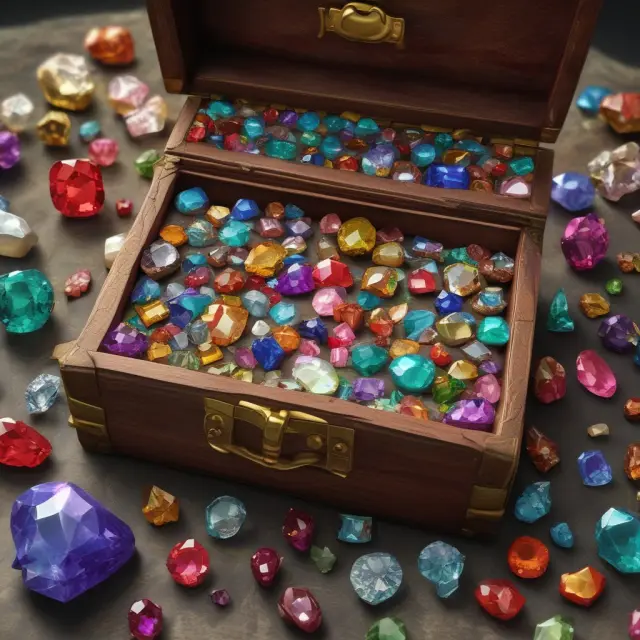
Explore the world of gemology with our comprehensive guide for investors, including roles, education, testing methods, identification, and current trends.
Introduction to Gemology: The Science of Studying, Valuing, and Identifying Precious Stones
Gemology is a multifaceted discipline that deals with the study, identification, evaluation, and appreciation of precious stones. As a professional field, gemology encompasses various roles, from appraisers and jewelers to lapidaries and scientists. For those interested in investing, gemology offers an intriguing alternative investment opportunity. In this section, we will provide an overview of what gemology is, its importance, and the professionals involved in this field.
At its core, gemology focuses on distinguishing one precious stone from another based on its unique properties and characteristics. The science of gemology extends beyond just identifying gems; it also encompasses the cutting, valuing, and preserving of these beautiful minerals. Gemologists are experts who apply their knowledge in various aspects of the industry, from jewelry design to appraisal services or even scientific research.
Gemology is a vital component of the jewelry and investment industries, as it enables professionals and investors to assess the authenticity, quality, and value of precious stones. While some individuals may be more interested in the monetary worth of gems, having an understanding of gemology is essential for anyone seeking to differentiate various types of precious stones.
In the realm of gemology, we find a diverse range of professionals who play integral roles in this field. These include:
- Appraisers: They determine the value and authenticity of gems through careful examination using specialized tools and techniques.
- Jewelers: They design, create, or repair jewelry pieces, requiring an intimate knowledge of gemology to ensure proper setting and craftsmanship.
- Lapidaries: These skilled artisans cut and polish gemstones, bringing out their inherent beauty and increasing their value.
- Scientists: Researchers and scientists contribute significantly to the field by discovering new gemstones and developing advanced testing methods to identify them.
Gemology has gained increasing attention as an investment opportunity due to its potential for diversification and portfolio balancing. With the ever-changing economic climate and market dynamics, gemstones can provide a more stable alternative to traditional investments for both professional and institutional investors. In the following sections, we will delve deeper into the risks and rewards of investing in precious stones, as well as understanding the market conditions and various testing methods used by gemologists.
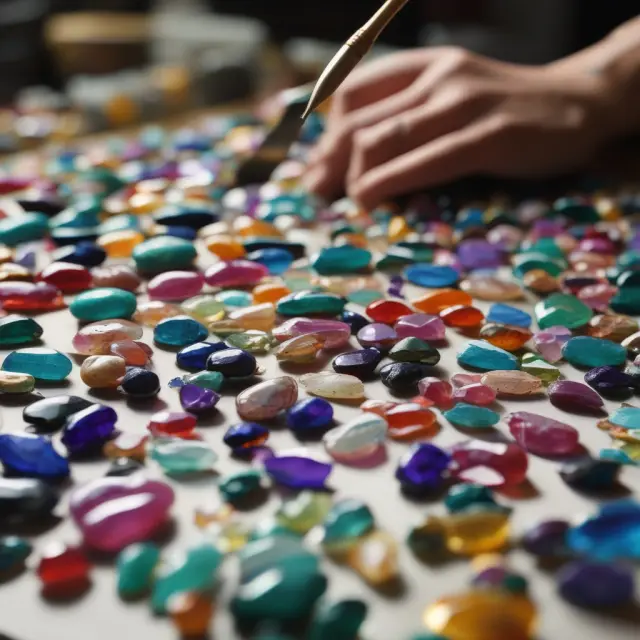
Gemology Professionals and their Roles
The field of gemology encompasses various professionals whose expertise lies within the realm of precious stones, each contributing uniquely to the industry. Four primary roles stand out—appraisers, jewelers, lapidaries, and scientists. Let’s delve into these professions to understand their significance in the world of gemstones.
Appraisers: Determining the Value and Authenticity of Gems
Appraisers play a crucial role in determining the value and authenticity of gems. They are often called upon by insurance companies, collectors, investors, and auction houses to assess the worth of a gemstone based on its quality, rarity, and market conditions. By employing advanced knowledge and tools such as microscopes, spectroscopy, refractometers, and polariscopes, appraisers can identify specific characteristics that distinguish one stone from another. Their expertise in the field enables them to provide accurate assessments, ensuring fair valuations for their clients.
Jewelers: Designing, Creating, or Repairing Jewelry
Another essential profession within gemology is jewelry making, which involves designing, creating, or repairing jewelry pieces. Jewelers must possess an in-depth understanding of gemstones to create beautiful, unique pieces or restore damaged ones. Their role extends beyond just working with gems; they must also be adept at various metalsmithing techniques and have a keen sense of fashion trends and consumer preferences.
Lapidaries: Cutting and Polishing Gemstones
Lapidaries specialize in cutting and polishing gemstones, which significantly impacts their value and overall appeal. Each gemstone responds differently to cutting and polishing methods, and the lapidary must possess a deep understanding of these characteristics to transform rough stones into stunning gems ready for use in jewelry or as standalone investments. Their expertise is vital to the industry, as a well-cut gemstone can enhance its beauty and increase its value significantly.
Scientists: Researching New Methods and Techniques
Researchers and scientists within the realm of gemology are responsible for expanding our knowledge base in this field through innovative research and development of new methods and techniques to identify, evaluate, and classify precious stones. Their work is crucial not only for advancing the industry but also for ensuring the ethical production and trade of gems. By employing cutting-edge technologies such as spectroscopy, microscopy, and other analytical tools, gemological scientists can uncover new insights and discoveries that contribute to our understanding of these intriguing natural wonders.
In conclusion, gemology is a multifaceted field with various professionals playing essential roles in the world of precious stones. Appraisers, jewelers, lapidaries, and scientists each bring unique skills and expertise to the table, allowing for a comprehensive and thriving industry that captivates collectors, investors, and enthusiasts alike.

Gemology as an Investment Opportunity
For those interested in investing, the world of precious stones holds immense potential. Gemstones have long been considered a valuable investment, providing both tangible and intangible rewards for investors. However, the risks involved in this field require careful consideration. In this section, we will explore the reasons why gemstones make an attractive investment opportunity, discuss how they can contribute to portfolio diversification, and shed light on the market dynamics that govern their value.
First, it’s essential to acknowledge that investing in gemstones carries certain risks. Unlike other investment vehicles like stocks or bonds, precious stones do not generate cash flows; instead, their value comes from potential appreciation over time. Additionally, they are less liquid compared to traditional investments, meaning it may take longer to sell a gemstone when needed. However, these risks can be offset by the benefits that come with investing in this unique asset class.
One significant advantage of investing in precious stones is diversification. Traditional investment vehicles like stocks and bonds tend to move in tandem with one another due to their correlation with economic conditions. Conversely, the value of gemstones may not be affected by broader market trends since they are driven by a different set of factors such as rarity, quality, and consumer demand. By including gemstones in an investment portfolio, investors can reduce overall risk and volatility.
Moreover, understanding the market dynamics that influence the value of precious stones is crucial for potential investors. Several factors contribute to a gemstone’s worth:
- Rarity: The rarer a gemstone, the more valuable it becomes. For instance, rubies with a vivid red hue and no inclusions are highly sought after by collectors and investors due to their scarcity.
- Color: While rarity is essential, color plays an equally significant role in determining a gemstone’s value. Stones with intense, saturated colors fetch higher prices compared to their less vibrant counterparts.
- Cut and Clarity: The cut of a gemstone can significantly impact its beauty and perceived value. Well-cut gems display their inherent brilliance and sparkle more effectively, making them desirable. Similarly, stones with fewer internal imperfections or inclusions are more valuable since they appear cleaner to the naked eye.
- Demand: As with any investment, demand is a crucial factor in determining value. Some gemstones become popular trends due to their association with celebrities or fashion statements, leading to increased demand and higher prices. Conversely, if demand decreases for a particular stone, its price may decline as well.
- Synthetics: The rise of synthetic gemstones can impact the value of natural gems. Synthetic stones are created in laboratories and possess identical physical properties to their natural counterparts; however, they typically cost less due to lower production costs. Natural gems maintain their value because collectors and investors prefer the authenticity and rarity of the original stone.
By considering these factors and staying informed about market trends, investors can make educated decisions when investing in precious stones. As with any investment, it is crucial to do thorough research before making a purchase and consult with experts in the field for professional advice.
In conclusion, gemology offers a captivating and rewarding field for both personal enjoyment and financial gain. Whether an investor seeks to diversify their portfolio or add a unique collectible to their holdings, precious stones provide a wealth of opportunities. However, as with any investment, it is vital to understand the risks and rewards associated with this asset class to make informed decisions and mitigate potential losses. By exploring the science of gemology and keeping up-to-date with market trends, investors can unlock the hidden value within these enchanting treasures.

Identifying Gemstones: The Foundation of Gemology
Gemology is the scientific discipline that deals with identifying and valuing precious stones. To understand this field, it’s important to grasp the fundamentals of gemstone identification. In essence, gemologists examine various physical properties of gems—color, luster, hardness, and clarity, among others—to distinguish one from another.
Gemstones can be classified into two main categories: organic and inorganic. Organic gems originate from living organisms, such as amber, pearls, and jet, while inorganic gems come from non-living sources like minerals and quartz. It is crucial to recognize that not all gemstones are naturally occurring; some may be lab-created or synthetic.
When it comes to identifying a specific gemstone, professionals use several techniques, including spectroscopy, refractometry, and microscopy, as well as knowledge of the unique properties of each stone. For instance, rubies and garnets share similar appearances but have distinct physical properties that experts can recognize using specialized equipment.
As a starting point for investors or collectors, it’s essential to familiarize yourself with the most common types of gemstones:
- Diamonds: The most popular investment-grade gemstone, valued for their high hardness (Mohs scale 10) and excellent dispersion of light (fire).
- Emeralds: Known for their vivid green color, emeralds belong to the beryl mineral family and are highly prized for their rarity and beauty.
- Sapphires: Sapphires are a variety of corundum gemstones, famous for their durability, wide array of colors, and excellent clarity.
- Rubies: Another type of corundum, rubies are red gemstones that have exceptional hardness and luster.
- Peridot: A mineraloid gemstone found in volcanic rock, peridots can exhibit a variety of green shades and display good brilliance and clarity.
- Amethyst: This quartz family member is known for its deep purple hue and has been popular since ancient times due to its rarity and beauty.
- Citrine: A type of quartz, citrine is characterized by its yellow or orange colors and is considered a less expensive alternative to topaz.
- Topaz: A silicate mineral gemstone that can occur in various colors, including blue, brown, green, yellow, orange, red, pink, and white.
- Morganite: A beryl variety that comes in shades of pink and orange, morganite is known for its attractive coloration and good hardness.
- Aquamarine: A beryl variety characterized by its blue or bluish-green colors, aquamarines are relatively common but still highly valued for their beauty and transparency.
Understanding the unique properties of each gemstone is crucial to proper identification, ensuring accuracy in valuation and investment opportunities.

Gemological Testing Methods and Tools
To authentically assess the value, quality, and origin of a precious stone, gemologists employ various testing methods and tools. These techniques are crucial in distinguishing between natural and synthetic stones, evaluating their purity and identifying unique characteristics.
One fundamental tool that plays an essential role in gemological analysis is the microscope. With magnification capabilities ranging from 10x to 50x or more, microscopes allow for a detailed examination of gemstones’ internal structures. Microscopes can also be equipped with additional features, such as polarizing filters and phase contrast illumination, which enhance the analysis process further.
Spectroscopy is another powerful tool used in gemology to determine a stone’s chemical composition. Spectroscopic techniques measure the way that light interacts with a material, providing unique spectral signatures for various minerals. This information is then compared against reference databases to identify specific gems accurately.
Refractometers are essential tools for measuring the refractive index (RI) of a gemstone. The RI refers to how much a light beam is bent as it enters or exits the stone, which can help distinguish different types of minerals. A refractometer utilizes a known material’s RI value and compares it against that of the gemstone being tested.
Polariscopes are specialized instruments used in gemology to study the optical properties, including birefringence and pleochroism, of gems. These properties influence the way light travels through a gem, resulting in specific visual effects. Polariscope readings can help differentiate between various gems and even determine their treatments or enhancements.
Common tests used in gemology include hardness testing, density measurement, and refractive index evaluation. Hardness tests involve scratching or indenting a stone with known minerals to assess its resistance to wear and damage. The Mohs scale, which ranks minerals based on their relative hardness, is a widely accepted standard in the industry.
Density measurements, also referred to as specific gravity, are calculated by comparing the weight of a submerged gemstone to the weight of an equal volume of water. This value can provide important clues about the stone’s mineral composition and origin.
In conclusion, a variety of testing methods and tools play essential roles in the field of gemology. Through careful examination using microscopes, spectroscopy, refractometers, polariscopes, and other instruments, gemologists can accurately identify and evaluate precious stones based on their unique characteristics.

Gemological Education and Certification Programs
For those interested in pursuing a career in the fascinating world of gems, obtaining proper education is vital to success. Two well-known organizations offering comprehensive gemological training are the International Gem Society (IGS) and The Gemological Institute of America (GIA). Both institutions offer certification programs that cater to various levels of expertise, ensuring professionals are equipped with the knowledge required to excel in their careers.
The International Gem Society (IGS)
Founded in 1975, IGS is a nonprofit educational organization dedicated to promoting gemology and offering courses for individuals seeking professional development. They provide several certification programs, including:
- Certified Gemologist Appraiser (CGA): This comprehensive program covers all aspects of gem identification, appraisal techniques, and the business side of the industry. CGAs are highly-skilled professionals who can assess, value, and authenticate gems and jewelry for clients.
- Graduate Gemologist (GG): Designed for individuals with a strong background in gemology, this advanced program delves deeper into the intricacies of gems and their various characteristics, such as inclusions, treatments, and synthetics. GGs are experts in their field, capable of providing specialized advice to clients.
- Certified Gemstone Grader (CGG): Focused on the evaluation and grading of loose gemstones, this certification program teaches students how to identify and classify gems based on the 4Cs: carat weight, color, clarity, and cut. CGGs are valuable resources for jewelers, retailers, and other professionals in the industry.
The Gemological Institute of America (GIA)
Since its founding in 1931, GIA has been a global leader in gemological education and research. They offer various certification programs, including:
- Graduate Gemologist (GG): This rigorous program covers all aspects of diamonds, colored stones, and pearls, providing students with a deep understanding of the gemstone industry’s technical aspects. GGs are highly respected professionals who can identify, evaluate, and appraise gems at the highest level.
- Graduate Diamond Grader (GDD): Specifically designed for those interested in diamonds, this certification program equips students with advanced knowledge in diamond grading, allowing them to provide accurate assessments using the industry-standard 4Cs: carat weight, color, clarity, and cut.
- Graduate Colored Stone Grader (GCS): For individuals focusing on colored stones, this certification program provides a comprehensive understanding of the unique properties of various gemstones, including their geological origins, treatments, and synthetic developments. GCSs are experts in identifying and evaluating precious gems such as rubies, sapphires, and emeralds.
Beyond these certifications, there are also educational resources available for individuals who want to learn about gemology at their own pace. The American Gem Society (AGS) offers self-study courses covering a range of topics, from beginner to advanced levels. These resources enable students to gain valuable knowledge and skills in the comfort of their own homes or workplaces.
In conclusion, obtaining proper education is essential for anyone seeking a career in the gemological industry. Reputable institutions like GIA and IGS provide comprehensive certification programs designed to equip professionals with the knowledge and expertise required to excel in various aspects of the field. Additionally, self-study courses are available for individuals who prefer a more flexible learning environment. With dedication and hard work, one can embark on an exciting journey into the world of gems and jewelry.
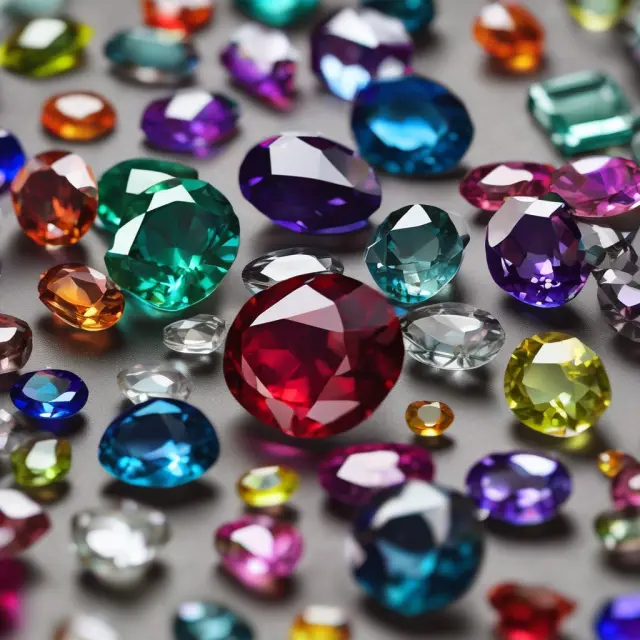
Career Paths in Gemology
Gemology is not just about identifying precious stones; it’s also an exciting and diverse field that offers numerous career opportunities. In this section, we will explore four main paths for those who have a passion for gems: gemologist, jewelry designer, retailer, and educator.
1. Gemologist: The role of a gemologist encompasses appraising, consulting, and laboratory work. As a gemologist, you’ll be responsible for evaluating the authenticity, quality, and value of precious stones. Your expertise is essential in various industries, including jewelry sales, insurance, and auctions. A professional certification from an accredited organization like the International Gemological Institute (IGI) or the Gemological Institute of America (GIA) is a prerequisite for this career.
2. Jewelry Designer: Creating unique pieces that combine aesthetics, technical expertise, and passion is what being a jewelry designer entails. In this role, you will design and manufacture stunning jewelry using precious stones, gold, silver, and other materials. A background in gemology is essential to understand the properties of gems, their durability, and how they interact with various metals and settings.
3. Retailer: Buying and selling precious stones can be a profitable venture for those who possess a good understanding of market trends, consumer preferences, and pricing strategies. As a retailer, you will work closely with suppliers, negotiate deals, and build relationships with clients to ensure your inventory remains fresh and attractive. A strong foundation in gemology enables you to confidently assess the quality and value of potential acquisitions.
4. Educator: Sharing your knowledge and passion for gems with others is a rewarding career choice for those who enjoy teaching. Gemology educators work for schools, institutions, or private organizations and instruct students on various aspects of gemology, including identification, evaluation, and valuation. With an extensive background in the field, you’ll be able to provide your students with practical hands-on training and real-world experience.
Pursuing a career in any of these areas requires dedication, hard work, and continuous learning. If you are passionate about gemology and are willing to put in the effort, the opportunities for growth and success in this field are endless.

Gemological Ethics and Best Practices
In the world of gemology, following established ethics and best practices is crucial for maintaining trust between buyers, sellers, and investors. A gemologist’s reputation is built on their ability to provide accurate information, follow market standards, and maintain transparency in dealing with gems. In this section, we will discuss the importance of adhering to ethical guidelines and introduce various best practices that enhance the integrity of the gemstone industry.
Understanding Market Conditions and Treatments
As a professional gemologist, it is essential to stay informed about the current market conditions and common treatments applied to gems. Some treatments may affect a gem’s value or quality, making disclosure crucial for maintaining trust with clients. For example, heat-treated sapphires and rubies are common in the market but should be clearly labeled as treated to avoid deceiving potential buyers.
Transparency: The Foundation of Trust
Transparency is the foundation of any ethical business practice. In gemology, it is essential to disclose any treatments or enhancements a gem has undergone. This includes filling fractures, heat treatment, and irradiation. A clear disclosure helps maintain trust between buyers and sellers and ensures that investors are fully informed about their purchases.
Following Industry Standards
Following industry standards is crucial for maintaining professionalism and credibility in the gemological field. Organizations like the Gemological Institute of America (GIA) and the International Gem Society (IGS) provide certifications to ensure that professionals meet specific requirements, such as adhering to ethical business practices, maintaining a high level of knowledge, and using standardized testing methods.
Stay Informed: Education and Certification
Education and certification are essential for maintaining the highest standards in gemology. A professional gemologist must continuously expand their knowledge and skills to provide accurate appraisals, identify new gems, and understand current market trends. Attending conferences, taking advanced courses, and participating in continuing education programs are excellent ways to stay informed and enhance one’s expertise in the field.
Networking and Collaboration
Building a professional network is essential for any gemologist looking to expand their knowledge and career opportunities. Joining industry organizations, attending events, and collaborating with colleagues can help keep you updated on the latest advancements and trends within the gemological community. By staying connected with other professionals, you’ll have access to valuable resources, insights, and opportunities that can benefit both your clients and yourself.
Fostering a Sustainable Industry
As the demand for rare and precious gems grows, it is crucial to ensure their ethical sourcing and sustainable production. Maintaining transparent supply chains and working with responsible suppliers is essential for protecting the environment, reducing human rights abuses, and promoting ethical business practices in the gemstone industry.
In conclusion, adhering to ethical guidelines and best practices is an essential component of a successful career in gemology. By maintaining transparency, following industry standards, staying informed, networking, and fostering a sustainable industry, you can build a solid reputation as a trusted professional in the field, ensuring that your clients and investors are fully confident in your expertise and integrity.

Current Trends in the Gemstone Market
The world of gemstones is ever-evolving, with new discoveries and emerging trends shaping the market. Up-and-coming gems and innovative treatment methods are continually disrupting traditional markets, creating opportunities for both investors and jewelers alike. In this section, we will explore some of the current market trends that may shape your investment strategies or inspire your next jewelry creation.
Up-and-Coming Gemstones
Some gemstones, like blue sapphires, rubies, and diamonds, have maintained their popularity over centuries. However, new discoveries or rediscoveries of lesser-known gems can offer unique investment opportunities. For example, Paraiba Tourmalines, first discovered in Brazil in 1989, contain copper impurities that give them an intense blue-green color, making them highly sought after by collectors and investors. Another gemstone on the rise is Alexandrite, which displays a rare color-changing phenomenon, appearing red or green depending on the light source.
Consumer Preferences
As consumer preferences continue to evolve, so do trends in the gemstone market. Sustainable sourcing and ethical production are increasingly important factors for modern consumers. Lab-grown diamonds and synthetic gems provide alternatives that appeal to those seeking eco-friendly options or ethical investments. Additionally, many buyers prefer colored stones over traditional diamonds due to their unique beauty and more affordable prices.
Market Drivers
Major market drivers in the gemstone industry include geopolitical factors like civil unrest, political instability, and economic downturns that can impact the availability and pricing of certain gems. For example, the ongoing conflict in Myanmar has affected the production of rubies from the renowned Mogok region, leading to a decline in supply and, consequently, an increase in price.
Investment Opportunities
The gemstone market offers both risks and rewards for investors. Some stones may appreciate significantly over time, offering impressive returns on investment. For instance, tanzanite was discovered in Tanzania only in the late 1960s but quickly gained popularity due to its unique properties, making it an attractive investment option. However, investing in gems requires specialized knowledge and expertise. It is recommended that investors consult with certified gemologists or established dealers before entering this market.
As the gemstone market continues to evolve, it’s essential for professionals and institutions to stay informed about the latest trends, discoveries, and best practices. By keeping up with emerging gems, consumer preferences, and market dynamics, investors and jewelers can capitalize on opportunities and create stunning, sought-after pieces that captivate clients and collectors alike.

Gemology Resources and Networking
Staying informed about the latest trends, techniques, and best practices within the gemology field is crucial for both professionals and investors. To achieve this goal, there are various resources available to individuals interested in expanding their knowledge and enhancing their skills. In this section, we will explore some of the most valuable resources for networking and learning within gemology.
Books:
Gemology has a rich history and extensive knowledge base that is constantly evolving. Reading books authored by experts in the field can provide you with an excellent foundation in understanding gemstones. Some essential works include “Gemstones of the World” by Walter Schumann, “The Gemstone Guide: The Definitive Source for Gem Identification and Value” by Dana Willard, and “Rock & Gem’s Guide to Gemstones”.
Websites:
There are numerous websites dedicated to gemology that offer educational resources, market insights, and news. Some popular ones include the International Gem Society (IGS), Gemological Institute of America (GIA), and American Gem Society (AGS). These sites provide information on various topics such as identification, grading, treatments, and pricing. Additionally, forums and discussion boards on these websites can serve as an excellent platform for exchanging knowledge with other enthusiasts and professionals in the field.
Associations:
Joining a professional gemology association can open doors to numerous benefits, such as networking opportunities, educational resources, and access to exclusive events. Some prominent associations include the American Gem Society (AGS), the Gemological Institute of America (GIA), and the International Gemological Institute (IGI). These organizations offer various membership levels that cater to different stages of your career or investment goals.
Conferences:
Attending gemology conferences is an excellent way to stay updated on industry trends, meet professionals, and expand your knowledge base. Some popular annual events include the Tucson Gem and Mineral Show, the AGTA Spectrum Gem and Jewelry Conference, and the CIBJO World Gemstone Congress. These conferences often feature seminars, workshops, and exhibitions that cover a wide range of topics related to gemology and jewelry design.
Networking:
Building a professional network can help you access valuable information, resources, and potential career opportunities within the field of gemology. Attend industry events, join online forums and social media groups, and engage with colleagues and peers. This not only helps expand your knowledge but also opens doors to new partnerships and collaborations in your career.
Education and Certification Programs
To further enhance your skills and credibility within the gemology industry, consider enrolling in a gemology education or certification program. Institutions like GIA and IGS offer various levels of certification that can help you advance your career and demonstrate expertise to potential clients or employers. These programs cover topics such as gemstone identification, grading, treatments, and market trends.
Frequently Asked Questions (FAQ)
Gemology is the scientific study of precious stones, focusing on their identification and valuation. This discipline involves various roles, such as appraisers, jewelers, lapidaries, scientists, and educators, each contributing unique skills to the field.
1. **What does a gemologist do?** A gemologist is responsible for identifying, evaluating, and certifying precious stones. They use specialized tools like microscopes, spectroscopy, refractometers, and polariscopes to determine a gem’s characteristics, such as its hardness, density, luster, color, clarity, and cut.
2. **How does one become a gemologist?** Gemologists typically pursue formal education through institutions like the International Gem Society (IGS) or the Gemological Institute of America (GIA). These programs offer courses and certifications that cover topics like gemology fundamentals, laboratory techniques, identification methods, and ethical practices.
3. **What are the career paths in gemology?** Gemologists can work in various roles, including appraising, retail, jewelry design, manufacturing, research, education, and wholesaling. Some may specialize in specific gems or types of jewelry, like diamonds, pearls, or colored stones.
4. **What are the benefits of investing in gemstones?** Investing in gemstones can diversify one’s portfolio by providing an alternative to traditional financial assets. Rare and high-quality gems have historically held value and can potentially appreciate over time. However, it is essential to note that the gemstone market can be less liquid compared to other investment markets.
5. **What are some ethical considerations in gemology?** Ethical concerns include responsible sourcing, accurate representation of gems’ characteristics, and transparency in trading practices. Adhering to established standards like the Kimberley Process helps ensure ethical practices throughout the industry.
6. **How does one identify a genuine gemstone?** A combination of factors is used to determine if a stone is genuine or not. These include its physical properties (color, shape, weight), chemical makeup, and origin. Professional gemologists use specialized equipment like spectroscopes and refractometers to analyze these characteristics.
7. **What are some popular gemstones for investment?** Popular gemstones for investment include diamonds, rubies, emeralds, sapphires, and pearls. The value of a specific gemstone can depend on factors like rarity, quality, and desirability among collectors and consumers.
8. **How do I start my journey in gemology?** Begin by learning the basics of gemology through educational resources such as books, websites, or formal training programs. Networking with professionals and attending industry events can also help you gain valuable insights and connections within the field.
 Next entry · No. 1,762General Accounts in Insurance: An Overview of Their Structure, Operations, and Investment Strategies
See also
-
 No. 5,512
15 Sep 2025
18 min
Vocational Degrees: A Comprehensive Guide for Professional and Institutional Investors
Education
No. 5,512
15 Sep 2025
18 min
Vocational Degrees: A Comprehensive Guide for Professional and Institutional Investors
Education -
 No. 4,850
22 Jul 2025
23 min
Understanding Tangible Assets: Characteristics, Types, Valuation and Advantages
Business Finance
No. 4,850
22 Jul 2025
23 min
Understanding Tangible Assets: Characteristics, Types, Valuation and Advantages
Business Finance -
 No. 1,295
25 Aug 2024
22 min
Understanding Enterprise Value-to-Sales (EV/Sales) Ratio: An In-Depth Analysis for Institutional Investors
Business Finance
No. 1,295
25 Aug 2024
22 min
Understanding Enterprise Value-to-Sales (EV/Sales) Ratio: An In-Depth Analysis for Institutional Investors
Business Finance -
 No. 1,113
29 Jul 2024
19 min
Understanding Dotcoms: From the Boom to Modern Businesses
Business Finance
No. 1,113
29 Jul 2024
19 min
Understanding Dotcoms: From the Boom to Modern Businesses
Business Finance -
 No. 1,045
20 Jul 2024
21 min
Understanding Bond Discounts: Concept, Reasons, and Implications
Business Finance
No. 1,045
20 Jul 2024
21 min
Understanding Bond Discounts: Concept, Reasons, and Implications
Business Finance -
 No. 613
07 May 2024
19 min
Capitalization Table: Understanding the Importance and Uses of this Essential Corporate Finance Tool
Corporate Finance
No. 613
07 May 2024
19 min
Capitalization Table: Understanding the Importance and Uses of this Essential Corporate Finance Tool
Corporate Finance