Understanding Globalization: Pros, Cons, History, and Significance for Finance and Investment
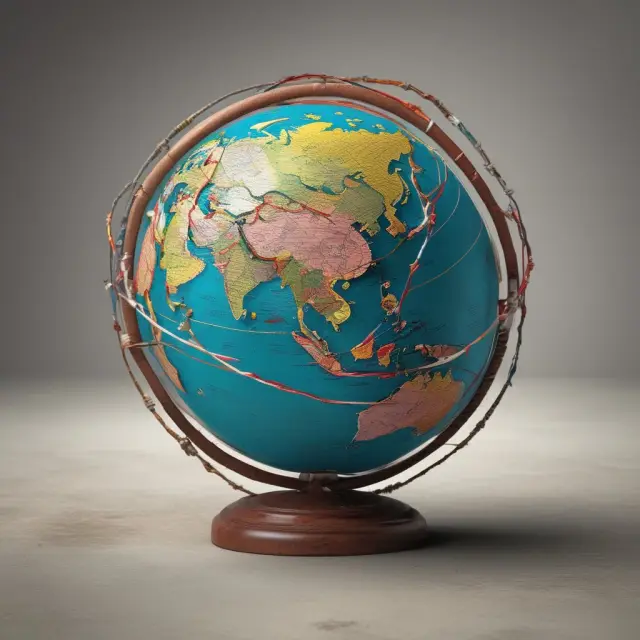
Understand the concept, history, pros, cons, and impacts of globalization on finance, investment, business, and society with our comprehensive guide.
Introduction: What is Globalization?
Globalization signifies the integration of economies, societies, and markets across geographical borders. It involves the exchange of goods, services, capital, technology, knowledge, and ideas among countries and regions. This phenomenon has gained momentum over several centuries but reached an unprecedented level in the late 20th century. KEY TAKEAWAYS Globalization is the process of economic, social, cultural, and technological integration across international borders. It involves the exchange of goods, services, capital, technology, knowledge, and ideas between nations. Multinational corporations can benefit significantly through globalization by reducing labor costs, accessing new markets, and sourcing raw materials at lower prices due to reduced tariffs. Developing countries also experience benefits in terms of job creation and economic growth. However, the advantages of globalization are not evenly distributed, with potential downsides such as displacement of domestic industries, social unrest, and unequal distribution of wealth.
The spread of globalization has been driven by advances in transportation and communication technologies, lowering trade barriers through international agreements, and the increasing trend towards multinational corporations. The 19th century marked a significant period in globalization’s history with the Industrial Revolution and its subsequent impact on trade and economic relationships between nations. Globalization was later disrupted during periods of political instability like World War I and II. However, it resumed its growth post-World War II with the advent of multinational corporations and a focus on free trade agreements.
Globalization can be analyzed in various dimensions: economic, social, cultural, and political. In an economic context, globalization provides numerous advantages for businesses, including access to new markets, lower labor costs, and reduced tariffs. However, it also poses risks such as increased competition, potential job displacement, and loss of intellectual property rights.
From a social perspective, globalization brings about cultural exchange, cross-border relationships, and the diffusion of ideas across societies. It can foster understanding and cooperation between people from different backgrounds but may also create challenges around identity preservation and the preservation of cultural traditions.
Culturally, globalization leads to an increasingly homogenized world in terms of values, artistic expression, and lifestyle trends. This trend can lead to both positive outcomes, such as increased creativity and innovation, and negative outcomes, such as the loss of unique cultural identities.
Politically, globalization has led to changes in the international system, including the creation of international organizations, such as the United Nations (UN) and the World Trade Organization (WTO), and the emergence of powerful economic blocs like the European Union (EU). These organizations and blocs have significant implications for global governance, diplomacy, and conflict resolution.
In conclusion, understanding globalization is crucial for grasping the complex interconnectedness between countries and economies in today’s world. It provides both opportunities and challenges, requiring a nuanced perspective and continuous adaptation to its evolving dynamics.
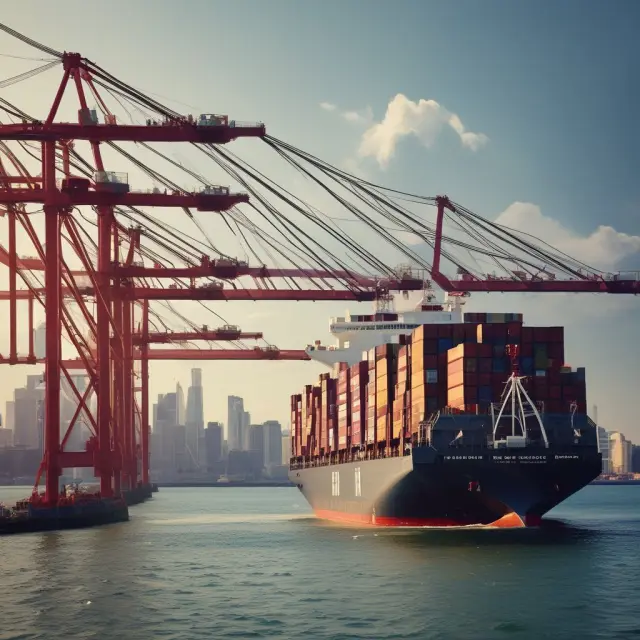
Globalization: Corporate Advantages
Globalization offers several significant advantages for multinational corporations (MNCs), allowing them to expand their reach, reduce costs, and access new markets. By relocating production and taking advantage of lower labor costs in developing countries, MNCs can boost their profitability while maintaining or even improving product quality.
One primary corporate advantage is the reduction of manufacturing costs through outsourcing and offshoring. Lower wages and fewer regulations in countries like China, India, and Vietnam make it cost-effective for businesses to set up factories abroad, producing goods at a lower price compared to domestic labor costs. This not only results in increased profitability but also allows companies to offer more competitive pricing to consumers.
Another advantage is the removal or reduction of tariffs, enabling corporations to buy raw materials from countries with favorable production conditions and prices. For instance, textile industries often relocate to Bangladesh and Cambodia due to low labor costs and minimal regulations. This not only reduces production expenses but also opens up access to new markets for these countries’ domestic industries.
Furthermore, globalization grants corporations the opportunity to tap into vast consumer bases in emerging markets. As the world becomes more interconnected, companies can expand their customer reach by targeting emerging economies like Brazil, Indonesia, and Turkey. By entering new markets, they diversify their revenue streams, reduce reliance on a single market, and potentially capture significant growth opportunities.
Globalization has been instrumental in fostering economic development, particularly in developing countries. As globalization progresses, international trade becomes more integrated and complex. This interconnectedness leads to the creation of jobs, improvements in infrastructure, and the sharing of knowledge and technology between nations.
However, it is essential to acknowledge that not all corporations or industries benefit equally from globalization. In some cases, local businesses are undercut by foreign competition, particularly in industries like manufacturing and agriculture, leading to job losses and economic disruption. To mitigate these negative consequences, governments and international organizations can implement policies and initiatives to support domestic industries and help workers adapt to the changing global economy.
Moreover, there is an ongoing debate about the unequal distribution of benefits from globalization, particularly with respect to wealth and income distribution. Critics argue that the gains from globalization are not evenly distributed, with a small corporate elite benefiting at the expense of the middle class and the working poor. To address these concerns, governments and international organizations can implement policies designed to ensure a more equitable distribution of benefits and minimize negative consequences, such as job displacement, wage stagnation, and increased income inequality.
In conclusion, globalization presents significant advantages for multinational corporations in terms of lower labor costs, reduced tariffs, and access to new markets. However, it is crucial for governments, international organizations, and businesses to acknowledge the potential negative consequences and work together to implement policies that minimize these effects and promote a more equitable distribution of benefits.

Globalization: Social and Cultural Effects
The social and cultural aspects of globalization refer to the exchange of ideas, values, and artistic expression across populations and nations. As a powerful trend toward the development of a single world culture, globalization has shaped social interactions and relationships between people worldwide. This section explores both the benefits and challenges of globalization’s social and cultural impact.
Globalization’s Social Benefits
– Encouraging cultural exchange through increased travel, communication, and media exposure
– Promoting peace and understanding among different populations
– Breaking down stereotypes and biases
– Creating a sense of shared human values and experiences
However, there are also challenges to consider when examining globalization’s social effects:
Globalization’s Social Challenges
– Displacing traditional cultures through homogenization of Western influence
– Encouraging cultural appropriation and exploitation
– Creating digital divides between connected and disconnected populations
– Intensifying social tensions, such as ethnic or religious conflicts.
The Impact of Globalization on Cultural Identity
As globalization continues to connect the world through technology, trade, and travel, it can sometimes lead to a loss of unique cultural identities. The dominance of Western influence in areas like music, fashion, and media has caused many to question whether globalization is diluting important aspects of traditional cultures. This issue becomes particularly evident when examining the exploitation that occurs through cultural appropriation.
Cultural Appropriation
The term “cultural appropriation” refers to the adoption or imitation of elements of one culture by members of another culture. While some argue that it is a natural process that leads to cultural exchange, others contend that it can be damaging when it results in the commodification and exploitation of marginalized communities. This issue has gained significant attention in recent years as Western brands have been criticized for profiting from the appropriation of elements from various cultures, such as traditional clothing or symbols, without properly acknowledging their origins.
Digital Divide
The digital divide is another challenge presented by globalization’s social impact. With the widespread availability and accessibility of technology in many parts of the world, there are still significant disparities between populations that have high-speed internet access and those who do not. This divide can create social tensions as well as limit opportunities for economic growth and development.
Conclusion:
Globalization’s social effects are both positive and negative. It brings people closer together through increased communication and travel, but it also challenges unique cultural identities and exacerbates existing social tensions. By understanding these aspects of globalization, we can work towards promoting its benefits while minimizing its challenges. This includes recognizing the importance of cultural exchange and respecting the value of diverse populations’ unique histories and experiences.
Globalization: Political and Legal Implications
The political and legal landscape of globalization is shaped by international organizations, intergovernmental policies, and legal changes. The role of these entities plays a crucial part in fostering and regulating economic interdependence among nations.
International Organizations
International organizations like the United Nations (UN), World Bank, International Monetary Fund (IMF), and the World Trade Organization (WTO) are instrumental in shaping globalization’s political landscape. These organizations play a role in promoting international cooperation, addressing global issues, and influencing policy decisions on an international scale. For instance, the IMF and the World Bank offer financial assistance to countries facing economic challenges and help implement policies aimed at improving their economies. The WTO, founded in 1995, aims to promote free trade among nations through multilateral agreements.
Intergovernmental Policies
Governments have implemented various policies to facilitate globalization, such as free trade agreements (FTAs), reducing tariffs and quotas on imports/exports, and deregulation of industries. The North American Free Trade Agreement (NAFTA) among the United States, Canada, and Mexico is an example of a successful FTA that led to increased economic cooperation and interdependence between these countries.
Legal Changes
Globalization has brought significant changes in international law. These include new legal instruments addressing intellectual property rights, human rights, and environmental concerns. For instance, the General Agreement on Tariffs and Trade (GATT) established a multilateral framework for regulating international trade and reducing tariffs among countries. More recent agreements like the Agreement on Trade-Related Aspects of Intellectual Property Rights (TRIPS) have addressed intellectual property rights in the context of globalization, granting legal protection to creative works across borders.
Pros and Cons: Political and Legal Implications
The political and legal implications of globalization can be both positive and negative. On one hand, international organizations, intergovernmental policies, and legal changes have facilitated economic growth, increased cooperation, and improved standards of living in many parts of the world. However, they can also lead to exploitation, unequal distribution of wealth, and a loss of national sovereignty.
Advantages:
- Encouraging international cooperation and diplomacy
- Facilitating economic growth through free trade and reduced barriers
- Providing a framework for addressing global issues such as climate change, human rights, and intellectual property
- Promoting cross-cultural exchange and mutual understanding
- Fostering international stability and security
Disadvantages:
- Potential loss of national sovereignty and control over economic policies
- Unequal distribution of wealth and resources, favoring powerful nations
- Exploitation of labor in developing countries
- Legal complexities arising from the interplay of multiple international legal regimes
- Environmental concerns, such as unsustainable resource extraction and pollution, are not always adequately addressed by globalization-related policies
In conclusion, understanding the political and legal implications of globalization is essential for businesses, investors, policymakers, and individuals alike. This understanding allows us to navigate the complex landscape of international trade, investment, and cooperation, making informed decisions and shaping a more equitable and sustainable future.
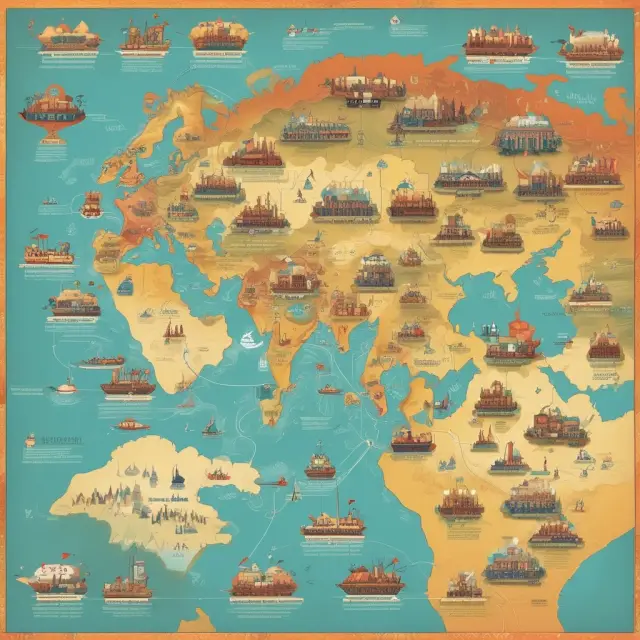
Globalization: History and Development
The concept of globalization is not a new phenomenon, as the exchange of goods, ideas, and cultures between civilizations dates back to ancient times. However, its current meaning refers primarily to the economic interconnectedness of nations in the modern era, characterized by the increasing flow of products, technology, information, and jobs across borders.
The Industrial Revolution played a significant role in shaping globalization by introducing advancements in transportation and communication. Traders traveled great distances to acquire commodities for sale in their homelands. However, following World War I, globalization stalled due to the rise of protectionism and import taxes aimed at safeguarding domestic industries.
The tide turned in the late 20th century as governments adopted free market economic systems, leading to a reduction or removal of tariffs that fostered industrialization and financial opportunities worldwide. The North American Free Trade Agreement (NAFTA), signed in 1993, is considered a turning point in globalization, as it encouraged multinational corporations to relocate manufacturing operations to lower-cost labor markets like Mexico.
However, the benefits of globalization have not been evenly distributed. Critics argue that large corporations benefit most from globalization, while smaller businesses and workers in both developed and emerging economies are left behind. This uneven distribution has fueled a growing debate over the pros and cons of globalization.
One major challenge of our time is understanding the historical context and development of globalization to better assess its significance for finance and investment. To gain a comprehensive perspective, it’s essential to explore the evolution of globalization from ancient times to present day and discuss the impact on businesses, economies, and cultures worldwide.
Ancient Globalization: Long-distance trade between civilizations such as Rome, China, Egypt, and India created significant economic connections that extended beyond local markets. Silk Roads, spice routes, and other trading networks facilitated the exchange of goods, knowledge, and cultural practices between different parts of the world.
Early Modern Globalization: With the advent of the Industrial Revolution in Europe during the 18th century, global trade began to accelerate due to advancements in transportation and communication technology. Improved shipping methods led to faster and more efficient transport of goods across vast distances. As a result, European countries such as Great Britain, France, and the Netherlands expanded their empires by establishing colonies around the world, creating new markets for their exports.
Modern Globalization: Following World War II, global trade was revived due to a series of international agreements aimed at reducing tariffs and fostering free trade. The creation of the World Trade Organization (WTO) in 1995 represented a significant milestone as it set rules for international trade between nations. This period saw an unprecedented increase in globalization, with multinational corporations expanding operations across borders and capital flowing freely between countries.
Globalization Today: In the 21st century, the world has witnessed continued advancements in technology, communication, and transportation that have made it easier for businesses to operate globally. The rise of e-commerce and digital payments has enabled companies to reach customers and process transactions regardless of geographic location. Furthermore, international organizations such as the United Nations (UN), World Bank, and International Monetary Fund (IMF) play essential roles in shaping global economic policies and addressing development challenges faced by emerging markets.
In conclusion, understanding the historical context and evolution of globalization is crucial for appreciating its significance for finance and investment. The ongoing interplay between political, economic, and technological developments continues to shape the future trajectory of globalization, with both opportunities and challenges that businesses must navigate to succeed in today’s interconnected world.

Pros and Cons of Globalization for Business
Globalization offers numerous advantages for businesses, including lower labor costs, reduced tariffs, and access to new markets. By tapping into globalized economies, corporations can achieve a competitive edge through manufacturing abroad or buying raw materials at more affordable prices. However, the benefits of globalization are not evenly distributed, with both positive and negative implications for different industries and countries.
One major advantage of globalization is cost savings. By setting up operations in low-cost regions, businesses can reduce labor costs and minimize overhead expenses. For instance, multinational corporations (MNCs) often establish manufacturing facilities in developing countries to take advantage of lower wages, tax incentives, or favorable business environments. In turn, these countries experience job creation, economic growth, and technology transfer, which fosters their industrialization.
Reduced tariffs and free trade agreements are other significant advantages of globalization for businesses. Free trade agreements (FTAs) enable the exchange of goods and services between nations without customs duties or impediments. This not only benefits MNCs looking to expand into new markets but also helps small- and medium-sized enterprises (SMEs) seeking to export their products.
The globalization trend has given rise to intricate international supply chains, where raw materials are sourced from different parts of the world, then assembled, and ultimately sold as finished goods in various markets. This results in a more efficient production process, lower costs for consumers, and an overall expansion of the global market.
However, the pros of globalization do not come without challenges. One significant downside is the potential loss of jobs due to outsourcing. As businesses move their operations to cheaper labor markets, they risk displacing domestic workers in industries that cannot compete with lower-cost alternatives. While new jobs may be created as part of the global value chain, there’s often a net loss of employment opportunities in certain sectors.
Moreover, the dominance of large corporations can lead to concentration of wealth and power, potentially stifling competition and innovation within industries. Developing countries face the risk of being exploited for their labor resources or intellectual property. Additionally, there are concerns about the potential for a homogenization of culture and consumer preferences as global brands proliferate around the world.
To mitigate these challenges, governments and international organizations have implemented various policies and initiatives. For example, they can provide support for SMEs to enter global markets, negotiate favorable trade agreements, or invest in education and skills development to prepare their workforce for a more competitive global economy. By addressing the potential downsides of globalization, countries can ensure that its benefits are shared equitably among all stakeholders.
In conclusion, globalization presents both advantages and disadvantages for businesses. Lower labor costs, reduced tariffs, and access to new markets have led to increased competitiveness, cost savings, and economic growth. However, the risks of job displacement, concentration of wealth and power, cultural homogenization, and potential exploitation call for proactive measures from governments and international organizations. By embracing a balanced approach to globalization, businesses can maximize its benefits while mitigating its negative implications.

Impact of Globalization on Emerging Markets
Globalization is a double-edged sword when it comes to emerging markets. On the one hand, it offers numerous benefits in terms of economic growth, job creation, and access to new technologies and markets. However, it can also lead to increased competition, potential exploitation, and social unrest. In this section, we will discuss the impact of globalization on emerging markets, focusing primarily on manufacturing and trade.
One significant way that globalization has influenced emerging markets is through their integration into international production networks. Multinational corporations (MNCs) have increasingly relocated their manufacturing operations to countries like China, India, Mexico, and Vietnam in search of lower labor costs and more favorable business environments. This trend has led to the growth of export-oriented industries in these countries and contributed to their economic development. For instance, China’s rapid industrialization and its role as the “workshop of the world” are largely attributable to globalization.
However, this shift in production also creates challenges for emerging markets. As countries become more integrated into the global economy, they face increased competition from both developed and other developing economies. For example, cheap labor in Bangladesh has led to a boom in textile manufacturing, but this industry is now under threat due to rising wages and competition from lower-cost producers like Vietnam or Ethiopia. This can result in job losses and social unrest, particularly when workers’ demands for better wages and working conditions are not met.
Moreover, the globalization of trade can lead to unequal terms of exchange between countries. In many cases, emerging markets are forced to export primary commodities or raw materials at prices that do not adequately reflect their value. For instance, agricultural products from developing countries often face subsidized competition from heavily subsidized exports from developed economies like the United States and Europe. This can result in low prices for farmers and a loss of livelihoods, as well as larger economic implications, including food shortages and political instability.
Despite these challenges, emerging markets have much to gain from globalization. Access to new markets and technologies can help them diversify their economies and move away from overreliance on a single commodity or industry. For example, South Korea was once an impoverished country, but it transformed itself into an industrial powerhouse through export-led growth and strategic investments in technology and education. Today, it is one of the world’s leading exporters of high-tech goods, including semiconductors, displays, and ships.
In conclusion, globalization has had a significant impact on emerging markets, both positively and negatively. While it offers opportunities for economic growth and development, it also poses challenges related to increased competition, unequal terms of exchange, and potential exploitation. To navigate these complexities, countries must adopt strategies that focus on building competitive industries, investing in education and technology, and negotiating favorable trade agreements. By doing so, emerging markets can leverage the benefits of globalization while mitigating its risks.

Globalization and the Workforce
One of the most significant effects of globalization is on employment opportunities and labor markets. Globalization brings new jobs while also leading to job displacement in certain sectors and industries. Let’s explore the impact of globalization on the workforce from various perspectives.
Benefits for Developing Countries
Globalization has provided substantial economic advantages to developing countries, as they often have lower labor costs than their developed counterparts. This has led to the outsourcing of manufacturing and services jobs to these countries. For instance, China and India have become global hubs for tech support, manufacturing, and other sectors that can be performed offshore more cost-effectively. These nations gain access to new markets, technology, skills development, and higher wages.
Impact on Developed Economies
Globalization creates a competitive environment for businesses in developed economies, particularly those with high labor costs. Multinational corporations (MNCs) can take advantage of lower labor costs by shifting production to developing countries. This can lead to job displacement in industries such as textiles, electronics, and automobile manufacturing. However, it also drives innovation, as companies adapt and invest in more advanced technologies and services to remain competitive.
Skills and Education
The changing nature of jobs due to globalization emphasizes the importance of skills development and education for workers. As automation becomes more prevalent, there is a growing demand for skilled labor in areas like technology, healthcare, and renewable energy. Countries that invest in education, vocational training, and apprenticeships will be better prepared to adapt to the demands of globalization.
Labor Market Dynamics
The effects of globalization on the workforce extend beyond specific industries or countries. The increasing integration of labor markets around the world has led to a more competitive global economy. This can cause wage stagnation and income inequality in certain regions, as employers have access to a larger pool of potential employees from which to choose. However, it also creates opportunities for workers to seek employment in higher-paying industries or countries.
Workforce Migration
Globalization has led to a significant increase in international labor migration, particularly from developing to developed countries. This can be driven by factors such as economic opportunities, political instability, and natural disasters. While some immigrants find employment in their new country and contribute positively to the economy, others face challenges such as language barriers, discrimination, and exploitation. Policymakers need to address these issues to ensure a fair labor market for both local and immigrant workers.
The Future of Workforce in a Globalized Economy
As globalization continues to evolve, it will bring new challenges and opportunities for the workforce. Automation and artificial intelligence are expected to displace millions of jobs, while creating new ones. It is essential that governments invest in education, training, and social safety nets to help workers adapt to these changes. Additionally, companies need to be more transparent about their outsourcing practices and invest in ethical labor policies to protect the rights of both local and global workers. By fostering a fair and inclusive labor market, we can ensure that the benefits of globalization are shared by all.
Conclusion:
The impact of globalization on the workforce is multifaceted, with both advantages and challenges for individuals, industries, and nations. It’s essential to understand these effects as we navigate the ever-evolving global economy. By promoting education, skills development, fair labor practices, and a more inclusive economic system, we can create a world where everyone benefits from the opportunities that globalization offers.
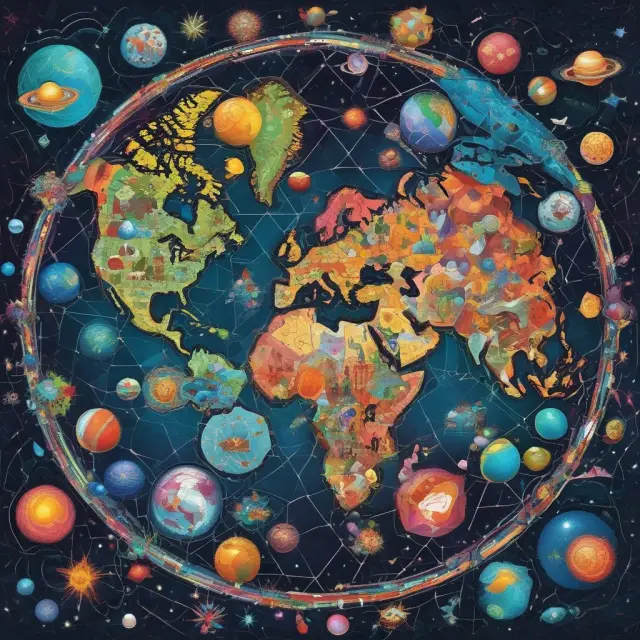
Globalization and Economic Growth
The interconnectedness of the modern world through globalization presents significant opportunities for businesses and economies alike. Globalization’s primary goal is to create an economic environment that fosters growth and development by facilitating the free flow of goods, services, capital, and ideas across borders. Understanding the impact of globalization on economic growth is crucial to grasping its significance in today’s world economy.
The economic benefits of globalization are multifaceted, with both advantages and challenges for businesses and economies. Corporations can expand their reach, enhance efficiency, and gain a competitive edge by tapping into new markets and resources through international trade and investments. Meanwhile, developing countries benefit from increased foreign investment and access to technology, which helps fuel economic growth and reduce poverty in their respective regions.
However, the advantages of globalization are not distributed evenly, as certain industries and economies face challenges due to intense competition and changing market dynamics. Industries that rely heavily on labor-intensive production methods may suffer from lower labor costs in emerging markets, ultimately leading to job losses and economic dislocation in developed countries. The impact of globalization on employment opportunities has become a contentious issue, as some argue it exacerbates income inequality and wage stagnation.
Moreover, the increasing interconnectedness of economies can create vulnerabilities to external shocks and financial instability. A downturn or crisis in one country can quickly spread to its trading partners and ripple through the global economy. The 2008 financial crisis is a prime example of this phenomenon, which demonstrated how the interwoven nature of global finance could lead to significant losses for economies worldwide.
Despite these challenges, globalization remains an essential driver of economic growth and development in many parts of the world. It has played a significant role in lifting millions out of poverty through increased trade, job creation, and technology transfer. As globalization continues to evolve and adapt to changing economic conditions and geopolitical dynamics, it will continue to shape the contours of the global economy for decades to come.
One potential future development in globalization is the rise of emerging economies like China, India, and Brazil, which could challenge the dominant position of developed nations in various industries and markets. This shift in economic power may bring about new opportunities and challenges for businesses, as well as broader implications for the global political landscape. Another trend shaping the future of globalization is the increasing importance of digitalization and technological innovation, which could transform the nature of international trade, commerce, and finance in unprecedented ways.
In conclusion, the relationship between globalization and economic growth is complex and multifaceted, presenting both opportunities and challenges for businesses and economies alike. As the world economy continues to evolve, it’s crucial for investors, policymakers, and scholars to understand how globalization shapes economic growth and development, and the potential consequences of these trends for the future.
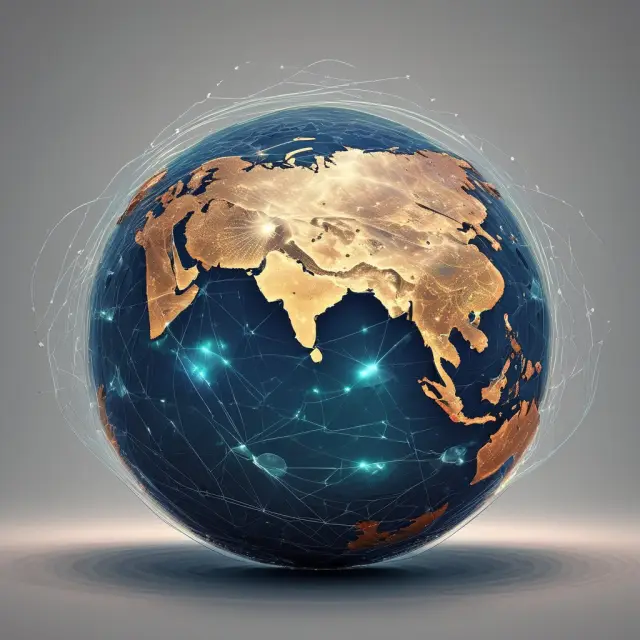
Future of Globalization: Trends and Challenges
The Future of Globalization: An Ever-Changing Landscape
Globalization is an ever-evolving phenomenon that has been shaping our world for centuries. As the world becomes increasingly interconnected, it’s essential to keep track of its trends and challenges. In recent years, globalization has undergone significant shifts brought about by geopolitical risks, digitalization, and sustainability concerns.
Geopolitical Risks: Globalization Amidst Geopolitical Tensions
The world is witnessing an increasing number of geopolitical tensions that can impact globalization in various ways. For instance, protectionist measures like trade tariffs or political instability can disrupt international trade and investment flows. Additionally, the ongoing Brexit negotiations and the growing tensions between major powers like China and the United States could potentially lead to further uncertainty regarding the future of globalization.
Digitalization: The Digital Transformation of Global Commerce
The digital transformation is another critical trend that is shaping the future of globalization. Advancements in technology have made it easier for businesses to reach consumers across borders, reducing the need for physical presence in a given market. This shift has led to an increase in cross-border e-commerce and digital services, enabling companies to expand their reach beyond geographical boundaries.
Sustainability Concerns: Globalization and Sustainable Development
As globalization continues to advance, concerns regarding its sustainability have grown. Issues such as climate change, resource depletion, and social inequality are putting pressure on businesses and governments to adopt more sustainable practices. In response, initiatives like the United Nations’ Sustainable Development Goals (SDGs) aim to ensure that globalization benefits everyone, regardless of their location or socio-economic status.
Geopolitical Risks: The Role of International Organizations
International organizations, such as the World Trade Organization (WTO), the United Nations (UN), and regional trading blocs like the European Union (EU) and the Association of Southeast Asian Nations (ASEAN), play a crucial role in mitigating geopolitical risks. By promoting dialogue, fostering cooperation, and setting international standards, these organizations help ensure that globalization remains an inclusive and beneficial process for all stakeholders.
Digitalization: The Impact on Small Businesses and Emerging Economies
The digital transformation is also changing the landscape for small businesses and emerging economies, presenting both opportunities and challenges. On one hand, digital technologies can help level the playing field by reducing barriers to entry for smaller players. On the other hand, they can make it more challenging for these businesses to compete with larger, more established organizations with greater resources.
Sustainability Concerns: Balancing Economic Growth and Social Responsibility
The sustainability concerns surrounding globalization require a balanced approach that addresses economic growth while ensuring social responsibility. This includes measures such as promoting fair trade practices, implementing environmentally-friendly regulations, and investing in the education and skills development of workers in emerging economies to prepare them for the digital economy.
In conclusion, the future of globalization is characterized by ongoing trends and challenges that require a nuanced understanding of the complex interplay between economic, social, technological, and political factors. By staying informed about these developments and working together to address their implications, we can help ensure that globalization continues to deliver benefits for people and businesses around the world.
Pros and Cons: The Continued Relevance of Globalization’s Pros and Cons
Despite the challenges facing globalization, its underlying pros and cons remain relevant. Advantages like access to larger markets, lower production costs, and increased cultural exchange continue to drive the process forward. Meanwhile, disadvantages such as job displacement due to outsourcing, potential wealth concentration in developed countries, and homogenization of global culture persist and require ongoing attention from policymakers and businesses alike.
It is important to note that understanding these pros and cons does not equate to taking a definitive stance for or against globalization. Instead, it requires an awareness of the complex realities of this ever-evolving phenomenon and the need for continuous adaptation in an increasingly interconnected world.

FAQ: Frequently Asked Questions about Globalization
What is the meaning of globalization?
Globalization refers to the increasing interconnectedness between countries through trade, technology, investment, and cultural exchange. It’s a complex process that has been ongoing for centuries but has accelerated since the late 20th century with advancements in transportation, communication, and international cooperation.
What are the benefits of globalization?
- Economic growth: Globalization can create jobs and economic opportunities through increased production and trade. It can also lower costs for consumers by making goods more accessible and affordable.
- Cultural exchange: Globalization promotes the sharing of ideas, values, and artistic expression between different cultures and populations.
- Access to new markets: Companies can expand their reach and sales to consumers in other countries, fostering innovation and competition.
- Political and legal changes: International organizations like the United Nations (UN) and World Trade Organization (WTO) facilitate diplomacy and cooperation among nations on a global scale.
- Improved communication: Technology advancements enable seamless connections between people and businesses around the world, increasing collaboration and understanding.
What are the drawbacks of globalization?
- Unequal distribution: The benefits of globalization are not distributed evenly, with some countries experiencing economic growth while others face job losses and declining industries.
- Cultural homogenization: The spread of Western cultural influence can lead to a loss of unique local traditions and practices.
- Exploitation: Some companies take advantage of low labor costs in developing countries, leading to poor working conditions and unethical business practices.
- Geopolitical risks: Increased interdependence between nations means that economic instability or conflict in one country can have far-reaching consequences.
- Environmental concerns: The globalization trend has led to increased carbon emissions and resource depletion, threatening the planet’s long-term sustainability.
How did globalization begin?
The concept of globalization has its roots in ancient times when traders traveled across borders seeking out rare commodities. However, it gained significant momentum during the Industrial Revolution as advancements in transportation and communication made trade easier and more efficient. The trend continued throughout history with key milestones like the establishment of the World Trade Organization (WTO) in 1995 and the increasing prevalence of international trade agreements.
What is the future of globalization?
The future of globalization remains uncertain, as geopolitical tensions, technological advancements, and changing economic conditions shape its trajectory. Some experts predict that globalization will continue to evolve and adapt, while others believe it may face significant challenges in the coming years. Key trends include increased digitalization, growing concerns around sustainability, and a potential shift towards more regionalized trading blocs.
How does globalization impact the workforce?
Globalization can have both positive and negative impacts on the workforce, depending on the specific industry and country involved. While it creates new jobs in some sectors, it may also lead to job displacement and labor market competition from countries with lower wages and fewer labor regulations. Additionally, workers may need to adapt to new technologies and skills to remain competitive in a globalized economy.
What industries are most affected by globalization?
Industries that rely heavily on international trade and outsourcing are most affected by globalization. These can include manufacturing, agriculture, information technology, and finance. Globalization has led to significant changes in these industries, with some experiencing increased competition, growth, or decline depending on the specific market conditions and geopolitical landscape.
What is the relationship between globalization and poverty?
Globalization has been linked to a significant reduction in poverty levels around the world. The World Bank reports that more than 1 billion people have been lifted out of extreme poverty since 1990, largely due to increased economic activity and trade facilitated by globalization. However, it’s important to note that this progress is not evenly distributed, with some countries and populations benefiting more than others.
What are the main drivers of globalization?
The main drivers of globalization include advancements in transportation, communication technology, and international cooperation. These factors have made it easier for businesses, people, and ideas to connect across borders, enabling the spread of goods, services, and cultural exchange on a global scale. Additionally, political and economic shifts like the fall of communist regimes and the rise of neoliberal economic policies have played a significant role in fueling globalization’s growth.
What is the impact of globalization on emerging markets?
Globalization can have both positive and negative impacts on emerging markets, depending on the specific country and industry involved. Some emerging economies have experienced significant growth and job creation through increased foreign investment and trade, while others have faced challenges like job displacement and income inequality. It’s important to note that the experiences of different countries can vary widely, with factors like political stability, infrastructure development, and institutional quality playing key roles in determining the impact of globalization on their economies.
What is the relationship between globalization and economic growth?
Globalization has been linked to strong economic growth in many parts of the world. The World Bank reports that countries with more open economies tend to experience faster economic growth, as increased trade and investment opportunities facilitate innovation, competition, and productivity gains. However, it’s important to note that not all countries have experienced these benefits equally, and the relationship between globalization and economic growth is complex and multifaceted.
What are some common misconceptions about globalization?
- Globalization means Americanization: While American influence has been significant in shaping globalization, it’s important to remember that this process involves the spread of ideas, values, and cultural exchange from multiple sources.
- Globalization only benefits multinational corporations: While large companies can certainly benefit from globalization, it also creates opportunities for small businesses and entrepreneurs in both developed and emerging economies.
- Globalization leads to a loss of national identity: While there are concerns about cultural homogenization, globalization also enables the sharing of ideas, values, and artistic expression between different cultures and populations.
- Globalization is a recent phenomenon: The roots of globalization can be traced back to ancient times, and it has undergone many transformations throughout history.
- Globalization leads to increased income inequality: While there are valid concerns about the uneven distribution of the benefits of globalization, it’s also important to acknowledge that this process has lifted millions out of extreme poverty and contributed to economic growth in many parts of the world.
 Next entry · No. 1,824Understanding Global Macro Strategies: Types, Fundamentals and Institutional Investments
See also
-
 No. 4,715
11 Jul 2025
19 min
Understanding the Spillover Effect: How Global Events Impact Investment Opportunities
Global Finance
No. 4,715
11 Jul 2025
19 min
Understanding the Spillover Effect: How Global Events Impact Investment Opportunities
Global Finance -
 No. 2,463
08 Jan 2025
20 min
Understanding International Finance: Key Concepts, Institutions, and Challenges
Global Finance
No. 2,463
08 Jan 2025
20 min
Understanding International Finance: Key Concepts, Institutions, and Challenges
Global Finance -
 No. 1,827
11 Nov 2024
20 min
Glocalization: Adapting Global Products and Services for Local Markets
Global Finance
No. 1,827
11 Nov 2024
20 min
Glocalization: Adapting Global Products and Services for Local Markets
Global Finance -
 No. 5,899
17 Oct 2025
20 min
Zero Layoff Policy: A Commitment to Employee Welfare Amid Economic Uncertainty
Business Strategy
No. 5,899
17 Oct 2025
20 min
Zero Layoff Policy: A Commitment to Employee Welfare Amid Economic Uncertainty
Business Strategy -
 No. 5,829
11 Oct 2025
22 min
Understanding the World Trade Organization (WTO): History, Functions, Advantages, Disadvantages, Leadership, and Importance
International Trade
No. 5,829
11 Oct 2025
22 min
Understanding the World Trade Organization (WTO): History, Functions, Advantages, Disadvantages, Leadership, and Importance
International Trade -
 No. 5,424
07 Sep 2025
24 min
Vanishing Premium Policy: Understanding This Form of Permanent Life Insurance
Insurance
No. 5,424
07 Sep 2025
24 min
Vanishing Premium Policy: Understanding This Form of Permanent Life Insurance
Insurance