Understanding Gross Domestic Income (GDI): What it is, Its Significance and Differences with GDP

Understand Gross Domestic Income (GDI), its significance, components, formulas, historical trends, differences with GDP, and why it matters to investors.
Definition and Explanation of Gross Domestic Income (GDI)
Gross domestic income (GDI) represents a crucial measure of a nation’s economic activity, capturing the total earnings generated by all sectors within its borders during a specific period. While it shares some similarities with gross domestic product (GDP), these two measures provide distinct perspectives on the economy. GDI focuses on what participants in an economy earn—including wages, profits, and taxes—whereas GDP concentrates on the value of the goods and services produced within that economy.
At their core, both GDI and GDP are interconnected concepts within macroeconomics. The principle of “income equals spending” maintains that the money spent to purchase goods and services should be equivalent to the income earned from producing them. Therefore, in a stable economy, GDI should theoretically mirror GDP. However, differences in data sources, coverage, and timing can lead to discrepancies between these two measures.
To further understand Gross Domestic Income, let’s delve deeper into its components:
1. Wages and Salaries: This category represents the total compensation earned by employees for their labor services. Historically, wages and salaries accounted for approximately 50% of all national income.
2. Profits (Net Operating Surplus): This category encompasses the remaining earnings of businesses after deducting production costs. Profits serve as a critical source of investment and innovation in an economy. In Q3, 2021, nearly $6 trillion of the $23.8 trillion in U.S. GDI was attributed to net operating surplus from private enterprises.
3. Interest Income: This component denotes the revenue generated by financial institutions and individuals from lending activities or interest-bearing investments.
4. Rental Income: This category signifies the income received by property owners for renting out their assets.
5. Taxes: Income earned through taxation forms part of GDI, representing the taxes paid to both federal, state, and local governments.
6. Production/Import Subsidies: These are payments made by the government to certain industries or sectors to maintain economic stability or encourage growth.
7. Statistical Adjustments: To ensure accuracy, statistical adjustments are necessary for accounting discrepancies between GDI and GDP data sources.
The calculation of Gross Domestic Income involves summing up the aforementioned components:
GDI = Wages + Profits + Interest Income + Rental Income + Taxes – Production/Import Subsidies + Statistical Adjustments
Although closely related, GDI and GDP differ conceptually. While both measures attempt to quantify a nation’s economic activity, GDI emphasizes the income generated to produce goods and services, whereas GDP focuses on the value of production itself. The difference between these two metrics can vary significantly in specific quarters or periods, with more advanced estimates of GDI often providing a clearer picture of the economy during times of uncertainty, such as economic recessions.
In conclusion, comprehending Gross Domestic Income is crucial for investors and policymakers alike. By examining the income components that fuel economic activity and comparing them to other key economic indicators like inflation or unemployment rates, we can gain valuable insights into the health of an economy. As a more advanced measure than GDP, GDI offers a more comprehensive understanding of an economy’s economic output and distribution of income.

Components of Gross Domestic Income
Gross domestic income (GDI) and gross domestic product (GDP) are two interconnected yet distinct measures of a nation’s economic activity. While both statistics are essential for understanding the health and direction of an economy, they differ in their perspectives on measuring its production and distribution of income. This section will shed light on the various components that constitute Gross Domestic Income.
GDI is essentially a measure of total compensation flowing through an economy. Its primary components include wages, profits, interest income, rental income, taxes, production/import subsidies, and statistical adjustments. Let us discuss each component in detail:
1. Wages: The first component of Gross Domestic Income is the wages and salaries paid to employees for their work. This portion includes not just the hourly or monthly wage but also other forms of compensation such as bonuses, overtime pay, commissions, and stock options. Wages are essential to understanding GDI because they represent the primary source of income for most households.
2. Profits: Profits, often referred to as net operating surplus, represent the earnings made by businesses from their core operations. These profits include interest, dividends, rents, and royalties earned on investments. Understanding profits within GDI is crucial because they represent an essential component of the income generated in an economy.
3. Interest Income: Interest income refers to the earnings that individuals and organizations receive from financial instruments like bonds, loans, savings accounts, and other interest-bearing assets. This component provides insight into the amount of interest being earned by financial intermediaries and households.
4. Rental Income: Another vital Gross Domestic Income component is rental income. This component includes revenues from renting out real estate properties, machinery, vehicles, or other assets, as well as royalties from patents, copyrights, trademarks, or other intellectual property. Understanding rental income allows us to assess the role of landlords and property owners in generating income.
5. Taxes: Taxes represent a significant component of Gross Domestic Income. This portion includes all taxes levied by government entities on individuals and businesses, such as income taxes, sales taxes, property taxes, and payroll taxes. Understanding tax revenues within an economy provides insight into the role of government spending and its impact on overall economic activity.
6. Production/Import Subsidies: The next component is production or import subsidies. These are payments made by governments to industries or firms to encourage production, lower costs, or make their goods more competitive in the global market. Understanding this component of GDI allows us to analyze the role of government intervention in supporting specific industries and their contribution to economic growth.
7. Statistical Adjustments: Lastly, Gross Domestic Income involves various statistical adjustments due to differences between data sources, coverage discrepancies, or other factors that necessitate re-estimation. These adjustments account for underreporting, misclassification, or double counting of economic activity, ensuring a more accurate reflection of an economy’s overall income generation.
In conclusion, Gross Domestic Income is a comprehensive measure of the total economic activity in an economy from the perspective of the income generated. Its various components offer valuable insights into the role and distribution of different sources of income within an economy. Understanding these components is crucial for investors, policymakers, and financial analysts looking to gain a more profound understanding of the economic landscape.

Formula and Calculation of Gross Domestic Income
Gross domestic income (GDI), a less well-known economic indicator compared to gross domestic product (GDP), measures the total income generated by all sectors within an economy over a given period. The primary difference between these two metrics lies in their focus: GDP measures the value of goods and services produced, while GDI calculates the income earned by various economic participants for producing those goods and services.
The formula to calculate Gross Domestic Income is as follows:
GDI = Wages + Profits + Interest Income + Rental Income + Taxes – Production/Import Subsidies + Statistical Adjustments
Wages represent the total compensation paid to employees for their services. Profits, also known as net operating surplus, signify the earnings of businesses, whether incorporated or unincorporated. Interest income refers to payments made on loans and investments, while rental income includes receipts from property leasing. Taxes account for the taxes collected by the government from various economic sectors, whereas production/import subsidies denote funds given to encourage domestic production or importation of specific goods and services. Statistical adjustments may include corporate income tax, dividends, and undistributed profits.
It is important to note that GDI and its counterpart, GDP, should theoretically be equivalent in an economy at equilibrium. The principle of “income equals spending” holds that the total expenditures on goods and services equal the total income earned by providing those goods and services. As a result, Gross Domestic Income is expected to match GDP’s total economic output when all income recipients spend their earnings back into the economy.
The differences in data sources and calculations between the two metrics can lead to discrepancies between GDI and GDP, with GDI often showing slightly higher values due to statistical adjustments. However, these differences are typically minimal, but they may vary significantly for certain quarters or periods of time. For instance, during the Great Recession in 2007-2009, more advanced estimates of Gross Domestic Income were a better indicator of economic conditions compared to GDP, suggesting that policymakers might have benefited from focusing on GDI as a primary metric for tracking economic performance.
Understanding the differences between these two measures can help investors, economists, and financial analysts make more informed decisions, especially during times of economic uncertainty or rapid change. In an increasingly globalized and complex economy, being well-versed in various economic metrics, such as GDP and GDI, becomes essential for staying ahead of the curve and navigating potential challenges and opportunities.
Historical Perspective of U.S. Gross Domestic Income
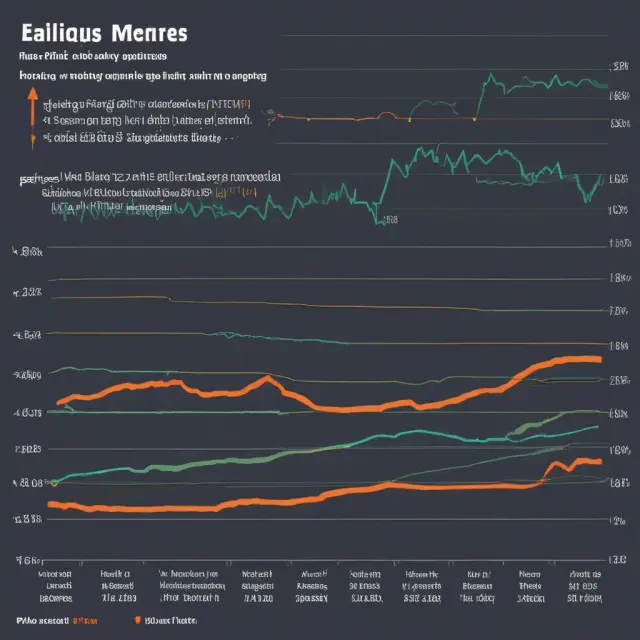
Gross domestic income (GDI) has been an essential measure for understanding a nation’s economic activity since the 1930s, with data first collected and published by the U.S. Department of Commerce in 1942. Although similar to its more widely known counterpart gross domestic product (GDP), GDI offers unique insights into the distribution of income among various sectors within an economy. This section will discuss historical trends observed in U.S. Gross Domestic Income, focusing on the shares of wages, profits, and net operating surplus.
Historically, wages and salaries have accounted for roughly half of all national income. In Q3, 2021, wages in the United States totaled approximately $12.8 trillion out of a Gross Domestic Income (GDI) of about $23.8 trillion. This percentage has remained fairly consistent throughout the years, with slight fluctuations due to various economic cycles and policy shifts.
The second significant component of U.S. Gross Domestic Income is the net operating surplus from private enterprises. The net operating surplus represents the difference between total revenue and total expenses for businesses, providing an indicator of their overall profitability. In Q3, 2021, this category accounted for roughly $6.1 trillion of the GDI. Comparatively, profits were a more considerable share of U.S. Gross Domestic Income in the past. During the late 1940s and early 1950s, profits made up around 20% to 30% of total income, while wages comprised about 65% to 70%. However, since the mid-1980s, the profit share has been steadily increasing, with wages’ share shrinking correspondingly.
Analyzing the historical trends in U.S. Gross Domestic Income provides valuable context for understanding current economic conditions and future economic policy implications. By examining shifts in income distribution among various sectors, policymakers can identify potential areas of concern and take actions to address them. For instance, if wages have been declining as a percentage of total income, it could indicate a need to focus on job creation initiatives or wage growth policies. On the other hand, an increase in profits might suggest that businesses require less government intervention and support.
In conclusion, historical analysis of U.S. Gross Domestic Income offers unique insights into the evolution of economic activity within the country over time. By understanding how various components of income have changed, economists, policymakers, and investors can make more informed decisions about the economy’s current state and future direction.

GDI vs. GDP: Conceptual Differences
Understanding both Gross Domestic Income (GDI) and Gross Domestic Product (GDP) is essential for anyone interested in macroeconomics or national income accounting. Although these two measures are closely related, they differ conceptually, with GDI focusing on the total income generated within a nation’s economy, while GDP measures the value of all goods and services produced. While both metrics aim to measure economic activity comprehensively, their underlying foundations, applications, and limitations set them apart.
Gross Domestic Income (GDI): In essence, Gross Domestic Income is a measure of income that all sectors within an economy generate. This includes wages, profits, interest income, rental income, taxes, production/import subsidies, and statistical adjustments (National Bureau of Economic Research, 2014). The primary difference between GDI and the more commonly used Gross Domestic Product is the source of data utilized in each calculation.
Gross Domestic Product (GDP): In contrast, Gross Domestic Product measures the value of all goods and services produced within a specific period in an economy (Federal Reserve Bank of St. Louis, n.d.). The calculation of GDP includes consumption, investment, government purchases, exports, and imports (Bureau of Economic Analysis, 2014).
Theoretically, the income earned to generate these goods and services should equal the value of the production itself, as stated by the identity “income equals spending.” However, discrepancies arise due to sampling errors, coverage differences, and timing issues (Bureau of Economic Analysis, 2014). For instance, the market value of goods and services consumed might differ from the income earned to produce them. In fact, GDI and GDP can vary by up to a full percentage point for some quarters (Bureau of Economic Analysis, 2013).
The differences between GDI and GDP primarily stem from their conceptual foundations. While GDI aims to measure what the economy makes or takes in (like wages, profits, and taxes), GDP focuses on measuring what the economy produces (goods, services, technology) (Bureau of Economic Analysis, 2014). In other words, GDI calculates the income that was paid to generate GDP.
When it comes to policy implications, Gross Domestic Income can be a more accurate gauge of economic activity for several reasons. According to research from Federal Reserve economist Jeremy Nalewaik (2014), early estimates of GDI were better able to capture the impact of the Great Recession than GDP. This suggests that policymakers would have been in a better position if they relied more heavily on GDI as an indicator during those critical economic times. Furthermore, some economists argue that advanced estimates of GDI are closer to final calculations for both metrics (Bureau of Economic Analysis, 2014).
In conclusion, while Gross Domestic Income and Gross Domestic Product serve similar purposes in measuring a nation’s economic activity, they differ conceptually. Understanding these differences is crucial for investors, policymakers, and financial analysts who seek to make informed decisions based on accurate economic data.

Why Gross Domestic Income Matters to Investors
Gross domestic income (GDI) may not be as frequently discussed as gross domestic product (GDP), but it holds significant importance for investors, policymakers, and financial analysts alike. While both metrics gauge a nation’s economic activity, GDI differs from GDP by focusing on the total income generated throughout an economy. By analyzing Gross Domestic Income, investors can gain essential insights that help inform their investment strategies and policy decisions.
GDI’s primary focus is on the money earned in various sectors of the economy, such as wages, profits, interest income, rental income, taxes, production/import subsidies, and statistical adjustments. The most substantial component of GDI is usually wages, which often represent around half of a nation’s total income. Understanding the distribution of income across different sectors can provide valuable context to investors, shedding light on trends, potential risks, and opportunities.
The ratio between wages and salaries to GDI and corporate profits as a percentage of GDI is an essential metric for analyzing the relationship between workers, companies, and economic conditions. During low unemployment periods, the employee compensation share of GDI tends to be higher, indicating a stronger labor market. Comparing this ratio with inflation trends can also provide insights on potential future price pressures.
Moreover, by examining historical trends in Gross Domestic Income, investors may uncover important patterns and underlying factors that influence the economy and various industries. For instance, analyzing changes in wages, profits, or taxes can help identify shifts in economic sectors, demographic trends, technological advancements, and government policies.
In terms of policy implications, GDI is essential for understanding the distributional aspects of economic growth. Policymakers and investors may use this information to design strategies aimed at addressing income inequality, wealth distribution, or labor market issues. Additionally, by tracking the changes in GDI components, policymakers can evaluate the impact of fiscal policies on various income groups, providing valuable insights into potential areas for adjustment.
Lastly, Gross Domestic Income plays a critical role in macroeconomic modeling and forecasting, as it offers a more comprehensive view of economic activity than GDP alone. By combining data from both GDI and GDP, economists can generate a clearer picture of a nation’s economic health, providing more accurate predictions and recommendations for investors and policymakers.
In summary, understanding Gross Domestic Income offers various benefits to investors and policymakers, including valuable insights into income distribution, labor markets, inflation trends, fiscal policies, and macroeconomic forecasting. By analyzing the components of GDI and tracking historical trends, investors can make more informed investment decisions and contribute to more effective economic policy.
GDI Analytics: Interpreting the Data
One of the most crucial aspects of understanding gross domestic income (GDI) is knowing how to interpret and analyze the data it provides. Gross Domestic Income, which measures a nation’s total income generated by all sectors of its economy, can be used as an essential tool for policymakers, economists, and investors to make informed decisions about the overall economic health and future trends.
One primary metric derived from analyzing GDI is the ratio of wages and salaries to GDI. By examining this ratio, we can observe how much of a country’s total income is allocated to employee compensation. The Federal Reserve Bank compares this ratio with corporate profits as a share of GDI. A higher ratio of wages to GDI indicates that workers are receiving a larger proportion of the total income generated, while a lower ratio suggests that corporate profits are taking up a more significant portion.
In low-unemployment economies, the ratio of wages and salaries to GDI is expected to be relatively high as the demand for labor increases, which can lead to wage growth. Conversely, an economy with high unemployment or stagnant wages might result in a lower ratio.
Another crucial application of GDI analytics lies in comparing the employee compensation share to inflation trends. Economists generally anticipate that a rising trend in employee compensation as a percentage of GDI will correlate with an upward trend in overall inflation, as higher wages often translate into increased costs for businesses and ultimately consumers.
The Federal Reserve Bank also employs various methods to ensure the accuracy and reliability of GDI data, such as incorporating advanced statistical models and making adjustments for measurement error and other discrepancies. This results in more refined estimates, which can be particularly valuable during economic downturns or periods of rapid change.
Research from Federal Reserve economist Jeremy Nalewaik demonstrates the value of GDI data during times of significant economic instability, as shown by its superior performance compared to GDP in capturing the impacts of the 2007-2009 Great Recession. This finding highlights how a more comprehensive understanding of Gross Domestic Income can lead to more informed policy decisions and improved economic forecasting.
In conclusion, gross domestic income (GDI) is an essential yet lesser-known measure of a nation’s economic activity that offers valuable insights into the distribution of income and trends in wages, corporate profits, and overall economic health. By examining various metrics derived from GDI analytics, such as the ratio of wages to total income and inflation trends, policymakers, economists, and investors can make more informed decisions and gain a more complete perspective on their nation’s economy.
Case Study: Comparing the Performance of GDI and GDP during the Great Recession
Gross Domestic Income (GDI) and Gross Domestic Product (GDP) are two essential measures used to assess a country’s economic performance. While they share some similarities, these metrics differ in their approaches and data sources. One fascinating application of comparing GDI and GDP is during economic downturns, such as the Great Recession that hit the United States between 2007 and 2009. In this section, we will delve into the performance of both measures during this significant period in financial history.
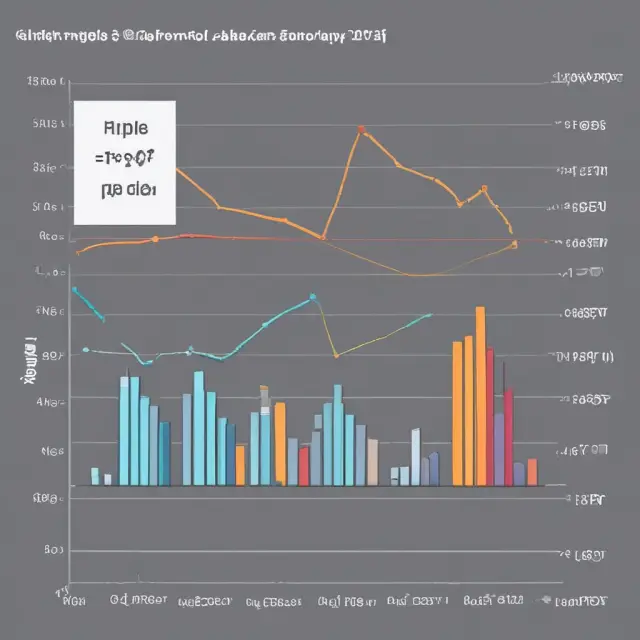
During the Great Recession, the U.S economy experienced a sharp contraction, with both GDI and GDP declining significantly. However, the magnitude of the decrease varied between these two indicators. The Bureau of Economic Analysis (BEA) reported that from the fourth quarter of 2007 to the first quarter of 2009, U.S. real GDP contracted by 4.1%, while GDI decreased by a more substantial 5.7% during this period.
Why might GDI be a more accurate gauge during economic downturns? One reason could be that the advanced estimates of GDI are closer to the final estimates than those for GDP. Economists Jeremy Nalewaik and Christopher J. Ruppert from the Federal Reserve Bank of St. Louis found in their research that early estimates of GDI captured the Great Recession more accurately than GDP did, suggesting a potential advantage for policymakers using GDI as a primary indicator.
Another aspect to consider is the sources of data used in calculating these indicators. While both measures aim to measure national income and output, the data sources differ somewhat. Gross domestic product focuses on the market value of produced goods and services during a given period, while Gross Domestic Income gauges the total income earned by all sectors within the economy, including wages, profits, rents, interest, and taxes.
The differences in data sources can lead to discrepancies between GDI and GDP, especially during economic downturns. For instance, when employment levels decline significantly due to layoffs or reductions in working hours, the resulting decrease in wages and salaries might not be fully reflected in the initial estimates of GDP. In contrast, changes in wages and salaries will more directly impact GDI.
As a result, a closer examination of GDI during the Great Recession reveals a more dramatic decrease in economic activity compared to GDP. This discrepancy highlights the importance of considering both measures when assessing an economy’s performance during times of economic instability. Furthermore, this insight underscores the significance of advanced estimates from GDI for policymakers and economists as they respond to economic downturns.
In conclusion, understanding the differences between Gross Domestic Income (GDI) and Gross Domestic Product (GDP) can provide valuable insights into a nation’s economic health. During periods of economic instability, such as the Great Recession, these measures offer distinct perspectives on overall economic activity. By exploring the performance of both metrics during this time, we have gained a clearer understanding of their respective advantages and limitations in gauging economic conditions.

Gross Domestic Income and Economic Policy
As mentioned earlier, Gross Domestic Product (GDP) has long been a popular measure for assessing the economic performance of countries. However, its counterpart, Gross Domestic Income (GDI), deserves attention in its own right when considering macroeconomic policies. By looking at both measures, we can better understand their implications for labor markets and inflation dynamics.
The significance of understanding Gross Domestic Income lies primarily in the fact that it offers valuable insights into the distribution of income among various economic sectors. Unlike GDP, which focuses on the production side of an economy, GDI emphasizes the income earned by various sources such as wages, profits, interest, rents, and taxes (Federal Reserve Bank of St. Louis, 2021).
One essential application of GDI in economic policy is analyzing labor market conditions. By studying trends in wages, salaries, and profits, policymakers can determine the overall health of labor markets and potential implications for inflation. A thriving labor market usually translates to steady or increasing wages and a larger share of total income going to workers.
Moreover, an increase in the worker-to-capital ratio – indicating a higher number of employees relative to capital inputs – can potentially lead to wage pressures as employers compete for a more limited workforce (Deitz & Grier, 2018). In turn, this wage pressure might result in inflationary pressures.
Another critical policy aspect related to GDI is the analysis of income distribution and its implications on economic stability and inequality. A deeper understanding of how different income components evolve over time can help policymakers address issues such as income redistribution and poverty reduction through targeted fiscal measures (OECD, 2015).
In the realm of monetary policy, GDI can serve as an essential complement to GDP in assessing the economic outlook. For example, understanding changes in wages’ share of GDI can help central banks gauge the underlying inflationary pressures in an economy, which is crucial for setting interest rates and managing currency values.
In conclusion, Gross Domestic Income provides a unique perspective on economic activity that goes beyond the traditional production-oriented focus of Gross Domestic Product (GDP). By analyzing income distribution, wage trends, and labor market conditions through the lens of GDI, policymakers can make more informed decisions regarding fiscal and monetary policies. This understanding is not only essential for macroeconomic stability but also critical in addressing issues related to economic inequality and social welfare.

FAQs on Gross Domestic Income (GDI)
What exactly does Gross Domestic Income (GDI) represent?
Gross Domestic Income (GDI) is a measure of a nation’s economic activity based on all income earned from producing goods and services within the country during a specific period. It includes wages, profits, interest, rentals, taxes, subsidies, and statistical adjustments.
How does Gross Domestic Income (GDI) differ from Gross Domestic Product (GDP)?
While both GDI and GDP are related measures of economic activity, they focus on different aspects: GDI represents total income earned within an economy, while GDP is the market value of all goods and services produced. Despite being conceptually equivalent, discrepancies can occur due to statistical differences in data sources, measurement errors, timing differences, or coverage.
What are the primary components of Gross Domestic Income (GDI)?
The major components of GDI include wages, profits, interest income, rental income, taxes, production/import subsidies, and statistical adjustments. Wages often make up a significant portion, typically around 50%, while profits and net operating surplus represent the remaining share.
Why is understanding Gross Domestic Income (GDI) important for investors?
Understanding Gross Domestic Income provides valuable insights into an economy’s economic activity, which can help inform investment decisions. By analyzing trends in GDI and its components, investors can gain a better grasp of the overall health of the economy and the position of different income groups within it.
How is Gross Domestic Income calculated?
Gross Domestic Income (GDI) is calculated using various components such as wages, profits, interest income, rental income, taxes, production/import subsidies, and statistical adjustments. The formula for calculating GDI includes adding up all these components to determine the total income generated within an economy during a specific period.
What can be inferred from historical trends in U.S. Gross Domestic Income (GDI)?
Historical analysis of U.S. Gross Domestic Income reveals valuable insights into economic shifts and trends. For instance, it shows that wages have consistently made up around half of the national income, while profits have fluctuated based on economic conditions. This information can help investors anticipate future changes in economic dynamics and adjust their investment strategies accordingly.
What are some notable differences between Gross Domestic Income (GDI) and Gross Domestic Product (GDP)?
While both measures provide insights into an economy’s overall activity, they differ in their focus. GDP is a measure of the production or output of goods and services within an economy, while GDI represents the total income earned by various sectors within the same economy. Despite being conceptually equivalent, discrepancies between the two can occur due to statistical differences, measurement errors, timing differences, or coverage.
Why might Gross Domestic Income (GDI) be a more accurate gauge of the economy than Gross Domestic Product (GDP)?
Some economists argue that Gross Domestic Income is a more accurate measure of economic activity because it incorporates all income earned, while Gross Domestic Product focuses solely on production or output. For instance, during the Great Recession, research from Federal Reserve economist Jeremy Nalewajki indicated that early estimates of GDI captured the recession better than GDP, suggesting that policymakers would have been more prepared if GDI had been the primary indicator used. However, over time, both measures provide a similar overall picture of economic activity.
 Next entry · No. 1,754Understanding Gross Domestic Product: Components, Types, and Importance
See also
-
 No. 5,122
13 Aug 2025
22 min
Understanding the U-6 (Unemployment) Rate: A Deeper Dive into American Employment
Economics
No. 5,122
13 Aug 2025
22 min
Understanding the U-6 (Unemployment) Rate: A Deeper Dive into American Employment
Economics -
 No. 4,303
07 Jun 2025
20 min
Understanding Real vs Nominal Gross Domestic Product (GDP): Measuring Economic Output with Accuracy
Economics
No. 4,303
07 Jun 2025
20 min
Understanding Real vs Nominal Gross Domestic Product (GDP): Measuring Economic Output with Accuracy
Economics -
 No. 4,099
22 May 2025
19 min
Procyclic: Understanding the Correlation between Economic Indicators and Business Cycles
Economics
No. 4,099
22 May 2025
19 min
Procyclic: Understanding the Correlation between Economic Indicators and Business Cycles
Economics -
 No. 3,531
05 Apr 2025
19 min
Understanding Nonfarm Payrolls: Key Components, Data, and Impact on Financial Markets
Economics
No. 3,531
05 Apr 2025
19 min
Understanding Nonfarm Payrolls: Key Components, Data, and Impact on Financial Markets
Economics -
 No. 2,288
25 Dec 2024
18 min
The Incremental Capital Output Ratio (ICOR): Understanding This Key Economic Metric
Economics
No. 2,288
25 Dec 2024
18 min
The Incremental Capital Output Ratio (ICOR): Understanding This Key Economic Metric
Economics -
 No. 1,414
12 Sep 2024
20 min
Understanding the Expenditure Method for Calculating Gross Domestic Product: A Comprehensive Guide
Economics
No. 1,414
12 Sep 2024
20 min
Understanding the Expenditure Method for Calculating Gross Domestic Product: A Comprehensive Guide
Economics