Understanding Kamikaze Defenses: Strategies Companies Use to Prevent Takeovers

Explore the strategic measures taken by companies to prevent hostile takeovers through various kamikaze defense tactics like selling crown jewels or…
Introduction to Kamikazi Defenses
When a corporation is faced with an unwanted acquisition offer, management may resort to extreme measures known as kamikaze defenses to protect the company’s interests and thwart the hostile takeover bid. Named after the suicide tactics employed by Japanese pilots during World War II, these defensive strategies are radical, costly, and often damaging to a firm’s business operations. In this section, we will explore the historical origins of kamikaze defenses and discuss why companies employ such desperate measures to safeguard their future.
Historical Origins of Kamikaze Defenses
The term “kamikaze” is derived from Japanese culture, referring to a suicide mission. In the context of corporate finance, the term signifies extreme defensive maneuvers used by management to prevent takeovers. The historical origins of these tactics can be traced back to World War II when Japan’s military resorted to kamikaze attacks to protect their homeland from invading forces. Similarly, in business, companies use kamikaze defenses when they feel their very existence is under threat and all other means of defense have been exhausted.
Why Companies Employ Kamikaze Defenses?
A takeover attempt can be a daunting experience for any organization. When management perceives an imminent hostile bid, they may employ kamikaze defenses to protect their own interests or those of the company’s founders and heirs. These defenses are often costly, time-consuming, and damaging to the company in the short term, but management believes that the long-term benefits outweigh the costs.
Understanding Kamikaze Defenses: A Deeper Dive
In the following sections, we will delve deeper into the various types of kamikaze defenses. By selling the crown jewels, scorching the earth, or employing the fat man strategy, a company can make itself less attractive to potential acquirers and potentially thwart the hostile takeover attempt.
However, it is essential to note that these defensive strategies rarely benefit ordinary shareholders and may instead inflict significant damage on the company and its stakeholders in the long run. In this article, we will explore the motivations behind kamikaze defenses, their implications for companies and shareholders, and real-life examples of successful implementations.
Stay tuned for the following sections in our exploration of Kamikaze Defenses: Understanding Selling the Crown Jewels, Scorched Earth Policies, and The Fat Man Strategy.

Why Companies Employ Kamikaze Defenses
A hostile takeover occurs when one company aims to acquire another against its will. The targeted firm’s management may resort to extreme measures, referred to as kamikaze defenses, to protect their interests and deter the unwelcome bidder. These strategies have historical origins in World War II with the suicidal attacks of Japanese pilots named “Kamikaze,” meaning “Divine Wind.” However, unlike these devastating attacks, modern kamikaze defense tactics are not meant to destroy a company but rather to make it less attractive as a takeover target.
Companies employ kamikaze defenses when they sense an imminent threat of a hostile takeover attempt. In a friendly acquisition process, potential acquirers usually communicate their intentions with the target board and negotiate mutually beneficial terms. However, hostile bids involve forceful tactics to wrest control from the current management. This sudden shift in power dynamics necessitates extreme countermeasures.
The reasons why companies take these drastic steps can be attributed to various factors, such as:
- Protection of Management and Founders’ Interests: Kamikaze defenses can be a last-ditch effort by the target company’s management or founders to protect their stake in the business they have built over the years.
- Preservation of Strategic Assets: Companies employing kamikaze defenses seek to keep strategic assets out of the hands of the acquirer, which might disrupt the company’s operations or dilute shareholder value.
- Deterrence of Financial Predators: Kamikaze defenses can also serve as a deterrent to potential predators who may be targeting multiple companies in their industry to boost their portfolio.
The following are some popular kamikaze defense strategies employed by firms:
- Selling the Crown Jewels: In this strategy, a company sells off its best assets or divests valuable businesses to raise capital and reduce its attractiveness as a target. For instance, if a struggling firm owns prime real estate that is desirable for the acquirer at below-market prices, management may choose to sell it before the takeover. Although this strategy generates cash, it also comes with significant costs: the company loses the use of those assets for future operations and may face a diminished competitive advantage.
- Scorched Earth Policy: Named after an ancient military tactic, this defense involves destroying assets or damaging the firm’s reputation to make it unattractive as a takeover target. For example, management could fire skilled employees, refuse to maintain critical infrastructure, or even engage in illegal activities. This strategy can be risky, as it may lead to serious legal problems and damage relationships with stakeholders.
- Fat Man Strategy: In this kamikaze defense tactic, the targeted company takes on excessive debt and makes large acquisitions to become too large for the acquirer to handle. The new acquisitions could either be overpriced or an ill-fit, making it a challenge for the hostile bidder to integrate them effectively. The fat man strategy can succeed in preventing the takeover but leaves the company weaker and potentially at risk of bankruptcy due to excessive debt.
Although kamikaze defenses may help protect management interests in some cases, they rarely benefit shareholders. Shareholders might prefer a friendly acquisition that maximizes value rather than drastic measures that leave the target company in a weakened state. However, understanding these strategies is essential for investors and stakeholders to assess potential risks and opportunities associated with hostile takeover attempts.

Types of Kamikaze Defenses: Selling the Crown Jewels
In extreme situations where a company faces an unwelcome takeover bid, management may resort to kamikaze defense strategies in order to protect their own interests and weaken the potential acquirer’s position. Among these defensive tactics is selling off the crown jewels – the most valuable assets of the company. By doing so, the targeted firm makes itself a less attractive target, potentially raising cash while reducing its appeal and operational capabilities.
The decision to sell the crown jewels comes into play when a potential acquirer may seek to gain control over these valuable assets at below-market prices during an acquisition process. For instance, suppose a struggling company owns prime commercial real estate in strategic locations. In this case, selling the property could bring in more revenue than what the hostile bidder is willing to offer and deter the takeover attempt. However, such a decision comes with consequences. By divesting itself of these valuable assets, the firm loses their future use for its own operations, which might significantly impact its business prospects.
The implications of this kamikaze defense tactic are twofold. First, it could save the company from an unfavorable acquisition while raising cash for further investment or debt repayment. Secondly, it could lead to a weakened financial position and a loss of potential growth opportunities.
The selling of crown jewels strategy has been employed in various industries when a company’s back is against the wall. For example, during the tech bubble burst in 2001, many dot-com companies faced a hostile takeover from larger corporations with deep pockets. Some of these companies, like AOL and Time Warner, resorted to selling their valuable assets (such as their real estate holdings) to stave off unwelcome suitors while raising cash to restructure and refocus their business operations.
The decision to sell the crown jewels is not an easy one for management and should only be considered when no other options remain on the table. It involves a delicate balance between protecting the company’s interests and preserving its long-term value for shareholders. This strategy requires careful consideration of potential tax implications, regulatory hurdles, market conditions, and investor sentiment before implementing it.
In conclusion, selling the crown jewels is one of several kamikaze defense tactics that companies may employ when faced with an unwelcome takeover bid. While this defensive maneuver can provide some immediate benefits for the targeted firm, it also comes with significant risks and long-term implications for its future growth prospects. Therefore, it should be used judiciously and only as a last resort when all other alternatives have been exhausted.
Types of Kamikaze Defenses: Scorched Earth Policy
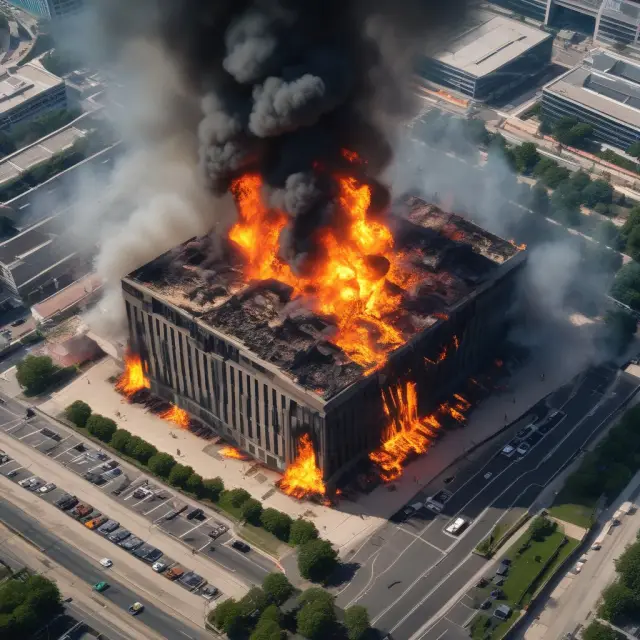
In the business world, when a company faces the threat of a hostile takeover, it may employ various defensive strategies to protect its interests. One such extreme measure is referred to as the scorched earth policy – a kamikaze defense strategy that involves damaging or destroying a company’s assets to make it less attractive to potential suitors.
The origins of this strategy can be traced back to ancient Rome when the Romans would set fire to their cities to prevent them from falling into enemy hands. Similarly, in the modern business context, scorched earth policy refers to a deliberate act taken by a company’s management to intentionally damage its own assets and disrupt its operations in order to make it unappealing for a potential acquirer.
Why would a company resort to such an extreme measure? Scorched earth policies are typically employed when the management team feels that they have no other viable options left. Perhaps a hostile bidder has offered a lowball price, or they believe the takeover may lead to significant job losses or loss of control over their business. Regardless of the reasons, once a company embarks on this path, it sets in motion a series of events with potentially far-reaching implications.
One of the most common methods employed under scorched earth policies is the destruction of assets. This could include anything from disposing of valuable intellectual property and selling off key assets to deliberately allowing equipment to fall into disrepair. For instance, a company may decide to sell its most profitable product lines or sell off valuable real estate to reduce its attractiveness as a takeover target.
Another tactic often employed in scorched earth policies is the termination of contracts and the dismissal of key personnel. This can be particularly detrimental for both the company and its employees, as it not only disrupts operations but can also lead to significant legal issues. For example, terminating a contract without cause could result in expensive lawsuits and reputational damage, while mass layoffs may negatively impact morale and productivity.
The legality of scorched earth policies is often questionable, as they can be considered acts of self-sabotage. In some cases, these actions might even violate shareholder interests and breach fiduciary duties. Therefore, companies that employ such tactics must tread carefully to avoid any potential legal repercussions.
Despite the risks involved, some companies have successfully implemented scorched earth policies to fend off unwanted takeovers. For instance, in 1984, when RJR Nabisco faced a hostile takeover attempt from F. Ross Johnson and Ted Turner, its management team embarked on an aggressive campaign to deter potential suitors by selling off valuable assets, terminating contracts, and even firing top executives. Though the strategy proved effective in the short term, it left the company significantly weakened, ultimately leading to its eventual acquisition a few years later.
In conclusion, scorched earth policies represent an extreme form of kamikaze defense used by companies to protect their interests against unwanted takeovers. While this tactic can be effective in deterring potential suitors, it comes with significant risks and consequences, both legal and operational. Companies considering a scorched earth policy must weigh the benefits against the costs carefully before implementing such a strategy.
Confidence: 100%

Types of Kamikaze Defenses: Fat Man Strategy
When faced with a potential hostile takeover bid, a company’s management may consider employing various defensive strategies, including the fat man strategy, as a desperate attempt to prevent the acquisition. Named after the atomic bomb “Fat Man,” this kamikaze defense involves taking on substantial debt and making significant acquisitions, ultimately increasing the target company’s size and complexity, thereby becoming a less appealing acquisition prospect.
The primary objective of the fat man strategy is to render the acquiring company less likely or unwilling to pursue the takeover due to the increased financial burden and operational challenges of integrating the target company into their existing business. In the short term, the target company might experience improved financial metrics as a result of the acquisitions, which could deter potential suitors.
However, this strategy is not without risks. If the newly acquired assets do not deliver the anticipated benefits or fit poorly within the acquiring company’s operations, it may lead to significant losses and a weaker financial position for the target. Furthermore, assuming excessive debt can negatively impact the target’s credit rating and long-term viability.
The fat man strategy’s potential consequences on shareholders should also be considered. While management may believe they are protecting the company, their actions could result in value destruction for shareholders due to diluted earnings and increased risk. Conversely, friendly suitors might view these defensive measures as a sign of weakness that could lead them to abandon their plans or pursue an even more aggressive takeover strategy.
Successful implementation of the fat man strategy requires careful planning and execution to ensure the acquired assets align with the target company’s strategic goals and have a clear path to generating value for shareholders. A well-executed fat man strategy can deter potential suitors, but it is not a guarantee of success. Instead, it might merely delay the inevitable takeover or change the dynamics of the negotiations, leaving the acquiring company with a more challenging target to pursue.
It’s essential to note that the fat man strategy is not always an effective kamikaze defense. The ultimate decision to employ such defensive measures depends on the specific circumstances and objectives of the target company. In some cases, it might be more beneficial for management and shareholders to negotiate with potential suitors or explore alternative strategic opportunities.

Who Benefits from Kamikaze Defenses?
Kamikaze defenses are typically employed by a company’s management as a desperate measure to prevent a hostile takeover bid. These defensive strategies can significantly impact the company, and it is essential to understand who truly benefits from them. While kamikaze defenses might temporarily protect the interests of management or shareholders with substantial stakes, they often come at a cost.
Selling the Crown Jewels
When a company sells its best assets (crown jewels) in response to a hostile takeover threat, it may deter potential suitors and generate immediate cash for the company. However, this comes at a price as the firm loses access to these valuable assets, which could negatively impact future operations. Ultimately, selling the crown jewels might not be in the best interest of ordinary shareholders, who have a long-term perspective on the company’s performance.
Scorched Earth Policy
A scorched earth policy involves destroying or removing assets to make the target company less attractive for potential suitors. This strategy can include firing skilled employees, neglecting maintenance, and even breaking the law. While this defense might deter a takeover bid, it could result in legal issues, damaged reputations, and long-term harm to the company. The shareholders may not reap any benefits from such a strategy.
Fat Man Strategy
Under the fat man strategy, a company takes on excessive debt and acquires other firms or assets to make itself too large for potential suitors to handle. This defensive tactic might deter takeover bids but could leave the company with significant debt and operational challenges. If the newly acquired companies or assets fail to perform as planned, the target company may face financial difficulties in the long term, negatively impacting shareholders’ interests.
It is crucial to acknowledge that the primary beneficiaries of kamikaze defenses are often management and large shareholders who are seeking to protect their own interests rather than those of the entire company or its minority shareholders. Kamikaze defenses might be a last resort for some companies, but they can cause substantial harm to the long-term value of the firm for the majority of its stakeholders.

Legal Considerations of Kamikaze Defenses
The implementation of kamikaze defense strategies can come with significant legal implications for both management and shareholders. These consequences can range from minor inconveniences to major lawsuits, depending on the specific tactics used and their impact on stakeholders.
One potential area of concern is the fiduciary duties owed by a company’s board of directors to its shareholders. In a hostile takeover situation, it is essential that management acts in the best interests of all shareholders, not just itself. Kamikaze defense strategies may be viewed as self-serving and could lead to legal challenges from disgruntled investors.
Selling the Crown Jewels: The sale of valuable assets can be a legitimate defensive measure against potential acquirers. However, it is critical that the process is conducted transparently and fairly. If management sells assets at below-market prices or fails to obtain the best price possible, shareholders may challenge the decision in court.
Scorched Earth Policy: The destruction of assets or the termination of contracts can have severe consequences for both the company and its stakeholders. If employees are laid off without proper notice or severance packages, they may file wrongful termination lawsuits. Additionally, if the scorched earth policy is implemented in an effort to thwart a hostile takeover, it could be considered a breach of fiduciary duty by the board of directors.
Fat Man Strategy: Loading up on debt and acquiring other companies can create financial instability for the target firm, making it more difficult for an acquirer to profit from the acquisition. However, if these actions are deemed unnecessary or not in the best interests of shareholders, legal action could be taken against management.
It is crucial for companies considering a kamikaze defense strategy to consult with legal counsel before implementing any defensive tactics. By understanding the potential risks and implications, management can minimize the likelihood of legal challenges and protect the long-term interests of the company and its shareholders.

Real-life Examples of Kamikaze Defenses
Kamikaze defenses, despite their name’s ominous connotations, have been employed by companies in various industries to thwart unwanted takeover attempts. Let’s examine some real-life examples of successful kamikaze defense strategies:
1. Selling the Crown Jewels ( asset stripping)
One infamous case involves Tyco International, a telecommunications and security systems company led by Dennis Kozlowski and Joseph Cosco in the late 1990s. To prevent a hostile takeover, they decided to sell off valuable assets such as Tyco’s headquarters building, art collection, and other non-core businesses. These sales raised substantial cash to bolster the company’s finances and deter potential suitors. However, this strategy left Tyco without essential assets for future operations, ultimately weakening the firm.
2. Scorched Earth Policy (Fire Sale)
When RJR Nabisco faced a hostile takeover attempt from F. Ross Johnson in 1989, CEO F. C. Dan Hewitt initiated a scorched earth policy to protect the company. To deter Johnson, he engaged in large-scale asset sales and massive layoffs. These drastic moves significantly weakened RJR Nabisco, causing substantial damage to its operations and financial condition. Fortunately for Hewitt, Johnson ultimately lost interest in the deal and backed down.
3. Fat Man Strategy (Going Concern)
When IBM faced a hostile takeover from SUN Microsystems in 1998, it decided to adopt a fat man strategy by acquiring Price Waterhouse Coopers Consulting for $3.5 billion. This acquisition increased IBM’s size and made the company less attractive as a takeover target due to its unwieldy nature. Despite initial success, IBM struggled with the integration process, causing operational issues that negatively impacted its performance.
In conclusion, Kamikaze defenses offer companies a way to protect their interests when faced with potential hostile takeovers. While these strategies can be effective, they often come at a significant cost. In some cases, such as asset stripping or firing skilled employees, the consequences can lead to long-term damage for shareholders and stakeholders alike. Companies must carefully weigh the risks and benefits before deciding to employ kamikaze defenses.

Conclusion: The Impact of Kamikaze Defenses on Companies and Shareholders
Kamikaze defenses have been employed as extreme measures by companies to prevent hostile takeovers, but their impact extends far beyond the immediate threat posed by potential suitors. These strategies are often implemented to protect management’s interests or preserve a company’s legacy. However, the consequences for shareholders can be significant and detrimental.
The three main types of kamikaze defenses include selling the crown jewels, scorched earth policies, and fat man strategies. Selling the crown jewels involves selling off valuable assets to deter takeover bids and raise cash for the company. This tactic might save the target firm from an undesirable acquisition, but it also means losing out on future revenue streams generated by those assets.
A scorched earth policy involves destroying or removing valuable assets as a defensive strategy, such as firing skilled employees or neglecting maintenance, making the company less attractive to potential suitors. This tactic can lead to significant legal issues and long-term damage for shareholders, especially if it results in decreased productivity and an overall decline in business operations.
The fat man strategy is an aggressive approach where companies take on excessive debt and acquire other firms or assets to make themselves less attractive targets. While this strategy might deter potential suitors, it can lead to a highly leveraged company with a questionable financial situation that may not be viable in the long term. Moreover, the fat man strategy often results in lower returns for shareholders due to increased debt and potentially overpriced acquisitions.
Although kamikaze defenses have been successful in some instances, their benefits are primarily skewed toward management and founders rather than ordinary shareholders. Shareholders may experience dilution of shares, decreased company value, and long-term damage as a result of these defensive measures.
In conclusion, the implementation of kamikaze defenses can have profound implications for both companies and their shareholders. While these strategies might be effective in deterring takeover bids, they come at a cost that may not always justify their use. Companies must weigh the potential risks and benefits carefully and consider alternative methods to protect their interests while safeguarding the interests of their shareholders.

FAQs about Kamikaze Defenses
What exactly is a Kamikaze defense? A Kamikaze defense refers to extreme measures taken by a company’s management to prevent a takeover, named after the Japanese kamikaze pilots who self-destructed during World War II. These strategies can inflict damage on the company and potentially weaken its financial condition.
Why would companies use such desperate measures? Companies employ Kamikaze defenses as last resorts when faced with hostile takeovers. In these situations, an acquiring company has made a public offer to buy a target company against the latter’s will. By implementing Kamikaze defenses, management aims to deter the suitor or make their company less attractive to be acquired at a perceived undervalued price.
What are some common Kamikaze defense tactics? Three typical Kamikaze defense strategies include selling the crown jewels, scorched earth policies, and the fat man strategy. Selling the crown jewels involves selling off valuable assets to weaken the company’s financial position and deter takeovers. Scorched earth policies refer to management attempting to damage or destroy key assets that could be appealing to a potential buyer. Lastly, the fat man strategy entails taking on massive debt and acquiring other firms to make the target company less attractive due to increased size and complexity.
Do these tactics benefit shareholders? Generally speaking, Kamikaze defenses often fail to provide any significant benefits for ordinary shareholders. Instead, they may be employed to protect the interests of management or a company’s founders.
What are some real-life examples of successful Kamikaze defenses? One notable example is IBM’s sale of its personal computer business to Lenovo in 2004. Although it appeared like a defensive move, the deal actually helped IBM focus on higher-margin businesses and revitalize its fortunes. Another example is the infamous case of RJR Nabisco’s acquisition by KKR, where the target company employed various Kamikaze defense tactics to avoid falling into the hands of an unwanted suitor.
Is there any legal consideration when it comes to Kamikaze defenses? Yes, companies need to be cautious in implementing Kamikaze defense strategies as they can potentially breach various laws and regulations. For instance, selling off assets could trigger regulatory investigations, while scorched earth policies might lead to litigation or reputational damage.
 Next entry · No. 2,672Understanding the Kanban System: A Lean Approach to Inventory Control
See also
-
 No. 2,213
19 Dec 2024
20 min
Hostile Takeovers: Understanding the Process, Defenses, and Strategies for Institutional Investors
Business Finance
No. 2,213
19 Dec 2024
20 min
Hostile Takeovers: Understanding the Process, Defenses, and Strategies for Institutional Investors
Business Finance -
 No. 5,697
30 Sep 2025
24 min
White Knight vs. Black Knight: Understanding Friendly and Hostile Takeovers
Business Strategy
No. 5,697
30 Sep 2025
24 min
White Knight vs. Black Knight: Understanding Friendly and Hostile Takeovers
Business Strategy -
 No. 4,002
14 May 2025
21 min
Understanding Poison Pills: A Company’s Defense Mechanism Against Unwanted Takeovers
Business Strategy
No. 4,002
14 May 2025
21 min
Understanding Poison Pills: A Company’s Defense Mechanism Against Unwanted Takeovers
Business Strategy -
 No. 3,887
04 May 2025
19 min
The Pac-Man Defense in M&A: Fighting Back Against Hostile Takeovers
Business Strategy
No. 3,887
04 May 2025
19 min
The Pac-Man Defense in M&A: Fighting Back Against Hostile Takeovers
Business Strategy -
 No. 2,712
28 Jan 2025
20 min
Killer Bees in Finance: Protecting Corporate America from Unwanted Suitors
Business Strategy
No. 2,712
28 Jan 2025
20 min
Killer Bees in Finance: Protecting Corporate America from Unwanted Suitors
Business Strategy -
 No. 2,665
25 Jan 2025
23 min
Understanding the ‘Just Say No’ Defense: A Strategy for Corporate Boards
Business Strategy
No. 2,665
25 Jan 2025
23 min
Understanding the ‘Just Say No’ Defense: A Strategy for Corporate Boards
Business Strategy