Maximizing Productivity and Efficiency: A Deep Dive into Kaizen

Learn about Kaizen, the Japanese philosophy of continuous improvement. Discover its origins and objectives, as well as tools like 5S and PDCA cycle.
Understanding Kaizen: The Japanese Business Philosophy of Continuous Improvement
Kaizen (改善) is a Japanese term that signifies change for the better or continuous improvement. It is an influential business philosophy rooted in Japan, which emphasizes the importance of ongoing evolution and incremental enhancement to make work environments more efficient and productive. Kaizen’s core belief is that everyone in a company can contribute to its overall success by focusing on making small improvements continuously. This approach leads to improvements such as enhanced quality control, just-in-time delivery, standardized work, the use of efficient equipment, and waste elimination.
Origins and Objectives
The origins of Kaizen date back to the post-World War II era in Japan. As the country rebuilt its industrial infrastructure, business leaders like Taiichi Ohno at Toyota and W. Edwards Deming sought methods to increase productivity, reduce costs, and improve work environments. They developed kaizen as a philosophy and methodology that encourages everyone within an organization to identify and implement continuous improvements.
Key Objectives of Kaizen
- Quality control: Ensure that products meet or exceed customers’ expectations through ongoing improvement initiatives.
- Just-in-time delivery (JIT): Minimize inventory by synchronizing the production process with customer demand, leading to faster response times and cost savings.
- Standardized work: Define clear and effective processes for routine tasks, enabling employees to perform their jobs more efficiently and effectively.
- Use of efficient equipment: Implement new technologies or optimize existing machinery to streamline operations and increase productivity.
- Elimination of waste: Identify and remove non-value-added activities that hinder productivity and add unnecessary costs.
The Kaizen Process: Improvements through the PDCA Cycle
The kaizen process relies on the Plan-Do-Check-Act (PDCA) cycle to continuously improve and refine various aspects of an organization. The PDCA approach consists of four stages: planning, doing, checking, and acting, which are described below:
- Planning: Involves proposing and mapping out changes to address specific issues or opportunities for improvement. This stage includes defining goals, creating a detailed plan, and communicating the proposed solution to all stakeholders involved.
- Do: The implementation of the best solution to address the identified problem or opportunity. This could involve training employees on new techniques, implementing a new process, or introducing new technology to streamline operations.
- Check: Evaluate the effectiveness and outcomes of the implemented changes through data analysis and feedback from stakeholders. Identify any deviations from the intended results and document lessons learned.
- Act: Based on the findings from the check stage, determine whether the improvements should become a company standard or if further adjustments are needed. If modifications are required, the process goes back to the planning stage for another iteration of continuous improvement.
JIT Inventory Strategy and Kanban: Streamlining Production with Kaizen
Just-in-time (JIT) inventory strategy and kanban are integral components of kaizen and support its primary objectives. JIT aims to minimize excess inventory by matching the delivery of raw materials from suppliers with production schedules, enabling companies to cut costs and reduce waste by only ordering the required amount needed at a given time. Kanban, an inventory control system, uses visual cues like colored cards to signal employees when it’s time to order parts or materials as they run out, ensuring efficient running of factories and preventing bottlenecks.
The 5 Elements of Kaizen: The Guiding Principles
Kaizen is guided by five fundamental principles, also known as the five elements or pillars of kaizen: know your customer, let it flow, go to gemba, empower people, and be transparent. These principles are explained below:
- Know Your Customer: Understand the needs, preferences, and expectations of customers and adapt continuously to meet their demands.
- Let It Flow: Optimize processes, remove bottlenecks, and create a smooth workflow to enable continuous improvement in all areas of the business.
- Go To Gemba: Visit the actual workplace where improvements are being made to gain insights into the current situation and identify opportunities for improvement first-hand.
- Empower People: Encourage and empower employees at all levels to take ownership of their work, collaborate with colleagues, and propose solutions to problems they encounter.
- Be Transparent: Foster open communication, share knowledge and best practices, and maintain a culture of trust and transparency to promote continuous improvement and teamwork.

Key Objectives of Kaizen
Kaizen, derived from the Japanese term meaning ‘change for better’ or ‘continuous improvement,’ is a business philosophy deeply rooted in Japanese culture and business practices. It emphasizes gradual, methodical process improvements made by all employees within an organization. The following objectives represent fundamental aspects of kaizen:
1. Quality Control: Kaizen encourages the development of high-quality products and services through continuous improvement. Quality control is crucial for customer satisfaction, brand reputation, and business sustainability. By focusing on the identification and elimination of defects, businesses can build a culture that values excellence and continually seeks to improve.
2. Just-in-time (JIT) Delivery: JIT delivery, also known as lean manufacturing, is a methodology in which companies produce goods only when there’s an order or demand from the customer. Kaizen supports JIT by emphasizing continuous improvement, standardized work processes, and efficient use of resources. This approach allows businesses to reduce inventory levels, save costs, and better respond to fluctuating market demands.
3. Standardization: Consistent practices, methods, and workflows are essential for organizations seeking operational excellence through kaizen. Standardization promotes predictability, reduces errors, and improves overall process efficiency by establishing benchmarks for continuous improvement efforts. It is also an effective means of facilitating cross-functional collaboration and knowledge sharing between teams.
4. Efficient Equipment: Kaizen supports businesses in implementing the latest technology and equipment to optimize their production processes and enhance productivity. Continuous improvements made through kaizen enable companies to maintain a competitive edge by ensuring that their equipment is up-to-date, well-maintained, and functioning at peak capacity.
5. Elimination of Waste: The elimination of non-value-added activities and resources is a central objective of kaizen. By reducing waste in various forms, such as overproduction, excess inventory, or unnecessary processing steps, organizations can streamline their operations, lower costs, and improve overall efficiency.
The pursuit of these objectives fosters a culture of continuous improvement within organizations that embrace the kaizen philosophy. Companies that effectively adopt kaizen reap numerous benefits, including enhanced staff satisfaction, improved customer experience, reduced staff turnover, increased employee loyalty, and greater business efficiency.

The Kaizen Process: Improvements through the PDCA Cycle
At the heart of kaizen lies the continuous improvement process, which is guided by the PDCA (Plan-Do-Check-Act) cycle. This structured methodology helps organizations identify areas for enhancement, trial new solutions, evaluate their effectiveness, and, when necessary, implement changes as a company standard. By following these steps, businesses can foster a culture of continuous growth and improvement, empowering employees to suggest ideas and drive meaningful change at all levels.
1. Plan: The first step in the PDCA cycle is planning. This stage involves identifying potential improvements and devising strategies for achieving them. Teams gather data, brainstorm ideas, and set objectives for their initiatives. By carefully considering the goals, potential benefits, and resources required, organizations can create a solid foundation for successful implementation.
2. Do: The second step in the PDCA cycle is execution. This stage represents the actual implementation of planned improvements. Employees carry out changes, monitor their progress, and collect data to evaluate effectiveness. Regular team meetings facilitate ongoing discussions about improvements, changes, and projects. By empowering employees to take ownership of implementing new ideas, businesses can create a more engaged workforce that is invested in the success of the organization.
3. Check: The third step in the PDCA cycle is checking, also known as evaluation. This stage involves assessing the results of implemented changes and determining whether they have had the desired impact. Organizations evaluate data and gather feedback from employees to measure improvements in productivity, efficiency, and employee satisfaction. By meticulously examining the outcomes of their initiatives, businesses can learn from successes and failures alike, making informed decisions about next steps and future investments.
4. Act: The final step in the PDCA cycle is acting. This stage represents the implementation of changes as company standards or the decision to make further improvements based on evaluation results. By committing to ongoing improvement efforts, organizations create a culture that fosters innovation and adaptability. When an improvement has proven successful, it becomes integrated into the organization’s standard operating procedures, ensuring its continued impact. If necessary, teams revisit the PDCA cycle to identify new opportunities for enhancement and begin the process anew.
By following the PDCA cycle, businesses can effectively incorporate kaizen’s philosophy of continuous improvement into their daily operations, driving long-term success and growth.
JIT Inventory Strategy and Kanban: Streamlining Production with Kaizen
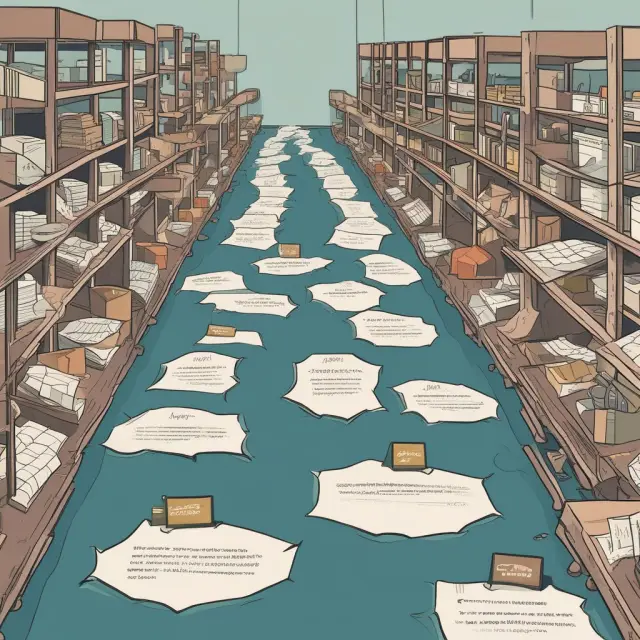
One essential aspect of kaizen is the Just-in-Time (JIT) inventory strategy, which involves matching the delivery of raw materials from suppliers with production schedules to minimize excess inventory. JIT was popularized by Toyota and is also known as the Toyota Production System (TPS). By reducing waste and ensuring that only the necessary inventory is held, companies can cut costs and increase efficiency.
Another important tool in this context is Kanban, an inventory control system used alongside JIT to provide visual cues for inventory levels. Employing colored cards to track production and alert employees when materials are running low, kanban helps maintain a smooth-running assembly line and prevent bottlenecks from occurring. The goal of both strategies is to maximize productivity, minimize waste, and create a more efficient production process.
JIT is based on the principle of ‘produce only what is needed, when it’s needed, in the quantity needed.’ It eliminates unnecessary inventory by ensuring that materials are ordered just as they are required, minimizing storage costs and reducing the chances of obsolete stock or spoilage. By working closely with suppliers to ensure timely delivery, manufacturers can reduce lead times and improve responsiveness to customer demand.
Kanban is a pull system designed to manage inventory levels by enabling production teams to identify and respond promptly to demand changes. The system uses visual cues (the colored cards) to provide real-time information on inventory levels and order status, allowing workers to take immediate action when supplies are running low. This level of transparency enables better coordination between departments and facilitates communication and collaboration within the organization.
In summary, JIT and Kanban strategies work in harmony with kaizen to help companies streamline their production processes and create a more efficient and agile business model. By fostering continuous improvement and empowering employees at all levels, these methodologies can lead to significant improvements in productivity, reduced costs, and increased customer satisfaction.
The 5 Elements of Kaizen: The Guiding Principles
Kaizen, the Japanese business philosophy of continuous improvement, encompasses five fundamental elements that create its core principles. These five pillars ensure a holistic and effective approach for enhancing productivity and efficiency in organizations. Let’s delve deeper into each of these guiding principles:
1. Customer Focus: Kaizen begins with understanding the needs and demands of customers, both internal and external. By focusing on their requirements, businesses can create products or services that meet their expectations and exceed them, leading to increased customer satisfaction and loyalty.
2. Flow: Continuous flow is another essential element of kaizen. It implies eliminating any roadblocks that hinder progress and creating a smooth workflow. By enabling processes to move efficiently, organizations reduce waste and increase productivity while enhancing the overall experience for both employees and customers.
3. Gemba (the Real Place): The gemba is the real place where value is added, such as in production lines or on the shop floor. Kaizen emphasizes the importance of visiting and observing the gemba to gain a clear understanding of the actual situation and make data-driven decisions for improvements.
4. Empowerment: Empowering employees plays a pivotal role in kaizen. By providing them with the necessary tools, resources, and autonomy, organizations can foster a culture of continuous improvement and innovation. This approach boosts morale, strengthens employee engagement, and increases overall productivity.
5. Transparency: Transparency is the final guiding principle of kaizen. It encourages open communication among team members and ensures that everyone shares information about their work, progress, and challenges. By fostering a transparent work environment, businesses can address issues promptly and collaborate on finding solutions more effectively. Together, these principles form a strong foundation for implementing the kaizen methodology to drive continuous improvement in any organization.
By understanding and applying these five elements of kaizen, organizations can create a culture of ongoing growth, innovation, and productivity. In the next section, we’ll explore how tools like 5S, value stream mapping, and follow-up events help companies apply this philosophy effectively.

Tools in Kaizen: Implementing the Methodology with 5S, Value Stream Mapping and Follow-up Events
The kaizen methodology embraces various tools for implementation of its principles and objectives. Three crucial tools that significantly contribute to the successful execution of the continuous improvement philosophy are 5S, value stream mapping, and follow-up events. Let’s delve deeper into each tool and their functions in kaizen.
1. 5S: This tool is a foundational system for organizing a work environment by defining the place for everything, making the environment cleaner, and improving the overall standard of work. The five S’s stand for Sort, Set in Order, Shine, Standardize, and Sustain. This system aims to maximize productivity while maintaining a safe, efficient, and clutter-free workplace. By eliminating waste and ensuring all tools are accessible and easily identifiable, 5S can lead to significant improvements in production quality and employee morale.
2. Value Stream Mapping: Kaizen’s value stream mapping tool is an essential analytical technique used to identify areas of improvement within a company’s processes. It visually represents the flow of materials and information as they move from start to finish within a process, allowing teams to easily visualize and analyze the current state and determine how it can be optimized for maximum efficiency. By mapping the entire value stream and focusing on eliminating waste, businesses can create a more effective production system with reduced lead times, increased productivity, and higher quality output.
3. Follow-up Events: The continuous nature of kaizen means that improvements are an ongoing process. Regular follow-up events help sustain the momentum by providing opportunities for teams to reevaluate previous improvements, identify new areas for improvement, and celebrate successes. These events may take various forms depending on the company’s specific needs. For example, they could be weekly meetings, monthly workshops, or annual conferences. By fostering a culture of continuous improvement through follow-up events, organizations can maintain focus on their objectives and ensure that kaizen remains an integral part of their business operations.
In conclusion, the 5S system, value stream mapping, and follow-up events are essential tools for implementing the principles of kaizen in various industries. By focusing on organization, eliminating waste, and sustaining improvements through regular evaluations, companies can reap numerous benefits from these powerful techniques, including increased productivity, higher quality output, and a more engaged workforce.

Success Stories: Toyota and Ford as Inspiring Examples of Kaizen in Action
Kaizen is not just a buzzword or a fad; it’s an ingrained philosophy that has transformed the business landscape, particularly within the automotive industry. Two leading companies, Toyota and Ford Motor Company, have embraced this philosophy to achieve remarkable success stories. Let’s dive deeper into how they put Kaizen principles into practice.
Toyota: The Pioneer of Kaizen
Toyota is synonymous with continuous improvement. This Japanese automaker has revolutionized the industry by integrating Kaizen into its DNA, emphasizing quality control, just-in-time delivery, standardized work, efficient equipment usage, and waste elimination. Toyota’s process of identifying solutions to problems is famously called “kaizen blitz.” Kaizen blitz is a rapid improvement event where teams work together intensively over several days to identify, analyze, and implement improvements.
The Toyota Production System (TPS) is an excellent example of how kaizen has manifested in the form of just-in-time inventory strategy. By matching production schedules with raw material deliveries, Toyota significantly minimized excess inventory carrying costs and reduced waste. One key tool used to accomplish this is kanban, which provides visual cues for employees to replenish parts as needed, ensuring efficient running of the assembly line and preventing bottlenecks.
Ford Motor Company: Adopting Kaizen for a Transformation
In response to growing competition from Japanese automakers, Ford embraced kaizen in 1980s. The company recognized that empowering employees to identify and solve problems was essential to improving productivity. Ford’s approach differed significantly from the traditional management practices of that era where decisions were made by upper management with little input from workers.
Ford’s implementation of kaizen was a turning point for the company, leading to improvements in efficiency, quality, and employee engagement. One of the most significant changes was the implementation of teamwork and regular meetings to discuss improvements and make collaborative decisions. The results were staggering – Ford saved over $2 billion through this transformation alone!
Conclusion: Kaizen’s Enduring Impact on Businesses
From Toyota’s legendary success story to Ford Motor Company’s remarkable turnaround, the impact of kaizen on businesses is undeniable. By engaging all employees in a continuous improvement process and creating a culture that values innovation and change for the better, companies have seen improvements in staff satisfaction, customer experience, lower costs, higher efficiency, and productivity. As a powerful business philosophy with its roots in Japan, kaizen continues to inspire organizations worldwide to evolve, innovate, and improve.

Benefits of Kaizen: Improvements to Staff Satisfaction, Customer Experience and Business Efficiency
The implementation of the Kaizen philosophy has brought numerous benefits for businesses that embrace it. Kaizen’s emphasis on continuous improvement not only translates into increased business efficiency but also enhances staff satisfaction and improves customer experience.
Staff Satisfaction
One of the most significant outcomes of Kaizen is its positive impact on staff morale. When employees are involved in identifying issues and implementing improvements, they develop a sense of ownership over their work. This leads to higher engagement levels and increased job satisfaction. Furthermore, the collaborative nature of Kaizen promotes better communication, stronger team bonds and creates a more inclusive work culture where everyone’s opinion is valued.
Customer Experience
A company that invests in continuous improvement using the Kaizen methodology is ultimately focused on providing high-quality products or services to its customers. By improving processes and eliminating waste, businesses can reduce lead times and increase delivery accuracy. The result? A more satisfied customer base, which leads to increased sales and a stronger reputation within their industry.
Business Efficiency
The Kaizen philosophy is all about streamlining processes to eliminate waste while maintaining quality. This focus on continuous improvement allows companies to become more agile in responding to changing market conditions and customer demands. The reduction in waste also results in significant cost savings, allowing businesses to invest in areas that will further drive growth and innovation.
Employee Turnover
The improved work environment that comes with implementing Kaizen can help reduce staff turnover rates. Employees who feel valued, engaged, and empowered are more likely to stay loyal to their employer for longer periods. Additionally, the Kaizen philosophy emphasizes cross-functional training and skill development, providing opportunities for employees to advance within their organization and take on new challenges.
Employee Loyalty
Another major benefit of Kaizen is its positive impact on employee loyalty. By giving employees a voice in process improvements, they feel more invested in the success of the company. Moreover, Kaizen’s focus on continuous improvement keeps work interesting for staff and can foster a sense of pride in their contributions to the business. This increased loyalty can translate into better productivity and lower absenteeism rates.
Lower Costs
The elimination of waste that is inherent in the Kaizen methodology leads to cost savings. By reducing excess inventory, improving processes, and increasing efficiency, businesses can significantly cut costs without sacrificing quality. These savings can then be reinvested into other areas of the business, such as research and development or marketing initiatives.
Greater Productivity
An efficient workflow is at the heart of Kaizen, with a focus on standardization and continuous improvement. By eliminating non-value adding activities, employees are freed up to spend more time on high-priority tasks, ultimately resulting in increased productivity. Furthermore, the collaborative nature of Kaizen promotes better communication and stronger teamwork, which can lead to faster completion times for projects.
Better Problem Solving
The Kaizen methodology is built around problem solving at its core. The PDCA cycle (Plan-Do-Check-Act) encourages employees to identify issues, implement solutions, and evaluate their impact. This focus on continuous improvement ensures that any problems are addressed quickly and effectively, reducing downtime and minimizing the negative impact on the business.
In conclusion, the benefits of Kaizen extend far beyond just increased business efficiency. The implementation of this Japanese business philosophy leads to higher staff satisfaction, improved customer experience, and a stronger, more engaged workforce that is committed to delivering the best possible results for their organization.

Challenges of Kaizen: Overcoming Obstacles to Implementing the Philosophy
The successful implementation of kaizen in a business environment requires addressing various obstacles that may arise. These challenges include resistance from employees, balancing short-term wins with long-term goals, and maintaining focus on continuous improvement.
Resistance from Employees
One major challenge organizations face when implementing the kaizen philosophy is the resistance they encounter from their workforce. Kaizen is a methodology that relies heavily on employee involvement and engagement to bring about meaningful change. When employees are hesitant or unwilling to participate, it can hinder progress. Some common reasons for resistance include:
- Fear of Job Loss: Employees might be concerned about their roles within the organization if improvements are made. They may view kaizen as a threat to their jobs, and this fear can lead to reluctance in participating.
- Lack of Understanding: Some employees might not fully comprehend the purpose or benefits of kaizen, making it difficult for them to embrace it wholeheartedly. This misconception can lead to resistance, disengagement, and lackluster support from team members.
- Previous Negative Experiences: Previous experiences with change initiatives that did not yield positive outcomes might cause employees to view kaizen skeptically. They may be wary of the potential consequences and may resist engaging in a new effort if they feel it is doomed to fail.
- Lack of Training and Support: Employees need adequate training and resources to effectively apply kaizen concepts in their work environment. If organizations neglect to provide proper instruction or assistance, employees might struggle to implement improvements, leading to frustration and resistance.
To mitigate employee resistance, it is crucial for management to clearly communicate the purpose of kaizen and its potential benefits. Engaging employees in the decision-making process and providing them with training and resources can help build confidence and foster a culture of continuous improvement.
Balancing Short-Term Wins with Long-Term Goals
Another challenge businesses face when implementing kaizen is striking the right balance between short-term wins and long-term goals. Kaizen emphasizes the importance of making small improvements continuously, but organizations may be tempted to focus solely on quick fixes or easy targets that yield immediate results. While these short-term gains are essential, they should not detract from the pursuit of long-term objectives.
To strike this balance, companies should establish clear priorities for their kaizen initiatives. They can set specific targets and goals for the short term while maintaining a focus on the larger vision for continuous improvement. By addressing both immediate needs and long-term objectives, organizations can create sustainable growth and maintain employee engagement.
Maintaining Focus on Continuous Improvement
Lastly, it is essential for businesses to stay committed to the kaizen philosophy and its principles of continuous improvement. While the implementation process may yield early successes, there are always opportunities to make further improvements and refine operations. If organizations become complacent or lose focus, they risk stagnating their progress and missing out on potential enhancements.
To maintain a strong commitment to kaizen, companies should establish regular review processes that allow them to assess their progress and identify areas for improvement. By continuously evaluating their performance and adjusting their strategies as needed, organizations can ensure that the philosophy remains an integral part of their business culture.

FAQs: Answering Common Questions About Kaizen
What exactly is Kaizen?
Kaizen refers to a Japanese business philosophy focused on continuous improvement and making the work environment more efficient by creating a team atmosphere, improving everyday procedures, ensuring employee engagement, and making jobs more fulfilling. Small changes can lead to significant improvements in productivity over time.
How does Kaizen relate to Lean Manufacturing?
Kaizen is an integral part of lean manufacturing principles as both emphasize the importance of continuous improvement. While kaizen focuses on small incremental changes, lean manufacturing aims for a complete elimination of waste and non-value adding activities in the production process.
Who can implement Kaizen in their business?
Any organization can adopt the kaizen philosophy, regardless of its size or industry. The methodology emphasizes the importance of employee engagement and continuous improvement, making it suitable for businesses that wish to empower their workforce and create a more productive and efficient work environment.
What is Kaizen Blitz?
Kaizen Blitz is an intensive team-based problem solving approach used within the kaizen framework to identify and implement solutions to specific process issues in a short time frame. It involves forming teams, setting targets, working collaboratively, and implementing improvements through the PDCA (Plan, Do, Check, Act) cycle.
What are the five elements of Kaizen?
Kaizen is based on five guiding principles or elements: know your customer, let it flow, go to gemba, empower people, and be transparent. These principles lead to elimination of waste, good housekeeping, and standardization in the production process.
What are some benefits of implementing Kaizen?
Some of the key benefits for businesses include increased staff satisfaction, improved customer satisfaction, lower costs, greater efficiency and productivity, better problem solving, and strengthened employee loyalty.
By understanding the nuances of this business philosophy, you’ll be well equipped to implement kaizen in your organization and experience the numerous advantages it offers. Stay tuned for more insights on how to effectively apply kaizen principles to create a successful and engaging work environment.
 Next entry · No. 2,671Understanding Kamikaze Defenses: Strategies Companies Use to Prevent Takeovers
See also
-
 No. 2,597
19 Jan 2025
19 min
Understanding Just-in-Time Inventory System: Advantages, Disadvantages, and Examples
Business Strategy
No. 2,597
19 Jan 2025
19 min
Understanding Just-in-Time Inventory System: Advantages, Disadvantages, and Examples
Business Strategy -
 No. 4,966
31 Jul 2025
17 min
Maximizing Throughput: Strategies for Improving Business Efficiency
Business Strategy
No. 4,966
31 Jul 2025
17 min
Maximizing Throughput: Strategies for Improving Business Efficiency
Business Strategy -
 No. 5,375
03 Sep 2025
20 min
Understanding Utilitarianism: A Modern Approach to Morality, Ethics, and Decision Making
Business Strategy
No. 5,375
03 Sep 2025
20 min
Understanding Utilitarianism: A Modern Approach to Morality, Ethics, and Decision Making
Business Strategy -
 No. 5,005
04 Aug 2025
20 min
Total Quality Management (TQM): Understanding the History, Principles, and Benefits
Business Strategy
No. 5,005
04 Aug 2025
20 min
Total Quality Management (TQM): Understanding the History, Principles, and Benefits
Business Strategy -
 No. 4,840
21 Jul 2025
17 min
The Taguchi Method of Quality Control: An Engineering Approach to Reducing Defects and Failures
Business Strategy
No. 4,840
21 Jul 2025
17 min
The Taguchi Method of Quality Control: An Engineering Approach to Reducing Defects and Failures
Business Strategy -
 No. 4,221
01 Jun 2025
19 min
Understanding Quality Management: History, Implementation and Real-World Examples
Business Strategy
No. 4,221
01 Jun 2025
19 min
Understanding Quality Management: History, Implementation and Real-World Examples
Business Strategy