Understanding Kenya’s Currency: The Kenyan Shilling (KES)

The Kenyan shilling (KES) is Kenya's official currency, issued only by the Central Bank of Kenya. First authorized in 1966, it replaced East African Currency Board money; the current banknote series, issued in June 2019 and updated in 2024 with new signatures and security threads, comes in 50, 100, 200, 500 and 1,000 shillings.
Correction: This entry says the shilling's name comes from the Swahili words M-Pesa. M-Pesa is a mobile-money service; the Kenya shilling, authorized in 1966, replaced East African Currency Board money and is issued only by the Central Bank of Kenya.
Introduction to the Kenyan Shilling (KES)
The Kenyan shilling (KES) is Kenya’s official currency and has been in use since its introduction in 1966. Replacing the East African shilling, KES is also used as a stable alternative currency in neighboring countries like Sudan and Somalia. The shilling is made up of 100 cents and is often denoted with the abbreviation “KSh” when representing 100 shillings.
Originating from the Swahili words “M-Pesa,” meaning mobile money or payment, Kenya’s currency has a rich history that includes a strong focus on innovation and accessibility. In recent times, the Kenyan shilling is known for its stability amidst the volatile East African currency landscape.
Understanding the Kenyan Shilling (KES)
The Central Bank of Kenya manages the Kenyan shilling with a mandate to maintain price stability, liquidity, growth, and employment support. The KES was first introduced in 1966 to replace the East African shilling. Since then, it has undergone significant changes, with new banknotes and coins being issued in 2018 due to recent constitutional amendments forbidding individual portraits on currency.
The exchange rate of KES against other currencies is influenced by various factors, including the desire of individuals and organizations to hold assets denominated in shillings, as well as economic growth and stability perceptions from trading partners. Although it is considered one of the most stable currencies in East Africa, the value of KES has weakened against the U.S. dollar over the past decade. As of September 1, 2022, $1 is equivalent to approximately 120 KES.
Impactful Innovations: M-Pesa and Financial Inclusion
M-Pesa, a mobile banking service launched in Kenya in 2007, has been instrumental in expanding financial inclusion and accessibility for Kenyans. M-Pesa, which means “mobile money” or “money payment” in Swahili, allows users to store, send, and receive funds through their mobile phones without the need for a formal bank account. The service blends two entities – M for mobile and Pesa for payment – and is insured up to KES 100,000 (approximately $1,000) by the Deposit Protection Fund.
The Role of Exchange Rates in Kenya’s Economy
Kenya’s economy has experienced growth in recent years, with its gross domestic product (GDP) increasing from $25.8 billion to $70.5 billion between 2006 and 2016. However, the public debt as a percentage of national output has risen from around 40% to 60%. The relative value of Kenya’s currency against other currencies is influenced by various factors such as economic growth and stability perceptions, with the Kenyan shilling remaining one of the more stable currencies in East Africa.
Stay tuned for further sections exploring the historical background of the Kenyan shilling, its exchange rate fluctuations, central bank involvement, and future trends.

Historical Background: The Introduction of KES
The Kenyan shilling is the official currency of Kenya and has been in circulation since 1966, replacing the East African shilling. This currency was introduced following the country’s independence from British rule. Originally, it was used by Kenya, as well as Sudan and Somalia. However, since then, Sudan and Somalia have adopted their own currencies: the Sudanese Pound and the Somali Shilling, respectively.
The Kenyan shilling is made up of 890p-‘ or 100 cents. It is common to see prices denoted with the abbreviation KSh (for example, “100 KSh” refers to 100 shillings). The foreign exchange trading symbol for the Kenyan shilling is KES.
In recent years, the value of the Kenyan shilling has fluctuated against the U.S. dollar. In 2009, the exchange rate stood at approximately 75 shillings per U.S. dollar, but it weakened to around 104 shillings per dollar by both 2015 and 2017. Since 2016, the Kenyan shilling has consistently hovered near the 100 mark against the dollar, with concerns mounting regarding Kenya’s public debt levels.
The Central Bank of Kenya manages the nation’s currency, allowing it to float freely in the global foreign exchange market. The bank operates under a mandate to ensure price stability, maintain liquidity, and support growth and employment within the country.
In 2018, due to recent changes in Kenya’s constitution prohibiting portraits of individuals on its currency, new banknotes and coins were issued. This replacement came after several decades of using currency bearing images of prominent Kenyan leaders, including Tom Mboya, Jomo Kenyatta, and Dedan Kimathi.
The value of a currency, such as the Kenyan shilling, is influenced by international perceptions of its issuing country’s economic growth potential and stability. Kenya has experienced steady economic progress in recent years, with an average annual Gross Domestic Product (GDP) growth rate of 5.6% between 2016 and 2019. This makes Kenya one of the fastest-growing economies in Sub-Saharan Africa.
However, concerns persist regarding Kenya’s increasing public debt as a percentage of its national output, which has risen from around 40% in 2013 to over 60% today. This high debt level could impact the Kenyan shilling’s future value in the global foreign exchange market.
Understanding the historical background of the Kenyan shilling can help investors and individuals alike appreciate its significance within Kenya’s economy and in the broader context of international finance and trade.

Exchange Rate Fluctuations: Weakening Against USD Since 2016
Since its introduction in 1966, the Kenyan shilling (KES) has been a stable currency in East Africa. However, over the past decade, it has experienced a notable weakening trend against the US dollar (USD). The exchange rate dynamics of KES can be attributed to several factors, including Kenya’s public debt and global foreign exchange market conditions.
Background: Exchange Rate History
The Kenyan shilling was introduced in 1966 as part of the East African Currency Union, replacing the East African shilling. However, following Kenya’s independence in 1963, KES became the sole currency for the country. In the early years, the exchange rate for KES remained relatively stable against major currencies like USD and European currencies. The KES/USD exchange rate reached a low of 75 shillings per dollar during the late 2000s (Source: Trading Economics).
However, this trend changed around 2016 when the Kenyan shilling began to weaken against the US dollar. The exchange rate reached an all-time high of approximately 123 KES/USD in April 2015 and has since averaged around 100 KES/USD (as of September 2022).
Factors Affecting KES Value
Several factors have contributed to the weakening of the Kenyan shilling against the US dollar. Some of these factors include:
1. Public Debt and Deficits: Kenya’s public debt has increased significantly in recent years, which can put downward pressure on the exchange rate. According to data from Trading Economics, Kenya’s total public debt stood at approximately $52 billion (as of September 2022), up from around $37 billion in 2016. This growth in debt has led to concerns about the sustainability of repayment and the potential for a sovereign debt crisis.
2. Global Forex Market Conditions: The Kenyan shilling is affected by global foreign exchange market conditions, such as interest rates and investor sentiment. For instance, during periods of high risk aversion, investors may favor safe-haven currencies like the US dollar over emerging market currencies like KES.
3. Economic Instability: Political instability or economic uncertainty can also negatively impact the exchange rate for KES. Kenya has experienced political turmoil in recent years due to disputed elections and prolonged political standoffs between the executive and legislative branches. This instability can deter foreign investment, potentially leading to further depreciation of the Kenyan shilling.
Mitigating Factors: Central Bank Interventions and M-Pesa
Despite these challenges, the Kenyan shilling remains relatively stable compared to other currencies in the region. The Central Bank of Kenya (CBK) plays a crucial role in managing the currency through its mandate to maintain price stability, support economic growth, and ensure liquidity in the financial system. Additionally, innovations like M-Pesa have helped improve financial inclusion, making it easier for residents to access financial services and store their wealth in the form of digital shillings.
In conclusion, understanding the dynamics of the Kenyan shilling’s exchange rate requires a comprehensive analysis of both internal and external factors, such as public debt, economic instability, and global forex market conditions. While there have been challenges in recent years, initiatives like the CBK’s interventions and innovative financial services like M-Pesa help maintain the relative stability of KES within East Africa’s currency landscape.

Central Bank of Kenya’s Role in Managing the Currency
The Central Bank of Kenya plays a crucial role in managing the Kenyan shilling (KES) as the nation’s central monetary authority. The primary objective of the bank is to ensure price stability, maintain liquidity in the financial system, promote economic growth, and generate employment opportunities for the citizens of Kenya.
Understanding the Central Bank of Kenya’s Mandate:
The Central Bank of Kenya (CBK) was established in 1966 under the Central Bank Act to oversee the management of monetary policy, banking supervision, and issue and management of the national currency, the Kenyan shilling. With a mandate focused on price stability, maintaining adequate liquidity, promoting growth, and generating employment opportunities, the CBK plays a vital role in fostering a stable economic environment for its citizens and foreign investors.
Price Stability:
Price stability refers to an economy where inflation is low and constant. The Central Bank of Kenya aims to maintain price stability through setting interest rates and controlling the money supply (monetary policy) to help preserve the value of the Kenyan shilling while ensuring it remains competitive in the global foreign exchange market.
Liquidity:
Maintaining adequate liquidity is essential for a smoothly functioning financial system. The Central Bank of Kenya ensures that commercial banks have sufficient reserves available to meet their clients’ demands for loans and withdrawals. This fosters confidence and stability within the banking sector, making it easier for businesses and individuals to access credit and conduct transactions.
Economic Growth and Employment:
The CBK also plays a vital role in promoting economic growth and generating employment opportunities by setting monetary policies that encourage investment in infrastructure projects, attract foreign investments, and stimulate export-oriented industries. This focus on long-term growth ensures the Kenyan economy remains robust and resilient against external shocks and economic instability.
The Role of Central Bank of Kenya in Kenya’s Economy:
With a growing economy and increasing economic activity, the role of the CBK becomes even more critical. As the value of the currency fluctuates based on global market conditions, it is crucial to have an effective monetary policy to maintain price stability and protect consumers from inflationary pressures while also ensuring that businesses remain competitive in the global marketplace.
For Kenya, its economic growth potential is reflected in its strong Gross Domestic Product (GDP) growth rate of 5.8% in 2016, making it one of the fastest-growing economies in Sub-Saharan Africa. This growth rate is due to increased investment in infrastructure and an increase in tourism. Additionally, Kenya’s gross national income per capita has doubled since 2006 from $1,590 in 2006 to $3,170 in 2016. The Kenyan economy’s growth is further evident in its GDP reaching $70.5 billion in 2016 compared to $25.8 billion in 2006.
However, despite these positive economic indicators, Kenya’s public debt as a percentage of national output has increased from around 40% in 2013 to the current figure of 60%. This increasing public debt puts pressure on the CBK to maintain a stable exchange rate while ensuring that Kenya remains an attractive destination for foreign investors.
With its effective management of monetary policy, the Central Bank of Kenya has helped create a favorable environment for the growth and development of the Kenyan economy. Through various initiatives like the introduction of the mobile banking service M-Pesa, Kenya’s financial sector has become more accessible to a larger population base, promoting financial inclusion and creating employment opportunities for millions of Kenyans.
In conclusion, the Central Bank of Kenya plays an essential role in managing the Kenyan shilling as the nation’s central monetary authority. Its mandate focuses on maintaining price stability, liquidity, fostering economic growth, and generating employment opportunities. This commitment to a stable financial environment has contributed significantly to the country’s growing economy and increasing foreign investments, making Kenya an attractive destination for businesses seeking to tap into Africa’s burgeoning market.
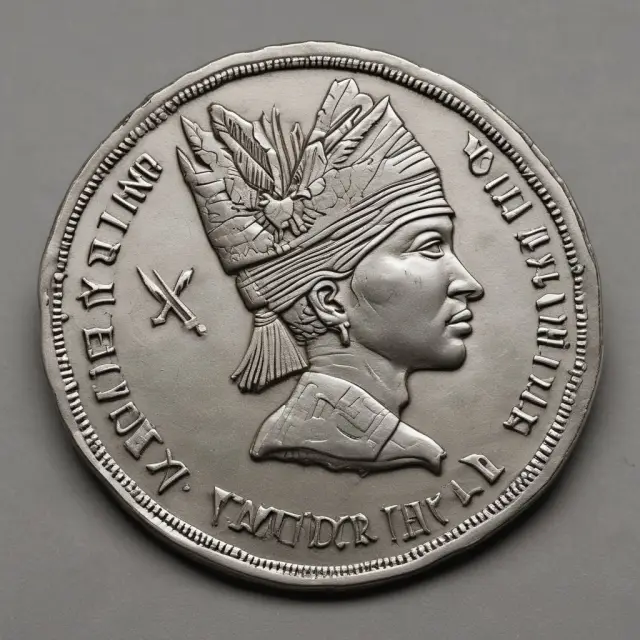
The Kenyan Shilling’s Value: Economic Stability and Growth
A currency’s worth is determined, in part, by its perceived value and stability within a global economy. The Kenyan shilling (KES) has been among the most stable currencies in East Africa since its introduction in 1966. KES often circulates as a more reliable option than local currencies in neighboring countries like Sudan and Somalia.
Despite being one of the steadier currencies, the value of the Kenyan shilling against the U.S. dollar has seen fluctuations over the last decade. In 2009, 1 USD was worth approximately 75 KES; however, this exchange rate weakened to around 104 KES per dollar in both 2015 and 2017. Since then, the shilling has hovered around the 100 mark against the U.S. dollar, with the current exchange rate at approximately 120 KES for every dollar as of September 2022.
The Central Bank of Kenya manages the Kenyan shilling and follows a mandate to maintain price stability, liquidity within the nation’s financial system, and support growth and employment. These factors significantly contribute to the relative value of the Kenyan shilling in East Africa.
According to the World Bank, Kenya’s economy has been steadily growing in recent years. The country’s annual Gross Domestic Product (GDP) grew from 5.4% in 2019 to 6.3% in 2021. This growth rate places Kenya among the fastest-growing economies in Sub-Saharan Africa. Increases in tourism and infrastructure investment have played a significant role in this expansion.
However, concerns around Kenya’s public debt may impact the perception of its economic stability and, subsequently, the value of its currency. The Kenyan government’s debt as a percentage of Gross National Income (GNI) has risen from 42% in 2013 to about 60% in recent years.
The International Monetary Fund (IMF) warned that Kenya’s public debt levels pose significant risks and could lead to economic instability. The IMF urged the Kenyan government to strengthen its fiscal position by reducing spending and increasing revenue to curb growing debts. Despite these concerns, the Central Bank of Kenya has maintained that their monetary policy will continue to focus on maintaining price stability.
M-Pesa, a popular mobile banking service in Kenya, further demonstrates the country’s financial growth and potential for future economic development. Introduced as an alternative to traditional banking methods, M-Pesa allows users to store and transfer money through their mobile phones. This service has been instrumental in increasing financial inclusion, with over 90% of Kenya’s population having access to a mobile phone as of 2021.
In conclusion, the value of the Kenyan shilling is influenced by several factors, including its stability within East Africa and the perceived economic growth potential of the country. Despite concerns regarding public debt levels and fluctuations in exchange rates, the Central Bank of Kenya’s focus on maintaining price stability continues to support the relative strength of the shilling against other currencies. With ongoing investments in infrastructure and financial services like M-Pesa, Kenya remains a promising economic player within Sub-Saharan Africa.
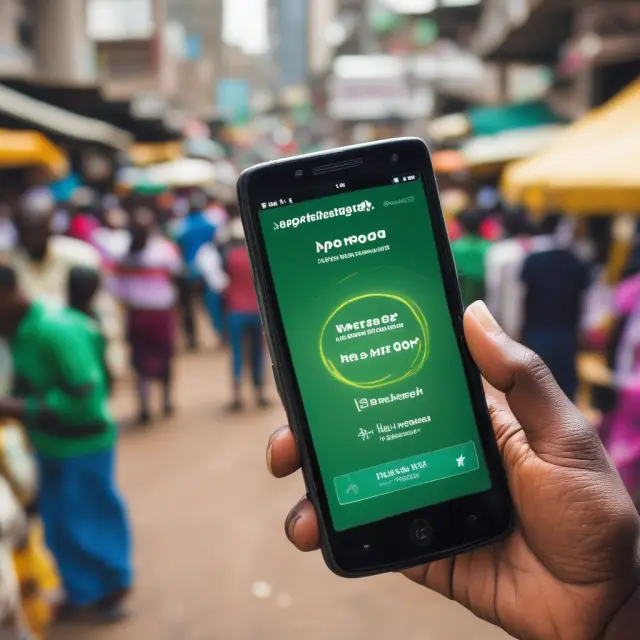
M-Pesa: A Mobile Banking Innovation in Kenya
Mobile banking has been a revolutionary development for Kenya’s economy. M-Pesa, a mobile money transfer service launched in 2007 by Safaricom, the largest mobile phone operator in Kenya, has significantly impacted financial inclusion and access to banking services within the country. The name “M-Pesa” comes from two Swahili words: ‘M’ for mobile and ‘Pesa’ meaning money or payment.
Before M-Pesa’s introduction, Kenyans relied on cash transactions and informal networks for financial services. However, M-Pesa changed the landscape by enabling users to store money in their mobile phones and transfer funds directly from one phone to another, even across long distances. It allowed people who had previously been excluded from traditional banking systems to participate in Kenya’s growing economy.
M-Pesa acts as a digital wallet, allowing users to deposit, withdraw, and send money using their mobile phones. The service is accessible through various channels such as USSD codes, the M-Pesa app, or even via SMS text messages. It also offers additional services like paying bills, purchasing goods and services, and making international transfers.
The impact of M-Pesa on Kenya’s financial sector has been significant. As of 2018, more than 75% of Kenyan adults used mobile money services, with 96% of these transactions being person-to-person (P2P) transfers. This widespread adoption has resulted in an increase in the formalization and digitalization of Kenya’s economy. It also reduced the need for carrying cash, which was often a target for theft and crime.
One critical aspect of M-Pesa is its security features. Mobile money transfers are secured using a unique PIN code that users create when they register for the service. Additionally, transactions can be traced and monitored through mobile network operators, ensuring safety from potential fraud or theft.
In 2019, Vodafone Group, Safaricom’s parent company, announced that it had processed over $100 billion in transactions through M-Pesa since its launch. The service now operates in several African countries such as Tanzania, Ethiopia, and South Africa, demonstrating its success and potential for further growth.
As Kenya continues to develop economically, the role of digital financial services like M-Pesa will be crucial in enabling greater financial inclusion and providing people with access to essential banking services. The innovative mobile money service has transformed the way Kenyans manage their finances, offering a testament to the country’s adaptability and resilience in the face of economic challenges.

The Kenyan Shilling’s Place in East Africa’s Currency Landscape
Understanding the regional currency landscape is essential to comprehending the significance of the Kenyan shilling (KES) within Africa. As the official currency of Kenya, it stands alongside other currencies such as the Ugandan shilling and Tanzania’s Tanzanian shilling in the East African Community (EAC). The Kenyan shilling is not only a domestic currency but also functions as a stable alternative for neighboring countries like Sudan and Somalia.
Kenya’s Currency – A Regional Stalwart
Compared to other regional currencies, the Kenyan shilling has proven its stability since its introduction in 1966. With a relatively lower exchange rate volatility, it offers an attractive store of value for individuals and businesses in the region. The Kenyan shilling’s prevalence is not only due to its stability but also its adaptability as a means of exchange and unit of account within East Africa.
Comparing Regional Currencies: A Snapshot
Let’s take a brief look at how the Kenyan shilling stacks up against other regional currencies, such as Ugandan shilling (UGX) and Tanzania’s Tanzanian shilling (TZS). As of Sep. 1, 2022, USD $1 is approximately equivalent to:
– 3,679 UGX
– 2,354 TZS
– 120 KES
As shown in the table below, while the Kenyan shilling’s exchange rate against the US dollar is stronger than its neighbors, it remains relatively weaker compared to the U.S. dollar.
| Currency | Exchange Rate (USD $1) |
| — | — |
| KES – Kenyan Shilling | 120 |
| UGX – Ugandan Shilling | 3,679 |
| TZS – Tanzania’s Tanzanian Shilling | 2,354 |
Kenya: A Regional Economic Powerhouse
As a stable and widely-used currency in East Africa, the Kenyan shilling plays an essential role in regional commerce. Kenya’s economy has seen steady growth over the past decade, with its Gross Domestic Product (GDP) increasing from $57.9 billion in 2012 to $103.8 billion in 2021. This growth is driven by sectors such as manufacturing, tourism, and construction, which have attracted foreign investment and created jobs.
Exchange Rate Trends: Past, Present, and Future
Since the Kenyan shilling first weakened against the U.S. dollar in 2016, it has fluctuated around a value of 100 KES to USD $1. This trend can be attributed to various factors, including external economic pressures from oil prices and internal issues like public debt. The exchange rate’s stability relative to its neighbors, however, is a significant factor in maintaining confidence among traders and investors within the region.
In conclusion, the Kenyan shilling holds an essential place in East Africa’s currency landscape. As a stable and widely-used currency, it plays a vital role in regional commerce and offers a store of value for individuals and businesses in neighboring countries. With steady economic growth and continued support from the Central Bank of Kenya, the Kenyan shilling is well-positioned to remain an essential component of the East African monetary system.

Currency Conversion Tools: Helping Investors Stay Informed
While investing in foreign currencies can be an exciting and profitable venture, it’s essential to stay informed about exchange rates and market trends. This is especially true for those interested in the Kenyan shilling (KES). Here, we will explore various online tools, apps, and market information sources that help investors remain knowledgeable about Kenya’s currency and the broader financial landscape.
**Online Currency Conversion Tools:**
1. XE.com: This website provides real-time exchange rates and historical data for over 180 currencies, including KES. It also offers tools like a currency converter calculator, forecasts, and alerts.
2. OANDA: With its Currency Converter Widget, you can easily convert between various currencies, including KES, on any website or blog. Additionally, OANDA provides historical exchange rates, charts, and currency analysis.
3. Google Finance: Google’s financial service offers real-time exchange rates for multiple currencies, along with news, stock quotes, and other market data.
**Mobile Apps:**
1. XE Currency: This app provides live exchange rates and historical charts for 180+ currencies. Users can set custom alerts for specific currency pairs and create watchlists to monitor exchange rate trends.
2. TransferWise: With real-time exchange rates, borderless multi-currency accounts, and low transfer fees, this app is a popular choice among travelers and expats dealing with multiple currencies, including KES.
**Market Information Sources:**
1. Central Bank of Kenya: The central bank’s website offers real-time exchange rates, monetary policy updates, and financial market news related to the Kenyan shilling.
2. Reuters: This global news organization covers major financial events and currency market movements affecting KES and other currencies, providing valuable insights for investors.
3. Bloomberg: As one of the world’s leading business and financial information providers, Bloomberg offers comprehensive coverage of the Kenyan shilling, as well as real-time market data and analysis.
Staying informed is crucial when investing in foreign currencies, especially those like the Kenyan shilling, which can be influenced by a range of economic factors. By utilizing these resources, investors can make more informed decisions, manage risk, and capitalize on opportunities as they arise.

The Future of the Kenyan Shilling (KES)
Since its introduction in 1966 as Kenya’s official currency, the Kenyan shilling (KES) has remained one of the most stable currencies in East Africa, making it a popular choice for individuals and organizations seeking an alternative to more volatile regional currencies. In recent years, however, the Kenyan shilling has faced various challenges that have affected its exchange rate against other major global currencies, notably the U.S. dollar. Understanding these challenges and their potential impact on the future of the Kenyan shilling is crucial for investors, businesses, and individuals seeking to make informed decisions regarding KES-denominated assets or transactions.
Trends and Developments Affecting the Kenyan Shilling
1. Public Debt: In the past decade, Kenya’s public debt has been a significant concern, rising from 40% of the Gross Domestic Product (GDP) in 2013 to over 60% in 2022. This increase in public debt puts pressure on the Kenyan shilling’s value due to concerns that the country may be unable to repay its debts, leading investors to sell off their holdings of KES, causing a decrease in demand for the currency and further weakening its exchange rate against major currencies.
2. Inflation: Kenya has experienced high inflation rates over the past decade. According to the World Bank, inflation reached an average rate of 10.1% in 2013 but dropped to around 4.5% in 2019. Although lower than the 2013 levels, these inflation figures still affect consumer purchasing power and can lead to decreased confidence in the Kenyan shilling, potentially resulting in capital flight and further pressure on the currency’s exchange rate.
3. Interest Rates: The Central Bank of Kenya (CBK) has responded to these challenges by raising interest rates to combat inflation and stabilize the value of the shilling. In 2016, the CBK raised its benchmark interest rate from 9% to 12%. While this helped curb inflation, it also made borrowing more expensive for businesses and individuals, reducing investment in the country and potentially slowing down economic growth.
Expected Developments for the Kenyan Shilling
Despite these challenges, there are several potential positive developments on the horizon that could strengthen the Kenyan shilling:
1. Infrastructure Development: Kenya’s infrastructure development is expected to continue, with significant investments in roads, energy, and telecommunications. This investment will attract foreign companies seeking to expand their operations into the country, increasing demand for the Kenyan shilling and potentially stabilizing its exchange rate against major currencies.
2. Debt Restructuring: The Kenya government is working on restructuring its public debt, with the International Monetary Fund (IMF) providing technical assistance to help the country meet its debt obligations. Successful debt restructuring could lead to increased investor confidence in the Kenyan shilling and a potential recovery of its value against major currencies.
3. Economic Diversification: Kenya’s economy is heavily reliant on agriculture, which accounts for over 25% of its GDP. By diversifying into other sectors such as manufacturing, technology, and renewable energy, Kenya can reduce its dependence on a single industry and increase the resilience of its economy. This economic diversification could lead to increased confidence in the Kenyan shilling and potentially strengthen its exchange rate against major currencies.
In conclusion, understanding the future of the Kenyan shilling requires an awareness of both the challenges it faces, such as public debt, inflation, and interest rates, as well as potential positive developments like infrastructure development, debt restructuring, and economic diversification. As these trends unfold, investors and individuals seeking to make informed decisions regarding KES-denominated assets or transactions will need to closely monitor the Kenyan shilling’s exchange rate against major currencies and remain adaptive to changing market conditions.
FAQ: Commonly Asked Questions about the Future of the Kenyan Shilling (KES)
- What factors could influence the value of the Kenyan shilling in the future? Factors such as public debt, inflation, interest rates, and economic growth will impact the future value of the Kenyan shilling.
- Is Kenya’s infrastructure development a positive sign for the Kenyan shilling? Yes, infrastructure development can lead to increased investment in the country, potentially stabilizing the value of the Kenyan shilling against major currencies.
- Could debt restructuring help strengthen the Kenyan shilling? Successful debt restructuring could increase investor confidence in the Kenyan shilling and potentially recover its value against major currencies.
- How can economic diversification benefit the Kenyan shilling? By reducing the country’s dependence on a single industry, economic diversification can increase the resilience of Kenya’s economy and potentially strengthen the exchange rate of the Kenyan shilling against major currencies.

FAQ: Commonly Asked Questions about the Kenyan Shilling (KES)
What is the Kenyan shilling (KES)?
The Kenyan shilling (KES) is Kenya’s official currency, used within Kenya and in some neighboring countries. It is subdivided into 100 cents.
When was the Kenyan shilling introduced?
The Kenyan shilling was introduced in 1966 to replace the East African Shilling that had circulated in British-controlled areas of East Africa since the 1920s.
How is the exchange rate for the Kenyan shilling determined?
The Central Bank of Kenya manages the Kenyan shilling and allows its exchange rate to float freely within the global forex market.
What influences the value of the Kenyan shilling against other currencies?
The value of KES is partly influenced by economic growth and stability in Kenya, as well as investors’ desire for assets denominated in shillings.
What are the key economic indicators that affect the Kenyan shilling’s valuation?
Kenya’s GDP growth rate, public debt levels, and global market conditions all play a role in determining the exchange rate of KES against other currencies.
How does M-Pesa, a mobile banking service, impact the use of the Kenyan shilling?
M-Pesa has increased financial inclusion by providing an alternative way for people to store and transfer money using their mobile phones, increasing demand for the Kenyan shilling within Kenya and neighboring countries.
What is the current exchange rate between USD and KES?
As of September 1st, 2022, USD $1 is roughly equivalent to 120 KES.
Why has the value of the Kenyan shilling weakened against the US dollar since 2016?
The weakening trend can be attributed to increased public debt levels and concerns about economic instability, causing investors to demand higher interest rates on assets denominated in US dollars relative to KES.
What is the role of the Central Bank of Kenya in managing the currency?
The Central Bank of Kenya manages the Kenyan shilling by implementing monetary policy, maintaining price stability, and promoting financial stability within the country’s economy.
 Next entry · No. 2,692Understanding Key Currencies: The Role of Stable, Global Currencies in International Trade
See also
-
 No. 3,581
10 Apr 2025
22 min
Understanding the Nepalese Rupee (NPR): A Comprehensive Guide
Finance Policy
No. 3,581
10 Apr 2025
22 min
Understanding the Nepalese Rupee (NPR): A Comprehensive Guide
Finance Policy -
 No. 3,331
19 Mar 2025
17 min
Understanding Narrow Money: Definition, Components, and Significance
Finance Policy
No. 3,331
19 Mar 2025
17 min
Understanding Narrow Money: Definition, Components, and Significance
Finance Policy -
 No. 2,406
03 Jan 2025
24 min
Understanding the Indian Rupee: A Comprehensive Guide to INR
Forex & Currency Markets
No. 2,406
03 Jan 2025
24 min
Understanding the Indian Rupee: A Comprehensive Guide to INR
Forex & Currency Markets -
 No. 5,437
08 Sep 2025
14 min
Variable-Rate Certificate of Deposit (CD): How Adjustable-Rate CDs Work
Finance Policy
No. 5,437
08 Sep 2025
14 min
Variable-Rate Certificate of Deposit (CD): How Adjustable-Rate CDs Work
Finance Policy -
 No. 4,443
19 Jun 2025
19 min
Understanding Currency Revaluation: Effects, Causes, and Implications
Finance Policy
No. 4,443
19 Jun 2025
19 min
Understanding Currency Revaluation: Effects, Causes, and Implications
Finance Policy -
 No. 4,170
28 May 2025
22 min
Understanding the Qatari Riyal: The Offical Currency of Qatar
Finance Policy
No. 4,170
28 May 2025
22 min
Understanding the Qatari Riyal: The Offical Currency of Qatar
Finance Policy