Understanding Kondratieff Waves: Long-Term Economic Cycles

Explore the economic concept of Kondratieff Waves: long-term cycles affecting productivity, inflation, & prosperity. Understand components, phases…
Overview of Kondratieff Waves
The economic concept of Kondratieff Waves refers to long-term cycles that have been observed in capitalist economies since the late 18th century. Lasting approximately 40 to 60 years, these “super-cycles” or “long waves,” as they are also known, signify periods of evolution and self-correction brought about by technological innovation. The theory was first introduced by Russian economist Nikolai D. Kondratieff, who noticed that agricultural commodity and copper prices exhibited long-term cycles.
Kondratieff Waves’ significance lies in their ability to provide insights into understanding the patterns and trends in the economy over extended periods. Although initially disregarded in his home country, this heterodox economic theory (nonconformist to orthodox theories) has gained traction among scholars and investors alike.
Since their inception, economists have identified five distinct Kondratieff Waves:
- The first cycle emerged during the late 18th century with the advent of the steam engine.
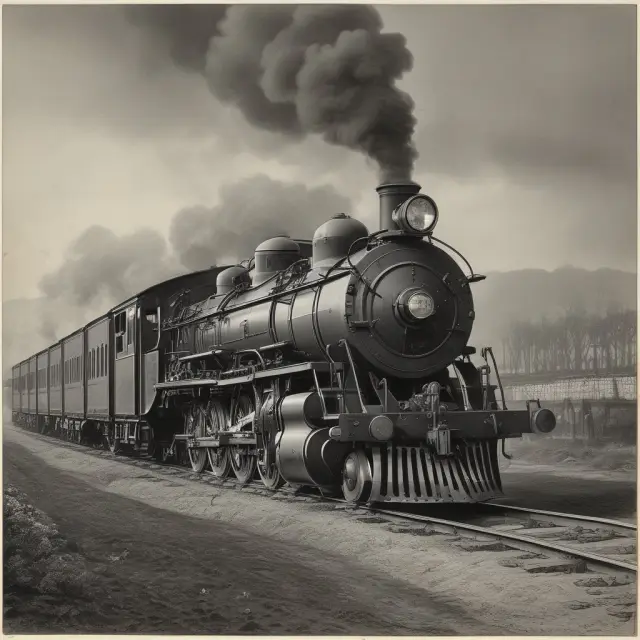
- The second wave, starting around 1830, was fueled by the industrial revolution and the widespread use of steel and railroads.
- The third wave took shape in the late 19th century, driven by electrification and innovations in the chemical industry.
- The fourth cycle commenced around 1930 and was characterized by automobiles and petrochemicals.
- The fifth wave began in the early 1970s, with information technology being the primary catalyst.
Each Kondratieff Wave consists of four distinct sub-phases or seasons (spring, summer, autumn, winter) that shape economic conditions and trends:
Spring: During this phase, productivity increases alongside inflation, leading to a significant boom in the economy.
Summer: Affluence levels rise, which subsequently changes attitudes towards work, causing a deceleration of economic growth.
Autumn: Stagnating economic conditions give rise to deflationary growth spirals and isolationist policies, further limiting prospects for growth.
Winter: Economies face debilitating depressions that can tear apart the social fabric as the gulf between “haves” and “have-nots” widens dramatically.
These cycles offer valuable insights into long-term economic trends and provide a framework for investors to make informed decisions. By understanding Kondratieff Waves, one can gain a better perspective on which themes, sectors, or asset classes may perform well during different phases of these long-term cycles.
The theory also sheds light on the interconnectedness between technological advancements and economic growth over extended periods. The next sections will delve deeper into Kondratieff’s background, key components of a Kondratieff Wave, identifying its phases, the relationship with technological advancements, critiques surrounding the theory, and implications for investors.
Background and History of Kondratieff Waves
Nikolai Dmitriyevich Kondratieff (1892–1938), a Russian economist, is the originator of the Kondratieff Wave theory. This groundbreaking concept suggests that capitalist economies experience long-term cycles, referred to as Kondratieff waves or super-cycles, lasting approximately 40 to 60 years. These self-correcting, technological innovation-driven phenomena can be traced back to the late 18th century, with each cycle bringing about a period of prosperity, followed by a recession and subsequent recovery.
Kondratieff’s theory was born out of his observations of agricultural commodity and copper price trends in the early 20th century. He believed that these cycles were not random but instead part of a broader pattern driven by technological advancements. However, Kondratieff Waves faced significant resistance during his time, both in Russia and among mainstream economists, due to their deviation from popular economic theories.
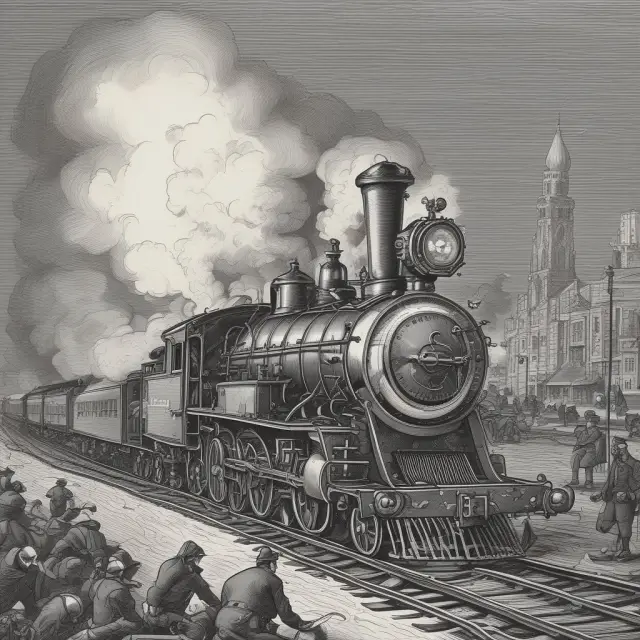
The first identified Kondratieff Wave occurred during the late 18th century, coinciding with the invention of the steam engine that ushered in an era of industrialization. The second wave was fueled by the steel industry and railroads between 1830 and 1880, while the third wave, from 1880 to 1930, was characterized by electrification and innovations in the chemical sector. Most recently, the fourth wave, which began in 1930 and lasted until 1970, was driven by automobiles and petrochemicals. The fifth Kondratieff Wave, initiated by information technology since 1970, is still ongoing or potentially transitioning to a sixth wave, with biotechnology and healthcare as potential drivers.
Despite the initial skepticism surrounding his theories, Nikolai Kondratieff’s work has gained increased attention and relevance in recent decades due to its potential implications for understanding economic trends and shaping investment strategies. However, it is important to note that this heterodox theory remains outside the mainstream of orthodox economics.
Kondratieff’s life came to a tragic end under Stalinist rule when he was imprisoned and eventually executed in 1938. His work on Kondratieff Waves was a significant contribution to economics, despite its unpopularity during his time and the circumstances of his untimely demise. Understanding this economic theory provides valuable insights into long-term cycles and their implications for financial markets and investment strategies.

Key Components of a Kondratieff Wave
A Kondratieff Wave, named after Russian economist Nikolai Kondratieff, is a long-term economic cycle that lasts approximately 40 to 60 years. This theory, which is also referred to as super-cycles, K-waves, surges, and long waves, suggests that capitalist economies undergo cyclical evolution and self-correction influenced by technological innovations. In this section, we’ll delve deeper into the four primary components of a Kondratieff Wave: innovation, productivity, inflation, and economic prosperity.
Innovation
The cornerstone of a Kondratieff Wave is technological innovation, which sets off each cycle. This innovation drives long-term structural changes in an economy, leading to new industries, increased efficiency, and overall progress. Examples of past technological innovations that initiated long economic cycles include the invention of the steam engine during the 18th century (first Kondratieff Wave) and the emergence of information technology in the late 20th century (fifth Kondratieff Wave).
Productivity
The second key component is productivity. During the boom phase, or spring, of a Kondratieff Wave, productivity increases dramatically as new technologies and production methods are adopted across industries. This leads to overall economic growth, rising living standards, and a sense of prosperity. However, during the winter phase, when economic conditions become challenging, productivity tends to decline as industries struggle to adapt to changing market conditions or face labor shortages.
Inflation
The third component is inflation. During the spring phase, as demand for goods and services grows in response to new innovations, prices rise. This inflationary trend can continue throughout much of the cycle but eventually subsides during the winter phase when economic conditions worsen. High inflation rates can negatively impact an economy by eroding purchasing power, increasing costs for businesses, and potentially leading to social unrest.
Economic Prosperity
The fourth component is economic prosperity. The long-term economic cycles brought about by Kondratieff Waves are characterized by periods of sustained growth and overall improvement in living standards. This prosperity can be seen not only in the expansion of industries but also in the creation of new markets, the development of infrastructure, and improvements in education and healthcare.
In conclusion, the concept of a Kondratieff Wave provides valuable insights into long-term economic cycles by highlighting the role of technological innovation and its impact on productivity, inflation, and overall prosperity. Understanding these components is crucial for investors and policymakers alike as they navigate the complexities of the global economy.
In the following sections, we’ll explore each phase of a Kondratieff Wave and examine their implications for financial markets. By gaining a deeper understanding of this theory, you’ll be better equipped to make informed investment decisions and stay ahead of the curve in an ever-changing economic landscape.
Identifying Phases of a Kondratieff Wave
A Kondratieff Wave is a long-term economic cycle that goes through distinct phases, each with its unique characteristics. Economists have identified five such cycles since the late 1700s, with technological innovation playing a significant role in driving these long cycles. The four sub-cycles, or phases, of a Kondratieff Wave are spring, summer, autumn, and winter, each with its impact on economic conditions.
Spring: The Spring Phase – Economic Boom and Inflation
The first phase of a Kondratieff Wave is the spring, characterized by an increase in productivity along with inflation, resulting in an economic boom. Technological innovations fuel this growth period, as evidenced during the industrial revolution’s spring phase when steam engines, iron, and textiles transformed the economy.
Summer: The Summer Phase – General Affluence and Changing Attitudes
The summer phase of a Kondratieff Wave sees an increase in the general affluence level, leading to changing attitudes towards work. During this period, workers begin to demand shorter working hours, better wages, and increased leisure time. As a result, economic growth decelerates due to these new social conditions.
Autumn: The Autumn Phase – Deflationary Growth Spiral and Isolationist Policies
As the economy enters the autumn phase of a Kondratieff Wave, stagnating economic conditions give rise to a deflationary growth spiral. This phase is marked by falling prices, reduced investment, and widespread unemployment. In response, governments often adopt isolationist policies that further curtail growth prospects.
Winter: The Winter Phase – Debilitating Depression and Social Disintegration
The final phase of a Kondratieff Wave is winter, characterized by an economy in the throes of a debilitating depression that tears the social fabric of society. During this period, the gulf between the ‘haves’ and the ‘have-nots’ increases dramatically, leading to significant social unrest and potential political upheaval.
Understanding these phases can be crucial for investors seeking to navigate long-term economic cycles. By anticipating the shifts in productivity, inflation, and growth patterns, they may be able to make informed decisions about where to invest their capital for optimal returns. However, it is important to keep in mind that this theory does not have a perfect track record and should not be considered the definitive guide to investment strategies. Instead, it serves as an interesting framework for understanding long-term economic trends and cycles.
Technological Advancements and Kondratieff Waves
The concept of Kondratieff Waves has long been associated with the impact of technological advancements on economic prosperity and growth. The theory, introduced by Russian economist Nikolai D. Kondratieff (also spelled ‘Kondratiev’), suggests that long-term economic cycles are driven primarily by breakthrough technologies and their subsequent innovations.
According to Kondratieff Wave Theory, technological revolutions pave the way for new industries and markets, leading to a long period of growth and prosperity, which later gives way to recession or depression due to the maturity of these technological advancements. Let’s dive deeper into the role of technology in Kondratieff Waves:
The Origin of Kondratieff Waves
Kondratieff first observed long-term cycles during his research on agricultural commodity and copper prices, which he attributed to technological innovation. He recognized that these cycles involved periods of evolution and self-correction, and were approximately 40 to 60 years in length. Kondratieff Waves can be traced back to the late 18th century with the invention of the steam engine, followed by the steel industry and the spread of railroads (1780-1830), electrification and innovation in the chemical industry (1830-1880), autos and petrochemicals (1930-1970), and most recently, information technology (1970 – present). Some economists argue that we are on the brink of a sixth wave, driven by biotechnology and healthcare.
Technological Cycles and Kondratieff Waves: A Connection
Each technological revolution brings about new industries, markets, and societal changes that contribute to economic growth and prosperity. During the spring phase, productivity increases along with inflation, leading to an economic boom. In the summer phase, increased affluence leads to changing attitudes toward work, decelerating economic growth. Autumn sees stagnating conditions, which give rise to deflationary pressures that result in isolationist policies and further curtail growth prospects. Eventually, economies enter the winter phase, characterized by a debilitating depression that tears the social fabric as the number of “haves” shrinks while the “have-nots” expand dramatically (Refer to our earlier article for detailed descriptions of these phases).
Technological Advancements and Economic Cycles
It is important to note that Kondratieff Waves are not directly related to business or investment cycles, which are typically measured in years rather than decades. Instead, they represent a broader, long-term perspective on economic growth and the role of technological advancements. Understanding this relationship can be crucial for investors seeking to capitalize on market trends driven by these cycles and positioning their portfolios accordingly.
The next section will explore the debate surrounding Kondratieff Waves and alternative perspectives on long-term economic cycles. By understanding the link between technological advancements and Kondratieff Waves, we can gain valuable insight into the economic dynamics shaping our world. Stay tuned for more!

The Debate Surrounding Kondratieff Waves
Kondratieff Wave theory has been debated among economists since its conception, with various critiques and counterarguments shaping the discourse surrounding this fascinating economic concept. One common criticism revolves around the accuracy of historical data used to identify Kondratieff cycles. Critics argue that the identification of these long waves is based on a subjective interpretation of the available data, making it difficult to validate or disprove objectively (Taylor, 1994).
Moreover, some economists question whether technological innovation alone can explain these economic cycles and attribute them instead to political and social factors. For instance, Robert Solow, a prominent Nobel laureate economist, has criticized the Kondratieff Wave theory by stating that “the long swings are not autonomous phenomena but rather ‘conjunctions’ of more basic economic, social, and political forces” (Solow & Tsuru, 1967).
Others have pointed to potential improvements in the Kondratieff Wave theory by incorporating additional factors such as demographic changes or monetary policy. For example, Christopher Catherwood has suggested that population aging can influence the timing and duration of economic cycles (Catherwood & Maddison, 1993).
Despite these debates, many economists still find value in Kondratieff Waves as a framework to better understand long-term economic trends. By studying the historical evidence and considering alternative explanations for these patterns, we can deepen our understanding of the role that technological innovation plays in shaping the course of economic growth over extended periods.
In conclusion, the Kondratieff Wave theory remains a topic of ongoing debate and exploration within the realm of economics. While some skepticism exists regarding its accuracy and validity, it provides valuable insights into long-term economic cycles and their connection to technological innovation. As we continue to study historical data and explore new perspectives on this fascinating concept, we can better equip ourselves with the knowledge necessary to anticipate and adapt to the evolving economic landscape.
FAQs about Kondratieff Waves:
- Q: What are some criticisms of the Kondratieff Wave theory? A: Critics argue that historical data used to identify these cycles is subjectively interpreted, and some economists suggest that technological innovation alone cannot explain economic cycles; instead, they attribute them to political and social factors.
- Q: Are there alternative explanations for long-term economic cycles besides Kondratieff Waves? A: Some economists propose incorporating additional factors such as demographic changes or monetary policy into the analysis of economic cycles.
- Q: What value does understanding Kondratieff Waves provide to investors? A: Understanding Kondratieff Waves can help investors anticipate and adapt to long-term trends in the economy, potentially leading to better investment strategies based on themes, sectors, or asset classes that perform well during different phases.
- Q: Is there any evidence that technological innovation causes Kondratieff Waves? A: Historical data shows that periods of significant technological innovation coincide with economic upturns and downturns, suggesting a connection between the two; however, further research is needed to establish a definitive causal link.
- Q: Who was Nikolai D. Kondratieff? A: Nikolai Dmitriyevich Kondratieff (1892-1938) was a Russian economist who first proposed the theory of long waves in capitalist economies, which later came to be known as Kondratieff Waves. He identified four major economic cycles in history and believed that they were driven by technological innovation.
- Q: What are the main components of a Kondratieff wave? A: The main components of a Kondratieff wave include innovation, productivity, inflation, and economic prosperity. Innovation acts as the driving force behind each cycle, leading to increased productivity and subsequent economic growth. Inflation follows during the boom phase, while economic prosperity reaches its peak before giving way to stagnation and eventual depression.
- Q: What are the four phases of a Kondratieff wave? A: The four phases, or sub-cycles, of a Kondratieff Wave include spring (innovation), summer (growth), autumn (stagnation), and winter (depression). Each phase represents a distinct economic condition, with the length and intensity of each varying from cycle to cycle.

Kondratieff Waves and Market Cycles
Understanding the relationship between long-term economic cycles (Kondratieff waves) and shorter market cycles is crucial for investors seeking to make informed decisions and capitalize on market trends. While Kondratieff Waves, or super-cycles, are characterized by their length (approximately 40 to 60 years), the connection with market cycles sheds light on the implications for specific industries, sectors, and assets.
Market cycles, typically ranging from weeks to several months, are influenced by factors like business cycles, interest rates, or economic indicators. Business cycles consist of expansion (booms) followed by contraction (recessions), while investor sentiment is shaped by a variety of emotions, such as fear and greed. Market cycles can impact asset classes differently; for example, stocks may perform well during certain expansionary periods but underperform in recessions.
The connection between Kondratieff Waves and market cycles reveals that long-term economic shifts influence short-term market dynamics. Technological advancements that occur during the innovational phase of a Kondratieff Wave, such as the Industrial Revolution, the rise of electricity, or the Information Age, can create substantial market trends that persist for decades. These long-lasting trends impact various industries and sectors differently, leading to different market cycles over the course of the entire Kondratieff wave.
For instance, during a phase where productivity growth is prominent (spring), economically sensitive sectors like industrial production or capital goods may outperform. Conversely, during the autumn phase of stagnating economic conditions, sectors such as consumer staples or defensive industries can thrive due to their resilience during downturns.
Understanding the relationship between long-term economic cycles (Kondratieff waves) and shorter market cycles is essential for investors seeking to create robust investment strategies that capitalize on market trends while considering risks associated with short-term market fluctuations. By understanding the underlying factors driving Kondratieff Waves, investors can better position their portfolios to benefit from changing economic conditions over extended periods.
In conclusion, recognizing the connection between Kondratieff waves and market cycles enhances an investor’s ability to make informed decisions based on both long-term trends and short-term fluctuations. By understanding how technological advancements influence economic structures over decades, investors can better allocate their assets and manage risks in a dynamic market environment.

Implications for Investors
Understanding Kondratieff Waves can be a valuable tool for investors, as they provide insights into long-term trends that can guide strategic investment decisions. While it is crucial to recognize that the theory does not guarantee future outcomes, recognizing patterns and understanding historical data can offer a foundation for making informed decisions.
Investors should consider several implications of Kondratieff Waves when considering their portfolio strategies:
1. Identifying Themes and Sectors
Understanding which stage of the Kondratieff cycle an economy is in can help investors identify the sectors that are most likely to outperform during that particular phase. For instance, during the ‘spring’ or growth phase, sectors like technology, healthcare, and consumer discretionary tend to thrive as productivity increases and economic conditions improve. During the ‘winter’ or depression phase, on the other hand, defensive sectors such as utilities, consumer staples, and healthcare can offer stability and protection from market volatility.
2. Asset Allocation
As each Kondratieff wave phase has distinct characteristics, it is essential for investors to adjust their asset allocation accordingly. During the growth or spring phase, a more aggressive approach focusing on equities could be considered. Conversely, during the winter or depression phase, investors may want to consider shifting towards more conservative fixed-income investments and alternative assets like gold or commodities.
3. Timing Investments
While predicting the exact timing of Kondratieff Waves can be challenging, understanding their historical patterns can help guide investment decisions. For example, investing in a particular sector during its historically strong phase could lead to above-average returns. However, it is essential to note that investing based on Kondratieff cycles alone may not provide complete protection against market downturns or unforeseen events.
4. Long-term Planning
Understanding the long-term implications of Kondratieff Waves can help investors plan their retirement strategies, estate planning, and wealth preservation. By recognizing which phase an economy is in and anticipating what sectors may perform well during that phase, individuals can make informed decisions about when to invest, hold, or divest assets to align with their financial goals.
5. Staying Informed and Flexible
A critical aspect of utilizing Kondratieff Waves for investment strategies is staying informed about global economic conditions, technological trends, and geopolitical events that can impact long-term cycles. Being adaptive to changes in the economy and adjusting your portfolio accordingly is essential to maximize potential returns while minimizing risks.
In conclusion, recognizing the potential implications of Kondratieff Waves for investors provides a framework for making strategic investment decisions based on historical trends and economic patterns. While there are no guarantees when it comes to investing, a solid understanding of these long-term cycles can serve as an essential foundation for building a successful and diversified investment portfolio.

Conclusion: The Value of Understanding Kondratieff Waves
Understanding the concept of Kondratieff waves, or long-term economic cycles, offers valuable insights into the evolution and self-correction that economies undergo throughout history. Originally proposed by Russian economist Nikolai D. Kondratieff in the 1920s, these cycles have since been linked to approximately four to six decades of prosperity driven by technological innovation (Kondratiev, 1925). Despite the initial skepticism and resistance from both Soviet authorities and mainstream economists, the theory has gained considerable attention for its ability to provide a framework for understanding historical economic trends.
One essential facet of Kondratieff waves is their recognition that capitalist economies experience not only periods of growth but also prolonged downturns. These cycles are marked by distinct phases—spring, summer, autumn, and winter (Barnett & Marqusee, 1987). During the spring phase, innovation leads to a productivity surge and inflation, causing an economic boom. In summer, there is a shift in attitudes toward work that results in a deceleration of growth. The autumn phase witnesses stagnating economic conditions giving rise to deflationary spiral and isolationist policies, further curtailing growth prospects. Finally, the winter phase signifies an economy in the throes of a debilitating depression, tearing apart the social fabric of society as the gulf between haves and have-nots widens dramatically (Rostow, 1964).
Kondratieff waves can provide investors with a framework for long-term investment strategies. By understanding the nature of these cycles, one might be able to identify specific sectors or themes that perform well during various phases. For instance, investments in technology and innovation during the spring phase could lead to substantial returns. Conversely, defensive sectors like healthcare and utilities may outperform during the winter phase (Carlson et al., 2017).
It is important to note that Kondratieff waves are not a precise predictive model. The theory serves more as a framework for understanding long-term economic trends. Moreover, it is essential to recognize that other factors like monetary and fiscal policies and geopolitical events can influence these cycles (Bernholz, 1997).
The historical significance of Kondratieff waves has been debated extensively over the years. Some economists argue that the theory is not robust enough due to its lack of precision and predictive power (Rostow, 1964). Others believe that the concept of long-term economic cycles exists but that other models like the business cycle or Schumpeterian creative destruction can better explain short- and medium-term phenomena (Schumpeter, 1939).
Regardless of these debates, understanding Kondratieff waves offers value in its ability to provide a historical context for economic trends. By recognizing the evolutionary nature of capitalist economies and their inherent cycles, investors can develop more nuanced perspectives on long-term investment opportunities and potentially gain an edge in a complex and ever-changing global economy.
FAQs about Kondratieff Waves
What is the origin of the term “Kondratieff Wave”?
The term ‘Kondratieff Wave’ refers to economic cycles, lasting approximately 40 to 60 years, experienced by capitalist economies. This long-term economic theory was named after Russian economist Nikolai D. Kondratieff, who discovered these long-term trends during his research on agricultural commodity and copper price data in the early 20th century.
What are the components of a Kondratieff Wave?
A Kondratieff Wave is composed of four main components: innovation, productivity, inflation, and economic prosperity. These elements influence one another throughout the cycle, resulting in periods of growth, correction, and stagnation.
What are the four phases or sub-cycles in a Kondratieff Wave?
A Kondratieff Wave can be divided into four distinct phases: spring (innovative expansion), summer (sustained growth), autumn (stagnation), and winter (depression). During each phase, economic conditions evolve differently, leading to unique opportunities for investors.
What are some criticisms of the Kondratieff Wave theory?
While some economists support the idea of long-term economic cycles, others have raised concerns about its validity. Critics argue that there is no definitive empirical evidence supporting a consistent 40 to 60-year cycle in economic data. Moreover, they point out that certain factors, such as wars or political instability, can disrupt the pattern and create inconsistencies.
What are some potential improvements to the Kondratieff Wave theory?
Despite criticisms, several economists have attempted to refine the Kondratieff Wave theory by incorporating additional factors, such as demographics or globalization, to better explain long-term economic trends. These improvements aim to provide a more nuanced understanding of how various forces interact during cycles.
What impact does technology have on Kondratieff Waves?
Technological innovation plays a significant role in driving the long-term trends identified by Kondratieff Waves. As new technologies emerge, they revolutionize industries and create opportunities for economic growth, ultimately shaping the course of these cycles.
Does Kondratieff Wave theory explain stock market cycles?
While there is some overlap between Kondratieff Waves and stock market cycles, it’s important to note that stock markets are subject to shorter-term fluctuations as well. Understanding both long-term trends (Kondratieff Waves) and shorter-term market cycles can help investors gain a more comprehensive perspective on the financial landscape.
 Next entry · No. 2,732Understanding Kondratiev Waves: The Long-Term Economic Cycle Theory and Its Significance
See also
-
 No. 5,600
22 Sep 2025
16 min
Understanding War Economies: Prioritizing National Security Amidst Conflict
Economics
No. 5,600
22 Sep 2025
16 min
Understanding War Economies: Prioritizing National Security Amidst Conflict
Economics -
 No. 5,180
18 Aug 2025
17 min
Understanding Underemployment: Causes and Consequences
Economics
No. 5,180
18 Aug 2025
17 min
Understanding Underemployment: Causes and Consequences
Economics -
 No. 4,105
22 May 2025
22 min
Understanding the Production Possibility Frontier (PPF): Maximizing Efficiency in Resource Allocation
Economics
No. 4,105
22 May 2025
22 min
Understanding the Production Possibility Frontier (PPF): Maximizing Efficiency in Resource Allocation
Economics -
 No. 3,954
10 May 2025
22 min
Understanding the Permanent Income Hypothesis: Consumer Spending Based on Expected Long-term Average Income
Economics
No. 3,954
10 May 2025
22 min
Understanding the Permanent Income Hypothesis: Consumer Spending Based on Expected Long-term Average Income
Economics -
 No. 3,167
06 Mar 2025
17 min
Understanding Mercantilism: Economic System, History, Characteristics and Impact on Colonies
Economics
No. 3,167
06 Mar 2025
17 min
Understanding Mercantilism: Economic System, History, Characteristics and Impact on Colonies
Economics -
No. 2,732
30 Jan 2025
21 min
Understanding Kondratiev Waves: The Long-Term Economic Cycle Theory and Its Significance
Economics