Understanding Lifetime Cost: The Hidden Expenses of Goods and Services

Understanding hidden expenses over a product's entire lifespan - from components to impact on consumers and businesses.
Introduction to Lifetime Cost
The term “lifetime cost” refers to the total expenses incurred on a product or service over its entire lifespan, inclusive of the initial cost of acquisition. This concept is crucial for both businesses and individuals alike when making significant financial commitments, often denoted as TCO (total cost of ownership). While businesses frequently calculate lifetime costs before investments, many consumers neglect this aspect when purchasing expensive items like homes or vehicles.
The lifetime cost goes beyond the upfront expenditure; it encompasses ongoing expenses such as maintenance, insurance, renovations, and upgrades. Additionally, an often overlooked component is the opportunity cost – the value of alternative uses for that money instead of spending on the product or service.
Understanding Lifetime Cost in Business: Total Cost of Ownership (TCO)
For businesses, accurately estimating lifetime costs before making substantial investments is vital. TCO includes not only the initial purchase price but also ongoing expenses, depreciation, and the cost of lost productivity during upgrades or renovations. A well-calculated TCO can help organizations optimize their spending on assets, software, and services.
Neglected Lifetime Costs for Individuals
Consumers often overlook lifetime costs when purchasing items like homes, cars, or boats. While they might compare prices, features, and deals before buying, the true expense of owning these assets extends far beyond the initial cost. For example, a car’s annual operating cost, as reported by the American Automobile Association, amounts to $9,282, which can add up significantly over the vehicle’s lifetime.
Components of Lifetime Cost: Maintenance and Insurance
The primary components of lifetime costs for individuals include maintenance expenses like repairs and replacements, insurance, and occasional upgrades. For instance, a homeowner may have to replace the roof, heating system, or appliances over time, whereas a car owner must consider ongoing fueling, regular maintenance, and insurance premiums.
Opportunity Cost: The Hidden Expense
The opportunity cost is another essential consideration in evaluating lifetime costs for both businesses and individuals. Opportunity cost refers to the potential benefits given up when choosing one alternative over another. In other words, if an individual purchases a new television instead of investing that money, they have foregone any potential returns on their investment or savings.
Real-World Examples: Lifetime Costs in Everyday Expenses
The impact of lifetime costs can be seen in everyday purchases. For example, buying a car involves more than just the cost of gasoline and insurance; it also includes registration fees, maintenance expenses, potential depreciation, and possible repairs. Moreover, owning a home necessitates ongoing mortgage payments, property taxes, insurance, maintenance, and even renovations. These additional costs can significantly increase the total expense of these items over their lifetimes.
In conclusion, understanding lifetime cost is crucial for both businesses and individuals when making significant financial decisions. By considering all expenses associated with an item or service over its entire lifespan, one can make more informed choices that optimize resources and avoid potential financial pitfalls.

Components of Lifetime Cost
When evaluating the total cost of owning a good or service, it is crucial not to overlook the expenses beyond the initial purchase price. Known as lifetime cost or total cost of ownership (TCO), this metric represents the sum of all costs associated with an asset throughout its entire lifecycle.
Beyond the upfront payment, lifetime costs include the following elements:
1. Maintenance and repairs: Regular maintenance such as oil changes, inspections, and seasonal adjustments can help keep goods functional and increase their longevity. The cost of these routine tasks adds to the overall lifetime cost.
2. Upgrades or renovations: Periodically, assets require updates or improvements to maintain their value or functionality. These upgrades come with additional costs that contribute to the total lifetime cost.
3. Insurance: Protecting valuable items, such as homes and vehicles, with insurance is a necessary expense that must be factored into the lifetime cost.
4. Interest and fees: For those who finance their purchases through loans or credit cards, the lifetime cost includes accrued interest and associated fees.
5. Opportunity costs: The opportunity cost refers to the loss of potential gain from other opportunities when investing resources in a particular asset instead of using them elsewhere. It’s essential to consider the opportunity cost of an investment alongside its lifetime cost to make a well-informed decision.
For instance, let us examine the lifetime cost of owning a car: The primary reason individuals purchase cars is for transportation. When comparing prices, desirable features, and offers, most people focus on the car’s sticker price without considering the ongoing costs throughout its lifecycle.
To calculate the lifetime cost, we need to consider weekly gas fill-ups, periodic oil changes, insurance, licensing fees, vehicle inspections, roadside assistance, car washes, parking or garage rent, and depreciation costs. The American Automobile Association (AAA) reports that the average driver spends around $9,282 per year to own and operate a car.
In conclusion, it is crucial for individuals and businesses to consider the lifetime cost of an asset when making purchasing decisions. By taking into account all associated expenses, including maintenance, upgrades, insurance, opportunity costs, and other ongoing fees, we can make well-informed financial decisions that will save us time and money in the long run.
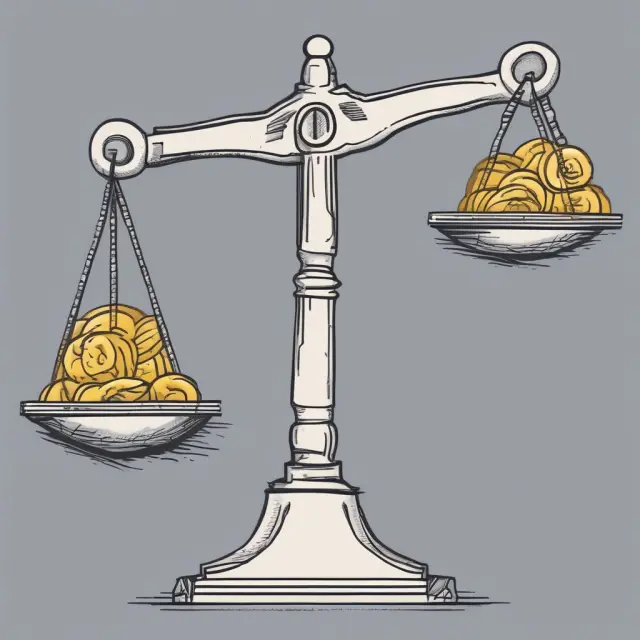
The Impact of Opportunity Costs
Opportunity cost represents a crucial factor when evaluating lifetime costs. The term “opportunity cost” refers to what is lost by choosing one alternative over another. It’s essential for individuals and businesses alike to consider these opportunity costs before making significant financial commitments.
In the context of lifetime cost, this concept means determining how an individual could have utilized their resources—the funds spent on a product or service—had they chosen a different option. Let’s take a deeper look at opportunity cost within various scenarios:
Businesses and Opportunity Cost
When making significant investments in upgrades or renovations, businesses are highly likely to consider the total cost of ownership (TCO). The TCO includes the initial purchase price, as well as the costs associated with maintenance, insurance, and other charges. However, it is equally important for businesses to consider opportunity costs when deciding whether to invest in a particular project. By analyzing the potential return on investment (ROI) versus the alternative uses of funds, a business can make more informed decisions about where to allocate resources.
Opportunity Cost for Individual Consumers
While businesses typically evaluate lifetime costs and opportunity costs carefully, individuals often overlook this crucial factor when making purchasing decisions. For example, consider someone who is debating between purchasing a new laptop or paying off their high-interest debt. Although the new laptop may provide benefits like increased productivity or improved functionality, it also means diverting funds from reducing their debt.
Evaluating opportunity costs can be especially crucial in day-to-day spending decisions. For instance, someone might choose to spend $10 on a latte instead of setting that money aside for an emergency fund. This decision may not seem significant on its own but could lead to larger issues down the line when unexpected expenses arise and there are insufficient funds available.
Lifetime Cost and Credit Card Debt
The impact of opportunity cost is evident in evaluating lifetime costs for debt. For instance, the lifetime cost of holding credit card debt can be substantial due to high-interest rates and fees. By calculating the total interest and charges paid throughout the repayment period, individuals can determine how much they would have saved had they made the necessary payments with cash or other available funds instead of accruing debt.
In conclusion, understanding opportunity costs is a crucial component when evaluating lifetime costs. By considering what could be gained by choosing alternative options, both businesses and consumers can make more informed decisions about their financial commitments.

Calculating Lifetime Cost for Businesses
Businesses often consider the Total Cost of Ownership (TCO) when making major expenditures on goods or services. TCO encompasses a product’s lifetime cost, including its initial purchase price, maintenance costs, upgrades, insurance, and any other related expenses.
To illustrate this concept further, let’s discuss how businesses calculate the TCO of a new printer:
- Initial Cost: The first component is the purchase price of the printer itself.
- Recurring Costs: These costs include routine maintenance (toner, drum replacements, etc.), consumables (paper), and energy usage.
- Opportunity Cost: This represents the cost of using company resources for the purchase instead of other potential investments or uses.
- Disposal Cost: The price to dispose of, recycle, or replace the item once it reaches the end of its useful life.
Understanding the TCO is crucial for businesses because it provides an accurate representation of a product’s true cost and helps them make informed decisions regarding investments and budget allocations. By considering the TCO, organizations can optimize their expenses, improve operational efficiency, and ultimately boost profitability.
In contrast, individual consumers may overlook the importance of calculating the lifetime cost before purchasing a product or service. They might focus solely on the initial price rather than weighing the long-term implications of ownership. However, considering the opportunity cost – what could have been done with the money instead – can help individuals make smarter spending decisions and potentially save significant sums over time.
A prime example is purchasing a car, which involves more costs beyond its sticker price. The car’s lifetime cost includes fuel expenses, insurance premiums, routine maintenance, registration fees, and depreciation. For instance, the average American spends around $9,282 annually to own and operate a vehicle (AAA, 2021). This annual cost can be substantial compared to the car’s original price, emphasizing the importance of taking a long-term perspective when evaluating the lifetime costs of various goods and services.
In conclusion, understanding lifetime cost is an essential aspect of making informed purchasing decisions for both businesses and individuals. By factoring in the total cost over the item’s lifespan, you can make more educated choices that consider not only the initial price but also the long-term impact on your budget and resources.

Lifetime Cost vs. Individual Consumers
While businesses frequently consider the lifetime cost when making major purchases, individuals often overlook this crucial concept before buying goods or services. The lifetime cost encompasses not only the initial price tag but also the ongoing expenses and opportunity costs associated with owning an item over its expected life. Let’s explore how understanding the lifetime cost can be beneficial for individual consumers.
To begin, let us define what constitutes a lifetime cost for an item. In essence, it is the total sum of all the additional expenses, beyond the initial purchase price, that a person will incur to own and use the product throughout its lifetime. These costs may include maintenance fees, insurance premiums, upgrades, or replacement parts. Moreover, they can involve the opportunity cost – the value lost by choosing to buy the item instead of investing, saving or cutting debt.
The significance of considering the lifetime cost for individuals goes beyond simply making informed purchasing decisions. It can help them make more prudent financial choices and potentially save them thousands in the long run. For instance, when evaluating the decision to buy a car, consider its average annual maintenance cost, insurance premiums, fuel expenses, as well as depreciation costs.
A real-world example illustrates the importance of considering lifetime costs for individual consumers. Let’s take the purchase of a new car – a significant investment that most people make at least once in their lives. While focusing solely on the sticker price can be tempting, it only provides a part of the picture. To gain a complete understanding of the financial implications, one should consider the lifetime cost of owning and operating the vehicle. According to the American Automobile Association’s latest survey, the primary reason most people buy a car is for transportation. However, they often overlook the fact that the annual cost of ownership and operation can be much more than the purchase price alone. The average amount it costs to own and operate a car per year is $9,282, which includes the cost of gasoline, maintenance, insurance, license and registration fees, loan finance charges, and depreciation costs.
A consumer who takes a long-term perspective when evaluating lifetime costs may realize that buying a cheaper or older model with lower annual costs could ultimately save them tens of thousands over the vehicle’s life. This is just one example; the same concept applies to various other purchases such as appliances, electronics, and even services like memberships or subscriptions.
In conclusion, understanding lifetime cost and considering it when making purchasing decisions can lead to substantial savings for individual consumers. It not only helps them make more informed financial choices but also allows them to fully grasp the long-term implications of their spending habits. By incorporating this perspective into their decision-making process, they can potentially improve their overall financial wellbeing.

Examples of Lifetime Costs in Everyday Expenses
Understanding lifetime costs is crucial, especially when it comes to making informed decisions regarding significant purchases or investments. In everyday life, you can find plenty of examples that illustrate the importance of considering the total cost of ownership (TCO) over the entire life cycle of an item. Let’s explore some common examples involving cars, homes, and credit card debts.
Cars:
The primary reason to buy a car is for transportation; however, the cost doesn’t stop at the dealership. Consider the following costs involved with owning a car:
- Gasoline: According to the American Automobile Association’s latest survey, the average car owner spends around $9,282 per year on fuel alone.
- Maintenance: Regular oil changes, tire rotations, and inspections can add up quickly. The cost of maintaining a vehicle can vary depending on its make, model, and age.
- Insurance: Car insurance is essential to protect both drivers and their investments. However, insurance premiums can significantly impact the lifetime cost of owning a car.
- Depreciation: Cars lose value over time – the more you drive it, the less valuable it becomes.
- Opportunity Cost: Instead of purchasing a car with cash or other ready funds, using credit could lead to higher interest payments and additional fees, increasing the lifetime cost of the vehicle.
Homes:
Buying a house is one of the biggest financial decisions most people make in their lifetime. However, many buyers overlook the lifetime costs associated with owning a home. Here are some of the most common costs involved:
- Mortgage Payments: The monthly mortgage payment is typically the largest component of the lifetime cost of a house. Over the life of the loan, you will pay significantly more than the initial purchase price.
- Homeowners Insurance: Protecting your investment with insurance is essential, but the cost can add up over time.
- Property Taxes: These taxes vary widely depending on location and property value. Homeowners should budget for these annual expenses.
- Maintenance: Regular home maintenance costs include painting, repairs, landscaping, and other upkeep. These costs can accumulate over the life of the mortgage.
- Opportunity Cost: Consider the potential alternative use of funds if you didn’t buy a house—for example, investing the money in securities or paying down debt.
Credit Cards
The lifetime cost of credit card debt is often underestimated but can have a significant impact on your financial well-being. Consider the following costs associated with carrying a balance on a credit card:
- Interest Charges: The longer you carry a balance, the more interest you pay. According to Credit.com, the average borrower will pay over $279,002 in interest charges on their credit card purchases during their lifetime.
- Late Payment Fees: Failure to pay your credit card bill on time can result in additional fees.
- Annual Fees: Some credit cards charge an annual fee for membership. Over the life of the account, this fee adds up considerably.
- Opportunity Cost: The opportunity cost of using a credit card instead of cash or other ready funds could be substantial. Paying down debt or investing in securities may offer better long-term financial benefits.
In conclusion, understanding lifetime costs is essential to making well-informed decisions when it comes to significant purchases or investments. By considering not only the initial cost but also the ongoing expenses and opportunity costs, you can avoid potential financial pitfalls and maximize your return on investment.

Special Considerations for Lifetime Cost
The importance of understanding and calculating the lifetime cost doesn’t stop at the initial components; there are additional factors that can significantly influence the overall expense of owning a good or service. Two such factors include insurance costs and opportunity costs.
Insurance is an essential aspect of protecting valuable assets like cars, homes, or investments from unforeseen damages or risks. Insurance costs add to the lifetime cost but serve as a necessary safeguard for consumers. For instance, automobile owners must pay for both comprehensive and collision coverage, while homeowners need to secure insurance that covers property damage and liability.
Another critical factor, often overlooked, is opportunity cost – the potential benefit given up in favor of an alternative investment or expenditure. Opportunity costs can impact your purchasing decisions in various ways. When considering a major purchase like a house or car, it’s crucial to evaluate not just the initial price but also the long-term financial implications.
Let’s delve deeper into opportunity cost and how it shapes the lifetime cost of an item:
- Investment: An investment is a smart alternative to spending cash on a depreciating asset like a car. Instead, you could invest that money in a retirement account or mutual fund, which has the potential for long-term growth. In this case, it’s essential to consider both the opportunity cost of missing out on potential returns and the lifetime costs associated with your investment (maintenance fees, management costs, etc.)
- Debt vs. Cash: When incurring debt, you must factor in the interest rate and repayment schedule. For example, a credit card’s high-interest rates can significantly impact the lifetime cost of a purchase, potentially adding thousands to the final price tag. In contrast, paying with cash avoids interest charges entirely.
- Time: Your time is a valuable resource, and every hour spent maintaining or managing an asset takes away from your ability to earn income or pursue other opportunities. For example, owning a home that requires frequent repairs or upgrades can be time-consuming and may negatively impact your overall quality of life.
When evaluating the lifetime cost of various goods and services, it’s crucial to consider these special factors to make well-informed decisions. By taking a comprehensive approach, you can better understand the true financial implications of your choices and maximize the value of your resources.

Long-term Perspective of Lifetime Cost in Finance
Understanding the significance of a long-term perspective when evaluating the lifetime cost of an investment or expense is crucial for both businesses and individuals. The concept of lifetime cost goes beyond the initial purchase price of a product; it also encompasses other associated expenses, such as maintenance, upgrades, and opportunity costs, throughout the item’s entire lifecycle. In business decision making, understanding the total cost of ownership (TCO) is essential to assessing the long-term implications of acquisitions or investments.
However, most consumers don’t consider lifetime costs when purchasing items for personal use, such as cars, homes, or appliances. By adopting a long-term perspective, individuals can make informed decisions that align with their financial goals and maximize their returns over time.
The following components are essential when calculating the lifetime cost of an investment or expense:
- Initial cost (purchase price)
- Operational costs (maintenance, insurance, repairs, etc.)
- Replacement costs (upgrades or renovations)
- Opportunity costs (foregone alternatives)
- Salvage value
By considering all these factors, you can better understand the full extent of the financial commitment required over the item’s lifecycle.
The importance of opportunity cost is a crucial aspect of calculating lifetime costs. Opportunity cost refers to what could have been gained by choosing an alternative investment or action instead of the one chosen. For example, if you purchase a new car, the lifetime cost would include not only the initial purchase price but also the opportunity cost of not investing the funds in stocks or other securities that might generate greater returns over time.
For businesses, understanding the lifetime costs of investments is critical for long-term planning and resource allocation. However, individuals can also benefit significantly by considering the full financial implications of their purchases before making a decision. By adopting a long-term perspective on lifetime costs, you can ensure that your spending aligns with your financial goals and maximizes your returns over time.
Examples like cars, homes, or credit card debt help illustrate the importance of understanding the concept of lifetime cost. The average American spends $9,282 per year to own and operate a car, which includes costs such as gasoline, maintenance, insurance, licensing, and depreciation. By considering these costs over the entire lifecycle of the car, you can make more informed decisions when purchasing or leasing a vehicle that aligns with your budget and long-term financial goals.
In conclusion, adopting a long-term perspective on lifetime cost is essential for businesses and individuals alike to make well-informed financial decisions. By considering all associated costs, including operational expenses, opportunity costs, and replacement costs, you can ensure that your investments align with your financial objectives and maximize your returns over time.

Impact of Inflation and Interest Rates on Lifetime Cost
Understanding how inflation and interest rates can influence the calculation of a product’s lifetime cost is essential for both businesses and individuals. Inflation, which refers to the rate at which the general price level of goods and services is rising, plays a significant role in the total cost of owning an asset or service over its lifespan. For example, if you purchase a car with a $30,000 price tag, but inflation increases at an annual rate of 3%, the real value of that money will decrease. This decrease means it will buy fewer goods and services in the future. Consequently, the cost of maintaining the vehicle, insurance premiums, or replacing parts will also increase with time due to inflation.
Interest rates, on the other hand, impact your lifetime cost when you borrow funds for a significant purchase, like purchasing a home or taking out a car loan. When you take out a loan, you’ll repay more than just the principal amount over the loan term due to interest charges. For instance, if you borrow $150,000 at an annual interest rate of 6% for 30 years, your total repayment will be approximately $287,542—a significant difference from the initial loan amount. As a result, taking into account these two factors when calculating lifetime costs can help you make more informed decisions when evaluating potential purchases or investments.
For businesses, accurately determining the lifetime cost of an asset is crucial when making significant expenditures or upgrades. Understanding how inflation and interest rates affect the total cost provides valuable insights for budgeting and long-term planning. Additionally, for individuals, considering these factors before making a large purchase, like buying a house or car, can help ensure they are prepared for the ongoing expenses that come with ownership.
It is worth noting that calculating lifetime costs with inflation and interest rates isn’t always straightforward and may require the use of financial tools and resources. However, taking this approach will give you a more accurate perspective on the actual cost of an asset or service throughout its lifespan.

FAQs about Lifetime Cost
Lifetime cost, also known as total cost of ownership (TCO), represents the total expense associated with acquiring and owning a good or service over its entire life cycle. This encompasses more than just the initial purchase price—it includes recurring expenses like maintenance, insurance, and other hidden fees. Understanding lifetime costs is essential for both businesses and individuals when making significant investments in goods and services.
Businesses typically calculate lifetime costs to make informed decisions about large expenditures, upgrades, or renovations. However, most individual consumers rarely consider this expense before purchasing expensive items like cars, homes, or electronics.
What are the main components of a lifetime cost?
The primary elements of a lifetime cost consist of:
- Initial purchase price
- Costs for maintenance and upgrades
- Annual membership fees
- Insurance
- Opportunity costs (the value forgone by using funds to buy the item rather than something else)
How does opportunity cost factor into lifetime cost calculations?
Opportunity cost refers to the potential return lost when choosing one investment or purchase over another. In the context of lifetime cost, it represents what could have been gained if the money spent on an item were instead saved or invested in securities.
What is Total Cost of Ownership (TCO) for a business?
Total Cost of Ownership (TCO) for a business includes not only the purchase price but also the costs associated with operating and maintaining the asset, such as energy usage, labor, insurance, and replacement parts or services. TCO provides a more accurate representation of the full cost of owning an asset compared to just focusing on the initial purchase price.
How do inflation and interest rates impact lifetime costs?
Inflation increases the overall price level of goods and services over time. As a result, expenses such as insurance, maintenance, and repair costs also rise with inflation. On the other hand, interest rates impact the cost of borrowing money for purchases, making it essential to factor in the opportunity cost of carrying a loan or debt.
Can you provide some real-world examples of lifetime costs?
A common example of a high lifetime cost is the ownership of a car. Besides the base purchase price, additional expenses include fuel costs, insurance, maintenance and repairs, licensing fees, registration, parking fees, and depreciation costs. The American Automobile Association estimates that the average person spends $9,282 per year to own and operate a car—significantly more than the initial purchase price for many vehicles.
 Next entry · No. 2,876Understanding Life-Cycle Funds: An Essential Retirement Planning Tool for Institutional Investors
See also
-
 No. 3,471
31 Mar 2025
26 min
Understanding the Nigerian Letter Scam: What it is and How it Operates
Consumer Rights
No. 3,471
31 Mar 2025
26 min
Understanding the Nigerian Letter Scam: What it is and How it Operates
Consumer Rights -
 No. 5,880
15 Oct 2025
23 min
Understanding Zacks Lifecycle Indices: A Comprehensive Guide for Professional and Institutional Investors
Business Finance
No. 5,880
15 Oct 2025
23 min
Understanding Zacks Lifecycle Indices: A Comprehensive Guide for Professional and Institutional Investors
Business Finance -
 No. 5,861
14 Oct 2025
18 min
Understanding Yield Curves: Normal, Inverted, and Flat – Predictors of Economic Transitions
Business Finance
No. 5,861
14 Oct 2025
18 min
Understanding Yield Curves: Normal, Inverted, and Flat – Predictors of Economic Transitions
Business Finance -
 No. 5,807
09 Oct 2025
18 min
Understanding World Funds: A Comprehensive Guide for Institutional Investors
Business Finance
No. 5,807
09 Oct 2025
18 min
Understanding World Funds: A Comprehensive Guide for Institutional Investors
Business Finance -
 No. 5,794
08 Oct 2025
16 min
Workout Agreements: A Mutual Solution for Borrowers and Lenders
Business Finance
No. 5,794
08 Oct 2025
16 min
Workout Agreements: A Mutual Solution for Borrowers and Lenders
Business Finance -
 No. 5,762
05 Oct 2025
19 min
Understanding Withdrawal Credits in Pension Plans: A Comprehensive Guide for Institutional Investors
Business Finance
No. 5,762
05 Oct 2025
19 min
Understanding Withdrawal Credits in Pension Plans: A Comprehensive Guide for Institutional Investors
Business Finance