Understanding Luxury Items: Definition, Elasticity of Demand, and Special Considerations for Professional Investors
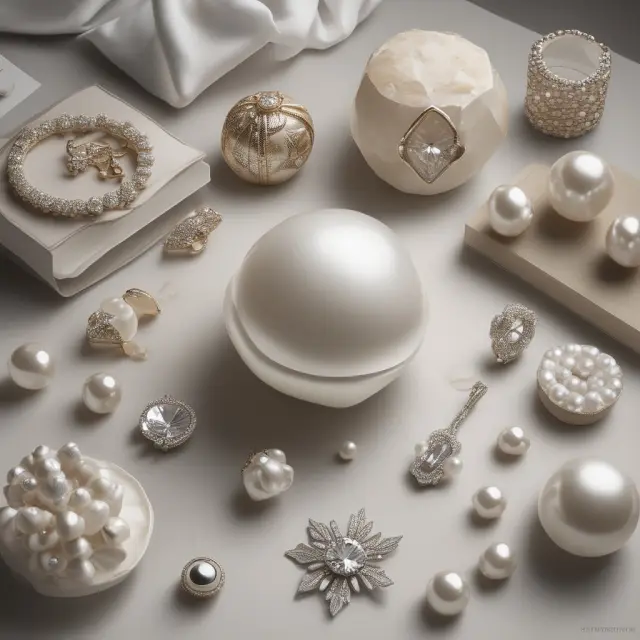
Explore the world of luxury items! Understand definitions, elasticity of demand, Veblen goods, luxury taxes, and more in this comprehensive guide.
Definition of a Luxury Item
A luxury item is an expensive good or service that holds significant desirability within a culture or society, regardless of necessity. Unlike necessity goods, which are essential for living, luxury items are not essential but provide pleasure, comfort, or status to the consumer. The demand for luxury items tends to increase as wealth or income rises due to their high price point and perceived value.
The concept of a luxury item is subjective depending on a person’s financial circumstances, which means that what constitutes a luxury item can vary among individuals. For instance, one might consider a car a luxury item while another may view it as a necessity. In general, though, luxury goods are often associated with superior quality and exclusivity, setting them apart from mainstream products of the same category due to their special packaging or unique features.
Luxury Items vs. Necessity Goods
Necessity goods, also known as need expenses, are essential for living, including food, water, housing, and utilities. Conversely, luxury items are not required for survival and instead cater to individual desires or status symbols. The relationship between income and demand for each type of good is inverse: As income increases, the demand for necessity goods remains consistent, while the demand for luxury goods tends to increase.
The elasticity of demand – a measure of responsiveness in relation to price changes – can help differentiate between luxury items and inferior goods. A luxury item, by definition, has positive income elasticity of demand since it experiences increased consumption as income rises. In contrast, an inferior good exhibits negative income elasticity of demand, meaning its demand decreases when income increases.
Understanding the significance of luxury items goes beyond their desirability and affordability; they also play a role in various markets and economies. For example, understanding luxury goods can help professional investors analyze market trends and make informed investment decisions. Luxury brands use marketing strategies to differentiate themselves from competitors and build brand loyalty while maintaining exclusivity.
Examples of luxury items include:
- Haute couture clothing
- Accessories such as jewelry and high-end watches
- Luggage
- High-end automobiles, like sports cars
- Yachts
- Wine
- Homes and estates
As the market for luxury goods continues to expand, it’s essential for investors, consumers, and businesses alike to understand their significance in modern economies. By recognizing how demand for luxury items changes with income or wealth, we can gain valuable insights into consumer behavior, marketing strategies, and overall economic trends.

Luxury Items and Wealth
A luxury item is not just a mere desire or want; it embodies a sense of status, exclusivity, and sophistication. Luxury goods are often associated with wealth and can be seen as markers of high social standing. The relationship between luxury items and wealth is closely tied to the concept of income elasticity of demand. Income elasticity of demand measures how responsive the demand for a particular good or service is to changes in a consumer’s disposable income.
In other words, as a person’s income increases, their purchasing power expands. Consequently, their demand for luxury goods and services tends to increase proportionally. In contrast, when income decreases, the demand for non-essential items such as luxury goods typically decreases as well.
The following are some insights into how luxury goods relate to wealth:
1. Luxury goods have a positive income elasticity of demand: This means that when people’s incomes rise, their demand for luxury goods increases at an even greater rate. For instance, imagine someone who earns $50,000 per year and spends 3% of their income on luxury goods. If their income rises by 10%, they are likely to spend a larger percentage of their increased income on luxury items due to the positive income elasticity of demand.
2. Luxury goods vs. necessity goods: Necessity goods, also known as need expenses, are essential for living and do not depend on income levels. For example, food, shelter, and utilities. In contrast, luxury goods are not necessary to live but rather provide additional comfort or prestige.
3. Luxury items can include various types: Luxury items can take many forms, ranging from fashion accessories like high-end watches and designer bags to home appliances like high-definition (HD) televisions and premium vehicles such as luxury cars and yachts. Additionally, services such as private jets or full-time housekeepers are considered luxury goods.
4. Luxury brands and marketing strategies: Luxury brands employ various marketing tactics to distinguish themselves from competitors and create an aura of exclusivity around their products. This can include using rare materials, limited availability, high prices, and distinctive branding to appeal to consumers seeking luxury experiences.
5. Income elasticity of demand and economic conditions: Luxury goods have positive income elasticity, meaning that they are sensitive to changes in a consumer’s income. Economic downturns or recessions can lead to a decrease in demand for luxury goods as people focus on necessities rather than non-essential items.
6. Veblen goods and luxury taxes: Luxury goods may be considered Veblen goods, which have the unique property of experiencing increased demand when their prices rise due to consumers seeking to display higher social status. Moreover, some luxury items can be subjected to a luxury tax imposed by governments as a means of generating revenue from high-income individuals.
7. The luxury market: The global luxury goods industry has seen steady growth over the past decade, with an estimated market value of $320 billion in 2019, and is projected to reach $425 billion by 2025. This expansion can be attributed to factors like rising disposable income levels, globalization, and changing consumer preferences for luxury experiences.
Understanding the intricacies of luxury items and their relationship with wealth is crucial for investors looking to capitalize on this lucrative market or simply to make informed purchasing decisions. By acknowledging the unique aspects of luxury goods, you can develop a better perspective on the demand drivers, market trends, and economic factors that influence their value and desirability.

Types of Luxury Items
When it comes to luxury items, the concept can be subjective depending on individual circumstances. However, certain goods are universally considered luxury items due to their high price point and desirability. In this section, we will explore popular types of luxury items that range from clothing to real estate.
1. Haute Couture Clothing:
Haute couture clothing refers to custom-made garments sewn by hand and designed specifically for an individual customer. These high-end fashion creations are often worn at formal events, award shows, or as everyday wear for the wealthy. The cost of haute couture can be astronomical due to the intricacy, craftsmanship, and exclusivity that goes into each piece. Brands like Chanel, Dior, and Givenchy have gained legendary status in the fashion world for their exquisitely crafted garments.
2. Accessories:
Accessories are items designed to complement clothing or enhance personal style, such as jewelry, watches, handbags, wallets, belts, sunglasses, and shoes. Luxury accessories can be made of precious metals, fine gemstones, exotic leathers, or other rare materials. For instance, a Rolex watch, Hermès Birkin bag, or Louboutin heels are all considered status symbols and can command high prices due to their rarity, craftsmanship, and prestige.
3. Luggage:
Luxury luggage is known for its durability, functionality, and aesthetic appeal. High-end brands like Louis Vuitton, Hermès, and Rimowa have gained popularity due to their timeless designs and innovative features. These bags offer a sense of prestige and status, making them an attractive investment for collectors and frequent travelers alike.
4. High-End Automobiles:
Luxury cars are often seen as symbols of wealth and success. Manufacturers like Rolls Royce, Bentley, Lamborghini, and Ferrari have built their reputations on creating automobiles that offer unparalleled performance, style, and comfort. The prices of these vehicles can be astronomical due to their limited production and exclusive features that cater to discerning customers.
5. Yachts:
Yachts represent the epitome of luxury and extravagance. They provide an opportunity for owners to travel the world in style while enjoying various amenities like a private spa, cinema room, or helipad. Luxury yachts can cost millions or even hundreds of millions depending on their size, features, and customization options.
6. Wine:
Luxury wines are highly prized for their taste, rarity, and ageability. Certain varieties, such as Château Lafite Rothschild, Châteauneuf-du-Pape, and Barolo, have gained a following among collectors due to their limited availability and exorbitant prices. Wine tastings, auctions, and rare vintage releases attract enthusiasts from around the world.
7. Homes and Estates:
Luxury homes and estates provide a sense of exclusivity, privacy, and comfort. They can feature expansive living spaces, high-end appliances, state-of-the-art security systems, and stunning views. In recent years, the demand for luxury real estate has continued to grow, particularly in desirable locations like Miami, London, or the Hamptons.
In conclusion, understanding the different types of luxury items can provide valuable insights into this exclusive market and its various investment opportunities. From haute couture clothing to luxury homes and estates, these goods offer a unique blend of desirability, exclusivity, and status that sets them apart from everyday consumer goods. As professional investors, it is essential to research each type thoroughly to determine the potential risks and rewards before making an investment.

Luxury Goods vs. Inferior Goods
Understanding the distinction between luxury goods and inferior goods is essential when discussing elasticity of demand within the finance and investment world. While the terms may seem interchangeable, they represent opposite ends of a consumer’s budget when it comes to income levels and purchasing power. Luxury goods are those that are desired but not necessary for day-to-day living, while inferior goods refer to items with decreased demand as income rises or experience an increase in demand during economic downturns.
Luxury goods are characterized by their positive income elasticity of demand. This means that the greater a person’s income or wealth, the more likely they are to purchase luxury items. The price sensitivity of luxury goods is evident when examining their relationship to necessity goods, which are essential for survival and have a negative income elasticity of demand. For instance, food and utilities are considered need expenses that must be paid regardless of income level or wealth, while luxury goods, such as high-end automobiles or designer clothing, are purchased to enhance one’s lifestyle.
The distinction between the two can be illustrated through examples. An inferior good is a product whose demand decreases as income rises. For example, when an individual’s income increases significantly, they might choose a higher-quality coffee brand or opt for a premium gasoline instead of the budget alternative. This shift from inferior goods to luxury items can be seen in various markets and industries, such as automobiles and real estate. A person moving into a higher income bracket may upgrade from a compact sedan to a luxury car, or they might choose to invest in real estate, purchasing a vacation home instead of continuing to rent.
Additionally, some goods may transition from being luxury items to inferior goods depending on the consumer’s income level. For example, a wealthy individual might start collecting multiple luxury cars before eventually upgrading their collection to include private jets or yachts, making the cars an inferior good at this point. This phenomenon is not unique to high-value assets; it can also apply to less costly items such as electronics, where individuals may upgrade from a mid-range laptop to a premium model before eventually opting for a more budget-friendly option.
Investors and financial analysts can benefit from understanding the income elasticity of demand for luxury goods versus inferior goods when making investment decisions. Analyzing trends in the market, including shifts between consumer preferences and purchasing power, can help investors recognize opportunities for potential returns and mitigate risks associated with economic downturns or market fluctuations.
In conclusion, luxury goods and inferior goods are two distinct concepts that play essential roles in understanding consumer behavior, income elasticity, and investment strategies within the finance and investment sectors. By examining the characteristics of each category and recognizing how they evolve based on changing income levels, investors can make more informed decisions and navigate market trends with confidence.

Luxury Items as Status Symbols (Veblen Goods)
The allure of luxury items goes beyond just their tangible worth; they often serve as symbols of status and success. These goods, known as Veblen goods, display a unique economic behavior called positive price elasticity of demand. The term ‘Veblen good’ is named after the economist Thorstein Veblen, who first introduced this concept in his book “The Theory of the Leisure Class” (1899).
Veblen goods are luxury items that people buy to showcase their wealth and social standing. They defy the traditional economic notion where demand decreases as price increases because consumers’ perceived value grows with the higher price tag. For instance, purchasing a diamond-studded watch can signify financial prosperity rather than an extravagance for some individuals. The allure of these goods is amplified when they are priced significantly higher than their functional value.
Understanding this economic phenomenon requires differentiating Veblen goods from inferior and normal goods. Inferior goods, as the name suggests, have negative price elasticity of demand: their demand decreases when income rises since consumers switch to a lower-priced alternative. Conversely, normal goods follow the typical law of demand; their demand increases with higher income levels since they offer utility beyond their functional value.
Veblen goods are non-essential items that become desirable due to their symbolic value as status symbols. Luxury cars, designer clothing, and fine jewelry can serve as examples of Veblen goods because their demand is positively related to the price. A higher price tag increases perceived prestige and exclusivity, driving demand for these goods even when they may not offer any significant utility beyond their functional use.
Moreover, the allure of Veblen goods doesn’t wane with increased income; instead, it grows as consumers’ financial status improves. As a result, luxury brands often employ sophisticated marketing strategies to reinforce their perceived exclusivity and value, including limited edition releases or collaborations with high-profile celebrities or designers.
In conclusion, understanding luxury items and their economic behavior is essential for both personal finance planning and investment opportunities. Luxury goods can serve as status symbols (Veblen goods), which may display positive price elasticity of demand, defying the traditional concept that demand decreases when prices rise. This unique characteristic adds depth to our understanding of consumption patterns and economic dynamics related to luxury items.

Luxury Taxes
Certain luxury items may be subjected to a luxury tax, imposed by governments on certain goods or services that are deemed nonessential yet expensive. These taxes aim to discourage consumption of these items or generate revenue for public expenditures. For instance, the U.S. federal government has imposed and repealed luxury taxes throughout history on various luxuries such as yachts, private jets, diamonds, furs, jewelry, automobiles, and cosmetics. Luxury taxes are considered progressive, affecting mostly high net worth or high-income individuals since the luxury items targeted by these taxes tend to be expensive.
The tax rates for luxury goods vary depending on the specific item and the jurisdiction. For example, France imposes a value-added tax (VAT) of 19.6% on most luxury goods, while Switzerland has a 7.7% federal consumption tax. In some cases, additional taxes can be applied to certain luxury items, such as a local sales tax or customs duties.
The implications for professional investors are significant when dealing with luxury assets. As luxury goods and services often come with high transaction costs due to their exclusivity, taxation adds another layer of complexity and risk. Investing in luxury brands or products requires thorough research on both the financial aspects (taxes, maintenance costs, etc.) and the demand for these items, particularly if they are considered Veblen goods – which have a positive price elasticity of demand due to their perceived status symbol value.
Luxury taxes can also influence the prices of luxury items since their cost of ownership increases. For example, a luxury car sold in France may have an additional 19.6% tax added on top of the original price when it is imported or sold within the country. This tax may discourage some potential buyers from purchasing the item, leading to less demand and potentially impacting the value of the investment. On the other hand, investors may see this as an opportunity to buy at a lower price and hold the asset until demand recovers or tax policies change.
In conclusion, understanding luxury taxes is crucial when investing in luxury items. The additional cost can influence the financial viability of holding these investments, and tax policies can create market dynamics that impact demand and pricing. By conducting thorough research on the specific luxury item, its tax implications, and potential changes to tax laws, professional investors can navigate these complexities and make informed investment decisions.
The Luxury Market
Understanding the global luxury market provides essential insight into the world of luxury items. The luxury goods sector has grown steadily in recent years due to an increase in worldwide wealth, especially among emerging markets. According to a report by Deloitte and Altagamma, the global personal luxury goods market is expected to reach €300 billion by 2025, growing at a compound annual growth rate (CAGR) of approximately 5% between 2020 and 2025.
The major players in the luxury industry include LVMH Moet Hennessy Louis Vuitton SE, Kering SA, Richemont SA, Guccio Gucci SpA, Prada S.p.A., Tiffany & Co., Swatch Group AG, and Burberry Group Plc. These companies are responsible for owning a majority of luxury brands that cater to high net worth individuals (HNWIs) and the ultra-rich, with products ranging from haute couture clothing, accessories, luggage, high-end automobiles, yachts, wine, homes, and estates.
Luxury goods can be considered a status symbol for many individuals, as they often signify wealth, success, and exclusivity. In turn, luxury brands have a strong focus on creating unique designs, quality materials, and exceptional customer service to attract and retain customers. Marketing strategies include limited distribution, high prices, and collaborations with celebrities or influencers to further enhance the desirability of their products.
Some luxury items can also be considered Veblen goods due to their perceived exclusivity and high prices, which can actually drive demand up instead of down. This concept, known as the Veblen effect, was first introduced by economist Thorstein Veblen. In 1899, Veblen wrote “The Theory of the Leisure Class,” in which he explained how luxury goods become more desirable due to their high price points. This is especially true when these items are used as status symbols within a culture or society.
Luxury taxes may also apply to certain luxury items depending on the country’s regulations, making them more expensive for consumers and potentially driving demand up further due to the perceived exclusivity. For example, high-end cars and yachts can be subjected to luxury taxes in various countries around the world. These taxes are typically progressive, meaning they only affect individuals with high net worth or income.
In summary, understanding the luxury market is essential for those interested in luxury items as consumers or investors. The global personal luxury goods market continues to grow due to increasing wealth and an increased demand for luxury products as status symbols among HNWIs and the ultra-rich. Luxury brands focus on exclusivity, high prices, and exceptional quality to attract and retain customers while marketing strategies may include collaborations with celebrities or influencers to further enhance desirability. Some luxury items can be considered Veblen goods due to their perceived exclusivity and high price points, which can actually drive demand up instead of down, making them highly coveted by consumers.
Luxury Brands and Marketing Strategies
As the demand for luxury items increases with income or wealth, businesses have capitalized on this trend by creating luxury brands that cater to those consumers. Luxury brands aim to differentiate themselves from competitors by offering unique experiences, superior quality, and exclusivity. Let’s examine some marketing strategies used by luxury brands.
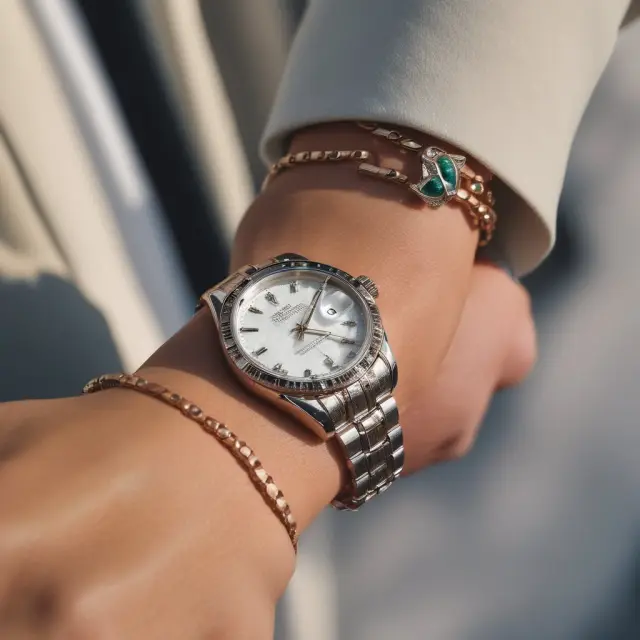
Firstly, many luxury brands create a sense of scarcity and exclusivity through limited distribution. For instance, Rolex releases new models only once a year, which creates hype around the brand and its products. The limited availability of certain luxury items also increases their desirability and, as a result, their perceived value in the eyes of consumers.
Secondly, luxury brands often invest heavily in marketing to build brand loyalty. This can include advertising campaigns through various media channels such as print, television, and digital platforms, as well as sponsorships of prestigious events, like fashion shows or charity galas. These high-profile activities further reinforce the association between luxury brands and status, desirability, and exclusivity.
Thirdly, many luxury brands prioritize customer service to provide a unique shopping experience. They may have personalized services tailored to each client’s preferences, dedicated sales associates, and exclusive events for loyal customers. This level of attention and commitment to the customer can lead to repeat business and positive word-of-mouth marketing.
Lastly, some luxury brands collaborate with other luxury brands or celebrities to expand their reach and appeal. For example, a luxury fashion brand might partner with a high-end jewelry designer for a limited edition collection, or a luxury car manufacturer could sponsor a celebrity ambassador to showcase the latest model at an awards ceremony. These partnerships can create buzz around both brands and attract new customers, further strengthening their market position.
In summary, luxury brands employ various marketing strategies to differentiate themselves from competitors, build brand loyalty, and maintain exclusivity. They utilize scarcity and exclusivity, invest in advertising campaigns, prioritize customer service, and collaborate with other luxury brands or celebrities to create desirable experiences for their consumers.

Investing in Luxury Brands and Products
As we’ve explored, luxury items are desirable goods that serve to elevate one’s social status or provide exceptional quality. These goods have been part of human culture for centuries and continue to play an essential role in our lives today. For professional investors looking to build a portfolio centered around luxury items, it is crucial to understand the nuances of this market, its potential risks, and rewards.
First and foremost, investing in luxury brands and products necessitates a thorough understanding of their value proposition. Luxury goods offer an experience that cannot be replicated through mass-market alternatives. They are often associated with exclusivity, high craftsmanship, and exceptional design. These intangible aspects contribute to the appeal and value that investors seek in luxury investments.
When considering a potential investment in luxury brands or products, professional investors must conduct rigorous research on the brand’s history, reputation, market position, and future growth prospects. This can include analyzing factors such as the brand’s distribution strategy, product line expansion plans, marketing strategies, and competitive landscape.
One common approach for investing in luxury goods is through collectibles. These investments range from luxury cars, art, wine, and jewelry to high-end watches and designer fashion pieces. The value of collectible items can appreciate over time due to their limited availability and increasing desirability. Additionally, they offer tangible assets that can be enjoyed personally or sold for a profit when the market conditions are favorable.
Another investment avenue in luxury goods is through publicly-traded companies that manufacture or distribute luxury products. This includes companies such as LVMH Moet Hennessy Louis Vuitton SE, Tiffany & Co., and Hermès International. These companies offer a more diversified exposure to the luxury market and provide investors with liquidity, transparency, and potential dividends.
However, investing in luxury brands and products does come with certain risks that professional investors should be aware of. Fluctuations in consumer demand, exchange rates, and economic conditions can impact the value and liquidity of these investments. Additionally, the market for luxury goods can be volatile, making it essential to maintain a long-term investment perspective and remain patient as market cycles unfold.
In conclusion, investing in luxury brands and products offers an opportunity to diversify a portfolio while gaining exposure to unique, desirable assets that can appreciate over time. Professional investors must conduct thorough research, understand the risks involved, and maintain a long-term investment strategy in order to successfully navigate this market. The allure of luxury goods lies not only in their potential financial rewards but also in the personal satisfaction they bring to their owners.
FAQs about Luxury Items:
Q1: What is considered a luxury item?
A: A luxury item is an expensive good or service that is not essential for daily living, but is considered desirable due to its high quality and exclusivity.
Q2: How do luxury items differ from necessity goods?
A: Necessity goods are those that are required for basic living, such as food, water, shelter, and clothing. Luxury items, on the other hand, are not necessary but can include expensive cars, jewelry, designer clothing, or fine art.
Q3: What is income elasticity of demand for luxury goods?
A: Income elasticity of demand for luxury goods refers to the responsiveness of the demand for these goods to changes in a consumer’s income. Luxury goods tend to have a positive income elasticity, meaning that as a consumer’s income increases, their demand for luxury goods also tends to increase.
Q4: How do luxury taxes impact investors?
A: Luxury taxes are taxes imposed on luxury goods and can affect both consumers and investors. These taxes may decrease demand for the taxed items, making it essential for investors to consider their impact when investing in luxury brands or products.
Q5: What is a Veblen good?
A: A Veblen good is a good whose price increases as its desirability increases. This is due to the perception that owning an expensive good enhances one’s social status. Examples of Veblen goods include luxury cars, designer clothing, and fine art.

FAQs about Luxury Items
What is considered a luxury item?
A luxury item is any good or service that is not essential for living but is highly desirable within a culture or society. Luxury items are typically sensitive to income or wealth, meaning that as wealth rises, demand for luxury goods also increases.
Why do people buy luxury items?
People buy luxury items as a way to showcase their financial success and enhance their quality of life. They can also function as status symbols, signifying high social standing.
How does the income elasticity of demand influence luxury goods?
The income elasticity of demand measures how responsive the demand for a good is to a change in income. Since luxury items are considered non-essential and are influenced by a person’s income, their demand tends to be elastic – meaning that as income increases or decreases, so does the demand for luxury goods.
What is the difference between necessity goods and luxury items?
Necessity goods, such as food, water, and shelter, are essential for living while luxury items are non-essential. Necessity goods tend to have a negative income elasticity of demand, meaning that demand decreases when income increases, whereas luxury goods tend to have a positive income elasticity of demand, meaning that the demand increases as income rises.
What is an example of a luxury good?
Luxury cars are often considered an example of a luxury good. As people’s wealth increases, their demand for high-end automobiles increases as well. Luxury cars are not essential to living and serve mainly to enhance the quality of life and act as status symbols.
What is the difference between inferior goods and luxury goods?
Inferior goods have a negative income elasticity of demand, meaning that as income rises, demand for the good decreases. Luxury goods, on the other hand, have a positive income elasticity of demand, meaning that demand increases as income rises. An inferior good becomes a luxury good when a person’s income increases to a level where they can afford to replace it with a luxury item.
What is a Veblen good?
A Veblen good is a luxury good whose demand increases with price due to its status symbol value, making it desirable for those with higher socio-economic standing. This phenomenon is called the Veblen effect and was named after economist Thorstein Veblen.
What are some common types of luxury items?
Common types of luxury items include haute couture clothing, accessories such as jewelry and high-end watches, luggage, high-end automobiles, yachts, wine, homes, and estates.
Why do some luxury goods have a luxury tax?
Luxury taxes are imposed on certain luxury goods to generate revenue for governments while also targeting those with higher net wealth or income. These taxes can take the form of specific sales taxes, excise taxes, or import duties. For example, large or expensive recreational boats or automobiles may be subjected to a luxury tax.
 Next entry · No. 3,030Understanding Luxury Taxes: Definition, Impact, and Controversies
See also
-
 No. 5,458
10 Sep 2025
24 min
Understanding Veblen Goods: Definition, Differences, Causes and Examples
Business Finance
No. 5,458
10 Sep 2025
24 min
Understanding Veblen Goods: Definition, Differences, Causes and Examples
Business Finance -
 No. 5,244
23 Aug 2025
19 min
Understanding the Uniform Consumer Credit Code (UCCC): A Comprehensive Guide for Professional Investors
Business Finance
No. 5,244
23 Aug 2025
19 min
Understanding the Uniform Consumer Credit Code (UCCC): A Comprehensive Guide for Professional Investors
Business Finance -
 No. 5,068
09 Aug 2025
17 min
Understanding the Treasury Stock Method for Professional Investors: Calculating Diluted Earnings Per Share (EPS)
Business Finance
No. 5,068
09 Aug 2025
17 min
Understanding the Treasury Stock Method for Professional Investors: Calculating Diluted Earnings Per Share (EPS)
Business Finance -
 No. 5,033
06 Aug 2025
17 min
Understanding Trading Accounts: Definition, Requirements, and Best Practices for Professional and Institutional Investors
Business Finance
No. 5,033
06 Aug 2025
17 min
Understanding Trading Accounts: Definition, Requirements, and Best Practices for Professional and Institutional Investors
Business Finance -
 No. 5,014
04 Aug 2025
24 min
Understanding Tracker Funds: A Guide for Professional Investors
Business Finance
No. 5,014
04 Aug 2025
24 min
Understanding Tracker Funds: A Guide for Professional Investors
Business Finance -
 No. 4,979
02 Aug 2025
19 min
Understanding Time Deposits: A Low-Risk Investment Option for Professional and Institutional Investors
Business Finance
No. 4,979
02 Aug 2025
19 min
Understanding Time Deposits: A Low-Risk Investment Option for Professional and Institutional Investors
Business Finance