Understanding Microcredit: A Pathway for Empowering Entrepreneurs in Developing Countries

Discover how microcredit empowers entrepreneurs in developing countries. Learn the concept, origins, players, and impact of this transformative financial tool.
Introduction to Microcredit
Microcredit, a powerful financial tool, has emerged as a game changer for underdeveloped economies by offering small loans to individuals, enabling them to start or expand small businesses and improve their standard of living. This innovative financing method is particularly crucial in areas where traditional banking systems fail to reach the unbanked population.
Microcredit can be defined as an extremely small loan, usually ranging from $10 to $2,000, provided to individuals or groups with limited access to formal financial services. The concept of microcredit aims to help low-income borrowers become self-employed or grow their businesses in parts of the developing world where monetary systems may be underdeveloped.
The practice of microcredit was first introduced in its modern form by Muhammad Yunus, an economics professor from Bangladesh, and his Grameen Bank in 1976. The idea of lending small sums to those who could not access traditional banking services proved successful when a group of women received a $27 loan, which they used to finance their collective bamboo stool-making business. With their shared commitment and peer support, these women were able to repay the loan and eventually establish sustainable livelihoods.
Understanding Microcredit: Addressing the Needs of the Unbanked
Microcredit was born from a need to extend financial services to individuals who otherwise had limited access to capital. In many cases, borrowers may live in regions with little or no access to formal banking institutions, barter systems, or even currency. Microfinance organizations provide an alternative solution by offering microloans that can help individuals launch or expand small businesses and create income-generating opportunities.
By providing loans to these individuals, microcredit offers a pathway out of poverty and empowers them with the means to become financially independent. The practice of microcredit has gained significant momentum over the years and is now recognized as a vital tool for promoting sustainable economic growth in underdeveloped countries. Stay tuned for further exploration into the origins, mechanics, and implications of microcredit in our upcoming sections.
[Note: This section provides a clear, engaging, and professional introduction to the concept of microcredit and its significance for underdeveloped economies. Keywords have been included seamlessly throughout the text while maintaining a logical flow from one point to the next.]

The Concept of Microcredit: Addressing the Needs of the Unbanked
Microcredit is an innovative financial solution designed for individuals who lack access to traditional banking services and have limited access to capital, enabling them to initiate or expand their own businesses. This financing mechanism is often crucial in underdeveloped countries where a significant portion of the population remains unbanked. Microcredit offers a viable alternative to conventional banking systems by addressing specific needs and challenges faced by those individuals.
The primary motivation behind microcredit stems from recognizing that skilled people in developing countries can contribute significantly to their economies when provided with basic financial resources. In some cases, these communities operate under non-monetary or barter systems where conventional monetary transactions are not feasible. Microfinance organizations offering microcredits aim to help bridge this gap by providing small loans to individuals in need.
Muhammad Yunus, a Nobel Peace Prize laureate from Bangladesh, is credited with pioneering the modern microcredit concept during the late 1970s. His approach relied on group lending, as initially implemented through the Grameen Bank model. This system enabled individuals to access small loans and begin or expand businesses by pooling their resources and creating a communal sense of responsibility for repayment. In essence, group microcredit not only helped individuals address their immediate financial needs but also fostered social connections that would enhance their overall well-being and economic growth.
While microloans range from as little as $10 to $2,000, they are typically much smaller than conventional loans offered by traditional banks. Microfinance institutions do not require extensive collateral or lengthy documentation for loan approval. Instead, the approval process is based on an assessment of the borrower’s potential ability to repay and their commitment to using the loan for productive purposes.
Microcredit repayment schedules may vary depending on the institution’s policies. However, many microfinance organizations require borrowers to set aside a portion of their earnings as savings – a practice that not only helps ensure repayment but also fosters financial discipline among borrowers. As borrowers pay off their loans and demonstrate consistent financial responsibility, they may become eligible for larger loans in the future – enabling them to expand their businesses or improve their livelihoods.
Microcredit’s unique model has proven successful across the globe, with high repayment rates – reaching approximately 98.9% based on Opportunity International’s 2016 reports. Despite its numerous benefits, microcredit is not without controversy. Critics have raised concerns regarding potential misuse of funds and unsustainable debt for some borrowers. It is essential to acknowledge these challenges while continuing to strive for improvements in the design and implementation of microfinance programs to ensure they remain a valuable tool for addressing the needs of the unbanked population.
By understanding the concept, mechanics, and potential implications of microcredit, readers can gain a deeper appreciation for this essential financial tool that has transformed countless lives and contributed significantly to economic development in various parts of the world.
Origins of Modern Microcredit: The Grameen Bank Model
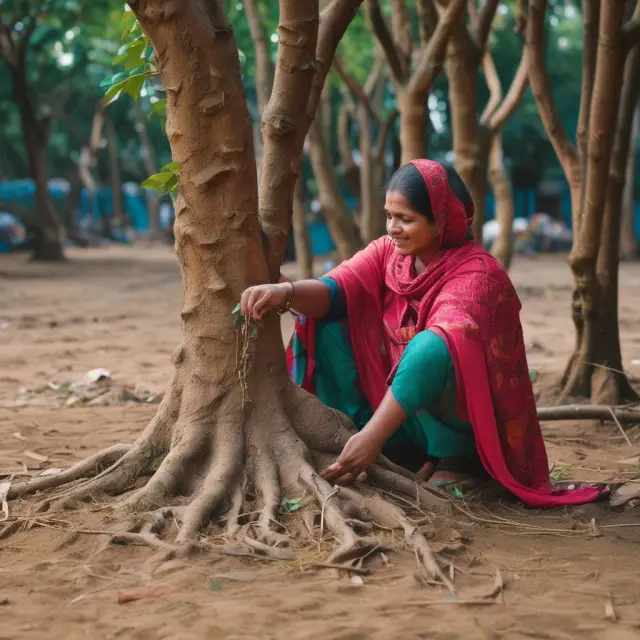
Microcredit emerged as a revolutionary concept in the late 1970s, when Bangladesh’s Muhammad Yunus pioneered this alternative lending approach to help individuals in underdeveloped countries access funds for self-employment and small businesses. With no formal banking system accessible to many low-income citizens, especially women, Yunus introduced the group lending model through his Grameen Bank. This innovative financing method, which began in Bangladesh, has since been adopted by various organizations worldwide.
The origin of modern microcredit can be traced back to 1976, when Yunus lent a small amount of money – $27 – to a group of forty-two impoverished women from the village of Jobra, Bangladesh. Their goal was to establish sustainable businesses, such as making and selling bamboo stools. This initial investment enabled them to initiate production and eventually repay their loans, thereby allowing access to larger sums for further expansion.
The group lending model is based on the principle of collective responsibility. By pooling resources and lending to each other, individuals who were deemed unfit for traditional banking systems could overcome the challenge of collateral requirements or interest rates that might have been prohibitive for them otherwise. Members of these groups would make weekly contributions towards their loans and repay the principal along with a small amount of interest. The success of this arrangement relied on the solidarity within the group, which served as an effective guarantee to lenders.
The Grameen Bank model has been hailed for its transformative impact on the lives of millions, primarily women, in developing countries. Yunus’ innovative approach led him to be awarded the Nobel Peace Prize in 2006 for his work on economic and social development from a grassroots perspective. This model enabled individuals to take control of their economic futures and build sustainable livelihoods by accessing the necessary financing and support.
While microcredit has been met with widespread acclaim, it is not without controversy. Some critics argue that this form of lending may create a cycle of debt for borrowers if they are unable to generate sufficient income or repay their loans on time. Furthermore, there have been instances where the funds were used for consumption rather than business purposes, as was intended by microcredit schemes. Despite these challenges, microcredit continues to be an essential tool for empowering individuals and communities in underdeveloped economies.
The Role of Savings Associations in Microcredit
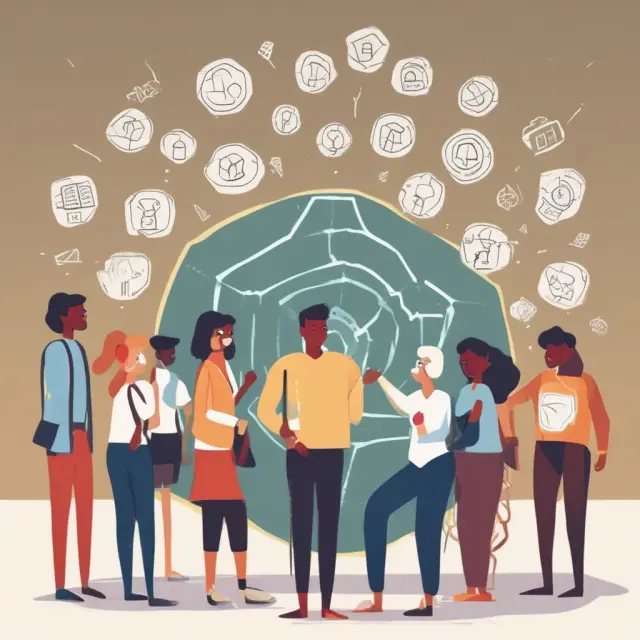
Microcredit’s success is rooted in its ability to offer financial assistance to those who may not have access to traditional banking systems. However, the unique challenges faced by microcredit borrowers also necessitate alternative strategies for risk mitigation and peer support. Rotating Credit and Savings Associations (ROSCAs) have emerged as an effective approach to address these concerns.
A ROSCA is a type of informal savings and lending group in which participants make regular contributions and take turns receiving loans from the collective pool. In the context of microcredit, these associations play a crucial role in mitigating risk by offering a safety net for borrowers as they repay their debts.
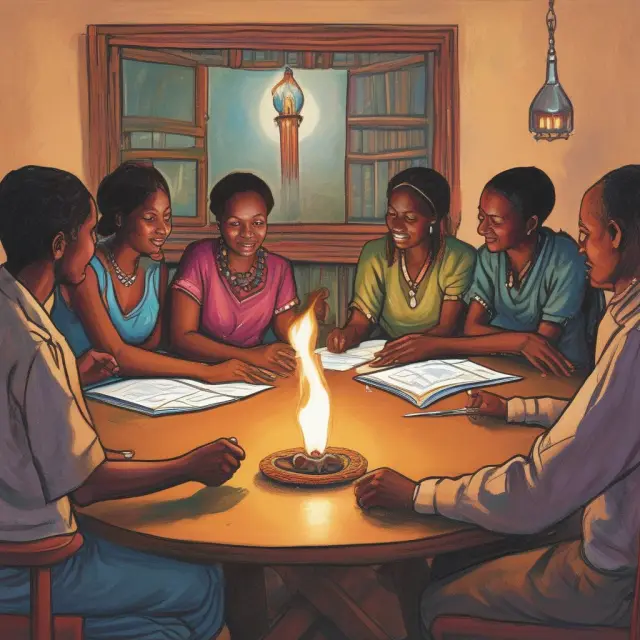
In microfinance programs that employ ROSCAs, groups of individuals come together and commit to saving a fixed amount at regular intervals. These savings can be used to create a collective fund from which small loans are distributed among the group members based on a predetermined rotation schedule. As each member receives their loan, they repay the debt with interest, which is added back into the pool for future lending cycles. The arrangement continues until all members have received a loan and repaid it in full, at which point the process starts anew.
The beauty of this model lies in its ability to foster a sense of community and accountability among borrowers. Since each member has an obligation to contribute regularly and pay back their loans on time, there is a strong incentive for individuals to support one another. This peer pressure helps ensure that the collective fund remains intact while also allowing members to access the financial resources they need to start or expand businesses.
The use of ROSCAs can be traced back to traditional cultural practices in various parts of Africa and Asia, where community-based lending has long been a means of providing financial support to those outside the formal banking sector. By tapping into these age-old practices, microfinance organizations have been able to establish trust and build relationships with potential borrowers who might otherwise be hesitant to engage with more conventional financing methods.
Moreover, ROSCAs can help mitigate the risk of default by providing a cushion for borrowers in the event that an individual is unable to repay their debt on time. The group’s collective resources can be used to support the delinquent member or even absorb the loss if necessary, reducing the likelihood of the entire system collapsing.
While ROSCAs have proven effective in addressing some of the challenges inherent in microcredit lending, they are not without their limitations. For instance, these informal arrangements may lack transparency and can be susceptible to mismanagement or exploitation if not carefully monitored. Furthermore, the groups themselves might not always have the resources to address unexpected emergencies or crises that could impact the entire community.
To mitigate these risks, microfinance institutions often partner with local organizations, NGOs, or government agencies to provide training and support for ROSCA members. This collaboration can help ensure that groups operate effectively, adhere to best practices, and maintain appropriate records. Moreover, it can offer additional resources and expertise to address challenges that may arise, such as financial literacy education, business development services, and risk management tools.
In conclusion, the use of ROSCAs in microcredit programs represents a powerful tool for addressing the unique risks and challenges faced by underbanked communities. By tapping into traditional practices and fostering a sense of community and accountability, these associations can help bridge the gap between financial inclusion and sustainable economic growth.
Confidence: 100%

Understanding the Microfinance Industry: Key Players and Stakeholders
The microfinance industry plays a significant role in extending financial opportunities to individuals and communities outside the mainstream banking sector, with microcredit being its most popular service offering. Microfinance institutions (MFIs) are organizations that specialize in providing small loans, savings services, and insurance products tailored for low-income clients. In essence, MFIs serve as critical intermediaries between financial systems and the unbanked population by bridging the gap in access to formal financial services.
MFIs operate on various scales, ranging from grassroots community-based organizations to large international institutions, but all are united by their mission to make financial services accessible to underserved populations. These institutions cater to clients who would otherwise lack access to conventional banking services due to financial exclusion, geographical barriers, or social stigmas.
To achieve this objective, MFIs employ alternative lending models such as group lending and individual lending based on the unique circumstances of their clientele. This approach has proven particularly effective in rural and underdeveloped areas where traditional banking infrastructure is scarce.
Group Lending: The Grameen Bank Model
The concept of microcredit can be traced back to Bangladesh, where Nobel Peace Prize laureate Muhammad Yunus pioneered the group lending model that laid the groundwork for modern microfinance institutions in 1976. Known as the Grameen Bank, this innovative approach has since been adopted by numerous organizations worldwide to provide small loans to individuals and help them establish or expand their businesses.
The group lending model operates under the principle of collective responsibility, where a group of borrowers pledge mutual support to one another. This shared accountability significantly reduces the risk associated with lending to a single individual, allowing MFIs to offer microloans to those who would otherwise be deemed too high-risk for traditional banking institutions.
The Grameen Bank model also employs the use of rotating credit and savings associations (ROSCAs). These groups facilitate the collection and distribution of small loans within a community, creating a peer-to-peer lending network that promotes financial literacy and social cohesion. By pooling their resources, members can provide one another with short-term loans while building savings through regular contributions.
The group lending model has proven to be particularly successful in Bangladesh, where over 90% of the population was previously unbanked. As a result, Grameen Bank has been able to extend financial services to millions of individuals, enabling them to lift themselves out of poverty and build sustainable livelihoods.
The Role of Savings Associations in Microcredit
Savings associations play a crucial role in mitigating risk within the microfinance industry, particularly in the context of group lending. These associations, also known as rotating savings and credit associations (ROSCAs), serve as informal financial cooperatives that facilitate the exchange of small loans between members within a community.
In ROSCA arrangements, members commit to making regular contributions to a shared fund. Each member takes turns receiving a loan from this collective pool, which they repay with interest over a set period. This system helps to build trust and solidarity among group members, creating a sense of social cohesion that enhances the success of microfinance initiatives.
Furthermore, savings associations provide an essential safeguard against the risk of loan default. In traditional banking systems, borrowers may face difficulties in repaying their loans if they encounter unforeseen financial hardships or emergencies. However, within a ROSCA, members can rely on one another to offer assistance, ensuring that the group’s collective assets remain secure and available for future lending cycles.
In summary, microcredit plays a vital role in empowering individuals and communities by providing them with access to financial resources previously unavailable through traditional banking channels. Microfinance institutions and their unique lending models, such as group lending and savings associations, are instrumental in bridging the gap between the formal financial sector and the underbanked population. By extending credit opportunities, MFIs enable individuals to pursue entrepreneurial ventures and create sustainable livelihoods, contributing to economic growth and poverty alleviation efforts worldwide.
How Microcredit Works: A Business Model for Transforming Lives
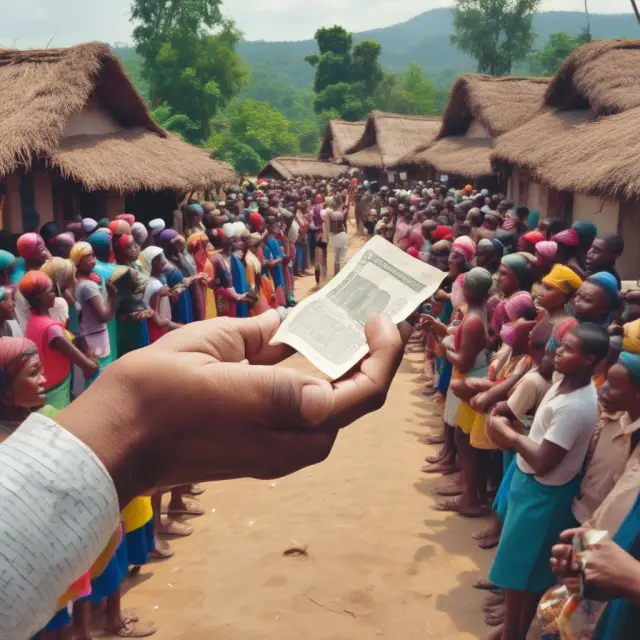
Microcredit functions as an innovative tool in extending financial services to underbanked or unbanked populations, particularly those living in developing countries, who often lack access to conventional banking systems. By providing small loans, microfinance institutions help individuals start or expand their businesses and generate income. Microcredit transactions differ significantly from traditional banking models due to the absence of collateral requirements and flexible repayment plans.
One of the earliest and most influential examples of microcredit was the Grameen Bank model developed by Muhammad Yunus in Bangladesh. In 1976, this pioneering approach provided a group of women with a collective loan of around $27 to start their own small businesses. The success of this initiative demonstrated that combining resources through group lending could enable individuals to begin or expand enterprises despite the lack of collateral and formal credit history.
Microloans range from as little as $10 up to $2,000 and are designed to help individuals generate income, improve their living conditions, and ultimately, elevate themselves out of poverty. The repayment terms for these loans vary but often include the establishment of a savings account, which serves multiple purposes such as providing collateral or reinvesting in the business to increase profits.
A typical microloan arrangement is built on peer pressure and group solidarity, ensuring that borrowers meet their financial obligations. This collective approach creates a sense of accountability among borrowers and fosters an environment conducive to success. In such cases, regular loan repayments contribute to the development of good credit history for the individuals involved.
The microlender’s role is crucial in assessing potential borrowers’ business plans, ensuring their ability to repay the loan, and monitoring the progress of their enterprise. Microfinance institutions also play a critical role in providing financial literacy training and support, enabling recipients to make informed decisions about their businesses and personal finances.
Despite the numerous benefits that microcredit offers, some concerns regarding its sustainability persist. Critics argue that microloans can lead to debt traps if borrowers lack a stable source of income or face unexpected expenses. To mitigate these risks, microfinance institutions employ various strategies such as providing ongoing training, offering flexible repayment terms, and creating support networks for borrowers.
In conclusion, microcredit represents a powerful instrument for empowering individuals in underdeveloped economies by providing access to small loans and fostering entrepreneurship. The success stories of microcredit recipients serve as compelling evidence of its capacity to transform lives and uplift communities.

Microloan Terms and Repayment Plans
Understanding the intricacies of microloans can help potential recipients navigate the application process, ensuring that they are fully aware of the terms and expectations. Microloans, a cornerstone of microcredit arrangements, vary significantly from traditional banking loans due to their smaller size, flexible repayment plans, and lack of collateral requirements.
Interest Rates and Repayment Schedules
Microfinance institutions usually charge interest on their loans, with rates varying between providers. Since microloans are typically small in value, the interest charged can be quite high when expressed as a percentage. However, it’s important to note that these interest rates often don’t seem so steep when considering the context. For instance, many microloan recipients may not have access to traditional banking services or collateral requirements. Moreover, microfinance institutions often provide additional benefits like training and education to help borrowers build successful businesses and repay their loans effectively.
Repayment plans can be structured in various ways, depending on the individual’s circumstances. Some arrangements involve weekly or monthly payments, while others allow for more flexible schedules based on the seasonality of the borrower’s business. For example, a farmer might have different harvest seasons that influence their cash flow and ability to repay their loan.
Savings Requirements
Microfinance institutions may ask borrowers to put aside a portion of their income into savings accounts as part of the microloan agreement. This requirement helps ensure the borrower’s commitment to repaying the loan on time and can also serve as an emergency fund if needed. Once the loan is fully repaid, the borrower gains access to their savings, providing a valuable financial cushion.
Mitigating Risk through Group Lending
To reduce risk in microcredit arrangements, many institutions employ group lending models, whereby multiple borrowers come together as a collective guarantee. This approach fosters a sense of community and encourages peer support among members. If one borrower is struggling to meet their repayments, others can step in to help or offer advice.
Microloan Success Stories
Many microcredit recipients have gone on to achieve remarkable success through their small loans, leading to significant improvements in their personal and professional lives. For example, a woman in rural India received a microloan to start a small farming business, which quickly grew into a profitable enterprise employing several local laborers. Her successful venture not only boosted her income but also provided valuable employment opportunities for her neighbors.
Commonly Asked Questions
What is the difference between microcredit and traditional banking loans?
Microcredits are typically smaller in size, often have flexible repayment plans, and may not require collateral. They are designed to cater to individuals without access to formal financial services. In contrast, traditional banking loans are larger in value and often come with stricter requirements, such as collateral and a credit check.
Is microcredit free from risk?
No, microcredits still carry risks, particularly for the lender. Microfinance institutions mitigate this risk by implementing various measures, including group lending models, rigorous screening processes, and ongoing support for borrowers to help them succeed.
How can I apply for a microloan?
To apply for a microloan, you should first identify reputable microfinance institutions in your area or online that offer small loans. Next, prepare any required documentation (such as proof of income) and follow their application process carefully. Be sure to research the institution’s reputation and terms before committing to a loan.
In conclusion, microloans provide a vital lifeline for many individuals around the world seeking economic opportunity. By understanding the terms and repayment plans associated with these loans, potential recipients can set themselves up for long-term financial success.

Case Studies: Success Stories of Microcredit Recipients
Microcredit has transformed countless lives by offering individuals in less developed countries (LDCs) the opportunity to start a small business or expand an existing one, thereby generating sustainable income and improving their economic situation. Let us explore some inspiring real-life examples of microcredit recipients who have benefited from this innovative financial instrument.
Aneesa, Bangladesh: A Microcredit Success Story
In the heart of rural Bangladesh, 35-year-old Aneesa lived with her husband and three young children in a humble abode. With no stable source of income and limited educational background, she found herself struggling to provide for her family. However, hope came her way when she joined a local Self-Help Group (SHG) and was introduced to microcredit.
With an initial loan of just $20, Aneesa purchased a sewing machine. She began offering her services to neighbors and local markets, eventually expanding her clientele through word of mouth. As she repaid her microloan, she became eligible for larger loans which allowed her to invest in additional machinery, hire helpers, and grow her business. Today, Aneesa earns enough to send her children to school, provide nutritious meals for her family, and save for their future.
Josefina, Peru: Empowering Women through Microcredit
In the highlands of Peru, Josefina, a single mother of two young girls, was working long hours as a farm laborer to barely make ends meet. With little opportunity for advancement, she dreamed of starting her own business but lacked the capital. Enter Caja Rural, a microfinance institution that offered small loans to women in need.
With a microloan of $150, Josefina started a small vegetable stand, selling locally grown produce and expanding her offerings based on customer demand. As she successfully repaid her loan, she became eligible for larger financing, enabling her to invest in a deeper stock of products and expand her market reach. Today, Josefina’s business thrives as she earns enough to support herself and her daughters while ensuring they have access to quality education.
These stories are just a few examples of how microcredit has helped individuals like Aneesa and Josefina transform their lives, offering them the means to break free from poverty and create sustainable livelihoods for themselves and their families. By providing access to financial resources, microcredit empowers people in LDCs to build businesses, gain economic stability, and contribute to their communities.
Microcredit Controversies: Criticisms and Concerns
Despite its numerous success stories, microcredit has faced significant criticisms regarding potential misuse, debt traps, and sustainability as a long-term solution. Let us delve into these controversies in greater detail.
One major concern is the possibility of misusing microcredits for consumption rather than investment purposes. For instance, in South Africa, microcredit was introduced to encourage self-employment in some of the poorest communities. However, its implementation led to funds being spent on consumption instead of business activities. This situation arose due to insufficient awareness and education about using microcredits effectively for entrepreneurship.
Moreover, borrowers may face difficulties in repaying their loans, which can result in an escalating debt trap. In some cases, individuals do not possess a stable income source or plan to use the microcredit to create an income-generating activity. This predicament forces them to resort to selling personal property and seeking new financing to meet their previous debts.
The debt trap issue can be further complicated by the high interest rates associated with microcredits. While these loans may seem small in size, the compounding interest could lead to substantial repayment amounts over time, putting borrowers at risk of falling deeper into debt. It is crucial for microfinance institutions to offer transparent and affordable lending terms and provide financial education to help clients manage their finances effectively and avoid falling into a cycle of debt.
The sustainability of microcredit as a long-term solution has also been debated among critics, especially considering the potential for borrowers to become overly dependent on external financing rather than establishing sustainable businesses. Microcredits can be useful tools in helping individuals start or expand businesses, but it is essential to nurture their entrepreneurial skills and provide ongoing support to ensure long-term success.
In conclusion, microcredit offers a valuable opportunity for underbanked individuals and communities to access financial services and create sustainable livelihoods. However, it is imperative that microfinance institutions prioritize transparent lending practices, affordability, financial education, and long-term support to mitigate the risks of misuse and debt traps associated with microcredits. By doing so, we can work towards a world where everyone has access to the resources they need to thrive.
Stay tuned for the next section in our series on Understanding Microcredit: The Role of Savings Associations in Microcredit.

Conclusion: Empowering Entrepreneurs through Microfinance
Microcredit has been hailed as a powerful tool for uplifting individuals and communities in the developing world by providing access to capital that can help start or expand small businesses. By offering small loans, often as little as $10 or $27, microfinance institutions have allowed millions of people to enter the formal economy and create sustainable livelihoods. The story of Muhammad Yunus and the Grameen Bank in Bangladesh serves as a testament to this transformative approach. However, it’s essential to recognize that microcredit is not a panacea for poverty or economic inequality. While it has been successful in many cases, challenges persist, including potential misuse of funds and debt traps.
Understanding the origins of microcredit sheds light on its significance as an alternative financing mechanism tailored to those excluded from traditional banking systems. The modern microcredit model began in Bangladesh when Muhammad Yunus challenged the notion that only a formal banking system could provide financial assistance to those in need. Instead, he introduced group lending arrangements, where individuals would come together and borrow as a collective. This not only reduced risk but also fostered community support and peer pressure, ensuring repayment and enabling the potential for future loan increases.
As microcredit gained popularity, it became clear that Rotating Credit and Savings Associations (ROSCA) played a crucial role in its success. ROSCA members contributed funds, which were then distributed as loans to individual borrowers with a clear understanding of repayment schedules. This community-based lending system proved effective in mitigating risk while encouraging financial inclusion.
Despite the challenges and controversies surrounding microcredit, it remains an essential tool for empowering entrepreneurs in underdeveloped countries. As more people gain access to capital and build businesses, they contribute to their local economies, creating a ripple effect that extends beyond their immediate communities. In turn, this can lead to improved living standards, increased financial stability, and a stronger overall economic foundation.
By providing insight into the origins, impact, and controversies surrounding microcredit, we can gain a deeper understanding of its potential as a tool for positive transformation in the developing world. As we explore real-life examples of successful microcredit recipients and their businesses, we see firsthand the power of this innovative financing mechanism in action.
In conclusion, microcredit represents an essential step towards financial inclusion for those who have historically been excluded from formal banking systems. While challenges exist, its impact on individuals and communities cannot be ignored, making it a compelling topic worthy of further exploration.
FAQ
What is Microcredit?
Microcredit refers to an extremely small loan given to individuals in underdeveloped countries to start or expand a small business, especially those who live outside of traditional banking systems. KEY TAKEAWAYS Microcredit involves lending very small sums to people living in the developing world to help establish or grow businesses. This concept originated in Bangladesh and is attributed to economist Muhammad Yunus’ Grameen Bank model.
How does a Rotating Credit and Savings Association (ROSCA) work?
This group lending model was developed as an alternative to traditional banking, allowing borrowers to pool their resources, repay loans together, and build credit history. Borrowers can potentially access larger loans with successful repayment.
How does Microcredit help people in underdeveloped countries?
The concept of microcredit emerged from the need to provide low-income individuals living outside of monetary systems access to economic opportunities. Microcredit offers these individuals a chance to start or expand businesses and gain financial independence, leading to better lives for themselves and their communities.
How do Microfinance Institutions (MFIs) determine eligibility for microloans?
Microlenders assess potential borrowers’ creditworthiness through their social network and community reputation, as most applicants don’t have the collateral typically required by traditional lending institutions. In the absence of formal collateral, a group loan or guarantee from other members can be used as an alternative form of security.
What is the repayment process for microcredit?
Microfinance institutions institute specific repayment plans with payments due at regular intervals. Some lenders also require borrowers to set aside a part of their income in a savings account, providing insurance against default and allowing them to access larger loans later on. Peer pressure within the group can help ensure repayment through community support and encouragement.
What are some criticisms of microcredit?
Despite its success stories, microcredit has faced criticism for potential misuse. For instance, borrowers may use the funds for consumption spending instead of establishing or expanding businesses. Additionally, some individuals struggle to repay their debts, leading them to sell off personal assets or seek new financing to cover their previous loans. Careful planning and implementation are essential for microcredit programs’ long-term success.
 Next entry · No. 3,188Understanding Microeconomics: Key Concepts, Methodologies, and Applications for Institutional Investors
See also
-
 No. 5,309
29 Aug 2025
18 min
Understanding Unsecured Credit and Its Implications for Investors
Business Finance
No. 5,309
29 Aug 2025
18 min
Understanding Unsecured Credit and Its Implications for Investors
Business Finance -
 No. 5,221
21 Aug 2025
18 min
Unearned Interest: Recognizing and Amortizing Prepaid Interest for Financial Institutions
Business Finance
No. 5,221
21 Aug 2025
18 min
Unearned Interest: Recognizing and Amortizing Prepaid Interest for Financial Institutions
Business Finance -
 No. 5,108
12 Aug 2025
19 min
Turnkey Businesses: Franchises, Multi-Level Marketing, and Real Estate
Business Finance
No. 5,108
12 Aug 2025
19 min
Turnkey Businesses: Franchises, Multi-Level Marketing, and Real Estate
Business Finance -
 No. 4,823
19 Jul 2025
21 min
Understanding Swingline Loans: A Type of Short-Term Business Financing
Business Finance
No. 4,823
19 Jul 2025
21 min
Understanding Swingline Loans: A Type of Short-Term Business Financing
Business Finance -
 No. 4,792
17 Jul 2025
25 min
Understanding Subprime Loans: Rates, Risks and Market Trends
Business Finance
No. 4,792
17 Jul 2025
25 min
Understanding Subprime Loans: Rates, Risks and Market Trends
Business Finance -
 No. 4,662
07 Jul 2025
18 min
Silent Partners: The Role, Risks, and Rewards of Being a Limited Partner in Business
Business Finance
No. 4,662
07 Jul 2025
18 min
Silent Partners: The Role, Risks, and Rewards of Being a Limited Partner in Business
Business Finance