Understanding Minimum Wage: History, Exceptions, and Current Rates

Understand the history, exceptions, and current rates of minimum wages in the US and around the world. Delve into its origins, impacts, controversies, and…
Introduction to Minimum Wage
Minimum wage is a critical concept within the world of employment and wages, representing the lowest hourly rate that employers can pay their workers. It is essential for both employees seeking decent remuneration for their labor and employers striving to maintain profitability in a competitive marketplace. This article delves into the origins of minimum wage laws, the historical federal rates, differences between state and federal requirements, and current debates surrounding the issue.
The Origins of Minimum Wage Laws
Minimum wages were first introduced in Australia and New Zealand to boost the income of unskilled laborers during the late 1800s when sweatshop conditions were prevalent in newly industrialized countries. In the United States, the concept was championed by labor organizers and consumer groups but faced challenges from business interests. The first minimum wage law in the US appeared in Massachusetts in 1912, setting a minimum hourly rate for women and children under age 18. However, it took until the New Deal era for a federal minimum wage to be enacted through the Fair Labor Standards Act (FLSA) in 1938, establishing an initial minimum wage of $0.25 per hour.
Historical Federal Minimum Wage Rates
The federal minimum wage has undergone numerous adjustments throughout the years. In response to inflation and changing economic conditions, the minimum wage was raised incrementally through legislative acts and court decisions, with the most recent increase occurring in 2009 when it stood at $7.25 per hour. The Fair Minimum Wage Act of 2007 ordered three consecutive increases to bring the minimum wage to $7.25 by 2009.
Federal Minimum Wage vs. State Minimum Wages
While the United States enforces a federal minimum wage, individual states and localities may adopt higher rates to reflect regional cost-of-living differences. An employer subject to both federal and state regulations must pay the higher minimum wage. As of 2022, thirty states have established minimum wages above the federal rate, with California and New York being among the highest at $15 per hour.
Minimum Wage Exceptions and Special Cases
Certain categories of workers have historically been exempt from minimum-wage laws, such as tipped employees who earn substantial tips. The Fair Labor Standards Act allows a lower minimum wage of $2.13 per hour for tipped employees provided they meet specific conditions. Other exceptions include students, disabled workers, and workers under 20 years old.
Current Minimum Wages in the US and Around the World
Currently, the federal minimum wage in the US stands at $7.25 per hour unless an employee falls into a category specifically exempted from FLSA regulations. In contrast, countries like Denmark, Switzerland, and Belgium have much higher minimum wages due to their social welfare systems and labor market regulations.
Impacts and Controversies Surrounding Minimum Wage Laws
Minimum wage policies have both positive and negative implications for businesses, consumers, and workers. Proponents argue that it helps reduce poverty and income inequality, while critics contend that it could lead to job losses or reduced employment opportunities for young workers and those with limited skills. The debate continues as the federal minimum wage remains at $7.25 since 2009, with calls for raising it to $15 per hour from President Biden and advocacy groups.
In conclusion, understanding the history, variations, and implications of minimum wage laws is crucial for both employees seeking decent compensation for their labor and employers striving to remain competitive in today’s complex economic landscape.
Origins of Minimum Wage
Minimum wage laws have long been a contentious issue, with roots dating back to labor movements in the late 1800s as industries began to industrialize and wages for unskilled workers plummeted. The concept of minimum wage was introduced in Australia and New Zealand as an attempt to raise the income of these workers.
The first minimum-wage laws were enacted in response to widespread concerns regarding sweatshop labor conditions, long hours, and poor working conditions. These early regulations focused on protecting vulnerable workers by establishing a base wage floor that employers could not legally pay.
Minimum wages were also a central demand for the new union movement, which advocated for shorter hours, better working conditions, and fair wages. The first national minimum-wage law was enacted in New Zealand in 1894, with other developed economies soon following suit.
In the United States, the introduction of a federal minimum wage came much later due to challenges from business interests. Although labor organizers and consumer groups advocated for minimum wages, the first attempt to pass such legislation was rebuffed by a 1923 Supreme Court decision that declared minimum wage laws unconstitutional.
It wasn’t until the New Deal era that Congress passed the Fair Labor Standards Act (FLSA) in 1938, which established a federal minimum wage of $0.25 per hour. Adjusted for inflation, this wage would be equivalent to approximately $4.94 today. The FLSA also set maximum hours, overtime pay, and child labor standards.
Since then, the federal minimum wage has been adjusted periodically based on changes in inflation or the cost of living. As of 2022, the federal minimum wage is $7.25 per hour for nonexempt hourly workers in most industries. However, this rate does not apply to all workers, as there are several exemptions and special cases where minimum wages vary significantly.
In recent years, debates over minimum wage rates have intensified, with ongoing discussions about whether increasing the federal minimum wage could have negative economic consequences for businesses and consumers. President Biden’s proposed $15 per hour federal minimum wage has sparked much controversy and debate in Congress.
As we explore the history, exceptions, and current rates of the minimum wage, it is crucial to understand its significance and implications for workers, employers, and policymakers. The following sections will dive deeper into these topics, providing context, examples, and insights into this essential issue that continues to shape our economy and society.

Federal Minimum Wage Rates Over Time
The federal minimum wage is an essential component of labor laws in the United States, setting a base hourly pay floor for nonexempt workers. The first minimum wage law was enacted at the state level in Massachusetts in 1912, followed by the federal government in 1938 under the Fair Labor Standards Act (FLSA). Let’s delve deeper into the history and evolution of the federal minimum wage.
The Concept of Minimum Wage: The first minimum wage laws emerged in response to the harsh working conditions in the late 1800s, particularly in newly industrialized countries where sweatshop labor was prevalent. These laws aimed to ensure that workers were compensated fairly and not forced into poverty. In the United States, the movement for minimum wages gained traction around the early 20th century with labor organizers and consumer groups advocating for better working conditions and fair wages.
First Minimum Wage Laws: The first minimum wage laws were introduced in New Zealand and the United Kingdom as part of their labor reform movements. In the United States, several states attempted to pass minimum wage legislation, but they faced opposition from businesses due to concerns about increased costs and potential labor shortages. It wasn’t until the 1930s that a federal minimum wage law was passed.
Origins of U.S. Federal Minimum Wage Law: The Fair Labor Standards Act (FLSA) of 1938 established the first federal minimum wage in the United States, setting it at $0.25 per hour. At that time, this wage represented a reasonably comfortable living for Depression-era families. Over the years, the federal minimum wage has undergone numerous adjustments as part of the government’s efforts to keep pace with inflation and changing economic conditions.
Federal Minimum Wage Adjustments: The Fair Minimum Wage Act of 2007 ordered the minimum wage to be raised incrementally from $5.15 to $7.25, reflecting the impact of inflation on wages. However, the last adjustment occurred in 2009, and since then, the federal minimum wage has remained at $7.25 per hour.
Proposed Federal Minimum Wage Increases: President Joe Biden campaigned on a promise to increase the federal minimum wage to $15 per hour. As of February 3, 2022, this minimum wage applies to federal government workers, excluding those in the U.S. Postal Service and Postal Regulatory Commission. Some advocates argue that increasing the federal minimum wage will help lift millions out of poverty, while others caution about potential negative consequences for businesses and employment.
Upcoming Federal Minimum Wage Changes: As the debate surrounding a federal minimum wage increase continues, it is important to understand its historical context, current state, and potential implications for workers, businesses, and the economy as a whole. Stay tuned for further updates on this evolving issue.
State Minimum Wages vs. Federal Minimum Wages
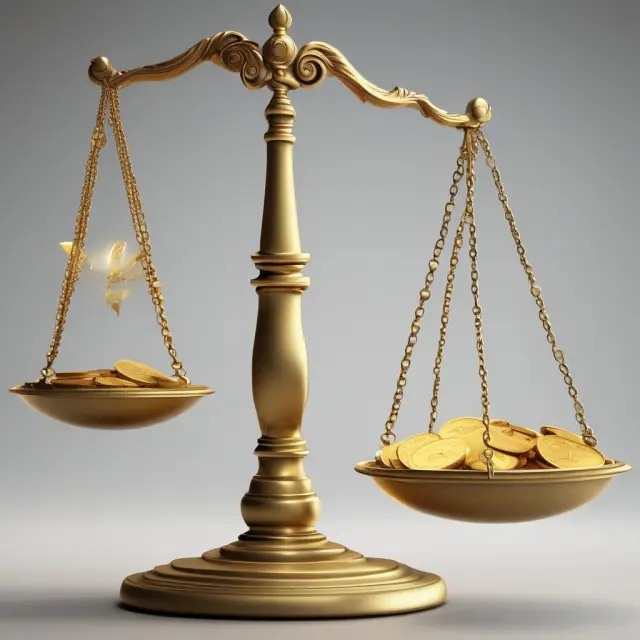
Although the federal government sets a minimum hourly wage rate for nonexempt workers under the Fair Labor Standards Act (FLSA), states and local municipalities have the power to establish their own minimum wages, provided they surpass the federal standard. This section explores how state minimum wages differ from the federal minimum wage in the US, examining exceptions, special cases, and current rates.
Historically, the first minimum wage laws were enacted to address unskilled laborers’ living conditions in newly industrialized countries during the late 1800s. In the United States, Massachusetts introduced the country’s first minimum wage law in 1912, setting a precedent that would influence future policy decisions. The Fair Labor Standards Act (FLSA) of 1938 established a federal minimum wage, but individual states could implement higher rates if necessary.
As of 2022, the federal minimum wage stands at $7.25 per hour for nonexempt employees under FLSA. However, state and local minimum wages vary widely throughout the US. As long as the stipulated hourly wage exceeds the federal rate, employers must follow the higher requirement. For instance, Massachusetts has a minimum wage of $14.25 per hour (increasing to $15 in 2023), while Montana’s is $9.20. In total, 30 states and the District of Columbia have minimum wages above the federal rate as of January 2022, with the highest state minimum wage being $15.20 per hour in Washington, D.C.
State Minimum Wage Exceptions
While most minimum wage laws cover all hourly workers, certain categories may be exempted from these regulations. State governments can create exceptions for specific industries or businesses to address unique circumstances and economic conditions. For example, some states have lower minimum wages for small employers with fewer than a certain number of employees or businesses generating less annual revenue.
Georgia and Wyoming have minimum wages set at just $5.15 per hour. However, FLSA-covered employees in these states are subject to the federal minimum wage rate of $7.25 per hour. Minnesota, with a state minimum wage of $8.42, exempts small employers with annual sales under $500,000 from this requirement. In Nevada, the minimum wage is currently one dollar less than the specified minimum if health benefits are included.
Another notable exception involves tipped employees, who can earn wages below the federal minimum wage as long as their tips bring their total earnings above the minimum hourly wage threshold. Currently, employers may pay a tipped employee a base wage of $2.13 per hour, assuming the employee’s tips will cover the remaining difference to meet the federal minimum wage.
In summary, state and local minimum wages differ from the federal minimum wage in the US due to varying economic conditions, labor markets, and policy decisions. Employers must comply with the higher of the two minimum wage requirements, as the Fair Labor Standards Act mandates that all nonexempt hourly workers receive a wage above the federal minimum wage floor.

Minimum-Wage Exceptions and Special Cases
The Fair Labor Standards Act (FLSA) sets the minimum hourly wage for most employees in the United States, but not all workers are subject to these regulations. Several categories of workers have been granted exemptions from the federal minimum wage due to various circumstances. In this section, we delve into the exceptions and special cases related to minimum wage.
Tipped Employees
One common exception involves tipped employees in the United States. Under the FLSA, a lower minimum wage of $2.13 per hour may apply to workers whose income primarily comes from tips. This concession stems from the expectation that their tips will significantly supplement their earnings and bring them above the federal minimum wage. However, where the total wages (including tips) and hourly rate do not meet the minimum wage threshold, employers are required to cover the shortfall to ensure fair compensation for these employees.
Students
Full-time students may be paid less than the minimum wage if they work for a university, retail store, or service establishment. The FLSA mandates that such students cannot be compensated below 85% of the federal minimum wage while school is in session. Moreover, students in technical or vocational programs can receive wages equal to 75% of the minimum wage throughout their enrollment. These provisions are intended to accommodate the fact that students often have limited working hours due to academic responsibilities and class schedules.
Disabled Workers
Another significant exemption from the federal minimum wage concerns workers with physical or mental disabilities. The FLSA permits these individuals to be paid wages below the minimum wage based on their reduced productivity capacity. Conditions such as blindness, cerebral palsy, alcohol and drug addiction, mental illness, and developmental disabilities are some examples of the types of impairments that may warrant this accommodation. The goal is to provide employment opportunities and foster self-sufficiency for individuals who might otherwise face significant barriers to entering or remaining in the workforce.
In conclusion, understanding minimum wage exceptions and special cases offers valuable insights into the complexities of labor law regulations. While the general public tends to focus primarily on the minimum hourly rate for all employees, it’s crucial to acknowledge that not every worker falls under these requirements. This knowledge is essential for both employers and employees to navigate the ever-changing landscape of minimum wage legislation and ensure fair compensation for all.

Current Minimum Wages in the US and Around the World
Understanding the current minimum wages across various industries and countries is crucial for businesses and workers alike. Let’s examine some of the most significant differences and variations in minimum wage rates around the world, starting with the United States.
In the United States, the federal minimum wage rate currently stands at $7.25 per hour. However, many states have set their minimum wages above this amount to better reflect the cost of living within their respective regions. As of 2022, a total of 30 states and the District of Columbia have minimum wages exceeding the federal minimum.
The state with the highest current minimum wage is Massachusetts, which sets its hourly rate at $14.25, increasing to $15 in 2023. Following closely behind are parts of New York and California, where employers must pay a minimum wage of $15 per hour for workers in certain industries or with more than 25 employees. Washington State boasts the third-highest minimum wage at $14.49 an hour.
Currently, only five states have not adopted their own state minimum wages: Alabama, Louisiana, Mississippi, South Carolina, and Tennessee. In these states, the federal minimum wage of $7.25 per hour applies.
It’s important to note that some states have special exceptions to their minimum wage rules. For example, Georgia and Wyoming both maintain a minimum wage of just $5.15 an hour for employees covered by the Fair Labor Standards Act (FLSA). In Minnesota, small employers pay a minimum wage of $8.42—rather than the regular state minimum of $10.33. In Nevada, the minimum wage is currently $1 less than the specified minimum if health benefits are included.
Around the world, countries like Australia, New Zealand, and the United Kingdom introduced minimum wage laws in the late 1800s as a means to protect workers from exploitation and ensure a reasonable standard of living. Fast forward to today, and we see vast differences in minimum wages across the globe.
Australia currently has a minimum wage rate of $20.33 per hour (AU$), while New Zealand’s is NZ$20 an hour. The United Kingdom’s national living wage varies depending on the age of the worker, ranging from £8.91 for under 23-year-olds to £9.50 for those aged 23 and over.
Aside from these countries, nations like Switzerland, Belgium, and Luxembourg have minimum wages that surpass $20 per hour, while others such as India, Bangladesh, and some African countries maintain minimum wages below $1 an hour.
In conclusion, understanding current minimum wage rates around the world is vital for businesses and workers alike. It allows for informed decisions regarding employment opportunities, hiring practices, and potential relocation, ultimately ensuring that both parties are aware of their rights and obligations within their respective industries and jurisdictions.
Impacts and Controversies Surrounding Minimum Wage Laws
Minimum wage laws have been a topic of intense debate since their introduction over a century ago. Proponents argue that minimum wages help protect workers from exploitation and reduce poverty, while critics contend that these laws can negatively impact businesses and lead to job losses or reduced hours for low-skilled workers.
Originated in New Zealand in the late 1800s, minimum wages were aimed at raising the income of unskilled laborers in response to the harsh conditions of industrialization. In the United States, minimum wage laws gained traction during the Great Depression under Franklin D. Roosevelt’s New Deal, with the passage of the Fair Labor Standards Act (FLSA) in 1938, which established a federal minimum wage of $0.25 per hour.
In the ensuing decades, debate over the merits and drawbacks of minimum wage laws has continued. Proponents argue that these laws help to alleviate poverty by setting a floor for wages, ensuring workers are paid fairly, and reducing income inequality. They point to numerous studies suggesting that higher minimum wages lead to reduced turnover rates, increased productivity, and improved morale among employees. Additionally, some believe that minimum wage increases can help boost consumer spending as low-wage earners have more disposable income.
However, opponents argue that minimum wage laws can negatively impact businesses, leading to job losses or reduced hours for low-skilled workers. They claim that businesses may be forced to lay off employees, outsource jobs, or automate processes in order to cut labor costs and remain competitive. Furthermore, they believe that the one-size-fits-all nature of minimum wages can limit economic growth, particularly in industries with high turnover rates and low skill requirements.
The ongoing debate over the minimum wage is further complicated by the fact that different states and cities have varying minimum wage rates. While some argue this approach allows for local economic conditions to be taken into account, others contend that it creates an uneven playing field for businesses operating across state or city borders.
As of 2022, President Joe Biden has proposed increasing the federal minimum wage to $15 per hour. This proposal faces significant opposition from both sides, with critics arguing that such an increase could negatively impact small businesses and result in job losses, particularly in industries heavily reliant on low-skilled labor. Proponents, however, believe that a $15 minimum wage would help lift millions of workers out of poverty and improve overall economic conditions.
Ultimately, the impacts and controversies surrounding minimum wage laws highlight the importance of ongoing discussions and research to better understand their economic, social, and moral implications. As our understanding of labor markets evolves, so too will the debates over the role of minimum wages in shaping them.

The Proposed $15 Minimum Wage in the US
President Joe Biden’s ambitious proposal to increase the federal minimum wage to $15 per hour is a hotly debated topic in today’s political climate. The proposed measure, which would represent a significant jump from the current rate of $7.25, has garnered support among advocates for workers and labor unions but faces opposition from business groups and some economists.
Biden campaigned on this promise during his successful presidential campaign in 2020, arguing that the minimum wage hike would help lift millions of Americans out of poverty and provide essential workers with fair compensation for their labor. The proposed increase was included in the American Rescue Plan, a $1.9 trillion stimulus package passed by Congress in March 2021. However, the Senate parliamentarian ruled that this provision could not be included due to budget reconciliation rules.
The proposed minimum wage hike is significant because it would represent a substantial increase for millions of low-wage workers and surpasses the average hourly wage of $21.78 in the United States as of 2021, according to data from the Bureau of Labor Statistics (BLS). The current federal minimum wage has remained at $7.25 since 2009, which is below the poverty line for a family of two ($15,410 annually) and far from providing a living wage for most Americans.
The United States’ minimum wage trails behind its peers in other developed countries, with only a few nations such as South Korea, Romania, and Turkey having lower hourly wages for unskilled laborers, according to data compiled by the International Labour Organization (ILO). The average minimum wage across the European Union is $13.57 per hour, while in Canada it’s $14.60, and in Australia, it’s $19.84.
The push for a higher federal minimum wage isn’t new; however, the proposal faces opposition from business groups who argue that an increase would lead to job losses and higher prices for consumers. Economists on both sides of the debate offer varying opinions regarding the potential economic impacts of a $15 minimum wage. Some argue it will provide workers with more purchasing power, leading to increased consumer spending, while others predict negative consequences such as decreased employment opportunities, particularly in industries with thin profit margins like restaurants and retail.
Proponents of the proposed increase also argue that the minimum wage doesn’t account for inflation or rising costs of living, which has eroded the purchasing power of low-wage workers. Additionally, they point to research showing that businesses have adapted to previous minimum wage increases by increasing productivity and raising prices, rather than cutting jobs or hours worked.
While President Biden’s proposal may face challenges in Congress due to political opposition, some states and cities have already adopted $15 minimum wages. California, Florida, Illinois, Maryland, Massachusetts, New Jersey, New York, and Washington are among the jurisdictions that have implemented this wage floor or plan to do so by 2024.
In conclusion, the proposed federal minimum wage hike to $15 per hour is a contentious issue in today’s political climate. Advocates argue it would help lift millions of Americans out of poverty and provide essential workers with fair compensation for their labor, while opponents fear potential negative economic consequences. The debate surrounding this proposal underscores the ongoing importance of minimum wage laws in ensuring a decent standard of living for all workers.
FAQ: Answering Common Questions about Minimum Wage
Minimum wage is an essential concept in labor markets and is defined as the lowest hourly wage that employers can legally offer their workers. This section aims to answer some common questions regarding minimum wages, focusing on its history, exceptions, and current rates.
1. Origins of Minimum Wage: The first recorded minimum wage law was introduced in Australia in 1894, followed by New Zealand, the United Kingdom, and eventually, the US in 1938 through the Fair Labor Standards Act (FLSA). Minimum wages were initially implemented to protect workers from exploitation and ensure they earned a living wage.
2. Federal vs. State Minimum Wages: The federal government sets a minimum wage that applies nationwide, but individual states have the power to establish their minimum wages if it surpasses the federal rate. Employers must adhere to the higher minimum wage when subjected to both federal and state regulations.
3. Minimum Wage Rates Over Time: The first US federal minimum wage was $0.25 per hour in 1938, adjusted for inflation, which amounts to approximately $4.94 today. The most recent increase occurred during the Obama administration in 2009 when it rose from $5.15 to $7.25.
4. Exceptions and Special Cases: Minimum wages do not apply to all workers, with certain exceptions such as tipped employees, students, disabled individuals, and agricultural laborers. These workers have different wage requirements that vary based on their unique situations.
5. Current State of Minimum Wage in the US and Around the World: As of 2022, the federal minimum wage in the US remains at $7.25 per hour for most employees. However, several states have set higher minimum wages to account for their regions’ costs of living. Globally, countries like Denmark, Finland, and Switzerland boast some of the highest minimum wages in the world.
6. Controversies Surrounding Minimum Wage Laws: The debate surrounding minimum wage laws centers on their economic implications for businesses, consumers, and workers. Proponents argue that it leads to reduced poverty and increased consumer spending, while detractors claim it may result in job losses, higher prices, or a reduced labor pool.
7. Proposed $15 Minimum Wage: President Biden’s proposed minimum wage of $15 per hour for federal employees has generated significant political discussion. Although it has yet to be implemented on a national scale, several states and cities have already adopted this rate or have plans in place to do so.
Understanding the intricacies of minimum wages is essential for employers, policymakers, and workers alike. By addressing common questions related to minimum wage history, exceptions, and current rates, we hope to provide a clearer perspective on this vital topic.

Conclusion: The Future of Minimum Wage Laws
Minimum-wage laws continue to shape the economic landscape and spark heated debates over their impact on workers, employers, and society as a whole. Understanding the past, present, and potential future developments in minimum wages is crucial for all stakeholders involved—workers, businesses, policymakers, and consumers.
As of now, the federal minimum wage in the United States remains at $7.25 per hour, but many states have surpassed this rate to offer better wages to their residents. For instance, as of January 1, 2023, California, New York, and parts of other states require a $15 minimum wage for most employees. In contrast, Georgia and Wyoming maintain the federal minimum wage rate of $7.25 for workers covered under the Fair Labor Standards Act (FLSA), while some cities and municipalities impose even higher wage requirements based on local living conditions.
However, discussions about raising the federal minimum wage to $15 per hour continue, with President Biden advocating for this increase as a means to alleviate poverty and reduce income inequality. The proposed hike has gained significant support but faces opposition from critics who argue that it could lead to increased costs for businesses, potential job losses, or even discourage employment opportunities for entry-level workers.
Looking ahead, the future of minimum wage laws is uncertain and complex. The impact of a potential $15 federal minimum wage on labor markets, wages, and employment will depend on various factors, including local economic conditions, industry characteristics, and the overall macroeconomic context. In the meantime, businesses must adapt to these changing wage structures by exploring ways to maintain profitability while ensuring fair compensation for their workforce.
As policymakers debate the future of minimum wages, it is essential that they consider both the potential benefits and drawbacks carefully. By analyzing historical trends, economic research, and real-world experiences from countries with higher minimum wages, they can develop evidence-based policy recommendations that best serve their constituents’ interests. Ultimately, the goal should be to create a fair labor market where all workers are paid a living wage while allowing businesses to thrive.
In conclusion, the minimum wage has come a long way since its inception over a century ago, with ongoing debates and developments shaping its future role in our economy. By understanding the historical background, current landscape, and potential implications of minimum wages, we can foster informed discussions and make more informed decisions that will ultimately benefit workers, employers, and society as a whole.
 Next entry · No. 3,209Understanding Minority Interests: A Comprehensive Guide for Institutional Investors
See also
-
 No. 2,937
15 Feb 2025
24 min
The Living Wage: A Pathway Out of Poverty or an Economic Burden?
Business Finance
No. 2,937
15 Feb 2025
24 min
The Living Wage: A Pathway Out of Poverty or an Economic Burden?
Business Finance -
 No. 5,571
20 Sep 2025
18 min
Understanding Wage Expenses: A Detailed Guide for Institutional Investors
Business Finance
No. 5,571
20 Sep 2025
18 min
Understanding Wage Expenses: A Detailed Guide for Institutional Investors
Business Finance -
 No. 4,376
13 Jun 2025
17 min
A Comprehensive Guide to Understanding Remuneration: Types, Differences, and Synonyms
Business Finance
No. 4,376
13 Jun 2025
17 min
A Comprehensive Guide to Understanding Remuneration: Types, Differences, and Synonyms
Business Finance -
 No. 2,666
25 Jan 2025
20 min
Justified Wages in Finance and Investment: Market Dynamics, Work Experience, and Skills
Business Finance
No. 2,666
25 Jan 2025
20 min
Justified Wages in Finance and Investment: Market Dynamics, Work Experience, and Skills
Business Finance -
 No. 1,394
09 Sep 2024
19 min
Understanding Exempt Employees: Salaried Workers and Minimum Wage
Business Finance
No. 1,394
09 Sep 2024
19 min
Understanding Exempt Employees: Salaried Workers and Minimum Wage
Business Finance -
 No. 2,745
31 Jan 2025
21 min
Understanding the Complexities of the Labor Market: Supply, Demand, and Beyond
Business Strategy
No. 2,745
31 Jan 2025
21 min
Understanding the Complexities of the Labor Market: Supply, Demand, and Beyond
Business Strategy