Understanding Morning Stars: Identifying Bullish Reversal Patterns in Finance

Unlock the power of bullish reversals through 'Understanding Morning Stars'. Learn about this indicator's significance, identification, and trading strategies.
Introduction to Morning Stars
Morning stars are a three-candle bullish reversal pattern that signal the end of a downtrend and the beginning of an uptrend. This powerful indicator is popular among technical traders and investors as it provides essential insight into market sentiment shifts. A morning star consists of a dark, long bearish candle; a smaller neutral candle with long wicks; and a large bullish candle that confirms the reversal.
Understanding the significance of this pattern relies on knowing the specific characteristics of each candle:
- The first candle is a significant bearish candle, signaling an intense selling period.
- The second candle represents market indecision or potential consolidation, with long wicks indicating that prices may be poised for a reversal.
- The third and final candle signals the start of an uptrend, characterized by a large bullish candle that confirms the reversal.
Morning stars provide valuable information about the market sentiment and potential price direction, but it is essential to remember that they should be used in conjunction with other technical indicators for confirmation purposes. In the following sections, we will discuss how to identify morning stars, their differences from related patterns like the doji morning star, and strategies for trading based on this powerful bullish signal.
Characteristics of a Morning Star Pattern
A morning star pattern is identified by its unique three-candle formation. The first candle exhibits a significant bearish move, which is followed by a smaller neutral candle with long wicks. The third and final candle represents the bullish confirmation that marks the start of an uptrend. These candles are often described using terms like long black, small body, and tall white, based on their color representation in traditional charts:
- Long black – the first bearish candle with a large body and long shadows (wicks).
- Small body – the neutral candle has minimal change from open to close and short wicks.
- Tall white – the final bullish candle displays a strong upward price movement, usually with a large real body and long shadow.
Additionally, it is important to note that the volume pattern plays a critical role in determining a morning star’s significance. A morning star becomes more reliable if there is an increase in trading volume on both the second and third candles, especially the third one, which can serve as a powerful confirmation of the trend reversal.
In the next section, we will discuss how to use technical indicators like RSI or support zones to confirm the presence of a morning star pattern.

Characteristics of a Morning Star Pattern
A morning star is an intriguing three-candle bullish reversal pattern in finance and investment that signals the end of a downtrend and the beginning of an uptrend. To recognize this auspicious sign, let’s delve deeper into its distinctive features.
The morning star is formed when price action experiences a clear trend in a particular direction, usually downwards, before showing signs of reversing. A morning star pattern consists of three candles: a tall bearish candle (first candle), a smaller candlestick with a low point that may be either black or white (second candle), and a final bullish candle, which is typically larger than the first two (third candle).
The second candle in a morning star represents a moment of market indecision when sellers and buyers start to even out. This middle candle is crucial as it signifies the pivot point where bears begin giving way to bulls. Although its body may be small, it often features long wicks that indicate intense activity by traders who are still unsure about the direction of the market. The presence of a relatively low price point in this second candle indicates that the selling pressure has weakened significantly.
The third and final candle in the morning star pattern confirms the reversal, marking the beginning of a new uptrend. This bullish candle typically exhibits a large body, reflecting renewed buying activity by investors as they jump back into the market with confidence. The long white body is often accompanied by high trading volumes to further underscore the significance of this bullish signal.
In summary, a morning star pattern is a fascinating three-candle bullish reversal formation characterized by a tall bearish candle, a smaller indecisive candle, and a final bullish candle with strong volume. By recognizing the emergence of this powerful reversal pattern in your investment portfolio or chosen financial instrument, you can capitalize on the potential for significant gains as the market shifts from a downtrend to an uptrend.

Identifying Morning Stars: Technical Indicators
When searching for potential morning star patterns, traders often look for confirmation from various technical indicators. One popular tool is the Relative Strength Index (RSI), which measures the momentum of price changes and can help identify overbought or oversold conditions. RSI oscillates between 0 and 100, and a reading below 30 indicates an oversold condition, while a reading above 70 suggests an overbought one.
The morning star pattern is not solely based on the appearance of three candlesticks; it’s essential to consider other factors such as RSI readings or support levels to validate the reversal signal. A morning star may form at or near a key support level, which can act as an additional confirmation that a trend reversal is underway.
RSI and Morning Star Patterns: How They Work Together
When using RSI in conjunction with a morning star pattern, traders look for the following conditions:
- A downtrend marked by lower lows and lower highs on the price chart.
- The appearance of a morning star pattern near a support level.
- The second candle shows a lower close than the first and is typically black in color, with a long wick (shadow) below the candlestick body.
- The third candle displays a significant increase in price, resulting in a large white candlestick.
- RSI reads below 30 during the downtrend.
- RSI begins to rise during the formation of the morning star pattern.
- After the appearance of the third bullish candle, the RSI reading surges above 70, signaling an overbought condition and potentially confirming the trend reversal.
RSI and Morning Star: Cautions
It’s essential to remember that RSI is not foolproof when identifying morning stars. A false signal may occur if other factors such as market noise or larger market trends negatively impact the price action during the formation of a morning star pattern. Traders should always consider multiple confirmation signals, including support levels and volume analysis, before taking any decisive actions based on an RSI reading.
In summary, identifying a morning star pattern is not only about recognizing the visual representation of three candlesticks. The use of technical indicators like RSI can help traders make more informed decisions regarding potential trend reversals. By combining the power of a morning star pattern and RSI, traders can potentially increase their chances of entering a profitable uptrend.
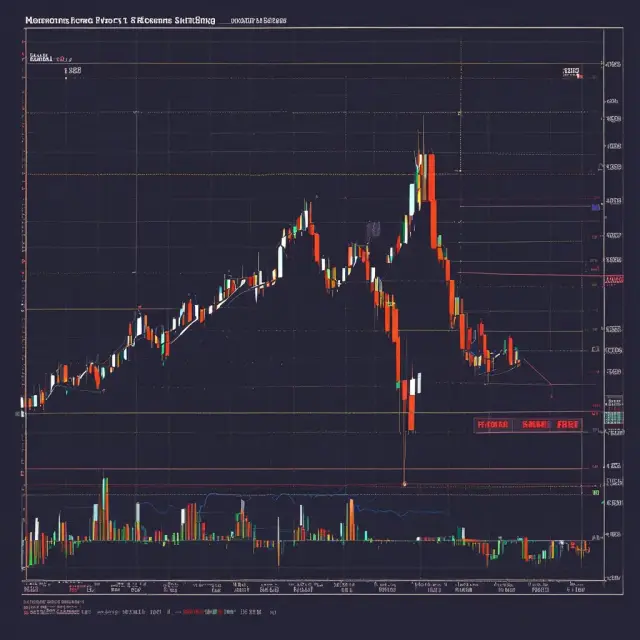
Morning Star vs. Doji Morning Star
The morning star pattern shares similarities with the doji morning star—both represent bullish reversals in the financial markets. However, these two patterns differ significantly in their structures and interpretations, especially when it comes to market indecision and volume confirmation signals.
Characteristics of a Doji Morning Star
A doji morning star is a three-candle pattern that forms during a downtrend but exhibits less clear market indecision compared to the traditional morning star. In this setup, a small doji candlestick emerges between a bearish gap and a bullish candle, which serves as an initial sign of potential trend reversal.
Key differences between a Morning Star and a Doji Morning Star:
- Market indecision: A traditional morning star typically displays a more apparent market indecision with the middle candle having a significant low point that is only apparent after the close of the third, confirming bullish sentiment. In comparison, a doji morning star does not show clear signs of indecision in the middle candle, as its body is small and usually has short wicks, signifying a balanced market.
- Volume: A traditional morning star usually requires a noticeable volume surge on the third day as a strong confirmation signal for the reversal. Conversely, a doji morning star might not have this pronounced volume spike but may instead rely on other indicators or patterns to boost confidence in the reversal signal.
- Confirmation signals: A traditional morning star pattern needs confirmation from additional technical indicators like support levels and RSI readings to be considered a reliable bullish reversal signal. In contrast, a doji morning star may not require external verification since its unique structure already incorporates indecision and potential reversal within its formation.
Example of Doji Morning Star
Let us consider the chart below to illustrate an example of a doji morning star pattern in action:
In this scenario, the downtrend was clearly visible with lower lows (blue arrows) before the formation of the doji morning star. The first candle (red) displays a significant bearish gap, while the doji candlestick in the middle shows little price change and is characterized by small wicks. Finally, the third candle (green) marks a bullish reversal with a long white body.
While some traders may prefer the traditional morning star pattern, others might find the doji morning star appealing due to its potential for earlier confirmation signals and less reliance on external indicators. Nonetheless, it is essential to consider both patterns’ advantages and limitations when determining their suitability in specific trading scenarios.

Examples of Morning Star Patterns
The power of morning stars lies not only in their visual appeal but also in their real-life significance. To better understand the concept, let us explore some notable examples of this bullish reversal pattern in action.
1. Apple Inc. (AAPL): In 2013, Apple’s stock was trading at an all-time low of $41.69 following a significant decline from its previous high of $70.52. After two consecutive bearish days marked by long red candlesticks, the market saw a morning star emerge. The pattern’s first candle showed a large selloff with a long red body. The second day brought a doji, a small and virtually flat candle that reflected indecision in the market. However, the third day brought optimism as the buyers returned, resulting in a strong bullish reversal signified by a long green candle. This morning star pattern marked the beginning of an impressive 45% rally over the subsequent four weeks.
2. Amazon (AMZN): In mid-2016, Amazon’s stock had fallen from its high of $763.81 to $653.26 due to concerns about increased competition and market saturation. However, as the bears started to tire, a morning star pattern began to form. The first candle was a large bearish candle with a long red body. The second day saw indecision reflected by a small doji candlestick. The final day of the pattern brought significant buying interest, resulting in a strong bullish reversal and a 31% surge in the stock price over the next month.
3. Bitcoin (BTC): In late-2018, bitcoin’s price had fallen drastically from its all-time high of nearly $20,000 to around $3,400 due to regulatory fears and market uncertainty. However, after two consecutive bearish days marked by long red candles, the bears began to lose their grip on the market. A morning star pattern emerged, with a large bearish candle followed by an indecisive doji day and a final bullish reversal candle. This pattern signaled the start of an impressive rally that saw bitcoin’s price increase by over 150% in just a few months.
These examples illustrate how morning stars can be crucial indicators of market turning points, allowing traders to capitalize on emerging trends and potentially secure significant profits. However, it is important to remember that visual patterns alone are not enough for solid investment decisions. Confirmation from other technical indicators and a thorough analysis of volume levels is essential before making any trading moves based on these bullish reversal signals.
In conclusion, understanding morning stars can be a powerful tool in the arsenal of any investor seeking to make informed decisions in the ever-changing financial markets. By paying attention to this intriguing yet simple pattern and supplementing it with additional technical analysis, traders can profit from both short-term trends and long-term shifts in market sentiment.

Trading Strategies with Morning Stars
Morning stars are powerful indicators of bullish reversals. However, traders should not solely rely on the visual pattern for decision making. Instead, they must combine it with other technical indicators and analysis techniques to ensure confidence in the trade. In this section, we will discuss how to implement effective trading strategies using morning star patterns, particularly focusing on volume analysis.
Volume Analysis: The Role of Volume in Morning Star Trades
When a morning star pattern appears, traders should pay close attention to the volume trends during each session. The volume trend is crucial as it indicates the strength and sustainability of the reversal. In an ideal situation, the trading volume should increase throughout the three sessions that make up the morning star formation. This uptrend in volume demonstrates a growing interest from buyers, further validating the potential bullish reversal. Conversely, a declining trading volume during these sessions could indicate weak buy interest and questionable trend strength.
Volume Confirmation: High Volume on the Third Day
The third day is crucial for confirming the morning star pattern. Ideally, the highest volume should be observed during this session. This high volume can serve as a confirmation of the reversal, regardless of other indicators. When combining volume analysis with the morning star pattern, traders are better equipped to evaluate the potential strength and longevity of an uptrend.
Implementing a Trading Strategy: Entry and Exit Points
A trader can enter the market when the third candle (the bullish confirmation) closes at its high for the day or near its high. The exit point is typically based on specific profit targets, stop losses, or other technical indicators. It is essential to set realistic goals and consider the level of risk tolerance when implementing a trading strategy based on the morning star pattern.
Combining Morning Stars with Other Technical Indicators
To maximize the effectiveness of a morning star strategy, traders often utilize additional indicators such as moving averages, support levels, and trendlines. By combining these tools with volume analysis, traders can create more robust entry and exit points, ensuring that they capitalize on the bullish reversal while minimizing potential risks.
Conclusion: Maximizing the Power of Morning Stars through Trading Strategies
A morning star pattern is a potent indicator of a bullish reversal; however, relying solely on its visual appearance can be risky. By combining volume analysis and other technical indicators, traders can develop more informed strategies, which help increase their chances of profiting from the reversal and mitigate potential losses.

Limitations of Using Morning Stars as a Trading Signal
While the morning star pattern holds significant potential as a bullish reversal indicator, it is essential to understand its limitations. Relying solely on this visual pattern can expose traders to risks in making decisions based on insufficient information. To mitigate these risks, here are some critical considerations when using morning stars:
1. Confirmation with Other Indicators: Morning star patterns should be used as a complementary tool alongside other technical indicators for a more well-rounded analysis. This could include support levels, resistance levels, or trend lines to enhance the accuracy and reliability of the trading decisions based on morning stars.
2. Volume Analysis: The importance of volume in confirming a morning star pattern cannot be overstated. Traders should look for increasing volume during the three sessions making up a morning star pattern, with the highest volume during the third session. A large volume spike is often considered confirmation of the bullish reversal signal.
3. Potential False Signals: In noisy or volatile markets, false morning star signals can arise frequently due to small candle formations that are not confirmed by volume or other indicators. Traders should be cautious in these situations and exercise patience before entering into a trade.
4. Market Conditions: Different market conditions may impact the effectiveness of morning stars as a reversal indicator. For example, in strong trending markets, morning star patterns may be less reliable due to the prevalence of false signals or prolonged price swings that can obscure the pattern formation.
5. Risk Management: Morning stars, like all technical indicators, come with inherent risks and should not be considered in isolation when making trading decisions. Implementing proper risk management strategies is crucial for mitigating potential losses and capitalizing on market opportunities effectively.
In conclusion, while the morning star pattern is a powerful tool for identifying bullish reversals, it is essential to recognize its limitations and approach its usage with a thoughtful perspective. Utilizing additional technical indicators, volume analysis, and a solid understanding of market conditions can help traders make informed decisions when employing this pattern as part of their overall investment strategy.

Conclusion: Maximizing the Power of Morning Stars
A morning star is an essential visual pattern that can signal a significant reversal from a bearish trend to a bullish one, providing valuable opportunities for investors and traders. However, it’s crucial to remember that this three-candle configuration alone does not guarantee success in the financial markets. Instead, confirming signals from other technical indicators and an increase in volume are essential elements for maximizing the power of morning stars.
Let’s dive deeper into these critical factors for capitalizing on the potential gains from a morning star pattern:
- Additional Indicators: While morning stars can serve as standalone signals, combining them with other technical indicators increases their overall effectiveness. One popular indicator is the Relative Strength Index (RSI), which measures the magnitude of recent price changes to identify overbought or oversold conditions in an asset. An RSI reading below 30 indicates oversold conditions, while readings above 70 indicate overbought conditions. A morning star pattern that occurs during these levels can suggest a strong potential trend reversal.
- Volume Analysis: Volume plays a crucial role in confirming the reliability of a morning star pattern. The increase in volume throughout the three sessions forming the pattern is a powerful confirmation of the bullish reversal. In particular, the third day’s high volume indicates that a significant shift in market sentiment has occurred, further increasing the potential for a successful trade.
- Time Frames: Morning stars can appear across different time frames, from intraday to long-term charts, emphasizing their versatility and value as a reversal signal. However, shorter time frames might require more frequent checks for false signals due to increased market volatility and noise.
- Patience and Discipline: Trading based on morning stars requires patience and discipline to wait for the right conditions before entering into a long position. This approach is especially important when dealing with false signals that may occur in a downtrend, as these can result in missed opportunities or potential losses if traded prematurely.
- Employing Stop Losses: Implementing stop losses helps mitigate risks and minimize potential losses when trading based on morning stars. These protective orders automatically sell an asset when it reaches a predefined price level, ensuring that profits are locked in once the uptrend has been established.
- Cryptocurrency Trading: Morning stars can also be applied to cryptocurrency markets as they offer insights into potential reversals within the volatile digital asset space. It’s essential to keep track of the unique characteristics and trends specific to each cryptocurrency, such as their price volatility and trading volume, while employing the morning star pattern for optimal results.
- Advanced Strategies: More sophisticated approaches like using multiple indicators in combination with morning stars can lead to increased accuracy and profitability when implementing a trading strategy. For instance, pairing moving averages or Bollinger bands with morning stars can provide more robust signals and help filter out potential false reversals.
In summary, the morning star pattern is an effective tool for recognizing bullish reversals in financial markets. By combining it with additional indicators such as volume analysis, RSI, and other technical tools, investors and traders can maximize its power and capitalize on profitable opportunities while minimizing risks.

FAQs on Morning Star Patterns
1. What exactly is a morning star pattern? A morning star pattern is a three-candle bullish reversal signal observed in candlestick charting. It is formed at the end of a downtrend and comprises a tall bearish candle (black or red), a small, doji-like candle (neutral) with long wicks, and a large bullish candle (white or green).
2. What makes a morning star different from a simple reversal pattern? A morning star not only signals a price reversal but also indicates a change in market sentiment as the bears begin to lose control and the bulls take over.
3. How can you identify a morning star pattern? Look for three consecutive candles, starting with a bearish one followed by a small doji or indecision candle, then a large bullish candle signaling a potential trend reversal.
4. What does the middle, doji-like candle represent in a morning star pattern? This neutral candle represents indecision in the market where neither bulls nor bears have control, often resulting in minimal price movement.
5. Is volume important when identifying morning stars? Yes, an increase in trading volume during the three candles of a morning star can be considered a confirmation of the trend reversal.
6. What is the difference between a morning star and a doji morning star pattern? A doji morning star has a neutral or doji middle candle (characterized by having equal-length wicks on both ends), while a regular morning star may have any type of small second candle. The doji morning star is considered to be more powerful because it shows stronger indecision and often results in a larger bullish response from the market.
7. Can morning stars appear in any financial instrument or timeframe? Yes, they can occur in stocks, indices, currencies, commodities, and other financial instruments across various timeframes.
8. Do morning stars always lead to successful trades? No, while a morning star pattern is an effective tool for identifying potential trend reversals, it should not be relied upon as the sole determinant for making trading decisions. Always confirm the signal with multiple indicators and other technical or fundamental analysis.
9. Are there any limitations to using morning stars? Yes, like all chart patterns, morning stars have their limitations. They can sometimes appear in choppy or ranging markets where the trend may not continue as expected. Additionally, a large bullish candle following a bearish candle might simply be an oversold bounce and could result in false signals without proper confirmation using other indicators.

Morning Stars in Cryptocurrency Trading
Cryptocurrencies are notorious for their volatility and price swings, making identifying reversal patterns even more crucial for traders looking to capitalize on market movements. Among the various bullish reversal indicators, the morning star pattern is particularly popular. This section will explore how to recognize and trade morning stars within the crypto space.
Characteristics of a Morning Star in Cryptocurrencies
A morning star in cryptocurrency trading exhibits the same fundamental three-candle structure as it does in traditional markets:
- A bearish red or bearish green candle (depending on the chart color scheme) signaling a downtrend.
- A middle candle, which is typically smaller and characterized by low volatility – this may appear black or white, indicating market indecision.
- A bullish green candle confirming the reversal and often marking the beginning of an uptrend.
The importance of volume in the context of morning stars cannot be overstated. In cryptocurrencies, traders will look for a noticeable increase in trading volumes during the formation of each candle to validate the significance of the pattern.
Identifying Morning Stars vs. Doji Morning Stars
It’s essential to differentiate between a regular morning star and a doji morning star. Both patterns are bullish reversals, but they have subtle differences when it comes to market indecision:
- A morning star has a small body in the middle candle, while a doji morning star has a doji (a candlestick with no real body) as its middle candle.
- The appearance of a doji following a bearish red or bearish green candle can lead to more aggressive volume spikes and a correspondingly longer bullish green candle due to the heightened trader focus on the reversal.
Comparing Traditional Markets vs. Cryptocurrency Trading: An Example
Consider the hypothetical example of XYZ, an altcoin. Assume that after several days of downward price movements, a morning star pattern emerges, as shown below:
To confirm this bullish reversal, traders may cross-reference other indicators such as Moving Averages or RSI. A trader looking to enter the market based on this pattern might buy XYZ when the bullish green candle’s price action starts and hold their position until a clear trend reversal signal appears.
Trading Strategies with Morning Stars in Cryptocurrencies
When considering entering a trade based on a morning star pattern, some factors should be taken into account:
- Volume analysis: Traders should observe volume trends during the formation of each candle. High volumes in all three candles generally increase the likelihood that the reversal is genuine.
- Risk management: Placing stop losses and setting take profits are essential for limiting potential losses and securing gains.
- Flexibility: Given the volatility of cryptocurrencies, it’s important to be ready for sudden market shifts.
In conclusion, morning stars provide an excellent entry point for bullish reversals within cryptocurrency markets. However, like any trading strategy, it comes with its risks and limitations. A solid understanding of volume trends and other technical indicators can significantly enhance the chances of making successful trades based on this pattern.

Advanced Morning Star Strategies
The simple presence of a morning star doesn’t guarantee a successful trade, as false signals can occur. To mitigate this risk and improve the odds of identifying genuine bullish reversals, advanced strategies can be employed in conjunction with traditional morning star analysis. This section discusses some sophisticated techniques for maximizing the potential of morning star patterns.
1. Combining Morning Stars with RSI: Relative Strength Index (RSI) is a momentum oscillator that measures the speed and change of price movements. By combining morning stars with RSI, traders can make more informed decisions on entry and exit points, potentially increasing profits and reducing risk. In an oversold market, a morning star pattern could represent the beginning of a bullish reversal; however, it’s essential to confirm this assumption using additional indicators like RSI. When an oversold condition is met (RSI < 30), a morning star may indicate that the downtrend has exhausted itself and a new uptrend will follow. If the RSI doesn't start to recover as expected, traders should consider waiting for another confirmation before entering a long position. 2. Support and Resistance Levels: Morning stars often emerge near support or resistance levels. Utilizing Fibonacci retracement levels or other technical indicators can provide valuable context when assessing the significance of a morning star pattern. For instance, if the price bounces off an important support level and forms a morning star, this could be a strong indicator that the downtrend has been reversed. In contrast, if the price breaks through a resistance level but fails to form a morning star, it may indicate that further upside potential remains before entering a long position. 3. Multiple Morning Stars: A single morning star can signal a trend reversal; however, multiple morning stars in quick succession could represent a more powerful bullish move. This strategy involves looking for clusters of morning stars and assessing their proximity to support or resistance levels as well as their confluence with other indicators like the RSI. Traders who identify a series of morning stars may be more confident in entering a long position since the likelihood of a false signal is diminished. 4. Volatility Filters: Morning star patterns are most effective when employed in conjunction with filters that measure market volatility, such as Average True Range (ATR) or Bollinger Bands. By incorporating these indicators into your analysis, you can identify the ideal entry and exit points for a trade, allowing you to maximize potential profits while minimizing risk. For example, a high-volatility market might require a larger stop loss order or more significant price movement before entering a long position. Conversely, in low volatility markets, it may be better to wait for the RSI or other indicators to provide additional confirmation before acting on a morning star pattern. 5. Combining Multiple Indicators: Rather than relying on a single indicator like morning stars alone, combining several technical indicators can help traders make more informed decisions. For example, pairing moving averages with morning stars or using trendlines alongside these patterns can offer valuable insights into market trends and potential reversals. By looking for confirmation from multiple sources, traders can increase their confidence in entering a long position while minimizing the risk of false signals. In conclusion, advanced morning star strategies offer traders an effective way to capitalize on bullish reversals in the financial markets. By combining traditional morning star analysis with additional indicators like RSI, support and resistance levels, volatility filters, or multiple indicators, traders can significantly improve their chances of success while mitigating risks associated with false signals. Remember, no strategy is foolproof, but employing these advanced techniques can help you make more informed decisions and navigate market fluctuations with greater confidence.
 Next entry · No. 3,270Morningstar Inc.: Understanding the Global Investment Research Firm’s History, Offerings, and Ratings
See also
-
 No. 3,941
09 May 2025
17 min
Understanding Pennants: A Technical Analysis Continuation Pattern
Financial Education
No. 3,941
09 May 2025
17 min
Understanding Pennants: A Technical Analysis Continuation Pattern
Financial Education -
 No. 3,446
29 Mar 2025
19 min
Understanding Net Volume: A Technical Indicator for Professional and Institutional Investors
Financial Data Analysis
No. 3,446
29 Mar 2025
19 min
Understanding Net Volume: A Technical Indicator for Professional and Institutional Investors
Financial Data Analysis -
 No. 2,669
25 Jan 2025
18 min
Understanding the Kairi Relative Index (KRI): A Technical Analysis Tool for Buy and Sell Signals
Financial Tools
No. 2,669
25 Jan 2025
18 min
Understanding the Kairi Relative Index (KRI): A Technical Analysis Tool for Buy and Sell Signals
Financial Tools -
 No. 4,456
20 Jun 2025
20 min
Understanding Reversals: Spotting and Utilizing Trend Changes in Finance and Investment
Business Finance
No. 4,456
20 Jun 2025
20 min
Understanding Reversals: Spotting and Utilizing Trend Changes in Finance and Investment
Business Finance -
 No. 4,134
25 May 2025
22 min
Understanding Proprietary Trading: Maximizing Profits with Institutional Capital
Business Finance
No. 4,134
25 May 2025
22 min
Understanding Proprietary Trading: Maximizing Profits with Institutional Capital
Business Finance -
 No. 3,779
26 Apr 2025
24 min
Understanding Orders in Finance: Market Order vs Limit Order vs Stop Order
Business Finance
No. 3,779
26 Apr 2025
24 min
Understanding Orders in Finance: Market Order vs Limit Order vs Stop Order
Business Finance