Understanding Natural Gas Liquids: Types, Applications, Challenges and Opportunities
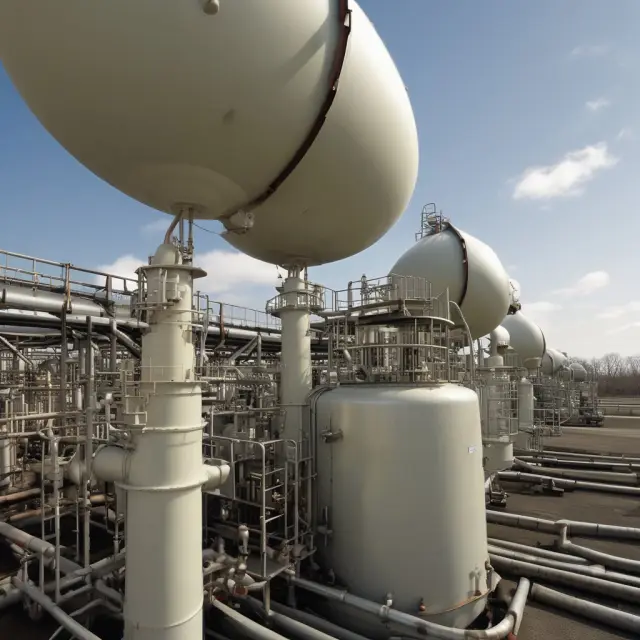
Learn about Natural Gas Liquids (NGL), including types, applications, challenges & opportunities in industries like plastics, petrochemicals, heating, and…
Introduction to Natural Gas Liquids (NGL)
Natural Gas Liquids (NGLs) are hydrocarbons that exist within natural gas. They separate from the gas state in a liquid form during processing, making them an essential byproduct. NGLs represent around 3% of total natural gas production and are extracted either on-site or at centralized processing facilities. These valuable components serve numerous applications across various industries.
Understanding Natural Gas Liquids
Natural gas liquids hold significance as separate products due to their versatile uses. Their extraction not only adds value but also helps oil and gas companies diversify revenue streams. The primary methods for removing NGLs include absorption, condensation, and other techniques at either field facilities or centralized processing plants.
Classification of Natural Gas Liquids
NGLs can be classified based on their vapor pressure: low (condensate), intermediate, and high (liquefied petroleum gas). These liquid components possess different chemical compositions but are all hydrocarbons and serve various purposes in industries.
Applications of Ethane
Ethane is a critical NGL component used primarily for the production of ethylene, which serves as the base material for numerous plastics. This versatile gas finds significant use in various industries including packaging, construction materials, automotive components, and electrical applications. Ethylene’s importance lies in its role as a petrochemical feedstock, with end products such as polyethylene, polyvinyl chloride (PVC), and polystyrene.
Applications of Propane
Propane is another essential NGL used for both residential and commercial heating applications, cooking fuel, small stoves, and petrochemical feedstock. Its widespread use also extends to the transportation sector as a vehicle fuel. In the industrial sector, propane’s versatility makes it valuable in blending gasoline and producing synthetic rubber for tires.
Applications of Butanes
Butanes play a crucial role in various industries due to their diverse applications. They can be blended with gasoline or propane and used in producing synthetic rubber, plastics, and as a refrigerant (isobutane). Their importance is further demonstrated by the fact that they’re used in lighter fuel for aircraft, boats, and industrial engines.
Applications of Pentanes
Pentanes are utilized extensively in the production of natural gasoline, which acts as a blending agent to enhance octane quality. In addition, pentanes serve as an essential component in expanding polystyrene foam used in insulation materials for buildings and packaging. Their role in the chemical industry is further expanded when combined with propane and butane, forming liquefied petroleum gas (LPG), which is a valuable fuel for heating homes and businesses.
Challenges and Opportunities
The increasing production of NGLs due to advancements in drilling techniques like horizontal drilling and hydraulic fracturing presents opportunities for companies to diversify their revenue streams. However, it also comes with challenges such as the need for specialized handling, storage, and transportation infrastructure. The volatility of natural gas prices can significantly impact the profitability of NGLs; however, the U.S. shale boom has led to growing production and exports, making it an essential part of the global energy market.
In conclusion, Natural Gas Liquids hold significant value due to their wide range of applications across various industries. Understanding these components’ importance, classification, and uses is crucial for anyone interested in the natural gas and energy sector. As the industry continues to evolve, NGLs will remain a critical byproduct that adds value and diversifies revenue streams for oil and gas companies.

Classification of NGLs
Natural Gas Liquids (NGLs) are an essential component of natural gas production that can be separated from the natural gas stream into various liquid hydrocarbons. The classification of NGLs is primarily based on their vapor pressure: low, intermediate, and high.
Low-pressure Natural Gas Liquids
Low-pressure NGLs, commonly referred to as condensate, are typically found in the wet gas associated with oil reservoirs. As these liquids have a low vapor pressure, they condense when the natural gas temperature drops, allowing them to be easily separated from the gas stream by cooling it.
Intermediate-pressure Natural Gas Liquids
Intermediate-pressure NGLs are extracted using various processes such as absorption or adsorption. These methods use solvents or solid adsorbents to separate intermediate-pressure NGLs (iP-NGLs) from the natural gas stream. iP-NGLs include ethane, propane, and butanes, among others. Ethane is crucial for producing ethylene, a primary building block of various polymers used in plastics, packaging, and synthetic rubber production. Propane, on the other hand, serves as an important feedstock for petrochemical manufacturing, as well as being used as a fuel for heating and cooking. Butanes are often blended with gasoline or used as a refrigerant.
High-pressure Natural Gas Liquids
High-pressure NGLs, commonly known as liquefied petroleum gas (LPG), include propane and butanes in their gaseous state under standard conditions. They require high compression to maintain their liquid form during transportation and storage. LPG is a versatile energy source that can be used for both residential and commercial heating, cooking, and industrial applications.
Understanding NGL classification allows us to appreciate their unique properties, various uses, and the challenges involved in extracting and processing them. The extraction of natural gas liquids has grown increasingly important due to advancements in drilling technologies such as horizontal drilling and hydraulic fracturing techniques that have made it possible to tap into unconventional sources of natural gas. This expansion of production capacity is creating new revenue opportunities for oil and gas companies while also increasing the need for processing facilities to separate NGLs from the natural gas stream.
FAQs about Natural Gas Liquids:
What are natural gas liquids?
A. Natural gas liquids (NGLs) are hydrocarbons that can be separated from the natural gas stream under various conditions. They include ethane, propane, butanes, pentanes, and heavier molecules.
How is NGL extracted?
A. NGL is extracted using various methods such as absorption or adsorption in processing facilities to remove the liquids from the natural gas stream.
What are the primary applications of NGLs?
A. The primary applications of NGLs include plastics production, petrochemical feedstock, home heating, commercial heating, cooking fuel, and industrial processes.
Why is NGL production increasing?
A. Natural gas liquids production is increasing due to advancements in drilling technologies that make it possible to extract more NGL from unconventional sources of natural gas. This growth is creating new revenue opportunities for oil and gas companies while also increasing the need for processing facilities.
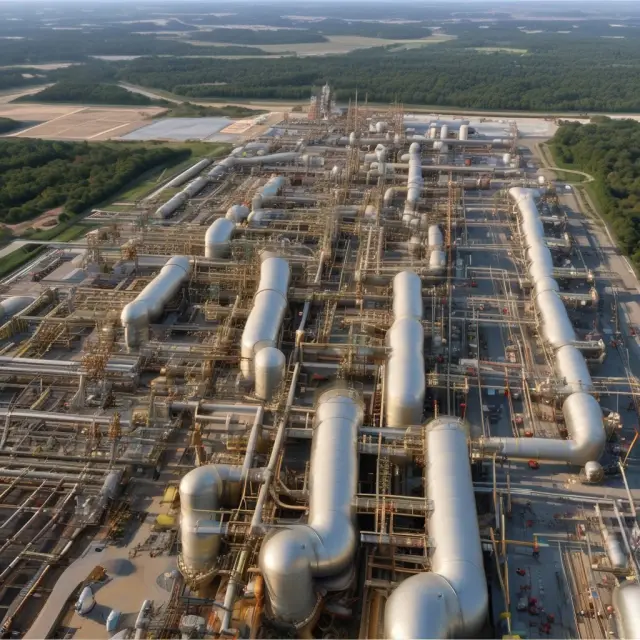
Applications of Ethane
Natural Gas Liquids (NGLs) are an integral part of the oil and gas industry’s production cycle. Ethane is one of the significant NGLs, known for its diverse applications in plastics production and petrochemical feedstock. In this section, we will explore ethane’s importance and discuss how it contributes to various industries.
Firstly, let us delve into what ethane is. Ethane is a colorless, odorless hydrocarbon with the molecular formula C₂H₆. It is extracted from natural gas through various methods like absorption, condensation, or fractional distillation. Ethane’s properties make it an essential component in several applications, most notably as a feedstock for producing ethylene—a primary ingredient in plastic production.
Ethane’s significance lies in its role as a versatile raw material in the petrochemical industry. It is used to create ethylene via cracking processes such as steam cracking or autothermal reforming. Ethylene, derived from ethane, serves as the building block for many polymer-based products, including plastics, textiles, and rubber. Some of the most common end-use applications of ethylene-derived products include plastics, plastic bags, antifreeze, detergent, and even synthetic rubber in tire manufacturing.
Additionally, ethane’s importance extends to its role as a petrochemical feedstock. Feedstocks are raw materials used to create various industrial chemicals, typically through a chemical reaction called polymerization. Ethane contributes significantly to the production of ethylene oxide and vinyl acetate monomer (VAM), which in turn serve as essential building blocks for numerous applications such as adhesives, coatings, and packaging materials.
Moreover, ethane’s economic importance is evident due to its high demand and the resulting revenue stream it offers oil and gas companies. As a byproduct of natural gas production, ethane provides an additional source of income, offsetting losses in the gas market when prices fluctuate. The potential revenue opportunities associated with ethane make it an attractive investment for oil and gas firms seeking to diversify their product offerings and mitigate risks related to price volatility.
However, it is essential to recognize that handling, storing, and transporting ethane presents its own set of challenges. Due to the high pressure required to maintain liquefied ethane at ambient temperatures, specialized infrastructure is necessary for efficient storage and transportation. Moreover, ethane’s flammability necessitates the use of safety equipment and proper handling techniques, further adding to operational costs.
Despite these challenges, ethane remains a valuable resource due to its extensive applications in various industries, including plastics production, petrochemicals, and even as a fuel source for power generation. With advancements in technology and an increasing focus on the circular economy, ethane’s role is expected to expand further, driving innovation and growth within the oil and gas sector.

Applications of Propane
Propane is a natural gas liquid with diverse applications that span from home use as a fuel source for heating, cooking, and small stoves to industrial applications in petrochemical feedstock for creating various products. Propane’s versatility makes it an essential component of the natural gas industry.
Propane’s primary residential application is heating homes during cold seasons. It is an excellent alternative to electricity or oil-fueled systems due to its cost-effectiveness, clean burning ability, and ease of use. For businesses, propane can be used for space heating, commercial cooking, and small standalone generators, making it a versatile backup energy source during power outages.
In the industrial sector, propane is an important petrochemical feedstock with numerous applications in creating various chemical products. One significant use of propane is in the production of polyethylene, a widely used plastic material for packaging and various consumer goods. Propane also plays a role in the generation of propylene, another important petrochemical feedstock used to produce plastics, resins, and synthetic rubber.
The transportation sector has started exploring propane as an alternative vehicle fuel due to its clean-burning characteristics and abundant supply. The use of propane for automobiles is still in the experimental phase, but it shows promise as a viable option in the future. Moreover, some companies have been using propane as a fuel source for buses and heavy-duty trucks, achieving significant reductions in emissions and improved fuel efficiency compared to traditional diesel engines.
The wide range of applications for propane makes it an essential natural gas liquid with immense potential for future growth. Despite this, propane’s volatility can pose challenges as its demand is influenced by the price fluctuations of oil and natural gas. Additionally, propane requires expensive handling, storage, and transportation due to its high pressure or low temperature requirements to maintain its liquid state for shipment. However, the increasing production capacity from the U.S. shale boom has provided opportunities for expanding infrastructure and processing plants to support the growing demand for natural gas liquids like propane.
In conclusion, understanding the different applications of natural gas liquids (NGLs) can lead to a better appreciation of their importance in the energy sector and provide valuable insights into how they contribute to various industries. As the demand for NGLs continues to grow, it is essential to stay informed about their uses and challenges to fully capitalize on the opportunities they present.
Applications of Butanes
Butanes, a component of natural gas liquids (NGL), are widely used in various industries due to their versatile properties. While the classification of NGLs is based on vapor pressure – low, intermediate, and high – butanes fall into the category of intermediate NGLs with a lower volatility than propane and ethane. This section will delve into the diverse applications of butanes, focusing specifically on synthetic rubber production, blending them with gasoline, as well as their use as refrigerants (isobutane).
Synthetic Rubber Production
Butanes play a crucial role in the synthesis of synthetic rubber for tires. They serve as essential feedstocks in this process, meaning that they are used to produce other substances. The result is high-quality synthetic rubber that enhances tire performance by ensuring superior handling, better fuel efficiency, and reduced rolling resistance.
Blending Butanes with Gasoline and Propane
Butanes can be blended with gasoline for improved combustion properties and higher octane ratings. This results in a cleaner burning fuel mixture that produces fewer emissions. Furthermore, butanes are used as a component in the production of Liquefied Petroleum Gas (LPG) when they’re combined with propane. Together, these gases create a more efficient energy source, especially for remote and rural areas where access to traditional energy sources may be limited.
Refrigerant Uses: Isobutanes
Isobutanes, a specific type of butane, have gained significant attention due to their use as refrigerants. They are commonly used in applications that require low-temperature refrigeration and can replace other refrigerants with higher global warming potentials (GWP). The adoption of isobutanes as a more eco-friendly alternative has contributed to the reduction of greenhouse gas emissions.
In conclusion, butanes represent an essential component of NGLs with numerous applications that cater to various industries and consumer needs. Their versatility, from synthetic rubber production to their role in fuel mixtures or refrigeration systems as isobutane, highlights their importance in today’s energy landscape.
Applications of Pentanes
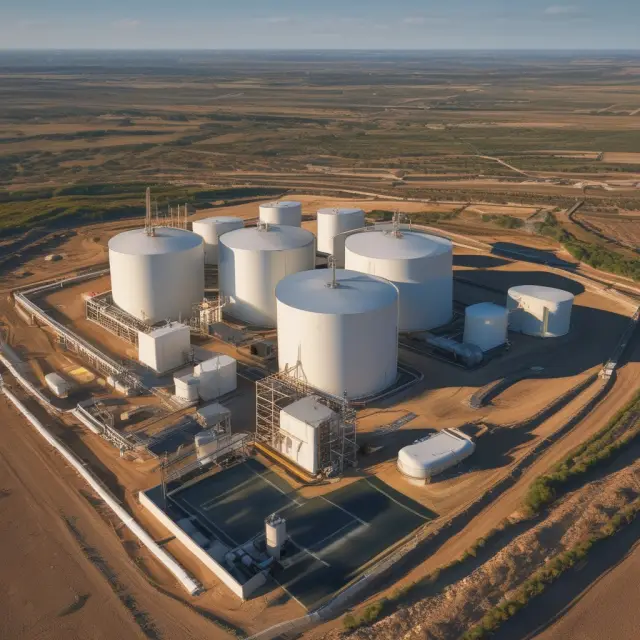
Natural Gas Liquids (NGL) consist of various hydrocarbons extracted from natural gas and separated into different components. Among these NGLs, pentanes are a lesser-known but essential component. This section will delve into the uses, importance, and applications of pentanes in natural gas liquids.
Pentanes belong to the alkane family, specifically having five carbon atoms and ten hydrogen atoms (C5H12) with a molecular weight of 72.15 g/mol. They are extracted from natural gas using cryogenic processes or absorption techniques as part of NGL separation.
Applications in Natural Gasoline
The primary use for pentanes is in the production of natural gasoline. Pentane and isopentane (C5H12) mixtures form a critical component of natural gasoline, which accounts for approximately 30-70% of its total volume. In this blend, they act as solvents to enhance refinery performance and reduce the viscosity of the final product, making it easier to transport and distribute.
Applications in Polystyrene Foam
Another significant application for pentanes is as a blowing agent for polystyrene foam, a common insulation material. The unique properties of pentanes, such as low toxicity and high thermal insulation efficiency, make it an excellent choice for this use case. In the production process, pentanes are injected into a polymerizing reactor to create closed-cell or open-cell foams. These foams have widespread usage in industries like construction, food packaging, refrigeration, and transportation.
Environmental Impact
It is noteworthy to mention that pentanes contribute to greenhouse gas emissions when burned as fuel. The global warming potential (GWP) of pentane is about 25 times higher than CO2 over a 100-year time frame. However, due to the advantages they offer in various applications, their environmental impact must be carefully considered and mitigated through sustainable practices and the adoption of cleaner technologies.
Conclusion:
In summary, natural gas liquids, specifically pentanes, hold significant value as versatile components for various industries. Their unique properties, such as low temperature fluidity and high thermal insulation efficiency, enable their use in natural gasoline production and foam manufacturing. As the world’s focus shifts toward sustainable energy sources, it is crucial to understand the role of NGLs like pentanes in our current energy infrastructure and consider opportunities for their integration into future green technologies.
Stay tuned for the next section discussing the challenges and opportunities surrounding natural gas liquids.

Challenges and Opportunities
The discovery of natural gas liquids (NGLs) alongside the natural gas revolution has brought about both challenges and opportunities for the global energy sector. With growing production due to advancements in extraction technologies, it’s vital to understand these components and their associated issues.
One significant challenge is that natural gas liquids can be expensive to handle, store, and transport compared to refined products due to their need for high pressure or low temperatures to remain in a liquid state. Additionally, NGLs are highly flammable and necessitate specialized equipment, including trucks, ships, and storage tanks.
However, the volatility of natural gas liquids presents both challenges and opportunities. As production increases, the demand for processing plants that separate NGLs from natural gas grows. Nevertheless, this also leads to more widely available natural gas liquids with various applications in petrochemical feedstock, home heating, plastics, and even as fuels.
Moreover, the U.S., particularly the shale boom, has seen a significant increase in NGL production as part of their natural gas extraction process. This expansion comes at an opportune time with the market’s shift towards cleaner-burning fuels and a growing demand for plastics. In fact, NGLs provide natural gas producers with an additional revenue stream, helping to diversify their income streams.
A prime example of these advancements is the new production facility in Texas. The plant extracts ethane and propane from natural gas using specialized fractionation techniques and processes them into usable forms for commercial businesses and industrial plants. Exports are also a burgeoning market, as countries such as Mexico have expressed interest in purchasing U.S.-produced NGLs.
Another opportunity comes from the environmental aspect. Natural gas liquids produce fewer greenhouse gases compared to traditional crude oil during combustion and offer more environmentally friendly alternatives for plastics production. This shift towards cleaner energy sources is a significant trend that will only continue as technology advances and global priorities change.
In conclusion, natural gas liquids present both challenges and opportunities in the energy sector. While their handling, storage, and transportation can be complex, they provide numerous benefits such as increasing revenue streams, reducing greenhouse gas emissions, and expanding industrial applications. With continued advancements in technology and a focus on cleaner energy sources, the future of natural gas liquids looks bright.

Cons of Natural Gas Liquids
Despite their numerous advantages, natural gas liquids (NGLs) come with specific challenges that need addressing. One significant disadvantage is the high cost associated with handling, storing, and transporting these valuable components. NGLs must be kept under high pressure or cooled to maintain a liquid state for shipping and handling. Furthermore, they are highly flammable, necessitating special trucks, ships, and storage tanks to ensure safety.
Another challenge with natural gas liquids is their volatility. The rapid price swings of NGLs can impact producers, refiners, and consumers alike. Additionally, as production increases, so does the need for processing plants that separate NGLs from natural gas. These facilities require significant capital investment to ensure efficient operation and compliance with safety regulations.
However, the challenges faced by natural gas liquids do not overshadow their benefits. For instance, NGLs are integral in a wide range of industries, including plastics, fuels, and petrochemicals. Ethane is used extensively for producing polyethylene, one of the most widely-used plastics globally. Propane, on the other hand, is an essential component in the production of various chemicals like polypropylene and polystyrene. Moreover, propane has multiple applications as a fuel, with significant demand for residential and commercial heating, particularly in regions prone to harsh winters.
The U.S. shale boom has significantly impacted the NGL market by increasing extraction rates and providing additional revenue streams for oil and gas companies. As crude oil prices drop, producing NGLs offers a valuable alternative source of income to offset lost revenue. However, as production volumes continue to rise, it is crucial to address the challenges related to handling, storing, and transporting these valuable resources.
Natural gas liquids offer numerous applications and advantages for various industries. While they come with some disadvantages, understanding these challenges can help industry players make informed decisions about investing in NGLs and implementing strategies that maximize their potential while minimizing risk.
Pros of Natural Gas Liquids
Natural gas liquids (NGLs) serve as a valuable addition to the energy sector, offering numerous advantages for oil and gas companies and consumers alike. One key advantage is the diverse range of applications NGLs have in various industries. They can be used as feedstock for petrochemicals, fuels, and plastics production.
For industrial purposes, natural gas liquids are vital feedstocks in chemical plants where they undergo further refining processes to produce raw materials for a multitude of products. This role is crucial, as NGLs provide an essential foundation for producing a wide range of items, including polymers, pharmaceuticals, and solvents.
Moreover, natural gas liquids play a significant part in the energy sector as fuels. They can be used for residential heating, space heating, and cooking, providing warmth and comfort to homes and businesses during cold weather conditions. Natural gas liquids are also utilized in various industrial processes, such as metal production and power generation.
Another advantage of natural gas liquids is their versatility and adaptability, which enable them to be used in various transportation applications. For instance, ethane and propane can serve as alternative vehicle fuels for trucks, buses, and even planes. The growing demand for cleaner energy sources has made these NGLs increasingly popular as they produce fewer greenhouse gas emissions compared to traditional fossil fuels.
Furthermore, natural gas liquids provide an additional revenue stream for oil and gas companies. The extraction and sale of NGLs can help offset lost revenue from declining crude oil prices, ensuring financial stability and diversification in the industry.
The U.S. has seen significant growth in its production and export of natural gas liquids due to advancements in drilling technologies like horizontal drilling and hydraulic fracturing. As a result, NGLs have become an essential part of the American energy mix, with numerous processing plants being constructed to separate them from natural gas.
However, it’s essential to acknowledge that natural gas liquids do come with their challenges. They can be expensive to handle, store, and transport compared to refined products due to the high pressure or low temperatures required to maintain their liquid state for shipment. Additionally, NGLs require special trucks, ships, and storage tanks specifically designed to safely store and transport these flammable liquids.
Despite these challenges, the benefits of natural gas liquids far outweigh the cons. They offer a diverse range of applications and provide oil and gas companies with an essential revenue stream, making them a crucial component in both the energy and chemical industries.
Examples of NGLs and their Processing
The increasing production of natural gas in the U.S. has led to a surge in natural gas liquids (NGL). One remarkable example comes from a new production facility opened in Texas, where a significant amount of natural gas is extracted. This natural gas undergoes an intricate process at a production facility to generate ethane and propane, two valuable NGLs.
Exxon Mobil Corp. (XOM) is one of the leading producers of natural gas in the United States. Ethane is the first component to be extracted from the natural gas stream as it has the lowest boiling point. Following the ethane separation, propane comes next, which requires a more extended boiling process due to its heavier nature within the gas stream.
Once ethane and propane have been separated, they undergo fractionation in a process called cryogenic distillation. This procedure involves cooling the NGL mixture until the various components condense into liquid form, allowing them to be easily separated through a series of tanks with different temperatures. The liquids are then transported via pipelines and shipped using specialized trucks to commercial businesses, industrial plants, and local gas companies.
Ethane, for example, is utilized extensively in the production of plastics such as water bottles and plastic bags. It’s also used as a petrochemical feedstock that serves as a raw material in creating various chemical-based products.
Propane, on the other hand, has numerous applications, including being used for residential and commercial heating, cooking fuel, small stoves, and even petrochemical feedstock. In some cases, propane is also employed as vehicle fuel.
The production of natural gas liquids requires significant investments in infrastructure, including specialized handling, storage, and transportation systems to maintain their liquid state under high pressure or low temperature conditions. This infrastructure adds to the costs associated with NGLs but creates opportunities for companies and economies that can produce and transport these valuable resources.
FAQs about Natural Gas Liquids
What Are Natural Gas Liquids?
Natural gas liquids (NGL) are components of natural gas that are separated from the gas state in the form of liquids during processing. These hydrocarbon-based compounds include ethane, propane, butanes, and pentanes—all important raw materials for various industries. Understanding NGLs is crucial as they are a valuable resource with multiple applications, from heating to fueling vehicles to producing plastics and chemicals.
What Classifies Natural Gas Liquids?
Natural gas liquids come in different categories based on their vapor pressure: low (condensate), intermediate, and high (liquefied petroleum gas). Low-pressure NGLs are typically removed as a condensate at the wellhead. Intermediate NGLs require additional processing to be separated from natural gas. High-pressure NGLs are extracted by refrigerating natural gas until they liquefy.
What Are Applications of Ethane?
Ethane, an essential component of NGLs, is widely used in the chemical industry as a petrochemical feedstock. It’s crucial for plastics production, with end-use products including various polymers, such as polyethylene and polyvinyl chloride (PVC). Ethane also serves as an alternative fuel in some industrial applications.
What Are Applications of Propane?
Propane is a versatile NGL with diverse applications, ranging from heating homes and businesses to powering vehicles. Its most common use is for residential and commercial space heating. As a cooking fuel, it’s used primarily in remote locations where natural gas or electricity isn’t available. In the automotive sector, propane can be used as a clean-burning alternative fuel, especially in converted vehicles.
What Are Applications of Butanes?
Butanes, specifically isobutanes, are used extensively in the chemical industry as refinery feedstock and petrochemical feedstocks. They are also blended with gasoline or propane to create a cleaner-burning fuel. In their pure form, butanes act as refrigerants for household appliances and industrial processes.
What Are Applications of Pentanes?
Pentanes, another class of NGLs, have applications in the petrochemical industry and natural gasoline production. They are used as a blowing agent for polystyrene foam insulation and as a solvent in various applications. Additionally, pentanes can be blended with vehicle fuel to boost octane levels and improve overall performance.
What Are the Challenges and Opportunities of Natural Gas Liquids?
The shale gas boom has led to an increase in natural gas liquid production, offering additional revenue streams for oil and gas companies. However, handling, storing, and transporting NGLs can be expensive due to their high pressure or low temperature requirements. Advancements in technologies such as horizontal drilling and hydraulic fracturing have led to increased processing capacity for NGLs. This growing market offers significant opportunities for expansion and growth, particularly in the export sector.
What Are Some Cons of Natural Gas Liquids?
NGLs have some disadvantages, including high handling, storage, and transportation costs due to their volatile nature and requirement for specialized equipment. Their high flammability necessitates the use of specialized trucks, ships, and storage tanks. The volatility of NGL markets can limit available markets and potential customers.
What Are Some Pros of Natural Gas Liquids?
NGLs offer several advantages, such as their versatile applications in petrochemicals, fuels, and plastics production. Their increasing availability due to advancements in drilling techniques and growing production volumes make them an attractive resource for various industries. NGLs provide a valuable supplementary revenue stream for oil and gas companies, contributing to the overall profitability of their operations.
What Are Examples of Natural Gas Liquids?
A new production facility, such as one located in Texas, extracts natural gas, which is then heated at different temperatures to generate ethane and propane through a process called fractionation. ExxonMobil (XOM) is an example of a large natural gas producer that benefits from NGL production. The extracted liquids are transported via specialized trucks and pipelines to various industries for use in heating, fueling vehicles, producing plastics, and more.
In conclusion, understanding natural gas liquids—from their classification and applications to challenges and opportunities—is essential for those involved in the energy industry or interested in the latest trends in energy production and utilization. By recognizing the various facets of NGLs, we can better appreciate their role as a valuable resource with numerous applications and a growing market presence.
 Next entry · No. 3,353Understanding the Natural Gas Storage Indicator and its Impact on the Natural Gas Market
See also
-
 No. 2,265
23 Dec 2024
19 min
Understanding Hydraulic Fracturing: Process, History, Benefits, and Controversies
Energy Finance
No. 2,265
23 Dec 2024
19 min
Understanding Hydraulic Fracturing: Process, History, Benefits, and Controversies
Energy Finance -
 No. 5,680
29 Sep 2025
17 min
Understanding Wellbores: A Comprehensive Guide for Institutional Investors
Energy Finance
No. 5,680
29 Sep 2025
17 min
Understanding Wellbores: A Comprehensive Guide for Institutional Investors
Energy Finance -
 No. 5,169
17 Aug 2025
20 min
Understanding Unconventional Oil: From Fracking to Oil Sands
Energy Finance
No. 5,169
17 Aug 2025
20 min
Understanding Unconventional Oil: From Fracking to Oil Sands
Energy Finance -
 No. 3,972
11 May 2025
21 min
Understanding Petroleum: A Comprehensive Guide for Institutional Investors
Energy Finance
No. 3,972
11 May 2025
21 min
Understanding Petroleum: A Comprehensive Guide for Institutional Investors
Energy Finance -
 No. 3,662
16 Apr 2025
18 min
Understanding Oil Reserves: Size, Importance, and Components
Energy Finance
No. 3,662
16 Apr 2025
18 min
Understanding Oil Reserves: Size, Importance, and Components
Energy Finance -
 No. 3,658
16 Apr 2025
19 min
Understanding Oil Initially in Place (OIIP): An Essential Concept for Institutional Investors
Energy Finance
No. 3,658
16 Apr 2025
19 min
Understanding Oil Initially in Place (OIIP): An Essential Concept for Institutional Investors
Energy Finance