Understanding Negative Growth: Significance, Causes and Implications for Investors
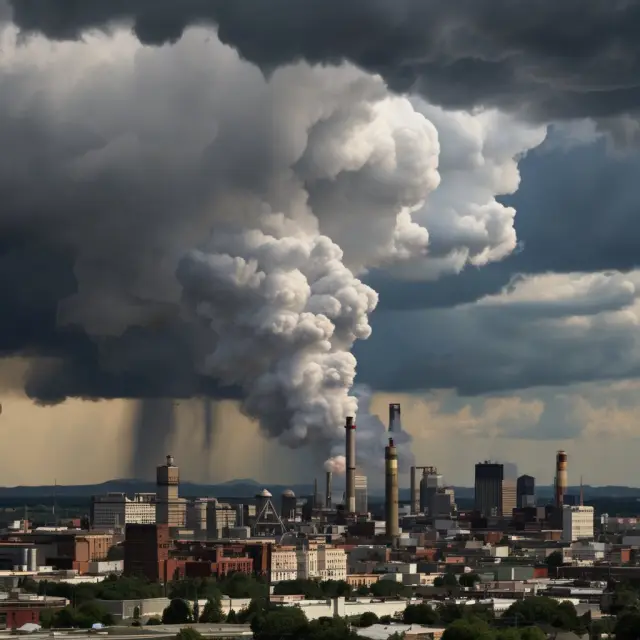
Understanding the meaning, causes, and implications of negative growth in business and economy for investors.
What Is Negative Growth?
Negative growth, also known as contraction or shrinkage, refers to a decline in sales, earnings, or economic output. In terms of business, negative growth signifies a decrease in revenue or earnings. Economically, negative growth is denoted by a decrease in the Gross Domestic Product (GDP) – a country’s total production and consumption of goods and services during a specific period. Negative growth is represented as a negative percentage rate, distinguishing it from positive growth which shows an increase.
Businesses thrive when they exhibit growth, typically signifying higher revenues and earnings that positively impact stock prices. Conversely, companies undergoing negative growth struggle with falling sales, declining profits, and potentially downward trends in shareholder value. Economists use the same logic to evaluate economies by measuring their GDP: a growing economy indicates expansion while a shrinking one signals contraction.
GDP is an essential metric for determining economic health. It incorporates factors like private consumption, gross investment, government spending, and net exports. Positive growth rates indicate an increase in economic output, money supply, productivity, and overall prosperity. Conversely, negative growth brings declining wage growth, shrinking money supplies, and a potential recession or depression on the horizon.
Understanding Negative Growth: A Harbinger of Economic Downturns
Economic downturns such as recessions or depressions are often preceded by negative growth. An economy experiencing negative growth for an extended period (typically more than two years) is considered to be in a recession, while a depression involves prolonged and severe economic contractions over many years. The 2008 financial crisis and the COVID-19 pandemic serve as recent examples of negative growth’s impact on economies. In the case of the 2008 crisis, U.S. GDP contracted by 0.1% in 2008 and a more pronounced 2.5% in 2009 before recovering with positive growth rates from 2010 onwards.
Economic contraction manifests through several symptoms such as decreased real income, rising unemployment, declining industrial production, and falling wholesale or retail sales. While negative growth is a significant concern for investors and the public, it isn’t the sole determinant of an economic downturn. For instance, during periods of both positive GDP growth and high inflation, consumers might still perceive the economy to be in decline despite overall expansion.
In summary, negative growth indicates a decline in sales, earnings, or economic output. It is characterized by decreasing wage growth, contracting money supplies, and potential economic downturns such as recessions or depressions. Economists use negative growth as an essential metric to monitor the health of businesses and economies, with consequences extending beyond stock prices and investor sentiment.
Growth as a Measure of Business Performance
The concept of business growth holds significant importance in determining the overall performance of a company. Growth signifies improvement and expansion, with positive growth being the preferred scenario for investors as it indicates an increase in earnings or sales. Conversely, negative growth is characterized by a decline in a company’s sales and earnings.
Negative growth is often seen in contrast to positive growth in examining the health of a business. It is essential for investors to have a clear understanding of what negative growth means and how it can impact their investment portfolios. Economists utilize this measure when evaluating an economy’s state, as reflected by its Gross Domestic Product (GDP) growth rate.
Understanding the role of growth in measuring business performance:
In a dynamic capitalist economy, growth is a crucial parameter for assessing a company’s health and potential future success. Positive growth implies an increase in sales or earnings, which should lead to higher profits and potentially increased share prices. Negative growth, on the other hand, represents a decline in a business’s financial performance, which may negatively influence investor sentiment towards the stock.
Economic perspective:
The importance of growth extends beyond individual companies to national economies. Economists employ various indicators to measure the overall economic health and direction, with GDP being one of the most widely used measures. A growing economy is characterized by expanding industrial production, rising employment levels, increasing wages, and strong consumer spending. Conversely, negative growth, as evidenced by a declining GDP rate, can be an indicator of a possible recession or depression, signaling economic contraction and potential hardships for businesses and households alike.
Signs of Negative Growth in the Economy:
Negative growth in the economy is often indicated by specific characteristics such as shrinking wage growth, a decrease in the money supply, and increasing unemployment rates. These factors collectively contribute to the overall economic contraction. Economists view negative growth as a harbinger of a recession or depression, as prolonged periods of negative growth can lead to widespread economic instability and financial hardship.
Impact of Negative Growth on Investors:
Investor sentiment during periods of negative growth is influenced by their perception of the potential impact on their investments. Stock prices may experience volatility due to uncertainty surrounding future economic conditions, while bond investors might favor safer fixed-income securities over riskier assets like equities. Real estate investors could also be affected through declining property values or reduced rental income.
The Role of Recession and Depression in Negative Growth:
Negative growth can be further categorized into recessions and depressions, with significant differences in their severity and length. A recession refers to a relatively short-term contraction of economic activity lasting between six months to two years, while a depression is an extended period of negative economic growth that may last over ten years. Recessions are more frequent but less severe than depressions, which can leave long-lasting impacts on economies and individuals alike.
Negative Growth vs Stagflation:
It’s essential to differentiate between negative growth and stagflation when examining economic conditions. Stagflation represents a unique combination of inflation, stagnant economic growth, and high unemployment that can lead to uncertainty for both investors and policymakers. In contrast, negative growth, as discussed earlier, is the contraction in an economy’s GDP. While both phenomena can impact investor sentiment, their root causes and implications differ significantly.
The Causes of Negative Growth:
Negative growth can be attributed to various factors, including a decline in demand, supply shocks, or government intervention. Understanding the underlying reasons for negative growth is crucial for investors, as it can help them anticipate potential market trends and adjust their portfolios accordingly. In the next section, we will delve deeper into the causes of negative growth and discuss how they manifest in different economic contexts.
Stay tuned for more insights on negative growth!

Negative Growth and the Economy: Signs and Symptoms
Identifying negative growth in an economy can be crucial for economists and investors alike, as it often foreshadows challenging economic conditions. Negative growth, which is described by a decrease in a country’s gross domestic product (GDP) during any given quarter, is expressed as a negative percentage rate. In essence, this represents an overall contraction of the economy.
Understanding this concept is essential for gauging the health and wellbeing of economies, particularly when it comes to measuring the performance of industries and companies that make up these economic systems. Negative growth is usually distinguished from positive growth, which signifies improvement or expansion.
Economists often use specific indicators like wage growth, money supply, and GDP to detect negative growth in an economy. Let us delve deeper into each of these symptoms:
1. Declining wage growth: Negative growth is characterized by a slowdown or decrease in the increase of wages over time. This is often one of the earliest signs that economic activity could be contracting. When wages fail to keep pace with inflation, consumers are left with less purchasing power, which can lead to reduced spending and a potential negative impact on demand.
2. Money supply contraction: Money supply measures how much money is available in an economy for transactions. A decrease in the overall money supply signifies that there is less money flowing through the economic system. This reduction in money circulation negatively impacts businesses, as they may have difficulties raising capital or making loans to expand or sustain operations.
3. Gross Domestic Product (GDP) decreases: The most direct measure of negative growth is a decrease in an economy’s GDP. When GDP contracts for two consecutive quarters, it usually indicates that the economy is entering a recession, which is defined as a significant downturn in economic activity lasting six months or more. However, even a single quarter of negative growth may suggest that tougher times are ahead.
Economists and policymakers pay close attention to these symptoms when assessing the overall state of an economy. By identifying negative growth early on, they can potentially take preventive measures to mitigate the potential economic downturn.
It is important to note that a slowdown or even brief period of negative growth does not always indicate a full-blown recession. However, it does warrant a careful examination of economic conditions and may call for prudent actions by individuals and governments alike.

Impact of Negative Growth on Investors
Negative growth impacts investors in several ways depending on the asset classes they are invested in. During periods of negative economic growth, investor sentiment tends to be bearish as uncertainty and fear heighten. Let’s explore the implications for stock prices, bonds, and real estate.
Impact on Stocks
Investors typically react negatively to negative economic data releases such as declining GDP, rising unemployment, or falling wage growth. Negative growth can lead to a sell-off in stocks due to reduced earnings expectations. When companies report lower profits or revenue, their stock prices may decrease, resulting in capital losses for investors. However, it is important to note that not all stocks are affected equally during periods of negative economic growth. Some industries like consumer staples and utilities tend to outperform as consumers continue to purchase essential goods and services regardless of the economic climate.
Impact on Bonds
Bonds generally provide a safer investment option than stocks but do carry risks, including interest rate risk and inflation risk. During periods of negative growth, central banks may reduce interest rates to stimulate economic activity. Lower interest rates can make bonds with fixed coupons less attractive as their yields become less competitive compared to new bond issuances. Additionally, inflation can erode the purchasing power of bondholders over time, negatively impacting investors who rely on income from their bond investments.
Impact on Real Estate
Real estate can serve as a hedge against inflation, but during periods of negative growth, it may not be immune to declines in value. The real estate market is closely tied to the overall economy. A decline in economic growth can result in a decrease in demand for new properties and lower rental income. Furthermore, if companies are experiencing financial difficulties due to negative growth, they may delay or cancel office leases, reducing demand for commercial property. Residential real estate may also be affected as buyers may hesitate to purchase during uncertain economic conditions.
In conclusion, understanding the implications of negative growth on stocks, bonds, and real estate can help investors make informed decisions about their portfolios. While negative growth can lead to declines in various asset classes, it’s crucial for investors to consider their individual investment goals, risk tolerance, and time horizon when making adjustments to their portfolios during times of economic downturn.

The Role of Recession and Depression in Negative Growth
Negative growth can indicate serious economic conditions such as recession or depression. A recession refers to a period of declining economic activity lasting more than two consecutive quarters, while a depression is a more severe downturn extending over several years. Negative growth, which is commonly measured through the decrease in Gross Domestic Product (GDP), can be an early warning sign for both recessions and depressions.
Negative Growth: A Harbinger of Recession or Depression
While negative growth alone does not definitively signal a recession or depression, it is often a significant precursor to these economic conditions. For instance, the 2008 financial crisis and the Great Recession that followed are prime examples of this relationship. The U.S. economy’s GDP growth rate was -0.1% in 2008 and plummeted to -2.5% in 2009. It wasn’t until 2010, when the GDP growth rate rebounded with a positive 2.6%, that recovery began. However, this turnaround was short-lived as the economy continued to face various challenges in the years following.
Characteristics of Recession and Depression
The relationship between negative growth and recessions or depressions is marked by several common economic characteristics:
- Declining Wage Growth: Negative growth can lead to a decrease in wage growth, as businesses cut costs and reduce employee compensation. This can negatively impact consumer spending, further exacerbating the economic downturn.
- Money Supply Contraction: During a recession or depression, there is often a contraction of the money supply, which can restrict investment opportunities and increase borrowing costs for businesses.
- Industrial Production Decline: Negative growth typically results in lower levels of industrial production due to reduced demand for goods and services. This can lead to widespread layoffs, which in turn further weakens consumer spending.
- Retail Sales Dip: During a recession or depression, retail sales usually decline as consumers face reduced disposable income or uncertainty regarding their financial future.
Understanding the Implications
By recognizing the relationship between negative growth and economic downturns like recessions and depressions, investors can be better prepared to navigate such periods. This understanding can help them make informed decisions about their portfolios, anticipate market trends, and weather potential economic storms.
Additionally, being aware of negative growth’s significance in relation to these economic conditions can aid policymakers as they craft strategies aimed at mitigating the impact on populations and economies during challenging times. However, it is essential to remember that negative growth alone does not guarantee a recession or depression but rather serves as an early warning signal.
In conclusion, understanding negative growth and its link to economic conditions like recessions and depressions provides valuable insight for investors, policymakers, and the general public. By closely monitoring the trends in GDP and other relevant economic indicators, we can better anticipate potential economic downturns and prepare accordingly.

Negative Growth vs Stagflation
Negative growth and stagflation are two related concepts in economics that indicate economic downturns, but they differ significantly in their causes and implications for investors. Negative growth refers to a decrease or contraction in business sales or earnings, as well as an economy’s overall Gross Domestic Product (GDP), expressed as a negative percentage rate. Stagflation, on the other hand, is characterized by a stagnant economy with high inflation and unemployment rates.
Negative growth is often viewed as an indicator of an economic downturn, such as a recession or depression, while stagflation represents a unique economic condition that challenges the standard economic theories of demand and supply. Understanding these concepts and their differences is essential for investors to make informed decisions during uncertain economic times.
Negative Growth: An Economic Downturn
As mentioned earlier, negative growth refers to the decline in sales or earnings for a business or a decrease in GDP for an economy. Negative growth can be observed when there is a downturn in economic activity due to various reasons. It is typically measured as a negative percentage rate, which indicates that economic output has decreased compared to the previous period. For instance, a country experiencing negative growth of -1% would indicate that its GDP has declined by 1% compared to the previous year.
When it comes to investors, negative growth can significantly impact their portfolios. In a declining economy, companies’ earnings may decrease, and stocks might experience a bear market. Moreover, bonds might not provide the expected returns due to lower interest rates as the central bank tries to stimulate the economy. Real estate can also be affected negatively during periods of economic contraction.
Stagflation: A Unique Economic Condition
In contrast to negative growth, stagflation is an economic condition characterized by stagnant economic growth along with high inflation and unemployment rates. It is a challenging scenario for policymakers as it defies the standard economic theory that states that inflation occurs when there is a strong economy with high employment levels. Instead, stagflation represents a unique condition where both inflation and negative growth co-exist.
Stagflation was famously experienced in the 1970s, with the U.S. economy seeing a period of slow economic growth accompanied by rising inflation and high unemployment. This economic situation challenged traditional economic theories and forced policymakers to rethink their strategies.
The Impact of Stagflation on Investors
Stagflation can have significant implications for investors as it creates uncertainty and volatility in financial markets. Inflation erodes the value of money, meaning that the purchasing power of an investor’s portfolio may decrease. At the same time, high unemployment rates could lead to lower consumer spending, further impacting companies’ earnings. Additionally, stagflation can make it challenging for policymakers to respond effectively due to the conflicting objectives of addressing both inflation and economic growth.
To navigate the challenges posed by stagflation, investors may consider diversifying their portfolios across various asset classes. For instance, they could invest in commodities, such as gold or oil, that tend to perform well during periods of high inflation. Additionally, value stocks, which are undervalued based on traditional valuation metrics, may outperform growth stocks during stagflationary conditions.
In conclusion, understanding the differences between negative growth and stagflation is crucial for investors looking to make informed decisions in various economic environments. Negative growth can be observed during periods of recessions or depressions, while stagflation represents a unique economic condition characterized by stagnant economic growth along with high inflation and unemployment rates. By being aware of these concepts and their implications, investors can better prepare themselves for the challenges that come with uncertain economic conditions.

Causes of Negative Growth: An Overview
Understanding negative growth as a concept is essential to grasping its importance in finance and economics. Negative growth is defined as a decrease in sales or earnings for a business or a contraction in the Gross Domestic Product (GDP) for an economy. Economists use it as a measure of overall economic health, with negative growth rates often signaling potential recessions or depressions. In this section, we’ll explore three primary causes of negative growth: declining demand, supply shocks, and government intervention.
1. Declining Demand
The most common reason for negative growth is a decline in overall demand. When consumers spend less money or businesses reduce production due to decreased demand, it leads to economic contraction. There are various factors that can contribute to declining demand, such as recession, structural changes, or even consumer preferences. For example, during the COVID-19 pandemic, travel restrictions and social distancing measures led to reduced spending on transportation services and tourism, leading to negative growth in those industries.
2. Supply Shocks
A supply shock occurs when an external event disrupts the production process or availability of resources. This can lead to a sudden increase in prices or a decrease in the overall supply of goods and services, causing negative economic growth. Natural disasters like hurricanes, earthquakes, or droughts can damage infrastructure, disrupt transportation networks, and reduce agricultural output, leading to supply shocks. In recent years, geopolitical events such as trade disputes, wars, or political instability have also caused supply shocks in various economies.
3. Government Intervention
Government intervention can also lead to negative growth through fiscal or monetary policies. Fiscal policies refer to actions taken by the government to influence economic activity, such as increasing taxes or reducing public spending. Monetary policies involve central banks manipulating interest rates and money supply to control inflation and maintain economic stability. Although these measures are designed to promote economic stability, they can inadvertently lead to negative growth when implemented poorly or in excess. For example, during the Great Depression, the Federal Reserve’s tight monetary policy led to a decrease in the money supply, exacerbating the economic downturn and prolonging the depression.
Understanding these causes of negative growth provides valuable insight into the workings of an economy and can help investors prepare for potential market fluctuations. In the next section, we will discuss how governments respond to periods of negative growth through fiscal and monetary policies. Stay tuned!

Policy Responses to Negative Growth
Governments usually respond to negative growth with a combination of fiscal and monetary policies aimed at stimulating economic activity, restoring growth, and mitigating the adverse impact on their population. Fiscal policy involves actions by the government to influence the economy through spending or taxation. Monetary policy refers to the use of interest rates and open market operations by a central bank to control the supply of money in an economy.
Fiscal Policy: During periods of negative growth, governments typically adopt expansionary fiscal policies that involve increasing public sector expenditures, cutting taxes, or both. By injecting more resources into the economy, these measures help boost aggregate demand, increase economic output, and support employment. For example, during the Great Depression in the 1930s, President Franklin D. Roosevelt implemented large-scale fiscal policies that included the Civilian Conservation Corps and the Works Progress Administration to create jobs, build infrastructure, and provide relief to struggling families. More recently, during the 2008 Global Financial Crisis, many governments adopted similar measures by increasing public spending or reducing taxes to stimulate growth.
Monetary Policy: Central banks play a crucial role in addressing negative growth by adjusting monetary policies. For instance, they may lower interest rates to encourage borrowing and investment, making it easier for businesses and consumers to access credit. Lower interest rates can lead to increased spending on durable goods, such as homes or cars, and boost investment in new projects. Central banks might also engage in large-scale asset purchases, known as quantitative easing, which injects additional funds into the economy, lowers borrowing costs, and encourages lending. This policy was extensively used during the 2008 crisis to help stabilize financial markets and boost economic growth.
The effectiveness of these policies depends on various factors such as the severity and duration of negative growth, political will, and market conditions. For instance, fiscal responses may take time to show results due to their implementation process and potential opposition from stakeholders. Monetary policy is generally more flexible and can be adjusted quickly in response to economic changes, but it might not address the underlying causes of negative growth. Both types of policies require careful consideration of the potential trade-offs and risks involved. Ultimately, a combination of both fiscal and monetary policy may yield the best results when addressing negative growth.
By understanding these responses to negative growth, investors can make informed decisions regarding their portfolios and anticipate market reactions during uncertain economic conditions.

Negative Growth and the Global Economy
Negative economic growth, as explained earlier, can be detrimental for businesses and economies alike. However, the impact becomes even more significant when we consider the global economy. In this section, we will discuss how negative growth manifests in international trade, exchange rates, and global economic stability.
Negative growth can negatively affect international trade. A country experiencing a recession or depression may face declining demand from its trading partners, resulting in lower export volumes and reduced revenues for companies involved in exporting goods and services to that country. On the other hand, importing countries might see their economies benefit as they sell more goods and services during the downturn of the affected economy.
A decline in a major trading partner’s economy can lead to an increase in trade imbalances between countries. For instance, if a country imports more than it exports during periods of negative growth, the trade deficit will widen, potentially straining its balance sheet and causing currency depreciation. In contrast, export-oriented economies might see their trade surplus shrink due to reduced demand for their goods from affected markets, leading to lower revenue growth.
Another aspect of international economics influenced by negative growth is the exchange rate. During economic downturns, investors often seek safer investment opportunities, and a country’s currency can become an attractive safe haven. This increased demand for the currency can cause its value to appreciate relative to other currencies. This appreciation puts downward pressure on export industries in that country since their goods become more expensive for foreign buyers. Additionally, some countries may respond by intervening in currency markets to prevent excessive appreciation and protect their exporters, potentially adding complexity to the situation.
Lastly, negative growth can also impact global economic stability. A single economy’s decline can have ripple effects on other economies, as trade patterns shift and instability spreads through interconnected financial systems. This is particularly true in the context of globalization. For example, during the Asian Financial Crisis in 1997, Thailand’s economic downturn led to a chain reaction that affected other countries in the region and beyond.
In conclusion, negative growth in one economy can have far-reaching consequences for the global economy through international trade, exchange rates, and financial stability. Understanding these implications is crucial for investors and policymakers as they navigate complex global economic conditions.

FAQs about Negative Growth
**1. What is negative growth?**
Negative growth refers to a decrease in sales or earnings for a company or contraction in an economy’s Gross Domestic Product (GDP), typically represented as a negative percentage rate.
**2. How does negative growth differ from positive growth?**
Positive growth means the company is improving and likely to show higher earnings, while negative growth indicates a decline in sales and earnings. Economists use growth to assess an economy’s state by measuring GDP, with negative growth characterized by declining wage growth and a shrinking money supply.
**3. What are common indicators of negative growth?**
Negative growth can be identified through factors like decreasing wage growth and a contracting money supply. Economic contraction is also marked by a decrease in real income, higher unemployment, lower industrial production, and declining wholesale or retail sales. However, it’s essential to understand that the state of the economy might not always align with the occurrence or absence of negative growth.
**4. What is the relationship between negative growth and recession or depression?**
Negative growth is a crucial indicator for determining if an economy is experiencing a recession or depression. A recession can be defined as two consecutive quarters of negative GDP growth, while a depression refers to prolonged economic decline typically lasting three years or longer. The Great Recession, which started in 2008 and lasted until 2010, was characterized by a decrease in both GDP growth rate and real income.
**5. What are some common causes of negative growth?**
Negative growth can be attributed to declining demand, supply shocks, or government intervention. During the Great Recession, it was caused primarily by the bursting housing bubble, followed by a widespread banking crisis that led to significant economic contraction.
**6. How do investors react to negative growth?**
Investors might experience fear and uncertainty when faced with negative growth as it can negatively impact their investments, including stocks, bonds, and real estate. However, some investors may use negative growth periods to capitalize on undervalued assets or invest in industries that can weather economic downturns effectively.
**7. What is the role of government during negative growth?**
Governments often respond to negative growth by implementing fiscal and monetary policies designed to stimulate economic activity and stabilize financial markets. Fiscal policy can involve increasing spending on public works projects or providing tax incentives to encourage businesses to invest, while monetary policy includes lowering interest rates or engaging in open market operations to increase the money supply.
**8. Can negative growth occur globally?**
Yes, negative growth can impact multiple countries and the global economy as a whole. International trade, exchange rates, and economic stability can all be affected by negative growth in various nations, ultimately contributing to a global economic downturn.
**9. What are some misconceptions about negative growth?**
There are several common misconceptions about negative growth. For instance, during times of high inflation, the economy might not seem to be experiencing negative growth even if it is. Similarly, the real value of wages could increase while the overall economy may be contracting. It’s essential to consider all available data points and not rely solely on one factor to assess economic conditions accurately.
 Next entry · No. 3,386Negative Interest Rate Environment: Understanding the Costs and Risks for Investors
See also
-
 No. 4,320
09 Jun 2025
20 min
Understanding Recessions: Causes, Predictions, and Impact on Economy
Business Finance
No. 4,320
09 Jun 2025
20 min
Understanding Recessions: Causes, Predictions, and Impact on Economy
Business Finance -
 No. 5,121
13 Aug 2025
26 min
Understanding a U-Shaped Economic Recovery: From Decline to Growth
Economics
No. 5,121
13 Aug 2025
26 min
Understanding a U-Shaped Economic Recovery: From Decline to Growth
Economics -
 No. 5,078
10 Aug 2025
21 min
Trickle-Down Economics: Understanding the Theory and Its Controversies
Economics
No. 5,078
10 Aug 2025
21 min
Trickle-Down Economics: Understanding the Theory and Its Controversies
Economics -
 No. 4,749
14 Jul 2025
21 min
Understanding Sticky Wage Theory: Implications for Employment and Macroeconomics
Economics
No. 4,749
14 Jul 2025
21 min
Understanding Sticky Wage Theory: Implications for Employment and Macroeconomics
Economics -
 No. 4,733
12 Jul 2025
21 min
Understanding Stagnation: Causes, Effects and Overcoming Economic Sluggishness
Economics
No. 4,733
12 Jul 2025
21 min
Understanding Stagnation: Causes, Effects and Overcoming Economic Sluggishness
Economics -
 No. 4,732
12 Jul 2025
20 min
Understanding Stagflation: The Economic Puzzle of Slow Growth, High Unemployment, and Inflation
Economics
No. 4,732
12 Jul 2025
20 min
Understanding Stagflation: The Economic Puzzle of Slow Growth, High Unemployment, and Inflation
Economics