Uneconomic Growth: Understanding the Concept, Impacts, and Implications for Institutional Investors

Learn the concept of Uneconomic Growth, its environmental and social consequences, and how it impacts institutional investors. Discover ESG investing as a…
Introduction to Uneconomic Growth
Uneconomic growth, also called unsustainable or unproductive growth, refers to a state where the marginal benefits of economic expansion are surpassed by negative environmental and social consequences. This concept emerged in various forms over decades but gained prominence with economists like Herman Daly advocating for lower rates of growth due to its detrimental externalities on natural resources and human welfare. In today’s context, understanding uneconomic growth is crucial for institutional investors seeking to integrate environmental, social, and governance (ESG) considerations into their decision-making process.
The Philosophy of Uneconomic Growth
Uneconomic growth was introduced as a response to the increasing recognition that the negative externalities produced by economic expansion outweigh its short-term benefits. The idea was popularized by World Bank economist Herman Daly and environmental activists like David Suzuki, who argue that the global economy has grown beyond the point of sustainability. According to this viewpoint, further growth will only result in more significant negative consequences on natural resources and ecosystem services, which have significant value far beyond their monetary worth.
Social Consequences of Uneconomic Growth
One consequence of uneconomic growth is its impact on human welfare, labor markets, and inequality. The constant pursuit of growth often results in overconsumption, waste, and negative externalities that can negatively affect vulnerable populations. For instance, a community near an industrial area may experience increased pollution levels, which could result in higher health risks for its residents, ultimately reducing their overall quality of life.
Environmental Consequences of Uneconomic Growth
Another consequence of uneconomic growth is the damage to natural resources and ecosystem services. For example, the expansion of agriculture and mining industries can lead to deforestation, soil degradation, and water pollution, reducing the availability of essential resources for future generations. Moreover, some industries, such as fossil fuels, contribute significantly to greenhouse gas emissions, contributing to climate change.
ESG Investing and Uneconomic Growth
ESG investors have taken a keen interest in uneconomic growth because it highlights the need to align investment strategies with long-term sustainability goals. By investing in companies that prioritize environmental stewardship, social responsibility, and good governance, institutional investors can not only mitigate the risks of negative externalities but also potentially generate positive impacts for society and the environment.
Critics and Challenges to Uneconomic Growth
Despite its appeal, uneconomic growth is not without its detractors. Some argue that it ignores the benefits of growth in improving quality of life for some populations, and that there are alternative ways to measure economic success beyond GDP. For example, some economists propose replacing GDP with alternative indicators such as the “Happy Planet Index” or the “Genuine Progress Indicator,” which consider factors like health, happiness, and well-being in their calculations.
Future of Economic Growth and Sustainability
As the world grapples with the challenges of uneconomic growth, several governments, organizations, and initiatives are working to promote more sustainable economic models. For example, the United Nations has set ambitious targets for “sustained economic growth” but also recognizes the need for alternative indicators to GDP. Additionally, businesses and consumers have a role to play in transitioning toward a low-growth or post-growth economy by embracing more sustainable practices and reducing their environmental impact.
Implications for Institutional Investors
Uneconomic growth presents both opportunities and risks for institutional investors. On the one hand, it highlights the importance of considering ESG factors in investment decisions to minimize negative externalities and potentially generate positive impacts. On the other hand, it also requires a long-term perspective, as investments may not yield immediate financial returns but could contribute significantly to achieving sustainability goals over time.
Conclusion: A New Framework for Sustainable Investing
In conclusion, uneconomic growth is an essential concept for institutional investors to understand when considering ESG factors in their investment decisions. It highlights the need to balance short-term financial gains with long-term sustainability goals and demonstrates how investing in companies that prioritize environmental stewardship, social responsibility, and good governance can contribute to a more sustainable future. As the world continues to grapple with the challenges of uneconomic growth, it is crucial for investors to stay informed about this evolving issue and adapt their investment strategies accordingly.

The Philosophy of Uneconomic Growth
Uneconomic growth, also known as unsustainable growth or the idea that an economy can grow beyond its ecological carrying capacity, has been a topic of discussion in various circles for decades. This concept highlights the negative externalities associated with continuous economic expansion and proposes that there may be limits to growth which cannot be quantified by traditional measures like Gross Domestic Product (GDP). In essence, uneconomic growth is when marginal benefits from growing an economy are outweighed by negative social and environmental consequences.
The roots of the idea can be traced back to renowned economists such as Herman Daly, who brought attention to this issue during the late 1990s. Ecologists, activists, and even some investors have embraced this philosophy, believing that the global economy has grown too large for our planet’s limited ecosystem services.
Environmental advocates argue that the negative impacts of uneconomic growth can be seen in various ways: overconsumption of natural resources, biodiversity loss, and human welfare implications. For example, when a nation increases production at the expense of damaging its environment, those consequences can have far-reaching effects felt by all inhabitants of our planet.
Moreover, this concept has also been adopted in the environmental, social, and governance (ESG) investing world as funds seek to align their portfolios with sustainability values. Institutional investors are increasingly divesting from harmful industries like fossil fuels to mitigate the negative externalities associated with economic growth.
Advocates for uneconomic growth believe that the marginal costs of further growth outweigh the benefits and that we should focus on protecting natural habitats, preserving ecosystem services, and ensuring human well-being. This perspective challenges the prevailing belief in endless growth and raises important questions about the role of governments, businesses, consumers, and investors in creating a more sustainable future for all.
In the next sections, we will dive deeper into the environmental and social consequences of uneconomic growth, discuss ESG investing strategies, and examine counterarguments. Stay tuned to learn how institutional investors are navigating these challenges while upholding their fiduciary duties and contributing to a more sustainable future.

The Environmental Consequences of Uneconomic Growth
Uneconomic growth, also known as unsustainable growth or negative growth, occurs when the marginal benefits of an expanding economy are outweighed by the detrimental social and environmental impacts it imposes on our planet. This concept has been a subject of much discussion in various circles, from ecological economics to ESG investing.
Historically, economist Herman Daly popularized this notion in the late 1990s, emphasizing the importance of recognizing the limits of economic growth and its potential negative impact on the natural world. Ecologists like David Suzuki further advocated for lower rates of growth due to the global economy’s size and its effect on ecosystem services.
Negative Externalities in Environmental Sustainability
The environmental consequences of uneconomic growth manifest primarily through negative externalities that diminish overall quality of life. These consequences include:
- Loss of natural resources: The exploitation of non-renewable resources like fossil fuels and minerals at an unsustainable rate can lead to depletion and long-term harm to the environment.
- Ecosystem services destruction: Deforestation, habitat loss, and pollution are examples of negative environmental externalities that can significantly impact ecosystems’ ability to provide essential services for human survival, such as clean air, water, food, and shelter.
- Biodiversity loss: The destruction or fragmentation of habitats causes the extinction of various plant and animal species, which in turn decreases overall biodiversity and reduces the potential for innovation and new discoveries.
Fossil Fuel Industry: An Example of Negative Externalities
The fossil fuel industry serves as a prime example of uneconomic growth’s environmental consequences. Despite short-term financial gains, it contributes significantly to greenhouse gas emissions that accelerate climate change, causing further damage and negative externalities on a larger scale. In turn, these effects may have long-term economic, social, and environmental costs far beyond the current period of growth.
Environmentalists argue that, in order to address these issues, we must reassess our priorities and move towards more sustainable forms of growth or even lower overall growth rates. This can be achieved by investing in renewable energy, implementing effective waste management systems, and encouraging a shift towards circular economy principles.
ESG Investing: Aligning Portfolios with Sustainability
Environmentally-focused investors are increasingly recognizing the importance of incorporating ESG factors into their investment strategies as a means to promote more sustainable growth. They aim to align their portfolios with the philosophy that growth should be guided by the principles of environmental stewardship, social responsibility, and good governance.
By investing in companies that prioritize sustainability and mitigating negative externalities, ESG investors contribute to a shift towards a more sustainable economic paradigm while generating financial returns for their clients. Some examples of funds that have divested from fossil fuel stocks include Trillium Asset Management and Portfolio 21 Investments.
In conclusion, understanding the concept of uneconomic growth is crucial for institutional investors to make informed decisions that align with their values and long-term goals. By acknowledging the potential negative impacts of growth on the environment, we can begin to explore alternative investment strategies that prioritize sustainability and contribute to a more balanced approach to economic progress.
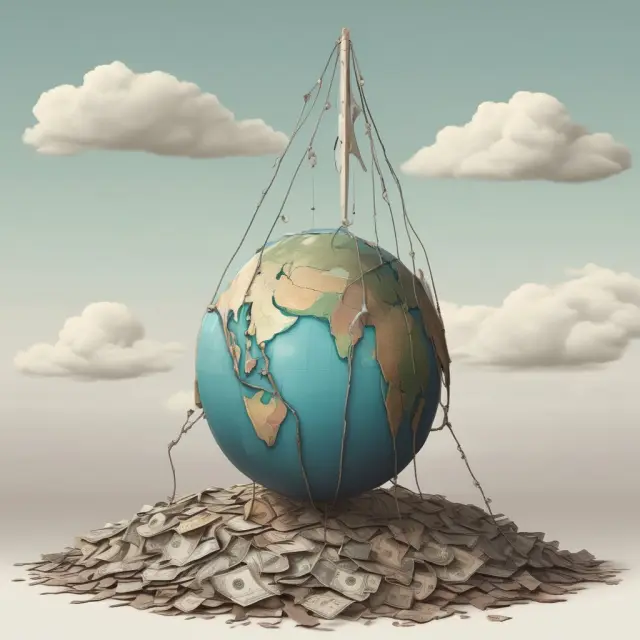
The Social Consequences of Uneconomic Growth
Uneconomic growth, also known as unsustainable growth or growth with negative externalities, can have profound consequences on the social fabric of a society. Negative impacts on human welfare, labor markets, and inequality are some of the most significant areas of concern. Let’s examine each one in detail.
Human Welfare and Uneconomic Growth
Uneconomic growth often leads to increased pollution, degraded living conditions, and reduced access to essential services like healthcare, education, and clean water. For instance, industrialization can result in environmental hazards that pose health risks for local communities, such as contaminated water sources or exposure to polluted air. These externalities can lead to a decrease in overall human welfare. Moreover, economic growth can negatively impact mental health, causing stress and anxiety related to factors such as income inequality, job insecurity, and social unrest.
Labor Markets and Uneconomic Growth
Uneconomic growth can also have detrimental effects on labor markets by exacerbating unemployment, underemployment, and the informal economy. As industries become more automated or move overseas in search of cheaper labor, workers may be displaced, leading to increased poverty and income inequality. Furthermore, working conditions in industries contributing to uneconomic growth can be harsh, with long hours, low wages, and minimal protections for workers’ rights.
Inequality and Uneconomic Growth
The pursuit of economic growth often contributes to increasing income inequality between different sectors and socioeconomic groups. For example, the rise of the gig economy and the growing prevalence of low-wage jobs can exacerbate this trend. In turn, inequality can lead to social unrest, as well as political instability in some cases. Additionally, uneconomic growth can widen the gap between developed and developing countries, further exacerbating global income disparities.
Case in Point: Overconsumption and Waste
An excellent example of the negative externalities associated with unsustainable growth is overconsumption and waste. Consumerism generates significant social costs, such as resource depletion, pollution, and greenhouse gas emissions. Furthermore, excessive consumption often leads to an increased production rate that contributes to environmental degradation and labor exploitation. In contrast, a more sustainable approach would prioritize the circular economy, which aims to keep resources in use for as long as possible, extract the maximum value from them while in use, then recover and regenerate products and materials at the end of each service life.
In conclusion, it is essential for investors to understand the social consequences of uneconomic growth when considering investment opportunities. By investing in companies that prioritize sustainability, social responsibility, and environmental stewardship, institutional investors can make a positive impact on the world while also generating financial returns. Additionally, engaging with policymakers and other stakeholders to promote sustainable economic policies will be vital for the long-term success of the global economy.

ESG Investing and Uneconomic Growth
The role of ESG investing in promoting more sustainable growth is increasingly becoming crucial as the concept of uneconomic growth gains traction. This concept signifies growth that generates negative externalities, which ultimately reduce overall quality of life, rather than contributing to it positively. The environmental and social costs associated with uneconomic growth are often not factored into market prices or Gross Domestic Product (GDP) calculations, making it essential for investors to adopt a more holistic approach towards growth.
Historically, economists like Herman Daly and ecologists such as David Suzuki have been advocates of uneconomic growth. They argue that the negative consequences of economic expansion often overshadow its benefits, particularly when considering the impacts on natural resources and human welfare. These concerns have led some investors to focus on Environmental, Social, and Governance (ESG) criteria in their investment strategies.
Environmental Advocacy for Uneconomic Growth
The environmental implications of uneconomic growth are a major concern for many advocates. For instance, the depletion of natural resources and loss of ecosystem services can result in long-term negative consequences that may not be reflected in traditional economic metrics like GDP. Fossil fuel industries, particularly, have been under intense scrutiny due to their significant contribution to greenhouse gas emissions and climate change.
Social Consequences of Uneconomic Growth
The social consequences of uneconomic growth can also be substantial. Unsustainable economic expansion can lead to growing inequality, as well as labor market instability and exploitation. Additionally, overconsumption and waste generate negative externalities that undermine human welfare and overall quality of life.
ESG Investing: A Solution for Sustainable Growth?
ESG investing presents an opportunity to align investment strategies with the goal of promoting more sustainable growth. By considering environmental, social, and governance factors, ESG investors can identify companies and industries that contribute positively to society and minimize negative externalities.
Case Studies: Divesting from Fossil Fuels
One prominent example of ESG investing’s role in uneconomic growth is the divestment movement targeting fossil fuel companies. Large institutional investors, such as universities, foundations, and pension funds, have been moving their assets away from oil, coal, and gas stocks due to their negative environmental impact. This trend underscores the potential for investors to influence corporate behavior through their investment decisions.
In conclusion, understanding uneconomic growth is crucial for institutional investors, as it allows them to better assess the long-term implications of their investments in terms of both social and environmental sustainability. By incorporating ESG criteria into their strategies, investors can contribute to more sustainable economic growth while also minimizing potential negative externalities.
FAQs:
What is uneconomic growth?
Uneconomic growth refers to the concept of growth that produces negative externalities which reduce overall quality of life.
Who are the key figures associated with promoting the idea of uneconomic growth?
Herman Daly and David Suzuki are among the most notable advocates for the concept of uneconomic growth in the environmental and ecological economics context.
What are the impacts of uneconomic growth on human welfare and natural resources?
Uneconomic growth can lead to negative social consequences, such as inequality and labor market instability, as well as damage to natural habitats and loss of ecosystem services.
What role does ESG investing play in promoting more sustainable economic growth?
ESG investing provides a framework for investors to align their investment strategies with the goal of promoting more sustainable growth by considering environmental, social, and governance factors.
How can investors minimize negative externalities associated with uneconomic growth?
By incorporating ESG criteria into their strategies and avoiding investments in industries or companies that contribute significantly to negative externalities, investors can help minimize the impacts of uneconomic growth on both the environment and society.

Critics and Challenges to the Concept of Uneconomic Growth
Uneconomic growth, also known as unsustainable growth, has gained significant attention in recent years due to its negative consequences for both the environment and society. However, it is not without controversy as some argue that economic growth can still provide benefits for certain populations. In addition, efforts have been made to expand our understanding of economic progress beyond merely monetary indicators like Gross Domestic Product (GDP).
Counterarguments to Uneconomic Growth: Some critics of uneconomic growth argue that it overlooks the potential positive impacts of economic growth on specific populations, particularly in developing countries. For instance, a growing economy can lead to increased employment opportunities, access to education and healthcare, improved infrastructure, and higher living standards for individuals. Moreover, some industries may be necessary for economic progress, such as those that provide essential goods and services, even if they have negative environmental consequences during their production process.
Measuring Economic Progress Beyond Monetary Values: One of the primary challenges to the concept of uneconomic growth lies in expanding our understanding of economic progress beyond monetary measurements like GDP. Critics argue that these measurements do not reflect the true impact of an economy on people and the planet. Instead, they propose alternative indicators to better measure sustainable well-being and environmental health. For example, the Genuine Progress Indicator (GPI) takes into account factors such as environmental degradation, income distribution, and leisure time to provide a more comprehensive assessment of an economy’s overall performance.
In conclusion, while uneconomic growth is a vital concept for understanding the need for more sustainable economic systems, it faces criticisms and challenges related to its potential positive impacts on specific populations and the limitations of monetary measurements for assessing progress. Continued debates about this topic are essential as we explore new ways to balance economic growth with social and environmental sustainability.
In the next section, we will delve deeper into the environmental consequences of uneconomic growth and its impact on natural resources, ecosystem services, and biodiversity loss. Stay tuned for more insights!

The Future of Economic Growth and Sustainability
As concerns about the negative social and environmental consequences of economic growth continue to mount, various initiatives have emerged with the aim of promoting more sustainable growth or even transitioning to a post-growth economy. Let us explore some key developments in this area.
Government Policies and International Agreements
One important effort comes from governments and international organizations seeking to balance economic growth with environmental and social considerations. For instance, the United Nations has adopted a progressive agenda for “sustained economic growth.” However, some argue that even this approach does not go far enough in addressing the concerns raised by ecological economists, who believe we have already passed the point where economic growth costs more than it is worth.
Case in point: the Sustainable Development Goals (SDGs), which aim to address global challenges like poverty, inequality, and climate change while promoting economic growth. While SDGs provide a framework for countries to balance economic development with environmental sustainability and social inclusion, they still focus primarily on increasing Gross Domestic Product (GDP) as an indicator of progress. This pro-growth bias may not be sufficient to address the challenges associated with uneconomic growth.
Roles of Businesses, Consumers, and Investors
Another significant role players in transitioning to more sustainable economic models are businesses, consumers, and investors. As awareness about the negative consequences of uneconomic growth grows, an increasing number of organizations have been implementing Environmental, Social, and Governance (ESG) strategies.
For instance, large institutional investors like pension funds and foundations have been divesting from fossil fuel stocks due to their significant contribution to greenhouse gas emissions and climate change. This shift in investment patterns not only reduces the carbon footprint of these organizations but also sends a powerful message to companies that their business models need to evolve towards greater sustainability.
Additionally, businesses are taking steps to minimize their environmental impact by adopting renewable energy sources, implementing circular economy principles, and reducing waste. Consumers too can contribute to the cause by making informed choices in their everyday lives—for example, buying energy-efficient appliances, using reusable bags, or supporting companies with strong sustainability practices.
In conclusion, as we navigate the complex interplay between economic growth and sustainability, it is crucial for all stakeholders to engage in open dialogue and collaborative efforts. By promoting more sustainable practices across industries, governments, businesses, consumers, and investors can work together towards a future where economic growth and well-being are not compromised by negative social and environmental consequences.
Implications for Institutional Investors
Institutional investors play a pivotal role in driving change through their investment decisions. As they increasingly incorporate ESG considerations into their investment strategies, the implications for uneconomic growth become more significant. Funds that focus on sustainable investing can capitalize on opportunities created by this transition while mitigating risks associated with unsustainable practices.
Moreover, by engaging actively with companies and using their influence as shareholders, institutional investors can encourage businesses to adopt ESG principles and contribute to a more sustainable future for the economy and society at large. As we continue to explore the implications of uneconomic growth in the context of finance and investment, it becomes clear that a proactive approach to sustainable investing is not only essential for long-term financial success but also crucial for creating positive change in our world.

Implications for Institutional Investors
The concept of uneconomic growth has profound implications for institutional investors. As the global economy becomes more resource-constrained, ESG considerations become increasingly important in investment decisions. Institutions like pension funds and insurance companies have significant financial power and can influence change by investing responsibly and engaging with corporations to improve their environmental, social, and governance practices.
Opportunities and Risks for Institutional Investors
Institutional investors stand to benefit from the shift towards sustainable growth in several ways. By incorporating ESG criteria into investment decisions, they can align their portfolios with long-term sustainability goals and potentially improve risk management. On the other hand, companies that ignore these considerations may face reputational risks or legal challenges as regulators and stakeholders demand greater transparency and accountability.
Best Practices for Integrating ESG into Investment Decisions
To effectively integrate ESG factors into investment decisions, institutional investors should:
- Set clear policy frameworks for incorporating ESG considerations in their investment strategies.
- Engage with companies to encourage them to adopt sustainable practices and improve their ESG performance.
- Vote on shareholder resolutions related to ESG issues at company meetings.
- Use external data providers, ratings agencies, and industry experts to gain a comprehensive understanding of a company’s ESG profile.
- Collaborate with peers and industry organizations to promote best practices in ESG investing.
Case Studies: Divestment from Fossil Fuels
Several institutional investors have successfully implemented divestment strategies from fossil fuels, which is a significant contributor to greenhouse gas emissions and the primary driver of uneconomic growth. For example, the Church of England announced its intention to sell off £12m of investments in coal mining companies in 2015. Similarly, the Norwegian pension fund, KLP, divested from coal stocks in 2016. These decisions demonstrate a growing trend towards responsible investment and the recognition that uneconomic growth has negative implications for investors as well as the global community.
By understanding the concept of uneconomic growth and its implications for institutional investors, fund managers can make informed decisions to mitigate risks, seize opportunities, and contribute to a more sustainable future.

Conclusion: A New Framework for Sustainable Investing
The concept of uneconomic growth, also known as unsustainable growth or the steady state economy, has gained significant attention in recent years from environmentalists, climate activists, and ESG investors. Uneconomic growth refers to an economic situation where the marginal benefits of manufacturing more goods and services are outweighed by negative social and environmental impacts. The idea, popularized by economist Herman Daly, holds that the global economy has surpassed its ecological carrying capacity and that efforts to address the consequences of uneconomic growth can only be achieved through lower rates of economic growth or a shift towards sustainable growth.
Socially conscious investors and environmental advocates believe that ESG strategies, which prioritize investments based on Environmental, Social, and Governance criteria, are crucial for creating positive change in the economy. By investing in companies with strong ESG practices, these funds aim to align their portfolios with a more sustainable future, while mitigating risks associated with potential negative externalities.
Investors’ role in transitioning to a low-growth or post-growth economy is significant as they hold immense financial power that can influence corporate behavior and government policies. By making informed investment decisions based on ESG considerations, investors can incentivize companies to adopt sustainable practices that align with long-term societal and environmental goals.
The UN’s commitment to achieving “sustained economic growth” is a step in the right direction, but ecological economists argue for alternative global indicators beyond Gross Domestic Product (GDP) to assess the true cost of production and consumption. A shift away from monetary valuations towards a more holistic understanding of well-being and sustainability can provide a more comprehensive framework for investors to make informed decisions that contribute positively to long-term social, environmental, and financial goals.
As the world grapples with the challenges of climate change, biodiversity loss, and resource depletion, the role of institutional investors in promoting sustainable growth has become increasingly critical. By integrating ESG considerations into investment strategies, investors can help ensure that their investments contribute to a more sustainable future while generating financial returns.
In conclusion, uneconomic growth represents an urgent call for a new framework in investing that prioritizes the long-term wellbeing of both society and the environment over short-term profits. By understanding the implications of uneconomic growth and adopting a more holistic approach to investment decisions, institutional investors can help shape a future where economic development is not at the expense of our planet’s health and welfare.
FAQs:
What is Uneconomic Growth?
Uneconomic growth refers to an economic situation where the marginal benefits of manufacturing more goods and services are outweighed by negative social and environmental impacts.
How does ESG investing relate to uneconomic growth?
ESG investors prioritize investments based on Environmental, Social, and Governance criteria, with a goal of aligning portfolios with sustainable growth while mitigating risks associated with potential negative externalities.
Why do environmentalists advocate for lower rates of economic growth?
Environmentalists argue that the global economy has surpassed its ecological carrying capacity and that further growth would have detrimental consequences for the planet’s health and welfare. They believe that transitioning to a low-growth or post-growth economy is necessary for addressing environmental and social challenges.
How can institutional investors promote sustainable growth?
Institutional investors can promote sustainable growth by making informed investment decisions based on ESG considerations, incentivizing companies to adopt sustainable practices, and engaging with policymakers to shape economic policies that align with long-term societal and environmental goals.

FAQs about Uneconomic Growth
Uneconomic growth, also known as unsustainable growth, refers to the concept where negative externalities from a growing economy outweigh its marginal benefits. This section aims to answer some common questions about uneconomic growth, its implications for investors, and potential solutions.
What is the definition of Uneconomic Growth?
Uneconomic growth happens when the marginal benefits of expanding the economy are offset by negative externalities affecting society and the environment. It is a state where the costs of continued growth outweigh the benefits.
Who advocates for Uneconomic Growth?
Advocates for uneconomic growth include environmentalists, ecological economists, and some investors who prioritize ESG criteria in their investment decisions. They argue that society can no longer ignore the negative consequences of growth on the environment and human welfare.
What is the history of Uneconomic Growth as a concept?
The idea of uneconomic growth has been around for decades, but it was popularized by Herman Daly, a World Bank economist in the late 1990s. The philosophy has also influenced the environmental, social, and governance (ESG) investing community, with many large wealth funds and foundations divesting from fuel stocks and embracing sustainable investment strategies.
Why is Uneconomic Growth a concern for investors?
Institutional investors must consider the long-term implications of their investments on society and the environment. Negative externalities from uneconomic growth can lead to stranded assets, regulatory changes, reputational risk, and shareholder activism. ESG investing is one way for investors to mitigate these risks by integrating sustainability criteria into their investment decisions.
What are some examples of industries contributing to Uneconomic Growth?
Fossil fuel extraction and production are major contributors to uneconomic growth due to the negative environmental impacts, such as climate change, biodiversity loss, and ecosystem damage. Additionally, industries that rely on overconsumption and waste, like the automobile sector or single-use plastics, can generate significant negative externalities.
What are the arguments for lower rates of growth to address Uneconomic Growth?
Advocates for lower rates of growth argue that society should prioritize protecting natural habitats and ecosystem services over unlimited economic expansion. The belief is that the costs of uneconomic growth—in terms of negative externalities, depleted resources, and environmental damage—will eventually surpass the benefits of continued growth.
What are some counterarguments to the concept of Uneconomic Growth?
Critics argue that growth can create positive outcomes for certain populations, such as increased access to education and healthcare. Additionally, they suggest that GDP is an inadequate measure for assessing economic progress since it does not account for negative externalities or the depletion of natural resources. Some proponents of growth also argue that technological advancements can help minimize its environmental impact while increasing overall prosperity.
What are the implications of Uneconomic Growth for investors?
Investors need to consider the potential risks and opportunities presented by uneconomic growth when constructing their portfolios. This includes understanding the regulatory landscape, identifying companies that are well-positioned to mitigate negative externalities, and staying informed about emerging trends in sustainable investing. Investing based on ESG criteria is a valuable approach for managing risks associated with uneconomic growth while generating long-term returns.
What are some potential solutions to Uneconomic Growth?
Solutions to address uneconomic growth include implementing regulations that internalize externalities, shifting away from fossil fuels and other harmful industries, and embracing a circular economy model that focuses on minimizing waste and reducing consumption. Additionally, investors can adopt ESG investing strategies to invest in companies that prioritize sustainable practices and contribute positively to society and the environment.
What are some international agreements addressing Uneconomic Growth?
There have been several international agreements aimed at promoting more sustainable economic growth, including the United Nations Sustainable Development Goals (SDGs), the Paris Agreement on Climate Change, and the EU Green Deal. These initiatives emphasize the importance of balancing economic growth with environmental and social considerations to create a more equitable and sustainable future for all.
What are some books that explore the topic of Uneconomic Growth?
Some recommended readings on uneconomic growth include “Beyond Growth: The Economics of Sustainable Development” by Herman Daly, “This Changes Everything: Capitalism vs. The Climate” by Naomi Klein, and “The Limits to Growth” by Donella Meadows et al. These books provide valuable insights into the environmental, social, and ethical dimensions of uneconomic growth and offer potential solutions for a more sustainable future.
 Next entry · No. 5,226Understanding the Basics of Unemployment Claims: A Comprehensive Guide for Institutional Investors
See also
-
 No. 5,792
08 Oct 2025
17 min
Understanding Working Ratio: A Key Financial Ratio for Institutional Investors
Finance Policy
No. 5,792
08 Oct 2025
17 min
Understanding Working Ratio: A Key Financial Ratio for Institutional Investors
Finance Policy -
 No. 5,148
15 Aug 2025
23 min
Understanding the United Nations Principles for Responsible Investment (PRI): A Comprehensive Guide
Investments
No. 5,148
15 Aug 2025
23 min
Understanding the United Nations Principles for Responsible Investment (PRI): A Comprehensive Guide
Investments -
 No. 4,686
08 Jul 2025
21 min
Understanding Social Entrepreneurship: The Blend of Business and Social Good
Entrepreneurship
No. 4,686
08 Jul 2025
21 min
Understanding Social Entrepreneurship: The Blend of Business and Social Good
Entrepreneurship -
 No. 3,268
15 Mar 2025
20 min
Understanding Morningstar’s Sustainability Ratings: A New Way for Investors to Measure ESG Performance
Investments
No. 3,268
15 Mar 2025
20 min
Understanding Morningstar’s Sustainability Ratings: A New Way for Investors to Measure ESG Performance
Investments -
 No. 2,754
01 Feb 2025
20 min
Understanding Laissez-Faire Economics: Beliefs, History, Criticism, and Implications for Investors
Economics
No. 2,754
01 Feb 2025
20 min
Understanding Laissez-Faire Economics: Beliefs, History, Criticism, and Implications for Investors
Economics -
 No. 1,917
24 Nov 2024
24 min
Understanding Green Funds: Socially Conscious Investing for a Sustainable Future
Finance Policy
No. 1,917
24 Nov 2024
24 min
Understanding Green Funds: Socially Conscious Investing for a Sustainable Future
Finance Policy