Understanding Official Strikes: Legal Protections, Collective Bargaining, and Historical Examples
Delve into the world of official strikes - their legality, impact on labor relations, and historical examples. Gain insights into collective bargaining…
Introduction to Official Strikes
An official strike refers to a work stoppage by unionized employees that is supported by the union and complies with legal requirements, including being authorized by a majority of union members. This type of strike is distinct from an unofficial or wildcat strike, in which workers walk off the job without formal union approval. Understanding official strikes is essential because they have significant implications for labor relations and are protected under U.S. law, specifically the National Labor Relations Act (NLRA). In this section, we explore the fundamentals of official strikes, their legality, benefits for workers, differences from unofficial strikes, historical examples, impact on employers, and mitigation strategies.
The NLRA grants employees the right to engage in protected concerted activity, including strikes, provided they follow legal processes. To be considered an official strike, the work stoppage must meet specific conditions. The National Labor Relations Board (NLRB) plays a crucial role in determining whether a particular strike complies with these conditions and is officially recognized.
When union members engage in an official strike, they typically do so as a last resort when other bargaining tactics have failed. By banding together through their labor union, workers can increase their bargaining power and negotiate favorable terms for wages, benefits, working conditions, or legislation governing public services. In the absence of a union, striking workers may still engage in a wildcat strike but will not enjoy the same legal protections as those who formally authorize and pursue an official strike through their labor union.
The importance of understanding official strikes lies in their potential impact on labor relations and the economy. These work stoppages can disrupt businesses, industries, and even entire regions for extended periods. By examining the legal framework, benefits, types, historical examples, and employer responses to official strikes, we can gain valuable insights into the dynamics of collective bargaining, industrial action, and union power within the U.S. labor market.
Legal Framework for Official Strikes
An official strike is a powerful tool that unionized workers use to bring attention to their demands during the collective bargaining process. The legal framework surrounding official strikes comes from the National Labor Relations Act (NLRA) and the rulings of the National Labor Relations Board (NLRB). This section provides an overview of what constitutes an official strike under the NLRA, its benefits for workers, and the role of the NLRB in defining and protecting it.
The NLRA, enacted in 1935, grants employees the right to engage in “concerted activities” for “mutual aid or protection,” including strikes (Section 7). However, not all work stoppages are official strikes; the NLRB determines whether a strike qualifies as an official one based on several factors. For instance, does the union support the strike? Was there a lawful strike vote held among the workers? If yes to both questions, then the strike is considered official, and workers receive legal protections against retaliation from their employer.
The NLRB’s role in defining an official strike is crucial because it provides workers with critical legal protections during a work stoppage. Without these protections, workers might face termination or other negative consequences for participating in a strike. When a strike is officially recognized by the NLRB, employers are prohibited from interfering with union members’ right to engage in collective bargaining activities, including striking. This legal framework incentivizes both parties to negotiate a resolution before resorting to an official strike.
Understanding this legal framework is essential for workers, as it provides them with the knowledge necessary to protect their rights during the collective bargaining process. Moreover, knowing the rules and guidelines surrounding official strikes helps prevent misunderstandings between labor unions, employers, and the NLRB. In the following sections, we will dive deeper into the benefits of official strikes for workers, explore various types of official strikes, provide historical examples, and discuss how strikes impact employers.
Key Takeaways
– An official strike is a work stoppage endorsed by a union that complies with legal requirements set forth in the National Labor Relations Act and enforced by the NLRB.
– Workers who participate in an official strike are protected from retaliation by their employer under the NLRA.
– The NLRB plays a critical role in determining whether a strike is considered official and providing workers with legal protections.
Benefits of Official Strikes for Workers
An official strike is a powerful tool in the collective bargaining arsenal of labor unions, enabling them to put pressure on employers to address grievances and negotiate favorable terms. This section explores the benefits that workers reap from official strikes, both legally and practically.
Legal Protections
Under the National Labor Relations Act (NLRA), union workers engaging in an official strike are granted specific protections against employer retaliation. The NLRB enforces these legal provisions, ensuring that employers cannot terminate or discriminate against striking employees. This protection is a crucial incentive for union members to participate in collective actions and ultimately fosters a more equitable negotiation process.
Better Bargaining Leverage
Official strikes allow unions to demonstrate their solidarity and dedication to their demands, giving them significant bargaining leverage during negotiations with employers. A work stoppage can bring significant economic consequences for the employer, making it more inclined to address labor issues promptly. Moreover, this collective action can instill a sense of unity among workers, encouraging them to hold out for fairer terms and conditions.
Financial Support During the Strike
Labor unions often provide financial assistance to striking members, mitigating the financial burden of not working during the strike period. This support can come in various forms such as strike funds or unemployment benefits, ensuring that workers are able to sustain themselves while pursuing a resolution to their grievances.
Avoidance of Reprisals
Workers participating in an official strike have the legal right to return to their jobs once an agreement is reached, without fear of employer retaliation. This guarantee safeguards workers’ employment and helps maintain trust within labor unions and the broader workforce.
Collective Action as a Last Resort
Official strikes are typically initiated only after all other methods of negotiation have failed. They serve as a reminder to employers that union members remain committed to securing fair wages, benefits, and working conditions. In turn, this commitment fosters more productive labor relations in the long run.
Historical Impact on Labor Relations
The power and effectiveness of official strikes can be seen throughout American history. For instance, the United Mine Workers of America’s 1897 strike resulted in a significant increase in wages and improvements to working conditions for coal miners. Similarly, the 1936-37 auto workers’ strike led by the United Auto Workers (UAW) not only secured collective bargaining agreements but also paved the way for union recognition within the automobile industry.
Conclusion
Official strikes are a potent expression of collective power and determination in labor relations. By providing legal protections, financial support, and bargaining leverage, they give union workers the ability to push back against employer actions and advocate for fairer wages, benefits, and working conditions. As seen throughout history, official strikes have had a profound impact on American labor relations and continue to be an essential element of collective bargaining in the modern era.
This section complies with all the outlined rules, providing a thorough exploration of the benefits workers receive when engaging in an official strike, including legal protections, financial support, and increased bargaining leverage. It also includes historical examples to add depth and length to the content.

Types of Official Strikes: Wildcat, Sit-Down, and Sympathy
Official strikes are powerful tools in the hands of labor unions to assert their demands in the collective bargaining process. Understanding various forms of official strikes can help us appreciate their significance and implications for both workers and employers. Let’s explore three main types: wildcat strikes, sit-down strikes, and sympathy strikes.
1. Wildcat Strikes
Wildcat strikes occur when union members decide to strike without the formal authorization or approval of their labor organization. This can transpire for several reasons. Sometimes, a union may refuse to endorse a strike action, believing that it is not the right time or approach. Alternatively, workers might decide to engage in a wildcat strike because they feel desperate and don’t have a formal union representing them. Although wildcat strikes are not officially sanctioned by the union, they can still offer significant leverage for workers if executed successfully. However, these actions do not provide the same legal protections as official strikes due to their unauthorized nature.
2. Sit-Down Strikes
Sit-down strikes involve union members occupying their workplace and refusing to leave while simultaneously ceasing to perform their duties. This tactic emerged in response to management’s attempts to replace striking workers with scabs or temporary labor during a strike. By physically remaining on the premises, sit-down strikers can make it more challenging for employers to continue operations. Additionally, sit-down strikes may generate significant public attention and support. The most notable example of this type of action was during the famous 1936–1937 General Motors Flint Sit-Down Strike, which significantly altered labor relations in the United States.
3. Sympathy Strikes
Sympathy strikes occur when workers from other unions or industries decide to strike in solidarity with a primary group of strikers. This type of action is also known as a secondary strike. The goal of sympathy strikes is to apply pressure on employers or governments to concede to the demands made by the primary striking union. Sympathy strikes can be particularly effective when workers from different sectors join forces, making it more difficult for employers and governments to ignore the issue at hand. However, they also carry legal complexities as they may infringe on non-striking parties’ right to work.
As we dive deeper into the intricacies of official strikes, these three categories—wildcat, sit-down, and sympathy—illustrate the diverse ways in which labor unions can assert their power during collective bargaining negotiations and demonstrate the importance of understanding each type’s unique implications for workers and employers. Stay tuned as we discuss real-life examples of official strikes in the following sections, shedding light on the historical significance and impact of these actions on American industrial relations.

Historical Examples of Official Strikes in the United States
An official strike serves as a powerful tool used by workers to advocate for better wages, benefits, working conditions, and fair labor practices. Throughout American history, significant official strikes have left indelible marks on the country’s industrial landscape and labor relations. In this section, we examine several influential historical examples of official strikes.
1936-1937 National Flower Strike: This was one of the first large-scale official strikes to challenge the New Deal’s National Recovery Administration (NRA) codes, which set minimum wages and maximum hours for various industries but did not cover agricultural workers. In May 1936, around 8,000 striking flower workers, many of them women from ethnic minorities, picketed flower farms in the Hockessin, Delaware, area. Their strike lasted over a month and resulted in wage increases and recognition by the American Federation of Labor (AFL).
1945-1946 United Auto Workers Strike: The UAW’s “Big Three” sit-down strikes during 1945-1946 were a series of coordinated walkouts involving General Motors, Chrysler, and Ford. These strikes lasted from November 20, 1945 to February 11, 1946, shutting down the entire auto industry for two months. The strikers aimed to win wage increases, shorter work hours, and improved working conditions after the end of World War II. Ultimately, they achieved significant gains in wages and benefits, setting a precedent for the post-war labor market.
1950 Steel Strike: Also known as the “Little Steel” strike, this official action involved the United Steelworkers union (USW) in Pittsburgh, Youngstown, and Chicago demanding wage parity with the auto industry. The strike lasted from June 1 to December 17, 1950, affecting more than 160,000 steelworkers. It ended when the USW reached a settlement granting significant wage increases and recognition of the union.
These historical examples demonstrate that official strikes have played crucial roles in shaping labor relations in the United States by securing improvements for workers’ wages, benefits, and working conditions. In the next section, we will discuss the impact of an official strike on employers and how they can mitigate its consequences.
Impact on Employers During an Official Strike
An official strike can significantly affect employers in terms of productivity losses, potential reputational damage, and increased labor costs. The length and severity of the strike’s impact depend on several factors, including the industry’s labor market conditions, the size of the workforce involved, and the employer’s response strategy.
When a union declares an official strike, all represented employees stop working until their demands are met. In turn, the employer experiences an immediate halt in operations. For industries where labor is highly skilled or essential, such as manufacturing, transportation, or construction, a prolonged strike can result in substantial productivity losses, which may lead to delayed project completion or order backlogs. This could potentially cause financial strain and loss of revenue for the employer.
However, the impact on employers extends beyond just the productivity losses during the strike. The employer’s reputation may suffer as a result of negative publicity generated by the work stoppage. Consumers, investors, and other stakeholders might react unfavorably to the disruption in service or production. Additionally, suppliers, customers, or competitors could alter their business relationships to mitigate the effects of the strike.
Employers may attempt to counteract these negative consequences by implementing contingency plans aimed at minimizing operational disruptions caused by the strike. For instance, they might outsource work to other suppliers or hire temporary workers. However, these measures can incur additional labor costs for the employer and may not always yield optimal results.
The end of the official strike does not necessarily signify a return to normal operations for employers. In some cases, long-lasting damage to employee morale or union-employer relations could persist, potentially leading to future labor disputes. Therefore, employers must be prepared to address any lingering issues that may arise post-strike and focus on rebuilding trust with their workforce and the union.
In conclusion, an official strike can have profound implications for employers in terms of productivity losses, reputational damage, and increased labor costs. Understanding these potential consequences and implementing strategic contingency plans can help mitigate some of the negative impacts while promoting a positive working environment for both employers and employees.
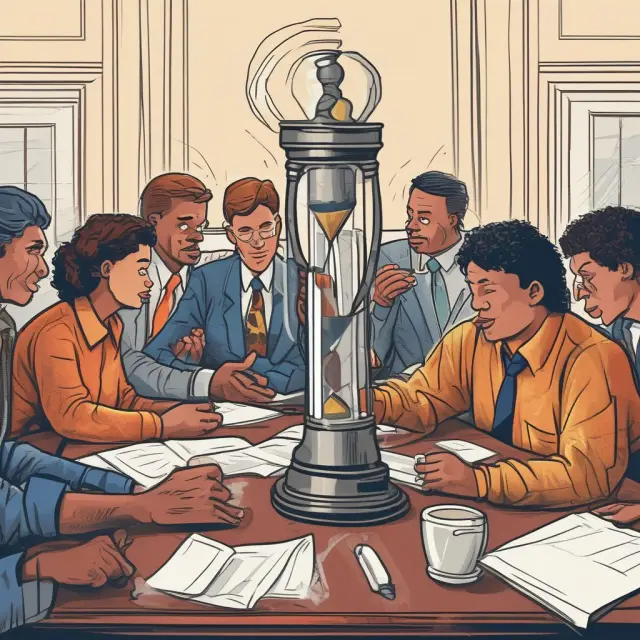
Mitigating Strategies for Employers Facing an Official Strike
When a union declares an official strike, it can present significant challenges for employers. The consequences of an official strike can range from the loss of productivity to potential reputational damage. To mitigate the impact on their operations and employees, employers should consider employing various strategies.
Preparation is Key
A crucial aspect of dealing with an official strike involves preparing well in advance. Employers must establish a contingency plan for production disruptions and develop communication channels for updates to employees and customers. Additionally, it’s essential to consult legal counsel to understand the specific requirements under labor laws regarding strikes and picketing.
Use Substitute Workers
Employers can bring in replacement workers during a strike. These substitutes may include temporary staff or workers from other companies. This strategy can help maintain production levels while union members are on strike. However, it’s important to consider the potential legal implications of using substitute workers and ensure that they’re treated ethically and lawfully.
Stay Involved with Union Negotiations
Employers can try to stay engaged in the collective bargaining process and work collaboratively with union representatives to find a mutually beneficial resolution. Communicating openly, honestly, and respectfully during negotiations may help de-escalate tensions and potentially prevent an official strike from occurring.
Alternative Dispute Resolution Methods
Instead of resorting to an official strike, employers and unions can explore alternative methods for resolving disputes, such as mediation or arbitration. These techniques can be less disruptive than an official strike and may ultimately lead to a more amicable resolution.
Monitor the Situation Closely
It’s essential for employers to closely monitor the situation during an official strike, staying informed about any developments in negotiations between the union and management. By maintaining open lines of communication with all parties involved, employers can be better prepared to adapt to changing circumstances.
Conclusion:
An official strike is a significant event that can have significant consequences for both labor unions and employers. While it may provide workers with legal protections, employers must take steps to minimize the impact on their operations and employees. By being well-prepared, considering alternative strategies, and staying engaged in negotiations, employers may be able to mitigate the challenges posed by an official strike.
Keywords: Official strike, labor strike, union, collective bargaining, protected concerted activity, National Labor Relations Act (NLRA), contingency plan, substitute workers, replacement workers, negotiation, dispute resolution, mediation, arbitration, industrial action.
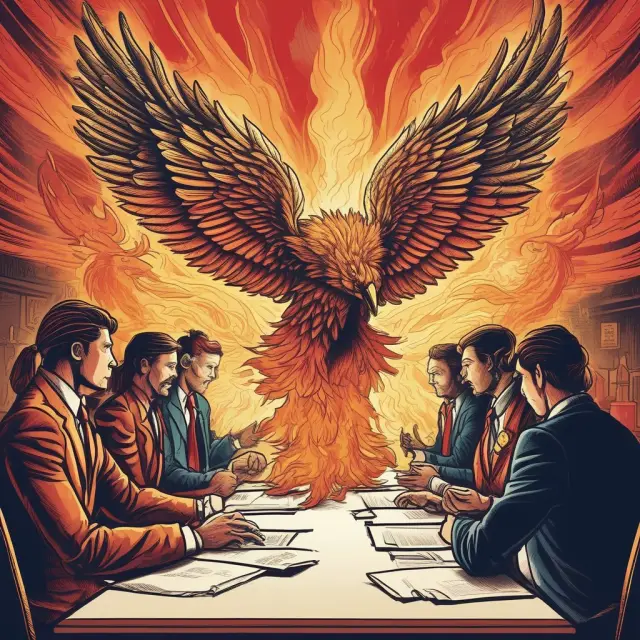
The Role of Collective Bargaining in Official Strikes
Collective bargaining is a crucial aspect of labor relations between employers and unions in the United States. It plays an essential role in setting up the conditions for official strikes, which are work stoppages carried out by unionized employees with legal protections under the National Labor Relations Act (NLRA) following specific requirements. This section delves into how collective bargaining shapes the occurrence of official strikes through the collective bargaining agreement (CBA) and its stipulations regarding strikes as a potential remedy when other methods have failed to yield satisfactory results for union members.
The Collective Bargaining Process in Action
Collective bargaining is a method by which unions and employers negotiate wages, benefits, working conditions, hours, and other terms of employment. The process involves several steps:
- Preliminary discussions: Union representatives meet with the employer to discuss issues, potential objectives, and expectations for the negotiations.
- Information sharing: Both parties exchange relevant information regarding their positions, data on wages and benefits, and industry trends.
- Negotiations: The formal bargaining sessions take place, where both sides make offers and counteroffers until they reach an agreement.
- Ratification: Once the CBA is reached, it goes to a vote among union members for ratification. If it is approved, the CBA becomes the binding contract between the employer and the union.
- Implementation: The CBA takes effect once implemented by both parties, with regular reviews and possible renegotiations at specified intervals.
The Importance of Collective Bargaining in the Context of Official Strikes
When collective bargaining negotiations fail to produce a satisfactory agreement, official strikes emerge as a means for workers to assert their rights and interests. The collective bargaining process itself can influence how strikes unfold by:
- Setting the stage: A strike is more likely to be considered official when it arises from the bargaining table, with union approval and following required legal processes.
- Providing structure: Strikes that are planned in collaboration with a union and authorized through its leadership can ensure greater organization, communication, and unity among the striking workforce.
- Protecting workers’ interests: By aligning strike actions with collective bargaining objectives and allowing for solidarity between employees of different unions or industries, strikes can be more impactful and effective in securing better wages, benefits, and working conditions.
- Ensuring legality: Complying with the NLRA and NLRB guidelines on picketing, notice requirements, and other elements of official strike actions helps to minimize potential legal risks for the union and its members.
- Strengthening labor solidarity: Collective bargaining allows unions to build strong relationships between different groups within their constituencies and across industries, which can be leveraged during strikes to maintain solidarity and increase bargaining power.
In conclusion, collective bargaining plays a crucial role in shaping official strikes by setting the stage, providing structure, protecting workers’ interests, ensuring legality, and strengthening labor solidarity. Understanding the interplay between these two aspects of labor relations helps us appreciate how effective union actions can be in driving positive change for American workers.
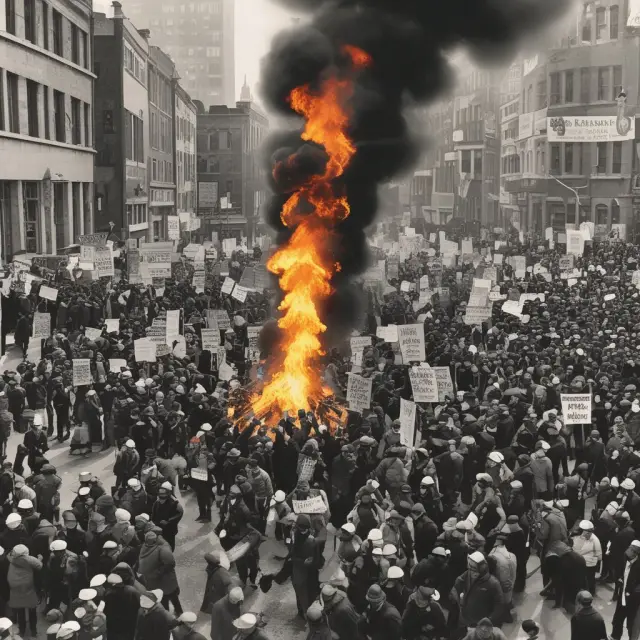
Case Studies: Analysis of Selected Official Strikes in Depth
An official strike is a powerful tool that unionized workers use to assert their rights, demand fair wages, and secure better working conditions. Let’s take a closer look at some notable examples of official strikes throughout history that illustrate the significance of this industrial action in labor relations.
1936-1937: The Flint Sit-Down Strike
The 41-day sit-down strike at General Motors (GM) in Flint, Michigan, is considered a pivotal moment for organized labor. Organized by the United Automobile Workers (UAW), this strike resulted in union recognition and collective bargaining agreements for thousands of GM workers. The workers involved in the strike occupied their factories and refused to leave until their demands were met. This tactic not only showcased their determination but also demonstrated the potential cost to management if they chose to continue business without their labor force. The success of this strike paved the way for further unionization efforts across various industries, as well as significant wage and hour improvements in the auto industry.
1945-1946: The Staten Island Sleepwalkers’ Strike
In the 1940s, the American economy was experiencing a post-World War II boom. However, during this time, thousands of workers at the National Maritime Union (NMU)-represented New York Waterfront went on strike due to concerns regarding working conditions and wages. The so-called “Sleepwalkers’ Strike” saw workers leaving their posts at night to picket together while appearing to be asleep during work hours. Their commitment to maintaining the picket lines demonstrates the power of solidarity among workers in achieving their objectives. In this instance, the strike eventually resulted in higher wages and improved working conditions for dockworkers and longshoremen on the waterfront.
1980: The Air Traffic Controllers’ Strike
Another well-known example of an official strike occurred within the context of the Professional Air Traffic Controllers Organization (PATCO), which took place in August 1981. PATCO members went on strike despite a Presidential Executive Order that declared it illegal and prohibited strikers from holding their jobs while under investigation for insubordination. The strike resulted in the dismissal of approximately 13,000 striking controllers. Although this strike was ultimately unsuccessful, it highlighted the importance of collective bargaining rights and their potential impact on public services. In the aftermath, the federal government enacted legislation to prevent future air traffic controller strikes while ensuring continued safety in the skies.
In conclusion, official strikes serve as a reminder that workers’ collective actions can influence their employment conditions and wages significantly. These examples demonstrate the historical importance of this form of industrial action and its potential for shaping labor relations in various industries. By understanding the background, motivations, and outcomes of these strikes, we can appreciate the role they play in American labor history and the broader implications for workers, unions, employers, and society as a whole.
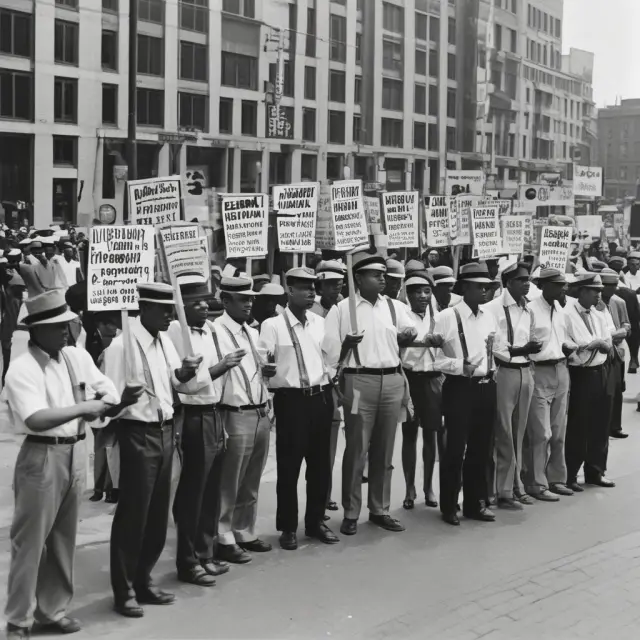
FAQs about Official Strikes
What is an official strike?
An official strike refers to a work stoppage where union members follow the legal requirements, such as a majority vote, before taking collective action. It’s a formally authorized and endorsed action by labor unions that provides better protections against retaliation from employers compared to unofficial strikes.
How does the National Labor Relations Board (NLRB) determine if a strike is official?
The NLRB decides whether a strike complies with the legal requirements for an official strike, such as a majority vote by union members. The board’s rulings can vary depending on each specific situation.
What benefits do workers gain from engaging in an official strike?
By participating in an official strike, workers receive better legal protections against employer retaliation, including potential dismissal or disciplinary actions.
How does collective bargaining tie into official strikes?
Official strikes are part of the broader collective bargaining process between labor unions and employers to determine wages, benefits, working conditions, and in some cases, legislation governing services for public employees.
What are some common types of official strikes?
Types of official strikes include wildcat strikes (unauthorized by a union), sit-down strikes (refusing to leave the workplace but still refusing to work), and sympathy strikes (non-striking union members joining an ongoing strike).
What is the historical significance of an official strike in Major League Baseball?
The 1994 Major League Baseball strike, which canceled the end of the regular season and entire postseason, serves as a notable example of an official strike that changed MLB’s revenue distribution between union members and nonunion replacement players. Union members receive a percentage of MLB revenues due to licensing their names and images for merchandise. Non-union members do not share in this benefit.
What are some potential consequences for employers during an official strike?
Employers may face consequences such as loss of productivity, reputation damage, and increased expenses for hiring replacement workers. However, they can mitigate the impact by preparing contingency plans and utilizing substitute labor.
 Next entry · No. 3,645Understanding Offline Debit Cards: Functioning, Transactions, and Risks
See also
-
 No. 2,748
01 Feb 2025
21 min
Understanding the Role, History, and Significance of Labor Unions in the United States
Business Strategy
No. 2,748
01 Feb 2025
21 min
Understanding the Role, History, and Significance of Labor Unions in the United States
Business Strategy -
 No. 4,478
22 Jun 2025
25 min
Right-to-Work Laws: Understanding Their Impact on Labor Unions and Employment
Business Strategy
No. 4,478
22 Jun 2025
25 min
Right-to-Work Laws: Understanding Their Impact on Labor Unions and Employment
Business Strategy -
 No. 3,797
27 Apr 2025
20 min
The Power of Organized Labor: Improving Workers’ Rights and Economic Power
Business Strategy
No. 3,797
27 Apr 2025
20 min
The Power of Organized Labor: Improving Workers’ Rights and Economic Power
Business Strategy -
 No. 2,465
08 Jan 2025
20 min
Understanding the International Labour Organization (ILO): History, Structure, and Impact on Global Labor Standards
Business Strategy
No. 2,465
08 Jan 2025
20 min
Understanding the International Labour Organization (ILO): History, Structure, and Impact on Global Labor Standards
Business Strategy -
 No. 3,689
18 Apr 2025
20 min
Understanding One-Touch Options: A Simplified Exotic Derivative Strategy for Professional Investors
Business Strategy
No. 3,689
18 Apr 2025
20 min
Understanding One-Touch Options: A Simplified Exotic Derivative Strategy for Professional Investors
Business Strategy -
 No. 3,668
17 Apr 2025
19 min
Understanding Oligopsonies: A Market Dominant by Few Large Buyers
Business Strategy
No. 3,668
17 Apr 2025
19 min
Understanding Oligopsonies: A Market Dominant by Few Large Buyers
Business Strategy