Understanding Order Books: A Comprehensive Guide for Professional Investors
Explore the world of order books with this comprehensive guide for professional investors, understanding components, structures, depth, price levels, and…
Introduction to Order Books
Order books are a crucial aspect of financial markets, acting as dynamic lists of buy and sell orders for various securities organized by price level. These electronic lists display information such as buy orders, sell orders, and historical order data. The order book’s significance lies in its ability to provide valuable trading insights, enhancing market transparency. Understanding the components, structure, and function of an order book can offer investors and traders an edge in making informed decisions within financial markets.
Components of an Order Book
An order book consists of three primary parts: buy orders, sell orders, and order history. Buy orders represent the bids or offers made by market participants who wish to purchase a security at a specific price level. Sell orders are similar but display the asks or offering prices where sellers intend to part with their securities. Order history records all executed trades and provides insight into past transactions.
The Structure of an Order Book
Order books are constantly updated in real-time, making them dynamic. The top of the book lists the highest bid and lowest ask prices, while the bottom showcases the least desirable bids and asks. This information allows traders to assess market demand and supply levels, identify potential support or resistance levels, and monitor market trends.
Understanding Market Depth
Market depth refers to the quantity of outstanding buy and sell orders in an order book that have not yet been executed at a given price level. The depth of the book provides insight into the size of potential trades, which can be significant for large institutional investors.
Price Levels
Understanding price levels within an order book is essential. Price levels represent the different prices at which buyers are willing to buy and sellers are willing to sell securities. These levels provide a clear picture of the market’s sentiment towards a security, making it easier for traders to make informed decisions based on the information available in the order book.
Market Liquidity
Order books significantly impact market liquidity as they reveal the depth and availability of buy and sell orders at specific price levels. Market liquidity refers to the ability to quickly execute trades without causing significant price fluctuations, which is a crucial factor for successful trading strategies.
Dark Pools
Though order books offer transparency, some market participants utilize dark pools, which are private exchange platforms where large institutional investors can conduct confidential trades outside of public markets. Dark pools help mitigate the potential impact on market prices that could result from revealing large orders.
Advantages for Traders
Order books provide numerous advantages to traders, including transparency into current and past market transactions, insights into support and resistance levels, and information about order imbalances, which may influence short-term price movements. By utilizing the data within an order book effectively, traders can make informed decisions that could potentially lead to profitable trades.
Conclusion:
An understanding of order books is vital for both professional investors and traders seeking a competitive edge in financial markets. By examining the components, structure, and function of order books, market participants can gain valuable insights into market activity, identify trends, and make informed decisions based on real-time data.

Components of an Order Book
An order book is a dynamic, electronic list that organizes buy and sell orders for various assets such as stocks, bonds, currencies, or even cryptocurrencies, by price level. This valuable information helps traders make informed decisions and improve market transparency. An order book typically consists of three main components: buy orders, sell orders, and order history.
Buy Orders
Buy orders display the bids (or desired purchases) submitted by traders at each price level in an ascending order. This information indicates the highest price a trader is willing to pay for a security or financial instrument. Buyers might choose not to disclose their identities, allowing them to remain anonymous while executing their trades.
Sell Orders
The sell orders represent the offers (or asking prices) of traders at each price level in a descending order. This data reveals the lowest price at which sellers are willing to part with an asset. Similar to buy orders, sellers can choose to remain anonymous when using order books.
Order History
Order history lists all past transactions that have occurred within the order book, offering valuable insights into market activity. Traders can analyze this data to identify trends, determine support and resistance levels, and assess overall market sentiment.
Understanding the structure of an order book and its components is essential for investors seeking to make informed decisions in financial markets. The information displayed through the buy and sell orders provides a clear representation of demand and supply levels within a security or asset. As market participants closely monitor these lists, they can adjust their strategies accordingly to maximize profits and minimize potential losses.
When examining an order book, traders often look for significant imbalances between buy and sell orders. Large clusters of buy orders at specific price levels may indicate potential support areas, while a high concentration of sell orders at certain prices might suggest resistance levels. This information can help investors establish entry and exit points for their trades and manage risk more effectively.
In the ever-evolving world of finance and investment, order books remain an essential tool for market participants to stay informed and make strategic decisions based on real-time data.

The Structure of an Order Book
An order book is a crucial tool in financial markets, displaying the current buying and selling interest for a specific security or instrument. This section delves into understanding the structure of a typical order book. An order book consists of three primary components: buy orders, sell orders, and order history.
Buy orders represent the demand side of the market, with buyers listing the price they are willing to pay for a given quantity of securities. Sell orders signify the supply side of the market, where sellers specify the price at which they wish to dispose of their securities. Order history displays all executed transactions in reverse chronological order.
The top section of an order book showcases the best buy and sell orders. The highest-priced bid represents the strongest demand for a security, while the lowest ask indicates the most willing seller. Both sides provide valuable insights into market participants’ intentions. For instance, a surge in buy orders may indicate increased buyer confidence, while a sudden influx of sell orders could signify profit-taking or selling pressure.
The order book is accompanied by a candlestick chart, which illustrates the security’s price movement over a specified timeframe. The relationship between these two elements provides traders with essential information about both current and historical market trends. By analyzing order flow and its impact on pricing, investors can make more informed trading decisions.
A well-structured order book plays a significant role in market efficiency, ensuring buyers and sellers have access to transparent, up-to-date information. However, not all orders are publicly displayed. Some large institutional trades take place through dark pools, which are private exchanges where buyers and sellers can transact without revealing their intentions. The presence of these hidden orders affects the overall market depth and understanding of true supply and demand for a given security. Nonetheless, order books remain an essential component of financial markets, providing valuable insights to both retail and institutional investors alike.

Market Depth
In the realm of finance, market depth refers to the volume or number of orders waiting to be executed in both the bid and ask markets at various price levels. Market depth is crucial in understanding an asset’s liquidity, as it indicates the size and responsiveness of the market in terms of accommodating trades at different prices without significantly impacting the underlying security’s value. In essence, market depth represents the ability to buy or sell a given amount of securities at or near the prevailing price without moving the market much.
The order book provides a snapshot of market depth by listing all the available buy and sell orders organized by price level. Understanding the concept is essential for professional investors since it significantly influences their decision-making process when entering or exiting trades. Let’s delve deeper into how order books contribute to determining market depth.
In an order book, the buy orders represent the bids, which are the prices where buyers are willing to purchase securities. The sell orders, on the other hand, represent the asks, which denote the prices at which sellers are ready to offload their holdings. Both buy and sell orders provide valuable information on market depth, as they reveal the number of potential transactions that can occur without causing significant price fluctuations.
The order book’s layout includes three main sections: buy orders, sell orders, and order history. Buy orders represent the total volume and prices at which buyers wish to acquire securities, while sell orders indicate the corresponding information about those willing to sell. Order history offers insight into past trades that have occurred within the order book.
The top of the order book displays the highest bid price (support) and the lowest ask price (resistance). This information signifies the balance between buying and selling pressures at present market conditions, ultimately shaping the market’s current dynamics. A thorough examination of the order book can help investors identify potential support and resistance levels.
For instance, a large cluster of buy orders at a specific price level may suggest that this price acts as a strong area of support since numerous buyers are eager to purchase securities at these prices. Conversely, an abundance of sell orders at or near a certain price level might indicate a potential resistance level where selling pressure is more prevalent.
Market depth is essential in understanding the overall liquidity and responsiveness of a market. The order book offers a valuable perspective on the various buy and sell orders available for securities, which plays a significant role in informed decision-making for professional investors.
Understanding Price Levels
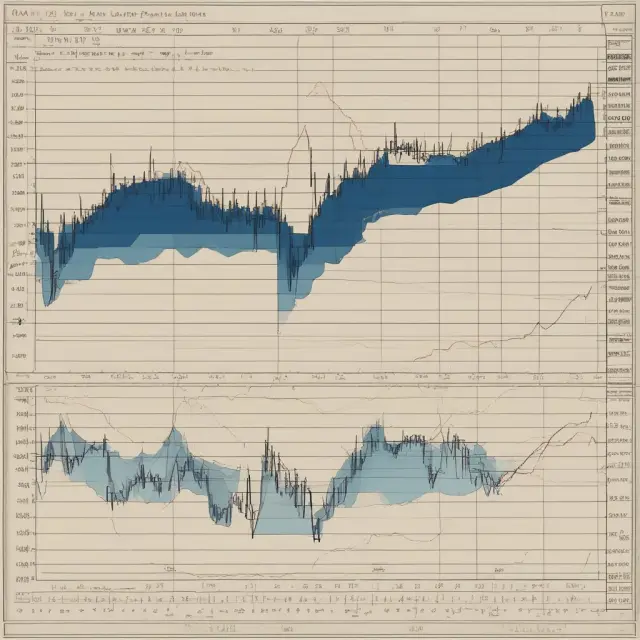
Price levels are crucial indicators that help both institutional and retail investors monitor market trends and determine potential entry or exit points for their investments. These levels become particularly relevant in understanding the intricacies of an order book. Let’s explore how price levels interact with the information presented in an order book.
Price levels, simply put, are specific values at which buyers (bids) or sellers (asks) are willing to trade securities within a financial market. These levels can be determined by examining the information contained in an order book. The order book provides insight into the market depth and liquidity for various securities at different price points, ultimately allowing traders to gauge support and resistance levels that may influence price movements.
The Importance of Support and Resistance Levels
Support levels represent a significant price level where buyers are more likely to enter the market in large numbers, preventing further price declines. Conversely, resistance levels indicate price levels at which sellers are more inclined to offer their securities for sale in substantial quantities, hindering potential price increases. By analyzing the data within an order book, traders can identify clusters of buy and sell orders that correspond with potential support and resistance levels. This knowledge allows them to make informed decisions on when to enter or exit trades.
Impact of Order Books on Support and Resistance Levels
The information provided in a typical order book can be used to determine potential support and resistance levels, as well as price levels that may experience heavy buying or selling interest. For example, if there is an abundance of buy orders (bids) at a specific price level within an order book, this indicates a strong level of demand for the security, potentially signaling a support level. Conversely, an excess of sell orders (asks) at a particular price point may suggest resistance or an area where prices may struggle to advance.
Price Levels and Market Depth
A deeper understanding of price levels can also help traders gauge market depth in their specific securities. The order book displays the total quantity of buy and sell orders at each price level, giving insight into the overall supply and demand dynamics for a security. By analyzing this information, traders can gain a better appreciation for the potential volatility or stability of a particular asset and make more informed trading decisions accordingly.
In summary, understanding the intricacies of order books is crucial to becoming an effective investor in financial markets. Price levels play a significant role in this process as they offer insight into potential support and resistance levels that can influence market trends and price movements. By carefully analyzing the data within an order book and keeping up with current price level analysis, investors can make more informed decisions on when to enter or exit trades.
Market Liquidity
An order book plays a pivotal role in assessing market liquidity – the degree to which an asset can be bought or sold readily without causing significant price impact. Market liquidity is crucial because it allows investors and traders to enter and exit their positions with minimal slippage. Let’s explore how an order book contributes to market liquidity and why understanding this concept matters:
Order books act as a real-time indicator of the demand and supply dynamics for various financial instruments. By displaying buy and sell orders in price order, they help reveal the level of market depth. Market depth refers to the aggregate volume of outstanding buy and sell orders at different price levels. A deep order book implies that there are numerous buy and sell orders available, increasing the likelihood of finding a counterparty for a trade with minimal price impact.
The order book also offers insight into potential support and resistance levels. Large clusters of buy or sell orders can act as barriers to price movements. For instance, a significant number of buy orders at a specific level can serve as a floor for the price, preventing it from dropping below that point. Conversely, an abundance of sell orders at a particular price may create a ceiling, limiting the upside potential of the asset. Understanding these levels can help investors make more informed decisions regarding their trading strategy.
Moreover, market makers and liquidity providers play a critical role in maintaining market depth and liquidity. Market makers constantly monitor the order book and adjust their quotes based on the available information to ensure there is always a bid and an ask price available. This helps to minimize the spread between bids and asks, reducing the transaction cost for investors and traders.
In summary, an order book provides valuable information about market depth, liquidity, and potential support and resistance levels. It allows investors and traders to make informed decisions regarding their trading strategy, enter and exit positions with minimal slippage, and assess the overall health of the market.

Dark Pools
While an order book provides valuable transparency for financial markets by listing all buy and sell orders for a specific security and their respective prices, not every transaction takes place through this public exchange mechanism. Dark pools are private marketplaces where large investors can execute trades without revealing the details to the rest of the market. In essence, they represent hidden orders that do not appear on the main order book.
The rationale for dark pools stems from several factors. For one, institutions may prefer to keep their trading intentions secretive due to various reasons, such as avoiding negative price impact. Dark pools enable them to execute large trades without causing significant market disruption or tipping off competitors about their intentions. They can also provide better execution prices for their clients, as the dark pool operator uses their internal algorithms to match orders, ensuring a more efficient trade at a favorable price than if it were executed on the open market.
However, this level of secrecy comes with consequences. The absence of dark pool information from the order book reduces its accuracy in representing true supply and demand for a security. As a result, traders and investors must be cautious when relying solely on the displayed information to make trading decisions. Instead, they should consider additional market data and research to gain a more comprehensive understanding of the asset’s underlying dynamics.
There are different types of dark pools, such as internalizers, national market systems, and alternative trading systems (ATS). Internalizers facilitate trades between two parties directly and execute them on their own account, whereas national market systems allow multiple parties to meet but still maintain anonymity through a central exchange. Alternative trading systems are operated by financial firms and typically cater to specific client bases or securities.
The Securities and Exchange Commission (SEC) is the primary regulatory body that oversees dark pools in the United States. It requires dark pool operators to disclose certain information, including trade reports and daily volumes, but still maintains a degree of anonymity for participants. This balance ensures some level of transparency while allowing large investors to protect their confidentiality.
In conclusion, understanding order books is essential for making informed decisions in the financial markets. They provide valuable insights into trading activity and market dynamics. However, it’s equally crucial to be aware of dark pools and their impact on order book information. By acknowledging this complexity, traders and investors can adapt their strategies accordingly and gain a competitive edge.

Advantages of Order Books for Traders
Understanding the Complexity and Benefits of an Order Book
The term ‘order book’ refers to a comprehensive list of buy (bid) and sell (ask) orders for a specific financial instrument organized by price level, which is crucial for professional investors seeking informed trading decisions. An order book is a vital component of modern financial markets, providing market depth, transparency, and insights into the underlying market dynamics that help traders gauge buying and selling trends. Let’s dive deeper into the advantages of using an order book as a valuable tool for traders.
Understanding Order Book Components: The Power in Depth
Order books consist of three main parts: buy orders, sell orders, and order history. Buy orders represent investors who wish to purchase securities at specific prices, while sell orders outline those willing to part with their holdings at specified price points. By analyzing the number and size of buy and sell orders, traders can determine the true depth of market interest for a particular security. Order history offers invaluable information about past transactions, providing insights into potential support and resistance levels.
Identifying Market Trends and Price Levels
One significant advantage of order books is their ability to help investors identify trends and price levels that can impact their trading strategies. By analyzing the order book, traders can gain insights into the prevailing sentiment in the market. The top of the book represents the highest bids (buy orders) and lowest asks (sell orders), revealing the most liquid prices at which buyers and sellers are active. Additionally, examining the price levels with high volumes of buy and sell orders can help traders pinpoint potential support and resistance levels.
Increased Market Transparency for Informed Decisions
Order books provide significant transparency to market participants by offering real-time insights into the demand and supply dynamics of a security. This information is essential for informed decision-making, particularly in fast-moving markets where swift action can lead to substantial gains or losses. Additionally, order book data can help traders gauge potential volatility and anticipate price movements based on market sentiment and liquidity levels.
Trading Efficiency and Minimizing Market Impact: A Key Advantage
Order books enable traders to execute trades more efficiently by allowing them to monitor the market closely for favorable entry and exit points, reducing the impact of their orders on the market. This is especially crucial for larger institutional investors who want to minimize the market impact of their trades. By executing trades at prices closer to the prevailing market level, traders can enhance their overall performance and mitigate potential losses due to price slippage.
Competitive Analysis: Stay Ahead of the Curve
An order book offers valuable insights into the trading activities of competitors and other market participants, empowering traders with essential information to adapt their strategies accordingly. By analyzing the order flow, traders can determine whether key players are buying or selling a particular security, enabling them to adjust their positions to capitalize on emerging trends or hedge against potential risks.
In conclusion, understanding and utilizing order books effectively can significantly enhance a trader’s decision-making process, allowing for more informed trading strategies and increased market efficiency. As markets grow increasingly complex, the value of real-time transparency, depth, and market insight that order books provide becomes increasingly important.

Utilizing Order Books for Support and Resistance Levels
An order book is an essential tool that can help investors and traders identify potential support and resistance levels. These price levels are crucial in determining a security’s price direction or establishing entry and exit points. Understanding the concept of support and resistance levels requires familiarity with the structure and interpretation of an order book.
Support Levels: A support level is a price point where demand for a security is strong enough to prevent further declines. In an order book, a clustering of large buy orders at specific price points can be considered as potential support levels. These levels act as barriers that may halt a stock’s descent or even cause it to rebound temporarily.
Resistance Levels: Conversely, resistance levels are the opposite of support levels. They represent price thresholds where sellers become active in large quantities and put downward pressure on the security. In an order book, noticeable accumulations of sell orders at certain price points can be considered as potential resistance levels. These levels can act as barriers preventing a stock’s advancement or even leading to a short-term reversal.
The combination of support and resistance levels provides valuable information for understanding a security’s price dynamics. By analyzing the order book, investors and traders can identify these levels and gauge market sentiment. For instance, an increase in buy orders at certain price points may suggest a potential support level, while an uptick in sell orders might indicate resistance.
Additionally, order books can be utilized to predict future price movements based on historical data. By examining the behavior of support and resistance levels during specific periods, investors and traders can anticipate their impact in the future. These insights enable them to make informed decisions regarding entering or exiting positions and managing risk more effectively.
In conclusion, order books offer significant benefits for investors and traders looking to gain a deeper understanding of market dynamics and price movements. By analyzing buy and sell orders, identifying support and resistance levels, and keeping track of historical data, order books provide valuable insights into the underlying forces driving a security’s price behavior. This information is essential for making informed decisions in both short-term and long-term investment strategies.

Order Book Analysis for Institutional Investors
Institutional investors, such as hedge funds, pension funds, mutual funds, and insurance companies, have significant capital to invest in the financial markets. Their trades can significantly impact prices due to their size; hence they need to make informed decisions based on accurate information about market depth and liquidity. Order books play a crucial role in this regard for institutional investors.
Order books offer numerous benefits for these large-scale players:
1. Market Depth: Institutional investors can access real-time data on the size, price, and direction of orders from other market participants, helping them assess liquidity and make informed decisions regarding entry or exit points for their trades. This information is particularly essential when dealing with larger trade sizes, as it allows institutional investors to minimize potential market impact.
2. Price Discovery: Analyzing order books can provide valuable insights into the supply and demand dynamics of the security being traded. Institutional traders often look at large buy or sell orders, as well as order imbalances, to identify potential support and resistance levels and gauge overall market sentiment.
3. Market Sentiment: Order book data can give institutional investors an understanding of the prevailing market sentiment and help them predict future price movements based on the behavior of other market participants. For example, a significant increase in buy orders at a specific price level could suggest bullish sentiment and potential upward price movement.
4. Counterparty Risk Management: By examining order book data, institutional investors can assess potential counterparty risk when engaging in over-the-counter (OTC) trades with other market participants. This information helps them mitigate the risks associated with transacting with less reputable or unknown entities.
5. Market Timing Opportunities: Institutional traders can capitalize on short-term trading opportunities by monitoring order books for significant price discrepancies between various exchange platforms and taking advantage of these arbitrage opportunities. This strategy is particularly effective when dealing with assets listed across multiple exchanges, such as cryptocurrencies.
In conclusion, understanding and analyzing order books is a critical skill for institutional investors to make informed decisions in the financial markets. By closely monitoring order book data, they can assess market depth, liquidity, and sentiment, which ultimately helps them optimize their portfolio performance and manage risk more effectively.

Frequently Asked Questions
What is an Order Book?
An order book is an essential tool in financial markets that lists buy and sell orders for securities or other financial instruments organized by price level. It provides valuable information on market depth, liquidity, and price levels.
How does an Order Book work?
Order books are dynamic, updating in real-time to reflect new buy and sell orders. Buy orders consist of the bids and bidder information while sell orders contain the offers or asking prices and seller information. Market order histories record past transactions.
What is a Dark Pool?
Dark pools are batches of hidden orders maintained by large players, allowing them to conduct trades without revealing their intentions to other market participants. This reduces price impact on the broader market when large transactions occur.
Why is an Order Book important?
Order books offer valuable insights into market depth and liquidity, providing information about available shares, price levels, and overall trading activity. They are particularly useful for day traders and experienced professionals making informed decisions.
How does an Order Book help traders?
Order books enable traders to see which brokerages or institutions are buying or selling a stock and identify potential support and resistance levels based on buy and sell orders’ size and price levels. This knowledge helps them make better trading decisions and anticipate market movements.
What are the components of an Order Book?
An order book consists of buy orders, sell orders, and order history. Buy orders represent bids or desired purchases, while sell orders show offers or selling prices. The order history includes completed transactions.
How can I use an Order Book to identify support and resistance levels?
Larger clusters of buy orders at specific price levels indicate potential support for a stock, while an abundance of sell orders around a particular price level may suggest resistance. These insights help traders determine entry and exit points in the market.
What is Market Depth?
Market depth refers to the total number of outstanding buy and sell orders in the order book at different price levels, providing insight into the supply and demand situation for an asset or security. It’s a measure of liquidity that can be used to evaluate potential trades and manage risk.
What is Dark Pool Liquidity?
Dark pool liquidity represents the total number of orders in dark pools at various price levels, providing insight into hidden liquidity that isn’t included in traditional order books. This information is crucial for understanding the overall market structure and assessing the potential impact of large trades on the broader market.
What is the difference between a Public Order Book and a Dark Pool?
A public order book displays all orders to market participants, allowing them to see the true depth and liquidity of an asset or security. On the other hand, dark pools are private exchanges where large players can conduct trades without revealing their intentions to the broader market. This separation of information results in a more efficient and less volatile market overall.
How can I access Order Book data?
Most trading platforms provide access to order book data through live feeds or historical data records. Some offer advanced features like level 2 and total view, which provide additional insights into the market depth and liquidity. These tools help traders make informed decisions and assess potential risks more effectively.
 Next entry · No. 3,777Understanding Order Imbalances: A Guide for Institutional Investors
See also
-
 No. 3,947
09 May 2025
19 min
Understanding Percentage Change: Formula and Calculation for Institutional Investors
Financial Data Analysis
No. 3,947
09 May 2025
19 min
Understanding Percentage Change: Formula and Calculation for Institutional Investors
Financial Data Analysis -
 No. 3,104
01 Mar 2025
23 min
Understanding Market Depth and its Importance in Finance
Financial Data Analysis
No. 3,104
01 Mar 2025
23 min
Understanding Market Depth and its Importance in Finance
Financial Data Analysis -
 No. 4,969
01 Aug 2025
20 min
Understanding Ticks: Minimum Incremental Amounts and Their Impact on Trading
Markets
No. 4,969
01 Aug 2025
20 min
Understanding Ticks: Minimum Incremental Amounts and Their Impact on Trading
Markets -
 No. 4,265
04 Jun 2025
19 min
Understanding Quoted Prices: The Basics for Institutional Investors
Business Finance
No. 4,265
04 Jun 2025
19 min
Understanding Quoted Prices: The Basics for Institutional Investors
Business Finance -
 No. 5,726
02 Oct 2025
18 min
A Comprehensive Guide to Understanding and Applying the Wilcoxon Test
Financial Data Analysis
No. 5,726
02 Oct 2025
18 min
A Comprehensive Guide to Understanding and Applying the Wilcoxon Test
Financial Data Analysis -
 No. 5,526
16 Sep 2025
16 min
Understanding Volume in Finance and Investment: Significance, Technical Analysis, and Market Liquidity
Financial Data Analysis
No. 5,526
16 Sep 2025
16 min
Understanding Volume in Finance and Investment: Significance, Technical Analysis, and Market Liquidity
Financial Data Analysis