Understanding Perpetual Inventory Systems: Real-time Tracking for Modern Businesses

Understand real-time inventory tracking with Perpetual Inventory Systems. Learn differences, pros/cons, & best practices.
Introduction to Perpetual Inventory Systems
A perpetual inventory system is a modern approach to inventory management that offers numerous benefits for businesses, particularly those with high-volume sales or complex inventories. This system, which continuously records inventory changes in real time using computerized point-of-sale technology, enables companies to maintain up-to-date information about their stock levels and product availability.
Perpetual inventory systems differ from traditional periodic inventory systems in that they eliminate the need for regular physical counts. Instead, sales are recorded as they occur, allowing for real-time updates on inventory status. This not only results in more efficient inventory management but also offers several advantages over periodic systems.
Definition and Benefits of Perpetual Inventory Systems
Perpetual inventory refers to a method of inventory accounting that uses ongoing recording of sales, purchases, and other transactions as they occur, rather than periodically taking physical counts. By implementing this system, businesses can enjoy numerous benefits including:
- Immediate updates on inventory levels
- Enhanced accuracy in stock reporting
- Reduced need for periodic physical inventory checks
- Improved forecasting capabilities
- Increased efficiency and productivity
- Better control over stock levels
- Faster response to customer demands
Understanding Perpetual Inventory Systems
The perpetual inventory system has become increasingly popular among large businesses and organizations due to its numerous advantages. This real-time inventory management approach uses computerized systems, such as point-of-sale (POS) terminals or warehouse management software, to record transactions as they occur. The system tracks sales, purchases, and other inventory movements in real time, allowing businesses to maintain a continually updated picture of their stock levels and product availability.
The benefits of perpetual inventory systems extend beyond just monitoring stock levels. These systems can also help improve forecasting capabilities and provide valuable insights into customer buying patterns, enabling companies to optimize their inventory management strategies and respond more effectively to changing market conditions.
However, it is important to note that while perpetual inventory systems offer numerous advantages, they do have some limitations. For instance, there may be a need for occasional physical counts to verify the accuracy of the system’s records or to account for discrepancies caused by loss, breakage, or theft. Additionally, implementing a perpetual inventory system can require significant upfront investment in hardware and software, as well as ongoing maintenance costs.
Key Differences Between Perpetual and Periodic Inventory Systems
The primary difference between the two types of inventory systems lies in how they approach tracking sales and inventory levels. While periodic inventory systems rely on regular physical counts to determine stock levels, perpetual inventory systems continuously record transactions as they occur, allowing for real-time updates and more accurate inventory management.
Another key difference between the two is their impact on cost of goods sold (COGS). With a perpetual system, COGS are updated constantly based on sales activity, whereas with periodic systems, COGS are calculated only at specific intervals (typically during physical inventory counts).
Perpetual inventory systems have several advantages over traditional periodic systems. They offer more accurate inventory levels, reduce the need for periodic physical inventories, and provide real-time data that can be used to optimize stock levels and respond to changing customer demands. However, they also require a larger upfront investment and ongoing maintenance costs compared to periodic systems.
By understanding the differences between perpetual and periodic inventory systems, businesses can make an informed decision about which approach best fits their needs and objectives. In the following sections, we will explore the pros and cons of perpetual inventory systems in more detail, as well as the steps involved in implementing this modern inventory management solution.
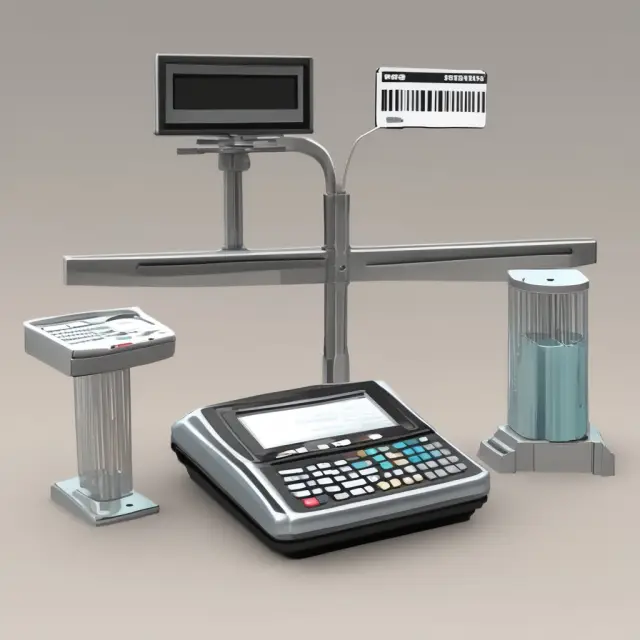
Understanding Perpetual Inventory Underlying Principles
A perpetual inventory system is an advanced accounting method for businesses that aims to continuously monitor and track inventory levels in real time through the use of computerized point-of-sale technology. Unlike periodic inventory systems, which rely on physical counts, perpetual inventory systems update inventory records as soon as sales transactions occur. This level of detail provides various advantages, especially for larger companies with high-volume sales, that set them apart from their periodic counterparts.
Perpetual inventory systems differ from periodic inventory systems in several ways:
- Immediate tracking: Perpetual inventory systems employ point-of-sale systems to register inventory transactions instantaneously, while periodic inventory methods rely on scheduled physical counts of products to determine the current inventory balance.
- Cost savings: By automating the inventory counting process, perpetual inventory systems save time and resources in comparison to the manual countings required for periodic inventories. However, the implementation costs for perpetual inventory systems are typically higher due to the need for specialized software and hardware, such as barcode scanners.
- Enhanced accuracy: Perpetual inventory systems offer superior stock level accuracy since the records are updated in real time with each sale. This leads to more informed forecasting and better customer service by ensuring that inventory levels remain up-to-date.
- Easier financial reporting: With perpetual inventory systems, financial reports like cost of goods sold (COGS) can be produced automatically, reducing the need for manual calculations or physical inventories, which often involve a significant amount of time and effort.
Perpetual inventory systems have gained widespread adoption by large companies, particularly those with complex and high-volume inventory management requirements. Despite their many advantages, perpetual inventory systems do require careful consideration before implementation due to the higher upfront costs. Additionally, although periodic physical counts are still necessary for detecting discrepancies in perpetual records, they can be performed less frequently than with a traditional periodic system.
The foundational elements of perpetual inventory systems include barcode scanners and computerized records that enable real-time updates to the inventory database as transactions take place. This continuous tracking allows companies to monitor stock levels and sales patterns more effectively, ensuring a well-stocked inventory while minimizing excess stock and potential losses from obsolete items.
In conclusion, understanding perpetual inventory systems involves grasping their underlying principles, which include their differences from periodic inventory methods, the advantages they offer to larger companies, and the role that barcode scanners and computerized records play in facilitating real-time inventory management. By employing this knowledge, businesses can make informed decisions about whether a perpetual inventory system is right for them.

Key Differences Between Perpetual and Periodic Inventory Systems
Perpetual inventory systems and periodic inventory systems are two primary methods businesses use to manage their stock levels and sales records. While both serve the same fundamental purpose – ensuring accurate inventory levels – they differ significantly in how they handle real-time data and tracking processes. In this section, we will explore these differences, discuss which system is more suitable for larger companies, and examine the impact on cost of goods sold (COGS).
Perpetual inventory systems represent a modern approach to inventory management that involves continuous, real-time recording of inventory changes. These systems utilize computerized point-of-sale technology to track sales as they occur, update inventory records in real time, and provide accurate stock levels for each individual product or item. In contrast, periodic inventory systems rely on physical counts at regular intervals to determine the current state of inventory. Periodic systems require more frequent physical inventory checks to maintain up-to-date records compared to perpetual systems.
Large companies and those with complex inventories often prefer perpetual inventory systems due to their many advantages:
- Real-time updates: Perpetual inventory systems provide continuous, real-time updates of sales and stock levels, allowing businesses to make informed decisions instantly. This is particularly beneficial for large organizations dealing with high volumes of sales and stock changes.
- Improved accuracy: By constantly recording every sale and adjusting inventory levels accordingly, perpetual systems reduce the likelihood of errors compared to periodic systems that rely on manual counts.
- Faster financial reporting: Real-time inventory updates simplify the process of generating financial reports for large companies, as inventory values are readily available in the system. This results in reduced manual data processing and potential errors.
- More efficient use of resources: Large organizations can save time and resources by implementing a perpetual inventory system that eliminates the need for frequent physical counts.
- Enhanced forecasting capabilities: Real-time sales data provided by perpetual systems enables more accurate forecasting, allowing businesses to optimize stock levels and minimize excess inventory or stockouts.
- Integration with finance and accounting teams: Perpetual inventory systems can be integrated with other business areas, such as financial reporting and accounting, ensuring compliance with various regulations and streamlining operations.
However, despite these advantages, perpetual inventory systems are not without their challenges. The following are some disadvantages of implementing a perpetual inventory system:
- Startup costs: Perpetual inventory systems require significant investment in hardware and software, as well as training for employees to effectively manage the new technology.
- Ongoing maintenance and updates: To ensure optimal performance, perpetual inventory systems need regular maintenance, software updates, and employee training. This adds ongoing costs that smaller businesses may find unjustifiable.
- Dependence on technology: Perpetual inventory systems rely heavily on technology and computerized records, making them susceptible to technological failures or hacking attempts.
- Inaccurate reporting due to loss, breakage, or theft: While perpetual systems provide real-time updates of sales and inventory levels, they cannot account for loss, breakage, or theft, necessitating periodic physical inventories to ensure accurate stock levels.
- Higher complexity compared to periodic systems: Perpetual systems offer more features and capabilities but may be more complex than periodic systems, requiring a greater learning curve for employees.
When deciding between perpetual and periodic inventory systems, it’s crucial to weigh the pros and cons carefully based on your business needs, size, and inventory management requirements. Ultimately, a well-informed decision can lead to significant improvements in operational efficiency, financial reporting, and overall competitiveness.

Pros and Cons of Perpetual Inventory Systems
A perpetual inventory system, as its name suggests, offers numerous advantages that have made it the preferred choice for many businesses. However, there are also some disadvantages to consider when deciding whether a perpetual inventory system is right for your business.
Advantages:
- Real-time updates and increased accuracy: With perpetual inventory systems, sales and inventory levels are updated in real time through the use of point-of-sale (POS) technology. This provides businesses with up-to-date information regarding their stock levels, enabling them to make informed decisions quickly. Moreover, as each transaction is recorded at the time it occurs, the need for manual data entry and reconciliation is eliminated, significantly reducing errors.
- Improved forecasting: Perpetual inventory systems allow businesses to track customer buying patterns and seasonal fluctuations more effectively than periodic inventory systems. This information can be used to optimize stock levels, minimize stockouts or overstock situations, and improve overall supply chain efficiency.
- Better management of multiple locations: Inventory management becomes significantly easier when dealing with multiple locations, as a connected perpetual inventory system provides real-time visibility into each location’s inventory levels. This not only streamlines the order fulfillment process but also enables businesses to optimize inventory distribution and manage stock levels more effectively across their entire network.
- Quicker preparation of financial statements: With perpetual inventory systems, financial reports can be generated with ease since the inventory values are already recorded in the system. This results in faster report preparation, improved accuracy, and fewer errors.
- Reduction or elimination of down time: Perpetual inventory systems eliminate the need for periodic physical inventories, which can save businesses time and resources while reducing downtime associated with store closures or employee hours spent on manual inventory counting.
Disadvantages:
- Potential loss due to damage, spoilage, or theft: Despite their numerous advantages, perpetual inventory systems do not account for physical losses, such as damaged items, spoiled goods, or stolen merchandise. As a result, it’s essential to conduct periodic physical inventories to identify and address any discrepancies between the estimated perpetual inventory and the actual stock levels.
- Improper inventory tracking and data errors: Human errors, software malfunctions, scanning errors, or misplacement of product can negatively impact the efficiency of a perpetual inventory system. Inaccurate inventory tracking can lead to mismanaged stock and operational challenges that hinder business operations.
- Costs associated with implementation and maintenance: Perpetual inventory systems require significant investment in equipment, software, and employee training upfront. Ongoing costs, such as updates and cybersecurity measures, add to the overall cost of maintaining a perpetual system. While these costs can be substantial for small businesses, the savings and efficiencies gained by larger companies or those with multiple locations often outweigh these expenses.
- Need for physical inventories: Although perpetual inventory systems significantly reduce the frequency of manual inventories, they cannot eliminate them entirely. It is still essential to conduct periodic physical inventories to ensure the accuracy of the perpetual system and identify any discrepancies between the estimated inventory levels and the actual stock counts.
When deciding whether a perpetual inventory system is right for your business, it’s crucial to weigh the pros and cons carefully. While real-time updates, improved forecasting, and better management of multiple locations are significant advantages, potential losses due to damage or theft, data errors, costs associated with implementation, and the need for periodic physical inventories must also be considered. By examining your business requirements, inventory size, and operational structure, you can make an informed decision about whether a perpetual inventory system is the best choice for your organization.

Setting Up a Perpetual Inventory System
A perpetual inventory system is a powerful tool for managing a company’s stock levels in real time. However, setting one up can involve some significant costs and challenges. In this section, we will discuss the cost of implementing a perpetual inventory system, explore training requirements, and help you choose the right software for your business.
Cost of Implementing a Perpetual Inventory System
The cost of implementing a perpetual inventory system includes hardware, software, and training expenses. The primary hardware component is usually barcode scanners or RFID readers, which can range from $100 to over $500 per unit depending on the desired features. Depending on your business’s size and complexity, you may need multiple units to cover all areas of your operations.
For software, you have a range of options, from cloud-based solutions to on-premises servers. Prices can vary greatly based on the number of users and required features, ranging from $50 to over $1,000 per month. Keep in mind that some software may also include hardware costs or require additional fees for advanced functionality.
Training requirements depend on your staff’s familiarity with the new system. While many perpetual inventory systems are user-friendly, you may still want to consider dedicating resources to ensure a smooth transition. Depending on your team’s size and availability, you may need to hire an external consultant or invest in internal training programs.
Choosing the Right Software for Your Business
The right software can make all the difference when implementing a perpetual inventory system. To choose the best option for your business, consider the following factors:
- Integration capabilities: Can the software integrate with your existing systems like ERP or CRM? This will help streamline processes and avoid manual data entry.
- Scalability: Will the software be able to grow with your business as it expands? Consider both current needs and future plans when making a decision.
- User interface (UI): Is the UI intuitive, easy to use, and customizable for your team’s preferences? A good UI can save time and reduce errors in day-to-day operations.
- Reporting and analytics: Can the software generate reports that help you make informed decisions based on inventory data? This will be crucial for understanding trends and optimizing stock levels.
- Support and maintenance: What level of support does the vendor offer, and what are the costs involved? Having a reliable support team can ensure a smooth implementation and ongoing use of the system.
By considering these factors before choosing a software solution, you’ll be better positioned to find a system that fits your business’s unique needs.
In conclusion, setting up a perpetual inventory system requires an initial investment but offers long-term benefits for managing stock levels in real time. By understanding the costs involved and selecting the right software for your business, you can make a successful transition to this powerful inventory management tool.

Managing Your Perpetual Inventory System
Once a perpetual inventory system is set up, it requires ongoing management to ensure its smooth functioning and to address any discrepancies between the reported stock and physical inventory. Here we explore the essential elements of managing a perpetual inventory system.
1. Handling discrepancies:
Discrepancies between the reported perpetual inventory and the physical inventory can arise due to various reasons, such as miscounts during the physical inventory, loss or theft, breakage, or errors in the perpetual inventory records. Proactively addressing these discrepancies is crucial for maintaining accurate inventory levels and minimizing stockouts and overstocks.
2. Accounting for loss, breakage, or theft:
Since perpetual inventory systems do not account for loss, breakage, or theft automatically, it is essential to set up processes for identifying and addressing these discrepancies. This may include regular physical counts, routine checks of the warehouse or store shelves, and updating the system accordingly.
3. Regular data analysis:
Regularly analyzing the inventory data provided by the perpetual system can reveal valuable insights into sales patterns, stock levels, and customer buying habits. Utilizing this information to optimize stock levels, manage orders efficiently, and make informed purchasing decisions is a key aspect of managing your perpetual inventory system effectively.
4. System maintenance:
A perpetual inventory system requires regular maintenance to ensure its optimal performance. This includes updating the software, addressing any bugs or malfunctions, and providing ongoing training and support for employees to maximize their proficiency with the system.
5. Choosing the right tools for the job:
Selecting the appropriate hardware and software for your perpetual inventory system can greatly impact its success. Consider factors like the size of your business, the volume and complexity of your inventory, and any specific industry requirements when making these choices.
In conclusion, managing a perpetual inventory system involves ongoing effort to ensure accurate reporting, address discrepancies, maintain the system, and make informed decisions based on data provided by the system. By dedicating the necessary resources and implementing best practices, businesses can reap the benefits of real-time inventory management and improved operational efficiency.

Best Practices for a Successful Perpetual Inventory System
A perpetual inventory system offers numerous benefits over traditional periodic inventory methods. By continuously tracking sales, adjusting inventory levels in real time, and providing instant access to critical inventory data, it enables businesses to maintain accurate stock levels, reduce stockouts, and streamline operations. However, implementing a perpetual inventory system involves significant upfront investment and ongoing maintenance costs. Additionally, this system lacks the ability to account for loss, breakage, or theft without periodic physical inventories. To maximize the benefits of a perpetual inventory system while minimizing potential drawbacks, follow these best practices:
1. Implement proper training for staff
Ensure that your employees are well-versed in using the perpetual inventory software and understand its importance. Offer regular training sessions to maintain their proficiency and address any questions or concerns they may have.
2. Regularly monitor inventory levels
Continuously monitor inventory levels across all locations, and adjust order quantities accordingly. This will help prevent overstocking or understocking of items.
3. Conduct periodic physical inventories
Regularly perform physical inventories to reconcile the perpetual data with actual stock on hand. These checks will help identify discrepancies, such as loss, breakage, or theft, and enable you to correct any inaccuracies in the system.
4. Integrate your inventory management system with other systems
Link your inventory management software to accounting, sales, purchasing, and production modules for a more efficient workflow and improved accuracy.
5. Utilize barcode scanning technology
Implementing barcode scanning technology can help streamline data entry and reduce the likelihood of errors, making it easier for employees to accurately track inventory levels.
6. Invest in reliable software and hardware
Invest in high-quality, robust software and hardware to minimize the risk of system downtime or malfunctions. Regularly update your system to ensure that you are using the latest features and security patches.
7. Maintain data accuracy
Regularly review and clean your inventory database to maintain its accuracy. This includes removing old or outdated records, correcting any incorrect data, and ensuring proper classification of items.
8. Implement cybersecurity measures
Protect your perpetual inventory system from external threats by implementing strong cybersecurity measures such as firewalls, encryption, and multi-factor authentication.
9. Establish protocols for handling discrepancies
Develop clear procedures for resolving discrepancies between the perpetual system and physical inventory counts. These procedures should include investigating the root cause of any discrepancy and taking corrective actions as needed.
10. Implement a backup strategy
Regularly back up your inventory data to ensure business continuity in case of system failures or other disasters. This will help minimize downtime and data loss.
Following these best practices can help you make the most of your perpetual inventory system, maximizing its benefits while minimizing any potential drawbacks. By taking a proactive approach to managing your inventory using this advanced technology, you’ll be well-positioned to enhance operational efficiency, reduce costs, and improve overall customer satisfaction.
Remember, these best practices are not exhaustive but serve as a foundation for optimally utilizing a perpetual inventory system. As your business grows or changes, revisit these guidelines periodically and adjust them to meet the evolving needs of your organization.

Examples of Successful Perpetual Inventory Implementations
Perpetual inventory systems have gained popularity in modern business due to their real-time tracking capabilities, offering several benefits such as immediate updates on sales and stock levels. One of the most notable industries that have successfully implemented perpetual inventory is retail, specifically large retailers like Walmart and Amazon. These companies rely heavily on technology and real-time data to maintain a vast network of inventory across numerous stores and distribution centers.
Another industry that has embraced perpetual inventory systems is manufacturing. Companies such as Caterpillar Inc. and Honeywell have integrated this system into their operations, providing them with an up-to-the-minute understanding of stock levels and product availability. This information is critical in maintaining efficient production processes and ensuring accurate forecasting for raw materials and finished goods.
When implementing a perpetual inventory system, it’s essential to consider the challenges and potential pitfalls. One common issue is dealing with discrepancies between the perpetual records and physical inventory counts due to factors like loss, breakage, or theft. Companies must have processes in place for investigating these discrepancies and making adjustments as needed to maintain accuracy.
One of the most successful implementations of a perpetual inventory system was by Walmart. They integrated barcode scanning technology into their stores to track inventory levels continuously, reducing inventory holding costs and improving order fulfillment efficiency. The implementation led to an estimated annual savings of $60 million.
Amazon also made the transition to perpetual inventory with its use of automated storage systems and real-time inventory tracking. Their focus on automation has led to a significant reduction in manual labor costs, which is essential for their business model as they handle millions of customer orders daily. This transition was critical to maintaining Amazon’s competitive edge in e-commerce, enabling them to deliver products faster and more efficiently than their competitors.
When considering the implementation of a perpetual inventory system, businesses need to carefully weigh the pros and cons based on their unique circumstances. While it offers numerous benefits such as real-time data, improved forecasting, and increased efficiency, there are also challenges like high initial costs, the need for ongoing updates, and dealing with discrepancies between physical and digital records.
Best practices include choosing a reputable software vendor, training employees on proper usage, and allocating resources for system maintenance and troubleshooting. By implementing these measures, businesses can ensure a successful transition to perpetual inventory systems and reap the rewards of increased accuracy and operational efficiency.

Frequently Asked Questions About Perpetual Inventory Systems
Question 1: What is a perpetual inventory system?
Answer: A perpetual inventory system is an accounting method where inventory levels are tracked in real time using computerized point-of-sale systems, barcode scanners, or other electronic records of product acquisition, sales, and returns. This continuous tracking provides immediate updates on the amount of inventory in stock, which helps businesses minimize stockouts and maintain accurate financial statements.
Question 2: How is a perpetual inventory system different from a periodic inventory system?
Answer: The main difference lies in the frequency at which inventory levels are recorded. In a perpetual system, transactions are updated as they occur, while in a periodic system, inventories are only counted and recorded during scheduled physical counts. Perpetual systems are more suitable for larger companies that track high-volume sales due to their real-time reporting capabilities, while periodic systems may be more cost-effective for smaller businesses with limited inventory.
Question 3: What are the advantages of using a perpetual inventory system?
Answer: The primary benefits include real-time tracking and reporting of inventory levels, improved forecasting abilities based on customer buying patterns and seasonal fluctuations, reduced down time or store closures for inventory counts, and the ease of preparing financial statements. Additionally, perpetual systems enable better multi-location management by providing a clear overview of stock levels across different warehouses or stores.
Question 4: What are some common challenges with perpetual inventory systems?
Answer: Although perpetual systems offer numerous advantages, they also come with certain challenges. These include the potential for errors due to system malfunctions or operator mistakes, the requirement for ongoing updates and maintenance to ensure accuracy, and the need for periodic physical inventories to account for loss, breakage, or theft. Furthermore, implementing a perpetual inventory system can be expensive, both initially and in terms of ongoing costs for software updates and hardware maintenance.
Question 5: Is it necessary to implement a perpetual inventory system?
Answer: While a perpetual inventory system offers several advantages, it may not be suitable or affordable for every business. Factors such as the size and complexity of your inventory, the frequency of sales, and the resources available for implementation should be considered before making a decision. In some cases, periodic inventory systems may still provide the most cost-effective solution for managing inventory levels. Ultimately, careful evaluation of your specific business needs will help determine whether a perpetual inventory system is right for you.

Conclusion: The Future of Inventory Management with Perpetual Systems
The adoption of perpetual inventory systems has revolutionized the way businesses manage their stock levels and inventory control processes. With its real-time tracking capabilities, perpetual inventory allows companies to maintain more accurate records, optimize their stocking strategies, and provide customers with better information about product availability. This evolution in inventory management is particularly beneficial for large enterprises dealing with high volumes of sales and complex inventory systems.
The primary advantage of a perpetual inventory system lies in the continuous monitoring and immediate recording of each inventory transaction. By using point-of-sale systems, barcode scanners, or computerized records, businesses can keep their inventory levels updated in real time. This results in fewer stockouts, improved forecasting abilities, and easier financial reporting. Furthermore, a perpetual inventory system simplifies the process of managing inventory across multiple locations by providing a consolidated view of stock levels and allowing for seamless transfer of goods between sites.
However, while the benefits are significant, it’s important to consider both sides of the coin. A potential downside is the need for regular physical inventories to account for loss, breakage, or theft, which can add to the cost and complexity of implementing a perpetual inventory system. Additionally, small businesses with limited inventory and tight margins might find the upfront investment in hardware, software, and training prohibitive compared to a periodic inventory system.
Despite these challenges, many organizations have successfully adopted perpetual inventory systems and have reaped substantial rewards. For instance, Walmart, one of the world’s largest retailers, reportedly saved $12 billion by implementing a perpetual inventory system in 1994. Another example is Zara, a Spanish fashion brand, which uses real-time data to adapt its inventory based on customer demand and sales trends, resulting in a competitive edge in the industry.
As technology continues to advance and more businesses recognize the benefits of real-time inventory management, it’s safe to say that perpetual inventory systems will become an increasingly common component of modern business operations. Embracing this innovative approach to inventory control can lead to improved efficiency, reduced costs, and a better overall customer experience.
 Next entry · No. 3,958Understanding Perpetuity: A Never-ending Cash Flow Instrument in Finance
See also
-
 No. 3,024
22 Feb 2025
19 min
Understanding the Advantages and Disadvantages of Setting Up a Private Limited Company (Ltd.)
Business Strategy
No. 3,024
22 Feb 2025
19 min
Understanding the Advantages and Disadvantages of Setting Up a Private Limited Company (Ltd.)
Business Strategy -
 No. 879
24 Jun 2024
18 min
Understanding the Importance of Days Sales of Inventory (DSI): An Effective Measure of Inventory Management
Financial Tools
No. 879
24 Jun 2024
18 min
Understanding the Importance of Days Sales of Inventory (DSI): An Effective Measure of Inventory Management
Financial Tools -
 No. 5,882
15 Oct 2025
19 min
Zero-Based Budgeting: Understanding the Advantages, Disadvantages, and Process
Business Finance
No. 5,882
15 Oct 2025
19 min
Zero-Based Budgeting: Understanding the Advantages, Disadvantages, and Process
Business Finance -
 No. 5,841
12 Oct 2025
17 min
Understanding Yankee Bonds: Advantages, Disadvantages, and Everything In Between
Business Finance
No. 5,841
12 Oct 2025
17 min
Understanding Yankee Bonds: Advantages, Disadvantages, and Everything In Between
Business Finance -
 No. 5,790
07 Oct 2025
17 min
Mastering Working Capital Management: Strategies and Key Ratios for Financial Success
Business Finance
No. 5,790
07 Oct 2025
17 min
Mastering Working Capital Management: Strategies and Key Ratios for Financial Success
Business Finance -
 No. 5,715
01 Oct 2025
19 min
Understanding Wholly-Owned Subsidiaries: Advantages, Disadvantages, and Tax Implications for Institutional Investors
Business Finance
No. 5,715
01 Oct 2025
19 min
Understanding Wholly-Owned Subsidiaries: Advantages, Disadvantages, and Tax Implications for Institutional Investors
Business Finance