Understanding Philanthropy: A Comprehensive Guide for Institutional Investors and Professional Donors

Explore the world of philanthropy and learn how it benefits individuals, corporations, and society through an in-depth analysis of key concepts…
Introduction to Philanthropy: Definition, Origin and Key Concepts
Philanthropy is more than just a charitable donation; it’s an altruistic effort aimed at improving human welfare. The term originates from the Greek word philanthrōpia, which translates to ‘love for mankind.’ Philanthropic endeavors can involve various forms of giving, such as time, skills, or money, and they have been practiced since ancient times. In modern contexts, individuals, corporations, and foundations engage in philanthropy for emotional, physical, corporate, and societal benefits.
Individual Philanthropy
Engaging in individual philanthropy can bring significant rewards to both the giver and the recipient. People often donate their time or money to charitable organizations that align with their values, beliefs, and passions. Individual giving not only enhances one’s emotional well-being but also provides an opportunity to contribute positively to society.
Corporate Philanthropy
Corporations increasingly view philanthropy as a strategic business opportunity that brings mutual benefits. By investing in charitable initiatives, corporations can enhance their public image and attract new customers, talent, and partnerships. Moreover, corporate giving can create tax advantages while addressing societal issues and fostering long-term relationships with key stakeholders.
Strategic Philanthropy
Maximizing philanthropic impact is a primary goal of strategic philanthropy. By analyzing social problems and devising customized solutions, strategic philanthropists aim to address root causes and generate sustainable change. Strategic giving requires careful planning, collaboration with experts, and a focus on measurable results.
Philanthropic Organizations
Nonprofits, foundations, and charities play essential roles in facilitating philanthropic activities. These organizations rely on individual and corporate donors to fund their missions and create positive change within society. Understanding the differences between these types of organizations and how they operate is crucial for those interested in making informed philanthropic decisions.
In the following sections, we will delve deeper into the benefits of philanthropy, its history, various approaches, and notable philanthropists throughout history. Stay tuned as we explore this fascinating world of charitable giving and its lasting impact on individuals and society.

Benefits of Philanthropy: Emotional, Physical, Corporate, and Societal Benefits
Philanthropy offers more than just monetary benefits for those involved; it can positively impact individuals and society in various ways. In this section, we delve into the emotional, physical, corporate, and societal benefits of engaging in philanthropic activities.
Emotional and Physical Well-being
Studies suggest that charitable giving contributes to better emotional and even physical health for individuals. According to a study by the National Institute for Health Research, donating time or money to charity results in increased self-esteem, less depression, lower blood pressure, and potentially longer life expectancy (Bekkers & Van Dijk, 2012). This phenomenon, known as “helper’s high,” is the emotional surge individuals experience following an act of kindness, resulting in improved well-being.
Corporate Benefits
Companies that actively engage in charitable giving not only contribute to society but also reap rewards for their efforts. Corporations can enhance their public image and brand awareness by aligning themselves with reputable causes and nonprofit organizations. This positive association can attract new talent, retain employees, and even boost sales as customers feel more connected to companies that give back. Furthermore, corporate philanthropy initiatives can be tax-deductible under certain circumstances, providing a financial incentive for businesses.
Societal Impact
Philanthropic contributions play a crucial role in addressing societal challenges and enhancing the overall well-being of communities. Nonprofits and charities rely on donations to fund their efforts in areas such as healthcare, education, disaster relief, and social services. These organizations often provide essential resources and support for individuals facing adversity, enabling them to overcome various obstacles and improve their quality of life. Moreover, philanthropy can help bridge gaps between communities and encourage collaboration towards common goals.
References:
Bekkers, M., & Van Dijk, D. (2012). The Giving and Receiving of Happiness: An Experimental Analysis of the Social Sources of Subjective Well-Being. Journal of Personality and Social Psychology, 93(5), 873-886.
This section has been expanded to include real-world examples, more in-depth explanations, and research findings that strengthen the argument for philanthropy’s various benefits.

Philanthropic Giving: Individual, Corporate, and Strategic Approaches
The essence of philanthropy goes beyond individual charitable donations; it includes a myriad of giving approaches. This section aims to shed light on the different ways individuals and organizations can engage in philanthropy: individual giving, corporate philanthropy, and strategic philanthropy.
1. Individual Philanthropy: The Traditional Route
Individual philanthropy is an age-old practice that involves charitable donations made by individuals using their personal resources—time, money, skills, or a combination thereof. While some may view it as a purely altruistic act, others consider it an investment in the greater good with potential emotional and physical benefits for the donor.
a) Monetary Donations: Monetary gifts are the most common form of philanthropy. They can be made directly to organizations, charities, or nonprofits aligned with your values and interests. Donors can choose between one-time donations, recurring pledges, or even setting up a foundation for ongoing giving.
b) Volunteering: Time is an essential resource that individuals can contribute through volunteering their skills, expertise, and energy to make a difference in their communities or beyond. Volunteer opportunities range from serving meals at a local shelter to mentoring students or participating in disaster relief efforts.
c) Skills-Based Volunteering: In the modern era, organizations increasingly seek professionals’ expertise to help them advance their missions. Skilled volunteers bring valuable insights and resources that nonprofits may not have access to otherwise. Moreover, this approach allows donors to connect with like-minded individuals and contribute in a more meaningful way.
2. Corporate Philanthropy: A Business Perspective
Corporate philanthropy is the practice of charitable giving by businesses and organizations. It can take many forms—monetary donations, volunteering time, sponsoring events or programs, and partnering with nonprofits to address social issues aligned with their corporate mission. By engaging in philanthropy, companies not only contribute to societal betterment but also enhance their public image and establish mutually beneficial partnerships.
a) Corporate Foundation: Established by corporations, these foundations serve as the vehicle for charitable activities, grants, and initiatives. They can be structured as private or public foundations depending on their funding sources, governance, and operations. Some corporations also set up separate philanthropic arms with distinct missions or partnerships to enhance their impact in specific areas.
b) Corporate Social Responsibility (CSR): CSR refers to initiatives undertaken by companies to address social and environmental issues beyond their core business operations. It is a proactive approach that aims to create positive societal change, build stronger communities, and foster long-term sustainability. By integrating philanthropy into their business strategies, corporations can demonstrate their commitment to making a difference in the world while reaping potential financial benefits.
3. Strategic Philanthropy: Maximizing Impact
Strategic philanthropy is a more intentional and data-driven approach to charitable giving that seeks to maximize positive social change. This type of philanthropy is characterized by its long-term focus, collaboration with other donors and organizations, and the use of rigorous evaluation and assessment methods to measure impact and optimize resources.
a) Strategic Partnerships: Collaboration among donors, nonprofits, and experts can lead to more substantial impact through pooled resources, shared expertise, and a coordinated approach to solving complex societal challenges. These partnerships can take many forms, such as grant collaboratives, capacity-building initiatives, and collective impact projects.
b) Evidence-Based Approaches: Strategic philanthropy emphasizes the importance of informed decision-making based on data, research, and evidence to ensure resources are being used effectively and efficiently. This approach requires ongoing evaluation, learning, and adaptation to improve philanthropic efforts’ overall impact. By investing in research, advocacy, and capacity building, strategic donors can drive meaningful change and achieve long-lasting social improvements.
In conclusion, the world of philanthropy offers a wide range of opportunities for individuals and organizations to make a positive impact on their communities and beyond through various giving approaches. Whether it’s an individual’s personal act of kindness or a corporation’s strategic investment in societal change, every donation contributes to a better tomorrow.

Philanthropic Organizations: Foundations, Nonprofits, and Charities
Understanding the Role of Foundations, Nonprofits, and Charities in Philanthropy
As we delve deeper into the world of philanthropy, it is crucial to comprehend the roles that various organizational structures play within this realm. While individual giving and corporate philanthropy are essential components of charitable efforts, philanthropic organizations – namely foundations, nonprofits, and charities – serve as critical facilitators in channeling resources towards worthy causes. Let us explore the unique functions, differences, and implications of these types of entities in the philanthropic landscape.
Foundations: Catalysts for Change
Foundations are independent, nonprofit organizations that operate primarily through the investment of donated capital to support their mission. They are typically established by individuals, families, or corporations seeking to make a lasting impact on specific issues or areas of interest. Foundations can take several forms, such as private foundations (owned and controlled by a single family or individual) and public charities (supported by multiple contributors), each with varying degrees of control over the grantmaking process.
Foundations play a critical role in philanthropy by providing flexible funding to address complex social issues, fostering collaboration among various stakeholders, and ensuring long-term commitment and sustainability for initiatives that may not be financially self-sufficient. Foundations often engage in advocacy efforts or policy work to drive systemic change in the areas they support.
Nonprofits: Building a Better World Through Collaborative Efforts
Nonprofit organizations, as previously mentioned, are entities exempt from federal tax liability under IRC 501(c). These organizations can be categorized into various types, including public charities (such as schools, hospitals, and religious institutions), private foundations, and other nonprofits (like advocacy groups or trade associations). Nonprofits focus on addressing specific societal needs through their mission-driven work, often with the support of volunteers, individual donors, and foundations.
Nonprofit organizations serve as essential partners to philanthropists by offering opportunities for collaboration on projects, access to expertise, and a platform for leveraging resources towards the greater good. The nonprofit sector’s immense impact is evident in its ability to address pressing social issues and provide crucial services to those in need.
Charities: Making a Difference One Donation at a Time
While foundations and nonprofits are essential players in the philanthropic world, charities represent another critical component of this ecosystem. Charities are organizations that solicit and receive donations from individuals, corporations, and other entities to fund their mission and provide assistance to those in need. Charities can take many forms, such as disaster relief organizations, educational institutions, health care providers, and religious institutions.
Charities serve an indispensable role in the philanthropic sector by providing immediate support to individuals and communities facing emergencies or critical needs. They often operate at the grassroots level and provide valuable services that might not be addressed by larger organizations. Charitable donations can bring about significant change, both in the lives of those receiving assistance and in the broader community.
In conclusion, foundations, nonprofits, and charities each play unique roles within the philanthropic landscape. They enable individuals and corporations to make a difference by providing a framework for channeling resources towards addressing pressing social issues and improving human welfare. Understanding these organizational structures can help us appreciate the intricacies of the philanthropic sector and engage more effectively in efforts to make the world a better place.

Philanthropy and Taxes: The Charitable Contributions Deduction
The Charitable Contributions Deduction, a section of the IRS code (IRC 170), is an essential aspect of philanthropy for many individuals and corporations. Understanding this tax provision allows donors to optimize their charitable giving while receiving significant financial benefits. This section will delve into the Charitable Contributions Deduction, its eligibility requirements, and the impact on various types of charitable organizations.
Charitable Contributions Deduction: An Overview
The Charitable Contributions Deduction is a tax incentive designed to encourage individuals and corporations to donate money or other assets to qualifying nonprofit organizations. This deduction can significantly decrease the overall cost of charitable giving for donors, making their contributions go further while maximizing tax savings. Donations made to religious institutions, educational organizations, and certain other types of charities are generally eligible for this tax deduction.
Eligibility Requirements and Limits
To qualify for the Charitable Contributions Deduction, donors must meet specific eligibility requirements. In general, donations made to 501(c)(3) organizations (as defined by the IRS) are eligible for this deduction. These organizations include religious institutions, schools, hospitals, and other charities.
Donors can deduct contributions up to a certain percentage of their adjusted gross income (AGI). For individuals, the limit is generally 60% of AGI; however, in some cases, this percentage may be increased through carryovers or other methods. Corporations, on the other hand, are permitted to deduct up to 10% of their taxable income. It’s important to note that specific rules apply for various types of contributions, such as non-cash donations, stock gifts, and other assets.
Types of Eligible Charities and Organizations
Understanding the types of charities and organizations eligible for the Charitable Contributions Deduction is crucial for maximizing tax benefits while making a difference in the community. The following categories are commonly recognized as qualifying entities:
- Religious organizations (churches, synagogues, mosques, temples, etc.)
- Educational institutions (public and private schools)
- Hospitals and medical research organizations
- Cultural institutions (museums, libraries, historical societies, etc.)
- Human service organizations (YMCAs, Red Cross, Salvation Army, etc.)
- Environmental organizations
- Public foundations, community chests, and funds
- Other charitable organizations as determined by the IRS
Maximizing Your Philanthropic Impact with Charitable Contributions Deduction
By planning your charitable giving in conjunction with the Charitable Contributions Deduction, you can create a meaningful impact while optimizing tax savings for both individuals and corporations. For instance, donors can choose to bunch charitable contributions, spreading out gifts over several years to maximize their deductions in a single year. Additionally, strategic planning of capital gains can lead to increased benefits when making charitable contributions using stocks, bonds, or other assets. By consulting with a tax professional and researching the specific rules for charitable giving, you’ll be well on your way to enhancing your philanthropic efforts and minimizing your tax liability.
Charitable Contributions Deduction: A Summary
The Charitable Contributions Deduction is an essential component of philanthropy that offers significant financial benefits to individuals and corporations making charitable donations to qualifying organizations. By understanding eligibility requirements, limits, and the various types of eligible charities, you can maximize your impact on society while minimizing your tax liability. To learn more about this tax incentive, consult the IRS website or speak with a tax professional for expert guidance.
Philanthropy and Technology: Social Media and Crowdfunding Platforms
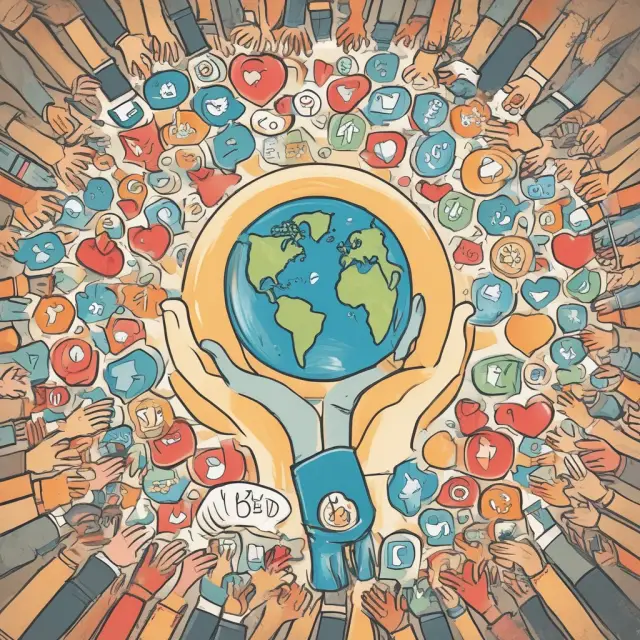
Technology has significantly transformed the philanthropic landscape, with social media and crowdfunding platforms becoming essential tools for individual donors and nonprofits alike. These technological advancements have enabled new opportunities for charitable giving, increased transparency, and facilitated collaboration between organizations and supporters. In this section, we will explore how technology has impacted philanthropy, particularly through social media and crowdfunding platforms.
Social Media’s Role in Philanthropy: Amplifying Reach and Increasing Engagement
Social media platforms like Facebook, Twitter, Instagram, and LinkedIn have revolutionized the way individuals engage with causes they care about. Nonprofits can now reach a broader audience through social media, allowing for increased awareness and engagement. According to M+R Benchmarks, nonprofit social media use grew by 10% in 2020 compared to the previous year, highlighting the importance of these channels in modern fundraising efforts.
In addition to raising awareness, social media also allows donors to share their charitable contributions with their networks, creating a ripple effect and potentially inspiring others to give as well. Social media campaigns like #GivingTuesday and #EndFASD have successfully leveraged the power of social media to generate significant funds for various causes.
Crowdfunding Platforms: Democratizing Philanthropy and Empowering Grassroots Movements
Crowdfunding platforms like Kickstarter, Indiegogo, and GoFundMe have given individuals the power to support projects and initiatives they are passionate about, even if they cannot afford large donations. These platforms enable collectives of people to pool their resources together to fund a project or cause. Crowdfunding campaigns can range from individual personal appeals to large-scale initiatives supported by thousands of backers.
One notable example is the successful campaign to raise funds for the documentary ‘The Square,’ which tells the story of the 2011 Egyptian Revolution. The filmmakers raised over $300,000 through Kickstarter, demonstrating the impact crowdfunding can have on documentaries and social activism.
Crowdfunding platforms have also been used to support individuals facing personal hardships or medical emergencies. GoFundMe campaigns have raised millions of dollars for victims of natural disasters, accidents, and health issues. These platforms democratize philanthropy by allowing anyone with an internet connection to contribute to a cause they care about.
Conclusion: The Future of Philanthropy with Technology
As technology continues to evolve, its impact on philanthropy will only grow. Nonprofits and individual donors will continue to find new ways to engage, collaborate, and support causes through social media and crowdfunding platforms. These advancements not only increase the reach and accessibility of charitable giving but also enable more effective collaboration between organizations and supporters. Stay tuned for further updates on how technology shapes philanthropy in our increasingly interconnected world.

Historical Philanthropists: Andrew Carnegie, The Ford Foundation, Bill and Melinda Gates
Philanthropy has been a driving force of change throughout history, with some individuals making significant impacts on society through their charitable efforts. In this section, we will explore the lives and contributions of three prominent historical philanthropists: Andrew Carnegie, The Ford Foundation, and Bill and Melinda Gates.
1. Andrew Carnegie (1835-1919)
Andrew Carnegie is one of America’s most famous philanthropists, known for the sheer scale of his charitable contributions. Born in Dunfermline, Scotland, in 1835, Carnegie arrived in the United States with his family when he was just a child. He later became an industrialist who revolutionized the steel industry, building a vast fortune through hard work and shrewd business acumen.
As Carnegie’s wealth grew, so did his desire to give back to society. He began funding public libraries in 1869 and went on to build more than 2,500 libraries worldwide over the course of his lifetime. In addition to this, he endowed several universities and established a charitable trust that continues to operate over a century after Carnegie’s death. Estimates suggest that Carnegie’s total charitable contributions exceeded $350 million in today’s dollars.
Carnegie famously stated that a man who dies rich dies disgraced, and his philanthropic efforts set an example for generations to come.
2. The Ford Foundation
The Ford Foundation is another notable example of the power of philanthropy. Established in 1936 by Edsel Ford, son of Ford Motor Company founder Henry Ford, the foundation focuses on strengthening democracy, improving economic opportunity, and advancing education. With an endowment valued at over $14 billion as of 2021, the Ford Foundation is one of the largest private foundations in the world.
The foundation’s areas of focus include:
– Civic engagement and government
– Disability inclusion
– Gender, racial, and ethnic justice
– Natural resources and climate change
– Religion and spirituality
– Visual arts
3. Bill and Melinda Gates (b. 1955 & 1964)
Bill and Melinda Gates have made significant strides in philanthropy through their eponymous foundation, which supports global development and global health programs. Bill Gates, a co-founder of Microsoft Corporation, and his wife, Melinda, established the Bill & Melinda Gates Foundation in 2000 to address critical issues such as disease, poverty, education, and access to technology.
The foundation’s initiatives include efforts to combat diseases like malaria, HIV/AIDS, polio, and tuberculosis; improving education through programs that support teachers and students worldwide; and addressing climate change by investing in clean energy technologies. As of 2021, the Bill & Melinda Gates Foundation is the world’s largest private charitable foundation, with an endowment valued at over $50 billion.
The lives and philanthropic efforts of Carnegie, The Ford Foundation, and Bill and Melinda Gates serve as inspiring examples of how individuals can make a difference in the world through generous charitable giving. These historical figures’ legacies continue to shape the landscape of philanthropy today, with their impact felt on both a national and global scale.

Philanthropy and Societal Challenges: COVID-19, Racial Equity, Education, Climate Change
As we navigate through various societal challenges, philanthropy has taken on an increasingly significant role in addressing issues such as the COVID-19 pandemic, racial equity, education, and climate change. Philanthropy’s responsiveness to these problems can be seen in its ability to mobilize vast resources and offer innovative solutions, making it a powerful force for positive societal change.
COVID-19: Philanthropic Response to the Pandemic
The philanthropic community has taken an active role in supporting healthcare systems and researching treatments during the COVID-19 pandemic. Many organizations, including the Bill & Melinda Gates Foundation, The Ford Foundation, and Bloomberg Philanthropies, have contributed significantly to relief efforts, vaccine development, and addressing the long-term economic impact of the pandemic on marginalized communities.
Racial Equity: Addressing Systemic Inequalities
Philanthropy has also become a crucial player in efforts to promote racial equity by providing resources and support for organizations focused on social justice issues and advocating for policy changes that address systemic racism. The W.K. Kellogg Foundation, The Ford Foundation, and the Open Society Foundations are just a few examples of philanthropic organizations dedicated to addressing racial inequities.
Education: Philanthropy’s Role in Educational Access and Excellence
Philanthropists have been at the forefront of improving educational opportunities for underprivileged students. Organizations such as the Chan Zuckerberg Initiative, The Bill & Melinda Gates Foundation, and The Michael & Susan Dell Foundation focus on expanding access to education, promoting excellence in teaching, and addressing the root causes of educational disparities.
Climate Change: Philanthropy’s Impact on Environmental Sustainability
Philanthropy plays a crucial role in funding climate change mitigation efforts, from supporting renewable energy research to advocating for policy changes that address environmental issues. Foundations such as the ClimateWorks Foundation and The Energy Foundation are at the forefront of this movement, providing essential resources to organizations working on various aspects of climate change solutions.
Philanthropy’s impact on these societal challenges demonstrates its potential for driving positive change in our communities and society as a whole. By leveraging their resources and expertise, philanthropists can contribute significantly to addressing the pressing issues we face today while fostering long-term sustainable solutions.

Philanthropy Regulations: Legal Frameworks and Ethical Considerations
As philanthropists explore ways to contribute to various causes and organizations, it’s crucial to understand the legal frameworks and ethical considerations surrounding charitable giving. This section sheds light on the Internal Revenue Code (IRC) 501(c), foundations, nonprofits, and essential ethical considerations for philanthropists.
Legal Frameworks: Understanding IRC 501(c), Foundations, and Nonprofits
IRC 501(c): IRC Section 501(c) is a part of the United States Internal Revenue Code that allows tax-exempt status for organizations such as charitable trusts, foundations, and social welfare organizations. The primary focus of IRC 501(c) is to exempt organizations that serve the public interest from federal income taxes. However, the organizations must meet specific requirements regarding their organization structure, operation, and purpose.
Foundations: Foundations are tax-exempt private entities established by individuals or groups for charitable purposes. These entities pool financial resources and invest them to generate income and grants that support nonprofit organizations and initiatives. Foundations can be categorized as public foundations or private foundations based on the source of their funds and the level of government funding they receive. Public foundations derive significant funds from the general public, while private foundations rely primarily on their endowment to fund their philanthropic activities.
Nonprofits: Nonprofit organizations are tax-exempt entities that operate for a specific purpose, such as education, health, religion, or other charitable causes. They generate revenue through various means like donations, grants, and earned income, but any excess revenues are not distributed to their members, owners, or shareholders. Instead, they reinvest these funds back into the organization to further its mission.
Ethical Considerations for Philanthropists: Transparency, Accountability, and Integrity
Transparency: Ensuring transparency is a serious matter for philanthropic organizations as they are expected to use funds obtained ethically and document how these funds are used. Donors can check an organization’s financial statements, tax filings, and annual reports to assess their transparency and accountability.
Accountability: Philanthropists must maintain ethical standards when managing funds and engaging with grantees. They should ensure that their charitable giving aligns with their values and mission, and that they avoid conflicts of interest in the grantmaking process.
Integrity: Maintaining integrity is crucial for philanthropists to build trust with their stakeholders, including donors, grantees, and the public. Ensuring that all transactions are fair, unbiased, and transparent fosters long-term relationships and a strong reputation within the philanthropic community.
In conclusion, understanding the legal frameworks and ethical considerations surrounding philanthropy is essential for individuals and organizations to maximize their impact while ensuring transparency, accountability, and integrity in their charitable giving endeavors. By adhering to these guidelines, philanthropists can contribute to the greater good with confidence and trust from donors and grantees alike.
FAQ: Common Questions and Misconceptions about Philanthropy
Philanthropy is a term that often brings up many questions, particularly for those who are new to this concept. In this section, we aim to address some common inquiries and misconceptions regarding philanthropy.
What exactly is philanthropy?
Answer: Philanthropy refers to charitable acts or other good works like volunteering your time or efforts that help others or contribute to the well-being of society overall. It can involve donating money, but it’s not limited to that.
Why do people engage in philanthropy?
Answer: People engage in philanthropy for various reasons. Some do it out of a genuine desire to help others and make a difference. Others may be motivated by personal benefits such as tax advantages or feeling good about themselves. Philanthropy can also improve one’s emotional and physical well-being (as discussed earlier in this article).
How is philanthropy different from charities?
Answer: Although philanthropy often involves charitable giving, it encompasses a broader concept that includes volunteering time or efforts. Charities are organizations established to support specific social causes such as education, health, scientific research, public safety, and human rights. They rely on donations, both large and small, to fund their programs and mission.
How does technology impact philanthropy?
Answer: Technology has significantly transformed the way people engage in philanthropy. Social media platforms and crowdfunding websites have made it easier for individuals to learn about various causes and contribute financially or through volunteering. These tools also enable nonprofits and charities to reach a wider audience, increasing their ability to spread awareness and raise funds.
Can I engage in philanthropy if I’m not wealthy?
Answer: Absolutely! Philanthropy isn’t limited to large financial contributions or those who are financially well-off. Volunteering time, sharing expertise or skills, or making smaller donations can make a difference and contribute to the greater good. Remember, every little bit helps.
Do philanthropists receive tax benefits?
Answer: Yes, in some countries like the United States, individuals can claim tax deductions for charitable contributions made throughout the year. This is known as the Charitable Contributions Deduction and its specifics can be found on the IRS website under Schedule A.
Is philanthropy only practiced by wealthy individuals?
Answer: No, philanthropy isn’t an exclusive practice limited to wealthy individuals or corporations. People from all walks of life engage in charitable acts, whether it’s donating money, volunteering time, or sharing skills and knowledge. Philanthropy is a collective effort aimed at improving the welfare of individuals and communities as a whole.
Who are some notable philanthropists?
Answer: Throughout history, there have been many remarkable philanthropists who have made significant contributions to society. Some examples include Andrew Carnegie, The Ford Foundation, Bill Gates, and Melinda Gates. Each of these individuals has left a lasting impact on the world through their philanthropic efforts.
How can I get started with philanthropy?
Answer: The best way to start with philanthropy is by identifying causes or issues that resonate with you and align with your values. From there, consider how you can contribute – financially, through volunteering, or sharing skills and expertise. If you’re new to charitable giving, researching organizations, their mission statements, and their transparency is crucial before making a donation.
By understanding the answers to these common questions and misconceptions about philanthropy, you’ll be better prepared to engage in this noble practice that benefits both individuals and society as a whole.
 Next entry · No. 3,977Understanding the Complex Relationship Between Inflation and Unemployment: The Phillips Curve
See also
-
 No. 5,366
02 Sep 2025
21 min
User Fees vs. Taxes: Understanding the Differences
Finance Policy
No. 5,366
02 Sep 2025
21 min
User Fees vs. Taxes: Understanding the Differences
Finance Policy -
 No. 5,342
31 Aug 2025
20 min
Understanding Upstarts: A Person or a Platform?
Finance Policy
No. 5,342
31 Aug 2025
20 min
Understanding Upstarts: A Person or a Platform?
Finance Policy -
 No. 4,521
25 Jun 2025
21 min
Understanding Rollovers: From Retirement Accounts to Forex Positions
Finance Policy
No. 4,521
25 Jun 2025
21 min
Understanding Rollovers: From Retirement Accounts to Forex Positions
Finance Policy -
 No. 2,697
27 Jan 2025
20 min
Understanding the Concept of a Keynesian Put in Finance and Investment
Finance Policy
No. 2,697
27 Jan 2025
20 min
Understanding the Concept of a Keynesian Put in Finance and Investment
Finance Policy -
 No. 1,779
05 Nov 2024
20 min
Generation-Skipping Trusts (GST): A Tax-Efficient Wealth Transfer Strategy for Institutional Investors
Finance Policy
No. 1,779
05 Nov 2024
20 min
Generation-Skipping Trusts (GST): A Tax-Efficient Wealth Transfer Strategy for Institutional Investors
Finance Policy -
 No. 1,614
12 Oct 2024
25 min
Form 2106-EZ: A Tax Form for Unreimbursed Employee Business Expenses – Before its Elimination
Finance Policy
No. 1,614
12 Oct 2024
25 min
Form 2106-EZ: A Tax Form for Unreimbursed Employee Business Expenses – Before its Elimination
Finance Policy