Understanding Stagnation: Causes, Effects and Overcoming Economic Sluggishness

Economic stagnation is a prolonged period of little or no growth in an economy's output, often with persistent unemployment and flat wages. It can follow a recession or last for years; the related idea of secular stagnation, coined by Alvin Hansen in 1938, blames chronically weak investment demand.
Introduction to Stagnation: Definition and Key Takeaways
The term ‘stagnation’ in economics refers to an economy experiencing little or no growth, often indicated by low GDP rates, persistent unemployment, and flat wages. Economists consider a rate of growth below 2-3% per year as stagnant. Stagnation can be temporary or long-term and can impact various sectors within the economy. In this article, we’ll discuss what stagnation is, its causes, effects, and strategies for overcoming it.
Key Takeaways
- Stagnation occurs when an economy experiences little to no growth as measured by GDP, high unemployment, and flat wages.
- Stagnation can be temporary or long-term depending on the underlying causes.
- Understanding stagnation helps investors, policymakers, and individuals better navigate economic cycles.
Understanding Stagnation: Causes and Effects
Stagnation is a condition where total output in an economy either declines, remains flat, or grows very slowly. This state can manifest as high unemployment rates, lackluster job growth, no wage increases, and absent stock market booms. The causes of stagnation can stem from business cycles, economic shocks, or long-term structural conditions.
Cyclical Stagnation: Temporary Conditions during Economic Cycles
During the transition from recession to growth or recovery, economies may experience a period of cyclical stagnation. During these periods, governments often implement monetary and fiscal policies to stimulate economic activity and avoid prolonged stagnation. For example, increasing government spending on infrastructure projects can create jobs and boost demand for goods and services, leading to increased aggregate economic growth.
Structural Stagnation: Long-Term Economic Challenges
In contrast, structural stagnation refers to long-term challenges in the economy caused by factors like mature economies, institutional issues, or demographic changes. In such cases, stagnation can persist for decades and negatively impact various sectors. For example, in Europe during the 1970s and 1980s, structural stagnation was referred to as ‘Eurosclerosis.’
Addressing Stagnation: Monetary and Fiscal Policies
To combat stagnation, governments employ a combination of monetary and fiscal policies. Monetary policy involves the use of interest rates to manage inflation and stimulate economic growth. For example, lowering interest rates encourages borrowing and investment, while increasing government spending can boost demand for goods and services.
Fiscal policy refers to tools that governments use to influence the economy through taxes and public spending. This includes increasing government spending on infrastructure projects or decreasing taxes to provide financial incentives for businesses to invest and innovate.
Differences and Similarities: Stagnation vs. Stagflation vs. Recession
Stagnation, stagflation, and recession are related yet distinct economic phenomena. While stagnation is characterized by slow growth, stagflation involves a combination of inflation and stagnant growth, and a recession refers to a significant and prolonged decline in economic activity.
Real-World Example: The Great Recession and Stagflation
The global financial crisis of 2008 marked the beginning of a long period of economic stagnation. During this time, GDP grew at an average rate of 2.3% per year. In response, governments implemented monetary policies like quantitative easing to spur growth and prevent prolonged stagnation.
Conclusion: Stagnation’s Impact on Economics
Understanding stagnation is crucial for investors, policymakers, and individuals alike as it can impact economic performance, stock markets, wages, and unemployment rates. In the following sections, we will dive deeper into the causes and effects of stagnation, exploring historical examples and their implications for both developed and emerging economies.

Identifying Stagnation in an Economy
Stagnation is a term used to describe a period when an economy experiences little or no growth, often marked by high levels of unemployment. Economists define economic stagnation as a GDP rate of growth below 2%-3%, which could last for months or years. This section will explore indicators of stagnation in an economy and discuss how it differs from other economic conditions such as stagflation and recession.
Indicators of Stagnation
The following signs can help identify a stagnant economy:
- Low Gross Domestic Product (GDP) growth: A slowdown or decline in the economy’s output, measured by GDP, below 2%-3%.
- Persistent unemployment and underemployment: An extended period of high unemployment rates, with many individuals unable to find work or being underemployed, working in jobs that do not fully utilize their skills and education.
- Flat wages: A prolonged period of no wage growth or minimal increases in real terms as inflation adjusts the nominal figures.
- Economic contraction or zero economic growth: When the economy shrinks or fails to grow, this can indicate a period of stagnation.
- Absence of stock market booms and highs: Stock markets typically reflect investor confidence in an economy’s future growth prospects, but during a period of stagnation, they may experience slow growth or even declines.
- Slow population growth: A mature economy with slow population growth is more susceptible to stagnation due to fewer workers and consumers contributing to the economy.
Cyclical vs. Structural Stagnation
Stagnation can be a temporary condition in an economic cycle or business cycle as recovery from a recession begins, or it can result from longer-term structural conditions within an economy. During these periods of cyclical stagnation, monetary and fiscal policies are often employed to prevent prolonged stagnation. Structural stagnation is characterized by long-term challenges that affect economic growth, such as institutional factors and demographic changes.
Distinguishing Stagnation from Stagflation and Recession
Stagnation differs from stagflation and recession in several ways:
- Stagnation refers to a prolonged period of slow economic growth with no definitive cycle, unlike the short-term downturns that characterize a recession.
- During stagflation, an economy experiences both stagnant growth and inflation, making it more challenging for governments to address economic challenges through conventional monetary and fiscal policies.
- Recessions are characterized by significant economic contractions usually lasting six months or longer, with multiple consecutive quarters of negative GDP growth.
Examples of Stagnation in History
Historically, there have been several instances of stagnant economies: the Great Depression, the European Economic Community during the 1970s and 1980s, and the aftermath and recovery from the Great Recession. Understanding stagnation is crucial for investors and individuals alike, as it can significantly impact their financial lives through low growth rates, high unemployment, and minimal wage increases.

Understanding the Causes of Stagnation
Stagnation is a condition of economic underperformance that can be attributed to several underlying causes. Economists categorize these causes into macroeconomic factors, such as business cycles and economic shocks, or microeconomic factors, including structural problems.
Business Cycles: A stagnant economy may be the result of a cyclical downturn, where an economy transitions from an expansion phase to a contraction phase. Business cycles are characterized by fluctuations in economic activity that typically last between six and twelve months. During these periods, the economy can experience a slowdown or even a recession.
Economic Shocks: Stagnation can also be the result of external shocks that impact the economy. Sudden changes in supply and demand, geopolitical events, and natural disasters are examples of economic shocks that may lead to stagnation. For example, an oil price shock or a sudden decrease in the demand for key exports could cause substantial economic hardship.
Structural Factors: Structural issues within an economy can also contribute to stagnation. These factors may include entrenched power structures, inflexible labor markets, and outdated economic institutions. In Europe during the 1970s and 1980s, the phenomenon was referred to as Eurosclerosis due to widespread economic stagnation.
Macroeconomic Causes: Macroeconomic factors can contribute significantly to economic stagnation. For instance, persistent inflation or deflation can lead to a decrease in aggregate demand and slow growth in the economy. Additionally, imbalances in trade, including large trade deficits, may negatively impact the economic health of a country.
Microeconomic Causes: Microeconomic factors, such as weak productivity growth, labor market rigidities, and inefficient markets, can contribute to stagnation as well. For example, if businesses are unable or unwilling to invest due to high taxes, burdensome regulations, or a lack of access to capital, economic output will remain subdued.
In conclusion, the causes of stagnation can be complex and multifaceted. Understanding these factors is crucial for policymakers, investors, and economists alike as they work to mitigate the negative effects of prolonged periods of economic underperformance. By implementing effective monetary and fiscal policies, addressing structural issues, and fostering a business-friendly environment, economies can emerge from stagnation and return to sustained growth.

Cyclical Stagnation: Temporary Conditions during Economic Cycles
Stagnation is a common occurrence in the economic cycle as an economy transitions from a recession to growth or vice versa. During these times, economies may experience a period of cyclical stagnation, which refers to a temporary slowdown or halt in economic activity. In this section, we’ll dive into the concept of cyclical stagnation and examine how governments and policymakers address it to prevent prolonged stagnation.
Cyclical stagnation occurs during the transition from recession to growth as an economy recovers from a downturn. During these periods, both monetary policies and fiscal policies may be implemented to stimulate economic activity and avoid extended stagnation. These measures include increasing government spending on infrastructure projects, decreasing taxes to encourage investment and innovation, and lowering interest rates to spur borrowing and consumption.
For example, following the Great Recession of 2008, governments around the world employed various strategies to combat cyclical stagnation. In the United States, the Federal Reserve implemented a policy of quantitative easing, purchasing large quantities of Treasury bonds and mortgage-backed securities to lower long-term interest rates. This policy aimed to encourage borrowing and stimulate economic growth.
Additionally, fiscal policies such as increasing government spending on infrastructure projects were employed by countries like China, India, and Brazil. These investments in infrastructure encouraged new business projects in construction and materials, leading to increased job creation and overall economic growth.
Economic shocks can also result in a period of cyclical stagnation. For instance, a sudden increase in oil prices or a decrease in demand for a particular export can negatively impact an economy’s growth. In such situations, governments may implement targeted policies to help mitigate the impact on affected industries and businesses.
It’s crucial to recognize that not all periods of cyclical stagnation are equal. Some may last only a few months, while others could persist for years. The length and severity of the stagnation depend on the nature and magnitude of the economic shock or the effectiveness of policy responses.
In conclusion, cyclical stagnation is an inevitable part of the economic cycle as economies transition from recession to growth or vice versa. Governments and policymakers play a crucial role in addressing this temporary condition by implementing monetary and fiscal policies aimed at stimulating economic activity and preventing prolonged stagnation. In the next section, we’ll discuss structural stagnation – a long-term economic challenge faced by many mature economies.

Structural Stagnation: Long-Term Economic Challenges
Long-term economic challenges can result in persistent stagnation, leading economists to consider this phenomenon as a significant concern for mature and underdeveloped economies. Structural stagnation is characterized by prolonged economic stasis, which may be attributed to various factors, including institutional issues and demographic changes (Maddison & Schultz, 2014).
Institutional Factors: Institutional factors that discourage competition can contribute significantly to structural stagnation. In some cases, entrenched interest groups or cartels hinder economic progress by preventing the entry of new competitors, hindering innovation and productivity growth (Acemoglu & Robinson, 2012). These institutional issues are often referred to as “rent-seeking” behavior, where resources are allocated not based on merit but through lobbying and political connections.
Demographic Changes: Demographic changes can lead to structural stagnation in an economy by altering the workforce composition, consumption patterns, and productivity levels (Mankiw, 2015). For example, as populations age, there is a shift from labor-intensive industries towards service industries that require fewer workers. This demographic transition reduces overall employment opportunities, leading to high unemployment rates and weak economic growth.
Long-Term Economic Impact: Structural stagnation can have significant long-term consequences for economies. As the economy remains stagnant, it fails to reach its full potential, with lower productivity and real wages (Acemoglu & Restrepo, 2019). Moreover, a prolonged period of economic stagnation may lead to social unrest as individuals struggle to make ends meet amidst high unemployment and low wages.
Addressing Structural Stagnation: To combat structural stagnation, governments can employ various monetary and fiscal policies aimed at fostering competition and encouraging growth. One such policy is the deregulation of markets and industries, which reduces barriers to entry for new businesses and increases economic efficiency (Mankiw, 2015). Another approach involves increasing government investment in human capital through education and training programs that equip the workforce with essential skills for the modern economy.
In conclusion, structural stagnation refers to a long-term economic condition characterized by persistent low growth rates and high unemployment levels. Institutional factors and demographic changes are two primary causes of structural stagnation. To overcome this challenge, governments can employ policies aimed at promoting competition and investing in human capital. By addressing the root causes of structural stagnation, economies can unlock their potential for long-term growth and prosperity.
References:
Acemoglu, D., & Robinson, J. A. (2012). Why nations fail: The origins of power, prosperity, and poverty. Profile Books.
Acemoglu, D., & Restrepo, M. (2019). The race between man and machine: Implications of technology for growth, factor shares, and employment. Journal of Economic Perspectives, 33(3), 3-24.
Maddison, A., & Schultz, T. P. (2014). Economics (5th ed.). McGraw Hill.
Mankiw, N. G. (2015). Principles of economics: An intuitive approach (6th ed.). Cengage Learning.

Overcoming Stagnation with Monetary and Fiscal Policies
Stagnation is a complex economic condition characterized by a prolonged period of slow growth in an economy, typically defined as a Gross Domestic Product (GDP) growth rate below 2-3%. During stagnant periods, persistent high unemployment can result in significant social and economic challenges. Governments have historically employed monetary and fiscal policies to mitigate the negative effects of stagnation and promote economic recovery.
Monetary policy involves the use of interest rates as a tool for managing the economy. Central banks like the Federal Reserve lower interest rates during periods of stagnation to encourage borrowing and stimulate investment, consumption, and growth. This can lead to an increase in spending and job creation as individuals and businesses take advantage of the lower interest rates to finance new projects or expand existing ones.
Fiscal policy focuses on government spending and taxation to influence economic output and employment. During periods of stagnation, governments may increase spending on public goods and services such as infrastructure projects, education, and healthcare to boost the economy and create jobs. Reducing taxes, particularly payroll taxes, can also help increase disposable income for individuals and spur consumption and growth. Additionally, deregulation can stimulate business expansion by reducing compliance costs for firms in stagnating industries.
The effectiveness of monetary and fiscal policies in overcoming stagnation depends on their implementation and execution. A well-designed policy response can help to accelerate the recovery process and mitigate some of the negative impacts of a prolonged period of economic slowdown. However, it’s important to recognize that these policies may not be a panacea for all economic challenges, and long-term structural factors may need to be addressed to ensure sustainable growth in the future.
In conclusion, stagnation presents unique economic challenges, but monetary and fiscal policies can play critical roles in helping economies weather these periods and set the foundation for future prosperity. By understanding the mechanisms behind these policy tools and their applications, we can better appreciate the complex dynamics of economic growth and the role that governments play during periods of stagnation.
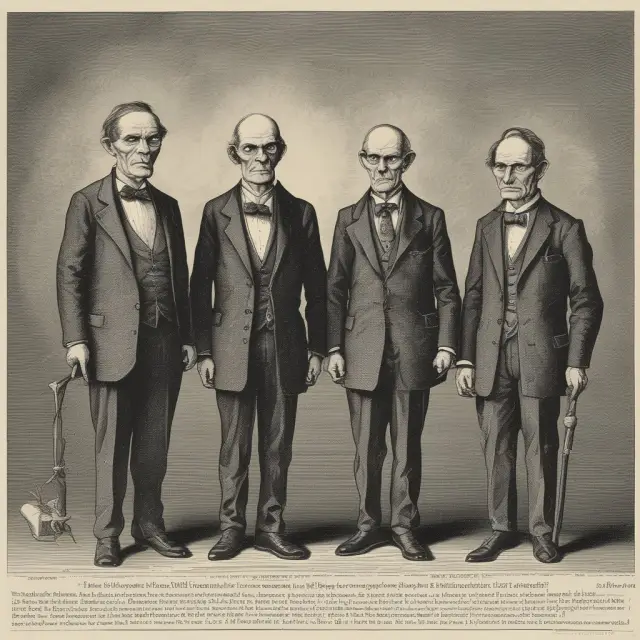
Stagnation vs. Stagflation vs. Recession: Differences and Similarities
When discussing economic downturns, it’s essential to distinguish between the terms stagnation, stagflation, and recession. These three conditions, though related, differ significantly in their implications for an economy and its people. Let us take a closer look at the definitions, causes, and differences of each.
Stagnation refers to a prolonged period of little or no growth in an economy. Economists often define economic stagnation as a Gross Domestic Product (GDP) rate of less than 2%-3% annual growth. Stagnation can manifest itself through high unemployment, flat wages, and low stock market returns. While it’s not necessarily a “bad” condition in isolation, prolonged economic stagnation can lead to social unrest, decreased consumer confidence, and reduced investment opportunities.
Stagflation is an inflationary recession – a period of slow economic growth combined with high inflation. Unlike a typical recession where there’s falling GDP and rising unemployment, stagflation exhibits both a stagnant economy and persistently increasing prices. The combination of these two factors makes stagflation particularly challenging for governments and central banks to address.
Recession is the most commonly known economic downturn, characterized by a significant decline in economic activity, typically measured by at least two consecutive quarters of negative GDP growth. A recession does not always mean stagnation or stagflation but can lead to these conditions depending on the underlying causes. Recessions may be caused by a variety of factors such as monetary policy mistakes, financial crises, or exogenous shocks.
The differences between stagnation, stagflation, and recession are crucial for investors and economists to understand, as they have distinct implications. For example:
1. Causes and effects: Stagnation can stem from cyclical causes like business cycles, economic shocks, or structural factors in the economy. On the other hand, stagflation arises when inflationary pressures combine with a sluggish economy, often caused by supply side issues such as oil price shocks or misguided monetary and fiscal policies. Recessions can be triggered by various factors such as financial crises, fiscal policy errors, or exogenous shocks.
2. Policy responses: Understanding the differences between these economic conditions is vital for policymakers when designing appropriate measures to address them. For instance, during a stagnation period, governments and central banks may employ expansionary fiscal policies (e.g., increased spending and lower taxes) or monetary policies (e.g., lower interest rates and quantitative easing) to stimulate growth. In contrast, dealing with stagflation requires a more complex approach that addresses both the inflationary pressures and slow economic growth simultaneously using a combination of fiscal and monetary tools.
3. Investment implications: Each condition has unique consequences for investors. For example, during stagnation, stock markets may experience little to no gains or even declines due to weakened corporate earnings. In contrast, stagflation can lead to higher volatility as investors struggle to navigate both slowing economic growth and inflationary pressures.
In conclusion, understanding the differences between stagnation, stagflation, and recession is crucial for investors, economists, and policymakers alike. Each condition presents unique challenges and opportunities that require tailored approaches to address their underlying causes and mitigate their negative effects. By gaining a clearer perspective on these economic concepts, we can better understand the implications of current and future economic conditions.

Historical Real-World Examples of Stagnation
Stagnation is not an abstract concept; it has occurred throughout history, with significant consequences for economies and people’s lives. Understanding historical examples helps us comprehend the implications of economic stagnation and learn from the experiences of other nations. This section delves into two prominent instances: the Great Recession and the European Economic Community in the 1970s and 80s, both of which illustrate various aspects of stagnation.
The Great Recession, which began in late 2008, marked a lengthy period of economic stagnation that lasted from 2009 to the onset of the COVID-19 pandemic in early 2020. During this time, GDP growth averaged just 2.3%. The global financial crisis’s origins could be traced back to the United States housing market bubble and subsequent collapse, which led to a cascade of negative consequences worldwide.
Monetary policy played a crucial role during the aftermath and recovery phase of the Great Recession. The Federal Reserve initiated quantitative easing, which involved the purchase of securities from banks to increase liquidity in the financial system and stimulate borrowing and spending. Although effective, such interventions can also lead to inflationary pressures and asset price bubbles.
Another instance of economic stagnation occurred during the 1970s and 1980s within the European Economic Community (EEC), now the European Union. This period, often referred to as Eurosclerosis, was characterized by persistent low growth rates, high unemployment, and inflation. The causes were multifaceted, including an aging population, rigid labor markets, and institutional factors that discouraged competition and economic openness.
The EEC’s stagnation had profound implications for its members’ economies and their citizens. It led to social unrest in several countries, including France and Italy, where protests and strikes were commonplace. To tackle these challenges, the European Commission implemented various policy initiatives to stimulate growth, such as the Single European Market (SEM) program, which aimed to create a more integrated and efficient market within the EEC.
Comparing these two instances of stagnation highlights their differences in causes and outcomes. The Great Recession was a global economic downturn triggered by a financial crisis, whereas Eurosclerosis was an extended period of structural challenges that affected mainly European economies. It is essential to acknowledge that each situation is unique and requires its specific policy responses tailored to the underlying circumstances.
As we explore these examples, it becomes clear that historical instances of stagnation offer valuable insights into how governments and central banks can navigate economic downturns and mitigate their impact on individuals and businesses. By learning from past experiences and applying these lessons in contemporary times, policymakers can design more effective strategies for managing and overcoming economic stagnation when it arises.

Investor Perspective: Stocks, Mutual Funds, ETFs and the Impact on Investors
Stagnation has significant consequences for various stakeholders in an economy, including investors. In particular, slow growth or falling asset prices can be detrimental to those investing in stocks, mutual funds, exchange-traded funds (ETFs), or other investment vehicles. The stock market, as a barometer of economic health and investor sentiment, typically reflects the overall health and performance of an economy.
During periods of stagnation, stock markets may underperform, leading to minimal gains for investors, or even losses. As economic indicators like Gross Domestic Product (GDP), employment rates, wages, and interest rates all remain sluggish, stock prices can take a hit. In some instances, prolonged periods of stagnation might lead to extended bear markets where stock prices fall by 20% or more from their previous peak.
Moreover, the impact on investors extends beyond stocks. Mutual funds and ETFs, which are investment vehicles that pool money from numerous investors for diversified investments, can also suffer during stagnation. When asset classes, such as stocks, underperform, mutual fund or ETF prices might not provide satisfactory returns for their investors. As a result, it could be challenging to meet financial targets or goals that rely on these investment vehicles.
Investors’ portfolios may also face heightened volatility during stagnation. Economic uncertainties can cause increased market fluctuations as investors react to various news and events. These market swings can create a nerve-wracking experience for investors, especially those who are risk-averse or approaching retirement age.
Given the potential impact on investors, it is essential to understand how stagnation arises and what policy measures governments employ to mitigate its effects. As part of an investor’s due diligence process, staying informed about these factors can help them make more informed decisions and manage their risk exposure effectively.
The following sections will explore the causes of stagnation and the role of monetary and fiscal policies in mitigating its impact on investors. By understanding these aspects, investors can better position themselves to navigate economic downturns and thrive during periods of growth.

Workers Perspective: Unemployment, Wages, and Income Inequality during Stagnation
In times of economic stagnation, the lives of workers are significantly impacted by various economic indicators such as unemployment rates, wages, and income inequality.
Unemployment, which measures the proportion of the labor force that is actively seeking employment but unable to find a job, plays a crucial role during stagnant periods. High levels of unemployment can result in workers feeling uncertain about their future employment prospects and economic security. The impact on workers extends beyond the individual level, affecting families and communities as well.
Wages, another critical factor, are often flat or falling during times of economic stagnation, making it a challenge for individuals to maintain their standard of living. This can lead to a widening gap between income levels, further exacerbating income inequality. Wage stagnation is not only detrimental to workers but also affects overall demand in the economy since lower wages mean less disposable income for consumers.
Income inequality, a persistent issue during periods of economic stagnation, has significant social and economic consequences. It can lead to increased poverty levels, reduced opportunities for upward mobility, and potential civil unrest. The growing disparity between rich and poor becomes more evident as wealth accumulates in the hands of the few while the many struggle to make ends meet.
It’s important to note that stagnation is not exclusive to workers or individual economies; it can also impact entire regions and industries. For example, during the Great Depression, unemployment rates reached record highs across the United States, but certain regions, such as the Midwest, were hit harder than others. Additionally, specific sectors like agriculture and manufacturing were particularly affected by the economic downturn, leading to significant job losses and reduced wages for workers in those industries.
The impact of stagnation on workers can have long-term consequences that go beyond their immediate financial situation. For example, a prolonged period of unemployment or underemployment can result in eroding skills, making it difficult for individuals to secure employment with good wages and benefits when the economy eventually recovers. This can lead to a cycle of poverty that extends through generations.
The persistence of stagnation can also have psychological effects on workers. The fear of job loss or downward mobility can create anxiety and stress, potentially impacting their mental health and overall wellbeing. In some cases, this fear may cause workers to accept low-paying jobs out of necessity, further perpetuating income inequality.
To mitigate the negative consequences of stagnation on workers, governments often employ a combination of monetary and fiscal policies. For example, they can increase government spending through programs like unemployment benefits and infrastructure projects to stimulate job growth and provide temporary relief for workers during periods of economic downturn. Additionally, reducing taxes and regulations can help businesses retain capital for investment and innovation, potentially creating new opportunities for employment and income growth. In the long term, policymakers may focus on addressing structural factors that contribute to stagnation, such as outdated institutions or entrenched power structures, to create a more dynamic and equitable economy.
Understanding the impact of stagnation on workers provides crucial insight into the broader economic implications of this phenomenon. By recognizing and addressing the challenges faced by workers during periods of slow growth, policymakers and economists can develop effective strategies to mitigate stagnation’s negative effects and promote sustainable economic progress for all.

FAQs: Frequently Asked Questions about Stagnation
What is stagnation in economics?
Stagnation refers to a period of little or no growth in an economy, often indicated by low GDP growth, high unemployment, and flat wages.
How can you measure economic stagnation?
Economic stagnation is typically measured by the growth rate of a country’s gross domestic product (GDP), which is a broad indicator of total economic activity. A growth rate below 2-3% annually may signal stagnation.
What causes economic stagnation?
Causes of economic stagnation can include business cycles, economic shocks, and long-term structural factors. Cyclical stagnation occurs during the transition from recession to growth or recovery, while structural stagnation is a long-term challenge caused by institutional factors and demographic changes.
What are some common signs of an economically stagnant society?
Some common indicators of economic stagnation include high unemployment rates, flat wages, low aggregate demand, and slow or negative GDP growth.
How can governments mitigate the effects of economic stagnation?
Governments may implement monetary policies, such as lower interest rates, or fiscal policies, including increased government spending and reduced taxes to stimulate economic activity during periods of stagnation.
What are the differences between stagnation, stagflation, and a recession?
Stagnation refers to slow economic growth, while stagflation is characterized by both low growth and high inflation. A recession involves a significant and prolonged downturn in economic activity with negative GDP growth.
What historical examples illustrate economic stagnation?
Historical examples of economic stagnation include the Great Recession that lasted from 2008 to 2010 and the European Economic Community’s Eurosclerosis during the 1970s and 1980s.
How does economic stagnation impact investors?
Economic stagnation can lead to flat or falling stock prices, making it difficult for investors to achieve strong returns.
What are the consequences of economic stagnation on workers?
Economic stagnation typically leads to high unemployment rates and flat wages, which can negatively impact the lives and financial well-being of workers.
How can countries overcome prolonged periods of economic stagnation?
Countries can implement a combination of monetary and fiscal policies, such as lower interest rates, increased government spending, reduced taxes, and deregulation to stimulate economic growth.
 Next entry · No. 4,734Stakeholder Management: Understanding the Various Interests Within a Company
See also
-
 No. 5,121
13 Aug 2025
26 min
Understanding a U-Shaped Economic Recovery: From Decline to Growth
Economics
No. 5,121
13 Aug 2025
26 min
Understanding a U-Shaped Economic Recovery: From Decline to Growth
Economics -
 No. 3,038
24 Feb 2025
18 min
Understanding Macroeconomic Factors: Inflation, Fiscal Policy, Employment & More
Economics
No. 3,038
24 Feb 2025
18 min
Understanding Macroeconomic Factors: Inflation, Fiscal Policy, Employment & More
Economics -
 No. 2,392
02 Jan 2025
22 min
Understanding the Inflationary Gap: Definition, Causes, Calculation, and Policies
Economics
No. 2,392
02 Jan 2025
22 min
Understanding the Inflationary Gap: Definition, Causes, Calculation, and Policies
Economics -
 No. 4,225
01 Jun 2025
22 min
Understanding Quantitative Easing 2: The Federal Reserve’s $600 Billion Economic Stimulus
Business Finance
No. 4,225
01 Jun 2025
22 min
Understanding Quantitative Easing 2: The Federal Reserve’s $600 Billion Economic Stimulus
Business Finance -
 No. 4,749
14 Jul 2025
21 min
Understanding Sticky Wage Theory: Implications for Employment and Macroeconomics
Economics
No. 4,749
14 Jul 2025
21 min
Understanding Sticky Wage Theory: Implications for Employment and Macroeconomics
Economics -
 No. 4,474
21 Jun 2025
19 min
Ricardian Equivalence: Understanding the Controversial Economic Theory
Economics
No. 4,474
21 Jun 2025
19 min
Ricardian Equivalence: Understanding the Controversial Economic Theory
Economics