Understanding the Basics of Commodity Futures Contracts for Institutional Investors

Learn the basics of commodity futures contracts for institutional investors, including their operation, risks, and benefits. Understand how to speculate and…
Introduction to Commodity Futures Contracts
Commodity futures contracts represent an agreement between two parties to buy or sell a specific quantity and quality of a commodity at a predefined price on a set future date. These contracts provide investors with a means to speculate on price movements, hedge against potential losses in their underlying assets, or protect themselves from inflation. In this section, we’ll explore the basics of commodity futures, including their definition, differences from options contracts, and the key advantages they offer.
Definition: A commodity futures contract is a legally binding agreement between two parties to buy or sell a particular commodity at a specified price and date in the future. These contracts provide market participants with an effective tool for managing risk, speculating on price movements, and protecting against inflation. Commonly traded commodities include energies (such as crude oil), precious metals (like gold and silver), agricultural products (such as wheat or corn), and livestock (hogs or cattle).
Futures vs. Options: While both futures and options contracts involve financial derivatives, they differ in their structure and usage. In a futures contract, the buyer assumes an obligation to purchase the underlying commodity at a predetermined future price, while the seller has an obligation to provide it upon expiration. On the other hand, an options contract grants the holder the right—but not the obligation—to buy or sell the underlying asset at a specified strike price before or on a particular expiration date.
Key Takeaways: Commodity futures contracts offer several benefits to market participants, including:
– Hedging against price movements in underlying assets
– Speculating on future price trends (going long or short)
– Utilizing leverage to magnify gains and losses
– Protecting against inflation and currency fluctuations
By understanding the basics of commodity futures contracts, investors can make informed decisions regarding their investment strategies and effectively manage risk. In the following sections, we’ll dive deeper into how these contracts work and explore the potential rewards and risks associated with investing in them.

How Commodity Futures Contracts Work
A commodity futures contract is an agreement between two parties to buy or sell a specific quantity of a commodity at a predetermined price on a future date. In essence, it’s a bet on the future price direction of the underlying asset. The key differences between futures and options contracts lie in their obligations: with futures, both parties are obligated to execute the contract at its expiration date. Let’s delve deeper into how these contracts operate.
Entering a Commodity Futures Contract
To begin trading commodity futures, you first need an account with a brokerage firm that offers access to futures markets. Once your application is approved and funded, you can place orders for various contracts, such as those for crude oil, natural gas, gold, or corn. The contract size determines the quantity of the underlying asset tied to each contract; for instance, 1 WTI crude oil contract equals 1,000 barrels.
Pricing and Settlement
Commodity futures contracts are priced daily based on their current value relative to the underlying commodity. These prices can be influenced by a multitude of factors, including supply and demand, geopolitical events, weather conditions, and market sentiment. When it’s time for settlement, the contract is either closed out by offsetting the original position with an opposite trade or allowed to expire, at which point the buyer or seller will take delivery of the underlying asset (or cash settle, depending on the exchange rules). Cash-settled contracts are common for those who don’t require physical delivery.
Understanding Expiration Dates and Contracts Rolling Over
Each commodity futures contract has a specific expiration date—either quarterly or monthly, depending on the underlying asset. As a contract nears its expiration, the price difference between it and the next-month contract is called contango or backwardation. The former implies an upward slope in prices as the maturity dates progress, while the latter signifies a downward slope. This pricing structure affects how traders manage their positions, as they may roll over contracts before expiry to avoid taking physical delivery of the commodity or to capitalize on price differentials.
Benefits and Risks
Commodity futures offer investors various benefits, including:
– Hedging against potential losses in underlying assets
– Speculating on price movements for potential profits
– Gaining leverage through margin trading
However, they also come with significant risks. The high degree of leverage can lead to substantial losses if the market moves adversely. Additionally, holding a long position could result in receiving less value than anticipated due to the effects of contango or backwardation on pricing.
In conclusion, commodity futures contracts provide an essential tool for managing price risk and speculating on future commodity prices. Understanding their mechanics is crucial for both institutional investors and individual traders seeking to capitalize on the opportunities offered by this market.

Understanding the Risks and Rewards of Commodity Futures
Commodity futures contracts offer both opportunities for gains and potential risks for investors. This section dives deeper into the advantages and disadvantages of engaging with these financial instruments, focusing on their rewards and risks.
Advantages:
- Hedging: The primary use of commodity futures is to manage price risk. By entering a futures contract, businesses or farmers can lock in future prices, protecting themselves from unfavorable market movements that could negatively impact their profits.
- Speculation and Leverage: Futures contracts also serve as an investment tool for speculators seeking to profit from price fluctuations. The high leverage potential in commodity futures trading amplifies both gains and losses, which can lead to significant returns if executed correctly.
- Diversification: Commodities often exhibit low correlation with traditional asset classes like stocks and bonds, making them valuable additions for investors looking to diversify their portfolios.
- Transparency: Trading commodity futures on regulated exchanges ensures transparency in pricing and contract terms, reducing counterparty risk compared to over-the-counter (OTC) derivatives.
Disadvantages:
- Complexity: Commodity futures contracts come with intricacies that can be difficult for beginners to understand. Misunderstanding these complexities could lead to unintended risks and losses.
- Leverage Risks: The high leverage potential in commodity futures trading comes with significant downsides. Margin calls and the possibility of large losses make it a risky investment strategy for those who do not fully understand the markets or are unable to effectively manage their positions.
- Volatility: Commodities are inherently volatile, making price movements difficult to predict. This volatility increases the potential risks associated with commodity futures investing.
- Liquidity Risks: Not all commodities have deep liquidity in the futures markets, which can make it difficult for investors to enter and exit their positions efficiently. Limited liquidity could lead to wider bid-ask spreads and decreased price transparency.
- Market Interruptions: Disruptions, such as market crashes or regulatory changes, can significantly impact commodity futures markets, leading to unintended risks for investors.
In conclusion, while commodity futures contracts offer various advantages like hedging capabilities, speculation opportunities, and diversification benefits, they also carry inherent risks, including leverage risks, volatility, liquidity risks, and market interruptions. A thorough understanding of these risks is essential before engaging in commodity futures trading to ensure effective risk management and minimize potential losses.

Speculating with Commodity Futures Contracts
Commodity futures contracts provide investors with an opportunity to take directional price bets on the underlying asset by using leverage. This section explains how commodity futures are used for speculation and outlines the process of entering, managing, and closing a position.
Understanding Long and Short Positions
When entering into a commodity futures contract, investors can choose either long or short positions based on their expectations regarding price direction. A long position implies a belief that prices will rise, while a short position assumes prices will fall. In a long position, the investor aims to buy the underlying asset (or the right to buy it) at a future date for a lower price and sell it in the market at a later date for a profit. Conversely, in a short position, investors aim to sell the underlying asset (or the right to sell it) at a future date when prices are expected to be lower and then purchase it back in the market at a profit.
Process of Entering into a Commodity Futures Contract
To open a long or short position, traders must deposit an initial margin amount with their broker. The margin required for each contract varies depending on factors such as volatility, underlying asset value, and the broker’s specific requirements. Once the initial margin is deposited, the trader can enter into the futures contract by opening a long or short position.
Managing a Commodity Futures Position
Once a commodity futures position has been established, investors must monitor it closely to manage their risk and potential profit. This may involve periodically adjusting their position size, setting stop-loss orders to limit potential losses, or taking profits as prices reach desired levels. Some traders also employ techniques such as hedging or rolling over positions before expiration.
Closing a Commodity Futures Position
To close out a long or short position before the contract expires, investors can sell or buy back their contract at the prevailing market price. Closing a position before expiration results in a cash settlement based on the price difference between the entry and exit points. If the investor chooses to hold their contract until expiration, they will take delivery of the underlying asset (if applicable) or receive/pay the cash equivalent based on the final contract settlement price.
Risks Associated with Speculating in Commodity Futures Contracts
Despite their potential profit opportunities, commodity futures contracts also carry significant risks. The high degree of leverage used in futures trading means that even small price movements can result in substantial gains or losses, potentially leading to margin calls and significant financial consequences for the trader. Additionally, speculating on commodities requires a strong understanding of market fundamentals, volatility, and technical analysis.
In conclusion, commodity futures contracts offer investors an opportunity to take directional bets on the price of various underlying assets through leveraged positions. To be successful in this complex and dynamic market, traders must carefully manage their risk, maintain a solid understanding of market conditions, and stay informed about global economic factors influencing commodity prices.

Hedging with Commodity Futures Contracts
Commodity futures contracts can serve as effective tools for managing price risk in various commodity markets for institutional investors. Hedging is the practice of using a futures contract to offset potential losses from an underlying position. This strategy provides a degree of protection against price volatility by locking in a specific price at which an asset can be bought or sold in the future.
The benefits of hedging with commodity futures contracts include:
- Protecting against price uncertainty: Hedging allows investors to secure a future purchase or sale price, providing peace of mind and reducing the impact of market fluctuations on their overall portfolio.
- Diversifying risk: By spreading investments across multiple assets and markets, investors can create a more balanced risk profile.
- Locking in profits: If an investor has a long position in the underlying commodity and believes that prices will increase further, hedging with futures contracts can help lock in profits by fixing the selling price for a future date.
- Hedging against currency exposure: For non-domestic investors, hedging with futures contracts can help mitigate currency risk by allowing them to buy or sell the underlying commodity at a future date and a fixed price, irrespective of exchange rate fluctuations.
The process of entering into a hedge position involves selling (shorting) a futures contract for the commodity when the investor currently holds the underlying asset. This creates an offsetting long position in the futures market that effectively neutralizes the market risk associated with the investment. If the price of the underlying commodity rises, the gains from the long futures position will offset any losses in the underlying asset. Conversely, if the price of the underlying commodity decreases, the losses from the long futures position will be offset by the gains in the underlying asset.
Example: A farmer expects to sell 1,000 metric tons of wheat at a later date. The current market price for wheat is $300 per metric ton. The farmer enters into a short futures contract for 1,000 metric tons of wheat with a delivery date six months in the future when prices are expected to be lower. If the price of wheat indeed falls to $280 per metric ton at expiration, the farmer can buy back (cover) the futures contract at $280 per metric ton, realizing a profit of $20 per metric ton on the hedge. This profit offsets any potential losses from selling the wheat in the spot market at the lower price.
While hedging with commodity futures contracts offers several advantages, there are also risks involved, such as margin calls and counterparty risk. Proper due diligence, risk management strategies, and a thorough understanding of commodity futures markets are crucial for successful implementation of this strategy.
The Risks of Speculating and Hedging in Commodity Futures
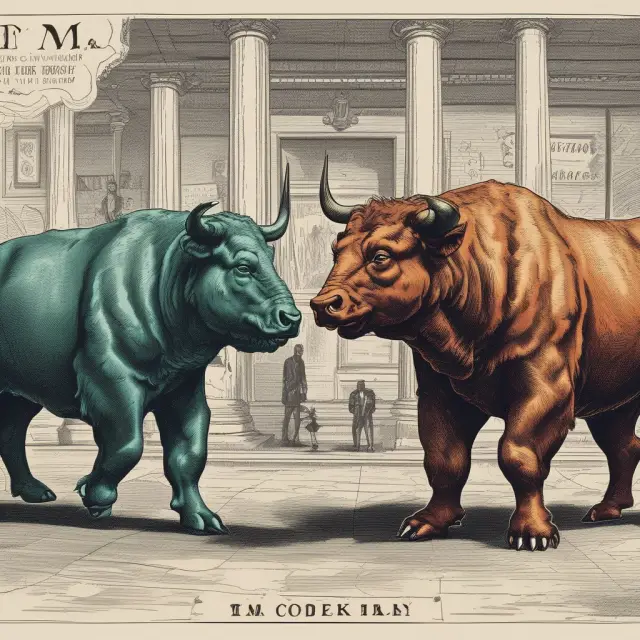
Commodity futures contracts offer various benefits for both speculators and hedgers seeking to manage price risks associated with underlying assets. However, it is important to recognize that commodity futures markets carry certain inherent risks. In this section, we delve deeper into the potential dangers of using these financial instruments for speculation and hedging purposes.
Risks of Speculating in Commodity Futures
- Margin Calls: When entering a commodity futures contract, investors often utilize margin trading to benefit from the high leverage that such markets provide. While this increased exposure can lead to substantial profits if price movements favor their position, it can also result in significant losses when prices move against them. In the event of adverse market conditions or insufficient account equity, brokers may issue a margin call, requiring investors to deposit additional funds or close their positions to avoid potential losses exceeding their initial investment.
- Miscalculations: Futures markets are known for their volatility and complex price movements. Speculators who fail to accurately assess market conditions and make informed decisions based on reliable data may face significant losses due to incorrect assumptions or poor timing. For instance, entering a long position when the underlying commodity is in a prolonged downtrend or shorting it during a strong uptrend can lead to substantial drawdowns.
- Over-speculation: Commodity futures markets attract a large number of participants, including both experienced traders and novice investors. For newcomers to the market, overtrading or attempting complex trading strategies without proper understanding can result in substantial losses. Additionally, chasing trends or attempting to time the market based on hype may lead speculators to enter trades at unfavorable prices, exacerbating potential losses.
- Missed Opportunities: Speculation in commodity futures markets requires a deep understanding of underlying asset dynamics and global economic conditions. Failure to stay informed about these factors can lead to missed opportunities for profitable trades or entering positions too late when the market has already started trending in a particular direction.
Risks of Hedging with Commodity Futures
- Missed Profits: When companies hedge their commodity positions, they aim to protect themselves from adverse price movements that could negatively impact their bottom line. However, if market conditions shift in favor of the underlying asset, these businesses may miss out on potential profits by being locked into fixed prices through futures contracts.
- Over-hedging: Hedging strategies can be complex and require precise calculations to ensure efficient risk management. Miscalculations or over-hedging can lead to unnecessary costs and losses when unwinding positions that are no longer required due to favorable market conditions or changed business circumstances.
- Liquidity Risk: The liquidity of various commodities can vary significantly, with some markets offering high trading volumes and tight bid-ask spreads while others may have limited liquidity and wider price discrepancies between buy and sell orders. Hedging strategies that rely on illiquid markets can be risky, as they increase the likelihood of unfavorable execution prices and widened bid-ask spreads.
- Counterparty Risk: When entering into commodity futures contracts, both speculators and hedgers must interact with various market participants, including brokers, counterparties, and clearinghouses. In the event that these counterparties experience financial difficulties or insolvency, hedging positions may be at risk of being affected by the ensuing market instability or insufficient collateral. Proper due diligence and effective risk management techniques are essential to mitigate counterparty risk in commodity futures markets.

Understanding Commodity Futures Exchanges and Clearing Houses
In the world of commodity markets, commodity futures contracts are a vital tool for managing price risks or speculating on future price movements. However, the infrastructure behind these contracts plays a crucial role in facilitating trades, settling positions, and reducing counterparty risk. In this section, we delve into the intricacies of commodity exchanges and clearing houses that provide an essential foundation for the futures markets.
Commodity Exchanges: A Commodity Exchange is a marketplace where buyers and sellers can trade futures contracts for various commodities such as crude oil, wheat, corn, gold, silver, natural gas, and other agricultural and financial products. The primary function of a commodity exchange is to create a standardized platform for trading that adheres to regulations set by both the exchange and government entities. This ensures fairness, transparency, and liquidity in the market.
Clearing Houses: A Clearing House acts as an intermediary between buyers and sellers, settling trades and reducing counterparty risk. When a trade occurs on an exchange, the buyer’s broker deposits margin funds with the clearing house to ensure their commitment to the contract. In turn, the seller’s broker deposits margin from the seller with the clearing house. Once the contracts reach expiration or are closed beforehand, the clearing house ensures that the appropriate cash and/or commodity is transferred between the counterparties, completing the settlement process.
By employing a centralized system for settling trades, clearing houses offer several benefits to participants:
1. Counterparty Risk Reduction: By acting as a central counterparty, the clearing house assumes the risk of default by either party in the trade, ensuring that one party will meet their contractual obligations. This reduces the need for parties to assess each other’s creditworthiness before entering into a trade, streamlining the trading process and increasing market liquidity.
2. Standardization: Clearing houses ensure that all futures contracts adhere to standardized terms, making it easier for participants to understand the conditions of their trades and compare prices across different markets. This uniformity facilitates more efficient price discovery and increases overall market transparency.
3. Efficiency and Speed: Centralized clearing reduces the time and resources needed for settlement and counterparty risk assessment. Settlements occur daily, allowing participants to access their funds or commodities promptly, improving operational efficiency and reducing overall transaction costs.
4. Regulatory Oversight: Clearing houses are subjected to strict regulatory requirements, ensuring that trades are conducted fairly and transparently, providing an additional layer of protection for market participants. This oversight helps maintain trust in the commodity futures markets and builds confidence among traders and investors.

Government Regulations and Tax Implications for Commodity Futures
Commodity futures contracts are subject to various government regulations in different jurisdictions worldwide. These rules aim to protect investors, ensure market integrity, and maintain fair practices. Understanding the regulatory landscape is crucial for those considering investing in commodity futures.
In the United States, the Commodity Futures Trading Commission (CFTC) is the primary regulatory body responsible for overseeing commodity futures markets. The CFTC enforces the Commodity Exchange Act and sets rules regarding trading practices, market manipulation, and reporting requirements for commodity derivatives. Additionally, the National Futures Association (NFA) acts as an industry self-regulatory body. It conducts regular audits of brokers and members to ensure compliance with CFTC regulations.
The European Union has its regulatory framework under the Markets in Commodities Derivatives Act (MCDA). This legislation aims to provide a common legal basis for the regulation of commodity derivatives across EU member states. It covers trading, clearing, and reporting obligations for market participants.
In Canada, the Investment Industry Regulatory Organization of Canada (IIROC) and Mutual Fund Dealers Association of Canada (MFDA) are responsible for overseeing commodity futures markets in conjunction with provincial securities regulators. The Canadian derivatives industry operates under the Commodity Futures Act and National Instrument 31-103 Registration Requirements, Exemptions, and Ongoing Registrant Obligations.
Tax implications are another essential factor when investing in commodity futures contracts. The Internal Revenue Service (IRS) requires specific reporting for gains or losses from commodity futures contracts in the U.S. Form 6781, “Gain or Loss on the Disposition of a Capital Asset,” is used to report these transactions.
It’s important to note that tax laws and regulations regarding commodity futures can vary significantly between countries and jurisdictions. Before entering into any commodity futures contract, consult with a financial advisor or tax professional to ensure full compliance with applicable regulations and understand the potential tax consequences of your trades.

Understanding the Different Types of Commodity Futures Contracts
When it comes to commodity markets, futures contracts play an essential role for both speculators and hedgers alike. In this section, we’ll delve deeper into understanding various types of commodity futures based on underlying assets. Let us explore agricultural commodities, energy commodities, metals and precious metals, softs, and other specialty futures.
Agricultural Commodity Futures
Futures contracts for agricultural commodities such as corn, wheat, soybeans, and sugar, provide farmers, producers, and processors a means to lock in prices or hedge against potential price fluctuations. For instance, a farmer producing soybeans could sell futures contracts based on the expected yield to secure profits, while a processor buying soybeans for their operations can use futures to ensure consistent input costs.
Energy Commodity Futures
Energy commodity futures, including crude oil, natural gas, and others, provide investors with an opportunity to speculate on the direction of energy prices or hedge against risks associated with fluctuations in energy costs. Crude oil futures have been historically popular among market participants due to their volatility and liquidity.
Metals and Precious Metals Futures
Gold, silver, platinum, and palladium are precious metals commonly traded as futures contracts. These metals can be used for hedging against currency risks or inflation, making them a popular choice among institutional investors, central banks, and jewelry manufacturers. For instance, the London Bullion Market Association (LBMA) sets prices for gold and silver based on futures contracts.
Softs:
Soft commodities like cotton, coffee, sugar, and orange juice are primarily used for food or textile industries, with futures contracts providing price hedging opportunities. For example, a coffee farmer can lock in a selling price before harvesting to secure profits, while a bakery purchasing coffee for their products can use futures to ensure consistent input costs.
Other Specialty Futures
Apart from the commodities mentioned above, there are various other specialty futures, including livestock (e.g., cattle, hogs), lumber, and even weather derivatives like hurricane insurance or temperature contracts. These specialized contracts cater to specific industries or provide opportunities for investors seeking niche markets.
In conclusion, understanding the different types of commodity futures contracts is essential when considering entry into this market. This knowledge allows you to choose the most suitable contract depending on your investment goals and risk appetite while navigating various sectors like agriculture, energy, metals, softs, and specialty commodities.

FAQ – Frequently Asked Questions about Commodity Futures
Commodity futures contracts can offer both risks and rewards to institutional investors. In this FAQ section, we will answer some common questions related to how commodity futures operate and their key features.
Question 1: What is a commodity futures contract?
Answer: A commodity futures contract represents an agreement between two parties for the purchase or sale of a specific quantity of a commodity at a predetermined price on a future date. These contracts allow investors to speculate or hedge against potential price fluctuations in the underlying commodity.
Question 2: How does a commodity futures contract differ from an options contract?
Answer: The primary difference between the two is that with a futures contract, both parties are obligated to complete the transaction at the agreed-upon price and date, while an options contract gives one party the right, but not the obligation, to buy or sell the underlying asset.
Question 3: Can commodity futures contracts be used for hedging?
Answer: Yes, commodity futures can be used as a risk management tool to protect against potential price losses in an underlying commodity position. For example, a farmer may enter into a long futures contract to lock in a selling price for their future production.
Question 4: How does the cash settlement process work in commodity futures?
Answer: Most commodity futures contracts are settled in cash rather than with physical delivery of the underlying asset. The difference between the purchase price and the sale price at expiration is paid out to the relevant parties based on their position.
Question 5: What risks are associated with commodity futures contracts?
Answer: Commodity futures carry inherent risks due to their leverage and potential for significant price fluctuations. Margin calls, missed opportunities, and market volatility are some of the primary risks faced by investors in this market.
Question 6: What is the role of commodity exchanges and clearinghouses?
Answer: Commodity exchanges provide a platform for buyers and sellers to trade futures contracts, while clearinghouses act as intermediaries between the two parties, reducing counterparty risk and ensuring the smooth execution of trades.
Question 7: How do commodity futures expiration dates work?
Answer: Commodity futures contracts have set expiry dates, usually varying from once a month to quarterly. At expiration, any open positions must be either closed out or settled based on the final settlement price.
Question 8: What are some common types of commodity futures?
Answer: Common categories for commodity futures include agricultural products (e.g., wheat, corn), energy commodities (e.g., crude oil, natural gas), metals and precious metals (e.g., gold, silver), and softs (e.g., coffee, sugar).
By understanding these basics of commodity futures contracts, investors can make more informed decisions when considering their investment strategies in the financial markets.
 Next entry · No. 720Understanding Common Equity Tier 1 (CET1): A Key Measure of Bank Solvency and Capital Strength
See also
-
 No. 470
25 Apr 2024
20 min
Understanding Bond Futures: A Comprehensive Guide for Institutional Investors
Investments
No. 470
25 Apr 2024
20 min
Understanding Bond Futures: A Comprehensive Guide for Institutional Investors
Investments -
 No. 718
26 May 2024
19 min
Understanding Commodities: Definition, Types, Trading, and Importance for Investors
Investments
No. 718
26 May 2024
19 min
Understanding Commodities: Definition, Types, Trading, and Importance for Investors
Investments -
 No. 691
22 May 2024
18 min
Understanding Commercial Mortgage-Backed Securities (CMBS): A Comprehensive Guide for Institutional Investors
Financial Tools
No. 691
22 May 2024
18 min
Understanding Commercial Mortgage-Backed Securities (CMBS): A Comprehensive Guide for Institutional Investors
Financial Tools -
 No. 1,496
24 Sep 2024
23 min
Foreign Institutional Investors (FII) – Understanding, Regulations, and Impact on India and China
Business Finance
No. 1,496
24 Sep 2024
23 min
Foreign Institutional Investors (FII) – Understanding, Regulations, and Impact on India and China
Business Finance -
 No. 1,265
21 Aug 2024
21 min
Understanding Emerging Market Economies: Opportunities and Risks for Institutional Investors
Business Finance
No. 1,265
21 Aug 2024
21 min
Understanding Emerging Market Economies: Opportunities and Risks for Institutional Investors
Business Finance -
 No. 1,132
01 Aug 2024
19 min
Understanding Direct Participation Programs (DPPs): A Comprehensive Guide for Institutional Investors
Investments
No. 1,132
01 Aug 2024
19 min
Understanding Direct Participation Programs (DPPs): A Comprehensive Guide for Institutional Investors
Investments