Understanding Commodities: Definition, Types, Trading, and Importance for Investors
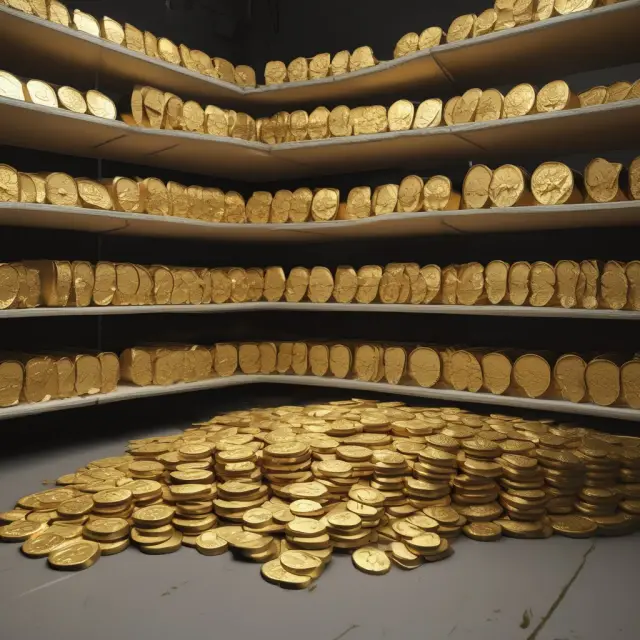
Learn about different types of commodities, their impact on markets, and benefits for investors in this comprehensive guide.
Introduction to Commodities: What Are They?
Commodities have long played an essential role in global commerce, serving as inputs for production and inputs for various industries. However, many people may not fully understand what commodities are and how they differ from other assets. In this section, we delve into the definition of commodities, their differences from securities and assets, and their importance to investors.
Definition: Commodities are raw materials or primary agricultural products that are interchangeable and used as inputs for producing goods and services. The term can also extend to financial instruments like currencies and indices. Commodities may be categorized as hard commodities, such as metals and energy sources, or soft commodities, which include agricultural products.
Understanding the difference between commodities, assets, and securities is crucial for investors seeking to add these markets to their portfolio. While commodities are basic goods used in commerce, assets represent financial instruments like stocks, bonds, and real estate, and securities refer to tradable financial instruments such as stocks, bonds, options, or futures contracts.
Commodities can serve multiple functions in an investment strategy: they offer diversification benefits, hedge against inflation, and provide a potential store of value. As a general rule, investors are recommended to allocate around 5-10% of their portfolio to commodities, with lower risk tolerance individuals opting for smaller allocations.
Commodity markets are essential to both buyers and sellers, who transact using futures contracts on well-established exchanges. Two primary types of traders operate in the commodities market: producers and speculators. Producers engage in hedging activities to protect themselves from price volatility by selling futures contracts when they plant crops or produce a commodity, ensuring a predetermined price at harvest or delivery. Speculators trade commodities for profit based on their beliefs about future market trends without the intention of taking physical possession of the underlying asset upon expiration.
Commodity prices are primarily influenced by supply and demand dynamics, with the interplay between these factors determining the overall trend. Prices may rise or fall depending on economic conditions, geopolitical events, natural disasters, and investor sentiment. The relationship between commodities and derivatives is strong, as futures contracts play a significant role in facilitating transactions between buyers and sellers while providing opportunities for speculation.
Commodity trading carries unique risks that investors must be aware of before participating. Regulations vary from jurisdiction to jurisdiction, requiring adherence to specific requirements and best practices. In the next sections, we will explore commodity examples, markets, and other relevant topics in greater detail.
Differences Between Commodities, Assets, and Securities
To further understand the complexities of the financial markets, it’s crucial to clarify some terms often used interchangeably yet possess distinct differences – commodities, assets, and securities. While they may appear synonymous due to their connection within the investment world, each term holds a unique meaning.
Commodities are raw materials or primary goods that serve as inputs in various industries for manufacturing processes or end-user consumption. Examples include oil, natural gas, wheat, gold, and cotton. Commodities can be classified as hard (minerals, metals, and energy) or soft (agricultural products).
Assets, on the other hand, refer to resources or belongings owned by an individual or organization that have economic value. Assets come in various forms: tangible assets like real estate, vehicles, or commodities; intangible assets such as patents, trademarks, or intellectual property. Investors aim to build a diversified portfolio of assets, allocating resources effectively based on risk tolerance and return expectations.
Securities are financial instruments that represent an ownership interest, debt obligation, or other type of financial asset. Examples include stocks, bonds, mutual funds, and exchange-traded funds (ETFs). Securities can be traded on various markets, including stock exchanges, bond markets, and derivatives markets.
Commodities vs. Financial Instruments:
When dealing with commodities, the physical good itself is bought or sold in transactions. The spot market serves as the platform for immediate purchases and sales, while futures contracts allow buyers and sellers to engage in financial agreements to buy or sell a specific quantity of a commodity at a predetermined price and future date.
Financial instruments, however, are paper contracts representing ownership rights, debts, or other types of financial assets. These securities can be traded on financial markets and exchanges like the New York Stock Exchange (NYSE) or Nasdaq, offering investors access to a wide range of opportunities to diversify their portfolios.
In summary, commodities are physical goods used in trade and production, while assets refer to resources with economic value and securities represent financial instruments traded on markets. Understanding the differences between these terms is essential for making informed investment decisions and navigating the complex financial landscape.

Examples of Commodities: Hard and Soft
Commodities can be broadly classified into two main categories: hard commodities and soft commodities. This classification is based on their nature, origin, and usage. Let us take a closer look at each type.
Hard Commodities
Hard commodities refer to commodities that are mined or extracted from the earth. They include metals like gold, silver, platinum, palladium, copper, zinc, tin, and aluminum; energy products such as crude oil, natural gas, coal, and uranium; and other resources like iron ore and diamonds. The hard commodity sector is critical because these raw materials serve as the building blocks of industries and economies. They are integral to manufacturing processes in various sectors like construction, transportation, telecommunications, and technology.
Soft Commodities
In contrast, soft commodities are agricultural products or those derived from livestock. Soft commodities include grains like wheat, corn, rice, barley, oats, sorghum, soybeans, sugarcane, coffee, cotton, wool, and other livestock-related products such as beef, pork, poultry, and dairy products. These commodities are essential for human consumption and industrial applications. Soft commodities are also called “perishable” or “bulk” commodities due to their susceptibility to spoilage and the large volumes they come in.
It is important to note that this classification is not absolute, as certain commodities may fall into multiple categories depending on market conditions and usage patterns. For example, sugar can be considered both a soft commodity (when used for consumption) or a hard commodity (when used as an industrial input). Similarly, gold, which is traditionally classified as a hard commodity, is sometimes referred to as a “monetary metal” due to its role in the global financial system.
Understanding the differences between hard and soft commodities can help investors make informed decisions regarding their portfolios. Hard commodities are generally more volatile than soft commodities due to their industrial applications and exposure to macroeconomic factors. Soft commodities, on the other hand, can be more sensitive to weather conditions and supply chain disruptions. As a result, hard and soft commodities may offer different risk-reward profiles for investors depending on market dynamics and personal investment objectives.
In summary, commodities are essential inputs in various industries that fuel economic growth. By learning about the differences between hard and soft commodities and their respective trading markets, investors can make well-informed decisions when building a diversified portfolio or engaging in commodity trading activities.

Trading Commodities: Markets, Exchanges, and Contracts
Commodity markets have been an essential part of commerce for centuries. They function as platforms where buyers and sellers can transact commodities directly or engage in derivatives trading. Understanding the basics of how commodity markets operate and their significance to investors is crucial for making informed investment decisions.
Commodities, as opposed to assets or securities, are basic goods used interchangeably in commerce, acting primarily as inputs for production processes. They can be further categorized into hard and soft commodities. Hard commodities include energy and metals products, while soft commodities often encompass agricultural items. These commodities play a pivotal role in various industries, from transportation to manufacturing and agriculture.
Trading commodities can occur in the spot (cash) market or through derivatives like futures and options contracts. The latter is more common among institutional investors, speculators, and risk managers due to their standardization, liquidity, and ability to hedge price risks.
Major commodity exchanges serve as central hubs where participants from different regions can come together and transact in a regulated and transparent manner. The Chicago Board of Trade (CBOT), Chicago Mercantile Exchange (CME), New York Mercantile Exchange (NYMEX), and Commodity Exchange, Inc. (COMEX) are some of the most well-known commodity exchanges. These exchanges allow for the trading of a wide range of commodities, including precious metals, energy, agricultural products, and various indexes.
Commodity futures contracts are one of the primary tools used in derivatives trading for commodities. A futures contract is essentially an agreement to buy or sell a specific quantity and quality of a particular commodity at a predefined price on a future date. These contracts enable both producers and consumers to hedge against price volatility, reducing overall market risk.
Two types of traders participate in the commodity markets: buyers/producers and speculators. Buyers and producers seek futures contracts for hedging purposes. For example, a farmer may sell a futures contract when planting crops to lock in prices for their eventual harvest, thereby minimizing risk exposure to potential market fluctuations. Speculators, on the other hand, trade commodities with the primary objective of profiting from price movements without intending to take delivery of the actual commodity upon expiration.
Investors can allocate a portion of their portfolio to commodities for diversification benefits and as an inflation hedge, given their low correlation with traditional asset classes like stocks and bonds. The recommended allocation is approximately 5-10%. Commodity trading does come with certain risks, though, such as market volatility, regulatory compliance, and counterparty risk. Proper research, understanding of the market dynamics, and adherence to best practices are essential for successful commodity investing.

Commodity Speculators and Hedgers
In the world of commodities trading, two main types of market participants can be distinguished: commodity speculators and hedgers. Let us examine these roles in more detail to better understand their significance within the commodity markets.
First, let us discuss commodity speculators. They are individuals or entities involved in trading commodities with the primary objective of capitalizing on price movements and market trends. Speculation refers to buying or selling an asset (in this case, a commodity) with the intention to profit from anticipated price changes without having any underlying requirement or need for the physical product itself.
Speculators may employ various strategies in their trading activities, such as taking positions based on expectations of future supply and demand dynamics, geopolitical events, or other macroeconomic factors that could potentially influence commodity prices. Given their significant role in the commodities market, speculators play a crucial function in enhancing liquidity and price discovery through their trading activities.
On the other hand, hedgers are entities (often producers, consumers, or merchants) that utilize futures markets to manage risks associated with price fluctuations of the commodities they deal with as part of their primary business operations. Hedging refers to entering into a futures contract to offset potential losses or risks arising from underlying commodity price volatility. For example, farmers could sell futures contracts to secure prices for their future crop production and reduce their exposure to downside market risks.
While speculators add liquidity and help in setting market prices through their trading activities, hedgers contribute to the overall stability of the commodities market by reducing risk for themselves and other market participants through price risk management techniques. In this context, both speculators and hedgers play essential roles in ensuring efficient price discovery and functioning markets.
It is worth noting that the proportion and influence of each group can vary depending on market conditions and economic cycles. For instance, during periods of heightened volatility or uncertainty, commodity speculators may dominate trading activities, while in more stable environments, hedgers may have a more significant impact. Overall, understanding the roles and motivations of both commodity speculators and hedgers is essential for investors, traders, and market observers to navigate and succeed within the complexities of the commodities markets.

Investing in Commodities: Portfolio Diversification and Allocation
Commodities have long been an integral part of commerce due to their role as raw materials for production processes and essential goods for consumption. As investors, understanding commodities can be particularly beneficial in creating a well-diversified portfolio. In this section, we will discuss why investing in commodities is important, recommended allocations, and the benefits associated with adding them to your investment strategy.
First, let’s delve deeper into the reasons for considering commodities as part of an investment portfolio:
- Diversification: Commodities are typically not highly correlated with stocks, bonds, or other financial assets. This makes them an attractive addition to a diversified portfolio since they help reduce overall risk and potential volatility by introducing a new asset class that performs differently under various market conditions.
- Inflation Hedge: Commodities have historically acted as a hedge against inflation. Their prices often rise when the rate of inflation accelerates, making them an excellent tool for protecting purchasing power and maintaining the value of your wealth over time.
Now that we’ve established why commodities are valuable, let’s talk about recommended allocations and best practices:
- Allocation Suggestions: Most experts recommend investors allocate 5-10% of their overall portfolio to commodities. However, the ideal allocation will depend on individual risk tolerance, investment goals, and time horizon.
- Accessing Commodities: For those looking to gain exposure to commodities, investing in exchange-traded funds (ETFs) or mutual funds that specialize in commodity indexes can be a convenient and cost-effective solution. It is also possible to invest directly through futures contracts on various commodity exchanges.
In conclusion, incorporating commodities into your investment portfolio can provide valuable diversification benefits, serve as an effective hedge against inflation, and add stability in times of market uncertainty. By understanding the reasons for investing in commodities, recommended allocations, and available investment vehicles, you can make informed decisions that will help you optimize your portfolio’s performance over the long term.
Next, we’ll explore different types of traders in the commodity markets – speculators and hedgers – to gain a better understanding of how they influence commodity prices. Stay tuned!
Commodity Prices and Determinants
Understanding commodity prices is crucial for investors and traders alike, as they play a significant role in market dynamics. Commodity markets function based on the principles of supply and demand, just like other financial markets. However, commodities are unique due to their physical nature, which influences factors such as production costs, weather conditions, geopolitical risks, and macroeconomic variables.
Price determination in commodity markets involves analyzing the relationship between supply and demand curves. When there is a higher demand for a particular commodity than its available supply, prices tend to increase. Conversely, if the supply outweighs demand, prices decrease. The balance between supply and demand ultimately determines the price level and market equilibrium.
The cost of production also influences commodity prices. For commodities like crude oil or natural gas, production costs can fluctuate significantly based on factors such as extraction methods, labor costs, and transportation expenses. A significant increase in these costs could impact the price of the commodity itself, potentially leading to higher costs for consumers or businesses that rely on it.
Weather plays a vital role in commodity markets, particularly for agricultural products like grains, sugar, or coffee. Adverse weather conditions can lead to lower crop yields and increased prices due to reduced supply. Conversely, favorable weather conditions can result in higher yields, potentially leading to lower prices if the increased supply outpaces demand.
Geopolitical risks, such as wars or political instability, can also significantly impact commodity markets. For example, instability in a major oil-producing country could disrupt production and lead to price increases for crude oil and its derivatives. Similarly, political tensions between key agricultural exporters and importers could impact the prices of specific crops.
Macroeconomic variables like inflation and interest rates can also influence commodity prices. Inflation, particularly unexpected inflation, can cause investors to seek protection by purchasing commodities as a hedge against potential buying power loss. Similarly, changes in interest rates can impact commodity prices through their effect on currency valuations and borrowing costs for producers.
Commodity prices have significant implications for both consumers and businesses that rely on them. Understanding the factors influencing commodity prices can help investors make informed decisions regarding investment strategies, portfolio diversification, and risk management.
In conclusion, commodity prices are determined by a complex interplay of supply and demand, production costs, weather conditions, geopolitical risks, and macroeconomic variables. As investors seek to understand the market dynamics and potential opportunities in commodities, it is crucial to stay informed about these factors and their implications on specific commodities and their markets.
Importance of Commodities for Institutional Investors
Investing in commodities is increasingly becoming a popular strategy among institutional investors for portfolio diversification and risk management. Commodities, as raw materials used in production or as basic goods, carry unique qualities that distinguish them from traditional financial assets. This section delves into the significance of commodities for institutional investors, exploring how they can be employed as inflation hedges and effective tools for portfolio diversification.
1. Inflation Hedge: Commodities act as an efficient hedge against inflation due to their direct relationship with price increases. When inflationary pressures rise, the prices of goods and services follow suit, and commodities are often used in their production. By investing in commodities, institutional investors can protect their portfolios from potential losses resulting from inflation.
2. Diversification: Commodities exhibit low correlation with conventional financial assets like stocks or bonds. This makes them an attractive addition to diversified investment portfolios. Adding a mix of commodities helps reduce overall portfolio risk and improve the overall return by balancing out the volatility of other asset classes.
3. Institutional Investment: Institutions can invest in commodities through various channels, including physical ownership, futures contracts, or exchange-traded funds (ETFs). The choice depends on investment objectives, risk tolerance, and the resources available to manage logistical aspects such as storage and transportation.
4. Institutional Players: Major institutional investors, like pension funds and endowments, have been increasingly allocating capital toward commodities due to their unique features and benefits. According to a recent survey by Goldman Sachs, institutional investors plan to increase their allocation to commodities in the coming years.
5. Hedge Funds and Commodity Investment: Hedge funds are another prominent player in the commodities market. They employ various strategies, such as long-short positions, momentum trading, and quantitative analysis, to capitalize on price movements. Institutional investors can access these strategies by investing in commodity hedge funds or through managed futures funds.
6. Risk Management: Commodities can also serve as a useful tool for managing various risks faced by institutional investors. For example, an energy company may use futures contracts to protect against price volatility of the crude oil it consumes in its production process. Similarly, agricultural producers might use futures to hedge their revenue against potential price declines.
7. Regulatory Requirements: Investing in commodities involves regulatory compliance considerations for institutional investors, such as registering with the Commodity Futures Trading Commission (CFTC) and adhering to position limits. It’s essential to understand these requirements before investing in commodities to avoid potential legal complications.
In conclusion, commodities play a vital role in portfolio management and risk mitigation strategies for institutional investors. By understanding their unique characteristics and benefits, institutions can effectively allocate resources to this asset class and reap the rewards of diversification, inflation protection, and risk management.

Commodity Trading Risks and Challenges
Investing in commodities comes with several risks and challenges that investors must be aware of before making a move in this market. Commodity markets can experience significant price volatility, which can create substantial rewards for successful traders but also lead to significant losses for those who are unprepared. In this section, we will discuss some of the major risks involved in commodity trading and provide recommendations on best practices for managing these risks.
Volatility: Commodities are known for their inherent volatility. This volatility can be attributed to various factors, including changes in supply and demand, geopolitical events, weather conditions, and economic indicators. For instance, unforeseen supply disruptions or unexpected increases in demand can lead to sharp price movements. In the oil market, geopolitical tensions and OPEC decisions can significantly impact crude oil prices. Likewise, extreme weather events such as droughts, floods, or hurricanes can affect agricultural commodities’ production and prices. To navigate this volatility, it is essential to have a well-diversified portfolio and maintain an appropriate risk profile for your investment strategy.
Regulatory Requirements: Commodity trading involves specific regulatory requirements that investors must be aware of to remain compliant with applicable laws and regulations. The Commodity Exchange Act (CEA) is the primary legislation governing commodities trading in the United States. Under this act, various entities must register and comply with regulatory oversight, including exchanges, brokers, and commodity pool operators. Additionally, investors may need to obtain specific licenses or registrations depending on their role in the market. Familiarize yourself with these regulations and consult a legal expert for any specific requirements that may apply to your investment strategy.
Market Manipulation: Market manipulation is another risk factor in commodity trading. This can occur when traders attempt to artificially influence prices by controlling the supply of or demand for a particular commodity. While market manipulation is generally illegal, it still presents a potential risk that investors must be vigilant against. In response, regulatory bodies like the Commodity Futures Trading Commission (CFTC) are committed to maintaining fair and transparent markets through strict enforcement of regulations and market surveillance programs.
Leverage: Leverage is an essential aspect of commodity trading as it allows investors to gain significant exposure to a particular commodity with a smaller initial investment. However, this increased exposure also comes with the risk of substantial losses if prices move against your position. It is crucial to understand the risks involved with leverage and manage your positions carefully to minimize potential losses while maximizing gains.
Mispricing: Commodity markets can sometimes experience mispricings due to factors such as inaccurate information, market manipulation, or temporary imbalances between supply and demand. These mispricings can create opportunities for arbitrage transactions, where traders can profit by exploiting the price differences across markets. However, they also pose a risk of potential losses if traders are unable to exit their positions before the mispricing corrects itself.
In conclusion, commodity trading offers unique rewards and challenges that require investors to be well-informed, disciplined, and adaptable. By understanding the risks associated with this asset class and employing best practices for risk management, you can build a successful investment strategy while minimizing potential losses. In the next section, we will discuss the importance of commodities for institutional investors and explore the reasons why they should consider incorporating them into their portfolios.

FAQ: Frequently Asked Questions About Commodities
What exactly is a commodity?
A commodity is a basic good that is interchangeable with other goods of the same type, primarily used as inputs in production or commerce. These goods include raw materials and agricultural products like oil, gold, wheat, or natural gas. Commodities are traded on exchanges to hedge against price risks, speculate, or meet consumption demands.
What’s the difference between commodities, assets, and securities?
Commodities refer to physical goods like grains, metals, or energy sources used as inputs for manufacturing other products. Assets are intangible items, such as stocks, bonds, or real estate, owned for potential financial return. Securities represent a form of ownership, debt, or an interest in a company and can take various forms, like stocks, bonds, or options.
What sets hard commodities apart from soft ones?
Hard commodities consist primarily of energy and metals products that are mined, extracted, or refined. Examples include oil, natural gas, copper, gold, and silver. Soft commodities are agricultural goods, such as wheat, corn, coffee, sugar, cotton, and soybeans. The primary difference between hard and soft commodities is their production process; hard commodities are obtained through mining, drilling, or extraction processes, while soft commodities result from planting, growing, and harvesting crops.
How do investors benefit from commodity trading?
Investing in commodities can provide several benefits, including:
- Diversification: Commodities have historically had low correlations with stocks, bonds, and other financial assets, making them a valuable addition to a well-diversified portfolio.
- Inflation hedge: Commodity prices often increase when inflation accelerates, allowing investors to protect their purchasing power against potential currency depreciation or erosion in the value of money over time.
- Hedging risk: Producers and consumers can use commodities futures contracts to lock in prices for their future transactions, thereby reducing production and price risks.
- Speculation: Commodity markets offer significant volatility and liquidity, attracting traders who seek to profit from short-term price movements or trends.
Where do commodity prices come from?
Commodity prices are ultimately determined by the interplay of supply and demand forces. When demand for a particular commodity increases (e.g., due to a booming economy), its price typically rises as producers struggle to meet the heightened demand. Conversely, if supply exceeds demand (e.g., during production surges or natural disasters), prices may decline, making it difficult for producers to sell their commodities.
How can I invest in commodities?
You can gain exposure to commodities through various investment vehicles like exchange-traded funds (ETFs) that track commodity indices or mutual funds dedicated to investing in physical commodities. It’s important to note that investing in commodities comes with additional risks, such as counterparty risk, storage costs, and liquidity concerns. Always consider consulting a financial professional before making any investment decisions.
 Next entry · No. 719Understanding the Basics of Commodity Futures Contracts for Institutional Investors
See also
-
No. 719
27 May 2024
19 min
Understanding the Basics of Commodity Futures Contracts for Institutional Investors
Financial Tools
-
 No. 470
25 Apr 2024
20 min
Understanding Bond Futures: A Comprehensive Guide for Institutional Investors
Investments
No. 470
25 Apr 2024
20 min
Understanding Bond Futures: A Comprehensive Guide for Institutional Investors
Investments -
 No. 784
08 Jun 2024
21 min
Understanding Correlation: Measuring the Dependence Between Two Variables in Finance and Investing
Financial Tools
No. 784
08 Jun 2024
21 min
Understanding Correlation: Measuring the Dependence Between Two Variables in Finance and Investing
Financial Tools -
 No. 590
01 May 2024
22 min
Understanding Calls in Finance: Options or Auctions?
Financial Tools
No. 590
01 May 2024
22 min
Understanding Calls in Finance: Options or Auctions?
Financial Tools -
 No. 312
09 Apr 2024
20 min
Understanding Backwardation: Profiting from the Difference Between Spot Prices and Futures Contracts
Markets
No. 312
09 Apr 2024
20 min
Understanding Backwardation: Profiting from the Difference Between Spot Prices and Futures Contracts
Markets -
 No. 4,297
07 Jun 2025
22 min
Understanding Real Assets: Definition, Types, Advantages, Disadvantages and FAQ
Investments
No. 4,297
07 Jun 2025
22 min
Understanding Real Assets: Definition, Types, Advantages, Disadvantages and FAQ
Investments