Understanding Raw Materials: Types, Classification, Accounting, and Importance for Investors

A comprehensive guide on Understanding Raw Materials, including types, classification, accounting, importance in the food industry, and its relevance for…
Introduction to Raw Materials: Definition, Importance, and Scope
Raw materials are integral components used by businesses in the primary production or manufacturing of goods (Levy & Wachter, 2019). The term ‘raw materials’ refers to input commodities or inventory that a company requires to create its products. These materials can take various forms, from steel and oil to corn, grain, and lumber. Raw materials are crucial to manufacturing companies since they serve as the building blocks for producing goods (Michalek & Wachter, 2018). The importance of raw materials is underscored by their significance in commodity markets worldwide.
Understanding Different Types of Raw Materials: Classification and Usage
Raw materials can be broadly categorized into three main types: mined, plant-based, and animal-based (Bunker & Lennard, 2016). Mined raw materials are extracted from the earth, such as ores, metals, minerals, lime, sand, soil, oil, coal, and natural gas. Plant-based raw materials derive from trees or plants, including fruits, nuts, flowers, vegetables, resins, wood, cotton, and latex. Animal-based raw materials come from animals like milk, meat, fur, leather, and wool (Levy & Wachter, 2019). The type of raw material used will influence the procurement process significantly. For example, oil drilling rigs differ greatly from farms, requiring various investments to secure the required materials.
Accounting for Raw Materials: Inventory and Cost Management
Raw materials inventory plays a crucial role in manufacturing companies’ balance sheets. Understanding raw materials accounting is essential as it influences both income statements and balance sheets. Raw materials are considered current assets due to their high turnover rate (Michalek & Wachter, 2018). Direct raw materials are recorded under the raw materials inventory account on the balance sheet, while indirect raw materials are classified under long-term assets like property, plant, and equipment or selling, general, and administrative expenses (Bunker & Lennard, 2016).
Understanding Raw Materials: A Comprehensive Analysis
This section delves deeper into the various aspects of raw materials, including their classification, accounting implications, role in specific industries, and importance for investors. Join us as we explore the intricacies of raw materials, shedding light on their significance to the global economy and trade markets.
References:
Bunker, D., & Lennard, J. (2016). Raw Materials. Springer.
Levy, M., & Wachter, A. (2019). Raw Materials in Manufacturing Industries. In Encyclopedia of Materials: Science and Technology. Elsevier.
Michalek, S., & Wachter, M. (2018). Raw materials – Accounting and control of inventory. Springer.

Understanding Different Types of Raw Materials
Raw materials play an essential role in the business world, acting as crucial components in manufacturing processes and industries worldwide. In this section, we will explore different types of raw materials, including mined, plant-based, and animal-based materials.
Mined Raw Materials
Mined raw materials are extracted from the earth and can be further categorized based on their natural form, such as ores, stones, metals, minerals, lime, sand, soil, oil, or coal. Mining these resources requires significant investment and expertise, often involving complex machinery, extensive planning, and environmental considerations. Examples of mined raw materials include iron ore, gold, silver, copper, natural gas, and crude oil.
Plant-Based Raw Materials
Plant-based raw materials originate from trees or plants, providing a diverse range of resources for various industries. Fruits, nuts, flowers, vegetables, resins, wood, cotton, latex, and rubber are examples of plant-based raw materials. These materials can be harnessed through agriculture, forestry, and agroforestry practices to meet the demands of various industries.
Animal-Based Raw Materials
Animal-based raw materials derive from animals and include milk, meat, furs, leather, wool, silk, and other products sourced from animal byproducts. Animal husbandry is essential for producing these raw materials, which involve raising, feeding, and managing livestock under specific conditions to ensure high-quality production.
Raw Materials Classification: Understanding the various types of raw materials helps businesses make informed decisions regarding sourcing strategies and production processes. This knowledge can lead to more sustainable practices, cost savings, and a reduction in environmental impact. Furthermore, understanding different types of raw materials contributes to overall industry awareness and economic growth.
Additionally, it is important for investors to be aware of the raw material sector as it plays a significant role in the global economy and international trade. Investing in raw materials can provide opportunities through commodity markets and exchange-traded funds (ETFs), enabling diversification and potential long-term returns.

Accounting for Raw Materials: Inventory and Cost Management
Raw materials are significant inputs for manufacturing companies, with their inventory often representing a substantial portion of the current assets on a balance sheet. It is essential for businesses to manage their raw materials inventory efficiently and accurately to ensure that they maintain sufficient stock levels while minimizing holding costs. This section will discuss how accounting principles apply to raw materials inventory, focusing on inventory classification and cost management.
Raw Materials as Current Assets
Raw materials are classified as current assets because they are expected to be consumed or converted into finished products within one year. When a company purchases raw materials, the inventory account is credited, while cash or accounts payable are debited, depending on the payment terms. Raw materials are then used in the manufacturing process, where the work-in-process inventory account is credited, and raw materials inventory is debited. As finished goods are produced and added to the finished goods inventory, raw materials inventory decreases.
Valuation of Raw Materials Inventory
Raw materials inventory should be valued at its cost, including transportation expenses, taxes, insurance, handling costs, and any other costs incurred in acquiring or preparing the materials for use. The total cost includes the price paid for the raw materials, as well as all taxes, duties, and transport costs associated with importing or exporting the materials if applicable. This approach ensures that the reported inventory value reflects the actual cost of goods available for sale and is consistent with the matching principle of accounting.
Direct vs. Indirect Raw Materials
Raw materials can be classified into two categories: direct and indirect raw materials. Direct raw materials are the primary inputs used in manufacturing the final product, whereas indirect raw materials support the production process by facilitating or enhancing the manufacturing process but are not directly incorporated into the finished goods. Direct raw materials are included as a cost of sales (COGS) on the income statement when the finished products are sold, while indirect raw materials become part of the overhead costs and are allocated to the finished products using overhead rate methods such as activity-based costing or traditional absorption costing.
Inventory Management Techniques for Raw Materials
To minimize holding and ordering costs while maintaining sufficient inventory levels, manufacturers use various techniques to manage their raw materials inventory efficiently. Some of these techniques include:
- Reorder Point System: This method determines the quantity at which a company should reorder raw materials to maintain an optimal stock level. The formula for calculating the reorder point includes considering the average daily usage rate and lead time.
- Economic Order Quantity (EOQ): EOQ is a mathematical formula that determines the optimal order size based on the ordering cost, holding cost, and annual demand. This helps to minimize inventory carrying costs while ensuring sufficient raw materials availability for production needs.
- Safety Stock: To account for uncertainty in lead times, demand patterns, or quality issues, manufacturers maintain safety stock levels to ensure a consistent supply of raw materials. The safety stock level is calculated based on the desired service level and standard deviation in lead time.
- Vendor-Managed Inventory (VMI): In this inventory management strategy, suppliers take responsibility for managing the inventory levels of their customers by providing real-time information on inventory levels and demand forecasts, ensuring that manufacturers have a consistent supply of raw materials to meet production requirements.
- Just-In-Time (JIT) System: JIT is an inventory management approach where raw materials are ordered and received just before they are needed in the manufacturing process. This system requires efficient communication between suppliers and manufacturers and a high level of trust, as any delay in delivery can significantly disrupt production schedules.
- Use of Automatic Reordering Systems: Some companies use automatic reordering systems that trigger orders when inventory levels drop below predefined thresholds, streamlining the ordering process and reducing the risk of stockouts or overstocking.
By employing these techniques, manufacturers can minimize holding costs, reduce ordering costs, ensure a consistent supply of raw materials to meet production needs, and maintain optimal inventory levels for their manufacturing processes.

Raw Materials in Food Industry: Production, Ingredients, and Regulation
The food industry heavily relies on raw materials for production to meet the increasing consumer demand for various food products worldwide. Raw materials in this sector can range from standalone items such as meat, milk, fruits, vegetables, and grains to ingredients used to create specific dishes or recipes. Understanding raw materials’ role and significance within the food industry is crucial for businesses and investors alike.
Raw Materials Definition and Significance
Raw materials in the food industry refer to essential components that serve as input goods for manufacturing various food products. These materials can be categorized based on their primary origin: animal, plant-based, or mined. The significance of raw materials lies in their role as a crucial factor of production and their contribution to the overall economic value of the finished product.
Importance of Raw Materials in Food Industry
The food industry heavily depends on various raw materials to manufacture a broad array of products such as dairy, meat, baked goods, beverages, processed foods, and more. The efficient production and sourcing of raw materials are essential for businesses to remain competitive and profitable in the market. Ensuring consistent quality, food safety, and timely delivery is essential for companies to meet consumer demand while minimizing wastage.
Regulation and Food Safety
Raw materials in the food industry are subjected to strict regulations and guidelines to ensure their safety and quality. Regulatory bodies such as the United States Department of Agriculture (USDA), European Union (EU), and the Food and Drug Administration (FDA) oversee various aspects of raw materials’ production, handling, and distribution in food manufacturing. Adherence to these regulations is crucial for companies to maintain their brand reputation and avoid potential legal repercussions.
Types of Raw Materials in Food Industry
1. Animal-based raw materials: Meat (poultry, beef, pork), dairy products (milk, cheese, butter), eggs, honey, and fish are some examples of animal-derived raw materials widely used in the food industry. These materials often require extensive processing and transportation for distribution to various food manufacturers and consumers.
2. Plant-based raw materials: Fruits, vegetables, grains (wheat, rice, corn), nuts, and legumes are essential plant-based raw materials. They can be used as standalone ingredients or transformed into value-added products through processing, such as juices, jams, syrups, flours, and cereals.
3. Mined raw materials: Minerals and additives like salt, phosphates, sulfites, and artificial colors are examples of mined raw materials used in the food industry to enhance product quality and shelf life or serve as essential ingredients.
Accounting for Raw Materials in Food Industry
Inventory management is crucial for businesses involved in food production, as raw materials can significantly impact profitability. Proper inventory management requires accurate tracking of raw material availability, usage rate, and expiration dates to avoid overstocking, wastage, or stockouts.
Raw materials’ cost must be allocated appropriately within the financial statements. For instance, direct raw materials are typically recorded as a current asset on the balance sheet until they are used in the production process. Once utilized, they become part of the cost of goods sold (COGS) and get reported as an expense on the income statement.
Direct vs. Indirect Raw Materials
Understanding the distinction between direct and indirect raw materials is vital for food manufacturers to calculate their cost structure effectively. Direct raw materials directly contribute to the production of the finished product, while indirect raw materials support the overall manufacturing process. For example, sugar cane is a direct raw material in the production of sugar, whereas water used for cleaning equipment would be considered an indirect raw material.
Direct raw materials are recorded as an asset on the balance sheet until they are consumed during the manufacturing process and become part of COGS. In contrast, indirect raw materials are classified as either selling, general, and administrative (SG&A) or property, plant, and equipment (PP&A) expenses based on their usage patterns and depreciation schedules.
Conclusion
Raw materials play a significant role in the food industry’s production process, influencing profitability, consumer demand, and overall market dynamics. Proper understanding of raw material types, accounting practices, and regulatory requirements is essential for businesses and investors to make informed decisions and remain competitive within the sector.

Direct vs. Indirect Raw Materials: Classification and Usage
Raw materials are crucial components for various industries, particularly manufacturing. They are categorized as either direct or indirect raw materials based on their role in the production process. Understanding this difference can help investors make informed decisions when considering investments in companies that rely heavily on raw materials.
Direct Raw Materials: The Basics and Significance
Direct raw materials, also known as primary inputs, are used directly in the production process to create finished goods. These materials form a significant portion of the end product; hence, they are often traceable to individual units produced. For instance, timber and fabric in furniture manufacturing are direct raw materials since their usage can be attributed to each chair or table produced. Direct raw materials are typically listed as current assets on a company’s balance sheet, while costs related to these materials appear under Cost of Goods Sold (COGS) on the income statement.
Direct Raw Materials: Importance in Manufacturing
Manufacturers closely monitor their inventory levels and expenses tied to direct raw materials due to the potential impact on profitability. When managing direct raw materials, manufacturers aim to minimize stockouts while avoiding excessive inventory buildup. Proper management of these materials can lead to reduced ordering costs, lower risk of obsolescence, and increased productivity.
Indirect Raw Materials: Understanding the Role
On the other hand, indirect raw materials do not directly become part of the final product but are essential for the production process. They include items like machinery, equipment, tools, and consumables like oil, water, electricity, and lubricants. Indirect raw materials are capitalized as long-term assets or depreciated over a predetermined period based on their expected useful life.
Indirect Raw Materials: Importance in Manufacturing
Indirect raw materials support the production process by ensuring efficient manufacturing operations and maintaining equipment. While not part of the final product, they play a significant role in increasing productivity and reducing downtime. Effective management of indirect raw materials can lead to lower maintenance costs and improved overall asset utilization.
Direct vs. Indirect Raw Materials: Differences and Implications
Understanding the difference between direct and indirect raw materials is essential for investors, as companies may report these items differently in their financial statements. The primary distinction lies in their role within the production process. Direct raw materials become part of the end product, while indirect raw materials support the manufacturing operations but are not incorporated into the final goods. This knowledge can provide valuable insights when assessing a company’s financial health and overall efficiency.
Direct vs. Indirect Raw Materials: Budgeting Strategies
Proper budgeting for direct and indirect raw materials is essential to ensure that companies maintain a sufficient inventory level while minimizing unnecessary expenses. In the case of direct raw materials, budgets are often established to anticipate future demand and minimize stockouts. For indirect raw materials like lubricants or electricity, budgets can help optimize consumption and reduce overall costs over time.
In conclusion, understanding the difference between direct and indirect raw materials is vital for investors in various industries, as this knowledge can provide insights into a company’s financial health and manufacturing efficiency. By monitoring a company’s inventory levels, cost structures, and production processes related to these raw materials, investors can make more informed decisions regarding investments and risk management strategies.

Raw Materials Sourcing Strategies for Companies
Companies have two primary strategies to secure raw materials: third-party sourcing or the establishment of production facilities. Both methods have their advantages, disadvantages, and specific applications in different industries. Understanding these approaches will help businesses make informed decisions when it comes to procuring raw materials effectively.
Third-Party Sourcing
In third-party sourcing, companies rely on external suppliers or vendors to provide them with the necessary raw materials. This strategy is common for industries that deal with perishable goods or require large quantities of raw materials frequently. The benefits of third-party sourcing include:
- Reduced risk and capital requirements – Companies can avoid the upfront capital investment associated with extracting, processing, and storing raw materials themselves. Instead, they pay for these services from the external supplier as part of their transaction.
- Lower labor costs – By outsourcing the acquisition of raw materials to third parties, businesses can save on labor costs if the suppliers have a more efficient workforce or better infrastructure to extract and process raw materials.
- Improved focus on core competencies – Third-party sourcing allows companies to concentrate on their core business functions while leaving the procurement of raw materials to external experts. This can lead to increased efficiency and productivity in the long run.
However, third-party sourcing also comes with its challenges:
- Dependence on supplier reliability – Companies that rely solely on third-party suppliers for their raw materials may face issues related to inconsistent quality, availability, or delivery times if the supplier experiences operational disruptions or other unforeseen circumstances.
- Increased transportation costs – In some cases, relying on external suppliers might incur additional freight charges as companies need to transport the raw materials from the third-party’s location to their manufacturing facilities.
Production Facility Establishment
In contrast, companies can establish their production facilities and extract or process raw materials directly. This strategy is common for industries that require access to vast quantities of resources or have limited options when it comes to sourcing the raw materials from external suppliers. The advantages of establishing a production facility include:
- Increased control over quality and consistency – By having complete ownership and control over the extraction, processing, and storage of raw materials, businesses can ensure that their products meet specific standards and maintain consistent quality.
- Lower transportation costs – With production facilities in close proximity to the raw material sources, companies can significantly reduce transportation costs associated with moving the raw materials from one location to another.
- Enhanced strategic positioning – By vertically integrating the supply chain through the establishment of a production facility, businesses can secure a reliable and steady supply of raw materials, providing them with a competitive advantage in their industry.
However, setting up a production facility also entails challenges:
- High capital investment – Establishing a production facility requires significant initial capital investment for infrastructure development, equipment acquisition, and personnel training. This cost can be prohibitive for small businesses or startups.
- Increased operational complexity – Managing the extraction, processing, and storage of raw materials in-house adds an additional layer of operational complexity to a business’s operations. Proper planning, implementation, and management are crucial to minimize potential disruptions and ensure efficient production.
- Ongoing maintenance costs – Once a production facility is established, ongoing maintenance and upgrades to the infrastructure, equipment, and workforce training are necessary to maintain optimal performance and productivity levels.
In conclusion, understanding these raw materials sourcing strategies can help businesses make informed decisions when it comes to procuring raw materials effectively. Companies must weigh the advantages and disadvantages of third-party sourcing versus production facility establishment based on their specific industry circumstances, resource availability, and business goals. This knowledge empowers companies to optimize their operations and create a competitive edge in their markets.

Importance of Raw Materials in the Global Economy and Trade
Raw materials play a significant role in the global economy and international trade, driving economic growth and representing essential resources for various industries. In the global context, countries rich in raw materials often experience higher exports due to their ability to produce and sell these resources to other nations. Let’s explore how raw materials contribute to the global economy and international trade.
Raw Materials as Economic Drivers
The importance of raw materials cannot be overstated, as they are essential inputs for numerous industries and products. Countries with abundant natural resources often leverage them to fuel their economies by selling raw materials to other countries. For instance, Australia is known for its rich mineral reserves like iron ore, coal, and gold, which make up a significant portion of its exports. These resources attract foreign investment, create jobs, and contribute significantly to Gross Domestic Product (GDP).
Raw Materials in International Trade
International trade plays a crucial role in the global economy, facilitating the exchange of goods and services between countries. Raw materials often serve as essential commodities in international trade due to their significant economic impact. Commodity markets are specialized markets where raw materials like oil, natural gas, precious metals, grains, and livestock are bought and sold. These markets allow countries with surplus raw materials to sell them to countries that require these resources for production or consumption.
For instance, crude oil is a vital commodity traded on international markets. Countries like Saudi Arabia and Russia are major producers of this essential resource, which they export to other nations, generating significant revenue. This exchange of raw materials benefits both the exporting and importing countries by contributing to their economies through various channels like employment, investment, and GDP growth.
Investing in Raw Materials Markets
Aside from their role in international trade, raw materials represent attractive opportunities for investors looking to capitalize on the inherent volatility of commodity markets. Investors can engage with these markets through various channels like futures contracts, exchange-traded funds (ETFs), and stocks in companies involved in the production or extraction of raw materials.
For example, an investor can buy a gold ETF if they believe the price of gold is going to increase. They can also buy shares in a mining company that extracts gold if they anticipate strong demand for the precious metal and its stocks. Investing in raw materials can offer diversification benefits by providing exposure to industries not directly related to technology, healthcare, or finance.
Conclusion: Raw Materials, Economic Growth, and Global Trade
Raw materials are essential inputs for various industries and represent significant economic drivers. In the global context, countries rich in natural resources contribute significantly to international trade through exports of raw materials. Moreover, commodity markets offer investment opportunities, providing diversification benefits and a potential hedge against inflation and market volatility. As the world economy continues its rapid pace of change, understanding the role of raw materials in economic growth, international trade, and global investments will remain crucial for businesses and investors alike.

Investing in Raw Materials: Markets, Exchanges, and ETFs
Raw materials are essential for businesses worldwide to manufacture their products, and as such, investing in raw materials has become a popular investment avenue for individual investors. Understanding the various markets, exchanges, and exchange-traded funds (ETFs) that facilitate raw material trading can help you make informed decisions when considering an investment in this sector.
Understanding Raw Material Markets: Prices, Volatility, and Drivers
Raw materials markets refer to the marketplaces where businesses and investors buy and sell raw materials. These markets are essential for companies to procure materials needed for their operations or production processes. The price volatility in raw material markets can create significant opportunities for investors. Prices of various raw materials are influenced by numerous factors, such as supply and demand, weather conditions, political instability, geopolitical events, and economic trends.
Raw Material Exchanges: Trading Platforms and Regulation
Commodity exchanges act as intermediaries between buyers and sellers, providing a centralized platform for trading raw materials. Some well-known commodity exchanges include the Chicago Mercantile Exchange (CME), New York Mercantile Exchange (NYMEX), London Metal Exchange (LME), and Intercontinental Exchange (ICE). These platforms facilitate transactions through standardized contracts, reducing counterparty risks and providing transparency for participants. Regulation plays a crucial role in commodity markets, ensuring fair trading practices and maintaining market stability.
Raw Material ETFs: Accessing the Market with Diversified Exposure
Exchange-traded funds (ETFs) are another way to access the raw material sector without directly owning physical assets. ETFs offer diversified exposure to various sectors, industries, and commodities, making it easier for individual investors to enter the market. Some popular raw material ETFs include:
– iShares Dow Jones US Oil & Gas Exploration & Production Index Fund (IEO)
– Invesco DB Agriculture Fund (DBA)
– iPath Series B Bloomberg Industrial Metal Subindex Total Return ETN (JJM)
– United States Oil Fund, LP (USO)
– VanEck Vectors Gold Miners ETF (GDX)
Investing in raw materials can offer attractive returns due to their inherent value as essential inputs for various industries and economies. However, it is crucial to understand the markets, exchanges, and investment vehicles involved before making any decisions. By staying informed about supply and demand factors, regulatory requirements, and economic trends, investors can make educated investments in raw materials that align with their financial objectives.
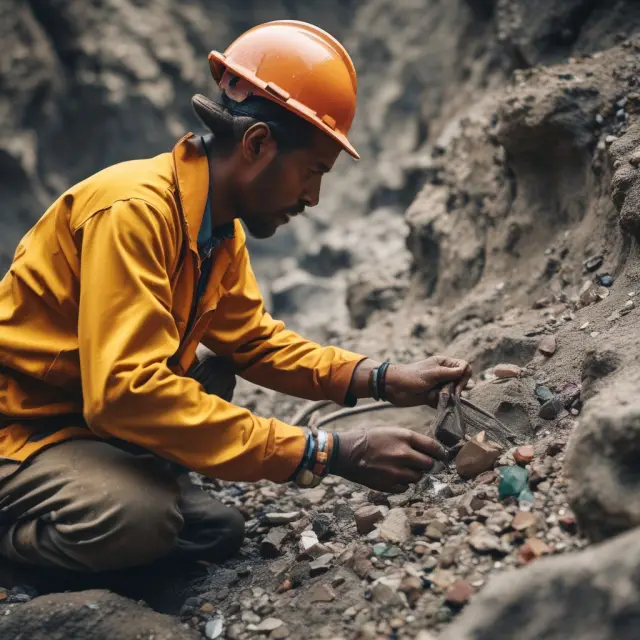
Environmental Considerations of Raw Materials: Sustainability and Ethics
As the world’s population continues to grow, so does our demand for resources – particularly raw materials used in manufacturing. This growing demand places increased pressure on businesses to consider environmental sustainability and ethical sourcing when dealing with raw materials. In this section, we explore how companies manage environmental concerns and ethical issues related to raw materials.
Sustainability in Raw Materials Sourcing
Sustainability has become a critical issue for consumers and investors alike. Companies that focus on sustainable raw material sourcing can benefit from positive public relations, increased consumer loyalty, and reduced risk of environmental regulations. In recent years, many companies have taken steps to reduce their environmental impact by implementing more sustainable methods of extracting and using raw materials.
For example, in the mining sector, companies are investing in new technologies such as precision mining and closed-loop systems to minimize waste, maximize resource efficiency, and reduce water usage. In agriculture, farmers use techniques like regenerative agriculture to improve soil health and reduce the need for synthetic fertilizers. Additionally, some companies are turning to renewable raw materials like bamboo or recycled plastics, which have a lower carbon footprint and help mitigate the environmental impact of resource extraction.
Ethical Considerations in Raw Materials Sourcing
Beyond sustainability concerns, ethical issues also play a role in raw material sourcing. Ethical considerations include labor practices, human rights, and conflict minerals. For example, companies may face criticism if they source materials from countries with poor labor laws or where there are reports of human rights abuses. Conflict minerals, such as tantalum, tin, tungsten, and gold, can be sourced in areas affected by armed conflicts and have been linked to human rights violations, environmental degradation, and economic instability.
To address these concerns, many companies have established policies and initiatives around ethical raw material sourcing. For instance, the Conflict-Free Sourcing Initiative was launched in 2008 to help companies ensure their products were not linked to conflict minerals. Additionally, companies like Fair Trade USA work with farmers to promote fair wages and safe working conditions for agricultural workers. By prioritizing ethical sourcing practices, companies can improve their reputation, build stronger relationships with customers, and contribute to a more responsible global economy.
The Role of Regulations in Sustainability and Ethical Raw Materials Sourcing
Governments and international organizations also play a role in promoting sustainability and ethical raw materials sourcing. For instance, the European Union’s REACH (Registration, Evaluation, Authorization and Restriction of Chemicals) regulation sets safety standards for chemicals used in products. Similarly, the Dodd-Frank Act, passed in 2012, requires companies to disclose their use of conflict minerals, creating transparency around ethical sourcing practices.
However, regulations can also present challenges for businesses, particularly smaller ones with limited resources. Complying with these regulations can result in increased costs and the need for more complex supply chain management systems. This is why it’s essential that companies start considering sustainability and ethics when sourcing raw materials early on – not just as an afterthought or a reaction to new regulations.
Investing in Sustainable and Ethical Raw Materials Companies
As consumer demand for sustainable and ethical products continues to grow, investors can capitalize on this trend by investing in companies that focus on sustainable and ethical raw material sourcing. These companies may have a competitive advantage over their peers due to their responsible business practices. Additionally, investors may be able to profit from the increasing demand for renewable resources like bamboo or recycled plastics.
For example, the iShares Global Clean Energy ETF (ICLN) is a popular investment vehicle for those looking to invest in companies focused on sustainability and clean energy. Similarly, the iShares MSCI KLD 400 Social ETF (DSI) tracks the performance of socially responsible US companies, including those prioritizing sustainable raw material sourcing. By investing in these funds, investors can gain exposure to a diversified portfolio of companies that are taking steps to address environmental and ethical concerns related to raw materials.
Conclusion
Raw materials play a vital role in manufacturing and global economic growth, but they also come with significant environmental and ethical challenges. By prioritizing sustainability and ethics in raw material sourcing, companies can improve their reputation, attract consumers and investors, and contribute to a more responsible global economy. Governments and international organizations also have a part to play in regulating and promoting sustainable and ethical raw material sourcing practices. As the world’s population continues to grow and resource scarcity becomes an increasingly pressing issue, it is crucial that we all work together to ensure the long-term viability of raw materials for future generations.
By understanding how companies source, manage, and invest in raw materials from a sustainability and ethical perspective, investors can make informed decisions about their investments and contribute to a more responsible global economy.

FAQs about Raw Materials
What are raw materials?
Raw materials are essential components used by businesses to manufacture products or provide services. They represent input goods that are transformed into finished goods or services during the production process. Examples of raw materials include metals, wood, minerals, water, and oil, among others.
How do companies obtain raw materials?
Companies can obtain raw materials through various strategies: 1) purchasing from third-party suppliers; 2) mining or extracting them directly; or 3) producing them internally. The choice of acquisition method depends on factors such as the availability, location, and cost of the raw material.
What are direct raw materials?
Direct raw materials are the primary components that go directly into the manufacturing process to produce a finished product. For instance, the iron ore is a direct raw material for the production of steel. Direct raw materials are reported on the balance sheet as inventory and expensed on the income statement within cost of goods sold (COGS).
What are indirect raw materials?
Indirect raw materials are not part of the final product but are instead used to facilitate the manufacturing process. For example, water or fuel can be considered indirect raw materials in the steel industry. Indirect raw materials are reported on the balance sheet as long-term assets and expensed over time based on depreciation schedules.
How do companies account for raw materials?
Manufacturing companies record raw materials inventory as a current asset on their balance sheets, valued at comprehensive cost which includes shipping, storage, preparation, and handling. When raw materials are used in the production process, they are transferred from the raw materials inventory to work-in-progress (WIP) or finished goods inventory. Direct raw materials are expensed in the COGS as variable costs, while indirect raw materials are allocated based on predetermined cost drivers such as labor hours, machine hours, or direct material dollars.
What is the importance of raw materials for investors?
Raw materials play a crucial role in the global economy and have significant implications for investors. By understanding the availability, price trends, and geopolitical risks associated with specific raw materials, investors can make informed decisions regarding investments in commodities markets or companies operating within the raw material value chain.
What are some examples of raw materials?
Some common examples of raw materials include metals (iron ore, aluminum, copper), minerals (coal, natural gas, sand), water, wood, and agricultural products (wheat, corn, cotton). These raw materials are used extensively across industries, including manufacturing, agriculture, construction, and energy.
Why is it essential to budget for raw materials?
Budgeting for raw materials helps companies ensure a consistent supply of raw materials at the right price to minimize disruptions in production. By closely monitoring raw material costs, inventory levels, and lead times, a company can optimize its purchasing strategy, reduce waste, and lower overall production costs.
 Next entry · No. 4,290Understanding the Role and Functioning of the Reserve Bank of India (RBI)
See also
-
 No. 4,932
28 Jul 2025
20 min
Understanding the Total Expense Ratio (TER): How It Impacts Your Investments
Investments
No. 4,932
28 Jul 2025
20 min
Understanding the Total Expense Ratio (TER): How It Impacts Your Investments
Investments -
 No. 4,727
12 Jul 2025
14 min
Socially Responsible Investing (SRI): Meaning, Strategies and Rules
Business Finance
No. 4,727
12 Jul 2025
14 min
Socially Responsible Investing (SRI): Meaning, Strategies and Rules
Business Finance -
 No. 4,400
15 Jun 2025
18 min
Understanding Research and Development (R&D) Expenses: The Significance of Innovation in Business
Business Strategy
No. 4,400
15 Jun 2025
18 min
Understanding Research and Development (R&D) Expenses: The Significance of Innovation in Business
Business Strategy -
 No. 2,487
10 Jan 2025
17 min
The Importance and Functionality of Inventory Accounting for Institutional Investors
Business Strategy
No. 2,487
10 Jan 2025
17 min
The Importance and Functionality of Inventory Accounting for Institutional Investors
Business Strategy -
 No. 1,031
18 Jul 2024
21 min
Understanding Direct Costs in Finance and Investment: Definition, Examples, and Differences from Indirect Costs
Business Finance
No. 1,031
18 Jul 2024
21 min
Understanding Direct Costs in Finance and Investment: Definition, Examples, and Differences from Indirect Costs
Business Finance -
 No. 1,013
15 Jul 2024
21 min
Understanding Derived Demand: The Powerful Economic Concept Every Investor Should Know
Business Finance
No. 1,013
15 Jul 2024
21 min
Understanding Derived Demand: The Powerful Economic Concept Every Investor Should Know
Business Finance