Understanding the Role and Functioning of the Reserve Bank of India (RBI)

Learn about the role, structure, functions, and significance of India's central bank, the Reserve Bank of India (RBI), including monetary policy, foreign…
Introduction to the RBI
The Reserve Bank of India (RBI), established on April 1, 1935, is India’s central banking institution, responsible for managing monetary policy and maintaining price stability, as well as regulating and supervising the financial sector. Originally founded as a private entity under the Reserve Bank of India Act, the RBI was nationalized in 1949 to become fully owned by the Indian government.
The primary objectives of the RBI include formulating, implementing, and monitoring monetary policy in India to ensure price stability. The bank’s mandate involves controlling inflation, maintaining confidence in the banking system, and supervising financial institutions.
Moreover, the RBI plays a crucial role in managing the country’s currency and credit systems through its responsibilities as a regulatory body. It oversees commercial banks, financial institutions, and non-banking finance companies to ensure sound financial practices are maintained. The RBI’s expertise extends beyond India’s borders, as it manages foreign exchange under the Foreign Exchange Management Act (FEMA) of 1999, enabling efficient external trade and facilitating payments within the foreign exchange market.
The bank, situated in Mumbai, is headed by a central board of directors appointed by the Indian government for a term of four years. The RBI plays an instrumental role in setting the overnight interbank lending rate (MIBOR), which acts as a benchmark for interest rates related to various financial instruments in India. Its initiatives include restructuring bank inspections, introducing off-site surveillance of banks and financial institutions, and strengthening the role of auditors to ensure transparency and accountability within the banking sector.
Presently, the RBI focuses on increased supervision of financial institutions to deal with ongoing legal issues related to bank fraud, consolidated accounting, and creating a supervisory rating model for its banks. These efforts aim to maintain public trust in the national financial system, protect interest rates, and provide favorable banking alternatives to the Indian populace.
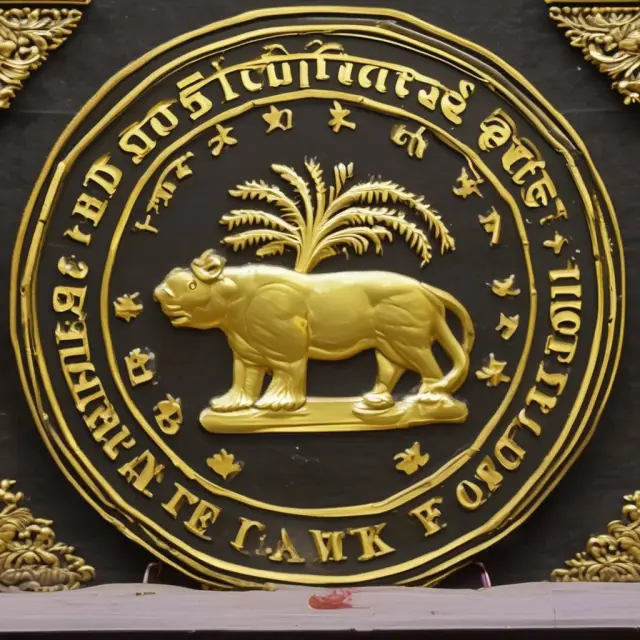
Monetary Policy and Role in Price Stability
The Reserve Bank of India (RBI), the central bank of India established on April 1, 1935, plays a pivotal role in managing monetary policy and maintaining price stability in India. Founded under the Reserve Bank of India Act, this esteemed financial institution has grown to become a crucial regulator and facilitator for the country’s currency and credit systems.
The primary function of the RBI is to implement, formulate, and oversee monetary policy aimed at ensuring price stability and directing credit towards productive sectors. The bank sets benchmarks for interest rates through its management of the overnight interbank lending rate, which serves as a critical benchmark for various financial instruments in India. The Mumbai Interbank Offer Rate (MIBOR) is another key tool used by the RBI to influence interest rates and maintain financial stability in the Indian market.
The Reserve Bank of India plays an essential role in managing India’s foreign exchange under the Foreign Exchange Management Act of 1999, enabling it to promote external trade and facilitate payments. The bank acts as the issuer of national currency, providing dependable notes and coins while maintaining control over their circulation.
As a dedicated regulator and supervisor, the RBI injects public confidence into India’s financial system by protecting interest rates and providing reliable banking alternatives to the Indian population. The bank is governed by a central board of directors appointed by the government for a term of four years. Some current initiatives include increased supervision of financial institutions, dealing with legal issues related to bank fraud, consolidated accounting, and creating a supervisory rating model for banks within its jurisdiction.
Understanding the RBI’s role in monetary policy and price stability is vital to grasping the importance of this institution in shaping India’s economic landscape. Through its various tools and methods, the Reserve Bank of India continues to provide essential services that contribute to a stable and thriving financial sector.

Regulation and Supervision of Financial Sector
The Reserve Bank of India (RBI) plays an essential role in regulating the Indian financial sector, ensuring the stability and robustness of the economy as a whole. The RBI’s regulatory responsibilities include setting benchmarks for interest rates, restructuring bank inspections, introducing off-site surveillance, and strengthening the role of auditors.
The primary objective of regulating India’s financial sector is to maintain price stability and provide credit to productive economic sectors. The RBI’s regulatory framework covers commercial banks, financial institutions, non-banking finance companies (NBFCs), and other financial intermediaries.
Interest Rate Benchmarks
One of the essential tools used by the RBI to regulate the financial sector is setting interest rate benchmarks, such as the Mumbai Interbank Offer Rate (MIBOR). The MIBOR serves as a critical benchmark for pricing various interest-rate related instruments in India. The Reserve Bank sets this rate based on overnight interbank lending rates to ensure that market borrowing costs remain consistent and aligned with economic conditions.
Bank Inspections
Another crucial aspect of the RBI’s regulatory role is conducting periodic inspections of banks and financial institutions to assess their performance, risk management practices, and compliance with regulations. These inspections help identify potential weaknesses in the financial system early on, allowing for timely corrective actions to be taken.
Off-site Surveillance
In addition to on-site inspections, the RBI introduced off-site surveillance to monitor banks’ and financial institutions’ performance regularly through various reports and returns submitted by these entities. Off-site surveillance helps identify weaknesses in credit risk management, governance, and other areas, enabling timely interventions if necessary.
Strengthening the Role of Auditors
The Reserve Bank of India also plays a vital role in strengthening the independence and effectiveness of auditors in the financial sector. By setting standards for auditor appointments, rotation, and conduct, the RBI ensures that banks and financial institutions have robust internal control systems to prevent fraudulent activities and maintain transparency in their operations.
The focus of the RBI on increased supervision of financial institutions has been a significant shift in its regulatory approach. This renewed emphasis on supervision is aimed at addressing legal issues related to bank fraud, consolidated accounting, and creating a supervisory rating model for banks. The RBI’s commitment to strengthening the Indian financial sector is essential for maintaining price stability, ensuring credit flows to productive sectors, and fostering long-term economic growth.

Foreign Exchange Management Act (FEMA) and the Role in Currency
The Reserve Bank of India (RBI), established on April 1, 1935, serves as the central banking institution of India. While it’s well-known for its primary role in managing monetary policy and maintaining price stability through various tools, another crucial aspect of the RBI is its function in facilitating external trade under the Foreign Exchange Management Act (FEMA).
Originally set up as a private entity, the RBI was nationalized in 1949. One of its primary roles includes acting as the issuer and regulator of India’s currency, which is essential for the smooth functioning of the Indian economy. The RBI’s influence on monetary policy shapes the economic landscape of the nation.
Under FEMA, the RBI plays a significant role in managing foreign exchange transactions and maintaining the health of the foreign exchange market in India. The RBI is authorized to facilitate external trade by regulating the inflow and outflow of foreign currency. This includes managing India’s foreign exchange reserves and ensuring the availability of sufficient foreign exchange for importers, thereby promoting economic growth.
The RBI, as per the FEMA guidelines, is responsible for maintaining records related to transactions concerning foreign exchange, including imports and exports of goods and services, capital transactions, and borrowings and advances in foreign currency. The RBI also issues guidelines and regulations that need to be followed by entities involved in foreign exchange transactions.
Moreover, the RBI manages India’s gold imports and exports as part of its role under FEMA. This helps maintain price stability for gold transactions, as well as prevent potential volatility in the gold market. The RBI acts as a bridge between the government and the foreign exchange market, facilitating trade and ensuring that the country’s foreign exchange requirements are met efficiently.
In summary, the Reserve Bank of India plays a pivotal role in managing monetary policy while also acting as the regulator for external transactions under FEMA. Its influence over currency issuance and regulation is essential to maintaining price stability and facilitating the smooth functioning of India’s economy.

Governance and Structure of RBI
The Reserve Bank of India (RBI) plays an integral role in the Indian financial sector as the central banking authority, with a rich history that dates back to 1935. Established under the Reserve Bank of India Act on April 1, 1935, it originally functioned as a private entity. However, it was nationalized in 1949 and made a government-owned institution.
The central board of directors, consisting of twenty members, is responsible for the governance and decision-making process at the RBI (Reserve Bank of India, n.d.). The government appoints these individuals, with a tenure of four years. This appointment process ensures that the central bank operates under the guidance of skilled professionals, enhancing its ability to manage monetary policy effectively.
The importance of the central board is amplified by the fact that it sets the tone for India’s financial sector, as the RBI plays a significant role in conducting consolidated supervision of various financial institutions, including commercial banks, financial institutions, and non-banking finance companies. By maintaining a strong regulatory framework and overseeing financial institutions, the central bank builds trust among investors and the public, which is vital for long-term economic growth (RBI Annual Report 2019-20).
In addition to its supervisory role, the RBI plays a crucial part in shaping India’s monetary policy. By setting benchmarks for interest rates and monitoring the country’s financial sector, it ensures price stability while ensuring credit flows to productive economic sectors (RBI Annual Report 2019-20). This proactive approach instills confidence in the Indian economy and positions the RBI as a trusted partner for businesses and investors alike.
Furthermore, the RBI manages India’s foreign exchange under the Foreign Exchange Management Act of 1999, facilitating external trade while promoting the development and health of the forex market (Reserve Bank of India, n.d.). By assuming this role as a regulator, issuer of national currency, and manager of foreign exchange, the RBI demonstrates its versatility and commitment to maintaining financial stability in India.
Conclusion:
In conclusion, understanding the Reserve Bank of India’s (RBI) role and functions is essential for investors and individuals interested in the Indian economy. With a focus on price stability, monetary policy, and foreign exchange management, the RBI plays an integral part in ensuring a robust financial ecosystem that supports both short-term and long-term economic growth. Its strong regulatory framework, proactive supervision of financial institutions, and commitment to maintaining public trust set it apart as a cornerstone of India’s financial landscape.

Focus and Current Initiatives of the RBI
The Reserve Bank of India (RBI) plays an essential role in shaping the financial landscape of India. With a focus on maintaining price stability, managing monetary policy, regulating the banking sector, and issuing currency, the RBI has been instrumental in providing confidence to the national economy. In recent years, the Reserve Bank of India has undertaken several initiatives aimed at enhancing its supervision of financial institutions and dealing with challenges within the financial system.
One such initiative is the restructuring of bank inspections. The RBI understands that effective on-site inspections are crucial for maintaining a robust financial sector. By assessing the quality of risk management processes, evaluating capital adequacy ratios, and monitoring governance practices, the RBI strives to ensure the stability and resilience of India’s financial institutions.
Another initiative includes the introduction of off-site surveillance of banks and financial institutions. This continuous monitoring methodology helps the RBI in identifying potential issues early on and enables them to take timely actions. Furthermore, it strengthens the role of auditors by creating a more efficient, effective, and independent audit function.
Addressing legal issues is also a significant focus for the Reserve Bank of India. Legal challenges related to bank fraud, consolidated accounting, and other matters can undermine public confidence in the banking sector. The RBI has taken steps to strengthen its regulatory framework and ensure that financial institutions comply with applicable laws, thereby maintaining trust among stakeholders.
Creating a supervisory rating model for banks is yet another major initiative from the RBI. This model aims to provide an independent assessment of risks faced by banks in India, enabling them to better understand their risk profiles and take corrective actions as needed. Ultimately, this will help promote financial stability and strengthen the overall health of India’s banking sector.
As a result of these initiatives, the Reserve Bank of India continues to uphold its mission of maintaining price stability, regulating the financial sector, managing foreign exchange under FEMA, and acting as the issuer of national currency in India. With these ongoing efforts, the RBI remains at the forefront of ensuring the resilience and growth of India’s financial system.

Challenges Faced by the RBI
The Reserve Bank of India (RBI) has played an integral role in shaping the Indian financial sector since its establishment in 1935. The central bank is primarily responsible for managing monetary policy, regulating the country’s currency and credit systems, and acting as a supervisor of the overall financial system. However, several challenges have emerged over the years, impacting the RBI’s ability to maintain price stability and ensure the health of India’s financial institutions.
One significant challenge relates to bank fraud, which has been a persistent issue in recent years. In response, the RBI has intensified its efforts to enhance supervision and regulation, focusing on improving risk management practices within banks and financial institutions. Furthermore, initiatives such as off-site surveillance and restructuring bank inspections have helped strengthen the RBI’s role as a supervisor and regulator.
Another challenge involves consolidated accounting, which is essential for understanding the true financial position of various financial entities. The implementation of Indian Accounting Standards (Ind AS) has been a major step forward in this regard, enabling better transparency and comparability across different entities. However, there are still significant challenges related to data availability and quality that must be addressed for consolidated accounting to become an effective tool for the RBI’s regulatory activities.
The Reserve Bank of India faces additional hurdles in dealing with legal issues that can undermine its credibility and effectiveness. For example, the bank has been embroiled in various disputes related to matters such as executive appointments and governance structures. In order to address these challenges, the RBI has sought to strengthen its internal mechanisms for dealing with legal issues and has worked closely with various stakeholders to foster a more favorable regulatory environment.
In addition to these challenges, there is an ongoing need for the RBI to create a supervisory rating model for Indian banks that can help investors and analysts make informed decisions. The development of such a model requires collaboration among various stakeholders, including regulators, financial institutions, and international organizations, and poses significant technical and logistical challenges. Nevertheless, the potential benefits – enhanced transparency, improved risk assessment, and better decision-making – make it an essential undertaking for the RBI as it continues to evolve its role in India’s financial sector.

RBI vs. Other Central Banks
The Reserve Bank of India (RBI) is the central banking institution in India, similar to institutions like the Federal Reserve System of the United States or the European Central Bank. Understanding the unique role and functions of each central bank provides valuable insight into how economies are managed on a macro level. In this section, we will delve deeper into the RBI’s role and compare it with those of other central banks around the world.
Firstly, let us briefly explore the origins of some prominent central banks to establish a broader context for understanding the RBI. The Federal Reserve System was established in 1913 in response to the widespread economic instability in the United States following the Panic of 1907. Its primary objective is to provide the country with a stable monetary and financial system, while the European Central Bank (ECB) was founded on June 1, 1998, just before the introduction of the Euro currency in 1999.
The RBI came into existence earlier than both these institutions; it began operations on April 1, 1935. Although initially set up as a private entity, it was nationalized in 1949 and has since been governed by a central board of directors appointed by the Government of India. Directors serve for a period of four years.
One major role that all central banks share is managing monetary policy to maintain price stability. The RBI plays a significant role in this regard, using various tools and methods, such as setting interest rates and regulating credit flow, to control inflation.
However, the extent and nature of these responsibilities may vary between central banks due to differences in their legal frameworks and economic environments. For example, while the Federal Reserve System is primarily focused on managing monetary policy, it also acts as a lender of last resort to individual financial institutions during times of crisis. In contrast, the ECB plays an additional role as a banker to European governments and oversees the Eurosystem, which includes the national central banks of each member state.
The RBI’s responsibilities go beyond monetary policy. It is also responsible for regulating and supervising financial institutions in India under the Banking Regulation Act of 1949. This ensures a healthy and stable financial sector by setting benchmarks, conducting inspections, and introducing off-site surveillance methods. Additionally, the RBI acts as a facilitator for external trade through the Foreign Exchange Management Act (FEMA), making it the issuer of the national currency and playing a significant role in foreign exchange transactions.
In summary, while central banks like the Federal Reserve System, ECB, and the RBI all have similar core functions, their specific roles and responsibilities may differ based on their unique historical contexts and legal frameworks. Understanding these differences is crucial for gaining a comprehensive perspective of each nation’s economy and financial system.

Impact of the RBI on Indian Economy
Since its establishment in 1935, the Reserve Bank of India (RBI) has significantly shaped India’s economic landscape. Its role as a central bank involves formulating and implementing monetary policy to ensure price stability while maintaining a well-regulated financial sector. This section delves into the RBI’s crucial impact on the Indian economy.
Monetary Policy: The cornerstone of the RBI’s influence lies in its ability to manage monetary policy. By setting benchmarks for interest rates, restructuring bank inspections, and introducing off-site surveillance, the RBI fosters financial stability in India. Its primary objective is to maintain price stability, ensuring credit flows to productive economic sectors.
Currency Issuer: The RBI plays a vital role as India’s currency issuer under the Foreign Exchange Management Act of 1999. Facilitating external trade and payments through this act promotes development and health in the foreign exchange market within the country.
Regulation and Supervision: As a regulator, the RBI governs the overall financial system, injecting public confidence by protecting interest rates and offering positive banking alternatives to the Indian public. The RBI’s regulatory role strengthens India’s economy by ensuring adherence to set standards, reducing risk, and creating transparency within the financial sector.
Historical Background: Initially established as a private entity in 1935, the RBI was nationalized in 1949. Since then, the bank has been governed by a central board of directors appointed by the Indian government. The directors serve for terms of four years, ensuring continuity and stability within the organization.
Recent Initiatives: Currently, the RBI continues to focus on increasing its financial sector supervision while dealing with legal issues related to bank fraud, consolidated accounting, and creating a supervisory rating model for its banks. These efforts are geared towards strengthening India’s banking system and ensuring economic stability in the long run.
In conclusion, the Reserve Bank of India has been an integral part of the Indian economy since its establishment in 1935. Its influence is felt through its monetary policy formulation, regulation and supervision, role as a currency issuer, and historical background. The RBI’s initiatives and focus on strengthening the financial sector continue to shape India’s economic landscape.

FAQs About the RBI
What is the Reserve Bank of India (RBI)?
The Reserve Bank of India (RBI) is the central monetary authority, regulatory institution, and banker to the Government of India and Indian Banks. Established in 1935, it has been operational for over eight decades, playing a pivotal role in shaping the country’s financial landscape.
When was the RBI founded?
The Reserve Bank of India came into existence on April 1, 1935.
What are the primary functions of the RBI?
a) Monetary policy – The RBI sets monetary policies to create financial stability and maintains price stability through various tools and methods. b) Regulation – It regulates the country’s financial sector by setting benchmarks for interest rates, restructuring bank inspections, and introducing off-site surveillance. c) Currency issuance – The RBI acts as India’s currency issuer and facilitator of external trade through the Foreign Exchange Management Act (FEMA).
Who regulates and supervises the financial sector in India?
The Reserve Bank of India is tasked with regulating and supervising the Indian financial sector, including commercial banks, financial institutions, and non-banking finance companies.
Where is the RBI headquartered?
The Reserve Bank of India is headquartered in Mumbai, Maharashtra, India.
What is the role of the RBI in setting interest rates in India?
The Reserve Bank of India sets the overnight interbank lending rate in India, which serves as a benchmark for various financial instruments.
How long is a term of office for the central board of directors of the RBI?
Each director is appointed for a term of four years.
What is the current focus of the RBI?
The RBI’s recent initiatives include increased supervision of financial institutions, addressing legal issues related to bank fraud and consolidated accounting, and creating a supervisory rating model for its banks.
Who appoints the central board of directors at the RBI?
Central board members are appointed by the national government.
 Next entry · No. 4,291Understanding Reaganomics: Policies, Objectives, Advantages, and Disadvantages
See also
-
 No. 3,018
22 Feb 2025
19 min
Low Interest Rate Environment: Opportunities and Challenges for Investors
Business Finance
No. 3,018
22 Feb 2025
19 min
Low Interest Rate Environment: Opportunities and Challenges for Investors
Business Finance -
 No. 5,920
18 Oct 2025
20 min
Zombie Companies: Understanding the Dynamics and Risks
Business Finance
No. 5,920
18 Oct 2025
20 min
Zombie Companies: Understanding the Dynamics and Risks
Business Finance -
 No. 5,896
17 Oct 2025
18 min
Understanding Zero-Floor Limits: Protecting Against Fraud and Processing Every Transaction
Business Finance
No. 5,896
17 Oct 2025
18 min
Understanding Zero-Floor Limits: Protecting Against Fraud and Processing Every Transaction
Business Finance -
 No. 5,881
15 Oct 2025
19 min
Maximizing Cash Flow Efficiency with Zero Balance Accounts: A Comprehensive Guide for Institutional Investors
Business Finance
No. 5,881
15 Oct 2025
19 min
Maximizing Cash Flow Efficiency with Zero Balance Accounts: A Comprehensive Guide for Institutional Investors
Business Finance -
 No. 5,875
15 Oct 2025
20 min
Understanding Z-Bonds: The Last but Not Least Bond Tranche
Business Finance
No. 5,875
15 Oct 2025
20 min
Understanding Z-Bonds: The Last but Not Least Bond Tranche
Business Finance -
 No. 5,868
14 Oct 2025
18 min
Understanding Yield Basis: A Comprehensive Guide for Institutional Investors
Business Finance
No. 5,868
14 Oct 2025
18 min
Understanding Yield Basis: A Comprehensive Guide for Institutional Investors
Business Finance