Understanding the Basic Materials Sector: Investing in the Foundation of Industry

Understand the essential role of the Basic Materials Sector, discover major players, & learn how raw materials differ from basic materials. Gain insights…
Overview of the Basic Materials Sector
The basic materials sector represents a crucial segment within the global economy, comprised of businesses involved in the discovery, development, and processing of raw materials that serve as the foundation for manufacturing processes across industries. This sector is significant due to its wide-ranging impact on various industries, from construction to consumer goods and beyond. The sector encompasses four primary subcategories: mining and metal refining, chemical products, forestry products, and energy sources.
Mining and Metal Refining
Firms in this category are responsible for extracting raw materials from the earth, such as metals, coal, natural gas, and other minerals. These companies employ various techniques to extract and process their resources, including underground mining and open-pit mining. Examples of well-known mining and metal refining companies include ExxonMobil Corporation and Chevron Corporation, which dominate the oil industry.
Chemical Products
The chemical products subcategory encompasses businesses involved in the production, distribution, and sale of chemicals used in a variety of applications. Companies engaged in this sector may manufacture industrial chemicals or consumer-oriented ones for use in various industries or everyday products. DuPont de Nemours and Co., a renowned chemicals company, is an excellent example of a firm within this category.
Forestry Products
This subcategory focuses on companies that engage in the production and processing of forestry products, such as lumber, paper, and other wood-based materials. Vulcan Materials Company and Steel Dynamics Inc., two major players in construction materials, fall under this category due to their extensive involvement in producing crushed stone, gravel, concrete, and finished steel products.
Energy Sources
The energy sources segment includes companies involved in the extraction, production, and distribution of energy resources like oil, natural gas, coal, and alternative energy sources such as wind or solar power. Schlumberger Ltd., a global leader in oilfield services, represents a company in this category that significantly contributes to the world’s energy needs.
Demand for Basic Materials
The basic materials sector experiences fluctuations based on the broader economic environment and demand for raw materials. For instance, a strong economy often leads to an increase in housing starts and construction projects, causing a rise in demand for lumber and steel. Conversely, a weak economy may lead to decreased demand for raw materials across various industries.
In conclusion, the basic materials sector is an essential component of modern economies, as it provides the raw materials necessary for manufacturing processes, infrastructure development, and everyday goods production. This sector plays an integral role in various industries, from construction to consumer products, making it a crucial area for investors to explore and understand.

Raw Materials vs. Basic Materials
There is a common misconception that all businesses dealing with raw materials fall under the basic materials sector. However, there is an essential difference between raw materials and basic materials.
Raw materials are naturally occurring substances used as inputs in industrial production processes. These materials include minerals, metals, fuels, and agricultural products. Raw materials are often considered finite resources due to their limited availability or long development time. The most common example of a raw material is crude oil.
On the other hand, basic materials refer specifically to the sector of companies involved in the discovery, development, and initial processing of raw materials for commercial use. This sector includes mining and metal refining businesses, chemical products companies, forestry product manufacturers, energy sources providers, and container and packaging industries. Companies like Exxon Mobil Corp., Chevron Corp., Vulcan Materials Co., Steel Dynamics Inc., DuPont de Nemours and Co., and Monsanto Co. are some of the biggest players in this sector.
It is important to note that not all businesses dealing with raw materials fall under the basic materials sector. For example, a jewelry company that processes mined metals for their products is categorized as a retailer or wholesaler since they buy raw materials and add value by transforming them into finished goods. Similarly, some chemical products might not be considered basic materials; industrial fertilizers and paint additives are often categorized under complex cleaning products or pharmaceuticals instead.
The primary difference between raw materials and basic materials lies in the role they play within the economy and their impact on various industries. While raw materials serve as inputs for industrial production processes, basic materials companies supply the critical resources necessary to create a wide range of finished goods used across numerous sectors. This sector is essential for the development and maintenance of infrastructure and is closely related to economic cycles, particularly in relation to housing markets and consumer demand.
In conclusion, understanding the distinction between raw materials and basic materials is crucial for investors, policymakers, and industry analysts alike. While raw materials are integral components of various industries and products, the basic materials sector plays a unique role by providing the inputs required for manufacturing processes and the creation of essential infrastructure.

Major Players in Basic Materials
The basic materials sector is a significant economic category encompassing businesses involved in the discovery, development, and processing of raw materials. Among its subcategories are mining and metal refining, chemical products, forestry products, and energy sources. Some prominent companies leading this sector include Exxon Mobil Corp., Chevron Corp., DuPont de Nemours and Co., Monsanto Co., Vulcan Materials Co., Steel Dynamics Inc., and Schlumberger Ltd.
Exxon Mobil Corp. (XOM), headquartered in Irving, Texas, is an American multinational oil and gas corporation that holds the largest refinery capacity in the United States. Chevron Corp. (CVX) based in San Ramon, California, operates both upstream and downstream businesses involved in every aspect of the oil, natural gas, and geothermal energy industries.
DuPont de Nemours and Co. (DD), headquartered in Wilmington, Delaware, is a global innovation leader with technology-driven materials, industrial, and agricultural science solutions. With 111,000 employees worldwide, they operate in six business segments: electronics & imaging, performance materials, industrial biosciences, safety & protection, and nutrition & biosciences.
Monsanto Co. (MON), based in St. Louis, Missouri, is a leading global provider of technology-based solutions and agricultural products derived from seeds and chemicals.
Vulcan Materials Co. (VMC) is a major American construction materials company headquartered in Birmingham, Alabama, with over 200 facilities across the United States. With a strong focus on sustainability, Vulcan’s portfolio includes crushed stone, gravel, sand, and other aggregates, ready-mixed concrete, asphalt, and engineered products.
Steel Dynamics Inc. (STLD), headquartered in Fort Wayne, Indiana, is a leading integrated steel producer with a diverse range of steel mills, metals recycling facilities, steel fabrication plants, and related downstream processing capabilities. They offer a wide array of value-added products that serve various industries, including automotive, construction, container, energy, industrial machinery, and mining.
Schlumberger Ltd. (SLB), based in Houston, Texas, is an international oilfield services company providing technology, integrated project management, and information solutions for the exploration and production industry. The world’s largest supplier of oil field services, Schlumberger helps customers maximize productivity and improve efficiency with a wide range of services related to drilling, production, and reservoir consulting.
These leading companies serve as essential building blocks in the global economy, contributing significantly through their discoveries, developments, and processing of raw materials that are utilized across various industries and applications.

Demand for Basic Materials
The basic materials sector’s performance is significantly influenced by demand dynamics. As raw materials are essential components of various industries, their price fluctuations can have a substantial impact on businesses and economies alike. A robust correlation exists between the sector and the housing market because numerous raw materials find extensive usage in construction projects. Consequently, changes in the housing industry’s health are often reflected in basic materials stocks.
The demand for basic materials varies based on their application industries and the economic cycle. When the economy is thriving, the need for these raw materials increases due to heightened manufacturing activity and infrastructure development. On the other hand, during an economic downturn, demand may dwindle due to decreased production levels and lower consumer spending, which in turn negatively affects the demand for basic materials.
Moreover, specific material types within the sector encounter different demand patterns. For instance, metals like copper or aluminum may experience increased demand from industries such as automobile manufacturing or construction during expansionary economic periods but may face declining demand when economies weaken. Meanwhile, energy sources like natural gas and oil usually maintain relatively stable demand due to their versatile applications across numerous industries.
Understanding the dynamics of demand for basic materials is crucial as it can provide valuable insights into investment opportunities in this sector. For instance, recognizing early signs of increased economic activity or housing market recovery could lead investors to position themselves in stocks that produce raw materials essential for such growth, potentially resulting in significant returns. Conversely, being aware of decreasing demand signals might prompt investors to consider reducing their exposure to specific basic material stocks or the sector as a whole to mitigate potential losses.
In conclusion, understanding the dynamics of the basic materials sector’s demand is vital for investors and industry participants alike. By staying informed about economic conditions, housing market trends, and specific application industries, one can navigate the complexities of this sector and make informed investment decisions.

Examples of Basic Materials
Basic materials are essential to nearly every industry, acting as the foundation for manufacturing processes and infrastructure development. Companies involved in the discovery, development, and initial processing of these raw materials fall into the basic materials sector. Oil, gold, stone, lumber, and natural gas are some common examples of finite or reusable resources that make up this sector.
Oil, a finite resource extracted from deep underground reservoirs, is processed and refined to produce fuels like gasoline, diesel, and jet fuel, as well as various industrial products such as plastics, synthetic rubber, and lubricants. Oil companies, including Exxon Mobil Corp., Chevron Corp., and Schlumberger Ltd., dominate the sector in terms of revenue and market capitalization.
Gold is a precious metal often used to create coins, jewelry, and other decorative items, as well as a store of value or an investment asset. Gold mining companies, such as Newmont Mining Corp. and Barrick Gold Corp., operate under the basic materials sector umbrella.
Natural stone is quarried from the earth and used extensively in construction projects for its durability and aesthetic appeal. Stone products manufacturers like Vulcan Materials Co., a leading producer of crushed stone, gravel, and concrete, are part of this essential sector.
Lumber is another basic material with significant economic importance, especially as a building material. Forestry product companies, including Weyerhaeuser Co. and Rayonier Advanced Materials Inc., have substantial influence in the industry, producing not only lumber but also wood pulp, paper, and related products.
The demand for basic materials is closely tied to the economic cycle, as well as shifts within specific industries. For example, a decline in new housing construction can lead to reduced demand for lumber, while a downturn in the electronics industry may impact companies dealing with minerals used in semiconductors or batteries.
Basic materials are also integral to a diverse range of sectors and applications. In addition to being used as inputs for manufacturing processes, they are foundational to infrastructure projects such as roads, bridges, and buildings. They are essential raw materials for various industries, including construction, automotive, pharmaceuticals, electronics, and energy production.
The basic materials sector is a crucial component of the global economy, with many investors focusing on the stocks of companies operating within it. Over 300 mutual funds, index funds, and exchange-traded funds (ETFs) invest in these companies. Popular ETF options include Vanguard’s Vanguard Materials ETF, Blackrock’s iShares Global Materials ETF, and iShares U.S. Basic Materials ETF.
In conclusion, basic materials serve as the foundation for manufacturing processes, infrastructure development, and everyday goods. The companies that discover, develop, and process these raw materials are essential to various industries, making them a vital sector within the larger economy. Understanding the role of basic materials in the economy is crucial for investors seeking to capitalize on their importance and influence in the global market.
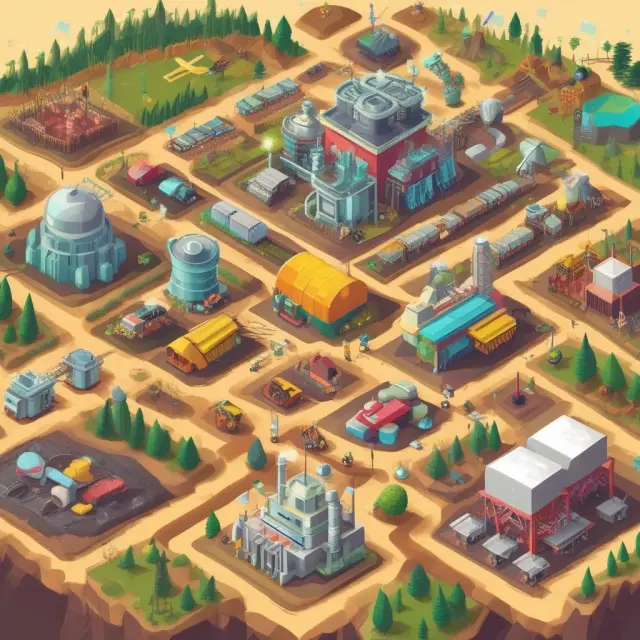
Types of Basic Materials Companies
The basic materials sector is a diverse and intriguing area of the economy made up of companies that discover, develop, and process raw materials, which are later used by various industries to create finished products. In essence, they serve as the foundation for numerous sectors and industries worldwide.
Mining and Metal Refining: This segment involves extracting valuable minerals and metals from their natural environment through mining operations. Some examples of companies in this category include BHP Group, Rio Tinto, and Glencore plc, all leaders in the mining industry. Mining companies typically focus on extracting raw materials such as copper, zinc, iron ore, or precious metals like gold and silver.
Chemical Products: This subset encompasses businesses that produce or refine chemicals from natural resources to create essential ingredients for numerous industries. Companies like Dow Inc., DuPont de Nemours and Co., and SABIC are part of this category. These organizations transform raw materials into various chemicals, plastics, fertilizers, and pharmaceuticals, which ultimately benefit a wide range of sectors including agriculture, manufacturing, and healthcare.
Forestry Products: Forestry companies, such as Weyerhaeuser Co. and Rayonier Advanced Materials Inc., are responsible for managing and harvesting forests to extract raw materials like lumber, pulp, paper, and biomass energy. These resources play a significant role in the construction industry, ensuring the availability of essential building materials like wood, insulation, and paper products.
Energy Sources: This segment includes companies involved in extracting and distributing various forms of energy such as natural gas, coal, and crude oil. Companies operating in this area include Exxon Mobil Corp., Chevron Corp., and Schlumberger Ltd. They provide the raw materials that fuel industries like transportation, power generation, and heating.
In conclusion, these four primary categories of companies – mining and metal refining, chemical products, forestry products, and energy sources – all play a critical role in providing raw materials necessary for the global economy to thrive. As a result, investing in basic materials stocks can yield significant returns as they are often correlated with economic growth.

Basic Materials in Stock Investments
The basic materials sector plays a significant role in stock investments through mutual funds, index funds, and exchange-traded funds (ETFs) dedicated to this industry. Over 300 such funds and ETFs cater specifically to investors seeking exposure to the raw material sector. These include notable examples like Vanguard’s Vanguard Materials ETF (NYSEARCA: XLB), Blackrock’s iShares Global Materials ETF (AGQ), and iShares U.S. Basic Materials ETF (IYM).
The materials sector encompasses various raw materials essential to numerous industries. Some of the most common materials found within this sector are mined products, such as metals and ore, chemical products, energy sources like natural gas and crude oil, forestry products, containers, packaging, and even refined versions of these resources.
Companies within the basic materials sector deal with the discovery, development, and initial processing of raw materials, transforming them into valuable commodities for other industries. These companies serve as a foundation for numerous manufacturing processes and infrastructure developments, making them sensitive to economic fluctuations. They tend to thrive in strong economies due to the high demand for their raw materials.
Despite dealing with raw materials that are often considered finite resources or not available in infinite quantities at any given time, this sector offers extensive investment opportunities. The stocks of these companies cater to a wide range of industries and can provide attractive returns for investors who understand the market dynamics and the importance of raw material sectors in various industries.
It is crucial for investors to differentiate between companies within the basic materials sector and those dealing with raw materials but not classified as part of this sector. While a mining company processing gold or metal is considered a processor, a jewelry company using mined metals as raw materials does not fall under the basic materials sector. Instead, it is categorized as a retailer or wholesaler that purchases the finished material.
By understanding the importance and investment opportunities available in the basic materials sector, investors can make informed decisions when investing in ETFs, mutual funds, or individual stocks, ultimately expanding their portfolio and capitalizing on the potential growth in this essential industry.

Impact of Economic Cycles on Basic Materials
The basic materials sector is a vital component of various industries and economies, and its performance often reflects broader economic trends. As a cyclical industry, the sector tends to thrive during strong economies but may experience decline when the economy weakens due to changes in demand for raw materials.
Understanding the Connection Between Basic Materials and Economic Cycles
The economic cycle is a continuous sequence of growth and recession phases that describe the fluctuations in business activity over time. The basic materials sector exhibits cyclical tendencies due to its close relationship with economic conditions. When the economy grows, demand for raw materials increases as businesses expand their production capacity. Conversely, during an economic downturn, demand for raw materials decreases as companies cut back on investments and production activities.
Impact of Housing Market Fluctuations on Basic Materials
The construction industry is a significant consumer of raw materials. When the housing market experiences growth, the demand for building materials such as lumber, steel, and cement increases, leading to higher prices and stronger performance in basic material stocks. Conversely, during a housing market downturn, the demand for these materials declines, causing lower prices and poorer stock performance.
Major Economic Indicators and Basic Materials
Several economic indicators can help investors understand the potential impact of economic cycles on the basic materials sector. These include:
- Gross Domestic Product (GDP) growth rate: A strong GDP growth indicates a robust economy with increased demand for raw materials, while a slowing GDP growth points to reduced demand.
- Consumer Confidence Index (CCI): A high CCI suggests growing consumer confidence and spending, leading to higher demand for goods and services that rely on basic materials. In contrast, a low CCI may indicate decreased consumer confidence and spending, which could result in lower demand for raw materials.
- Interest Rates: Higher interest rates can make it more expensive for businesses to borrow money, potentially slowing down their production activities and reducing the demand for raw materials. On the other hand, lower interest rates can encourage businesses to expand, increasing the demand for raw materials.
The Importance of Monitoring Economic Cycles in Basic Materials Investing
Understanding the relationship between economic cycles and the basic materials sector is crucial for investors seeking to gain exposure to this industry or make informed decisions on existing investments. By closely monitoring key economic indicators, investors can position their portfolios accordingly, potentially maximizing returns during strong economies and minimizing losses during economic downturns.
Examples of Economic Cycles’ Impact on the Basic Materials Sector
Historically, several economic cycles have had a significant impact on the basic materials sector. For instance, during the 2008 global financial crisis, the housing market experienced a sharp decline, leading to reduced demand for raw materials and causing many basic material stocks to underperform. Conversely, during the late 1990s economic boom, strong economic growth led to increased demand for raw materials, driving up prices and boosting stock performance in the sector.
In conclusion, investors seeking to understand the basic materials sector should be aware of its cyclical nature and how it is influenced by economic conditions. By monitoring key economic indicators such as GDP growth rate, consumer confidence indexes, and interest rates, they can potentially capitalize on opportunities in this industry and mitigate risks during downturns.

Importance of Basic Materials in Modern Society
Basic materials are essential to nearly all industries as they serve as the foundation for manufacturing processes, infrastructure development, and everyday goods. This sector includes companies engaged in mining and metal refining, chemical products, forestry products, and energy sources. In essence, basic materials are naturally occurring substances such as oil, stone, gold, or water that are essential to various industries and economies.
Understanding the Basics of Basic Materials
Basic materials form the backbone of every industry sector by providing the raw materials necessary for manufacturing processes. The sector is crucial due to its extensive use in construction projects, energy production, and industrial applications. For instance, oil, which is a significant component of the basic materials sector, fuels vehicles, powers industries, and provides essential petrochemicals for various consumer goods. Similarly, metals like copper and steel are used extensively in manufacturing and infrastructure development, while forestry products such as lumber serve as building blocks for housing and other construction projects.
Types of Basic Materials Companies
Mining and metal refining companies are a significant portion of the basic materials sector, focusing on the exploration, extraction, and processing of natural resources like oil, coal, metals, and minerals. Chemical products companies produce chemicals that serve various industries by creating essential components for manufacturing processes or producing everyday goods such as fertilizers, plastics, and pharmaceuticals. Forestry product companies process and sell raw materials derived from forests, including lumber, paper, and pulp, while energy sources companies deal with the exploration, extraction, production, marketing, and sale of raw resources like natural gas, coal, and oil.
Basic Materials Stocks and Their Importance in the Economy
The basic materials sector is a significant contributor to the economy, especially during economic upturns. Companies within this sector produce essential raw materials that serve as inputs for various industries, making them subject to economic cycles. When demand for consumer goods increases, so does the demand for the raw materials used to manufacture these goods. Conversely, during downturns when demand decreases, the value of basic material stocks may drop significantly.
Investing in Basic Materials
Over 300 mutual funds, index funds, and exchange-traded funds (ETFs) focus on investments in the basic materials sector to provide investors with exposure to this critical industry sector. ETFs like Vanguard’s Vanguard Materials ETF, Blackrock’s iShares Global Materials ETF, and iShares U.S. Basic Materials ETF are some of the most popular investment options for those interested in this sector.
In conclusion, the basic materials sector plays a vital role in modern society by providing raw materials that serve as essential inputs to various industries, from housing projects and infrastructure development to manufacturing processes and everyday goods. The importance of basic materials is evident through their extensive use and the significant investments made in companies within this sector.

FAQ: Understanding the Basics of Basic Materials
What exactly does the term ‘basic materials’ refer to in finance?
The term ‘basic materials’ in finance denotes a sector comprised of companies involved in the discovery, development, and processing of raw materials. This sector includes businesses engaged in mining and metal refining, chemical products, and forestry products. These materials serve as the foundation for manufacturing processes and infrastructure development across industries.
What are some examples of basic materials?
Basic materials consist mainly of naturally occurring substances like oil, gold, stone, lumber, natural gas, and others that are often considered finite resources. They are vital to various industries and economies due to their extensive usage.
Why is the basic materials sector so sensitive to economic cycles?
The basic materials sector tends to thrive during strong economies but may decline when the economy weakens. This sensitivity stems from changes in demand for raw materials, particularly in industries like housing that rely on these materials heavily for construction projects.
Which companies are considered part of the basic materials sector?
Major players in this sector include oil giants such as Exxon Mobil Corp., Chevron Corp., and Schlumberger Ltd. Chemical producers DuPont de Nemours and Co. and Monsanto Co. are also included, along with construction materials companies like Vulcan Materials Co. and Steel Dynamics Inc.
How can investors access the basic materials sector through stocks?
Over 300 mutual funds, index funds, and exchange-traded funds (ETFs) focus on investments in the basic materials sector. Examples include Vanguard’s Vanguard Materials ETF, Blackrock’s iShares Global Materials ETF, and iShares U.S. Basic Materials ETF.
What are some notable differences between raw materials and basic materials?
While all raw materials are considered the starting point for manufacturing processes or industry, not every business dealing with raw materials falls under the basic materials sector. For instance, jewelry companies that buy mined metals but do not process them further are categorized as retailers or wholesalers and not part of this sector. Similarly, not all chemicals qualify as basic materials; industrial fertilizers and paint additives fall under other categories.
 Next entry · No. 369Understanding Basis in Finance: From Taxes to Futures Markets
See also
-
 No. 3,991
13 May 2025
20 min
A Deep Dive into Platinum: Understanding Its Uses, Markets, and Performance
Business Finance
No. 3,991
13 May 2025
20 min
A Deep Dive into Platinum: Understanding Its Uses, Markets, and Performance
Business Finance -
 No. 2,381
01 Jan 2025
18 min
Understanding Industrialization: History, Strategies, Effects, and Societal Impact
Business Strategy
No. 2,381
01 Jan 2025
18 min
Understanding Industrialization: History, Strategies, Effects, and Societal Impact
Business Strategy -
 No. 478
25 Apr 2024
18 min
Understanding Bonus Issues: Advantages, Disadvantages, and Implications for Investors
Business Strategy
No. 478
25 Apr 2024
18 min
Understanding Bonus Issues: Advantages, Disadvantages, and Implications for Investors
Business Strategy -
 No. 355
15 Apr 2024
20 min
Understanding Barrels of Oil Equivalent (BOE): A Comprehensive Guide for Investors and Analysts
Business Strategy
No. 355
15 Apr 2024
20 min
Understanding Barrels of Oil Equivalent (BOE): A Comprehensive Guide for Investors and Analysts
Business Strategy -
 No. 188
07 Apr 2024
20 min
Understanding Appellate Courts: Their Role in Finance and Investment
Business Strategy
No. 188
07 Apr 2024
20 min
Understanding Appellate Courts: Their Role in Finance and Investment
Business Strategy -
 No. 149
07 Apr 2024
20 min
Understanding Amalgamations: A New Entity Born from Merging Companies
Business Strategy
No. 149
07 Apr 2024
20 min
Understanding Amalgamations: A New Entity Born from Merging Companies
Business Strategy