Understanding the Essential Role of Infrastructure in Finance and Investment

Understand the significance of infrastructure in finance and investment, including definitions, types, importance, funding models, and policy impact.
Background and Definition of Infrastructure
Infrastructure refers to the fundamental facilities, installations, or systems that serve a country, region, community, or business. Infrastructure is essential for economic development and growth. Infrastructure’s history dates back to the late 1880s when it was first used in English, derived from French, with infra meaning below and structure meaning building (Bartleby, n.d.). Infrastructure can be tangible or intangible and includes various systems and structures that require physical components like roads, bridges, tunnels, railways, electrical grids, and communication networks.
The first use of the term “infrastructure” in a federal context was for the Cape Henry Lighthouse built at Virginia Beach, Virginia, in 1789 (History.com Editorial Staff, 2016). Infrastructure projects enable citizens to participate in social and economic communities and provide essential services like food, water, education, healthcare, law enforcement, and transportation.
Infrastructure is typically classified as hard or soft infrastructure. Hard infrastructure refers to the tangible physical structures and systems like roads, bridges, railways, oil refineries, and networking equipment. Soft infrastructure represents intangible assets that maintain an economy’s health, such as healthcare, financial institutions, government offices, education, and law enforcement.
The importance of infrastructure is evident in its significant role in economic development and job creation. In 2021, the United States had over 14 million jobs in fields related to infrastructure (Brookings Institute). Investments in infrastructure projects often lead to substantial capital-intensive costs but yield long-term benefits.
Infrastructure history is marked by numerous investments aimed at improving and expanding infrastructure networks, starting with The American Recovery and Reinvestment Act of 2009 and the $305 billion transportation infrastructure bill in 2015. The Infrastructure Investment and Jobs Act (IIJA) of 2021 allocated over $1.2 trillion to fund infrastructure projects such as roads, bridges, water systems, internet, electric vehicles, and more.
As society progresses, the definition and importance of infrastructure continue to evolve, highlighting its significance in enhancing economic growth, quality of life, and innovation. Infrastructure plays a crucial role in connecting communities, enabling access to essential services, and providing opportunities for businesses and individuals alike.

Types and Examples of Infrastructure
Infrastructure is often the unsung hero in the world of finance, yet it plays a crucial role in driving economic growth and improving quality of life for individuals and societies. It includes tangible assets such as transportation systems, communication networks, water treatment plants, schools, hospitals, and energy facilities. Investing in infrastructure can be a long-term commitment, requiring substantial capital investment. Understanding the various types and examples of infrastructure is essential to recognizing its importance and the benefits it brings to individuals and economies.
Hard Infrastructure: The Foundation of Modern Society
Hard infrastructure encompasses the physical structures necessary for daily life and economic activity in modern society. Examples include roads, bridges, tunnels, water treatment systems, ports, power plants, transmission lines, oil refineries, and airports. Hard infrastructure forms the backbone upon which economies thrive. According to the American Society of Civil Engineers (ASCE), 14 million people in the United States alone work directly in infrastructure-related fields, accounting for nearly 11% of the national workforce.
Transportation Systems: Connecting People and Goods
Roads, bridges, tunnels, airports, and public transportation systems are essential components of hard infrastructure. They facilitate the movement of people and goods by land, water, or air. For instance, the construction and maintenance of roads and bridges enable efficient transportation of commodities between production sites and consumers’ hands. Railways, buses, and subway systems serve as vital transportation options for millions of commuters daily, ensuring a dependable means to get to work, school, or other essential activities.
Utilities: Powering Our World
Electricity generation, transmission, and distribution are critical elements of hard infrastructure. Modern economies rely heavily on electricity for numerous applications such as industrial processes, homes, hospitals, and offices. Energy facilities like hydroelectric dams, natural gas power plants, wind farms, and solar panels all fall under the umbrella of hard infrastructure. In 2021, President Biden’s Build Back Better Plan proposed expanding clean energy production through investments in infrastructure projects such as transmission lines and renewable energy generation.
Water Treatment: Keeping Communities Healthy
Water treatment facilities are another essential component of hard infrastructure. They ensure the safety and quality of water used for various purposes, from industrial processes to drinking water, thereby safeguarding public health and wellbeing. The Environmental Protection Agency (EPA) regulates the standards for safe drinking water under the Safe Drinking Water Act. Ensuring these facilities are modernized and maintained is crucial for providing clean and accessible water to all communities.
Soft Infrastructure: Building a Stronger Society
While not physically tangible, soft infrastructure plays a vital role in the functioning of an economy and society. It includes services that support essential needs and institutions such as healthcare systems, financial institutions, government offices, law enforcement agencies, and schools. Soft infrastructure is just as important as hard infrastructure in driving economic growth and enhancing quality of life.
Healthcare: Caring for Our Population
The healthcare system represents a significant portion of soft infrastructure. It includes hospitals, clinics, research institutions, and medical equipment that enable the delivery of essential health services to individuals and communities. The COVID-19 pandemic highlighted the importance of a robust healthcare system in addressing global health crises and ensuring access to quality care for all.
Education: Building a Stronger Future
Schools and educational institutions are vital components of soft infrastructure that support the long-term success of economies and societies. A well-educated population is essential for economic growth, social development, and innovation. Infrastructure investments in education can range from constructing new schools to implementing modern technology and resources to improve student learning experiences.
In conclusion, understanding the role of infrastructure in finance and investment is crucial to appreciating its importance in driving economic growth and improving quality of life for individuals and communities. Hard infrastructure, such as roads, bridges, water treatment plants, and utilities, lays the foundation for modern society, while soft infrastructure, including healthcare systems, financial institutions, and education, supports essential needs and institutions. Both hard and soft infrastructure are necessary for a thriving economy and a prosperous future.

Categorizing Infrastructure: Hard vs. Soft
Infrastructure is not a new concept, with its origins dating back to the late 1880s. Infrastructure refers to the fundamental physical structures and systems that support the economic growth and prosperity of a community, region, or nation. This includes tangible assets like transportation networks, communication systems, water supply, and energy production, as well as intangible elements such as healthcare, education, and government services.
Classifying infrastructure into two distinct categories – hard and soft – offers a more nuanced perspective on the role they play in our economy. Understanding this distinction is crucial for investors seeking to capitalize on infrastructure’s potential benefits.
Hard Infrastructure: The Tangible Aspects
Hard infrastructure refers to physical structures and systems that are essential for a modern industrialized society. These assets include transportation networks like roads, bridges, and public transit systems; telecommunications equipment; water and wastewater treatment facilities; and energy production facilities such as oil refineries and power plants.
Investing in hard infrastructure can offer long-term growth opportunities and stable returns due to the essential nature of these assets. Hard infrastructure projects require significant capital investment and take time to build, but they provide the foundation for a thriving economy. For instance, the construction of modern transportation systems such as highways, airports, and seaports not only improves mobility but also paves the way for businesses to expand and trade with other regions and countries.
Moreover, hard infrastructure investments can create substantial employment opportunities, particularly in construction and engineering fields. For example, the U.S. Department of Transportation reports that 14 million people are employed in industries related to infrastructure development, accounting for nearly 11% of the nation’s workforce (U.S. Bureau of Labor Statistics).
Soft Infrastructure: The Intangible Aspects
On the other hand, soft infrastructure refers to services and institutions necessary for a population to maintain their economic, social, and health needs. Soft infrastructure includes healthcare, financial institutions, government offices, law enforcement agencies, and educational institutions.
Investments in soft infrastructure focus on improving the quality of life for citizens within communities by addressing essential societal needs. For instance, expanding access to affordable and quality education can lead to a better-educated workforce, which ultimately drives economic growth. Additionally, investments in healthcare and public health services can contribute significantly to overall population well-being while reducing long-term healthcare costs.
The U.S. government has recognized the importance of soft infrastructure in economic development. In 2021, President Biden’s Build Back Better Plan included proposals for expansions to Medicare and tuition-free community college as part of its focus on investing in people and their communities.
Maintaining Infrastructure: Funding and Ownership Models
Infrastructure can be publicly or privately owned, depending on who bears the responsibility for funding and maintenance. Governments own much of the infrastructure for transportation, water, and public education. Many infrastructure assets are owned by state and local governments, with partial support from federal subsidies, while some remain entirely privately owned.
Public-private partnerships (PPPs) also exist as a third option in maintaining infrastructure, allowing both private companies and governments to collaborate on large projects. For example, Cintra’s 99-year lease agreement with the City of Chicago to operate and maintain the Chicago Skyway Bridge is an illustration of this model.
In recent years, government funding for infrastructure has become increasingly important in addressing the country’s aging infrastructure systems. The U.S. government has passed significant infrastructure investment bills such as the American Recovery and Reinvestment Act of 2009 and the $305 billion transportation infrastructure bill from 2015.
In November 2021, President Joe Biden signed the Infrastructure Investment and Jobs Act (IIJA), which allocates a substantial $1.2 trillion for various infrastructure projects including the rebuilding of roads, bridges, water infrastructure, broadband, electric vehicles, and public transportation systems. The IIJA also includes provisions to support investments in both hard and soft infrastructure components, with a focus on addressing the digital divide and expanding access to reliable high-speed internet.
Conclusion: Hard vs. Soft – Essential Components of a Strong Economy
Hard infrastructure and soft infrastructure are two essential components that power our economy and connect people to opportunities for education, employment, healthcare, and more. Understanding the differences between hard and soft infrastructure is crucial when evaluating investment opportunities in this vital sector. By considering both tangible assets and intangible services, investors can make informed decisions that contribute to economic growth and a better quality of life for communities around the world.

Importance and Impact of Infrastructure on Society
Infrastructure plays a crucial role in society as it provides the foundation upon which economies, businesses, and daily life are built. The term “infrastructure” originated from the French language, meaning ‘below structure’ or ‘underneath.’ It encompasses various systems and structures that support an economy, ranging from physical components like roads, bridges, and railways to intangible services such as healthcare, education, and financial institutions. Understanding infrastructure and its importance can help us appreciate the interconnectedness of different aspects of our lives.
Infrastructure serves several significant purposes:
- Economic Growth: Infrastructure investments fuel economic growth by enabling businesses to operate efficiently and expanding access to essential services for workers and consumers. A well-developed infrastructure network allows goods, services, and people to move effectively, supporting supply chain efficiency and job creation. For example, the construction of new roads or expansion of an existing transportation system can lead to increased trade and tourism, creating opportunities for businesses and employment.
- Quality of Life: Infrastructure plays a pivotal role in improving the quality of life within communities by addressing essential needs such as healthcare, education, water, and energy. Access to reliable internet, clean water, and affordable healthcare, for instance, can significantly impact a population’s overall wellbeing and opportunities for personal growth. Additionally, infrastructure investments contribute to enhancing public safety through improvements in emergency response systems and law enforcement facilities.
- Job Creation: Infrastructure projects create numerous jobs during their development phase and often generate additional employment opportunities once they are operational. For example, the construction of a new highway might lead to an increase in demand for services related to the project, such as architecture, engineering, transportation, and labor services. Furthermore, infrastructure investments can support local economies by encouraging business growth and fostering entrepreneurial initiatives.
- Connectivity: Infrastructure enables people to connect with each other and the world around them through various means of transportation, communication networks, and digital platforms. Access to reliable transportation options is essential for individuals to access employment opportunities, healthcare facilities, educational institutions, and essential services. Additionally, advances in infrastructure such as high-speed internet and satellite technology have allowed people to expand their professional horizons by enabling remote work and global connectivity.
- Sustainability: Infrastructure development can also contribute to creating a sustainable future by reducing dependence on non-renewable resources and promoting environmentally friendly practices. For instance, investments in public transportation systems like electric buses or high-speed rail can reduce the number of cars on the road, ultimately resulting in fewer greenhouse gas emissions. Furthermore, advancements in renewable energy infrastructure, such as wind turbines and solar panels, can help transition economies towards a more sustainable future and lessen reliance on non-renewable resources.
In conclusion, infrastructure is an essential component of our daily lives that connects us to the world around us through various systems and structures. It serves multiple purposes, including fostering economic growth, improving quality of life, providing job opportunities, enhancing connectivity, and promoting sustainability. By understanding its importance, we can appreciate the interconnectedness of different aspects of our communities and economies and work towards creating a future that benefits everyone.

Maintaining Infrastructure: Funding and Ownership Models
Infrastructure, a term that emerged in the late 1880s from the French language, refers to the fundamental physical systems supporting an economy or community. Infrastructure encompasses various sectors such as transportation, communication networks, sewage, water, schools, and healthcare services. To maintain these critical systems, infrastructure can be funded through three primary models: public, private, or public-private partnerships (PPPs).
Public funding for infrastructure is often associated with government investment in projects that provide essential services to the community as a whole. The United States’ first federally funded infrastructure project dates back to 1789 when the Cape Henry Lighthouse was built in Virginia Beach, Virginia. This approach allows for broader public benefits but may result in higher costs and potential inefficiencies due to government involvement.
Private investment in infrastructure can take shape through companies expanding their businesses in countries where they want to access raw materials or refine resources. For instance, an energy firm might construct pipelines or railways for petroleum processing. While private investments have the potential to yield profits for both the company and the country, they may not always address the needs of communities with fewer resources or less demand.
Public-private partnerships (PPPs) represent a hybrid model that combines elements from both public and private sectors to fund and maintain infrastructure projects. PPPs enable governments to leverage private investment and expertise while sharing risks, responsibilities, and costs between partners. For example, in 2004, Cintra entered into a 99-year lease agreement with the City of Chicago to operate and maintain the Chicago Skyway Bridge. Through this arrangement, Cintra received all toll and concession revenue generated by the bridge while the city benefited from a $1.82 billion cash infusion and was relieved of the burden for maintaining the bridge.
The Infrastructure Investment and Jobs Act (IIJA) signed in 2021 provides funding to ensure every American has access to reliable high-speed internet, which is considered essential infrastructure in today’s digital age. The act also allocates $7.5 billion for the development of electric vehicle (EV) charging stations across the United States, addressing the need for a robust EV charging network.
Regardless of the funding model, maintaining infrastructure is crucial to ensure its longevity and provide optimal benefits to society. Government ownership tends to focus on public services like transportation, water, and education, while private entities primarily invest in hard infrastructure such as roads and bridges. Soft infrastructure like healthcare, financial institutions, government offices, law enforcement, and education relies on a combination of public and private funding.
The Infrastructure Investment and Jobs Act also addresses the digital divide by allocating funds to ensure every American has access to reliable high-speed internet. The act’s support for EV charging infrastructure highlights the growing importance of adapting existing infrastructure to accommodate emerging technologies and meet societal needs.

Investing in Infrastructure: Government vs. Private Sector
Both the public and private sectors play vital roles in infrastructure investment, each with its unique advantages and considerations. Understanding these distinctions can help investors make informed decisions when it comes to infrastructure investments.
Government Funding and Investments
Governments typically take on a significant role in financing and managing large-scale infrastructure projects due to their potential public benefit and the economies of scale they present. The government’s primary goal is to ensure essential services reach all citizens, creating a strong foundation for economic growth and social development.
Advantages of Government Infrastructure Investments:
- Long-term commitment: Governments can invest in long-term projects that may not yield immediate returns but are crucial for the future economic wellbeing of their regions or nations.
- Social welfare focus: The public sector is often more interested in ensuring that infrastructure investments benefit the entire population rather than just shareholders.
- Regulation and oversight: Governments can establish regulations to ensure quality, safety, and accessibility standards are met, providing greater stability for investors.
Private Sector Funding and Investments
Private companies are increasingly involved in infrastructure investment through various models such as public-private partnerships (PPPs) or completely private investments. These entities seek to generate a return on their investments while contributing to the development of the economy.
Advantages of Private Infrastructure Investments:
- Innovation and efficiency: The private sector often brings new technologies, business models, and management practices that can lead to more efficient infrastructure delivery and improved operational performance.
- Market-driven approach: Private investment is motivated by market forces, ensuring that infrastructure aligns with the needs of the economy and consumer demand.
- Risk transfer: Private investors assume the financial risks associated with infrastructure projects, allowing governments to focus their resources on other priorities.
Infrastructure Investment Strategies: A Balanced Approach
Both sectors offer unique advantages when it comes to infrastructure investment. An effective approach is a balanced one that leverages the strengths of both public and private entities. This can result in improved economic outcomes, enhanced quality of life, and long-term sustainability for communities and nations.
Infrastructure investments are essential for a strong economy. Governments can fund projects with social welfare objectives and long-term vision, while the private sector can bring innovation, efficiency, and market focus to the table. By working together, these sectors can ensure that infrastructure investments meet the needs of their societies today and in the future.

The Digital Divide and Infrastructure
Addressing Limited Internet Access as an Infrastructure Challenge
Infrastructure is an essential component of modern society, underpinning a nation’s economic growth and the well-being of its citizens. While infrastructure often conjures images of tangible structures like bridges, roads, and power plants, it also encompasses intangible assets such as communication networks and public services. However, one crucial aspect of infrastructure that has gained increasing attention is the digital divide – a disparity in internet access between urban and rural areas, as well as economically disadvantaged communities (Kshetri, 2013).
The digital divide is particularly relevant in the era of remote work and distance learning, where reliable high-speed internet becomes indispensable for economic opportunities and educational progress. In 2020, the Federal Communications Commission (FCC) reported that over 21 million Americans lacked access to fixed broadband service at home with download speeds of 25 Mbps or higher – a benchmark considered essential by many experts for distance learning and remote work (FCC, 2020).
The Infrastructure Investment and Jobs Act (IIJA) of 2021 aims to address the digital divide by investing $65 billion in expanding broadband access across the United States. This investment includes subsidies for providers to build and upgrade networks, as well as grants for states, territories, and tribes to develop their own infrastructure projects (Biden-Harris White House, 2021).
The Importance of Bridging the Digital Divide
A reliable broadband connection is no longer a luxury; it’s an essential utility in today’s connected world. According to the World Bank, a one percentage point increase in internet usage can lead to a 1.3-point increase in Gross Domestic Product (GDP) growth per capita in developing countries (World Bank, 2016). In developed economies like the United States, the impact of improved broadband access can translate into significant gains in productivity and economic opportunities.
For example, researchers at the University of California, Berkeley, found that increasing internet access by just one percentage point could increase annual household income by up to $3,040 (Carliner, 2016). Furthermore, a study published in The Journal of Urban Economics determined that broadband adoption was associated with a 2% reduction in unemployment and a 5.8% increase in employment (Sutter & Hafner, 2010).
Investing in the Future: Broadband Infrastructure Development
The IIJA’s investment in broadband infrastructure is crucial for ensuring that every American has access to high-speed internet. According to a report by the Brookings Institution, expanding broadband access could add up to $54 billion annually to the national economy by 2025 (Rozwadowski et al., 2018).
This investment can also create jobs – a critical need in today’s economic climate. The FCC estimates that building and maintaining broadband infrastructure could support up to one million jobs across the United States, with opportunities for workers in various fields such as construction, engineering, and IT (FCC, 2019).
Conclusion: Bridging the Digital Divide
The digital divide poses a significant challenge to American society’s economic growth and equal opportunity. Fortunately, the Infrastructure Investment and Jobs Act of 2021 presents a promising solution by allocating $65 billion to expand broadband access across the country. By addressing this infrastructure issue, the United States can unlock substantial benefits in terms of productivity, employment, and overall economic growth.
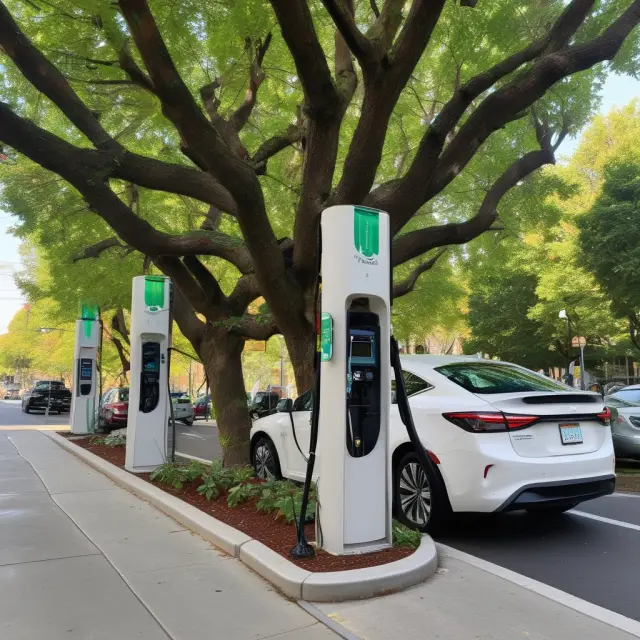
Investments in Electric Vehicles and Charging Infrastructure
The Infrastructure Investment and Jobs Act (IIJA), passed in 2021, allocated $7.5 billion for the development of electric vehicle (EV) charging infrastructure throughout the United States. This investment is crucial as the transition from gasoline-powered vehicles to EVs continues to accelerate, and it aims to support the ambitious goal of having 500,000 publicly accessible charging stations by 2030.
Electric vehicles are considered an essential part of infrastructure for multiple reasons. They provide a cleaner alternative to traditional combustion engine vehicles by reducing greenhouse gas emissions and dependence on foreign oil. Additionally, investments in EV charging infrastructure support the growth of the electric vehicle market, benefiting both consumers and automotive manufacturers.
Investing in electric vehicle charging infrastructure involves installing and expanding charging stations along highways and throughout urban areas to ensure accessible charging for all drivers. The National Renewable Energy Laboratory (NREL) explains that charging station placement is crucial for widespread EV adoption as range anxiety – the fear of running out of charge while on the road – can discourage potential buyers from making the switch from traditional gasoline-powered vehicles.
The infrastructure investment not only benefits consumers but also supports the growth of the electric vehicle market and automotive manufacturers. According to the U.S. Department of Energy, charging infrastructure investments are essential for achieving President Biden’s goal of a 50% electric vehicle share by 2030. Moreover, the investment creates job opportunities in manufacturing, installation, and maintenance of EV chargers and associated systems.
Investing in infrastructure is an essential aspect of economic development and prosperity. The Infrastructure Investment and Jobs Act (IIJA) also includes provisions for expanding broadband internet access to rural communities, ensuring every American has access to reliable high-speed internet by 2030. This investment addresses the digital divide, a pressing issue in the United States where many areas lack sufficient or no access to high-speed internet.
The Infrastructure Investment and Jobs Act (IIJA) demonstrates the importance of infrastructure investments as a means to spur economic growth, address critical needs, and ensure equitable access to essential services such as transportation and communication for all Americans.

Infrastructure Legislation and Policy: The IIJA of 2021
The Infrastructure Investment and Jobs Act (IIJA), passed in November 2021, allocates a significant amount of funds towards the rebuilding and improvement of various infrastructure aspects. This legislation, signed into law by President Joe Biden, addresses both hard and soft infrastructure needs, with an emphasis on digital connectivity and electric vehicles (EVs).
Hard Infrastructure: Rebuilding America’s Physical Systems
The IIJA invests $550 billion over five years to rebuild and improve physical infrastructure. This includes funds for roads, bridges, public transportation, water projects, broadband, airports, ports, and other critical infrastructure initiatives. For example, the act provides $110 billion for highways, bridges, and major infrastructure projects.
Soft Infrastructure: Digital Connectivity and Social Services
The IIJA also prioritizes investments in soft infrastructure, focusing on digital connectivity, environmental sustainability, and social services. This includes provisions to provide affordable, reliable broadband internet access to every American, ensuring that no household is left behind in the digital age. Additionally, the act allocates $50 billion towards improving public schools and modernizing school facilities across the nation.
Investing in Electric Vehicles (EVs) and Charging Infrastructure
Another significant area of investment addressed by the IIJA is electric vehicles and their charging infrastructure. The act provides $7.5 billion to build a national network of EV chargers, aiming to install 500,000 publicly accessible chargers across the United States by 2030. This investment will help accelerate the adoption of electric vehicles as part of the country’s efforts towards reducing greenhouse gas emissions and transitioning to a clean energy economy.
Impact on Society and Economy
The IIJA is expected to have a considerable impact on society and the economy, creating jobs and enhancing infrastructure systems for the benefit of American communities. The act’s provisions aim to address long-standing issues such as the digital divide, improve transportation networks, support education, and promote environmental sustainability through investments in renewable energy and EV charging infrastructure.
For example, the funding allocated towards expanding broadband access is projected to create hundreds of thousands of jobs in the telecommunications industry. Moreover, investments in schools and other social services will help modernize facilities and provide better educational opportunities for students. The IIJA’s emphasis on transportation infrastructure improvements will not only support businesses by improving supply chain efficiency but also make daily commuting more accessible and affordable for millions of Americans.
In conclusion, the Infrastructure Investment and Jobs Act represents a substantial commitment towards rebuilding America’s infrastructure systems, addressing long-standing issues, and paving the way for future economic growth through investments in hard and soft infrastructure. These investments will not only create jobs but also provide essential services and opportunities to millions of Americans, enhancing their quality of life and setting the stage for a more sustainable, connected, and prosperous future.

FAQs about Infrastructure and Its Role in Finance and Investment
What exactly is infrastructure?
Infrastructure refers to the fundamental physical systems that serve a community, region, or nation. It encompasses various structures like transportation networks, communication lines, water supply, and educational institutions. Infrastructure projects are often large-scale, capital-intensive investments crucial for economic growth and societal development.
What’s the history of infrastructure?
The term ‘infrastructure’ emerged around 1880 from French, meaning foundation and structure. The first federally funded infrastructure project was the Cape Henry Lighthouse built in 1789 to aid navigation in Virginia Beach, Virginia. Since then, governments have invested heavily in various types of infrastructure, including hard infrastructure like roads and bridges, as well as soft infrastructure like education and healthcare systems.
What are the differences between hard and soft infrastructure?
Hard infrastructure refers to the tangible physical structures such as transportation networks (roads, highways, and bridges) and utilities (electricity grids, water supply systems, etc.). Soft infrastructure, on the other hand, represents intangible services necessary for a society’s economic, social, and health needs. These include education, healthcare, government offices, law enforcement, and financial institutions.
Why is infrastructure significant?
Infrastructure plays a crucial role in enabling economic growth, providing essential services, and improving the quality of life for citizens. It powers businesses, connects workers to employment opportunities, and facilitates the movement of goods and services within an economy. Infrastructure projects can be funded publicly, privately, or through public-private partnerships, making it a vital investment opportunity for both governments and private entities.
What types of infrastructure investments are there?
Investments in infrastructure can take several forms, with some focusing on hard infrastructure like roads, bridges, and transportation systems, while others target soft infrastructure like education, healthcare, and financial institutions. Governments often fund these projects through tax revenue or subsidies, although private firms may also invest in infrastructure as part of a business expansion strategy.
How does infrastructure impact society?
Infrastructure development significantly influences society by driving economic growth, creating jobs, improving access to essential services, and enhancing overall quality of life. Infrastructure investments can boost industries like construction, engineering, and transportation, leading to increased employment opportunities and stimulating local economies. Additionally, reliable infrastructure enables citizens to participate fully in their communities and access critical resources such as education, healthcare, and financial services.
How is infrastructure maintained?
Infrastructure maintenance relies on the ownership model. The government often maintains infrastructure for transportation, water, and public education, while some may be privately owned or maintained through public-private partnerships. For instance, the City of Chicago entered into a 99-year lease with Cintra to operate and maintain the Chicago Skyway Bridge, with Cintra receiving all toll revenue and the city benefiting from an initial cash infusion.
What role does infrastructure legislation play?
Governments play a significant part in funding infrastructure through legislation. The American Recovery and Reinvestment Act of 2009 and the $305 billion transportation infrastructure bill of 2015 are just a few examples of infrastructure-focused legislations in the United States. In 2021, President Biden signed the Infrastructure Investment and Jobs Act, which allocated $1.2 trillion for various infrastructure projects including roads, bridges, water infrastructure, internet, and electric vehicle charging stations.
What is the digital divide?
The digital divide refers to the disparity between areas with reliable high-speed internet access and those with limited or no connectivity. The Infrastructure Investment and Jobs Act of 2021 includes funding to bridge this gap by ensuring every American has access to reliable high-speed internet, addressing the challenges posed by the COVID-19 pandemic.
Is electric vehicle (EV) infrastructure considered part of infrastructure?
Yes, the infrastructure investments made under the Infrastructure Investment and Jobs Act of 2021 include funding for developing EV charging stations to ensure that electric vehicles can travel long distances across the country without worrying about charge availability. This investment is crucial to supporting a transition towards renewable energy sources and reducing carbon emissions.
 Next entry · No. 2,397Inherent Risk: Understanding the Hidden Dangers in Financial Statements
See also
-
 No. 225
07 Apr 2024
21 min
Understanding the Asian Infrastructure Investment Bank (AIIB): An Overview and Its Impact on Global Finance
Global Finance
No. 225
07 Apr 2024
21 min
Understanding the Asian Infrastructure Investment Bank (AIIB): An Overview and Its Impact on Global Finance
Global Finance -
 No. 5,376
03 Sep 2025
20 min
Understanding Utilities Sector: Long-Term Investments, Regulatory Oversight, and Shift towards Clean Energy
Business Finance
No. 5,376
03 Sep 2025
20 min
Understanding Utilities Sector: Long-Term Investments, Regulatory Oversight, and Shift towards Clean Energy
Business Finance -
 No. 4,870
23 Jul 2025
23 min
Understanding Tax Holidays: An Effective Tool for Economic Growth or Merely Temporary Boost?
Business Finance
No. 4,870
23 Jul 2025
23 min
Understanding Tax Holidays: An Effective Tool for Economic Growth or Merely Temporary Boost?
Business Finance -
 No. 4,149
26 May 2025
20 min
Public-Private Partnerships: An Effective Solution for Financing Large-Scale Government Projects
Business Finance
No. 4,149
26 May 2025
20 min
Public-Private Partnerships: An Effective Solution for Financing Large-Scale Government Projects
Business Finance -
 No. 4,089
21 May 2025
21 min
Understanding Private Finance Initiatives: Advantages, Disadvantages & Real-World Examples
Business Finance
No. 4,089
21 May 2025
21 min
Understanding Private Finance Initiatives: Advantages, Disadvantages & Real-World Examples
Business Finance -
 No. 3,978
12 May 2025
20 min
Physical Capital: Understanding the Role of Tangible Assets in Business and Investment
Business Finance
No. 3,978
12 May 2025
20 min
Physical Capital: Understanding the Role of Tangible Assets in Business and Investment
Business Finance